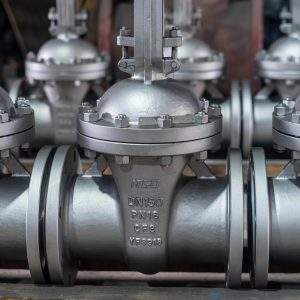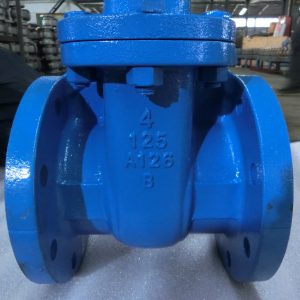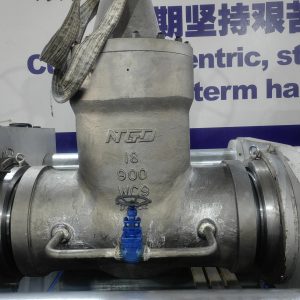
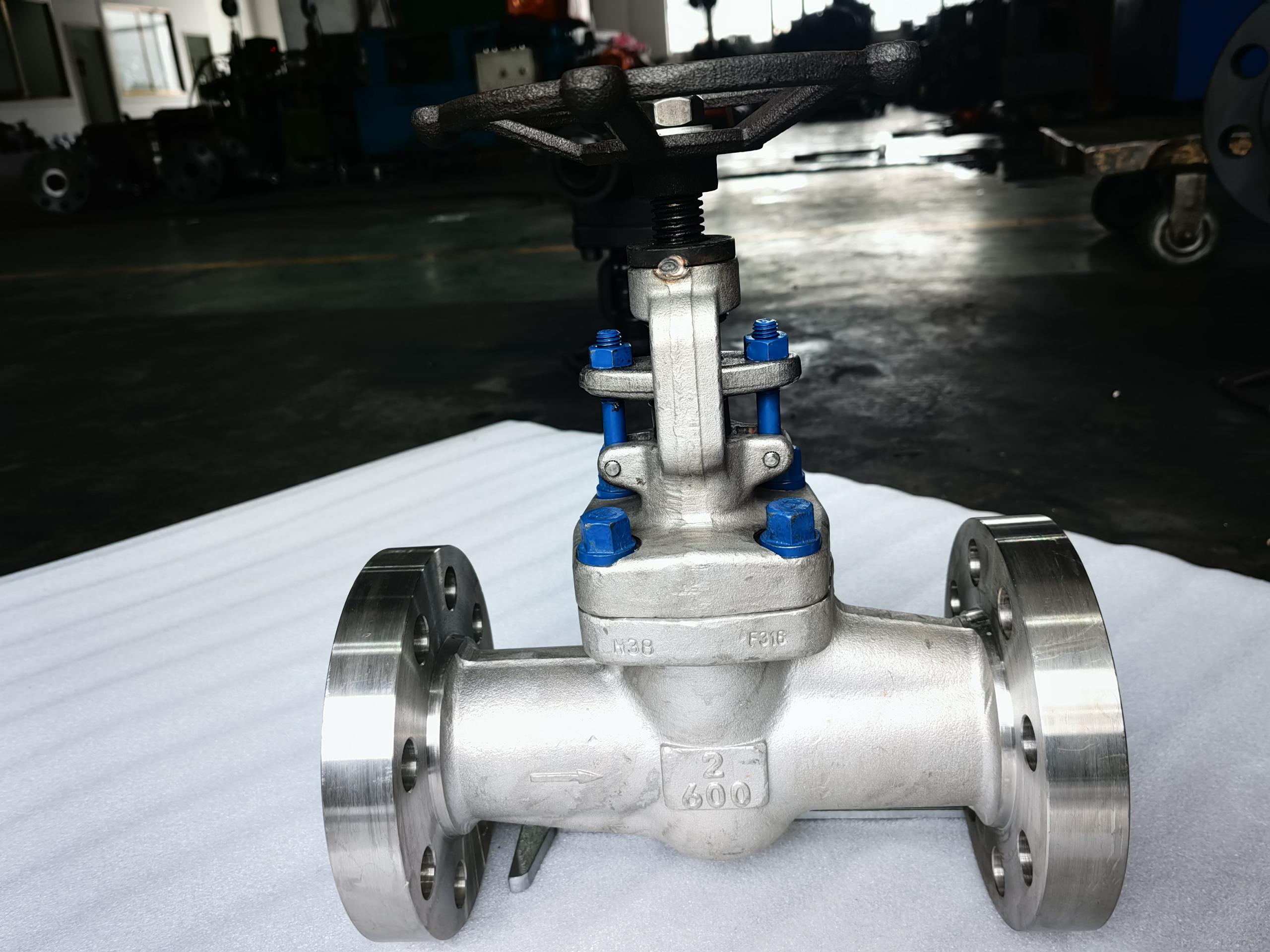
A Solid Wedge Gate Valve changes how liquids move by moving a solid wedge up or down inside the valve. You can see this valve in water plants and factories. It is used because it stops flow well and seals tightly. Makers create these valves to follow AWWA C500, ANSI, and ASTM rules. The design stops leaks and works well in hard places.
Key Takeaways
- Solid wedge gate valves are strong and work well. They help control how fluids move. They are good for places with high pressure and heat.
- These valves have a wedge made from one piece. This design helps the valve seal tightly. It stops leaks and helps the valve last longer.
- When you pick a solid wedge gate valve, think about a few things. Look at how it will be used. Check the size of the valve. Make sure the material is right. This helps the valve work its best.
- You need to take care of the valve often. Lubricate it and check it for problems. This keeps the valve working well and stops leaks.
- Pick NTGD valves for safety and good quality. They follow tough rules like AWWA C500 and ANSI.
What Is a Solid Wedge Gate Valve

Definition
A solid wedge gate valve is a strong tool. It helps control how liquids move in pipes. The valve has a solid wedge that moves up and down. This wedge opens or closes the path for water or other fluids. The design makes a tight seal, even with high pressure or heat. People use these valves where they need something reliable. You can find them in water plants or big factories.
Here is a table that shows the main features of a solid wedge gate valve:
| Feature | Description |
|---|---|
| Solid Wedge Design | Gives the valve strength and keeps it sealed, even when things get tough. |
| Manual Operation | Lets you use a handwheel or gearbox to move the valve easily. |
| High-Pressure and Temperature Resistance | Handles hard jobs, like high pressure or heat. |
| Leak-Proof Sealing | Stops leaks and keeps liquid from going backward. |
| Corrosion Resistance | Made with strong metals like carbon steel or stainless steel. |
| Low Pressure Drop | Lets liquid move easily when the valve is open. |
Note: A solid wedge gate valve is strong and lasts a long time. It follows rules set by the industry, so it works well every time.
Main Function
The main job of this valve is to start or stop liquid in a pipe. When you turn the handwheel, the wedge goes down to block the flow. It goes up to let liquid move through. This gives you clear on and off control. Many systems need this kind of control.
You might want to know how this valve is different from others. The table below shows how solid wedge and flexible wedge gate valves are not the same:
| Valve Type | Characteristics | Sealing Performance under Deformation |
|---|---|---|
| Solid Wedge Gate Valve | Strong and works in many places, but may not fit right if the pipe bends. | May not line up perfectly |
| Flexible Wedge Gate Valve | Changes shape to fit the pipe, so it seals well even if the pipe moves. | Keeps sealing even if pipe bends |
Pick a solid wedge gate valve if you need a tough and simple valve. It works best when pipes stay straight and do not move. If you want a valve that lasts and shuts off well, this is a good choice.
How It Works
Operating Principle
You control the flow in a Solid Wedge Gate Valve by moving a wedge-shaped gate up or down. When you turn the handwheel, the gate rises to let liquid pass or lowers to block the path. This simple movement gives you clear control over starting or stopping the flow. The wedge fits tightly against the valve seat when closed. This tight fit blocks the fluid and gives you a reliable shutoff every time. The wedging effect helps the valve seal well, even when the pressure gets high. You can trust this valve to keep your system safe from leaks.
- You raise or lower the wedge to open or close the valve.
- The wedge presses firmly against the seat to stop fluid flow.
- The design works well under high pressure and keeps the seal strong.
Tip: If you need a valve that shuts off completely and works in tough conditions, this type of valve is a smart choice.
Internal Mechanism
Inside the valve, several features help it last longer and seal better. You will find different mechanisms that make the valve strong and reliable. The table below shows how each part works to improve durability and sealing:
| Mechanism | Contribution to Durability and Sealing Performance |
|---|---|
| Plain Wedge | Simple and strong design. May jam if the pipe gets too hot or stressed. |
| Elastomeric/Plastic Sealing | Uses materials like PTFE to make the seal tighter and more reliable. |
| Self-Aligning Wedges | Lets the wedge find the best position, so it does not get stuck and lasts longer. |
| Rubber Lining | Adds a layer that protects the valve from chemicals and keeps the inside safe from corrosion. |
| T-Slot Wedge-to-Stem Connection | Keeps the wedge attached to the stem, so it does not come loose during use. |
| Body Guides | Guides the wedge smoothly, reduces wear, and stops it from turning too much. |
You get a valve that works well for many years because of these smart design choices. NTGD uses these features to make sure their valves meet high standards and give you the best performance.
Solid Wedge Gate Valve Features
Key Components
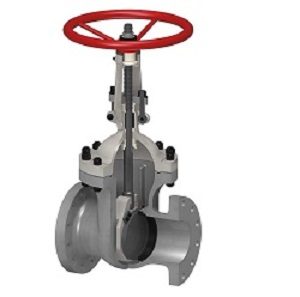
You will find several main parts inside a solid wedge gate valve. Each part plays a key role in how the valve works and how long it lasts. The body forms the main shell and holds everything together. The bonnet covers the top and keeps the inside safe. The stem connects the handwheel to the gate, letting you move the wedge up or down. The gate, also called the disc, is the solid wedge that blocks or allows flow. The seats are rings inside the valve body where the wedge presses to make a tight seal.
NTGD designs each component to meet strict industry standards like AWWA C500, ANSI, and ASTM. This focus on quality helps you get a valve that works well in tough places. The solid wedge design gives the valve extra strength and helps it seal tightly, even when the pressure is high or the temperature changes. When you turn the handwheel, the wedge moves smoothly and fits snugly into the seats. This action stops leaks and keeps your system safe.
Here is a table that shows the main components and what they do:
| Component | Function |
|---|---|
| Body | Holds all parts and forms the main structure |
| Bonnet | Covers the top and protects the inside |
| Stem | Connects the handwheel to the wedge for movement |
| Gate (Disc) | Blocks or allows fluid flow |
| Seats | Provide a surface for the wedge to seal against |
Unique Design Aspects
NTGD uses a single-piece wedge construction in its solid wedge gate valves. This design gives you a tight metal-to-metal seal. You get effective shut-off and almost no leakage. The simple wedge shape adds strength and makes the valve reliable for many years. Split wedge designs can become less effective over time, but the solid wedge keeps its sealing power.
You can choose from many sizes and materials. Most solid wedge gate valves come in cast iron or ductile iron. These materials work well for water lines and other moderate pressure jobs. Some valves use bronze, stainless steel, or cast steel for special needs. You can use these valves with almost any fluid, and you can install them in any position. Keep in mind that the solid wedge does not adjust if the pipe bends or expands from heat, so it works best in stable systems.
NTGD offers two main configurations: NRS (Non-Rising Stem) and OS&Y (Outside Screw and Yoke). NRS valves save space and fit well underground or in tight spots. You cannot see if the valve is open or closed just by looking at it. OS&Y valves have a stem that moves up and down outside the valve. This feature lets you check the valve’s position easily and add monitoring switches if needed. OS&Y valves make maintenance and inspection much simpler.
Recent advances in solid wedge gate valve design use better materials and new engineering methods. These changes help the valve last longer and work more safely. NTGD uses these improvements to give you a valve that meets the needs of many industries.
Tip: When you pick a solid wedge gate valve from NTGD, you get a product that meets top standards, lasts a long time, and gives you reliable performance.
- Single-piece wedge gives strong sealing and long life.
- Many sizes and materials fit different jobs.
- NRS and OS&Y designs help you choose the right valve for your space and maintenance needs.
- NTGD valves follow AWWA C500, ANSI, and ASTM standards for quality and safety.
Pros and Cons
Advantages
When you choose a Solid Wedge Gate Valve, you get several important benefits. These valves give you a strong and reliable way to control flow in your system. Here are some key advantages:
- You get a tight seal that prevents leaks, even when the pressure is high.
- The single-piece wedge design gives the valve extra strength and long life.
- You can use these valves with many types of fluids, including water, oil, and gas.
- The simple design makes operation easy. You only need to turn the handwheel to open or close the valve.
- NTGD manufactures these valves to meet strict industry standards, so you know you are getting quality and safety.
- You can find many sizes and materials, which means you can match the valve to your exact needs.
- The valve works well in both above-ground and underground installations.
Tip: If you want a valve that lasts for years and gives you dependable shutoff, this type is a smart choice.
Disadvantages
You should also know about some challenges when using this valve. Every product has limits, and understanding them helps you make better decisions. Here are some common disadvantages:
- You cannot open or close the valve quickly. It takes several turns of the handwheel.
- The slow movement of the wedge can cause high flow speeds, which may damage the valve.
- If your fluid has dirt or debris, the valve can get stuck or worn out.
- High pressure differences can make it hard to open or close the valve and can speed up wear.
- You need to check the sealing and moving parts often, which adds to your workload and costs.
- The valve needs a lot of space for installation and maintenance.
- If the temperature changes quickly, leaks can happen at the valve.
- Repairing the sealing surfaces is hard when the valve is in use.
Note: Knowing these limits helps you plan for regular checks and choose the right spot for your valve.
Applications

Typical Uses
Solid wedge gate valves are used in many big industries. These valves help control water, oil, gas, and steam. They are often found in large pipes that need strong shutoff. Here are some places where people use these valves:
- Municipal water plants use these valves to turn water on or off in big pipes. The simple and tough design makes them good for pipes underground. They last a long time and work well in these spots.
- Oil and gas companies use these valves to control oil and gas flow. These valves can handle high pressure and very hot or cold temperatures. That is why refineries and chemical plants like to use them.
- Power plants use these valves in systems for steam, water, and cooling. The valves seal tightly, even when things get very hot or under a lot of pressure.
You can also find these valves in chemical plants and other factories. They work well with strong chemicals and high heat. This makes them a smart pick for many engineers.
Why Choose This Valve
Engineers and managers pick this valve because it is strong and works well. You get many good things when you use a solid wedge gate valve. The table below shows why people trust this valve for important jobs:
| Advantage | Description |
|---|---|
| Robust Design | One-piece build gives strength and lasts long. |
| Effective Sealing | The valve seals tightly, even with high pressure. |
| Minimal Flow Resistance | When open, fluid moves easily and saves energy. |
These valves work well in real projects. For example, a power plant in the Midwest USA used these valves in a main steam pipe. The valve did not wear out or leak. The plant did not have two shutdowns and saved over $1 million. In Southeast Asia, another plant used these valves in a steam pipe. The valve kept pressure drop low and saved a lot of money on repairs each year.
When you pick NTGD, you get a valve that meets strict rules and works well. You can trust this valve to keep your system safe and running smoothly.
Solid Wedge Gate Valve Selection
Criteria
When you choose a Solid Wedge Gate Valve, you need to look at several important factors. These help you find the best valve for your system. Here is a simple guide:
- Operating Conditions: Check the temperature, pressure, and flow rate in your system. Make sure the valve can handle these conditions.
- Valve Size: Match the valve size to your pipe and flow needs. A valve that fits well will work better and last longer.
- Materials of Construction: Pick materials that work with your fluid. For example, stainless steel resists corrosion, while cast iron works for water.
- Valve Design: Decide if you need a rising stem or non-rising stem. Rising stem valves show you if the valve is open or closed. Non-rising stem valves save space.
- End Connections: Choose the right end connections for your pipes. Flanged, threaded, or welded ends each fit different systems.
- Industry Standards and Certifications: Make sure your valve meets standards like ANSI and AWWA C500. NTGD valves follow these rules for safety and quality.
Tip: Always check the pressure rating. A valve with the right rating will prevent leaks and failures.
Tips
You can use these tips to pick the right valve for tough jobs:
- Look at your fluid. If you have stable conditions, a solid wedge works well. If your pipes bend or move, you might need a flexible wedge.
- Think about sealing. Solid wedges give tight closure in high-pressure jobs. Flexible wedges seal better if your pipes move.
- Check durability. Solid wedges last longer in abrasive or high-pressure places. Flexible wedges work better with corrosive fluids.
- Consider how easy it is to operate. Flexible wedges need less force to open and close.
- Match the valve to your job. NTGD offers many options for different industries.
The ANSI/AWWA C500 standard sets rules for metal-seated gate valves. These rules help you pick a valve that meets safety and performance needs. NTGD designs valves to meet these standards, so you get reliable products for your system.
| Selection Factor | Why It Matters |
|---|---|
| Pressure Rating | Prevents leaks and failures |
| Material Choice | Improves wear and corrosion resistance |
| Valve Size | Extends valve life and boosts flow |
Note: If you follow these steps, you will find a valve that fits your system and lasts for years.
Installation and Maintenance
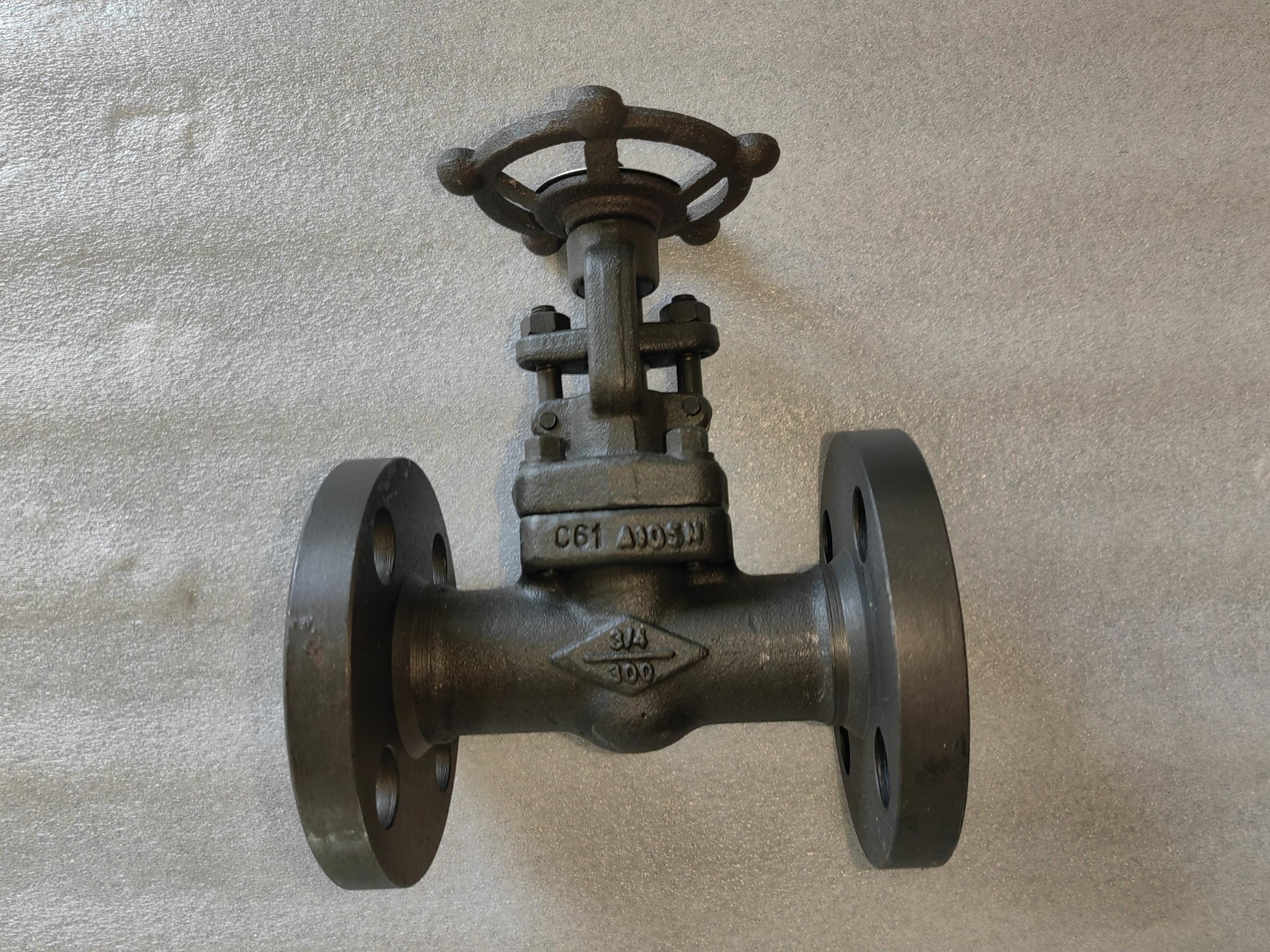
Installation Steps
You can install a Solid Wedge Gate Valve by following these clear steps. Doing each step carefully helps you avoid leaks and keeps your system safe.
- Align the Valve: Place the valve so it lines up with your pipeline. Make sure the stem is easy to reach.
- Install the Valve:
- For flanged valves, put the valve between the pipe flanges. Add gaskets, match the bolt holes, insert bolts, and tighten them in a cross pattern using a torque wrench.
- For threaded valves, wrap PTFE tape on the threads. Screw the valve onto the pipe and tighten with a wrench.
- For welded valves, check the alignment, follow welding safety rules, let the joint cool, and then test for leaks.
- Pressure Test and Inspect: Slowly fill the pipe with water or air. Check for leaks and make sure the valve opens and closes smoothly. Run a hydrostatic or air test if needed.
Tip: Always support the pipe so the valve does not carry the pipe’s weight. This keeps the valve from bending or breaking.
Here are some common mistakes and how you can avoid them:
| Common Mistake | How to Avoid It |
|---|---|
| Flanges not lined up | Align the valve and pipe before tightening bolts. |
| Bolts tightened unevenly | Use a torque wrench and tighten in a cross pattern. |
| Wrong or missing gaskets | Use the right gasket for your valve and fluid. |
| Valve stem blocked | Check for anything that could stop the stem moving. |
| Pipe weight on the valve | Support the pipe so the valve stays stress-free. |
Maintenance Best Practices
You keep your valve working well by checking and caring for it often. Here are some best practices:
- Adjust the gland regularly to stop leaks.
- Lubricate the stem to help it move smoothly and last longer.
- Clean inside the valve to keep out dirt and debris.
- Inspect and replace gaskets if you see any leaks.
- Check and tighten bolts and nuts to keep the seal tight.
How often you do these checks depends on how much you use the valve:
| Usage Frequency | Routine Maintenance | Full Maintenance |
|---|---|---|
| Used often | Every 3-6 months | Once a year |
| Used rarely | Every 6-12 months | Every 2-3 years |
If you find leaks or the valve is hard to turn, try these steps:
- Replace worn seals or seats.
- Make sure the valve and flanges are lined up.
- Fix any cracks or worn spots on the valve.
- Clean around the seat to remove dirt.
- Realign the gate if it does not close right.
Note: NTGD recommends following these steps to keep your valve safe and working for many years.
Solid wedge gate valves are strong and seal well. They are used in many different jobs. The table below shows the main points:
| Key Aspect | Details |
|---|---|
| Historical Significance | Solid wedge design has been trusted for a long time. |
| Advantages | Can be used in many ways and does not cost too much over time. |
| Limitations | Not very flexible and might get stuck if temperatures change a lot. |
To keep your system working well and safe, you should:
- Pick the right size, material, and wedge type for your job.
- Put in and take care of the valve the right way to stop leaks or problems.
- Use NTGD valves that follow the rules for safety and quality.
- Ask experts or check standards if you need more help.
Remember, making good choices and checking your valve often helps it last longer and work better.