
Gate valves are important for controlling fluid flow in industries. Their special design allows accurate on/off control, reducing resistance and improving efficiency. Gate valves work well under high pressure because they are made for straight-line flow with little blockage. This makes them great for industries like oil, gas, and water treatment, where cutting flow resistance is very important.
Research shows gate valves lower pressure loss in pipelines. When fully open, they allow fluid to flow freely without blocking. This lowers pressure differences between the valve’s two sides and keeps flow steady. These qualities make صمامات البوابة a dependable choice for tough environments needing good flow control.
الوجبات الرئيسية
- Gate valves help control fluid flow by turning it on or off. They are important in industries like oil, gas, and water treatment.
- Their straight design lowers pressure loss and keeps fluids moving easily. This helps systems work better.
- Gate valves are strong and can handle high pressure and tough conditions. They are reliable in hard environments.
- Picking the right gate valve for the fluid and pressure improves how it works and lasts longer.
- Taking care of gate valves is simple. This saves time and keeps systems running well.
Working Principle of Gate Valves

كيفية عمل صمامات البوابة
Gate valves are used to control fluid flow. They work by opening or closing a gate inside the valve. The gate moves up and down to let fluid pass or stop it. Turning the handwheel or using an actuator lifts the gate. This creates a clear path for fluid to flow easily. Lowering the gate blocks the flow completely, sealing it tightly. This simple design reduces resistance when open and stops flow fully when closed.
This design makes gate valves great for controlling fluid in industries. They can handle high pressure and seal tightly, making them reliable.
The Gate’s Role in Controlling Flow
The gate is the most important part of a gate valve. Its shape and movement decide how well it controls fluid flow. When open, the gate moves out of the way, letting fluid pass freely. This reduces pressure loss and keeps the flow smooth. When closed, the gate presses tightly to stop leaks and keep the system secure.
The gate’s precise movement makes it useful in industries like oil, gas, and water treatment. It helps control flow rates and prevents leaks, improving efficiency.
Why the Straight Channel is Useful
Gate valves have a straight channel inside for fluid to flow. This design keeps the fluid moving in one direction without turning. It lowers resistance and reduces pressure loss. This is helpful in systems needing steady flow rates.
The straight channel also stops sediment from building up, which could block flow. By keeping fluid moving smoothly, gate valves make industrial systems work better.
Key Parts of Gate Valves
Knowing the main parts of gate valves helps you see how they control fluid flow. Each part plays a role in making the valve work well.
Gate or Wedge
The gate, also called the wedge, is the main part of gate valves. It controls fluid flow by moving up to open or down to close. Gates come in different types like solid, flexible, or split wedges. A solid wedge is strong, while a flexible wedge handles temperature changes better, reducing stress.
The gate’s material is important for how it works. Common materials include stainless steel, carbon steel, and brass. These materials help the gate handle high pressure and tough environments, making it reliable for industries.
Stem and Actuator System
The stem links the gate to the actuator, letting you control the valve. Turning the handwheel or using the actuator moves the stem, which moves the gate. This system allows accurate control of fluid flow. Actuators can be electric, pneumatic, or hydraulic.
- المشغلات الكهربائية: Offer exact control and can work remotely.
- المشغلات الهوائية: Use air pressure for quick action, good for risky areas.
- المشغلات الهيدروليكية: Provide strong force, great for heavy-duty tasks.
The stem and actuator together make the valve work smoothly and efficiently.
Body, Bonnet, and Seals
The body and bonnet are the main parts of gate valves. The body holds the inside parts, and the bonnet covers the top, keeping pressure steady. These are usually made from strong metals like cast iron or stainless steel to handle tough conditions.
Seals, like gaskets and packing, stop leaks. Gaskets seal connections, and packing stops leaks around the stem. Rubber and graphite gaskets are popular because they are strong and flexible. These parts keep the valve safe and working well.
The strong design of the body, bonnet, and seals makes gate valves reliable for industries.
Types of Gate Valves for Fluid Flow Control

Solid Wedge Gate Valves
Solid صمامات البوابة الإسفينية are strong and very common. They work well in high-pressure and high-temperature systems. The solid wedge is one piece and seals tightly when closed. This design stops leaks, even during big pressure changes.
These valves are also affordable and need little upkeep. They last long and are great for oil pipelines and water systems. Below is a table showing their benefits:
| الميزة | الميزة |
|---|---|
| المتانة | قوي ومقاوم للصدأ |
| منع التسرب | Seals tightly under high pressure |
| High-Pressure Handling | Handles big pressure changes |
| الفعالية من حيث التكلفة | Needs less maintenance and repairs |
Flexible Wedge Gate Valves
Flexible wedge gate valves handle temperature changes well. They have a small cut or groove to adjust to seat changes. This keeps the seal tight even with thermal expansion or contraction.
These valves are great for systems needing strong seals and durability. They meet ASME B16.34 standards and resist wear. Their non-rotating stem makes them easier to use. Here’s a table of their features:
| الميزة | الوصف |
|---|---|
| Flexibility Index | Up to 0.035” (0.89 mm) for seat changes |
| معيار التصميم | Meets ASME B16.34 standards |
| Tightness | Strong seal without sticking |
| المتانة | Resists wear with hardfaced seats |
| الصيانة | Needs little upkeep over time |
| عزم الدوران التشغيلي | Easy to use with low torque |
Split Wedge Gate Valves
Split wedge gate valves have two parts forming the gate. This design lets them adjust and align with valve seats. They seal tightly and handle uneven pressure well.
These valves stop thermal binding, common in hot systems. Their self-aligning design reduces stress and lasts longer. Power plants and chemical factories use them for their reliability.
Split wedge gate valves are perfect for uneven pressure and temperature changes. They keep working well without losing performance.
صمامات البوابة المنزلقة المتوازية
صمامات بوابة الانزلاق المتوازية are special valves for tough jobs. They are chosen because they stop leaks and last long. These valves work well in places needing no leakage at all.
Instead of a wedge, these valves use two flat discs. The discs stay lined up while the valve works, keeping it steady. A strong spring pushes the discs to seal tightly. This helps the valve handle both low-pressure air and high-pressure water without leaking.
One big reason to pick these valves is their long lifespan. Their strong seals resist damage from rough fluids, needing less fixing. They also stop leaks in both directions, making them useful in many industries like power plants and chemical factories.
Here’s a table showing the features and benefits of parallel slide gate valves:
| الميزة | المزايا |
|---|---|
| Bi-directional zero-leakage | Works well for many different uses. |
| عمر خدمة طويل | Strong seals resist damage from rough fluids. |
| Tight shutoff | Stops leaks in both low and high pressure. |
| High spring load | Keeps the discs sealed tightly in all conditions. |
| Parallel discs | Stay lined up for better performance. |
Choosing parallel slide gate valves helps control fluids better and saves energy. Their strong build and ability to handle tough conditions make them a smart choice for industries.
Applications of Gate Valves in Industrial Systems

Oil and Gas Pipelines
Gate valves are very important in oil and gas work. They control the flow of crude oil, gas, and refined products. These valves are used in all stages of pipeline operations. They allow full flow and stop leaks completely. This makes them perfect for long pipelines. By reducing flow resistance, they keep pressure steady and save energy.
As pipelines grow, the need for good flow control rises. Gate valves are popular because they ensure safety in key pipeline areas. Their strong build handles high pressure and tough conditions. This makes them a top choice for oil and gas systems.
Water Treatment and Distribution Systems
Gate valves are key in water systems for efficiency and safety. They stop fluid flow during repairs or emergencies, protecting the system. Their design reduces pressure loss, which is important for big water networks.
Placing gate valves in the right spots improves water flow. They also stop sediment from building up, keeping water clean. Studies show these valves help share water fairly among users. Their strength and ability to handle large flows make them vital for water systems.
Chemical and Petrochemical Plants
Chemical plants use gate valves for tough jobs and harsh conditions. These valves handle high pressure and heat, keeping operations safe. For example, wedge gate valves work well in wet flare lines under extreme conditions.
Manufacturers test these valves to meet strict standards. Large gate valves are common for high-pressure tasks in these plants. Their strong design and reliable use make them great for handling dangerous chemicals. Using gate valves improves safety and efficiency in chemical plants.
Power Generation and Energy Facilities
Gate valves are very important in power and energy plants. These systems face tough conditions like high pressure and heat. Gate valves are strong and help keep things safe and efficient.
In power plants, gate valves control steam, water, and other fluids. They shut tightly to stop leaks, keeping systems working well. For example, in thermal plants, they manage steam flow to turbines. This helps make energy better and reduces waste.
Nuclear plants also use gate valves because they are strong. They safely handle radioactive fluids without leaking. Their strength under high pressure makes them perfect for these jobs. Gate valves work well even in the hardest conditions.
Renewable energy plants also use gate valves. In hydro plants, they control water flow to turbines for energy. In solar plants, they manage heat-transfer fluids. Gate valves are useful in many energy systems.
Gate valves are chosen because they save energy by lowering resistance. This is very helpful in big operations. Their use in power plants shows they are reliable and flexible.
Gate valves help energy systems run smoothly, making them very important today.
Advantages of Gate Valves in Industrial Fluid Flow Control
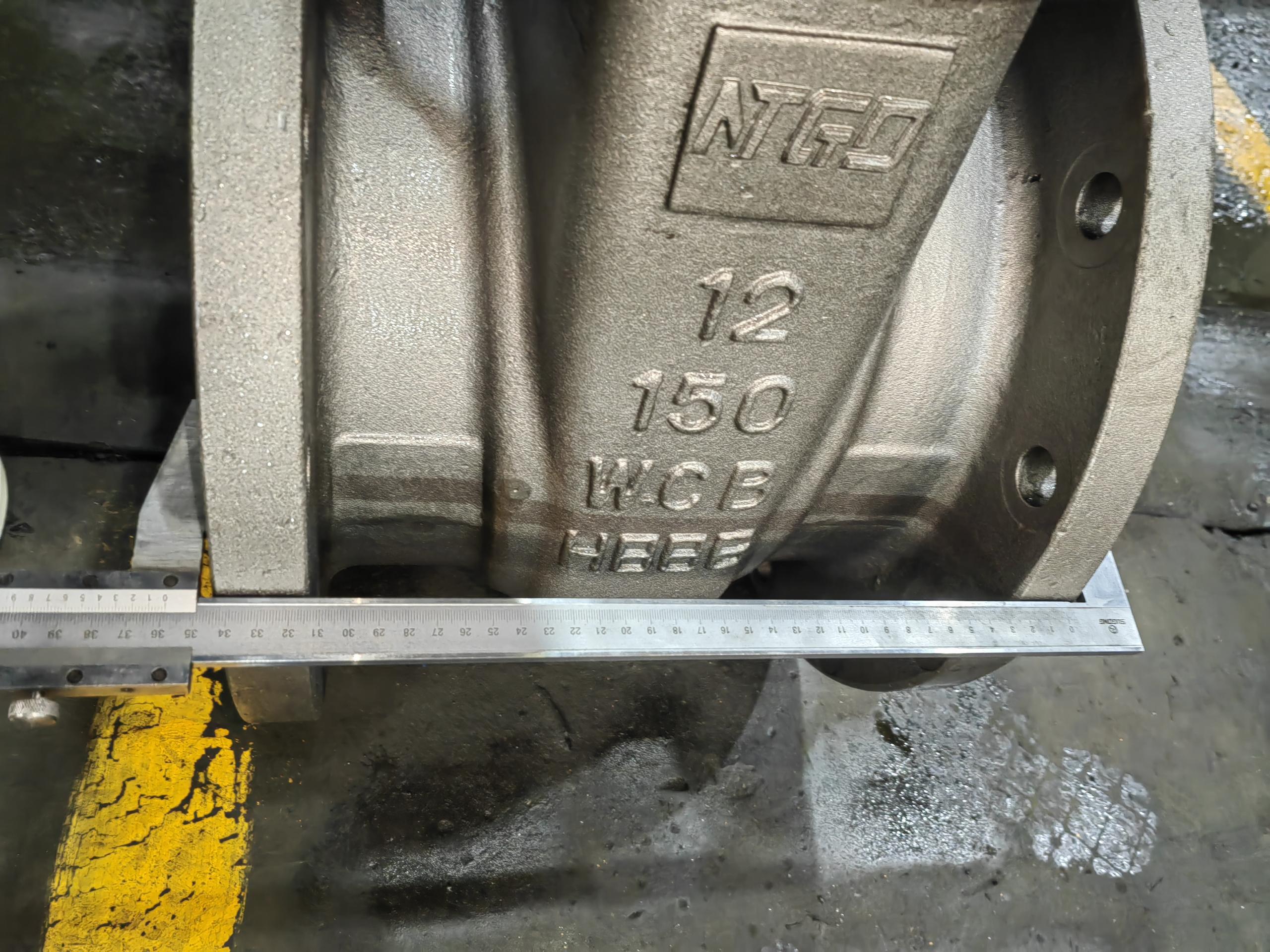
Easy Flow Control and Leak Prevention
Gate valves are great for controlling fluid flow. When open, the gate moves fully out of the way. This lets fluid flow freely without blocking. The design lowers pressure loss, making it perfect for full flow needs. When closed, the valve seals tightly to stop leaks. This improves safety and keeps systems running well.
Gate valves work with many fluids like liquids, gases, and slurries. They are used in industries like oil, gas, water treatment, and power plants. These valves help control fluid flow better. They also reduce the chance of system problems.
Strong in High-Pressure Conditions
Gate valves are made to handle tough conditions. They stay strong under high pressure. Tests show they work well even in hard situations. For example:
- Pressure tests check how strong the valve is.
- Valves are opened and closed 500 times under high pressure.
- After testing, most valves showed no leaks or damage.
This shows gate valves are reliable in harsh places. They are often made from strong materials like stainless steel or carbon steel. These materials help them handle heat and pressure without breaking.
Saves Energy and Reduces Pressure Loss
Gate valves are built to save energy in fluid systems. Their straight design keeps fluid moving smoothly. This lowers turbulence and pressure loss. Tests using Bernoulli’s equation prove this. Results show gate valves lose less energy compared to other fittings.
This makes gate valves a smart choice for saving money. They cut energy waste while keeping systems efficient. Whether in water systems or chemical plants, gate valves ensure smooth and cost-effective fluid flow.
Versatility Across Industrial Applications
Gate valves are useful because they work in many industries. Their design makes them a trusted choice for controlling fluids. These valves can handle liquids, gases, and even thick slurries. But what makes them so flexible? Let’s find out.
- Compatibility with Different Fluids
Gate valves work with many fluid types. They handle water, oil, gas, and chemicals easily. They also work well with rough or harmful fluids, making them great for tough jobs. - Wide Range of Sizes and Materials
Gate valves come in different sizes for small or big systems. They are made from materials like stainless steel, cast iron, and brass. For example, stainless steel resists rust, so it’s good for chemical plants. - Performance in Extreme Conditions
These valves work well under high pressure and heat. They are reliable in power plants, oil refineries, and other hard environments. Their strong build helps them last in tough conditions.
نصيحة: Pick a gate valve based on fluid type, pressure, and heat. This helps it work better and last longer.
- سهولة الصيانة
Gate valves are simple to fix. Their basic design makes repairs and part changes quick. This saves time and keeps systems running smoothly.
| الميزة | المزايا |
|---|---|
| توافق السوائل | Handles liquids, gases, and slurries |
| Material Variety | Works in different environments |
| High-Pressure Handling | قوي في الظروف الصعبة |
| احتياجات الصيانة المنخفضة | Saves time and money |
Gate valves are very adaptable. They work well in many industries, making fluid control easier and more efficient.
Gate valves are key for better fluid flow in industries. Their strong build makes them last long and work well. They lower pressure loss, which helps systems run smoothly. For instance, they can stop flow both ways and resist rust. This makes them very useful in water systems. They also work great under high pressure, like in oil pipelines and power plants. New materials and technology make gate valves even better. They now meet the needs of industries, staying safe and working well for a long time.
