
Floating ball valves work well in high-pressure systems. Their simple design lowers costs but still works great. These valves help stop leaks and keep systems reliable. Studies show they are cheaper because they have fewer parts. They are good for low to medium-pressure uses. This makes them a top pick for controlling gases and liquids. NTGD’s floating ball valves are flexible and work well, making them trusted in industries.
Key Takeaways
- Floating ball valves stop leaks well, even under high pressure. This makes them dependable for many systems.
- They have a simple design with fewer parts. This means they cost less to fix and last longer, saving money.
- These valves work with many fluids and gases. This makes them useful in different industries.
- Floating ball valves are simple to set up and use. This saves time and lowers the chance of setup errors.
- These valves help save energy, cutting electricity costs and helping the environment.

Superior Sealing Performance
Tight Shut-Off Mechanism
Floating ball valves are great for stopping leaks in high-pressure systems. They have a special shut-off feature that keeps fluids from escaping. The floating design makes the seal tighter as pressure increases. This means the valve works better at higher pressures to stop leaks.
| Evidence Description | Explanation |
|---|---|
| The floating design boosts sealing pressure as fluid pressure rises. | Higher pressure makes the seal stronger, stopping leaks well. |
| Fluid pressure pushes the ball against the seat, improving the seal. | This pressure helps the valve seal tightly in high-pressure systems. |
| When closed, fluid pressure forces the ball to seal tightly. | This shows how pressure improves the valve’s leak prevention. |
NTGD’s floating ball valves are built to handle tough conditions and keep systems safe.
Prevention of Pressure Drops
Pressure drops can hurt system performance and waste energy. Floating ball valves help by having smooth internal designs. These designs cut down turbulence and let fluids flow easily. For instance, valves with precise electric or pneumatic systems improve flow control and speed.
| Feature | Benefit |
|---|---|
| Smooth internal designs | Reduces turbulence and improves flow rates |
| Precise electric actuators | Better control in large systems |
| Pneumatic systems | Faster response times |
| OS&Y gate valves | Lowers flow and pressure loss |
| Globe valves | Keeps flow steady and repeatable |
Using NTGD’s floating ball valves can lower pressure drops and make your system work better.
Bubble-Tight Closure for System Integrity
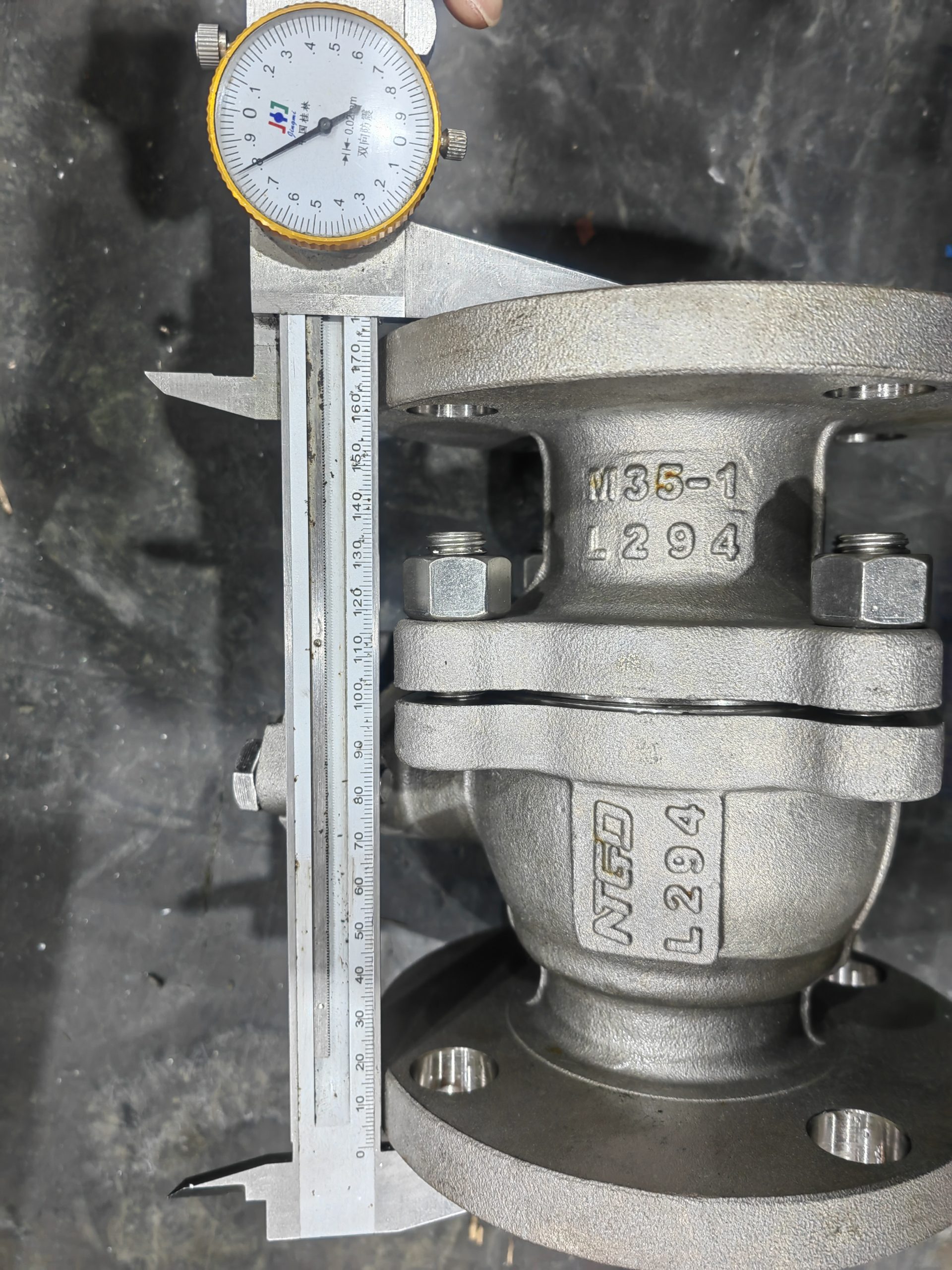
A bubble-tight closure stops all leaks, even in tough conditions. Floating ball valves do this by pressing the ball firmly against the seat when closed. This is very important in industries where leaks can cause danger or waste. NTGD’s valves are reliable and precise for these needs.
Strong and Long-Lasting
Handles High Pressures and Temperatures
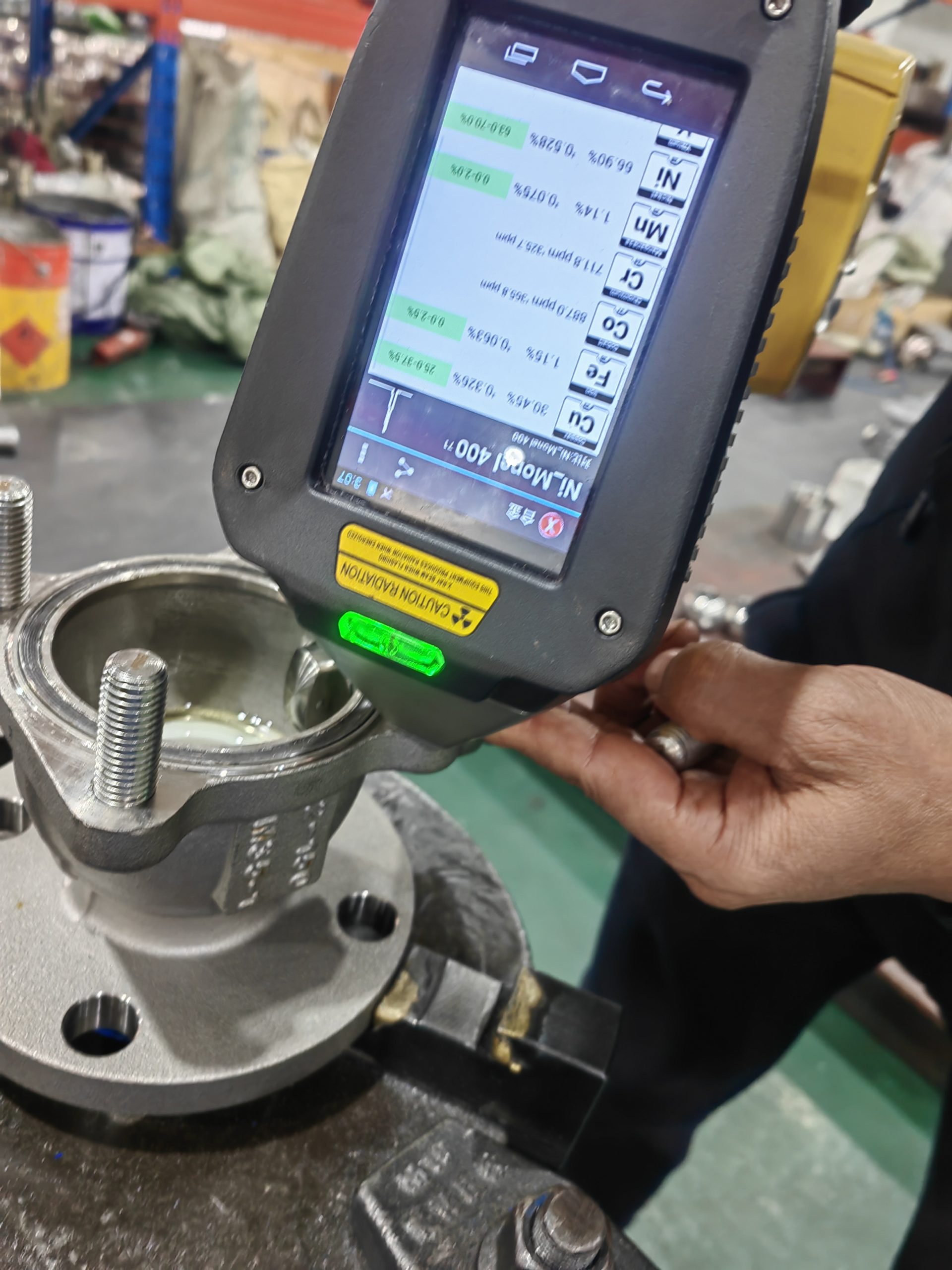
Floating ball valves are made for tough conditions. They work well in high-pressure systems without breaking. For instance, stainless steel valves are strong and resist rust. These features make them dependable where other valves might fail. NTGD’s floating ball valves are designed for hard jobs and last a long time.
Materials That Make Them Stronger
The materials used in floating ball valves help them last longer. Strong materials like PTFE, PEEK, and stainless steel fight damage from heat, rust, and wear. The table below shows these materials and their uses:
| Material Type | Key Features | Uses |
|---|---|---|
| Soft Seating Materials | PTFE, PEEK, Nylon – resist chemicals, low friction | Wide temperature range, oils, hydrocarbons |
| Metal Seating | Hard Facing – resists wear, handles heat | Tough conditions, rough environments |
| Elastomeric and Composite | Viton, Buna-N – seals well, resists chemicals | Low-pressure systems |
| Surface Treatments | Nickel Plating, coatings – fights rust, adds strength | Corrosive places |
| Seat Design Enhancements | Live-Loaded Seats – keeps seal tight | Handles wear and heat changes |
NTGD uses these materials to make their valves work well in many situations.
Less Damage, Longer Use
Floating ball valves wear out slower than other valves. Their simple design reduces friction, so they last longer. The floating ball also seals tightly to stop leaks. Aceco Valves says using strong materials makes these valves need less fixing. NTGD’s floating ball valves are reliable and need fewer replacements, even in tough places.
Versatility Across Applications
Works with Many Fluids and Gases
Floating ball valves handle many types of liquids and gases. Their special sealing keeps them tight, even with tough fluids. These include hot liquids or strong chemicals. They are perfect for industries like water treatment and oil processing. They are simple, strong, and need little care. NTGD’s floating ball valves work well in different conditions and tasks.
Tip: Pick a valve that matches the fluid type for better results.
Made to Fit Your System
Every system is different, and these valves can be adjusted. You can pick materials like PTFE or stainless steel for your needs. For example, soft seats are good for low pressure, while metal seats handle heat and rough fluids. NTGD offers custom options to improve valve performance. This makes sure your system runs smoothly, no matter how complex it is.
Fits Small and Large Systems
Floating ball valves work in both small and big systems. Their small size fits tight spaces, and they seal both ways for larger setups. The table below shows how they scale:
| Metric | Description |
|---|---|
| Cost-Effective | Cheaper due to simple design and fewer parts. |
| Compact Design | Fits small pipelines, making them useful for many setups. |
| Pressure Limitations | Needs more force to operate as pressure rises. |
| Bi-Directional Sealing | Seals tightly in both directions, useful for many systems. |
NTGD’s floating ball valves are affordable and flexible, working well in systems of all sizes.
Cost-Effectiveness
Easier to Maintain
Floating ball valves are simple and easy to use. They have fewer parts, so they break less often. This means you don’t need to fix them as much, saving time and money. For example, NTGD’s valves are made with strong materials that last a long time.
| Feature | Description |
|---|---|
| Design | Simple with fewer parts |
| Durability | Built to last longer |
| Maintenance Needs | Needs very little fixing |
Using floating ball valves helps keep your system running smoothly without many repairs.
Saves Energy with Better Flow
Floating ball valves let fluids move easily inside them. This smooth flow stops energy waste and improves how the system works. For example, these valves can save 7200 MWh of power each year. They also cut CO2 emissions by 4320 metric tons, helping the environment.
Other benefits include:
- Saving $520,000 on electricity every year.
- Cutting $292,000 in other costs.
NTGD’s floating ball valves are made to save energy, making them great for high-pressure systems.
Fewer Replacements Save Money
Good floating ball valves cost less over time. They are strong and handle tough conditions, so you don’t need to replace them often. NTGD uses materials like stainless steel and PTFE to make their valves last longer, even in hard jobs.
| Pros | Description |
|---|---|
| Cost-Effective | Cheaper because of simple design and fewer parts. |
| Compact Design | Fits well in small pipelines. |
| Bi-Directional Sealing | Seals tightly both ways for better reliability. |
With fewer replacements needed, floating ball valves save money and keep your system working well.
Easy to Use and Install
Small Design for Fast Setup
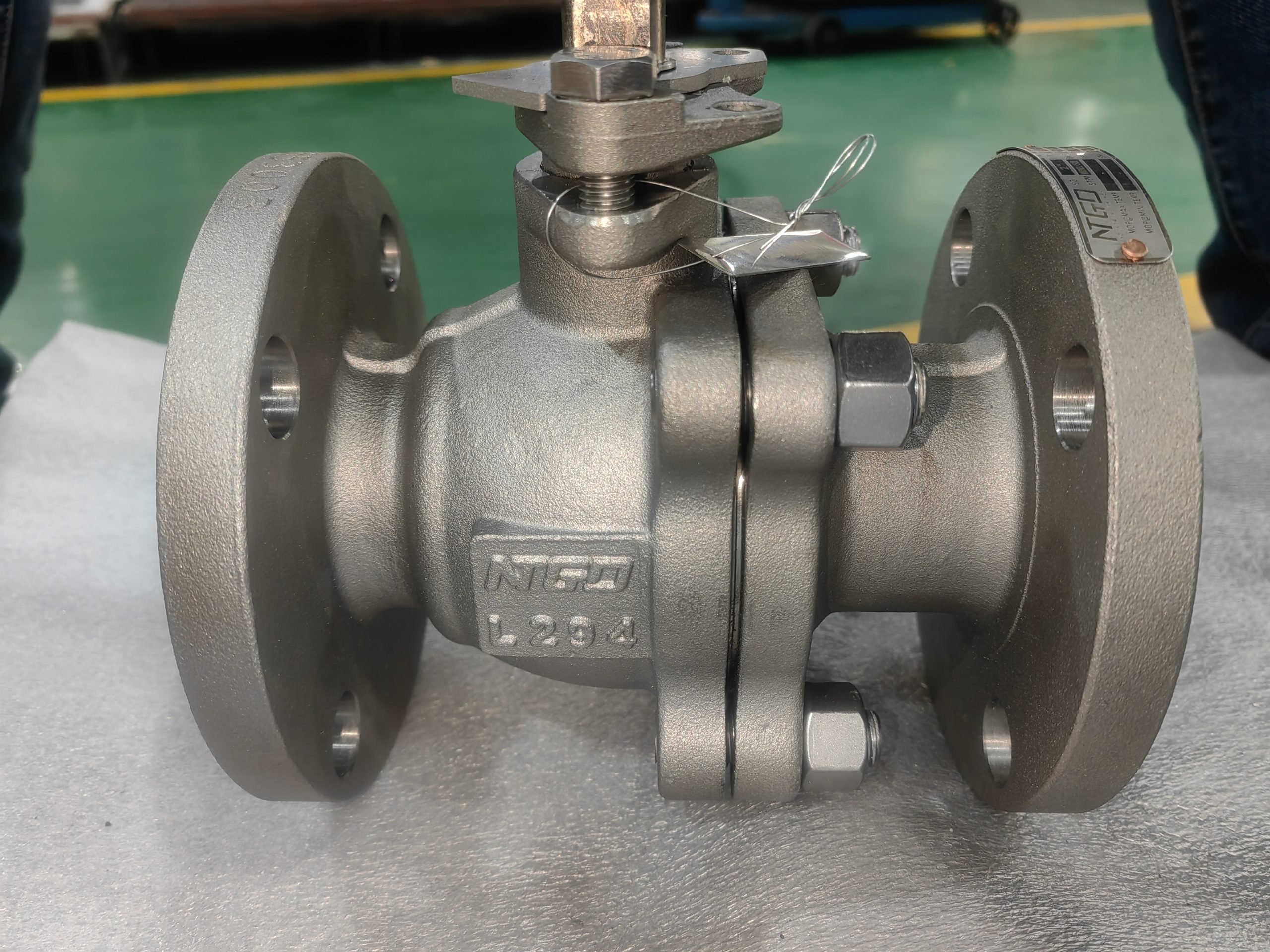
Floating ball valves are made to be simple to install. Their small and light design makes them easy to handle. You can use them even in tight spaces without trouble. This design saves time and effort during setup, making them great for high-pressure systems.
| Feature | Description |
|---|---|
| Small and lightweight | Easy to carry and quick to set up. |
| Draining and venting | Makes maintenance and testing easier. |
| Self-aligning ball feature | Helps avoid mistakes during setup. |
The floating ball design also makes the valve body simpler. This is helpful for smaller systems with limited space. The self-aligning ball adjusts itself correctly, saving time during installation. NTGD’s floating ball valves include these features for an easy setup process.
Simple to Operate
Using floating ball valves is easy, even for beginners. The basic design needs less force to open or close. This makes it simple to control the flow of liquids or gases. The handles are comfortable to hold, so they are easy to use.
Tip: Pick valves with clear labels to avoid mistakes when using them.
NTGD’s valves are made to be user-friendly. Their smart design lets you use them easily in homes or industries. This makes work faster and reduces the chance of errors.
Quick Installation with Little Delay
Installing floating ball valves is fast and simple. Follow these steps to install them without much delay:
- Check the valve and make sure it matches your needs.
- Use the right tools and safety gear while working.
- Line up the flanges, add gaskets, and tighten bolts well.
- Test the valve and check for leaks after setup.
These easy steps help you finish installation quickly. NTGD’s valves are built to make this process smooth, keeping your system running efficiently.
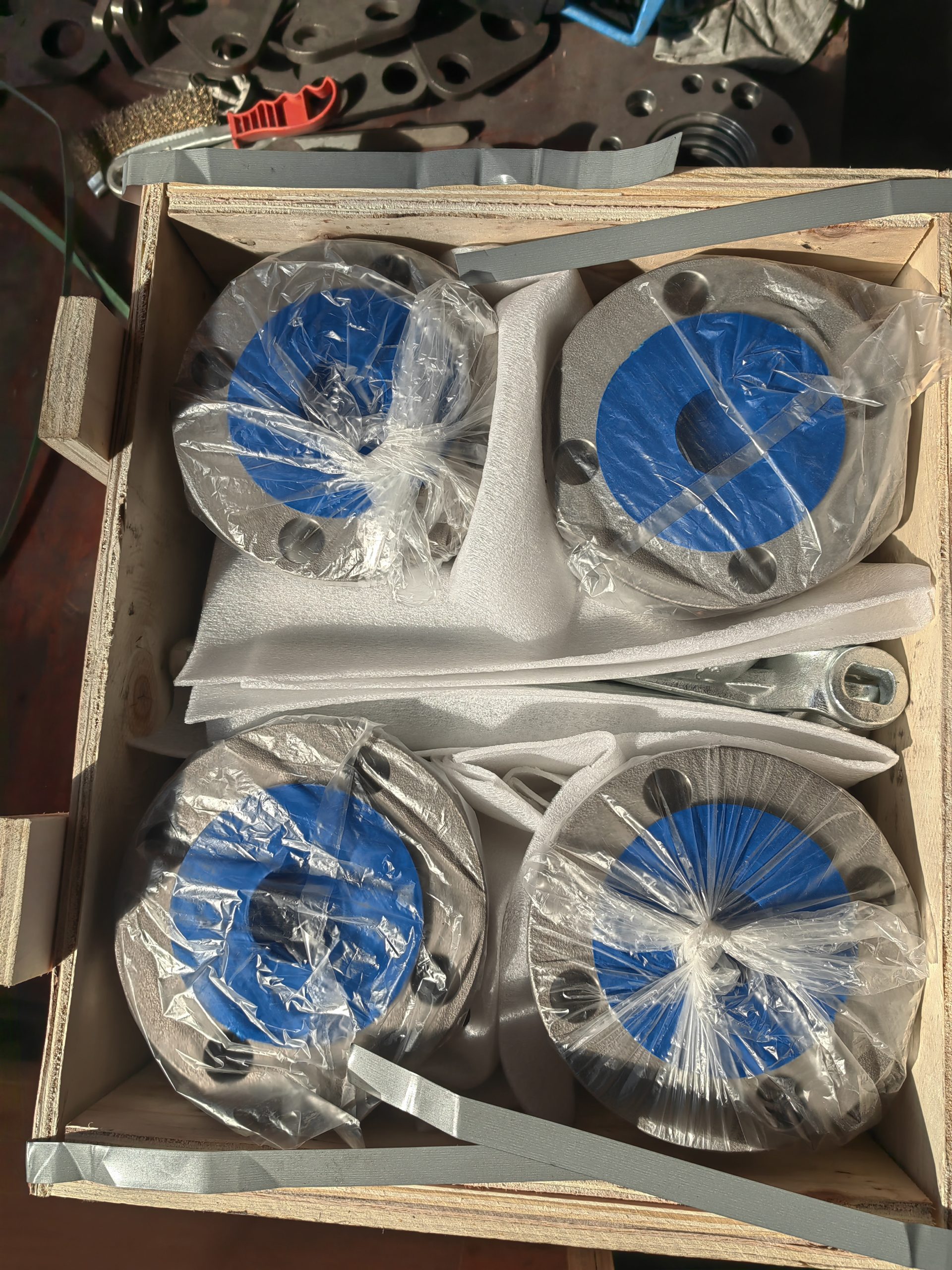
Floating ball valves work great in high-pressure systems. They seal tightly, last long, and adapt to many uses. Industries like oil and gas rely on them for safety and efficiency. For example, trunnion-mounted ball valves handle high pressure and are very strong. But they cost more because they are bigger and more complex.
Picking the right valve depends on its materials and use. Maintenance needs also matter when choosing a valve. NTGD makes floating ball valves that save money and improve system performance. Using these ball valves helps keep systems reliable and lowers costs over time.
Note: Rules like ASME B16.34 and API 6D make sure valves are safe and work well in tough conditions.
