
Choosing the right gate valve is crucial for maintaining safety and efficiency in industrial systems. Gate valves play a vital role in controlling fluid flow and managing variations in pressure and temperature. If you choose the wrong gate valve, it can lead to significant problems, safety hazards, and costly delays.
Gate valves are robust, capable of withstanding high pressure, and have a long lifespan, making them highly valuable across various industries.
The global market for gate valves underscores their importance, with projections indicating growth from $7.44 billion in 2024 to $10 billion by 2035. This increase highlights the rising demand for strong and reliable valves, emphasizing the need to choose the right gate valve for your applications.
Key Takeaways
- Pick the right gate valve to keep systems safe and working well.
- Know what your system needs, like flow, pressure, and material match.
- Choose a valve size that fits to stop clogs or wasted energy.
- Ask experts and check product details to choose wisely.
- Focus on quality, not price, to save on repairs and boost performance.
Understanding Gate Valves
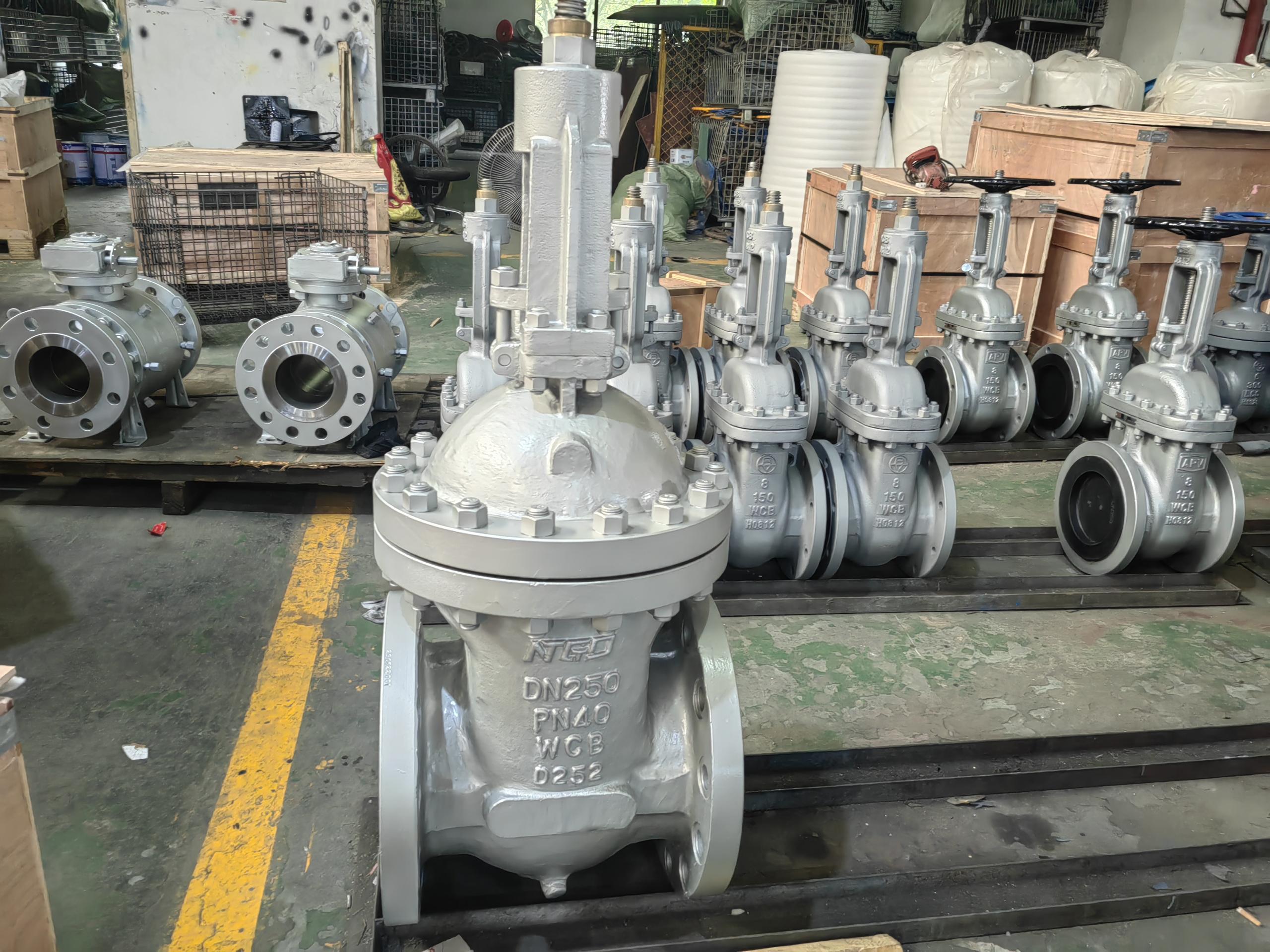
What Are Gate Valves?
Gate valves are important parts of industrial systems. They control the flow of liquids or gases by moving a gate-like barrier up or down. These valves work best when a straight flow and little resistance are needed. When fully open, they let fluids flow freely with no pressure loss. When closed, they seal tightly to stop leaks.
Gate valves are strong and can handle different pressures and temperatures. They are often used in industries like oil and gas, water treatment, and chemical plants. To ensure they work well, manufacturers follow strict standards, such as:
- ISO: Sets worldwide rules for gate valve design and use.
- ASME: Gives pressure and material guidelines for valves.
- API: Details designs for bolted steel gate valves.
- ASTM: Focuses on materials used in valve making.
- BS: Provides rules for valves in oil and chemical industries.
These standards help gate valves stay safe and efficient for specific industrial jobs.
Types of Gate Valves
There are different types of gate valves, each made for certain tasks. Knowing these types helps you pick the right one:
- Rising Stem Gate Valves: The stem moves up when opening, showing the valve’s position. These are good for precise flow control.
- Non-Rising Stem Gate Valves: The stem stays still, making them great for tight spaces.
- Wedge Gate Valves: Have a wedge-shaped gate that seals well in high-pressure systems.
- Parallel Slide Gate Valves: Use a flat gate sliding between two seats, reducing wear.
- Knife Gate Valves: Made for thick fluids, they cut through solids with a sharp edge.
The table below shows how gate valves are used in different industries:
| Valve Type | Manual | Automatic | Remote | Other EFRD |
|---|---|---|---|---|
| Gas Transmission | 4,205 | 545 | 702 | 86 |
| Hazardous Liquid (Non-HVL) | 3,491 | 1 | 1,713 | 1,081 |
| HVL | 579 | 0 | 341 | 20 |
Each type has its own benefits. It’s important to choose the right valve for your job.
Factors to Choose the Right Gate Valve
Application Needs
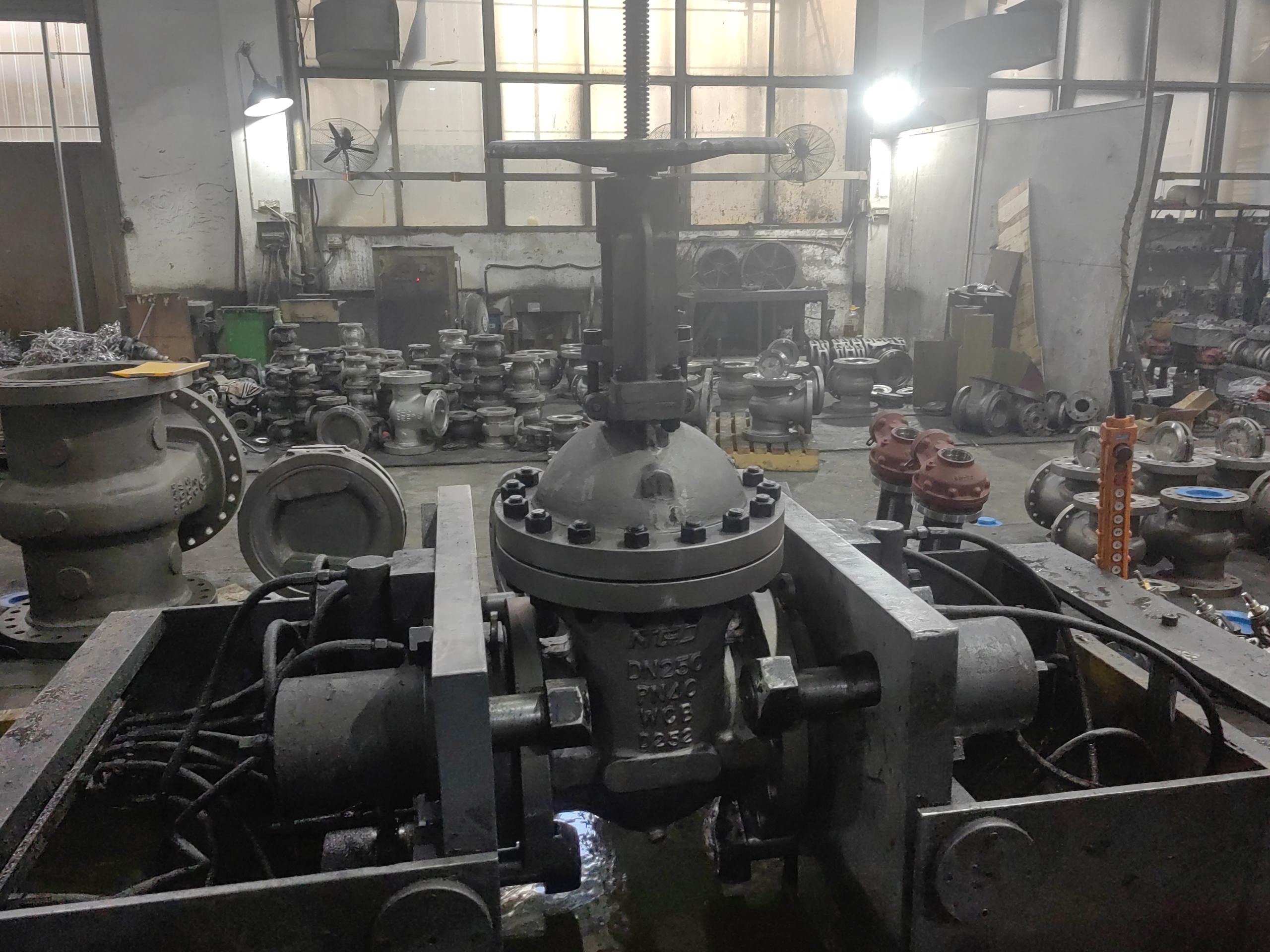
First, know what your system needs. Gate valves must match how your system works. This includes flow, pressure, and valve size. For example, high-pressure systems need strong valves to work safely.
Different industries have special needs:
- Energy systems face high heat and pressure.
- Food factories need clean, rust-free valves.
- Farms may need valves for rough materials like sand.
Think about what flows through the valve. Harsh or corrosive liquids need tough materials. Also, decide if the valve is for starting, stopping, or controlling flow. Checking these things helps the valve work well for your job.
Strong Materials
A valve’s strength depends on its material. Picking the right one helps it last longer. For example, stainless steel doesn’t rust, so it’s great for chemicals or seawater. Cast iron is cheaper and works for low-pressure jobs.
Tests show how materials hold up. For instance, SUS631 lasts longer than S45C. Hydraulic parts like valves are tested for millions of cycles to ensure they’re tough.
| Component Type | Test Cycles |
|---|---|
| Hydraulic relief valve | 25-80 million |
| Hydraulic one-way valve | 15-25 million |
| Hydraulic electromagnetic reversing valve | 5-10 million |
Using strong materials lowers repair costs and makes valves last longer. This is key when picking a valve.
Valve Size and Fit
The valve size must fit your system. A small valve blocks flow, while a big one wastes energy. Match the valve size to your system’s flow and pressure needs.
Check the inlet and outlet sizes too. These must fit your pipes to avoid leaks or pressure loss. Picking the right size ensures the valve works smoothly and fits perfectly.
End Connections
End connections help gate valves fit into piping systems. They link the valve to the pipes, affecting how well the system works. Picking the wrong type can cause leaks, pressure drops, or even system failure.
Gate valves offer different end connection types for various uses. Here’s a simple guide:
| Type of End Connection | Description |
|---|---|
| Threaded | Best for small connections like instruments or sample points. |
| Flanged | Commonly used in general piping setups. |
| Butt Welded | Great for systems with high pressure or heat. |
| Socket Welded | Used in small pipes where threads aren’t allowed. |
| Wafer and Lug | Ideal for tight spaces needing compact valves. |
When choosing an end connection, think about your system’s needs. Flanged connections are easy to install and work in many setups. For high-pressure systems, butt-welded connections are stronger and last longer. Always check industry rules to avoid problems.
Tip: If space is limited, wafer or lug connections are a smart choice. They save room without losing performance.
Operational Mechanism
Knowing how gate valves work helps you pick the right one. These valves control flow by moving a gate up or down inside the valve. This simple design allows fluids to flow freely when fully open, making them great for systems needing smooth flow.
Gate valves can be operated manually, automatically, or remotely. Manual valves use a handwheel to move the gate. Automatic and remote valves use actuators for precise control, often in busy industrial systems.
Studies show that features like cavity relief improve safety. When closed, trapped fluid can build pressure and cause damage. Features like bleed holes prevent this, keeping the valve safe and efficient.
| Component | Description |
|---|---|
| Handwheel | Lets you manually control the valve. |
| Stem | Connects the handwheel to the gate for smooth movement. |
| Gate or Disc | Opens to allow flow and closes to stop it. |
| Valve Body | Holds the parts and allows fluid to enter and exit. |
| Working Mechanism | Fully opens the gate for free flow or closes it tightly to seal. |
Tests show gate valves work best when fully open or closed. Partially open valves can cause wear and reduce efficiency. By understanding these features, you can choose a valve that fits your system and lasts longer.
Note: For demanding systems, pick valves with advanced features like actuators or cavity relief for better control and safety.
Mistakes to Avoid When Choosing Gate Valves
Ignoring Media Compatibility
Picking the right gate valve means knowing the fluid it handles. If you ignore this, the valve might corrode, leak, or fail completely. For example, strong chemicals or rough materials need valves made from tough materials like stainless steel or special alloys. Choosing the wrong valve can make it wear out fast, causing safety problems and expensive delays.
Standards like API 598 and MSS-SP81 set rules for leaks and materials. These rules help valves work well in different conditions. Emergencies or system problems can also affect how valves perform. Special valves, like double block and bleed valves, may be needed for extra safety. Always match the valve’s material and design to the fluid to avoid issues.
Tip: Share your system’s needs with the supplier to get the right valve.
Overlooking Maintenance Needs
Skipping maintenance planning can cause valve problems and lower efficiency. Gate valves need regular checks to spot damage. Without this, you might face leaks, poor performance, or even valve failure. This can lead to costly repairs and unexpected downtime.
Routine inspections help catch small problems early. For example, checking seals and moving parts can stop bigger issues. Records show that well-maintained valves last longer and work better. Ignoring maintenance shortens the valve’s life and raises costs.
Note: Pick valves that are simple to inspect and maintain. This saves time and money.
Prioritizing Cost Over Quality
Choosing cheap valves can hurt safety and performance. Low-cost valves often use weak materials, breaking down more often and costing more over time. High-quality valves cost more upfront but last longer and work better.
Studies show poor-quality valves cost more in repairs and downtime. High-quality valves reduce these risks and save money in the long run. Tools like ICERs (Incremental Cost-Effectiveness Ratios) show the value of quality. Valves with ICERs under $50,000 per QALY gained are very cost-effective.
| Indicator | Description |
|---|---|
| Cost of Poor Quality | Costs from bad choices, like repairs and downtime. |
| Cost of High Quality | Initial cost for strong, reliable valves. |
| Opportunity or Risk Metrics | Measures how quality affects safety and performance. |
Reminder: Balance cost and quality to get a valve that’s safe and efficient.
Steps to Make the Best Decision
Consult Industry Experts
Talking to industry experts is very important when picking a gate valve. Experts know about new technologies, rules, and best practices. They can guide you through tough choices, especially with changing standards or special system needs.
Reports show how expert advice is helpful. These reports explain that new manufacturing methods and rules make expert help necessary. Whether you’re new or experienced, experts help you make smart choices. They also spot risks and suggest solutions for your specific needs.
Tip: Contact trusted professionals or companies with good experience in gate valve selection. This improves safety and efficiency.
Review Manufacturer Specifications
Checking manufacturer details ensures the valve fits your system. Companies provide technical documents with performance data, material info, and limits. These help you see if a valve works for your needs.
For example, guides like the Application & Specification Manual and Technical/Service Information give detailed valve info. By reading these, you can check pressure, temperature, and connections. This step avoids picking a valve that might fail or not work well.
| Document Title | Description |
|---|---|
| Technical / Service Information | Full details on valve specs and performance. |
| Application & Specification Manual | Guide for valve uses and specs. |
| MSS ASME Valve Summary – 1 | Overview of valve specs by MSS and ASME rules. |
Note: Always match the specs to your system to avoid problems.
Conduct Testing and Quality Checks
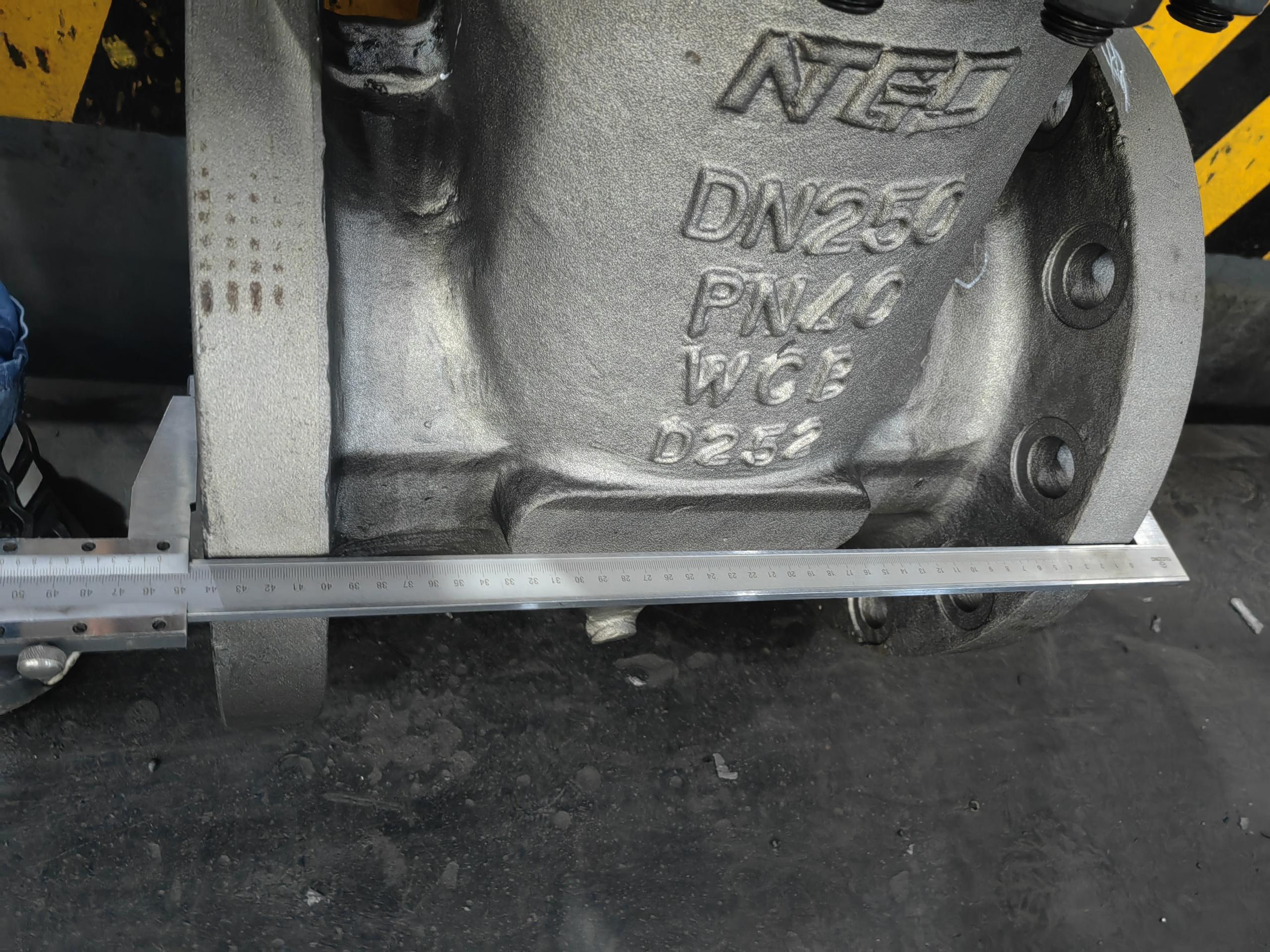
Testing ensures the valve works well in real conditions. Before buying, check if the valve meets design needs and passes tests. This step finds flaws and ensures safe, reliable use.
Quality checks include testing for strength, durability, and safety. For example, functionality tests check if the valve opens and closes smoothly. Stress tests see how it handles wear and tough environments. Using an Inspection and Test Plan (ITP) covers all key points.
- Follow ITP and FAT testing steps.
- Collect and review test data.
- Check General Arrangement (GA) and Piping Diagrams (P&ID).
- Test safety for risky systems.
- Meet any special customer needs.
Reminder: Testing follows industry rules and finds problems early, making valves last longer.
Picking the right gate valve takes careful thought. This helps your system work safely, efficiently, and saves money. By understanding your needs, you can avoid mistakes and choose the best valve.
| Benefit | Description |
|---|---|
| Better Safety | Finding problems early stops big failures from happening. |
| Higher Performance | Testing makes sure the valve works as it should. |
| Saves Money | Fixing issues early cuts repair costs and downtime. |
| Follows Rules | Regular checks help meet rules and avoid penalties. |
Think about the manufacturer’s trustworthiness too. A good maker with certifications and a safe record gives better results. Strong valves improve safety and make your system run better. This makes them very important for your industrial needs.
Tip: Always pick quality and performance over price to make your system last longer and work better.
