
Knife gate valves are important in controlling fluids, especially tough materials. These valves stop flow in pipes with solid particles. This makes them great for turning flow on or off. Their special design helps them handle thick liquids, slurries, and harsh or sticky substances easily.
Many industries use these valves because they last long and work well. For example, a paper mill in Canada said their valves lasted 30% longer than others. In Singapore, during an upgrade at Changi Water Plant, special valves cut energy use for sludge by 15%. These examples show how useful knife gate valves are in wastewater, mining, and paper industries.
Key Takeaways
- Knife gate valves help control thick liquids and solids. They are great for industries like mining and wastewater treatment.
- Picking the right material and seal for these valves stops leaks and makes them last longer.
- Regular care, like checking and oiling, keeps them working well and avoids expensive repairs.
- Knowing if the flow goes one way or both ways helps choose the right valve for the job.
- Knife gate valves make work safer and faster by handling thick and harmful fluids easily.
Key Features of Knife Gate Valves
Design and construction
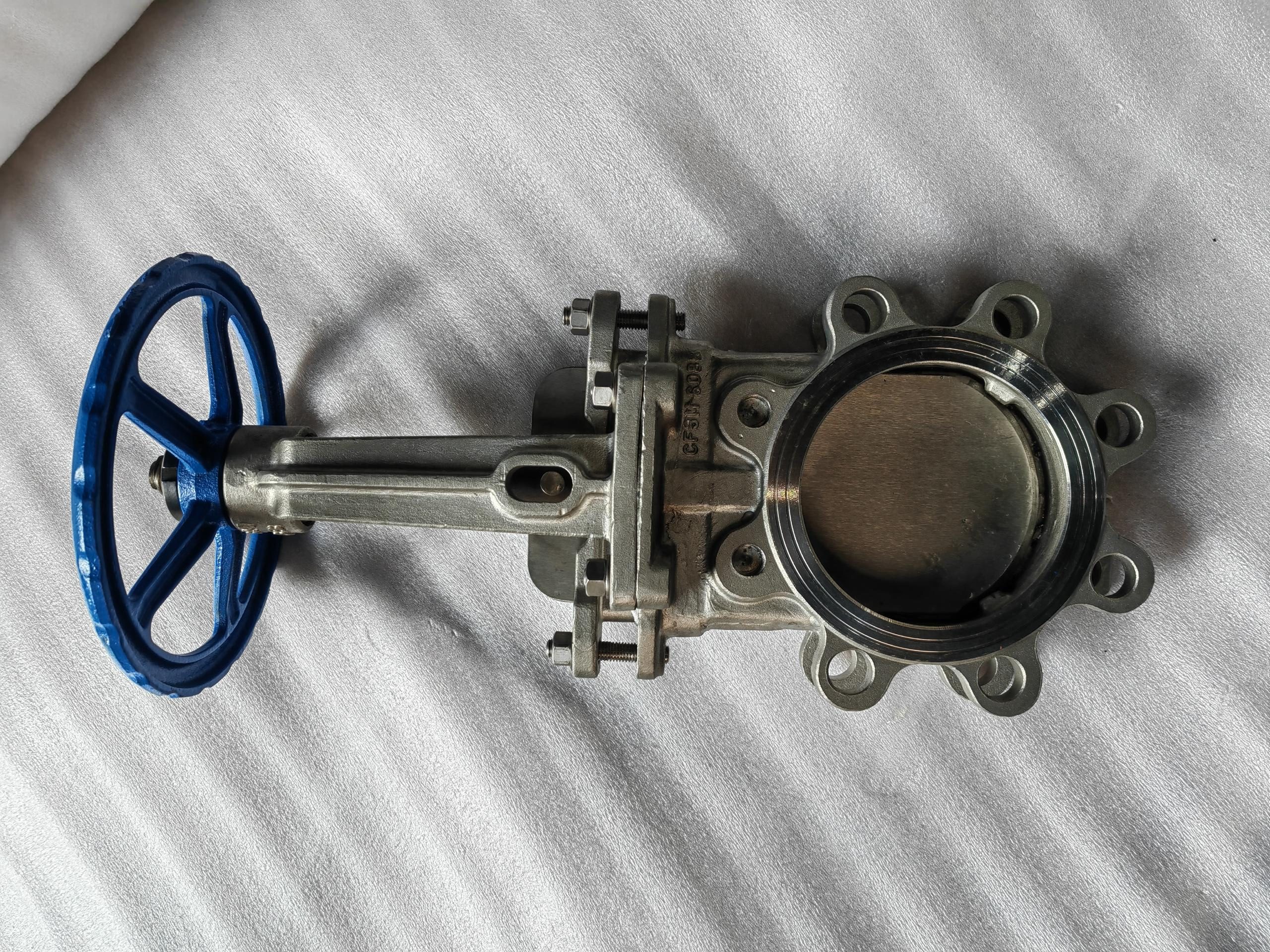
Knife gate valves are made to control flow reliably. Their simple design works well in tough situations. These gate valves have a blade-like disc that cuts through thick or slurry materials. This stops clogs and keeps the flow steady. They are also lightweight, making them easy to set up and fix.
The design allows full open or closed positions for better control. This makes them great for handling rough, sticky, or thick materials. Plus, their cleaning ability improves use in sewage and industrial tasks.
| Design Feature | Advantage |
|---|---|
| Blade shape valve disc | Cuts through thick materials |
| Cleaning ability | Works well with sewage and solid materials |
| Application | Handles rough, sticky, or thick substances |
Material options for durability and compatibility
Knife gate valves are made with strong materials for long use. Stainless steel resists rust, so it works in harsh places. For acidic or rough materials, special coatings make the valves last longer.
You can pick materials based on your needs. For example, mining uses valves that handle rough slurries. The paper industry needs valves that resist acid. This flexibility makes these valves useful in many industries.
Sealing methods for leak prevention
Sealing is key to stopping leaks in knife gate valves. They use advanced seals, like soft or metal seats, for tight closure. This stops leaks even under high pressure.
The sealing also helps with full flow, letting materials move freely. This is important in wastewater treatment and other jobs needing no leaks. Picking the right seal ensures the valve works well and lasts long.
Unidirectional vs. bidirectional flow capabilities
Understanding flow types is key when picking knife gate valves. These valves are either unidirectional or bidirectional, each for specific uses.
Unidirectional valves let fluids flow in one direction only. They stop backflow, making them great for wastewater systems. In these systems, they keep solids and liquids moving forward. A seal on one side prevents leaks. But, they may not work well if flow directions change often.
Bidirectional valves allow flow in both directions. They are flexible and work in systems with changing flow. These valves have seals on both sides for tight closure. Industries like mining and pulp processing use them for tough materials like slurries or fibers.
Tip: Know your system’s flow needs before choosing a valve. Picking the wrong type can lower efficiency and raise maintenance costs.
In short, unidirectional valves suit single-direction flow. Bidirectional valves are better for systems with changing flow. Choosing the right valve helps it work well and last longer.
How Knife Gate Valves Work
The role of the knife-like gate in cutting through media
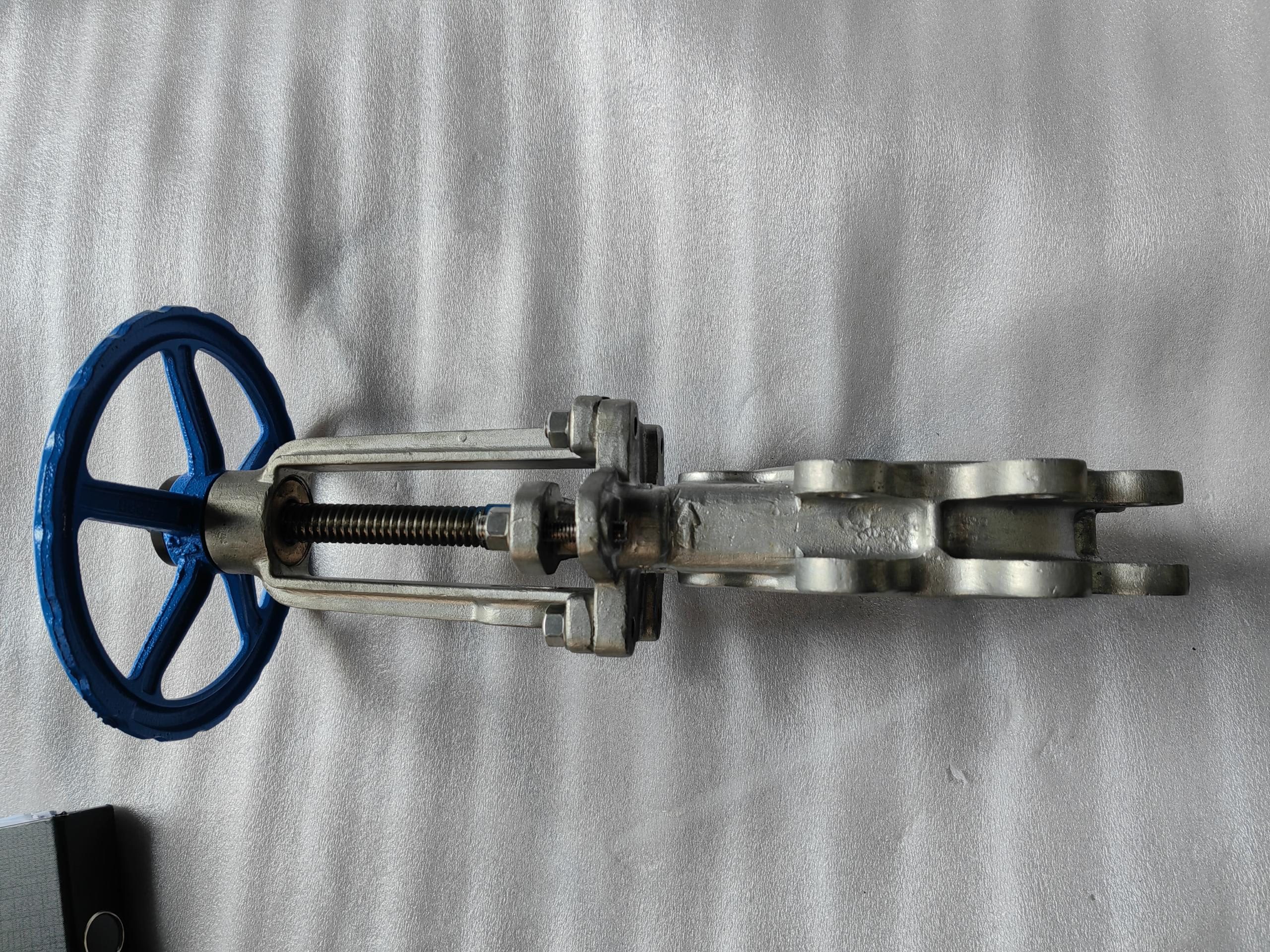
Knife gate valves have a sharp gate to cut thick materials. This design stops clogs and keeps things running smoothly. The gate moves up and down to open or close the valve. This creates a clear path for materials to flow through.
Industries like mining and wastewater use these valves for tough jobs. They handle rough and sticky materials without slowing down. The straight design lowers pressure loss, making flow control easier. Knife gate valves work well with thick or sticky substances.
Note: The stainless steel gate lasts long and resists rust or damage.
Mechanism for handling thick or slurry-like substances
Knife gate valves are great for thick liquids and slurries. They are strong and built for heavy-duty tasks. For example, the Knife Gate Valve Series 768 is made for tough slurry jobs. Its small size saves space, and Bray SlurryShield Technology makes it stronger. Twin sleeves and a self-cleaning gate handle high pressure and rough conditions.
Other models, like the Clarkson KGA+ valve, allow flow in both directions. They stop solids from blocking the gate, keeping things running smoothly. These valves are perfect for mining and chemical industries where slurries are common.
- Key features for slurry handling:
- Self-cleaning gate lowers maintenance needs.
- Replaceable sleeves make repairs faster.
- Strong seals stop leaks effectively.
Flow control and shutoff functionality
Knife gate valves are reliable for controlling flow and shutting systems off. Expansion areas reduce stress, and reinforced seats keep the valve stable. The gland box packing system seals tightly to stop leaks during use.
These valves are easy to use and save energy. Their special seat design works well and costs less over time. This makes them a smart choice for industrial systems.
| Feature | Description |
|---|---|
| Integrated expansion areas | Lowers stress and allows flexible seating |
| Solid top works | Ensures full reliability |
| Reinforced seats | Keeps shape and improves stability |
| Gland box packing | Provides strong sealing |
| Easy maneuvering | Saves energy and reduces maintenance |
| Unique seat design | High performance with lower long-term costs |
| One piece casting body | Adds strength and reliability |
| Stainless steel gate | Resists rust and wear |
Knife gate valves are trusted for smooth flow control and shutoff. They are used in industries like pulp processing and wastewater treatment.
Types of Knife Gate Valves
Wafer-style knife gate valves
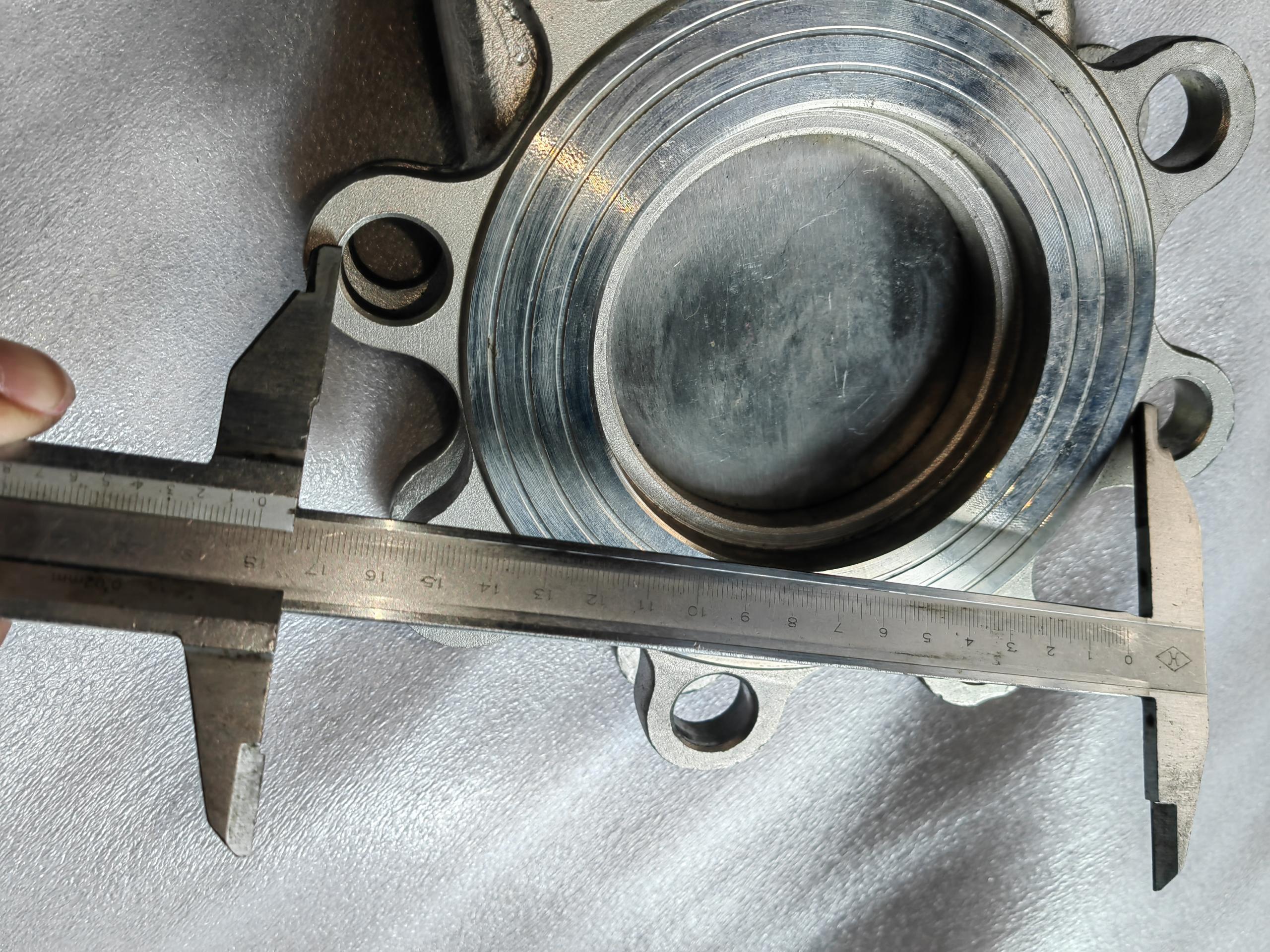
Wafer-style knife gate valves are small and light. Their design fits well in tight spaces. You can place them between two flanges without extra support. These valves are affordable and work best in low-pressure systems.
Their simple build helps prevent clogs. This makes them good for fluids with solid bits. Industries like wastewater treatment and pulp processing use them often. They are reliable and easy to maintain.
Tip: Choose wafer-style valves for small spaces and simple setups.
Lug-style knife gate valves
Lug-style knife gate valves are stronger than wafer-style ones. They have threaded lugs that attach firmly to pipes. This design adds stability, especially in high-pressure systems.
These valves are great for systems needing frequent maintenance. You can remove one pipe side without stopping the whole system. Lug-style valves are common in mining and slurry systems. They are tough and dependable.
| Feature | Benefit |
|---|---|
| Threaded lugs | Strong connection to flanged pipes |
| High-pressure support | Works well in tough conditions |
Lined knife gate valves for corrosive environments
Lined knife gate valves handle harsh and corrosive materials. They have a special lining made of strong materials like urethane. This lining protects the valve and makes it last longer.
The tight seal stops leaks, even in tough conditions. The valve body locks the lining in place for steady performance. Maintenance is easy, with no risk of leaks into the environment.
| Feature | Description |
|---|---|
| Lining Material | Urethane lining protects against corrosion and wear |
| Seal Design | Tight seal prevents leaks in both directions |
| Body Design | Locked lining ensures steady performance |
| Maintenance | Simple upkeep with no harmful leaks |
Lined knife gate valves are used in industries like chemical plants and wastewater systems. They are strong and reliable for handling corrosive materials.
Note: Use lined knife gate valves for systems with harsh or corrosive substances.
High-pressure and slurry-specific knife gate valves
High-pressure and slurry knife gate valves handle tough jobs. They work well in systems with high pressure or rough slurries. Their strong build makes them last long in hard conditions.
These valves keep a tight seal even under high pressure. This stops leaks and helps them work efficiently. For example, in flue gas desulfurization (FGD), they resist buildup and perform steadily. They are great for handling rough materials like ash, slurry, and solids. Industries like mining and power plants often use them.
Here’s how they compare to other valves:
| Feature | Knife Gate Valves | Other Valves (e.g., Butterfly) |
|---|---|---|
| Seal Tightness | 100% seal tightness | Not achievable |
| Longevity | Proven to last 10 years or longer | Often replaced in less than 1 year |
| Maintenance | Minimal maintenance required | Frequent maintenance needed |
| Performance in FGD Applications | Optimized for extreme conditions | Struggles with heavy buildup |
| Elastomer Quality | High-quality elastomers ensure reliability | Substandard elastomers can fail |
| Testing | Extensive on-site testing for compounds | Limited testing |
These valves use strong elastomers that resist damage. This keeps them working smoothly for a long time. They are also tested on-site to prove their reliability. This makes them a trusted choice for tough tasks.
If you need valves for high-pressure or slurry systems, choose these. They last long, need little care, and handle tough conditions well. They are a smart pick for industrial use.
Applications of Knife Gate Valves
Wastewater treatment for managing suspended solids
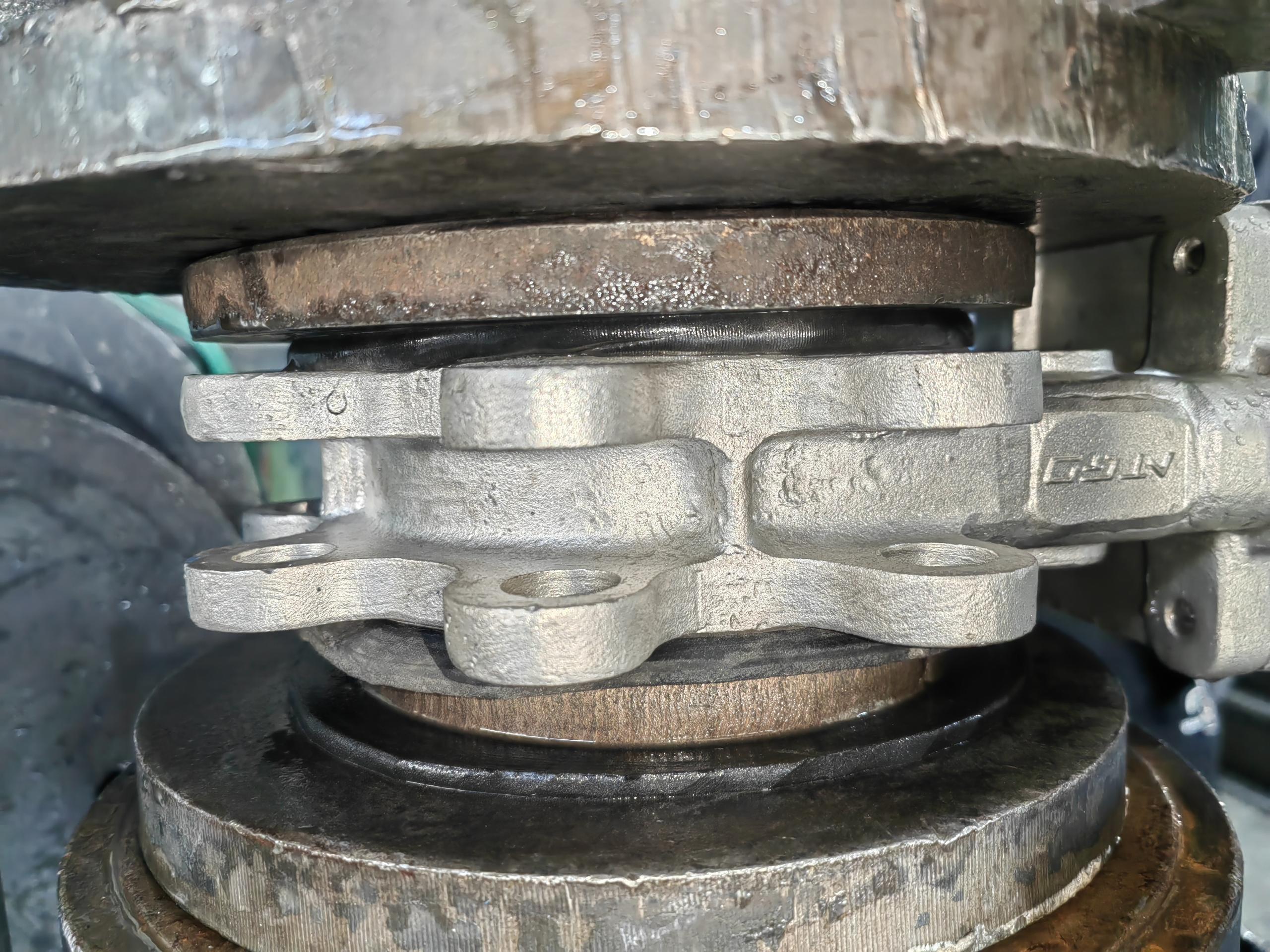
Knife gate valves are important in cleaning wastewater systems. They work well with fluids containing solids like sludge and sewage. Their sharp edges cut through thick materials, keeping flow smooth and stopping clogs. These valves are reliable for tough wastewater tasks where smooth operation is needed.
In treatment plants, these valves seal tightly to stop leaks. This helps the system run efficiently and avoids polluting the environment. They handle thick and rough materials, making them great for sludge and solid-filled fluids. Using these valves reduces maintenance and keeps operations running smoothly.
Mining and mineral processing for abrasive materials
Mining needs strong tools, and knife gate valves are perfect for this. They handle rough materials like slurries, which mix water and ground minerals. Their tough design stops clogs and works well in hard conditions.
- Benefits of knife gate valves in mining:
- They handle fluids with lots of solids, like sludge.
- Their design stops clogs, keeping pipelines clear.
- They resist wear from rough slurries, lasting longer.
For example, slurry knife gate valves control the flow of slurries without harming the system. Their strength and dependability make them essential for mining and mineral work.
Pulp and paper industry for handling fibrous media
Knife gate valves are key in pulp and paper factories. They easily manage fibrous materials in pulp mixtures. These valves keep flow steady and prevent clogs by cutting through fibers.
In Finland, paper mills using lugged knife gate valves saw a 23% boost in efficiency. These valves last over 50,000 uses before needing repairs. This lowers maintenance costs and ensures they work for a long time.
Knife gate valves improve pulp and paper operations by handling fibers well and reducing downtime.
Power generation and energy for slurry and ash handling
Knife gate valves are crucial in power plants. They handle slurry and ash, which often have solid particles. These solids can block or harm regular valves. The sharp gate in knife gate valves cuts through these materials. This ensures smooth and reliable operation. Their strong design helps them work well in tough conditions. This makes them perfect for managing waste in energy production.
- Key benefits of knife gate valves in power plants:
- They manage ash and slurry with solid particles effectively.
- They control flow reliably, even in harsh environments.
Efficiency is very important in power generation. Knife gate valves seal tightly to stop leaks and reduce downtime. Their durability means fewer replacements, saving money over time. Whether dealing with high-pressure slurries or rough ash, these valves perform consistently. They are essential for energy systems.
Tip: Regularly maintaining knife gate valves can make them last longer and work better in power plants.
Food and beverage and chemical processing industries
Knife gate valves are also useful in food, beverage, and chemical industries. They handle thick liquids like syrups, pastes, and sticky chemicals. Their tight seals stop leaks, keeping operations safe and clean. This is very important in these industries.
In food and beverage production, ceramic knife gate valves can be customized for specific needs. Their design meets strict hygiene rules, making them great for sensitive materials. In chemical processing, these valves manage corrosive or rough substances well because they are built strong.
- Advantages of knife gate valves in these industries:
- They handle thick fluids and slurries efficiently.
- They can be customized for special industry needs.
- They improve safety by preventing leaks.
Choosing the right knife gate valve boosts efficiency. It also helps maintain high standards in food, beverage, and chemical operations.
Selection Criteria for Knife Gate Valves
Material compatibility with the media being handled
Picking the right material for a knife gate valve is important. The material should match what the valve will handle. For example, stainless steel is great for corrosive areas since it resists rust. Brass and alloy metals are also strong and handle rough substances well.
In industries like mining or chemical plants, materials can be harsh. Abrasive slurries or chemicals wear out weak materials fast. Using the wrong material means more replacements and higher costs. Choosing the right one makes the valve last longer and work better.
Tip: Always check what the valve will handle before choosing its material. This helps avoid extra repairs and downtime.
Sealing method and its effectiveness in preventing leaks
The sealing method is key to how well a valve works. A good seal stops leaks and keeps things running smoothly. Soft seals, like rubber, are great for low-pressure systems. They close tightly and are easy to replace.
For high-pressure or rough jobs, metal seals are better. They handle tough conditions without breaking down. A good seal also stops contamination, which is very important in food factories. Picking the right seal improves performance and makes the valve last longer.
Actuator type: manual, pneumatic, or electric
The actuator type decides how you control the valve. Manual actuators are simple and cheap. They work well for systems that don’t need frequent changes. But they might not be good for high-pressure or faraway places.
Pneumatic actuators use air to move the valve. They are faster and better for heavy-duty tasks. Electric actuators give precise control and are great for automated systems. These are often used where accuracy is very important.
Note: Think about your system’s needs and budget when picking an actuator. This ensures the valve works well and fits your requirements.
Connection style: wafer, lug, or flanged
Choosing the right connection style is important for proper valve setup. There are three main types: wafer, lug, and flanged. Each type works best for specific uses.
- Wafer Connection
Wafer valves are small and light. They fit between two pipe flanges and are held by flange bolts. This makes them cheap and simple to install. They work well in low-pressure systems with tight spaces. But, they are less stable in high-pressure setups. - Lug Connection
Lug valves have threaded lugs on their body. These lugs let you bolt the valve to pipe flanges. This design adds stability and allows easy pipeline maintenance. You can remove one side of the pipe without stopping the whole system. Lug valves are great for medium to high-pressure systems like mining or wastewater plants. - Flanged Connection
Flanged valves have built-in flanges that bolt to pipe flanges. This style is the most stable and prevents leaks well. Flanged valves are used in high-pressure and heavy-duty jobs. They are bigger and cost more but are very reliable for tough tasks.
Tip: Think about your system’s pressure, material, and upkeep needs before picking a connection style. The right choice keeps your system running smoothly.
Each style has its benefits. Wafer valves save space and money. Lug valves are flexible and easy to maintain. Flanged valves are strong and dependable. Knowing these options helps you pick the best one for your system.
Maintenance Tips for Knife Gate Valves
Regular inspection and cleaning to avoid buildup
Check and clean knife gate valves often to keep them working well. Over time, dirt and scaling can build up, especially with thick liquids. This buildup can block the valve and make it less effective. By checking the valve regularly, you can find early signs of damage or rust. Cleaning removes dirt and keeps the valve working smoothly.
- Steps for good maintenance:
- Look for damage, rust, or leaks during inspections.
- Test if the valve opens and closes without problems.
- Clean the valve often to remove dirt and buildup.
These actions help the valve work better and last longer. A clean and checked valve avoids breakdowns and costly fixes.
Lubricating moving parts for easy use
Lubrication is important to keep knife gate valves running smoothly. Parts like the gate and stem rub against each other when used. Without lubrication, these parts can wear out fast. Using the right lubricant reduces rubbing and helps the valve work well.
- Why lubrication matters:
- It lowers wear on moving parts.
- It stops parts from breaking too soon.
- It improves how the valve works overall.
Always use the lubricant recommended by the maker. This ensures it matches the valve’s materials and conditions. Regular lubrication keeps the valve working easily and lasts longer.
Checking for damage on parts
Looking for damage is a key part of valve care. Over time, parts like seals, gaskets, and the gate can wear out from heavy use or harsh materials. Regular checks help find problems early, stopping leaks or failures.
- What to check during inspections:
- Look for rust or damage on the gate and body.
- Check for leaks near seals or gaskets.
- Notice if the valve is hard to open or close.
Follow rules like API 598 or ISO 5208 for proper checks. Finding and fixing damage early makes the valve more reliable and saves repair costs. Regular care keeps your system running well.
Replacing seals and gaskets to keep valves working well
Changing seals and gaskets in knife gate valves is very important. These parts wear out over time because of rough or harmful materials. If not replaced, leaks can happen, causing problems and system breakdowns. Regularly replacing them helps the valve work properly and avoids costly delays.
Plan when to replace seals and gaskets based on how the valve is used. For example, valves in mining or chemical plants face tougher conditions. This means they need more frequent care. By following a schedule, you can prevent sudden issues. This keeps your system running smoothly and avoids emergency fixes.
Replacing seals and gaskets costs less than fixing a broken valve or stopping production. Taking care of valves also lowers the need for extra parts. It saves money by reducing unplanned downtime, which can slow work and delay tasks.
- Why replace seals and gaskets regularly:
- Stops leaks and keeps systems efficient.
- Prevents sudden breakdowns.
- Cuts long-term repair and spare part costs.
Tip: Always use top-quality parts from the valve maker. This ensures they fit well and last longer.
By checking and replacing seals and gaskets on time, you can keep your valves working their best. This simple habit protects your system and saves money over time.
Knife gate valves are great for tough materials like slurries, fibers, and corrosive liquids. Their strong build makes them last long. Features like full flow and no leaks make them dependable in hard jobs. They are very useful in industries like mining, wastewater treatment, and power plants.
These valves are flexible and handle thick, rough fluids well. They keep working even in tough conditions. Picking the right valve and taking good care of it helps it work better and last longer.
Key Applications:
- Mining: Works well with rough slurries.
- Wastewater: Handles solids and thick sludge easily.
- Power Plants: Manages high-pressure systems effectively.
