
Key Differences Between Valve Types
Discover the pros and cons of each valve type.
| Features | Cast Stee Gate Valves: | Forged Steel Gate Valves |
|---|---|---|
| Manufacturing Process | Metal poured into molds. | Heated metal pressed into shape. |
| Cost-Effectiveness | Cheaper for big or complex designs. | More expensive for small or detailed designs. |
| Strength and Durability | Less strong, may have flaws. | Very strong and reliable. |
| Design Flexibility | Easy to make complex shapes. | Harder to create detailed designs. |
| Quality Variability | May have defects. | More consistent quality. |
| Application Suitability | Good for low to medium-pressure jobs. | Best for high-pressure, critical tasks. |
| Maintenance Needs | Need regular checks and repairs. | Last longer, need less fixing. |
| Performance in High-Pressure | Not ideal for extreme conditions. | Handles high pressure and heat well. |
| Lifespan | Shorter lifespan due to flaws. | Longer lifespan with fewer issues. |
Choosing cast steel gate valves or forged steel gate valves depends on your needs. Each type has special features for different uses. Knowing these helps you pick the right valve. For example, cast steel gate valves are cheaper for bigger sizes. But the choice can still be tricky. By learning how they differ in strength, use, and lifespan, you can choose wisely for your work and future plans.
Key Takeaways
- Cast steel gate valves cost less and suit medium pressure tasks. They are simple to make and set up.
- Forged steel gate valves are tougher and last longer. They handle high pressure and heat very well.
- Taking care of cast steel valves is important. They might need fixing more often as time goes on.
- Pick cast steel valves for everyday use and saving money. Choose forged steel valves for hard jobs and dependability.
- Knowing what your industry needs helps you pick the right valve for your work.
Cast Steel Gate Valves

How Cast Steel Gate Valves Are Made
Making cast steel gate valves needs careful steps for quality. First, a mold is made to shape the valve. Then, metal is melted and poured into the mold. After the metal hardens, the valve part is taken out. Next, cleaning, polishing, and other finishing steps improve how it looks and works.
Each valve part gets special care. For example, the body is cleaned and polished. The seat is covered with rubber for a tight seal. The stem is cut to the right size with little extra work. These steps make sure cast steel gate valves are strong and ready for industrial use.
Benefits of Cast Steel Gate Valves
Cast steel gate valves have many good features. One big benefit is they let fluids flow easily with low resistance. They also work well in different pressures and temperatures, making them useful in many places.
The materials used make them reliable. For example, stainless steel stops rust, and carbon steel stays strong under high pressure. They are also light, so they are easy to install. Their flat bottom seat keeps dirt out, helping them close tightly. Precision casting makes their seals even better, so they are great for stopping or starting flow in pipelines.
Downsides of Cast Steel Gate Valves
Cast steel gate valves have some problems too. During making, cracks or empty spots can form, which weakens them. Over time, heat and use can cause damage like rust or wear. This means they might need more repairs and cause delays.
Welding can also cause issues. Heat from welding can change the valve’s structure, making it softer or weaker. Regular checks are needed to keep them working well. Picking a trusted brand like NTGD can help avoid these problems with better manufacturing.
Applications of Cast Steel Gate Valves
Cast steel gate valves are important in many industries. They are reliable and can be used in different ways. These valves are great for controlling flow accurately. They work well under various pressures and temperatures, making them useful in tough conditions. Here are some common uses:
Industrial Applications by Sector
| Sector | Application Details |
|---|---|
| Water and Wastewater | Used in water systems and sewage plants to control flow and stop contamination. |
| Oil and Gas | Essential in drilling, refining, and pipelines for smooth flow control. |
| Chemical Processing | Handles harsh and corrosive fluids, ensuring safe and efficient operations. |
| Power Generation | Found in boiler systems and cooling circuits, managing high heat and pressure. |
Key Use Cases
- Water and Wastewater Management: These valves are used in water systems and sewage plants. They help control flow and keep water clean while managing waste efficiently.
- Oil and Gas Industry: Cast steel gate valves are vital in drilling rigs, refineries, and pipelines. Their strong design handles high pressure, making them reliable for oil and gas tasks.
- Chemical Industry: In chemical plants, these valves manage harsh and corrosive liquids. Their strength and accuracy ensure safety and smooth operations.
- Power Generation Sector: These valves are used in boiler systems and cooling circuits. They handle high heat and pressure, making them dependable in power plants.
Tip: Choose cast steel gate valves based on your industry needs. For example, stainless steel ones resist corrosion better for harsh fluids.
These examples show how flexible cast steel gate valves are. Whether in water systems or power plants, they offer reliable flow control for different jobs.
Forged Steel Gate Valves
How Forged Steel Gate Valves Are Made
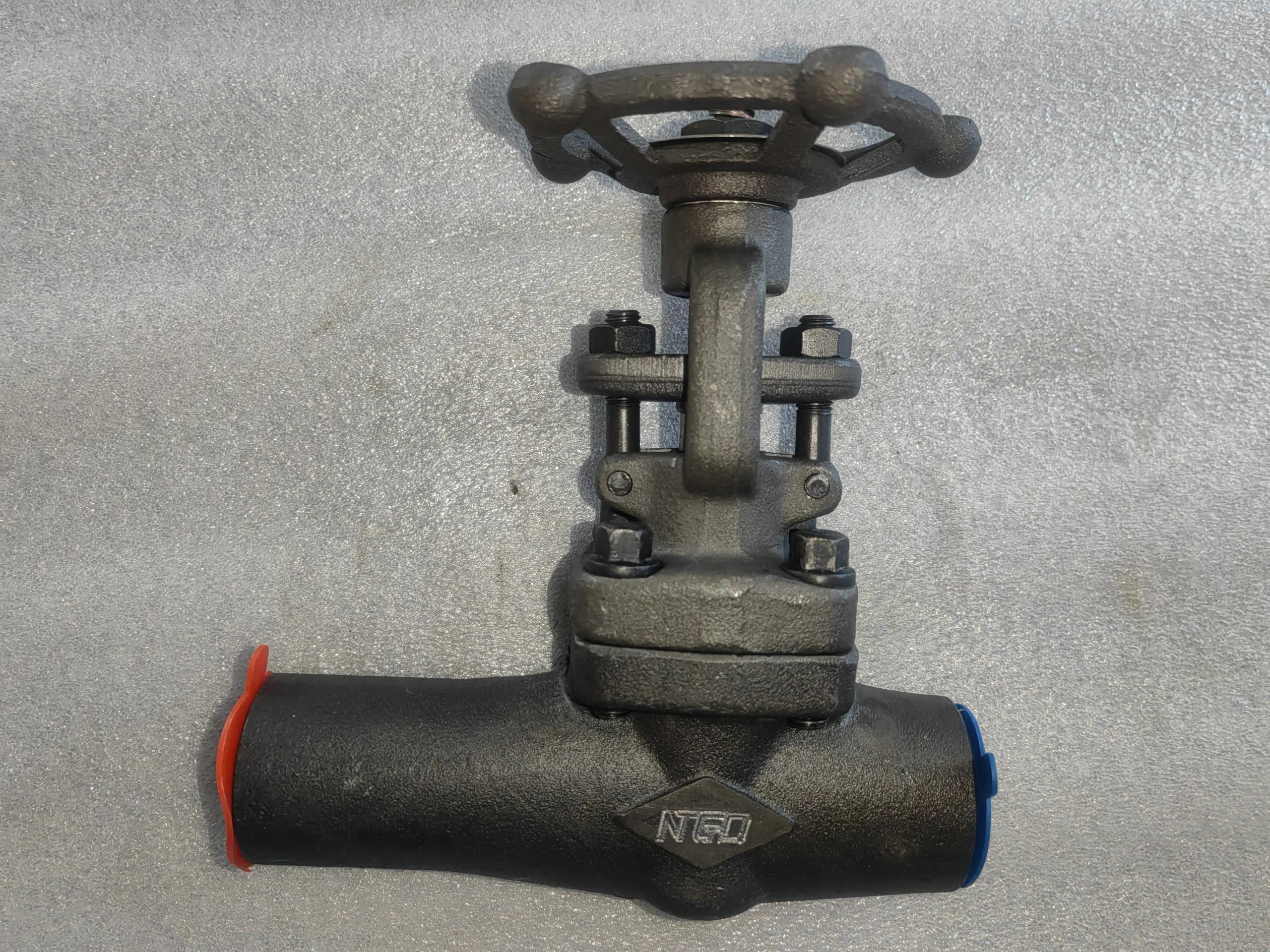
Forged steel gate valves are made to be very strong. First, a solid steel piece is heated until soft. Then, it is shaped by pressing or hammering into parts. This process makes the steel tougher and better at handling stress.
After shaping, the parts are carefully machined for a perfect fit. This step ensures no leaks when the valve is used. Finally, the parts are put together and tested for quality. This method creates valves that work well in high-pressure and hot conditions.
Benefits of Forged Steel Gate Valves
Forged steel gate valves have many advantages. They are very strong and can handle high pressure and heat. This makes them great for industries like oil and gas.
These valves are small, saving space when installed. The forging process reduces flaws, so they are less likely to crack. They also need less fixing because they are built tough. Their long life means they are worth the money.
Tip: Use forged steel gate valves for high-pressure jobs. They are strong and reliable.
Downsides of Forged Steel Gate Valves
Forged steel gate valves have some downsides too. They open and close slower than other valves. This can be a problem when quick action is needed.
They don’t work as well in low-pressure systems. Over time, parts like the seat and disk can wear out. They are not good for controlling flow and can be hard to fix if broken.
- Main Problems:
- Slow to open and close
- Not ideal for low pressure
- Parts can wear out over time
- Bad for flow control
- Hard to repair if damaged
Knowing these issues helps you decide if they fit your needs.
Applications of Forged Steel Gate Valves
Forged steel gate valves are perfect for tough industries. They are strong and work well under high pressure and heat. These valves are used where durability and accuracy are very important.
Key Industries and Use Cases
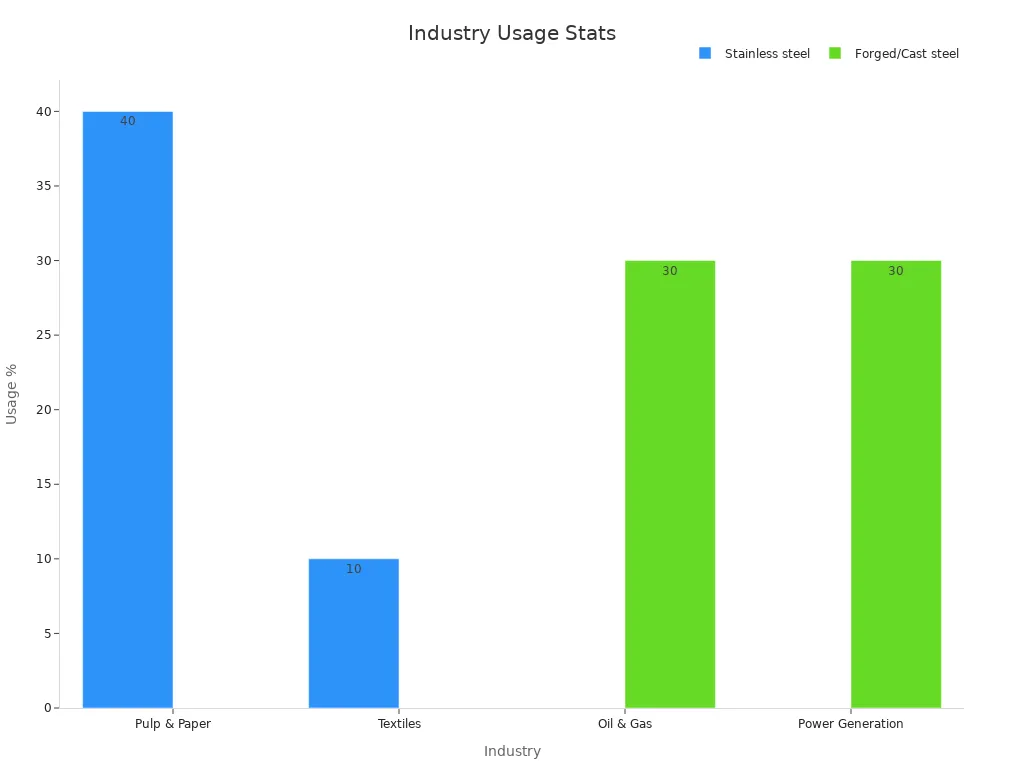
| Industry | Valve Type | Usage Percentage | Purpose | Material |
|---|---|---|---|---|
| Pulp & Paper | Gate Valve | 40% | Handles thick pulp flow | Stainless steel |
| Textiles | Gate Valve | 10% | Controls water flow | Stainless steel |
| Oil & Gas | Gate Valve | 30% | Manages gas flow | Forged steel, cast steel |
| Power Generation | Gate Valve | 30% | Regulates high-pressure systems | Forged steel, cast steel |
In the pulp and paper industry, these valves move thick pulp easily. Their strength helps them handle rough materials without problems. In oil and gas, they control gas flow precisely, making up 30% of valve use there. Power plants also depend on these valves to manage high-pressure systems safely and efficiently.
Why Choose Forged Steel Gate Valves?
- High-Pressure Applications: These valves are great for places with extreme pressure, like power plants and oil refineries.
- Durability: Forged steel is very strong and doesn’t crack easily, even with heavy use.
- Compact Design: Their small size makes them fit well in tight spaces.
Tip: Use forged steel gate valves for high-pressure or tough jobs. Their strength and reliability make them worth it.
By learning about these uses, you can decide if these valves suit your needs. Their strength and flexibility make them a top choice for industries needing dependable equipment.
Comparing Cast Steel and Forged Steel Gate Valves
Strength and Durability Comparison
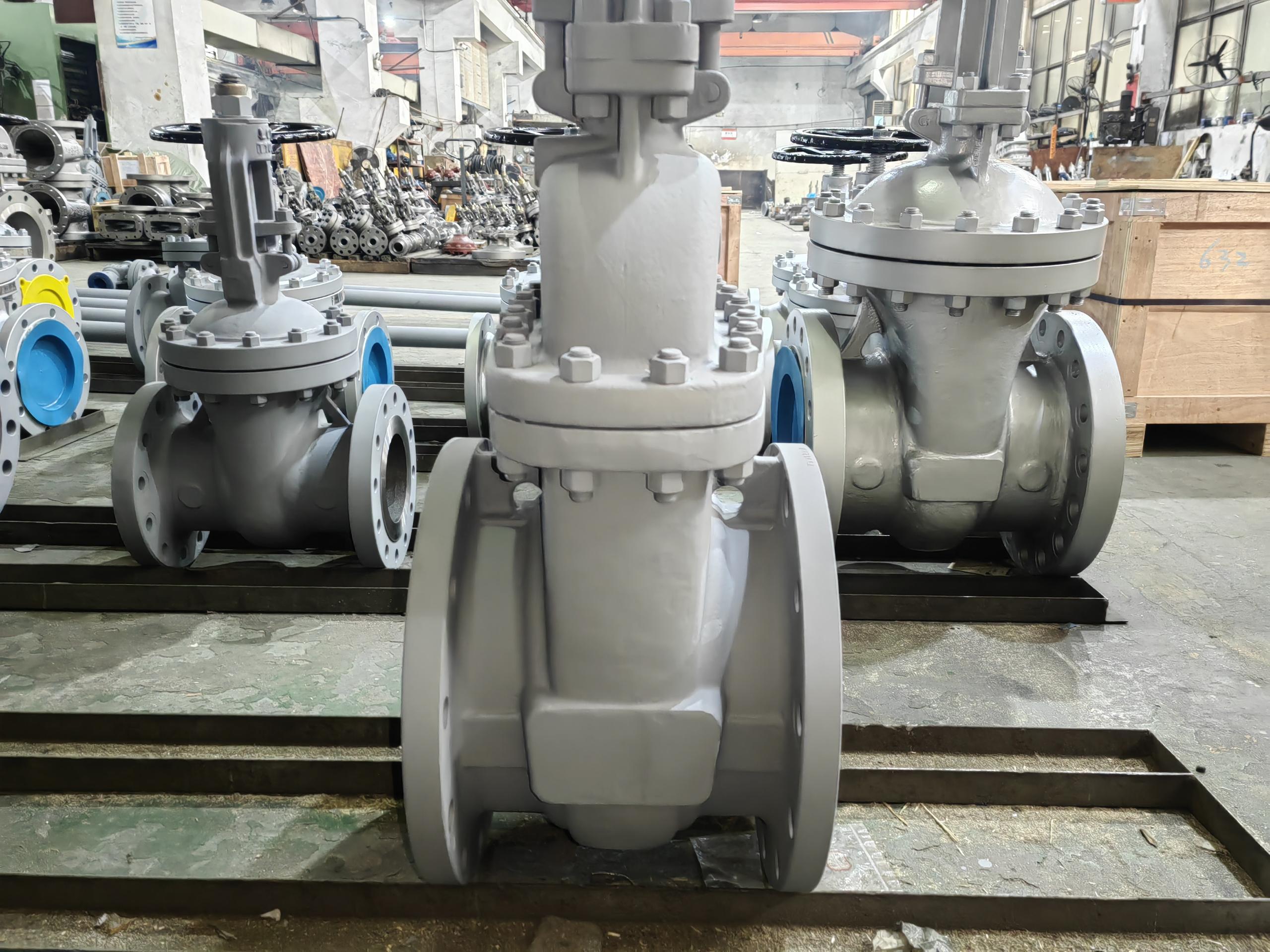
Forged steel gate valves are stronger than cast steel ones. Forging squeezes the steel, removing weak spots and making it solid. This process makes forged steel valves tough and crack-resistant, even in harsh conditions. Cast steel valves, however, can have flaws like cracks or holes from casting. They work well for many jobs but aren’t as strong as forged steel in high-pressure or hot environments.
For critical tasks like oil refineries or power plants, forged steel valves are the best choice. But cast steel valves are still good for less demanding jobs where cost and design options matter more.
Cost and Affordability Comparison
Price is important when picking between these valves. Cast steel valves are cheaper, especially for big sizes or complex shapes. Casting allows for creative designs at a lower price. Forged steel valves cost more because they are stronger and harder to make.
| Feature | Cast Steel Gate Valves | Forged Steel Gate Valves |
|---|---|---|
| Manufacturing Process | Metal poured into molds | Heated metal pressed into shape |
| Cost-Effectiveness | Cheaper for big or complex designs | More expensive for small or detailed designs |
| Strength and Durability | Less strong, may have flaws | Very strong and reliable |
| Design Flexibility | Easy to make complex shapes | Harder to create detailed designs |
| Quality Variability | May have defects | More consistent quality |
| Application Suitability | Good for low to medium-pressure jobs | Best for high-pressure, critical tasks |
If you’re on a budget, cast steel valves are a smart pick. For high-pressure systems, forged steel valves are worth the extra cost.
Manufacturing Lead Times Comparison
Making these valves takes different amounts of time. Cast steel valves are faster to produce because casting is quicker. But recent problems, like fewer workers and shipping delays, have slowed production. Custom orders now take 18-22 weeks instead of 12-14 weeks. Forged steel valves take longer to make since they need more work and precision.
- Custom orders now take 18-22 weeks due to worker shortages.
- Shipping delays during COVID-19 added 4-6 weeks, plus 10-14 days in 2023 from global issues.
- Cast steel valve costs rose 18% from 2020 to 2023, affecting time and price.
If you need valves quickly, cast steel ones are better. But for important jobs where quality matters most, waiting for forged steel valves is worth it.
Performance in High-Pressure and High-Temperature Applications
Forged steel gate valves work better in tough conditions. They are strong because forging removes weak spots inside the material. These valves can handle very high heat, over 1112°F (600°C), and stay reliable under high pressure. This makes them perfect for industries like oil refining and power plants, where strength is very important.
Cast steel gate valves are not as good for extreme conditions. Casting can create flaws or weak areas that lower their performance under stress. They are best for medium pressure and temperature jobs. Their flexible designs and lower cost make them useful in less demanding situations.
Tip: Pick forged steel gate valves for tough systems. They are stronger and last longer in extreme conditions.
Maintenance and Longevity Comparison
Cast steel valves need more care and fixing. Casting can cause flaws that wear out faster. They need regular checks and repairs to keep working well. But replacement parts are easy to find and cost less to make.
Forged steel valves last longer and need less fixing. Forging makes the material stronger and reduces flaws. These valves stay reliable even in harsh places. Their durability saves money on repairs over time.
Key Maintenance and Longevity Insights:
- Cast Steel Valves:
- Replacement parts are easy to find.
- Need careful checks after welding.
- Heat treatment slows delivery times.
- Forged Steel Valves:
- Best for tough jobs with high pressure and heat.
- Fewer flaws mean they last longer.
- Lower repair costs over time.
Note: Choose forged steel valves for long-lasting use and less upkeep. For simpler jobs, cast steel valves are a cheaper option.
Choosing Between Cast Steel and Forged Steel Gate Valves
Evaluating Operating Conditions
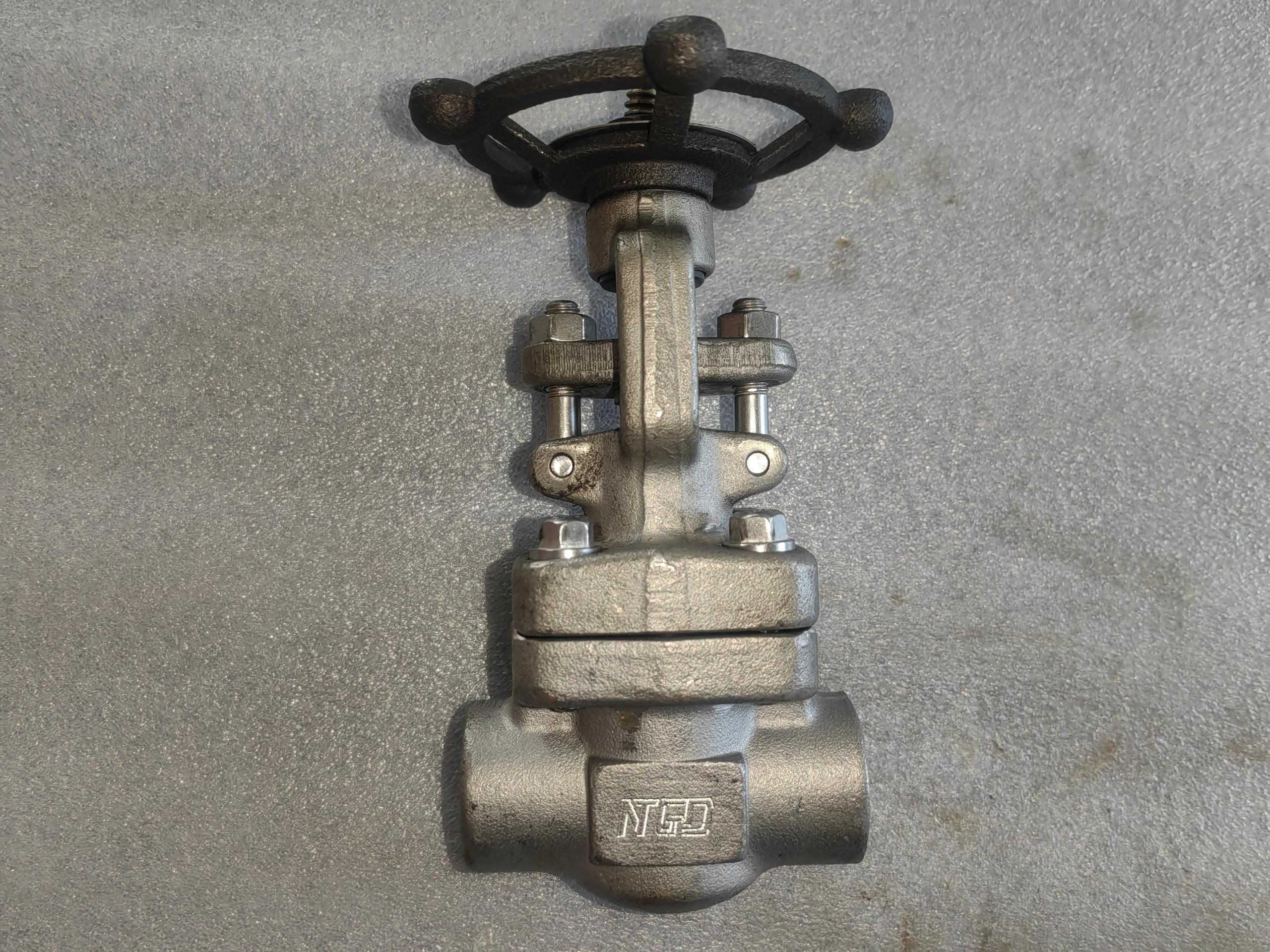
Picking the right valve depends on how it will work. Cast steel gate valves are good for medium pressures and temperatures. They perform well in normal conditions. But forged steel gate valves are better for tough environments. Their strong design handles high pressure and heat easily.
Think about things like material strength and corrosion resistance. For example, forged steel valves resist cracking and work well in harsh environments. Cast steel valves might not last as long because casting can create weak spots.
| Evidence Type | Description |
|---|---|
| Material Properties | Affects how strong and durable the valve is. |
| Corrosion Rates | Fluids like acids or heat can wear materials down. |
| Testing Methods | Tests check for cracks or other problems. |
| Environmental Factors | Salt, chemicals, and heat affect material choice. |
| Operating Conditions | Pressure and flow rates impact valve performance. |
Tip: Use forged steel valves for tough jobs. For easier tasks, cast steel valves save money.
Budget Considerations
Your budget matters when picking a valve. Cast steel gate valves cost less, especially for big or complex designs. Casting is cheaper, so these valves are great for tight budgets.
Forged steel gate valves cost more but last longer. They are stronger and need fewer repairs, saving money over time. While they are expensive upfront, their durability makes them worth it for critical jobs.
- Key Points to Consider:
- Cast steel valves: Cheaper, good for general use.
- Forged steel valves: Cost more, best for high-pressure systems.
Note: If you need to save money now, pick cast steel valves. For long-term savings, choose forged steel valves.
Long-Term Maintenance Needs
Maintenance is different for these valves. Cast steel gate valves need more checks and repairs. Casting can cause small flaws that wear out faster. But replacement parts are easy to find and cheap.
Forged steel gate valves need less fixing. They are strong and last longer, even in tough conditions. This means fewer repairs and a longer life. Though they cost more at first, they save money on upkeep.
Tip: Choose forged steel valves for less maintenance. Pick cast steel valves if you want to save money upfront and don’t mind regular repairs.
Industry Standards and Regulations
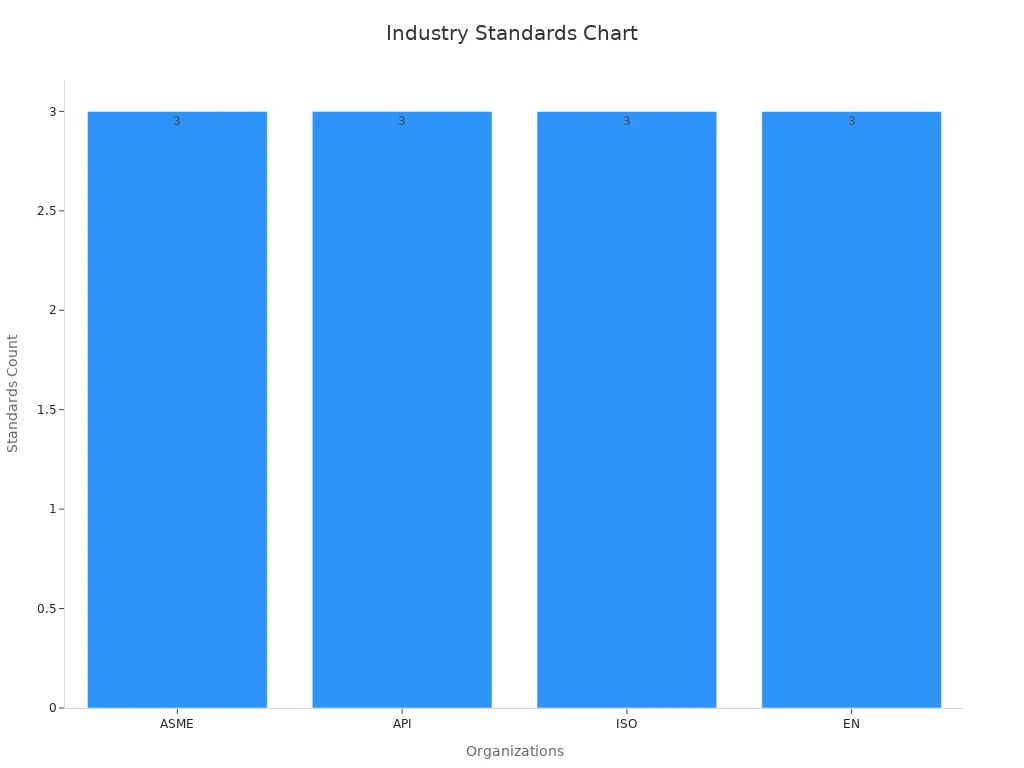
When picking between cast steel and forged steel gate valves, think about industry rules. These rules make sure valves are safe, work well, and meet quality needs. Groups like ASME, API, ISO, and EN create these rules to keep things consistent.
| Standard Organization | Common Rules |
|---|---|
| ASME | ASME B16.34, ASME B16.10, ASME B16.24 |
| API | API 6D, API 607, API 609 |
| ISO | ISO 6002, ISO 1721, ISO 10631 |
| EN | EN 593, EN 1349, EN 1983 |
Cast steel gate valves follow rules like ASME B16.34 and API 6D. These focus on pressure and size limits. Their flexible designs make them good for jobs needing specific guidelines. But their making process can vary, so check quality before using them.
Forged steel gate valves meet strict rules for high heat and pressure. They often follow ISO 10631 and API 607, which focus on fire safety and strength. Forging makes them strong and reliable for tough jobs.
Tip: Check what rules your project needs. For example, API 6D is key for pipelines, while ISO 6002 works for global projects.
Knowing these rules helps you pick the right valve. Cast steel valves are cheaper for general use. Forged steel valves are stronger for hard conditions.
Picking between cast steel and forged steel gate valves depends on what you need. Cast steel valves are cheaper and easier to shape, making them great for medium-pressure jobs. Forged steel valves are stronger and last longer, working well in high-pressure and hot conditions.
| Key Feature | Cast Steel Gate Valves | Forged Steel Gate Valves |
|---|---|---|
| Cost | Cheaper, especially for bigger sizes | More expensive due to stronger build |
| Durability | Okay, but may have small flaws | Very strong, with fewer problems |
| Applications | Best for medium-pressure systems | Perfect for high-pressure, tough environments |
| Maintenance | Needs regular fixing and checks | Low maintenance, lasts a long time |
Tip: If saving money is important, pick cast steel valves. For tough jobs, forged steel valves are the better choice.
