
Choosing the right materials for ball valves is important. Corrosion causes about 60% of damage to chemical tools. In the U.S., corrosion costs industries $276 billion each year. This is about 3% of the country’s GDP. Using the wrong materials can cause frequent breakdowns and high costs. To avoid this, pick materials that fight corrosion and work well in tough conditions. This choice helps equipment last longer and lowers costs over time.
Key Takeaways
- Pick materials like stainless steel and PTFE for ball valves. These materials last longer and lower repair costs.
- Know the limits of temperature and pressure. Use valves that work well in tough conditions to stop leaks and problems.
- Regular care is important. Do routine checks to prevent big issues and keep systems running smoothly.
- Make sure valves meet industry rules. Certified valves are safer and more reliable, protecting your system from problems.
- Think about long-term costs, not just the price now. Buying good valves saves money by needing fewer repairs and less downtime.
Ball Valves in Corrosive Environments
Overview of Ball Valves
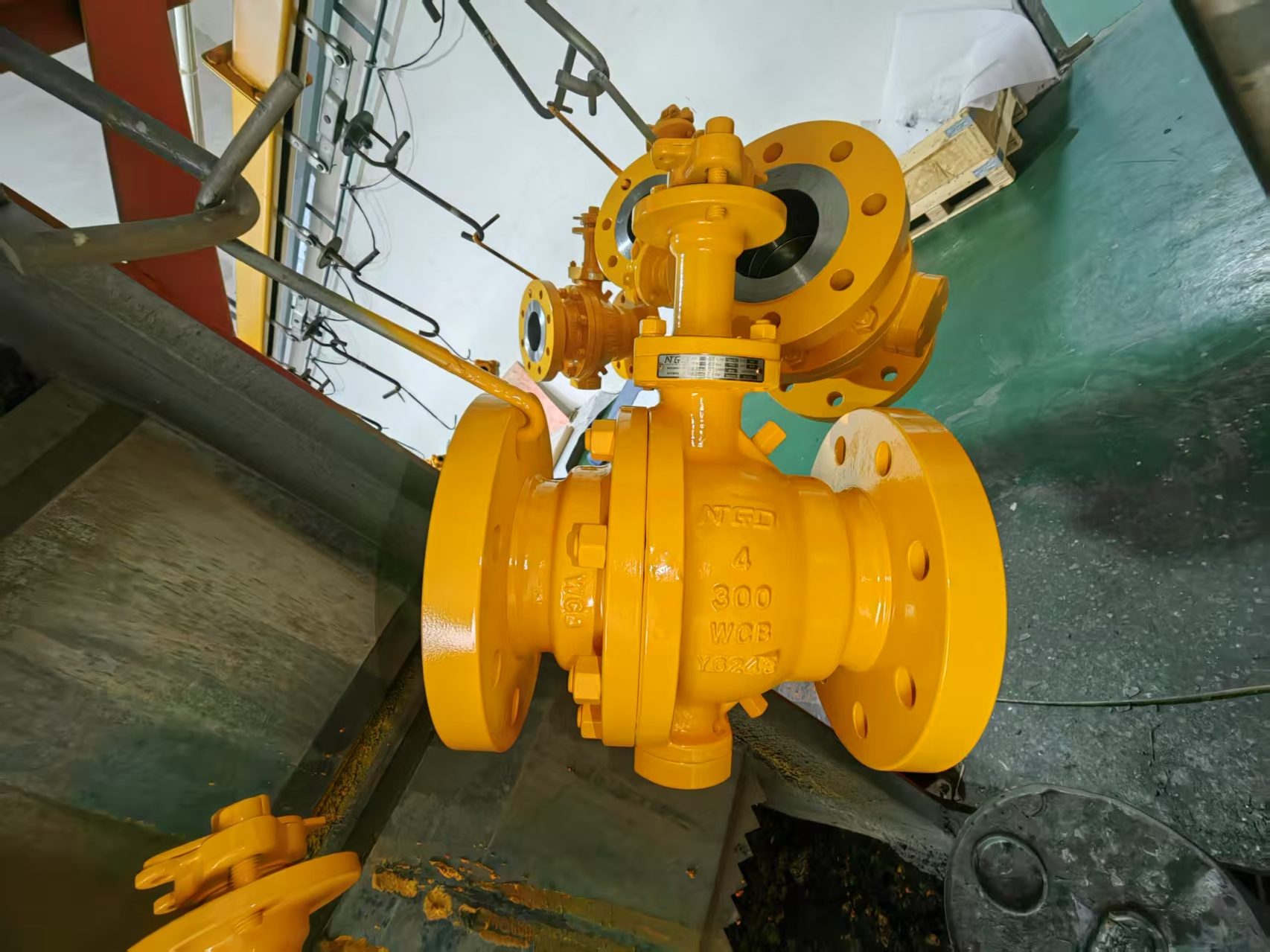
Ball valves are important parts of industrial systems. They control fluid flow using a round ball with a hole in it. Turning the handle moves the ball to open or block the flow. This simple design provides reliable on/off control. Ball valves are small, strong, and handle high pressure and heat. They are used in many industries like oil, gas, chemicals, and water systems.
Main features of ball valves include:
- Quarter-turn operation: A quick turn opens or closes the valve.
- Leak-proof design: Stops leaks, even under high pressure.
- Durability: Works well in tough conditions for a long time.
- Versatile connections: Comes in threaded, flanged, or welded types.
Applications in the Oil and Gas Industry
In oil and gas, ball valves are key for safety and efficiency. They control the flow of oil, gas, and other fluids in pipelines. Their strength under high pressure and heat makes them great for wellhead operations. Offshore drilling platforms also use ball valves to manage corrosive fluids in tough conditions.
Common uses include:
- Pipeline transportation: Keeps flow smooth and prevents leaks.
- Wellhead control: Handles pressure and flow during drilling.
- Storage facilities: Controls fluid movement between tanks and pipes.
Role of Chemical Ball Valves in Corrosive Conditions
Chemical ball valves are made to handle corrosive environments. They use materials like stainless steel, Hastelloy, and PTFE that resist damage. For example, stainless steel (SS316) works well with sulfuric acid up to 20% at 150°C. Hastelloy handles stronger acids and higher heat. PTFE-lined valves resist harsh chemicals like hydrochloric acid and chlorine.
Studies show coatings on ball valves reduce wear and friction in corrosive areas. But some coatings, like CrSiN films, don’t work well in wet conditions. This shows why picking the right material and coating is important. Choosing the right chemical ball valves helps them last longer, lowers repair costs, and makes systems more reliable.
| Media | Ball valve material details |
|---|---|
| Sulfuric acid | Stainless steel (SS316), Hastelloy, PTFE, Viton, Ceramic ball valve |
| Hydrochloric acid | PVDF, PTFE, Hastelloy C, Titanium |
| Nitric acid | Hastelloy C, Titanium, Zirconium, Stainless steel, PTFE, FKM |
| Chlorine | Hastelloy C-276, Titanium, Monel, PVC |
| Ammonia | Stainless steel 316, PTFE |
| Alcohols, Ketones | Stainless steel for alcohols; check with makers for ketones and esters |
Factors Influencing Material Selection

Corrosion Resistance
Corrosion resistance is very important for ball valves in tough environments. Materials must handle chemicals without breaking down over time. Stainless steel, nickel alloys, and PTFE-lined valves are great options because they fight corrosion well.
- In chemical plants, smooth fluid flow is very important. Ball valves made of strong materials like stainless steel or nickel alloys last longer and seal better.
- As rules for handling chemicals get stricter, companies choose stronger valves to stay safe.
- In 2023, stainless steel made up about 33% of the manual valve market. Its popularity comes from being strong, long-lasting, and resistant to corrosion in industries like oil, gas, and medicine.
Pick corrosion-resistant materials for ball valves to make them last longer and need less fixing. This choice improves sealing and keeps fluid flow steady in your systems.
Temperature and Pressure Tolerance
Temperature and pressure are key to how well ball valves work in hard conditions. Materials must handle extreme heat and pressure without losing strength or sealing ability.
| Factor | Effect on Performance |
|---|---|
| Temperature Changes | Uneven expansion and shrinking can cause cracks over time. |
| Pressure Limits | Too much pressure can damage seals and wear parts out. |
| Selection Rules | Valves should match or exceed pipeline ratings for safety. |
Always check the temperature and pressure limits of ball valves before using them. Valves made for high heat and pressure stop leaks and keep flow steady. Picking the right materials ensures your system works safely and efficiently in tough conditions.
Cost and Maintenance Considerations
Cost and upkeep are also important when picking ball valves for harsh environments. Strong materials may cost more at first but save money later by lasting longer and needing fewer repairs.
- Special maintenance plans fix problems like rust and leaks.
- Regular care stops big failures and keeps systems running well.
- Routine checks prevent downtime, which can cost a lot of money.
- Good maintenance makes valves last longer, so you replace them less often.
To save money, follow these steps:
- Look at the valve’s design to see what works best.
- Compare repair costs to replacement costs.
- Find parts that can be fixed instead of thrown away.
Using strong materials and doing regular maintenance helps ball valves work well, seal properly, and avoid costly breakdowns.
Compliance with Industry Standards
When picking ball valves for tough environments, make sure they follow industry standards. These rules ensure the valves are safe, strong, and work well. Following standards not only protects your system but also keeps you within legal rules.
Why Compliance Matters
Standards exist to keep systems safe and reliable. Valves that meet these rules go through strict tests to prove they work. Choosing certified valves lowers the chance of leaks, failures, or accidents. This is very important in industries like oil, gas, and chemicals, where safety matters most.
Tip: Always check if the ball valves have proper certifications. This ensures they meet the needed standards for your job.
Key Standards for Ball Valves
Some key standards apply to ball valves in harsh environments. Two important ones are API 607 and API 608. These focus on fire safety and performance.
- API 607 Compliance: This rule checks if valves can handle fire. Makers must provide detailed documents and do fire tests. Third-party checks confirm the results, and certification proves compliance. These valves are a must for fire-sensitive areas.
- API 608 Compliance: This rule ensures valves perform well overall. Makers must pass performance tests and third-party checks. Certified valves meet high standards for pressure and heat. They are great for tough conditions.
How to Verify Compliance
To check compliance, look at the certifications from the maker. Labels or documents should show they meet API 607, API 608, or other standards. Makers often include this in their product details. If unsure, ask for more info or test results to confirm.
Benefits of Using Compliant Valves
Certified valves offer many benefits:
- Better Safety: Certified valves lower risks of leaks or failures.
- More Reliability: Standards ensure valves work well in hard conditions.
- Legal Compliance: Meeting rules avoids fines or legal trouble.
- Cost Savings: Strong, certified valves last longer and need less fixing.
By choosing certified valves, your system stays safe and works well. Always pick valves that meet or go beyond the required standards for your needs.
Material Choices for Ball Valves
Stainless Steel in Tough Conditions
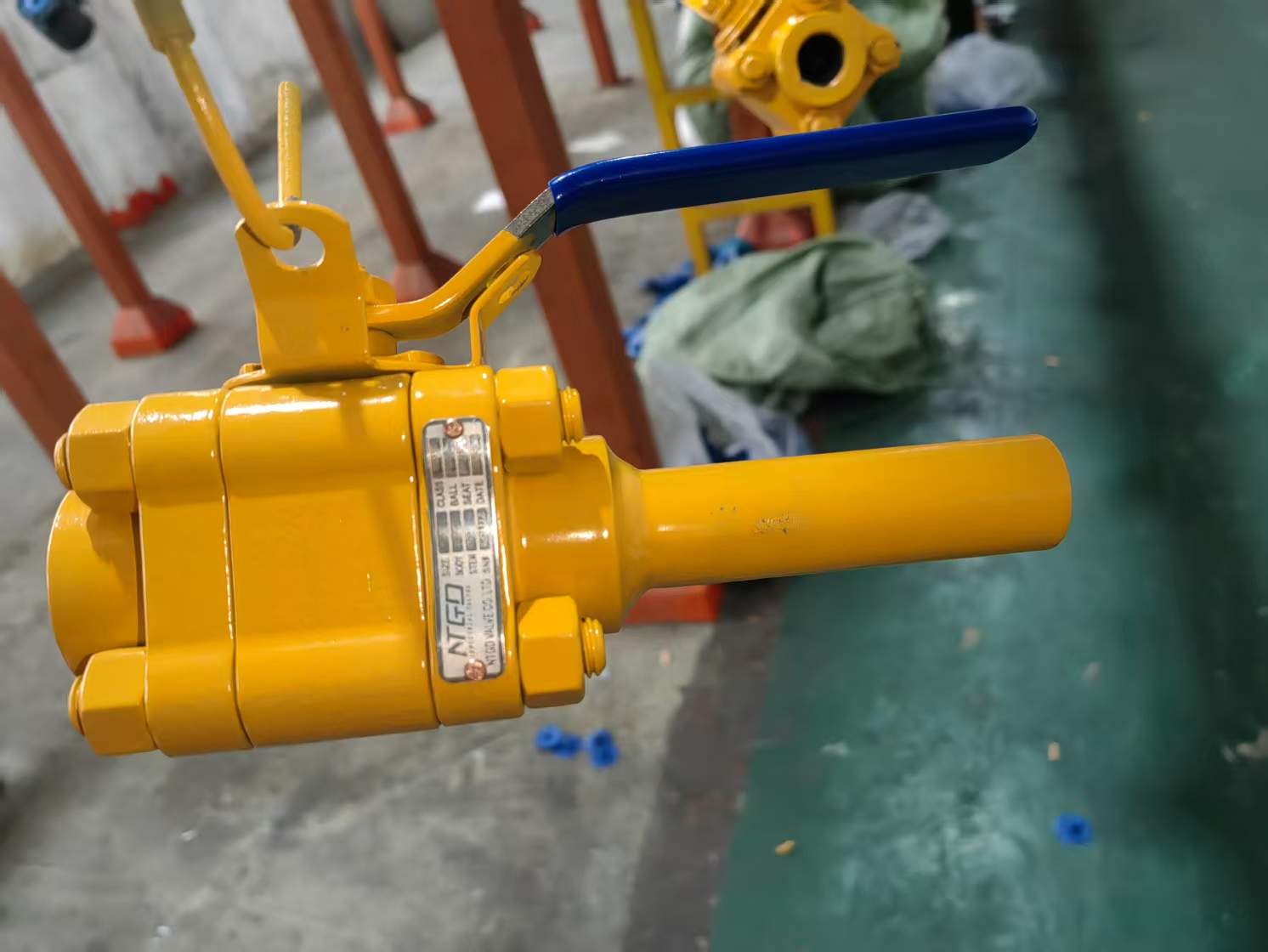
Stainless steel is a strong material for ball valves. It resists rust and lasts long, making it great for oil, gas, and chemical industries. Stainless steel 316L works well in acidic and salty environments. Its chromium oxide layer protects it from rust, but too much chloride can damage this layer.
There are some challenges with stainless steel. Stress corrosion cracking (SCC) can happen when it’s under stress in harsh conditions, causing sudden breaks. Bad welding can lead to intergranular corrosion (IGC), which weakens the material. Even with these risks, stainless steel is still a top choice for strength and chemical resistance.
For very harsh conditions, CarTech 20Cb-3® stainless steel is a great option. It resists sulfuric acid and other strong chemicals. NTGD offers stainless steel ball valves that handle tough environments and last a long time.
| Material | Rust Resistance | Heat Stability | Chemical Resistance | Uses |
|---|---|---|---|---|
| Stainless Steel 316L | High | High | Excellent | Acidic and salty environments, food industry |
| Hastelloy | Excellent | High | High | Strong chemicals, acids, and bases |
Brass Ball Valves: Benefits and Drawbacks
Brass ball valves are cheaper and good for mild conditions. They resist rust moderately and work well with water, air, and non-corrosive fluids. Their low cost and easy manufacturing make them popular for homes and light industries.
However, brass has limits. It doesn’t do well in very corrosive places or extreme heat. Over time, chemicals can cause dezincification, where zinc leaves the alloy, making it weaker. Avoid brass valves for strong chemicals or high-pressure systems.
For simple projects, brass ball valves are a good and affordable choice. NTGD offers brass valves that balance cost and performance, perfect for budget-friendly needs.
| Material | Rust Resistance | Heat Stability | Chemical Resistance | Uses |
|---|---|---|---|---|
| Brass | Moderate | Medium | Limited | Mild environments |
Plastic Ball Valves: Light and Rust-Free
Plastic ball valves are great for handling strong chemicals. Materials like PVC, CPVC, and PTFE resist chemicals well, making them useful for water treatment and waste management. They are lightweight, easy to install, and reduce strain on pipes.
Plastic valves are also affordable and need little maintenance. This makes them a good choice for projects with tight budgets. As water systems grow, plastic valves are becoming more popular.
But plastic valves have limits. They don’t handle high heat or pressure as well as metal ones. For lightweight and rust-resistant needs, NTGD offers plastic ball valves designed for tough jobs.
- Plastic valves resist many chemicals like acids and bases.
- They are light and easy to install.
- Common uses include water treatment and chemical handling.
- They are affordable and need little upkeep.
| Material | Rust Resistance | Heat Stability | Chemical Resistance | Uses |
|---|---|---|---|---|
| Polytetrafluoroethylene (PTFE) | Excellent | Wide range | Chemically safe | Clean fluid systems |
| Polyvinylidene Fluoride (PVDF) | Excellent | High | Chemically safe | UV-exposed systems |
Exotic Alloys for Tough Conditions
Exotic alloys are key for making ball valves reliable in tough conditions. These special materials handle harsh environments like strong chemicals, high heat, and heavy pressure. For hard jobs, exotic alloys give great strength and performance.
- Why Exotic Alloys Are Important:
- They resist damage from strong chemicals, lasting a long time.
- They handle high heat without breaking or wearing out.
- They work well under heavy pressure in tough industries.
Hastelloy, Inconel, and Monel are common exotic alloys. Hastelloy is great for strong acids and oxidizers. Inconel works well in very hot places. Monel resists seawater damage, making it good for marine use.
Industries like oil, gas, and power plants rely on exotic alloy ball valves. These materials lower the chance of valve failure and keep systems running smoothly. They ensure steady performance even in the hardest conditions.
Coated and Lined Ball Valves for Better Strength
Coated and lined ball valves are great for handling corrosive environments. They use materials like PTFE, ceramic linings, and stainless steel coatings to fight wear and corrosion. If you deal with strong chemicals or high heat, these valves are a strong and reliable choice.
- Advantages of Coated and Lined Ball Valves:
- PTFE linings resist chemicals and seal well over time.
- Ceramic linings, like alumina and zirconia, handle heat and wear better than metal.
- Stainless steel coatings make valves stronger for industries like food and medicine.
These valves are also affordable for chemical and corrosive uses. They stay strong after many uses, making them great for stopping and controlling flow. Ceramic-lined valves are becoming more popular because they last longer in harsh conditions.
Using coated and lined ball valves helps systems stay reliable and lowers repair costs. Whether in chemical plants or water systems, these valves offer the strength and efficiency needed for tough jobs.
Evaluating Material Compatibility
Chemical Compatibility Analysis
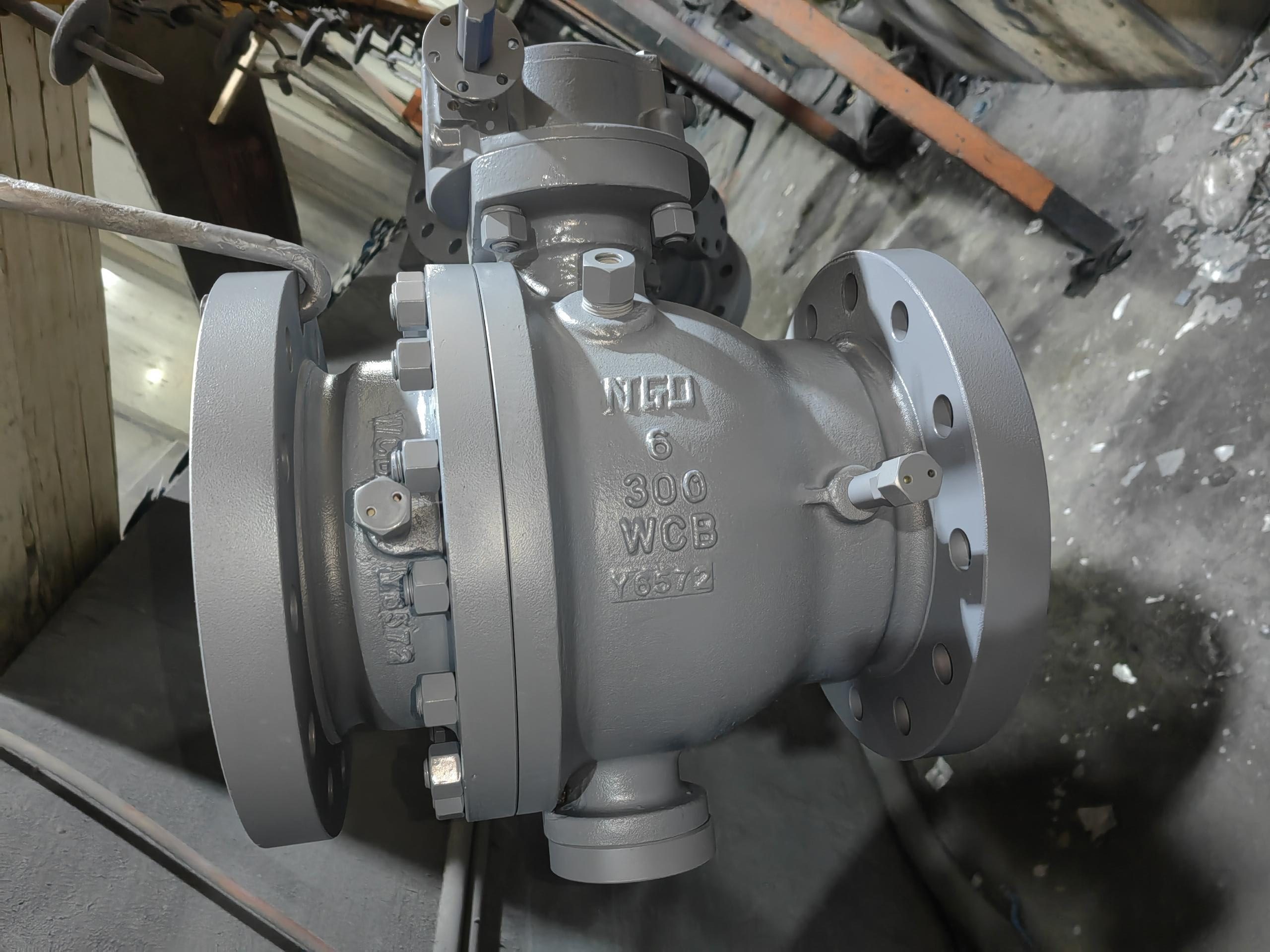
Knowing how materials react with chemicals is very important. Some chemicals can damage valve materials, making them weaker and less effective. For instance, stainless steel can lose 12% of its strength after two hours in strong sulfuric acid. This shows why picking the right material for specific chemicals is crucial.
Materials behave differently in various conditions. High heat can weaken them, while cold can make them brittle. Corrosive chemicals, like those in desalination plants, often cause valves to fail early. About 75% of desalination plants face serious corrosion problems within 20 years due to bad material choices. Checking chemical compatibility helps ensure materials stay strong and safe in tough conditions.
Manufacturer Recommendations and Data Sheets
Manufacturers help you pick the best materials for ball valves. Their guides and data sheets explain how materials resist chemicals and perform under certain conditions. For example, thermoplastics and elastomers are tested in labs to check their chemical compatibility.
Some materials, like fluorocarbon rubber (FKM), don’t work well in harsh chemicals. Others, like ethylene propylene diene terpolymer (EPDM), resist chlorinated water better. Special fluorinated elastomers handle both heat and chemicals, making them great for tough jobs. Always read manufacturer data sheets to ensure materials fit your system. This reduces valve failures and improves how well your system works.
Real-World Testing for Corrosive Applications
Testing valves in real situations shows how they handle tough environments. Industries like oil, gas, and water treatment share examples of why material choice matters. For instance:
| Case Study | Description |
|---|---|
| Petrochemical Plants | Gas valves work well under high pressure and corrosion. |
| Oil and Gas Project | Valves in hot, high-pressure areas perform reliably. |
| Water Treatment Plant | AWWA valves resist rust and handle strong water pressure. |
| Gas Technology Institute | Special valves process powders in extreme heat. |
These examples show why testing and certifications are important. By studying real-world results, you can choose materials that last longer, stay safe, and save money.
Balancing Performance and Budget
Picking ball valves for tough environments needs careful planning. You want a valve that works well but doesn’t cost too much. Think about both the price now and future costs like repairs and replacements.
Some valves, like 3-piece ball valves, cost more at first. But they save money later because they last longer and need less fixing. 2-piece ball valves are cheaper upfront but need more repairs, which adds to the total cost.
| Valve Type | Starting Price | Repair Needs | Overall Cost |
|---|---|---|---|
| 3-Piece Ball Valve | Higher | Lower | Lower |
| 2-Piece Ball Valve | Lower | Higher | Higher |
To pick the right valve:
- Check what your system needs to work well.
- Compare different valve types and brands.
- Balance cost and performance to get the best deal.
For example, in very corrosive places, a 3-piece ball valve made from strong materials might be better. It lasts longer and needs fewer repairs, saving money over time. But for easier jobs, a 2-piece valve could be a cheaper option.
Tip: Don’t just look at the starting price. A better valve might cost more now but save money later by needing fewer repairs and less downtime.
By thinking about your system’s needs and budget, you can choose a valve that works well and fits your spending plan.
Innovations in Ball Valve Materials
New Coating Technologies
Coatings have improved how ball valves work in tough places. Modern coatings make valves last longer and resist damage better. For example, PECVD creates a strong layer on the valve surface. This layer fights corrosion and wear, making it great for industries like oil refining and chemical plants.
Nano-coatings are another big improvement. They add extra protection against harmful chemicals, helping valves last longer. Studies also show cobalt-based cemented carbide works well in high heat and tough conditions. These new coatings help valves stay strong and seal properly, even in very harsh environments.
| Feature | Details |
|---|---|
| New Materials | Alloys with high melting points and ceramic mixes improve performance. |
| Coating Technology | PECVD makes coatings stick better and resist wear. |
| Core Material Choice | Cobalt-based carbide handles heat and wear very well. |
| Nano-coating Technology | Adds extra protection in highly corrosive areas. |
Strong Polymers for Tough Chemicals
High-performance polymers are now key for ball valves in harsh conditions. Materials like PTFE and PVDF resist strong chemicals while staying lightweight. These polymers are perfect for industries like water treatment and chemical factories, where they face tough chemicals often.
Ceramic ball valves are also important for extreme jobs. They keep a tight seal and work well in hard conditions. This makes them useful in oil, gas, mining, and chemical industries. By mixing polymers with smart designs, companies make valves that work well and need little fixing.
- Ceramic valves handle very tough conditions.
- They work reliably in harsh places.
- Oil and gas industries use them for their strength.
Eco-Friendly Materials in Oil and Gas
The oil and gas industry is now focusing on eco-friendly materials. Companies use recyclable metals and biodegradable plastics to lower environmental harm. These materials meet performance needs and support global green goals.
The Neles XH Ball Valve is a good example of this progress. It has better sealing and resists extreme conditions. This design reduces repairs and lasts longer. Such innovations improve performance while being environmentally friendly.
| Innovation Type | Description |
|---|---|
| Neles XH Ball Valve | Better sealing and durability, needing less maintenance. |
| Market Growth Potential | Advanced designs boost market growth and set new standards for ball valves. |
Using sustainable materials helps systems work well and supports a cleaner planet.
Picking the right materials for ball valves in tough environments is important. It helps them work well and saves money over time. Materials like stainless steel, brass, and plastic have different strengths and uses.
| Material | Fights Corrosion | Strength | Best Uses |
|---|---|---|---|
| Stainless Steel | Very strong | High | Hard and rough conditions |
| Brass | Okay | Medium | Everyday, simple uses |
| Plastic (PVC, CPVC) | Good | Low | Chemicals and low-pressure systems |
To choose wisely:
- Compare upfront cost with long-term savings.
- Think about repair and upkeep expenses.
- Check how downtime affects your work.
By balancing cost, strength, and performance, you can improve your system. Learning about new materials helps you pick the best options for changing needs.
