
Anti-blowout stems in ball valves are crucial components that highlight the importance of anti-blowout stems. They prevent the valve stem from being pushed out during operation, ensuring that pressure inside does not lead to stem failure. This functionality helps avoid leaks or issues within the system. The primary role of these stems is to maintain safe and smooth operation. By doing so, anti-blowout stems protect both equipment and individuals from potential hazards.
Key Takeaways
- Anti-blowout stems stop valve stems from popping out. This keeps things safe in high-pressure areas.
- Picking ball valves with anti-blowout stems lowers leak risks. It also helps avoid system problems and protects people and tools.
- Check for the upside-down T-shaped shoulder in these stems. This design makes them stronger under pressure.
- Testing and certifying anti-blowout stems follow industry rules. This improves safety and keeps them working well.
- Buying valves with these stems means fewer fixes are needed. It also makes equipment last longer, saving money and time.
What Are Anti-Blowout Stems?
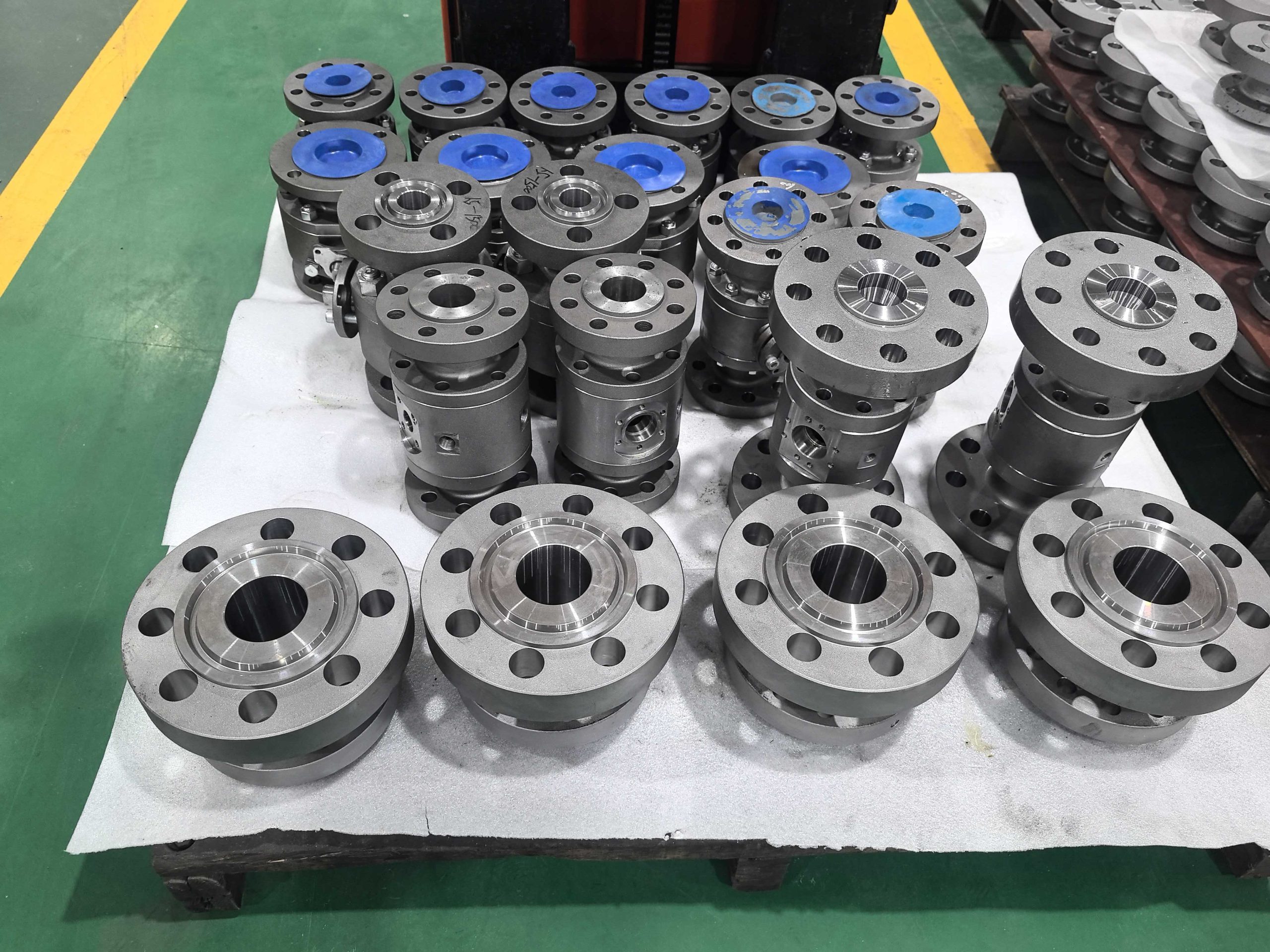
Definition and Purpose
Anti-blowout stems are special parts that stop the valve stem from popping out during use. This keeps the valve safe and steady, even when pressure is high. These stems are especially important in industries like oil and gas, where valve problems can cause serious accidents.
Here’s why anti-blowout stems matter:
- They stop the stem from being pushed out by pressure, keeping systems safe.
- They stay strong in high-pressure settings, lowering the chance of big failures.
- They go through strict tests, like pressure checks, and meet rules like API 6D and ASME B16.34 to prove they work well.
By using anti-blowout stems, companies like NTGD make sure their ball valves are safe and work great.
How They Work in Ball Valves
Anti-blowout stems work by stopping pressure from pushing the stem upward. They have a special design, like an upside-down T-shape, that locks the stem inside the valve. This keeps the stem from popping out, even in tough conditions.
The table below shows key features of how these stems work:
| Feature | Description |
|---|---|
| Anti-blowout stem | Keeps valves safe and steady under high pressure |
| Strong stem-to-ball link | Adds strength and balance during use |
| Custom seat options | Lets users pick seats for specific needs |
| Low leaks | Uses graphite packing to cut down on leaks |
| Fire safe | Meets API 607 rules for fire safety |
| SIL 3 certified | Follows safety rules for critical uses |
These features make anti-blowout stems very important for ball valves, ensuring safety and good performance.
Applications in High-Pressure and High-Temperature Environments
Anti-blowout stems are used in industries needing high safety and reliability. These include oil and gas, chemical plants, and power stations. In these places, valves must handle extreme pressure and heat without failing.
The design of anti-blowout stems makes them perfect for these jobs. For instance, the stem is placed inside the valve body, stopping blowouts by resisting upward pressure. Seals like o-rings and graphite rings also help them work well in tough conditions.
By using ball valves with anti-blowout stems, companies like NTGD help industries stay safe and run smoothly, even in the hardest environments.
Key Design Features of Anti-Blowout Stems
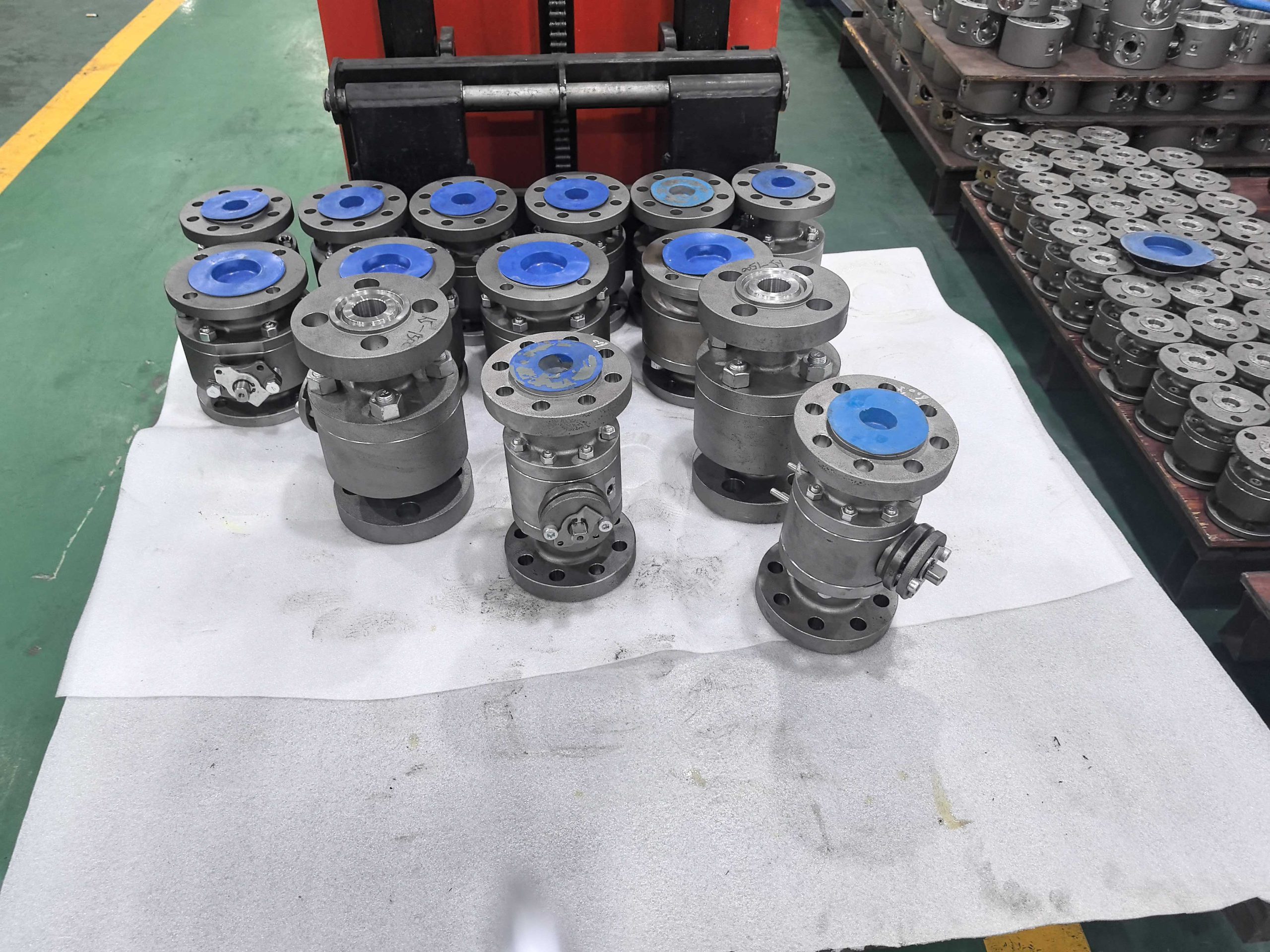
The Inverted T-Shaped Shoulder and Its Role
The inverted T-shaped shoulder is an important part of anti-blowout stems. This shape keeps the stem locked tightly inside the valve. When pressure builds up, the shoulder stops the stem from popping out. Think of it as a safety lock that holds the stem in place.
This design helps the valve work even in tough conditions. By keeping the stem secure, it lowers the chance of leaks or damage. It is key to keeping the valve system safe and working well.
Tip: Look for the inverted T-shaped shoulder when choosing ball valves for high-pressure jobs.
Materials Used for Strength and Durability
Anti-blowout stems are made from strong materials to handle tough conditions. Common materials include stainless steel, carbon steel, and alloys like Inconel. These materials resist rust, heat, and heavy use.
Stainless steel is a favorite because it lasts long and doesn’t rust. For very hot conditions, Inconel works best because it handles heat well. Choosing the right material makes sure the stem stays strong over time.
| Material | Key Benefits | Common Applications |
|---|---|---|
| Stainless Steel | Rust resistance, long-lasting | Oil and gas, chemical plants |
| Carbon Steel | Strong, affordable | Power plants, water systems |
| Inconel | Handles heat, very durable | High-heat environments |
Sealing Mechanisms for Leak Prevention
Seals are super important to stop leaks in ball valves. Anti-blowout stems use seals like O-rings, graphite packing, or metal-to-metal seals. These seals block gaps between the stem and valve body.
O-rings are great for everyday use, while graphite packing works in hot places. Metal-to-metal seals are strong for high-pressure jobs. These seals make sure the valve stays safe and works well.
Note: Taking care of seals can make your ball valves last longer and reduce repairs.
Importance of Anti-Blowout Stems for Safety

Preventing Stem Ejection Under Internal Pressure
When pressure builds inside a ball valve, it can push the stem outward. Without protection, this could cause leaks or system failure. Anti-blowout stems stop this by locking the stem in place. Their inverted T-shaped shoulder keeps the stem secure under high pressure.
Think of this design as a safety lock for the valve. It holds the stem firmly, even when pressure is extreme. This feature protects the valve and keeps the system working well. By stopping stem ejection, it lowers the risk of accidents and costly fixes.
Tip: Pick ball valves with anti-blowout stems for high-pressure jobs. They add extra safety and reliability.
Enhancing Safety in Hazardous Environments
Places like oil and gas plants, chemical factories, and power stations need high safety. These areas deal with dangerous materials and tough conditions. A valve failure here can cause fires, explosions, or toxic leaks.
Anti-blowout stems improve safety in these risky environments. Their strong design and durable materials handle harsh conditions without breaking. For example, alloys like Inconel work well in hot and corrosive settings.
Using ball valves with anti-blowout stems reduces risks and makes workplaces safer. These stems act like shields, ensuring valves work properly in tough situations.
Protecting Personnel and Equipment
Keeping workers safe and equipment undamaged is very important. A stem ejection or valve failure can harm people and damage tools. High-pressure leaks might cause injuries or expensive repairs.
Anti-blowout stems protect both workers and equipment by stopping failures. Their secure design keeps valves safe under extreme conditions. This lowers accident chances and helps operations run smoothly.
Note: Buying ball valves with anti-blowout stems isn’t just about following rules. It’s about making work safer and more efficient.
Knowing why anti-blowout stems matter helps you choose safety and reliability for your systems.
Standards and Testing for Anti-Blowout Stems

Key Industry Standards (e.g., API, ISO)
Anti-blowout stems must follow strict rules to stay safe and reliable. These rules cover how they are made, how they work, and what materials are used.
Here are some important standards:
- API 6D: This rule checks pipeline valves for safety and good performance.
- ISO 5211: It gives guidelines for mounting and using valves properly.
- ASME B16.34: This rule sets limits for pressure, temperature, and valve design.
By meeting these standards, manufacturers make sure anti-blowout stems work well under high pressure.
Tip: Always check if your ball valves meet API, ISO, or ASME rules before buying.
Testing Procedures for Performance and Durability
Testing is very important to prove anti-blowout stems are strong and safe. Manufacturers run tough tests to see if the stems can handle hard conditions.
Common tests include:
- Pressure Testing: Checks if the stem can handle pressure without popping out or leaking.
- Temperature Testing: Tests if the stem works in very hot or cold conditions.
- Fire Safety Testing: Makes sure the stem meets fire-safe rules like API 607.
- Cycle Testing: Measures how well the stem works after being used many times.
These tests copy real-life conditions to make sure the stems stay safe and reliable.
Note: Regular testing helps keep your valves working well for a long time.
Certification and Compliance Requirements
Certifications show that anti-blowout stems meet important rules and pass hard tests. Look for certifications like API 6D, ISO 9001, or SIL 3 when choosing ball valves. These prove the stems are safe, strong, and ready for tough jobs.
Following these rules also makes sure your valves meet legal and work requirements. For example, oil and gas companies often need API-certified valves for safety.
Reminder: Certified valves not only keep things safe but also prevent work delays.
Why Anti-Blowout Stems Are Essential for Ball Valve Performance

Making Valves Last Longer and Work Better
Anti-blowout stems help ball valves last a long time. Their strong design stops the stem from popping out under pressure. This lowers damage to valve parts and keeps them working well. By holding the stem firmly, they also prevent leaks and breakdowns.
These stems are made from tough materials like stainless steel or Inconel. These materials resist rust and handle high heat. This makes the valve work well in hard conditions. Choosing valves with anti-blowout stems means fewer replacements and more reliable performance.
Cutting Down Repairs and Work Delays
Fixing valves often can slow down work and cost money. Anti-blowout stems make valves stronger, so they need fewer repairs. Their secure design stops problems like leaks, which are common repair causes.
For instance, the seals in these stems block leaks, keeping valves safe. This lets you focus on work without worrying about valve issues. By avoiding delays, anti-blowout stems save time and money over time.
Tip: Check your valves often to keep anti-blowout stems in good shape. This simple check can lower repair needs even more.
Helping Important Industries Stay Safe
Industries like oil, gas, and power plants need safe tools. Anti-blowout stems are key because they stop accidents from valve failures. They handle high pressure and heat, keeping systems running smoothly.
Using valves with anti-blowout stems protects workers and equipment. These stems act like shields, stopping dangerous leaks or breakdowns. Their role in keeping safety and smooth operations is vital in tough industries.
Anti-blowout stems are key to how ball valves work. Their strong design stops the stem from popping out under pressure. This keeps systems safe in places with high pressure. These stems also help by cutting leaks and making valves last longer. They follow rules like API and ISO to ensure they work well and meet safety needs.
Anti-blowout stems protect your equipment, workers, and systems. They are very important for safety and smooth operations in many industries. Picking valves with these stems means fewer problems and more peace of mind.
