
Taking care of your globe valve is very important if you want to extend the service life of the equipment. If you ignore it, you might face expensive repairs or valve failure. Regular maintenance helps it work better and last longer. For example:
- Fixing valves can improve performance from less than 50% to over 90%.
- In tough conditions, valves can last from six months to two years.
- Most valves last three to ten years, sometimes even longer.
Checking and cleaning your valve often stops leaks and rust. These steps keep fluids flowing smoothly and save money on replacements. Lubricating and adjusting your valve regularly helps it work well and extend the service life of the valve.
Key Takeaways
- Check your valve often to find problems early. This saves money and makes the valve last longer.
- Clean the valve regularly to stop clogs and keep it working well. Add this to your routine.
- Oil the moving parts often to stop rubbing and damage. This helps the valve work better.
- Teach workers how to use the valve correctly. This avoids mistakes and expensive repairs.
- Change maintenance plans based on weather or fluids. This protects the valve from heat or harmful liquids.
Routine Inspection and Cleaning

Why Regular Inspections Matter
Regular checks are key to keeping your globe valve working well. They help you find problems early, saving money on big repairs. By checking your valve often, you make sure it works safely and efficiently. For instance, looking at the valve seat and shell can show early damage like cracks or rust. This careful checking stops surprises and helps your valve last longer.
Data shows inspections are very important. Good checks stop valve failures and make them more reliable. Focus on areas like the valve seat and shell condition. Regular checks help find problems like leaks or strange noises early. These issues can hurt how well your valve works.
| Key Points | Description |
|---|---|
| Why Inspections Matter | Careful checks stop valve problems and failures. |
| What to Check | Look at valve seat surfaces and shell condition. |
| Benefits | Spot cracks, rust, or other damage early. |
Making inspections a habit protects your valve and keeps it working its best.
Spotting Leaks, Rust, and Wear
Leaks, rust, and wear are common problems for globe valves. Finding these issues early makes your valve more reliable. Studies show fixing these problems can improve reliability from 34.2% to 84.2%. This saves money and keeps your valve running smoothly.
Leaks happen when seals wear out or parts don’t line up right. Rust comes from harsh fluids or bad weather. Wear happens over time from friction and pressure. Regular checks help you find these problems early and fix them.
Look for leaks and rust during visual checks. Signs include fluid around the valve or metal discoloration. For wear, notice if the valve is harder to use or doesn’t seal well. If so, replace worn parts. Catching these problems early helps your valve last longer.
How to Clean Globe Valves
Cleaning your globe valve is as important as checking it. Dirt and grease can build up and cause problems. Cleaning keeps the valve working well and sealing properly.
Start by wiping off dirt and grease with a soft cloth or brush. Be gentle to avoid damage. For inside parts, take the valve apart carefully and clean each piece. Don’t use strong chemicals that might harm the metal. Use cleaners recommended by the valve maker.
Polishing the valve seat and disc, called lapping, helps keep a tight seal. Also, check the valve spring while cleaning. If it’s rusty or damaged, replace it to avoid problems.
Cleaning also stops clogs in the discharge pipe, which can hurt performance. Adding cleaning to your routine helps your valve last longer and avoids costly repairs.
Lubrication to Extend the Service Life

Why Lubrication is Important for Longevity
Lubrication helps your globe valve work smoothly. It reduces friction between moving parts like the disc and stem. Less friction means less damage and a longer-lasting valve. Without lubrication, parts can rub together and break, causing expensive repairs.
Lubricating your valve also improves its seal. A good seal stops leaks and keeps the valve efficient. Regular lubrication makes the valve work better and prevents sudden failures. This simple step can make your valve more reliable and last longer.
Tip: Always include lubrication in your maintenance routine to avoid damage.
Picking the Right Lubricants for Globe Valves
Choosing the right lubricant is very important. Not all lubricants work for globe valves. Pick one that matches the valve’s material and conditions. For example, high-heat valves need heat-resistant lubricants. Valves in harsh fluids need anti-rust lubricants.
Use lubricants recommended by the valve maker. These are safe for your valve and work well with its parts. Avoid random products, as they might harm the valve. A good lubricant lowers friction, stops rust, and keeps the valve working well.
| Step | Description |
|---|---|
| 1 | Clean off dirt or debris with a cloth or brush. |
| 2 | Apply a thin layer of lubricant to moving parts like the stem. |
The right lubricant protects your valve and keeps it running smoothly.
How Often to Lubricate for Best Results
How often you lubricate depends on how much you use the valve. Lubricating the valve stem often prevents stiffness and wear. If you skip this, the stem may get stuck and damage the valve.
Lubricate your globe valve during regular maintenance. This includes cleaning, checking seals, and adding lubricant to moving parts. Regular lubrication lowers friction, stops stiffness, and makes the valve last longer.
- Lubricate the stem often to prevent wear.
- Cover all moving parts for smooth operation.
- Add lubrication to your regular maintenance plan.
By keeping up with lubrication, you avoid breakdowns, save money, and keep your valve working well.
Best Practices for Proper Operation
Avoiding Over-Tightening and Misuse
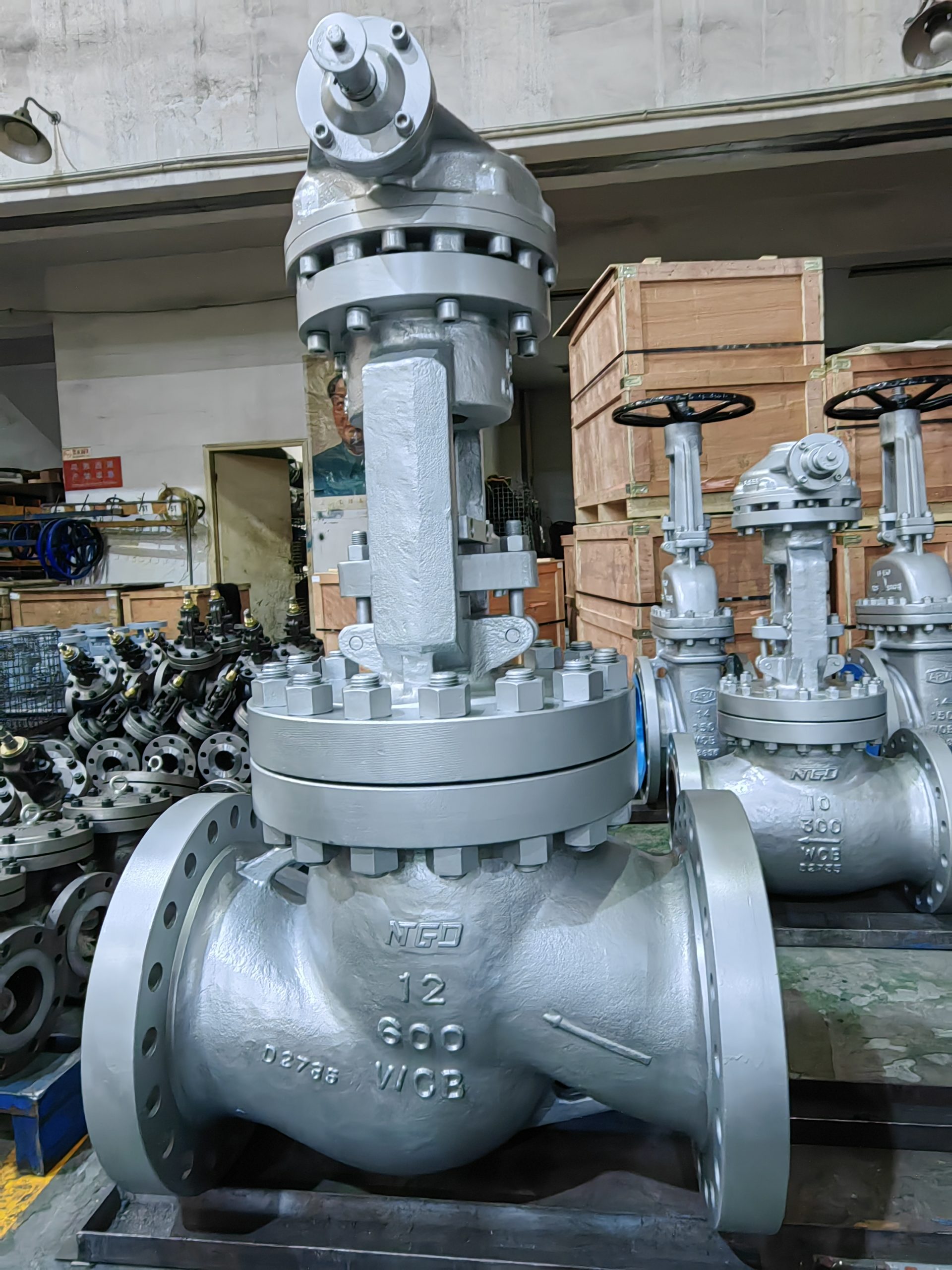
Turning globe valves too tightly can cause big problems. Too much force can bend parts or ruin threads. This makes the valve less effective and shortens its life. Misusing a stuck valve can also cause damage. Follow these tips to avoid such issues:
- Don’t use large wrenches that add too much force.
- Hold the wrench at the valve’s end to avoid twisting.
- Use soft covers on vise jaws to protect the valve’s surface.
- Keep valve ends safe during shipping and uncover only at setup.
- Clean pipes well before installing to ensure smooth operation.
- If the valve is stuck, clean it instead of forcing it.
These habits help keep your valve in good shape and last longer.
Ensuring the Valve is Used for Its Intended Purpose
Using a globe valve the wrong way can cause problems. These valves are great for controlling flow and adjusting it precisely. But they aren’t good for uses needing very low pressure drops. Their design creates more resistance than other valves.
| Aspect | Details |
|---|---|
| Advantages | Great for controlling flow; seals well when closed. |
| Disadvantages | Causes higher pressure drops; costs more due to complex design. |
Use globe valves in systems needing regular flow changes, like cooling or chemical systems. Using them for the wrong job can cause wear and waste energy.
Training Operators to Prevent Common Mistakes
Mistakes by operators often damage valves. Training helps them handle and care for valves properly. Trained operators can spot wear, avoid over-tightening, and use valves correctly. Training should include:
- How to open and close valves the right way.
- Knowing when valves need fixing or cleaning.
- Avoiding errors like forcing stuck valves or using wrong tools.
Teaching operators prevents costly errors and helps your valve last longer.
Timely Repairs and Replacements
Finding and Fixing Small Problems Early
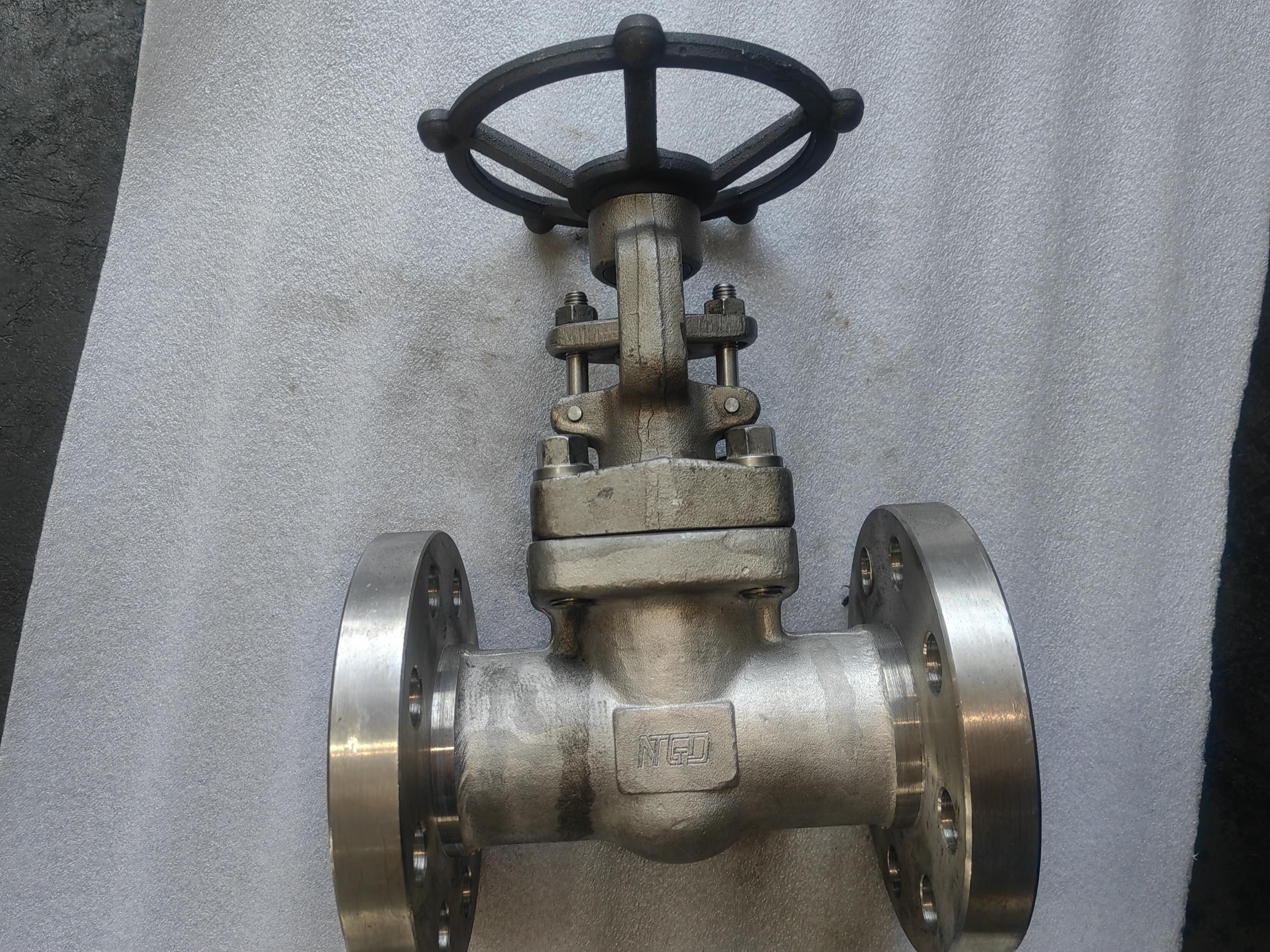
Spotting small problems early can save you money and time. Regular checks help you notice leaks, rust, or wear before they get worse. For example, a power plant saved $68,000 by fixing valves with known issues during a shutdown. This shows how catching problems early can save a lot of money.
Preventive care also stops big failures from happening. Plants that fix weak valves early save about $1,200 per valve. Fixing small issues quickly avoids sudden shutdowns and keeps your valve working well.
- Regular checks stop costly shutdowns and save money.
- Early fixes lower the chance of major breakdowns.
Knowing When to Replace Parts
Replacing parts on time keeps your globe valve working properly. Old valves break more often, so check them regularly. Look for signs like rust, heavy wear, or hard-to-turn handles. Changing worn parts helps your valve work better.
New tools like SCADA and IoT systems can track valve health in real time. These tools find problems early, so you can replace parts before they fail. Utility companies using these tools make their systems last longer and work better.
| Evidence | Description |
|---|---|
| Proactive Maintenance | Proper care helps utility companies save money and avoid problems. |
| Aging Valves | Older valves need more checks to avoid failures. |
| Technology Utilization | Tools like SCADA and IoT find issues early. |
Why Proactive Maintenance is Better Than Reactive Repairs
Proactive care costs less than waiting for things to break. Predictive maintenance can lower repair costs by 25% to 30% and cut breakdowns by 75%. Reactive repairs cost more because of lost work time and emergency fixes.
Fixing problems early keeps your valve running smoothly. It also avoids extra repairs that waste money. Predictive care saves 8% to 12% compared to preventive care and 30% to 40% compared to reactive care. These savings show why staying ahead of problems is smart.
- Predictive care lowers costs and keeps equipment running longer.
- Waiting for breakdowns costs more due to lost time and urgent fixes.
Taking care of your valve early helps it last longer and avoids expensive problems.
Environmental Factors and Their Impact
Managing Temperature and Pressure Effects
Extreme heat and pressure can harm your globe valve. High heat and pressure may cause parts to weaken or bend. This can make the valve less reliable over time. Sudden temperature changes can also damage the valve’s strength. In some cases, liquids turn into gas, creating bubbles. These bubbles can cause shaking, noise, and damage to the valve.
To avoid these problems, choose materials that handle heat well. Some materials expand less, which helps prevent bending. Studies show that valve parts can change shape under high heat. Stronger materials with good hardness and impact resistance work better. Cavitation happens when liquid speeds up and pressure drops too low. This creates vapor bubbles that pop, causing noise and shaking. Knowing these risks helps you adjust maintenance to protect your valve.
Protecting Against Corrosive and Abrasive Fluids
Harsh fluids can damage globe valves quickly. For example, a valve failed in one year because of lime milk erosion. Another valve leaked after one month due to particle damage. Valves dealing with solid particles often get clogged or stuck. This leads to more repairs and downtime.
Industries like mining and wastewater treatment need tough valves. Mining valves handle slurries with solids to avoid damage. Wastewater valves manage fluids with sand and sludge. Pulp and paper valves deal with chemicals and fibers. To protect your valve, use materials that resist wear and rust. Check valves often to catch damage early.
Adapting Maintenance to Environmental Conditions
Different industries face different challenges for valves. Hot, corrosive, or abrasive conditions need special care. For high heat, use heat-resistant materials and lubricate often. In corrosive areas, add protective coatings and use stainless steel. For abrasive conditions, check valve surfaces often and replace worn parts.
Adjusting maintenance to match the environment keeps valves working well. By planning ahead, you can make your valve last longer and avoid expensive fixes.
Taking care of your globe valve helps it work better and last longer. Check it often, clean it, and add lubricant to stop damage. Fixing small problems early avoids big repairs and delays. Adjust how you care for the valve based on heat or harsh fluids. These steps make the valve last longer, save money, and keep systems running well.
Tip: Regular care and early fixes help your valve work longer and better.
