
Globe valves are very important in chemical industries. They help operations run smoothly and reliably in many ways. These valves control flow accurately, making them great for pipelines and reactors. They are also strong enough to handle harmful and rough fluids. This is because of their tough design and materials. Globe valves work well in high-pressure and high-heat systems too. This keeps chemical processes safe and steady. The globe valve market is worth $9.3 billion, showing its value. The industrial valves market may grow from $85 billion in 2022 to $120 billion by 2030. This means more people will need globe valves.
Key Takeaways
- Globe valves control flow accurately, keeping chemical reactions steady and products good.
- These valves can handle strong and harmful liquids, stopping leaks and protecting tools.
- Globe valves are important for systems with high pressure and heat, making them safer and work better.
- Their tough design helps make exact changes in batch processes, improving quality and cutting waste.
- Picking the right materials and knowing pressure limits help globe valves last longer and work well.
Key Uses of Globe Valves in Chemical Processing

Accurate Flow Control in Pipelines and Reactors
Globe valves are key for controlling flow in pipelines and reactors. Their special design, with a moving disk and fixed ring seat, helps control fluid flow accurately. This is very important in chemical processes. Keeping steady flow rates ensures good reactions and high-quality products.
Studies prove globe valves are great for managing fluid flow. For example:
- Fluid system parts are chosen using fluid mechanics rules.
- Pressure drop is important when designing fluid flow systems.
- Using statistics saves money and time in pressure drop studies.
Tests also show how well they work. A three-inch valve model from an eight-inch Class 2500# prototype was tested. Results showed flow depends on valve shape, opening, and Reynolds number. At high Reynolds numbers, flow stayed steady, proving reliable performance. Pressure readings at different spots showed little difference, proving consistent flow control.
These results show why globe valves are vital for chemical processes needing exact flow control, like batch reactions and continuous production.
Handling Corrosive and Rough Fluids
Chemical industries often deal with fluids that can corrode or wear out equipment. Globe valves are built to handle these tough fluids. They are made from strong materials like stainless steel or special alloys. This makes them perfect for controlling harsh fluids safely.
Data shows globe valves affect pressure drop, especially at high flow rates. For instance, pressure drops of up to 73% were recorded, showing their efficiency. Combining computer simulations with tests has improved knowledge of how these valves work in tough conditions.
Globe valves protect pipelines and equipment by controlling harsh fluids. This lowers the chance of leaks or damage. Their reliability is crucial for handling dangerous chemicals safely and efficiently.
Controlling High-Pressure and High-Heat Systems
Globe valves are essential for high-pressure and high-heat systems. Industries like oil, gas, and chemical processing rely on them. They provide accurate flow control and tight shut-off, even in tough conditions.
In oil and gas, forged steel globe valves are used to control fluids safely. They handle the high pressures found in exploration and refining. In chemical plants, they manage aggressive chemicals under extreme conditions. Their strength and sealing ability ensure safety and success.
The need for forged steel globe valves is growing. They keep systems safe and efficient in harsh environments. By controlling flow precisely, they improve safety and performance in high-pressure and high-heat systems.
Applications in Batch Processing and Reaction Control
Batch processing needs careful control of fluid flow and reactions. Globe valves help by providing accurate flow control. This keeps reactions steady and reduces waste, ensuring good product quality.
In reactors, globe valves let operators change flow rates as needed. For example: at the start, higher flow rates add reactants quickly. Later, flow can be slowed to keep conditions stable. This makes globe valves very useful for batch processes.
Chemical plants use globe valves to handle sensitive or dangerous materials. Their strong design stops leaks and ensures safe chemical handling. They are made from materials like stainless steel or special alloys. This helps them resist damage from harsh chemicals during reactions.
Use in Safety and Emergency Shutdown Systems
Safety systems need valves that work fast and reliably in emergencies. Globe valves are great for this because they shut tightly and control flow well. They stop harmful fluids from escaping, lowering accident risks.
Proper setup is key for globe valves in safety systems. Large valves should have vertical stems to work correctly. Misaligned disks can cause leaks, so guides or spherical seats are added. These features make them more reliable in risky situations.
The table below shows why globe valves are effective in safety systems:
| Evidence Description | Key Insights |
|---|---|
| Globe valves are vital for automatic flow control. | Good design prevents misalignment and ensures proper sealing. |
| Built-in features stop disk misalignment. | Guides or spherical seats improve reliability. |
| Large valves need vertical stems. | This setup keeps them working safely. |
With these designs, globe valves make emergency systems safer. They also handle high pressure and heat, proving their importance in safety setups.
Benefits of Using Globe Valves

Strong in Tough Chemical Conditions
Globe valves are tough and work well in harsh conditions. They can handle high heat, corrosive chemicals, and rough particles. This strength helps them last longer and avoid breaking.
- A study looked at 309 valves, including 164 globe valves:
- Main problems were seal damage, heat or pressure issues, and wrong materials.
- Fixing these problems made globe valves more reliable, from 34.2% to 84.2%.
- The failure rate was λ = 0.0183/hour, with an average failure time of 54.76 hours.
These results show that globe valves are very durable. This makes them a top choice for handling strong and harmful chemicals.
Accurate Flow Control and Throttling
Globe valves are great for controlling flow rates in chemical processes. Their special design reduces turbulence and saves energy, making them efficient.
| Feature | Explanation |
|---|---|
| Flow Control | Globe valves are perfect for controlling and adjusting flow rates. |
| Low Energy Loss | Designs reduce turbulence, saving energy and improving efficiency. |
| Smooth Flow Paths | Modern designs lower wear by reducing swirls and uneven flow. |
These qualities make globe valves important in industries like oil and gas. New materials and designs keep improving their performance for chemical processing needs.
Useful for Many Chemical Tasks
Globe valves are very flexible and can do many jobs. They can mix, redirect, and control chemical flows in important processes.
| Task Type | Explanation |
|---|---|
| Mixing | Used to combine different chemicals effectively. |
| Redirecting | Can change the direction of chemical flows. |
| Controlling | Offers precise control for important chemical operations. |
This flexibility helps globe valves work well in different situations. From batch jobs to ongoing production, they are key tools in modern chemical plants. Their strong build and accuracy make them essential for chemical systems.
Compatibility with Corrosive and Abrasive Fluids
Chemical plants often deal with harmful or rough fluids. These fluids can harm equipment, causing expensive fixes and delays. Globe valves are made to handle these tough conditions, making them very useful.
Globe valves are strong and last long with harsh chemicals. They are built using materials like stainless steel or special alloys. These materials stop chemical damage and keep the valves working well. For rough fluids, globe valves have hard surfaces and coatings. These features reduce wear from particles in the fluid.
The design of globe valves helps them work with tough fluids. The disk and seat create a tight seal to stop leaks. This is important for handling dangerous chemicals safely. The valve’s straight movement allows accurate flow control, even with rough particles.
Industries like petrochemicals, medicine, and water treatment use globe valves. For example, acid plants use them to control reactive fluids safely. In slurry systems, they work well even with solid particles in the fluid.
Globe valves combine strong materials and smart designs. They handle harmful and rough fluids reliably. This keeps chemical processes safe and running smoothly.
Comparison of Globe Valves with Other Valve Types

Globe Valves vs. Ball Valves
Globe valves and ball valves are used for different tasks. Globe valves are great for controlling flow accurately. They have a moving disk and a fixed ring seat. This design makes them perfect for adjusting flow rates. Ball valves work better for quick shut-off jobs. Their simple design lets them open and close fast.
| Feature | Globe Valve | Ball Valve |
|---|---|---|
| Flow Control | Best for accurate adjustments | Mainly for on/off control |
| Sealing Capabilities | Very reliable sealing | Good sealing but may wear out |
| Pressure Drop | Higher pressure drop | Lower pressure drop |
| Maintenance | Easy to repair | Harder to fix inside parts |
| Typical Applications | Precise flow control | Quick shut-off tasks |
Ball valves have less pressure drop because of their clear flow path. This makes them useful in systems needing low energy loss. Globe valves are better for jobs needing exact control, like chemical reactors or batch processes.
Globe Valves vs. Gate Valves
Gate valves and globe valves work differently. Globe valves are made for adjusting and controlling flow. They are good for keeping fluid steady. Gate valves are best for fully opening or closing flow. When open, they don’t block fluid much.
| Metric | Globe Valves | Gate Valves |
|---|---|---|
| Flow Regulation | Great for adjusting flow | Not good for adjusting flow |
| Pressure Drop | Higher due to design | Low when fully open |
| Sealing Effectiveness | Seals well when closed | Can get damaged if partly open |
| Suitability for Applications | Used for steady flow control | Best for fully open or closed flow |
Gate valves can break if used partly open, making them bad for adjusting flow. Globe valves are stronger and better for chemical processes needing exact control.
Globe Valves vs. Butterfly Valves
Butterfly valves and globe valves are made for different needs. Butterfly valves are small and light, so they work well in tight spaces. Globe valves are better for controlling flow precisely, especially in chemical plants.
- A study tested 12 control valves made of titanium and duplex materials.
- Pressure drop tests showed globe valves didn’t work well for water services.
- Six butterfly valves worked better for controlling fluids in these tests.
Butterfly valves are good for systems needing low pressure drop. Globe valves are best for jobs needing accurate flow control and strength in tough conditions.
Key Considerations for Choosing Globe Valves
Matching Materials with Chemicals
Picking the right material for globe valves is very important. The material must resist damage from chemicals to stay safe and last long. Different materials work better for different jobs, as shown below:
| Material Type | Where It’s Used | Important Notes |
|---|---|---|
| Cast Iron | Used in regular applications | Often combined with bronze for disc and seat parts |
| Carbon Steel | Good for tough jobs | Usually has stainless steel trim |
| Stainless Steel | Strong and resists rust | Best for harsh places and high-pressure systems |
| Hardfacing Materials | For fast-moving or rough fluids | Makes the valve last longer |
| Soft Seating Materials | Needed for tight sealing | PTFE works well at lower temperatures |
| NACE MR0175 Compliance | Needed for oil and gas in sour conditions | Protects against cracking in tough environments |
| Lead-Free Materials | Required for drinking water systems | Must meet safety rules for lead content |
Choosing the right material helps the valve work well and avoid problems.
Pressure and Temperature Limits
Pressure and temperature limits are key when picking globe valves. These limits show if a valve can handle the system’s conditions. Here are some important points:
| Consideration | Details |
|---|---|
| Normal Conditions | Check both pressure and temperature levels. |
| Startup/Shutdown | Look at conditions during these times. |
| Pump Outlet Valves | Think about the highest closing pressure. |
| Regeneration | Include high heat and low pressure situations. |
The table below shows why matching valve specs to the system is important:
| Specification | What It Needs |
|---|---|
| Pressure Limit | Should handle the system’s highest pressure. |
| Temperature Limit | Must work in the system’s full temperature range. |
Checking these factors ensures the valve works safely and efficiently.
Easy Maintenance and Long Life
Globe valves are strong and easy to fix, making them dependable. They are built to handle tough conditions. Key benefits include:
- Simple repairs because parts are easy to reach.
- Less downtime, saving money on operations.
- Strong materials that handle high heat and pressure.
Regular care makes them last even longer. Good practices include:
- Keeping records of maintenance checks.
- Checking seals and packing to stop leaks.
- Lubricating parts to reduce wear and tear.
- Cleaning and inspecting parts to keep them working well.
By doing these steps, industries can keep globe valves working well and save money over time.
Cost vs. Performance Trade-offs
Choosing globe valves means balancing cost and performance carefully. These valves are great for precise control, strength, and efficiency. However, they can cost more upfront than other valves. Understanding these trade-offs helps industries pick the right option for their needs and budgets.
Globe valves work well under high-pressure differences. Strong materials like 316 stainless steel make them last longer and need less fixing. They also save energy by controlling flow and pressure accurately. Over time, these features make globe valves a smart and cost-saving choice.
Tip: Spending more on good globe valves now can save money later by reducing repairs and downtime.
Life-cycle costing (LCC) helps calculate the total cost of owning a valve. While LCC uses estimates, it shows how performance and repair costs add up over time. Using LCC in buying decisions helps industries compare initial costs with long-term savings. This leads to smarter purchases.
Key Cost-Performance Insights:
- Better Control: Globe valves handle tough conditions with high accuracy.
- Lower Maintenance: Strong materials reduce wear and make valves last longer.
- Energy Savings: Accurate control cuts energy use and lowers costs.
- Smart Choices: LCC helps industries make cost-effective buying decisions.
| Factor | Globe Valve Advantage | Cost Implication |
|---|---|---|
| Control Performance | Accurate under high-pressure conditions | Higher upfront cost |
| Maintenance Costs | Durable materials extend valve life | Fewer repairs needed |
| Energy Efficiency | Saves energy and reduces expenses | Long-term savings |
By looking at these trade-offs, industries can choose globe valves that perform well and manage costs wisely.
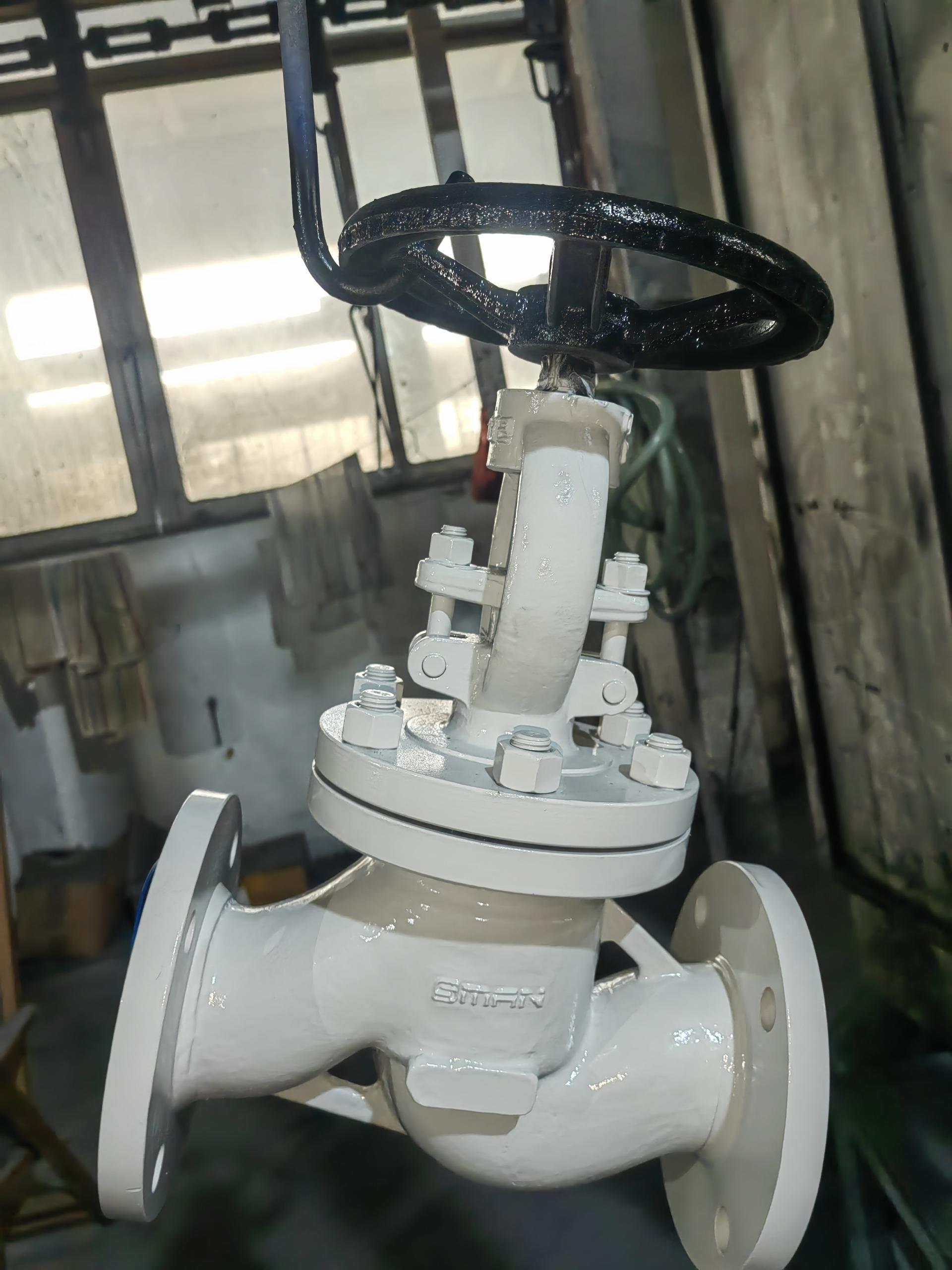
Globe valves are important in chemical industries for controlling flow. They help keep processes safe and working well. These valves can adjust fluid flow carefully, making them useful for reactions and batch jobs. New designs use better materials and seals to make them stronger and more reliable. Automation and smart systems are using globe valves more often now. These features make globe valves key tools for safe and efficient chemical processing.
