
API 600 Gate Valves are important in industrial systems. These valves manage liquid or gas flow by moving a gate. They are precise and strong, even in high-pressure settings. Their design prevents leaks and works reliably, keeping things safe and efficient. Using API 600 Gate Valves makes systems more dependable and lowers failure risks. Their strong build handles tough jobs and lasts long, making them valuable for hard-working industries.
Key Takeaways
- API 600 Gate Valves help control flow in industrial systems safely.
- They are made from strong materials to handle heat and pressure.
- Testing and meeting strict rules make these valves work well longer.
- Installing and caring for them stops leaks and avoids system problems.
- API 600 Gate Valves are useful in oil, gas, water, and chemical industries.
Overview of API 600 Gate Valves
Definition and Purpose
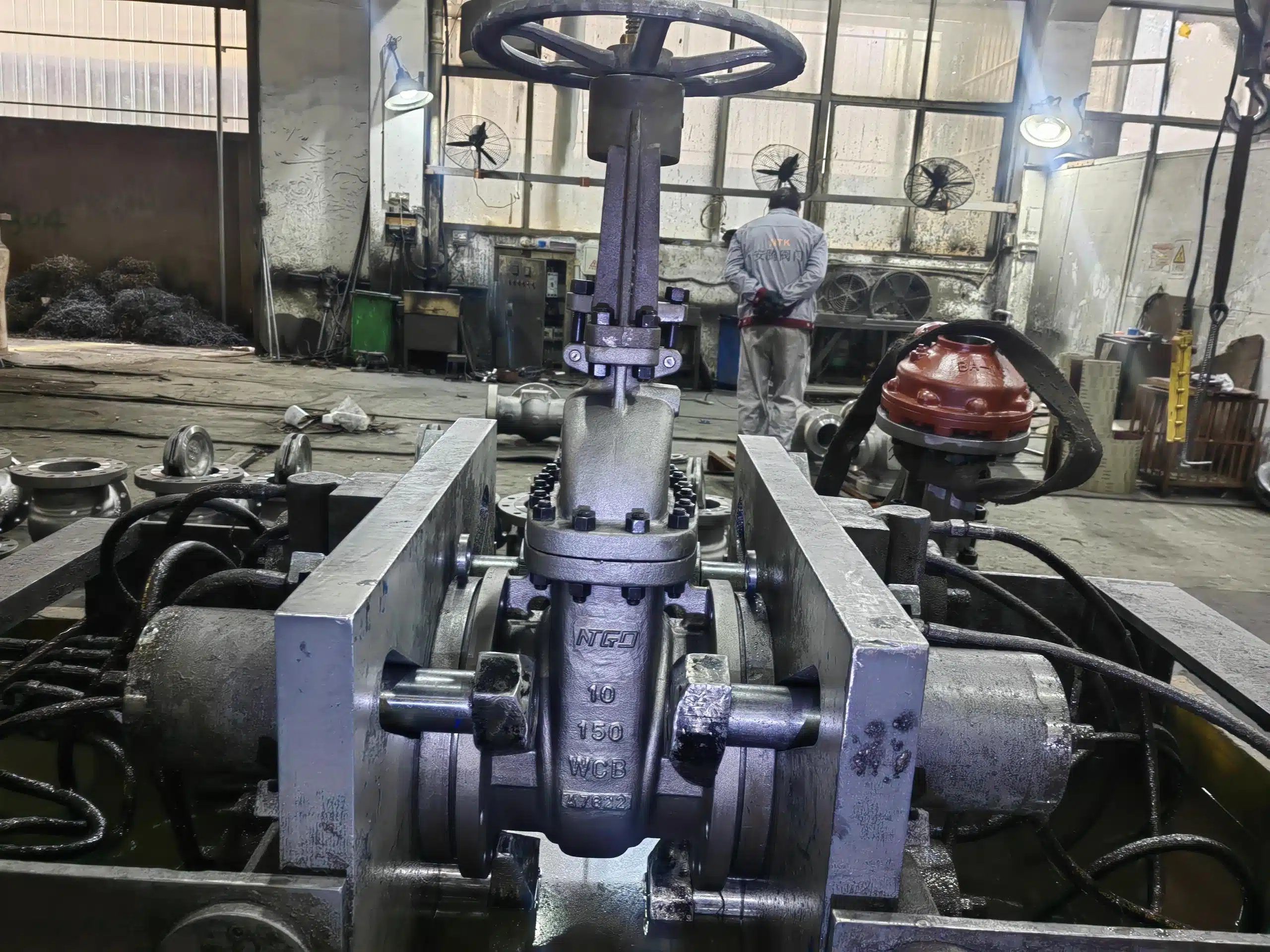
API 600 Gate Valves are used in industries to control flow. They work by moving a gate up or down inside the valve. Think of them as an on-off switch for pipelines. These valves follow strict rules from the American Petroleum Institute (API). They are made to handle high pressure and heat. Their main job is to seal tightly when closed, stopping leaks and keeping systems safe. This makes them very useful in oil, gas, chemical plants, and water systems.
Key Features
API 600 Gate Valves are strong and well-designed. Here are their main features:
- Durable Materials: Made from tough metals like carbon and stainless steel.
- Thicker Walls: They have thicker walls than other valves for extra strength.
- Wide Range of Sizes: Sizes range from 1 NPS to 42 NPS for many uses.
- Reliable Sealing: Special seals reduce leaks and improve how they work.
- Compliance with Standards: They meet strict API 600 rules and pass tests like API 598.
These features help API 600 Gate Valves work well, even in tough conditions.
Importance in Heavy-Duty Applications
In tough jobs, reliability is key. API 600 Gate Valves are great for handling high heat and pressure. For example, in energy and chemical plants, they work safely and efficiently. Over time, motorized gate valves were invented. These let you control valves remotely and use them in automated systems. This makes work faster and easier.
The demand for API 600 Gate Valves is growing. In 2022, the market was worth $3.2 billion. By 2030, it may grow to $5.1 billion. This is due to more global projects and energy needs. Their growth shows how important they are in today’s industries.
Standards and Specifications of API 600 Gate Valves
Design Requirements
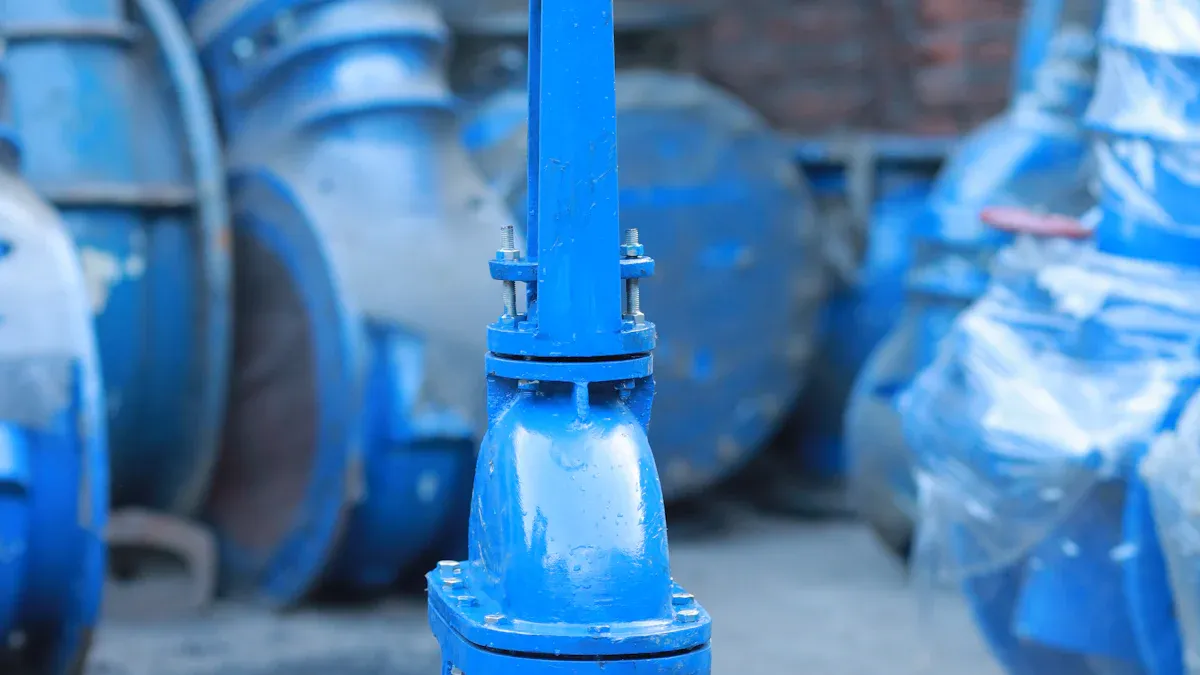
API 600 Gate Valves are built to strict safety rules. They must follow guidelines from the American Petroleum Institute (API) and global standards. The design focuses on strength, stopping leaks, and working well under heat and pressure.
Here’s a simple comparison of key standards:
| Standard | What It Covers |
|---|---|
| API 600 | Main rules for steel gate valves, including design and build. |
| ISO 10434 | Global version of API 600 for worldwide use. |
| ANSI/API 600 | U.S. version of ISO 10434 for oil and gas industries. |
These rules make sure API 600 Gate Valves work in tough industrial jobs.
Material and Trim Specifications
API 600 Gate Valves use strong materials for hard tasks. The valve body is made from carbon steel, stainless steel, or alloy steel. The trim parts, like the seat, disc, and stem, are made to resist damage and rust.
Here’s a list of common trim materials:
| API TRIM # | BODY MATERIAL | SEAT MATERIAL | DISC MATERIAL | BACKSEAT MATERIAL | STEM MATERIAL |
|---|---|---|---|---|---|
| 1 | 410 | 410 | 410 | 410 | 410 |
| 5 | Hardfaced | Stellite | Stellite | 410 | 410 |
| 10 | 316 | 316 | 316 | 316 | 316 |
These materials help the valves handle heat, pressure, and tough environments.
Testing and Quality Assurance
API 600 Gate Valves go through many tests to ensure quality. Each valve is checked for pressure strength, smooth operation, and rust resistance. These tests make sure the valves meet industry rules and work well in real life.
| Test Type | What It Checks | Standards Followed |
|---|---|---|
| Pressure Testing | Checks if valves handle pressure using water or air tests. | API 598, ASME B16.34 |
| Functional Testing | Tests how well valves open, close, and seal tightly. | N/A |
| Corrosion Testing | Measures how long valves last in harsh conditions. | NACE MR0175 |
These checks make sure API 600 Gate Valves are safe and reliable.
Design Features of API 600 Gate Valves
Structural Design
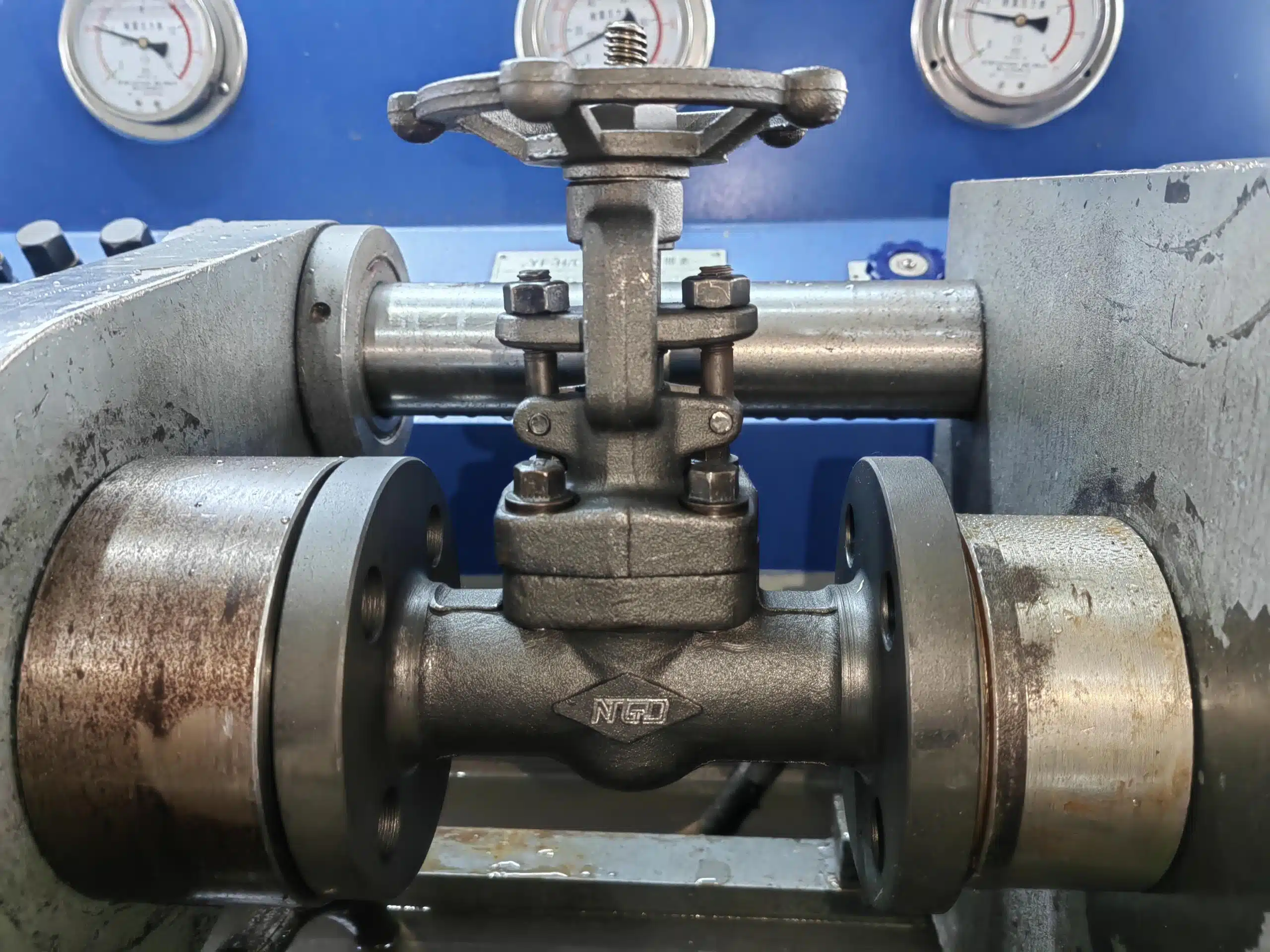
API 600 Gate Valves are built for strength and performance. They have thicker walls than ASME B16.34 valves. This helps them handle high pressure and heat without bending. Forged steel is used to make them stronger and more reliable. These valves are perfect for tough jobs where safety matters.
Sealing Mechanisms
The sealing in API 600 Gate Valves stops leaks and emissions. The gate fits tightly with the valve seats, blocking fluid or gas from escaping. This makes them better than other valves that don’t require low emissions. Special materials are used for the seats and gates. These materials last long, even in extreme conditions.
Here’s a simple comparison of sealing features:
| Feature | API 600 | ASME B16.34 |
|---|---|---|
| Wall Construction | Thicker walls | Standard thickness |
| Emission Performance | Low emissions required | Not required |
| Material Requirements | Specific materials used | General materials allowed |
Corrosion Resistance
API 600 Gate Valves resist rust and damage from chemicals. Materials like stainless steel and alloy steel are used. These materials keep the valves strong in harsh environments. This is great for industries like oil and gas. Using these valves means less maintenance and longer use.
- Benefits of corrosion-resistant materials:
- Forged steel makes them stronger.
- Handles high pressure and heat well.
- Lasts longer in tough conditions.
Comparison with Other Valve Types
API 600 Gate Valves vs. API 6D Valves
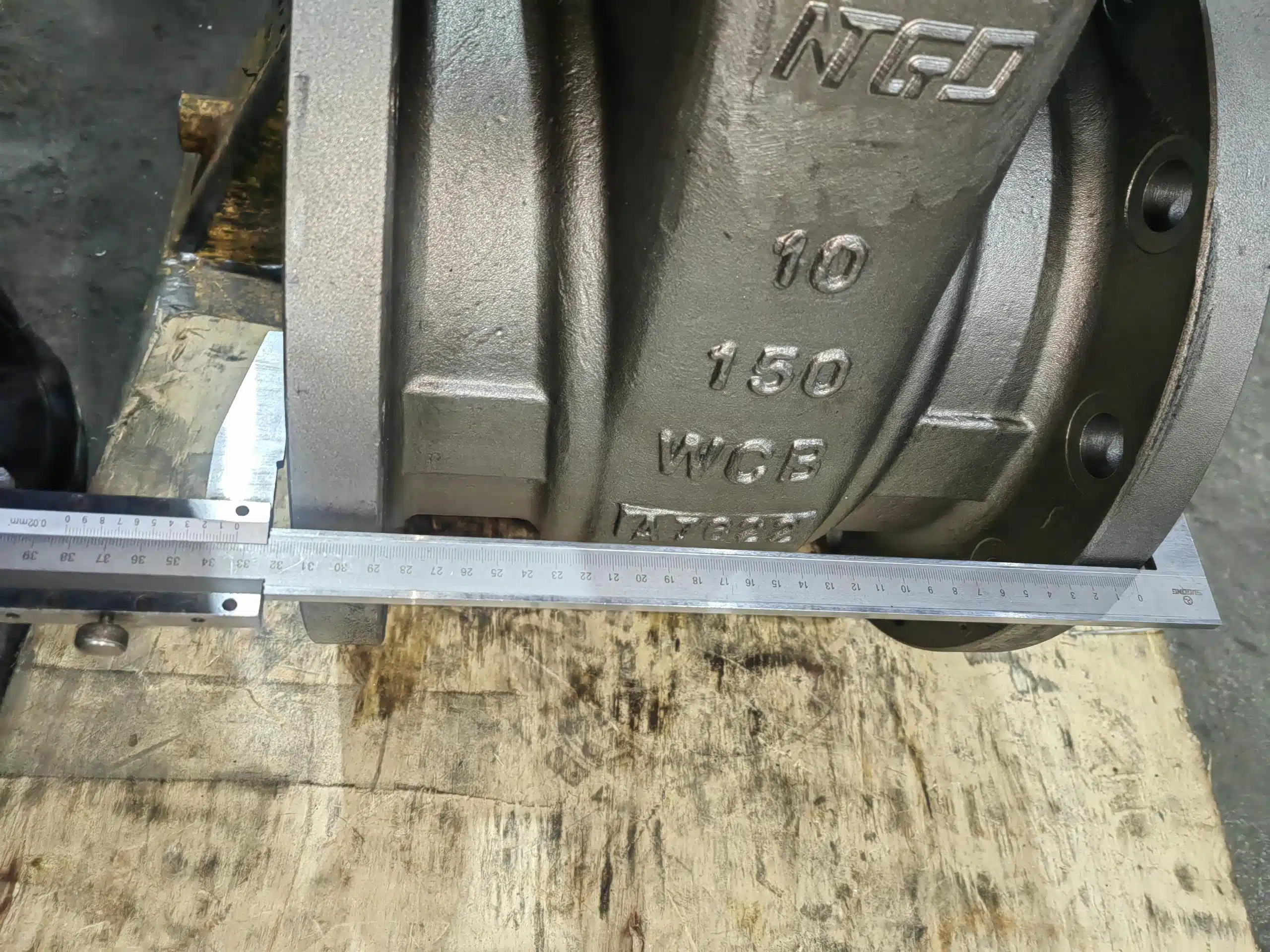
API 600 Gate Valves and API 6D Valves are used differently. API 600 Gate Valves work well in factories like oil refineries. They are strong and control flow under high pressure. API 6D Valves are made for long pipelines moving oil or gas. These valves focus on finding leaks and handling extra pressure.
| Feature | API 600 Gate Valves | API 6D Valves |
|---|---|---|
| Application | Factories and plants | Long pipelines |
| Structure | Gate design | Fixed ball design |
| Testing Requirements | Basic tests | Stricter tests |
| Performance Requirements | Handles heat and pressure | Works in extreme conditions |
| Additional Functions | None | Leak and pressure control |
API 600 Gate Valves are great for tough jobs. API 6D Valves are better for pipeline safety.
Gate Valves vs. Ball Valves
Gate valves and ball valves both manage flow but work differently. Gate valves, like API 600, allow straight flow with little blockage. They are strong and handle high pressure well. Ball valves are quick to use and stop flow completely. They are often used in automated systems because they are easy to operate.
| Valve Type | Key Features | Common Uses |
|---|---|---|
| Gate Valves | Straight flow, strong, handles high pressure. | Oil, gas, and water systems |
| Ball Valves | Quick use, stops flow, low leakage. | Automation, oil, gas, and water systems |
Ball valves are easy to maintain and fast to use. They will hold 19.5% of the market in 2024. Gate valves are growing in demand for new building projects.
Unique Advantages of API 600 Gate Valves
API 600 Gate Valves are strong and reliable. Their thick walls and good materials make them great for hard jobs. They handle high pressure and heat without failing. They meet strict API rules, ensuring safety and good performance.
These valves last a long time and need little fixing. This saves money for industries like oil, gas, and chemicals. If you need a strong and precise valve, API 600 Gate Valves are a smart choice.
Applications and Benefits of API 600 Gate Valves
Industries and Use Cases
API 600 Gate Valves are tough and work in many industries. They are used where controlling flow and reliability are very important. Here are some examples:
- Water treatment plants use them to control flow during cleaning.
- Oil and gas industries use them in pipelines and refineries.
- Power plants manage flow in boilers and cooling systems with them.
- Chemical plants handle harmful chemicals safely using these valves.
- Ships and marine industries control seawater and fuel flow with them.
- Mining uses them for processing minerals and extraction tasks.
- HVAC systems manage heating and cooling flows with these valves.
- Petrochemical plants use them for handling different products.
- Farms use them in irrigation systems to control water flow.
- Fire systems use them to manage flow in sprinklers.
Performance in Challenging Environments
API 600 Gate Valves work well in tough conditions. They handle high pressure and heat, keeping systems safe. For example:
| Industry/Application | Performance Characteristics |
|---|---|
| Oil and Gas | Handles high pressure and heat in pipelines safely. |
| Chemical Processing | Works with harmful fluids under high pressure safely. |
| Water Management | Lasts long and needs little fixing in key systems. |
| Power Plants | Controls flow and pressure safely in energy systems. |
These valves also stop harmful leaks, keeping the air clean. They meet global rules like ISO 15848 and API 624 for low emissions and good performance.
Advantages in Industrial Systems
API 600 Gate Valves have many benefits for industries. They let you control flow in both directions. When open, they allow straight flow with little pressure loss. Their seals stop leaks and keep systems working well.
In oil and gas, they help isolate parts of pipelines for repairs. This avoids stopping the whole system. Their strong design works well in high-pressure jobs. Rules like API 600 and ASME B16.34 ensure they are safe and reliable.
To get the most from these valves, install them correctly and maintain them often. Safety checks and emergency plans should also be ready for safe use.
API 600 Gate Valves are strong, control flow well, and seal tightly. Their tough build and rust-resistant materials suit hard industrial jobs. These valves stop leaks and keep systems safe, even in tough conditions.
Picking API 600 Gate Valves helps systems run smoothly and follow rules. They last long and need little fixing, saving money and effort.
For heavy-duty work, API 600 Gate Valves are a smart choice. They give the strength and dependability your systems need.
