
Comparing Fire Safety Standards for Valves
Explore the differences between API607 and API6FA standards.
| Features | API607 | API6FA |
|---|---|---|
| Scope of Application | Focuses on soft-seated quarter-turn valves. | Covers various valve types including metal-seated. |
| Testing Duration | Shorter fire testing duration required. | Extended testing for severe fire scenarios. |
| Leakage Criteria | Strict criteria for leakage control. | Stringent pass/fail criteria for leakage. |
| Post-Fire Operability | Requires operability after fire exposure. | Simulates real-world fire scenarios for operability. |
| Certification Process | Simpler certification for soft-seated valves. | Rigorous certification for broader valve types. |
| Industry Applications | Ideal for oil and gas industries. | Suitable for power generation and construction. |
| Material Requirements | Focus on soft materials for sealing. | Includes metal materials for durability. |
| Maintenance Needs | Routine checks on soft-seated components. | Robust inspections for metal-seated designs. |
Industrial environments often face significant fire hazards, making fire-safe valves a critical component for ensuring operational safety. Understanding the differences between API607 vs API6FA is essential for selecting the right standard to meet specific safety requirements. API607 evaluates valve sealing capabilities during fire exposure, focusing on structural integrity and leakage control. In contrast, API6FA incorporates more rigorous testing procedures to assess valve performance under extreme conditions. Both standards enhance valve reliability, safeguarding high-risk facilities from catastrophic failures.
Selecting the appropriate standard ensures compliance and optimizes safety measures in fire-prone industries.
Key Takeaways
- API607 focuses on soft-seated valves. It ensures tight seals and less leakage during fires.
- API6FA includes more valve types, like metal-seated ones. It works well for tougher jobs.
- Pick the right standard based on your industry. API607 fits oil and gas. API6FA is better for power plants and pipelines.
- Check and maintain both API607 and API6FA valves often. This keeps them working well and safe for a long time.
- Do fire risk checks and follow safety rules. This helps keep high-risk places safer.
What is a Fire-Safe Valve?
Definition and Purpose
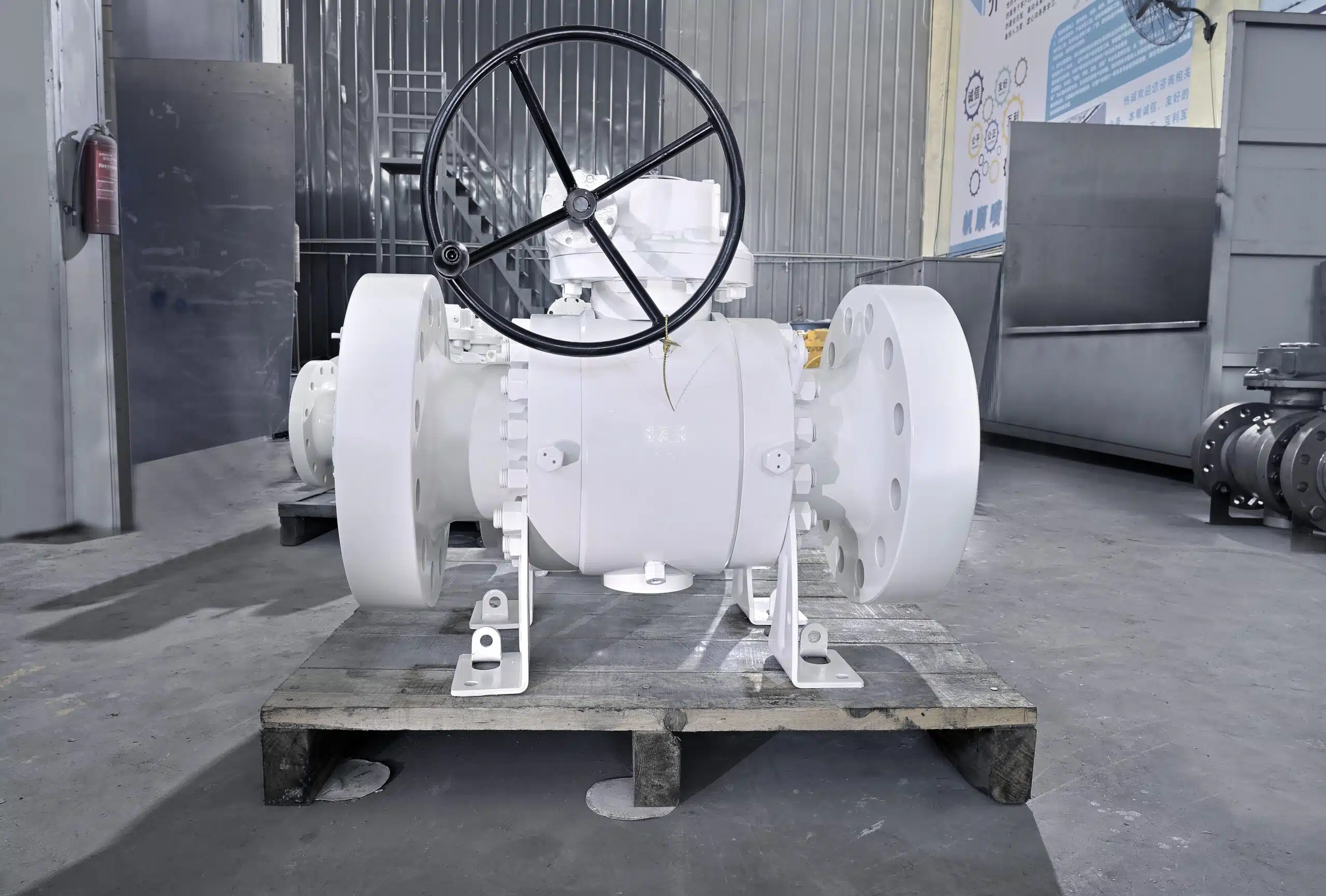
A fire-safe valve is a critical component in industrial systems designed to minimize the leakage of fluids and gases during a fire. These valves maintain their functionality under extreme temperatures, ensuring the containment of hazardous substances. By preventing the escape of flammable materials, they reduce the risk of fire spread and explosions. Fire-safe valves are engineered to operate effectively in both high and low-temperature conditions, making them indispensable in environments prone to fire hazards.
Importance in High-Risk Industries
Industries handling flammable materials, such as oil and gas, chemical processing, and power generation, rely heavily on fire-safe valves to ensure operational safety. These valves protect equipment and personnel by maintaining their integrity during fire incidents. They also help facilities comply with stringent safety regulations. For example, fire-safe ball valves are specifically designed to contain hazardous substances, significantly reducing the risk of explosions or environmental contamination. Their role in minimizing fire-related risks makes them a cornerstone of safety protocols in high-risk industries.
Key Features of Fire-Safe Valves
Fire-safe valves exhibit several key features that enhance their reliability and performance:
- Leakage Prevention: These valves are designed to stop gases and liquids from escaping during a fire, ensuring containment of flammable substances.
- Temperature Resistance: They maintain functionality under extreme heat, preventing structural failure.
- Durability: Materials used in fire-safe valves are selected for their ability to withstand high temperatures and corrosive environments.
- Compliance with Standards: Fire-safe valves meet industry standards such as API 607 and API 6FA, ensuring their suitability for various applications.
By incorporating these features, fire-safe valves provide a robust solution for mitigating fire risks in industrial settings.
Overview of API 607 and API 6FA
API 607
Purpose and Scope
API 607 serves as a fire testing standard specifically designed for soft-seated quarter-turn valves. Its primary objective is to evaluate the ability of these valves to maintain sealing integrity during and after exposure to fire. This standard ensures that valves can prevent leakage of flammable substances, even under extreme heat conditions. API 607 focuses on soft-seated valves, which are commonly used in applications requiring tight sealing and minimal leakage.
| Standard | Scope Description |
|---|---|
| API 607 | Applies to soft-seated quarter-turn valves. |
Applications in Industry
API 607-compliant valves are widely used in industries where fire safety is critical. These include the oil and gas sector, where they protect workers and the environment by preventing leaks during fire incidents. The chemical industry also relies on these valves to ensure the safe transportation and storage of hazardous materials. Additionally, power generation facilities use API 607 valves to maintain operational reliability in high-temperature environments.
API 6FA
Purpose and Scope
API 6FA provides a broader fire testing standard that applies to various valve types, including gate, globe, and check valves. It evaluates both soft-seated and metal-seated valves, making it suitable for more demanding applications. This standard assesses valve performance under extreme fire conditions, ensuring that they meet stringent safety and operability requirements.
| Standard | Scope Description |
|---|---|
| API 6FA | Covers a broader range of valves, including gate, globe, and check valves. |
Applications in Industry
API 6FA valves find applications in industries requiring robust fire-safe valve solutions. In the oil and gas industry, these valves enhance safety by withstanding severe fire scenarios. The chemical industry benefits from their ability to handle corrosive and flammable substances. Power generation plants utilize API 6FA valves for their durability and reliability. Additionally, the construction sector employs these valves in fire-resistant systems for buildings and infrastructure.
| Industry | Description |
|---|---|
| Oil and Gas | Ensures safety of workers and reduces environmental risks through fire-resistant equipment. |
| Chemical Industry | Minimizes fire risks in the transportation and storage of chemicals with compliant valves. |
| Power Generation | Used in thermal power plants and energy facilities for reliable operation of systems. |
| Construction | Commonly used in buildings and structural elements requiring fire resistance. |
By comparing API 607 and API 6FA, it becomes evident that each standard caters to specific valve types and industrial needs. While API 607 focuses on soft-seated valves, API 6FA addresses a wider range of valve designs, making it suitable for more diverse applications. Understanding these distinctions helps industries select the appropriate fire-safe valve standard to meet their operational and safety requirements.
API607 vs API6FA: Key Differences

Testing Procedures
Fire Testing Duration
API 607 and API 6FA differ significantly in their fire testing durations. API 607 focuses on soft-seated valves, requiring a shorter test duration to evaluate their sealing integrity under fire conditions. In contrast, API 6FA involves extended testing periods to simulate more severe fire scenarios. This ensures that valves can withstand prolonged exposure to extreme temperatures, making API 6FA suitable for high-demand applications.
Testing Conditions and Parameters
The testing conditions outlined in API 607 emphasize controlled heating processes. The procedure involves preparing the valve, exposing it to high temperatures, and monitoring for leakage. API 6FA, however, incorporates more stringent parameters tailored for valves handling gaseous and liquid fluids. It evaluates the valve’s ability to maintain functionality under harsher conditions, ensuring reliability in critical environments.
Valve Types Covered
Soft-Seated Valves (API 607)
API 607 primarily addresses soft-seated quarter-turn valves, including ball and plug valves. These valves are designed for applications requiring tight sealing and minimal leakage. Their compliance with API 607 ensures they meet fire-safe test standards, making them ideal for industries where precise containment of flammable substances is essential.
Metal-Seated and Pipeline Valves (API 6FA)
API 6FA covers a broader range of valve types, including metal-seated designs and complex configurations. This standard applies to gate, globe, and check valves, which are commonly used in pipeline systems. The inclusion of metal-seated valves highlights API 6FA’s focus on durability and performance under extreme conditions.
Performance Criteria
Leakage Allowances
Both API 607 and API 6FA emphasize minimizing leakage during fire scenarios. API 607 sets strict criteria for external and through leakage, ensuring valves maintain sealing integrity. API 6FA goes further by establishing stringent pass/fail criteria for leakage and operational capability. This ensures valves can withstand thermal forces while maintaining functionality.
Post-Fire Operability
Post-fire operability is a critical aspect of both standards. API 607 requires valves to remain operable after fire exposure, ensuring continued functionality. API 6FA, however, simulates real-world fire scenarios to verify that valves can endure extreme conditions without significant damage. This makes API 6FA-compliant valves a reliable choice for high-risk environments.
Understanding these differences helps industries select the appropriate fire-safe valve standard to meet their operational and safety requirements.
Certification and Compliance
Certification Process
The certification process for API 607 and API 6FA ensures that valves meet stringent fire safety standards. Manufacturers seeking API 607 certification must subject their soft-seated valves to a fire safe test. This test evaluates the valve’s ability to maintain sealing integrity under fire conditions. The process involves exposing the valve to controlled fire scenarios, monitoring leakage rates, and verifying post-fire operability. Successful completion of these tests results in certification, signifying compliance with API 607 standards.
API 6FA certification follows a more rigorous process. It applies to a broader range of valve types, including metal-seated and pipeline valves. The fire safe test for API 6FA involves harsher conditions and extended durations to simulate real-world fire scenarios. This ensures that valves can withstand extreme temperatures while maintaining functionality. Certification under API 6FA demonstrates a valve’s capability to perform reliably in high-risk environments.
Industry-Specific Requirements
Different industries prioritize specific fire safety standards based on operational needs. API 607 certification is essential for industries requiring soft-seated valves, such as oil and gas and chemical processing. These industries rely on API 607-compliant valves to prevent leakage of hazardous substances during fire incidents. The standard’s focus on tight sealing and minimal leakage makes it ideal for applications involving flammable materials.
API 6FA certification caters to industries demanding robust fire-safe valve solutions. Power generation plants, pipeline systems, and construction projects benefit from API 6FA-compliant valves. These valves excel in handling extreme conditions, ensuring safety and reliability. The broader scope of API 6FA makes it suitable for applications requiring metal-seated valves and complex configurations.
By understanding the certification processes and industry-specific requirements, decision-makers can choose between API 607 and API 6FA. This ensures compliance with fire safety standards while optimizing operational safety.
Design Considerations for Fire-Safe Valves
Material Selection
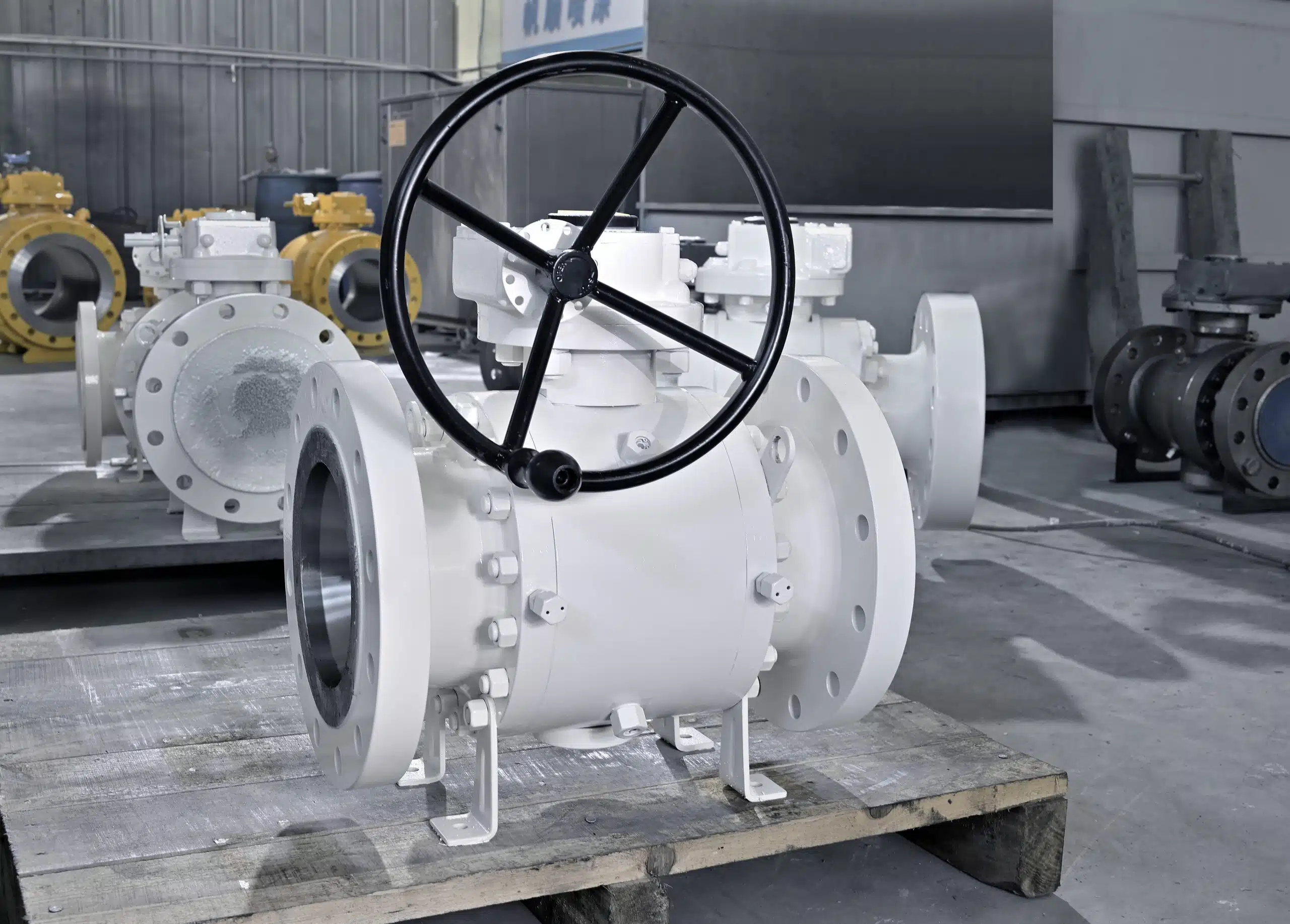
The choice of materials plays a pivotal role in the fire safe design of industrial valves. Commonly used materials include stainless steel, carbon steel, and nickel alloys. These metals are selected for their exceptional resistance to high temperatures and their ability to endure thermal cycling during fire events. For instance, exotic alloys like Inconel are often used in fire-safe gate valves due to their superior temperature resistance, ensuring structural integrity even under extreme conditions. By prioritizing materials that can withstand both mechanical stress and corrosive environments, manufacturers enhance the reliability and durability of fire-safe valves.
Sealing Mechanisms
Sealing mechanisms are critical to the functionality of fire-safe valves, particularly during fire incidents. These valves often incorporate a dual-sealing system to ensure containment of hazardous fluids. The primary seal, made from soft materials, operates under normal conditions, while a secondary metal-to-metal seal activates if the primary seal fails during a fire. This secondary seal provides an additional layer of protection, preventing leakage and maintaining the valve’s integrity. Furthermore, the inclusion of these mechanisms ensures that fire-safe valves can perform reliably in high-risk environments, safeguarding both personnel and equipment.
- Secondary metal seals activate when primary seals are compromised.
- Dual-sealing systems combine soft materials for normal use and metal seals for fire scenarios.
- These mechanisms enhance the valve’s ability to contain fluids and prevent leaks.
Compliance with Fire Safety Standards
Compliance with fire safety standards such as API 607 and API 6FA significantly influences valve design. Features like metal-to-metal sealing ensure reliable performance even if non-metallic components fail. Secondary sealing mechanisms provide additional protection against leakage, while pressure relief systems prevent excessive pressure build-up during fire conditions. Adhering to these standards not only ensures the valve’s functionality during emergencies but also aligns with industry regulations, making compliance a cornerstone of fire-safe valve design.
Meeting fire safety standards enhances operational safety and minimizes risks in high-temperature environments.
Maintenance and Inspection
Proper maintenance and inspection are essential for ensuring the long-term reliability of fire-safe valves. Both API 607 and API 6FA standards emphasize the importance of regular checks to maintain compliance and operational safety. However, the specific requirements and practices for valves certified under these standards differ slightly due to their design and application.
Maintenance Practices
API 607-compliant valves, often soft-seated, require routine maintenance to ensure the integrity of their sealing components. Soft materials used in these valves may degrade over time, especially in high-temperature environments. Regular lubrication and replacement of seals help maintain their performance. Additionally, operators should inspect for wear and tear caused by frequent operation or exposure to corrosive substances.
API 6FA valves, which include metal-seated designs, demand a more robust maintenance approach. These valves often operate in harsher conditions, requiring periodic inspection of metal components for signs of thermal stress or corrosion. Cleaning and reconditioning metal seats ensure continued operability. Due to their complex configurations, API 6FA valves may also require specialized tools and expertise for maintenance.
Inspection Protocols
Inspection protocols for API 607 valves focus on verifying the condition of soft-seated components. Operators should check for leaks, assess the valve’s ability to seal under pressure, and ensure that fire-safe features remain intact. These inspections are typically less time-intensive due to the simpler design of API 607 valves.
API 6FA valves undergo more rigorous inspections. Their metal-seated construction and use in critical applications necessitate detailed checks for structural integrity and post-fire operability. Non-destructive testing methods, such as ultrasonic or radiographic inspections, are often employed to detect internal flaws. These protocols align with the standard’s emphasis on valves being fire safe by design, ensuring reliability in extreme conditions.
By tailoring maintenance and inspection practices to the specific requirements of API 607 and API 6FA valves, industries can optimize safety and extend the lifespan of their equipment.
Choosing Between API 607 and API 6FA
Factors to Consider
Industry and Application
Selecting between API 607 and API 6FA depends heavily on the industry and the specific application. API 607 suits industries like oil and gas or chemical processing, where soft-seated valves are essential for tight sealing and minimal leakage. These valves are ideal for applications involving flammable materials that require precise containment. On the other hand, API 6FA caters to industries such as power generation and pipeline systems, where metal-seated valves or more complex configurations are necessary. Its broader scope makes it suitable for high-demand environments requiring enhanced durability and performance.
Valve Type and Function
The type and function of the valve also play a critical role in determining the appropriate standard. API 607 focuses on soft-seated quarter-turn valves, such as ball and plug valves, which are designed for applications prioritizing sealing integrity. In contrast, API 6FA covers a wider range of valve types, including gate, globe, and check valves. These valves are often used in pipeline systems or other applications requiring robust fire-safe solutions. Understanding the valve’s operational role helps industries align their choice with safety and performance requirements.
Key considerations include:
- Specific application
- Environmental conditions
- Regulatory requirements
- Potential risk factors
Practical Recommendations
When to Choose API 607
API 607 is the preferred choice for industries requiring soft-seated valves in environments where tight sealing is critical. Applications involving flammable gases or liquids, such as chemical storage or oil refining, benefit from API 607-compliant valves. These valves are fire safe by design, ensuring minimal leakage during fire incidents. Facilities prioritizing precise containment and compliance with fire safety standards should consider API 607.
When to Choose API 6FA
API 6FA is ideal for industries demanding robust fire-safe solutions for metal-seated or pipeline valves. Power plants, large-scale pipeline systems, and construction projects often require API 6FA-compliant valves due to their ability to withstand extreme fire conditions. These valves excel in high-risk environments where durability and post-fire operability are critical. For applications involving severe fire scenarios or complex valve configurations, API 6FA provides a reliable standard.
By evaluating the industry, application, and valve type, decision-makers can confidently choose between API 607 and API 6FA. This ensures compliance with safety standards while optimizing operational reliability.
Selecting the right fire safety standard is critical for ensuring operational safety and compliance in high-risk industries. API 607 and API 6FA differ in scope, stringency, and valve types covered, as shown below:
| Aspect | API 607 | API 6FA |
|---|---|---|
| Scope | Not restricted to any particular valve | Intended for API 6A and API 6D valves |
| Stringency | Generally assumed to be more stringent | Less stringent compared to API 607 |
| Acceptance | Often specified by end users | May not be accepted in place of API 607 |
| Testing Procedures | Involves specific conditions during tests | Different conditions for metal-seated valves |
Decision-makers should evaluate their industry requirements, valve types, and operational risks to choose the appropriate standard. For instance, API 607 suits applications requiring soft-seated valves, while API 6FA is ideal for metal-seated valves in extreme conditions.
To ensure compliance and safety, industries should:
- Conduct fire risk assessments to identify hazards.
- Maintain essential fire safety equipment and train employees on protocols.
- Schedule regular inspections and stay updated on fire safety codes.
Adhering to these standards not only ensures comprehensive fire testing but also minimizes risks, enhances safety, and reduces potential liabilities.
