
Accurate valve use is important in industrial systems. Ball valves with position indicators show if the valve is open or closed. This lowers the chance of mistakes during use. These indicators help keep things safe by stopping accidental errors. They also make it easier to check valves, especially in big systems. Whether you run a small place or a big factory, these valves give better control and performance.
Key Takeaways
- Ball valves with position indicators show if they are open or closed. This helps reduce errors.
- These valves improve safety by stopping incorrect use, especially in high-pressure areas.
- Position indicators help with remote checks, making maintenance easier in big systems.
- Cleaning and checking ball valves often keeps them working well and lasting longer.
- Switching to ball valves with position indicators improves accuracy and meets safety rules.
Role of Position Indicators in Ball Valves
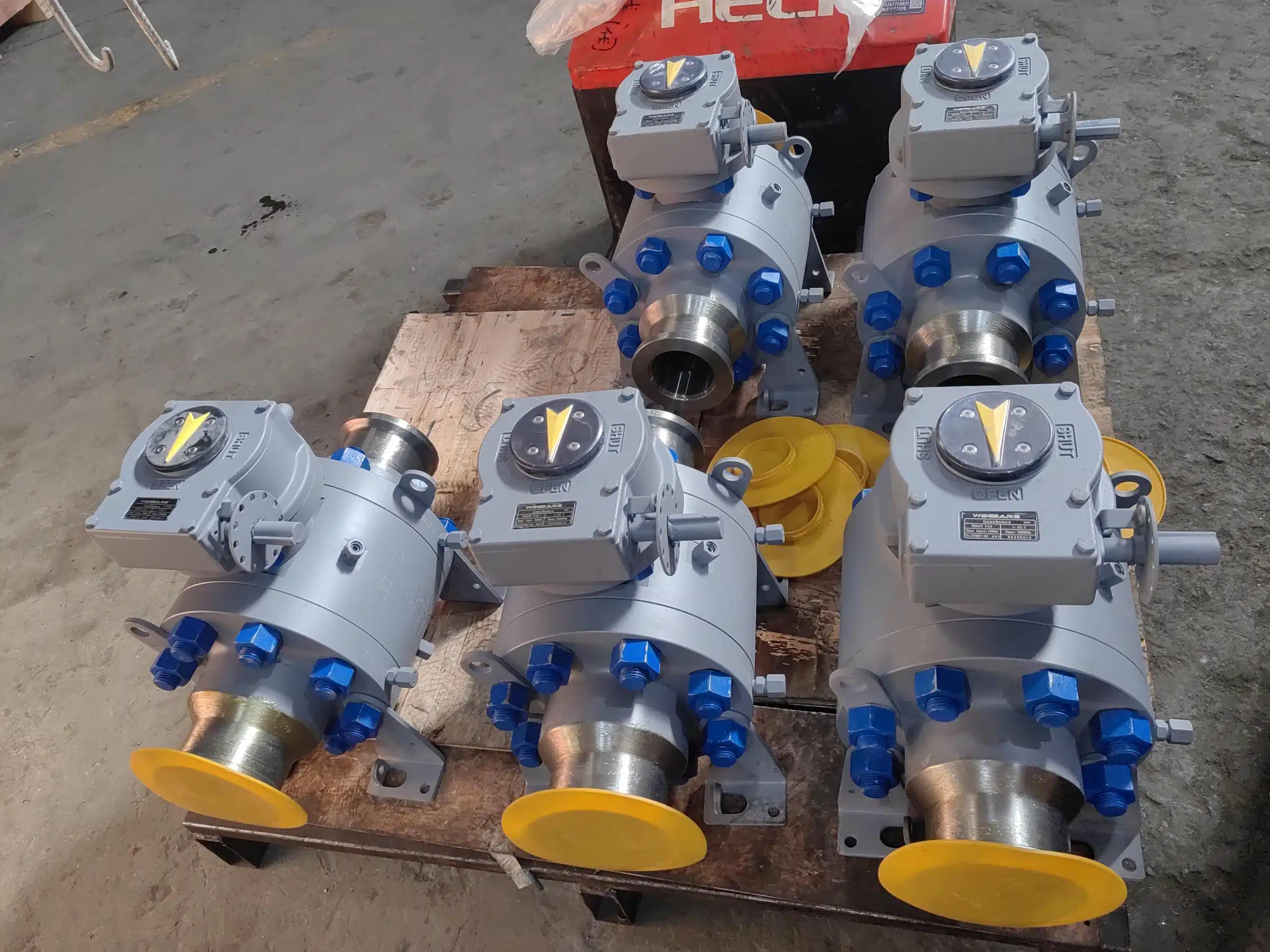
Position indicators are important for ball valves to work well. They show the valve’s position clearly, helping avoid mistakes and keeping systems reliable. Let’s look at the types of indicators, how they work, and why they matter in industries.
Types of Position Indicators
Position indicators come in different types for various needs. Here are the main ones:
| Type of Position Indicator | Description | Advantages |
|---|---|---|
| Mechanical | Uses a pointer to show position | Simple, reliable, works in many places |
| Digital | Has an electronic screen display | Strong, precise, good for frequent use |
| Analog | Uses a needle to show position | Easy to read, simple to use |
Mechanical indicators are great for basic and dependable setups. Digital ones are best for automated systems needing accuracy. Analog indicators are easy for quick checks.
How They Work
Position indicators connect directly to the ball valve. For example, the handle’s direction shows if the valve is open or closed. Some systems have markers or devices that move with the valve. Advanced ones send signals to control panels for remote checks.
These indicators always show the valve’s status. Whether it’s a simple handle or advanced system, they help you make smart choices.
Importance in Industrial Systems
In industries, position indicators are very useful. They stop wrong valve use, which can cause big problems or dangers. For example, color-coded markers quickly show the valve’s status, lowering human mistakes. Mechanical and electronic indicators give safe and clear feedback, even in tough systems.
Adding position indicators to ball valves improves accuracy, safety, and automation. These features make them essential in industries like factories and energy plants.
Operational Benefits of Position Indicators
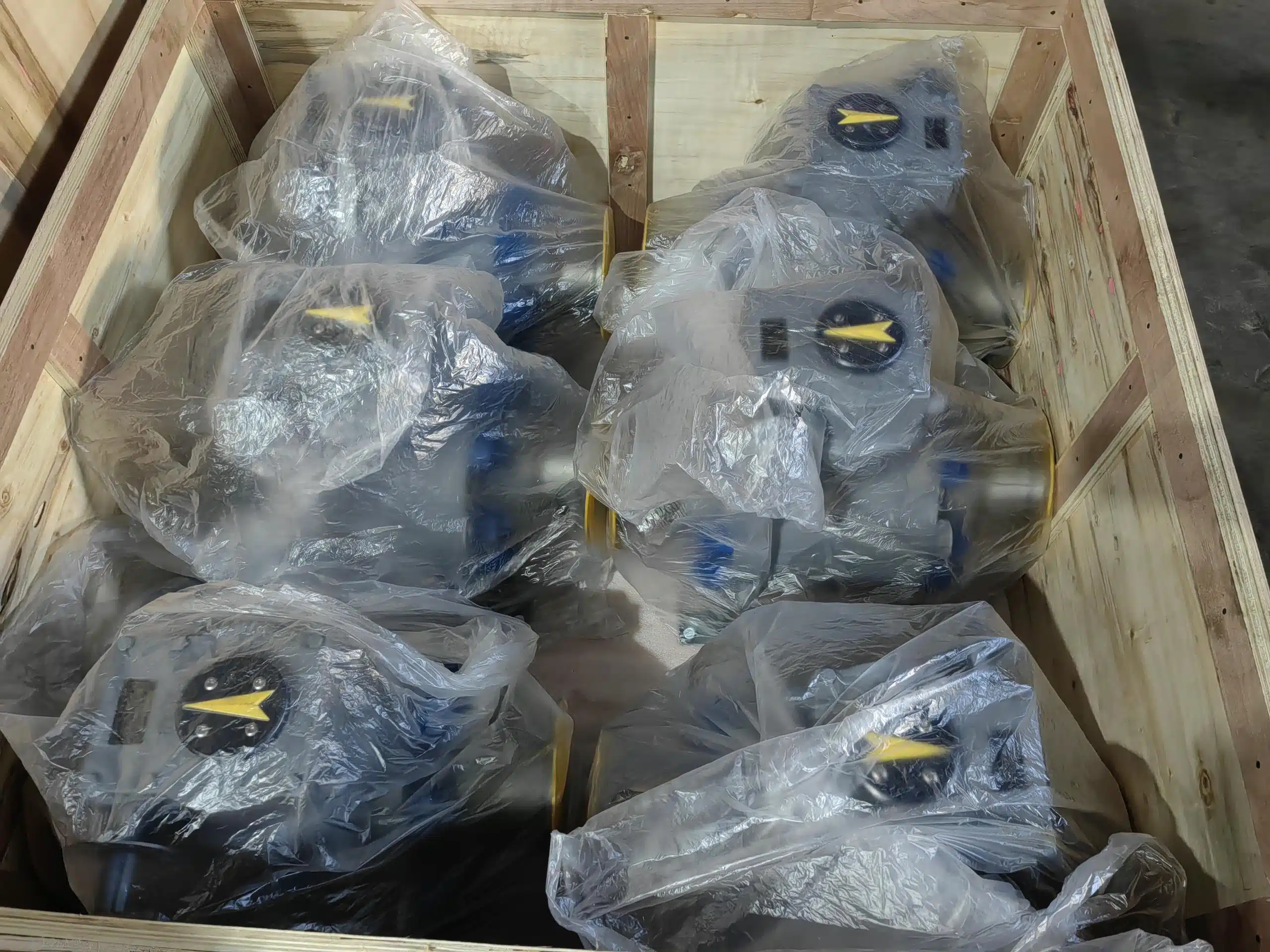
Reducing Errors and Preventing Failures
Position indicators help stop costly mistakes. They show if valves are open or closed. This clear view prevents using a valve the wrong way. Wrong use can cause system problems or failures. For example, in a chemical plant, opening the wrong valve might cause leaks. Position indicators act like safety tools, helping you make the right choice.
These tools also make systems more reliable. They give real-time updates about valve positions. This helps find and fix problems early. Fixing issues early avoids downtime and keeps things running well.
Enhancing Safety and Compliance
Safety is very important in industrial work. Position indicators make work safer by stopping human mistakes. Seeing the valve’s position quickly lowers the chance of errors. This is extra helpful in high-pressure or risky systems.
Position indicators also help meet safety rules. Many industries have strict safety standards to follow. Using these valves shows you care about safety rules. This protects workers and builds trust in your company.
Supporting Remote Monitoring and Automation
Modern systems use automation to work better. Position indicators help with this process. Advanced ones send signals to control panels. This lets you check valves from far away. It’s useful in big places where checking by hand takes time.
Remote checks also help with maintenance. Watching valve performance over time shows wear and tear early. Fixing things early saves money and makes equipment last longer. With position indicators, you can use automation to work smarter.
Applications of Ball Valves with Position Indicators
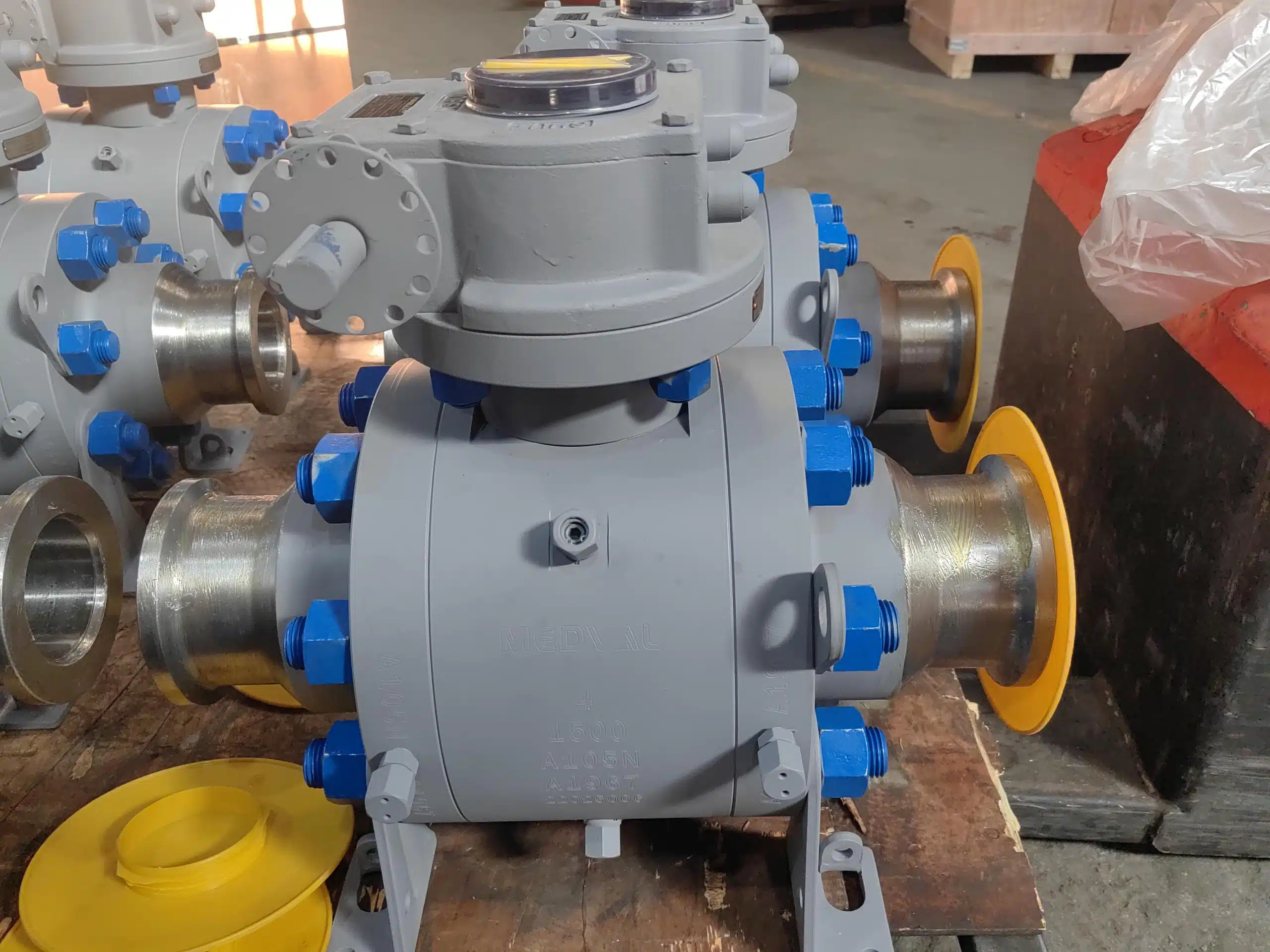
Industries That Use These Valves
Many industries need ball valves with position indicators for smooth work. These valves are important where safety and accuracy matter. For instance, the oil and gas industry uses them to manage liquid and gas flow in pipelines. Knowing the valve’s position stops leaks and keeps dangerous materials safe.
The chemical industry depends on these valves too. They control chemical flow during production, lowering accident risks. In water treatment plants, they manage water flow for clean water delivery. Power plants, food factories, and medicine companies also trust these valves for their precision and dependability.
Tip: If you work in these fields, think about upgrading to ball valves with position indicators. They boost safety and make work easier.
Everyday Uses and Examples
Ball valves with position indicators are useful in many ways. In factories, they control raw material flow into machines. This keeps quality steady and avoids spills. In HVAC systems, they manage air and water flow, keeping buildings comfortable.
Farmers use these valves in irrigation systems. They help spread water evenly across fields, giving crops the right amount. On ships, they control fuel and water flow, improving safety and performance.
For example, a brewery might use these valves to manage ingredient flow during beer-making. The indicators help workers check the process and avoid mistakes. Similarly, in power plants, these valves control steam flow, keeping systems running smoothly.
Maintenance for Ball Valves with Position Indicators
Inspection and Cleaning Guidelines
Check your ball valves with position indicators often to keep them working well. Look at the valve and indicator for wear, rust, or damage. Check for leaks near the valve body or stem. Leaks mean the valve might need fixing soon.
Clean the valve with a soft cloth or brush to remove dirt. Don’t use rough tools that could scratch the valve or indicator. If the valve handles sticky fluids, rinse it with a safe cleaning solution. Always follow the maker’s cleaning advice to avoid harm.
Tip: Check your valves every month or three months, based on use. Regular checks help find problems early.
Lubrication and Calibration Tips
Lubrication helps the valve move smoothly and last longer. Put a good lubricant on moving parts like the stem and handle. Use a product the valve maker suggests to avoid problems. Don’t use too much lubricant, as it can collect dirt.
Calibration of position indicators is also key. If the indicator is off, it might show wrong positions. Check alignment during maintenance. Adjust the indicator to match the valve’s real position. For digital ones, check if the signal is correct.
Note: Lubricate and calibrate at least twice a year or as the manual says.
Troubleshooting and Best Practices
When fixing problems, first find what’s wrong. If the valve won’t open or close, check for clogs or broken parts. Look at the indicator for damage or misalignment. Replace bad parts quickly to stop bigger issues.
To avoid problems later:
- Teach your team how to use valves correctly.
- Keep spare parts ready for quick fixes.
- Write down inspections and repairs in a log.
Reminder: Fix small problems right away. Waiting can cause expensive delays.
Ball valves with position indicators are very helpful in industries. They lower mistakes, improve safety, and make automation easier. These valves give instant updates, helping you avoid expensive errors and stay in control.
Key Takeaway: Using ball valves with position indicators improves safety and meets rules.
If you work in oil, gas, chemical plants, or water systems, think about upgrading. These valves make checking easier, boost dependability, and keep workers safe. Choosing this technology helps your work become smarter and more efficient.
