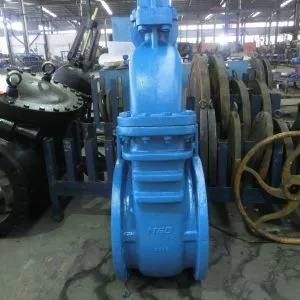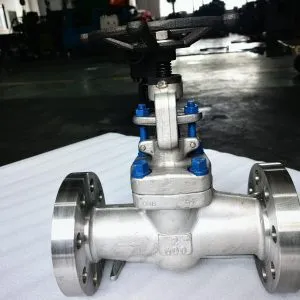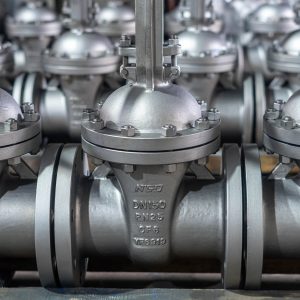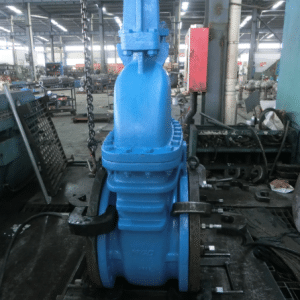

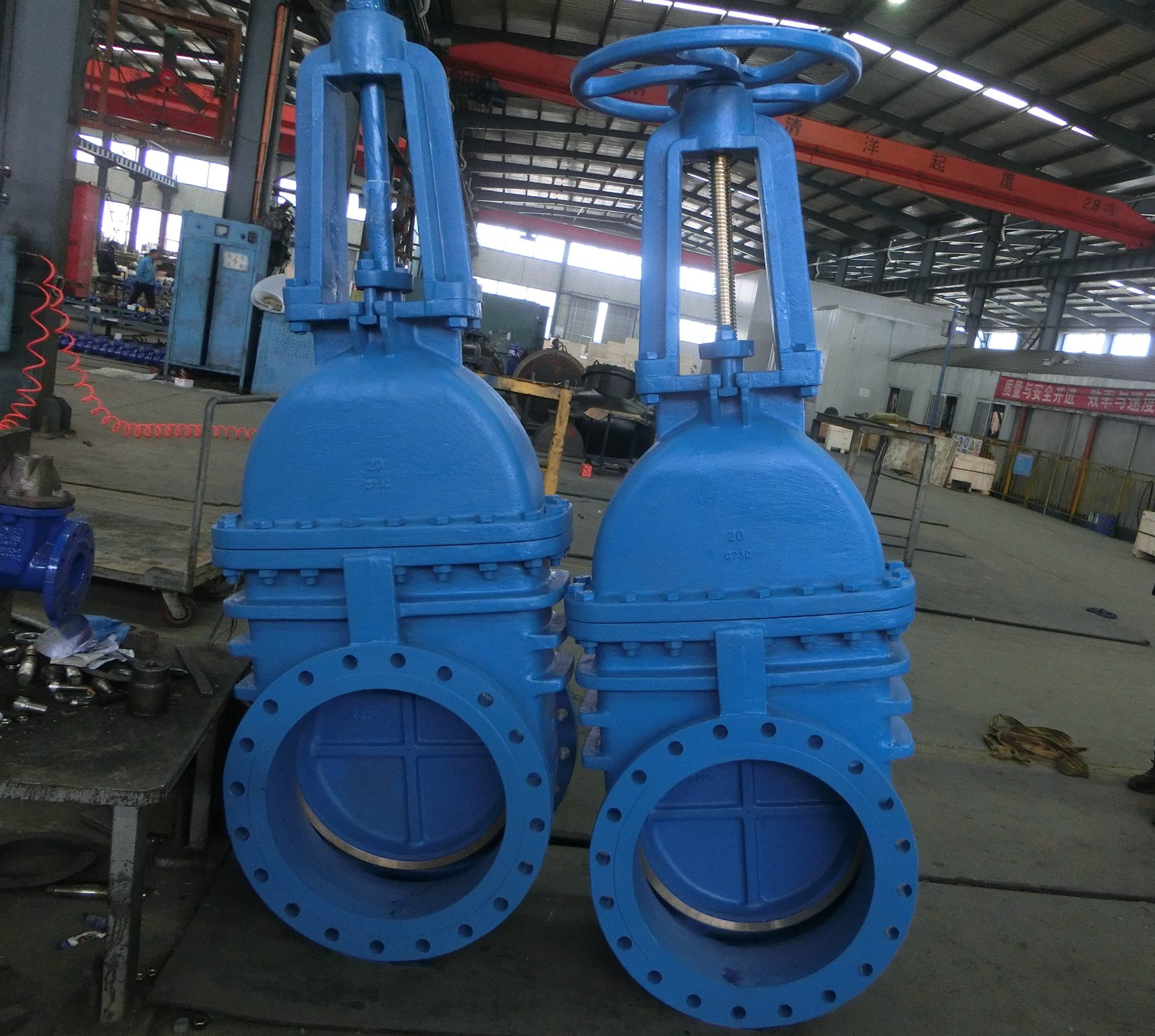
A cast iron gate valve is a tool that controls liquid or gas flow in pipes. It is used in systems needing accurate flow control. Its simple design makes it useful for homes and industries.
These valves are important in many fields. For example:
- They are used in oil, gas, chemical, and power plants because they work well in high-pressure systems.
- Cities use them for water and sewage systems to manage fluid flow in homes and public places.
They are strong and affordable, making them a common choice for many uses.
Key Takeaways
- Cast iron gate valves help control liquid flow in pipes. They are important for homes and industries.
- These valves are strong and cheap, perfect for high-pressure jobs like oil, gas, and water systems.
- Knowing the main parts—body, bonnet, gate, stem, and seat—shows how these valves work well.
- Take care of them by checking gaskets and oiling the stem. This keeps them working smoothly and lasting longer.
- Pick the right valve for your system, like rising stem for easy visibility or non-rising for small spaces.
- Flanged connections seal tightly for high pressure, while threaded ones are easier to use in small setups.
- Don’t use gate valves for partial flow. This can cause damage. They work best fully open or closed.
- Check often for leaks, sticking, or wear to avoid big repairs and keep them working well.
What is a Cast Iron Gate Valve?
Definition and Purpose
A cast iron gate valve is a tool used to control liquid or gas flow in pipes. It works by moving a flat or wedge-shaped gate up or down. This action either lets the flow pass or stops it completely. These valves are best for systems needing full flow or complete shut-off. They are not good for partial openings because that can cause turbulence and damage.
The main job of a cast iron gate valve is to stop or allow fluid flow. Its simple design keeps pressure low when fully open, making it efficient. Whether it’s for home plumbing or industrial steam systems, this valve is a reliable choice.
Importance in Fluid Control Systems
Precision and reliability are key in fluid systems. Cast iron gate valves help maintain these standards. Their strong build handles high pressure and heat, making them useful in industries like oil, water treatment, and chemicals. For example, in water systems, they control flow and allow maintenance without shutting everything down.
These valves are also very versatile. They work in both homes and industries. In houses, they are used in plumbing and HVAC systems for easy operation and maintenance. They can handle many fluids like water, steam, and even some chemicals, showing their importance in fluid systems.
Characteristics of Cast Iron Material
The material of a valve affects how it works, and cast iron is no different. Cast iron is strong and lasts long, making it a common choice for gate valves. It is affordable and works well in low-pressure and low-temperature systems.
Here’s a simple look at cast iron’s features:
| Feature | Description |
|---|---|
| Strength | Stronger than bronze but weaker than stainless steel. |
| Tensile Strength | Has low stretchability and limited strength under tension. |
| Corrosion Resistance | Can rust over time, especially in tough conditions. |
| Cost | Cheaper than materials like stainless steel. |
| Applications | Best for water, wastewater, and HVAC in low-pressure systems. |
While cast iron doesn’t resist rust as well as other materials, it’s affordable and works well for many uses. Cast iron gate valves are a good mix of cost and performance, especially in systems without extreme conditions.
Components of Cast Iron Gate Valve
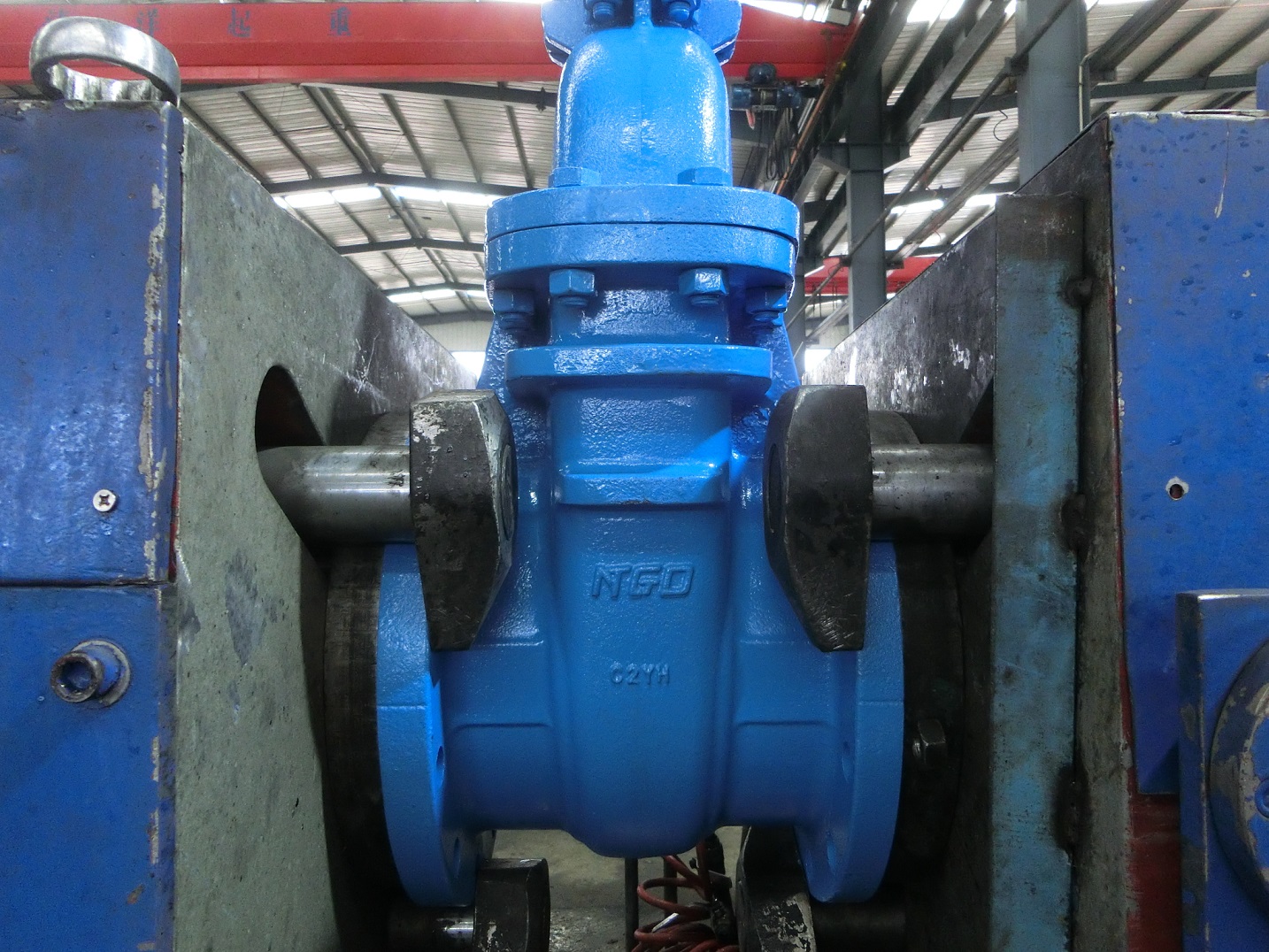
Knowing the parts of a cast iron gate valve helps you understand how it works. Each part has a job to make sure the valve works well and lasts long. Let’s look at the main parts of a cast iron gate valve.
Body
The body is the main outer part of the valve. It is usually made from strong materials like cast iron. This makes it tough and long-lasting. The body holds all the inside parts and is made in one piece. This helps it handle high pressure and heat without breaking.
The body also has connection points, like flanged or threaded ends. These let you attach the valve to a pipe. The connections must be tight to stop leaks. Using cast iron for the body makes the valve affordable and good for jobs like water systems and HVAC.
Bonnet
The bonnet is the top cover of the valve. It is bolted to the body and can be removed for repairs or cleaning. Think of the bonnet as a lid that protects the inside parts from dirt and damage.
Different valves have different bonnet designs. Some are simple, while others have extra features like seals for high-pressure use. No matter the design, the bonnet keeps the valve sealed and working in various conditions.
Gate
The gate, or disc, controls the flow of liquid or gas. It is a flat piece that moves up and down inside the valve. When you turn the handle, the gate lifts to let fluid pass or lowers to block it.
In cast iron gate valves, the gate is often wedge-shaped. This shape helps it seal tightly, stopping leaks when closed. But gate valves are not good for half-open positions. Doing so can cause damage and make the valve less effective.
Here’s a simple table about these parts and what they do:
| Key Parts | What They Do |
|---|---|
| Body | Outer shell holding inside parts; made strong to handle pressure. |
| Bonnet | Top cover that protects and allows access for fixing or cleaning. |
| Gate (Disc) | Flat piece that moves to open or close the flow; wedge shape seals well. |
These parts work together to make cast iron gate valves strong and useful. Knowing their jobs helps you see why these valves are important in controlling fluids.
Stem
The stem is an important part of gate valves. It links the handwheel or actuator to the gate. This connection lets you open or close the valve. Turning the handwheel moves the stem, which shifts the gate up or down. This simple system gives accurate control of fluid flow.
There are two types of stems: rising and non-rising. A rising stem moves up and down visibly when used. This makes it easy to see if the valve is open or shut. A non-rising stem stays still while the gate moves inside. This type works well in tight spaces where movement outside the valve is a problem.
Stems need to be strong and long-lasting. They often face wear from frequent use and fluid exposure. Manufacturers use materials like stainless steel or brass to make them durable. Lubrication also helps the stem work smoothly and last longer.
Seat
The seat is where the gate rests when the valve is closed. It seals the valve tightly to stop leaks. When the gate presses against the seat, it blocks fluid flow completely. This makes the valve work well in homes and industries.
Seats are made from metal or flexible materials like rubber. Metal seats are used in high-pressure systems because they handle tough conditions. Rubber seats are better for low-pressure systems since they seal more easily.
Seats should be checked often for damage or wear. A damaged seat can cause leaks and lower the valve’s performance. Replacing worn seats keeps the valve working properly.
Handwheel or Actuator
The handwheel or actuator is used to operate the valve. Manual valves have a handwheel that you turn to move the gate. Turning it clockwise or counterclockwise adjusts the valve’s position. This method is simple and reliable for controlling fluid flow.
Automated systems use actuators instead of handwheels. Actuators use electric, air, or hydraulic power to move the valve. They are great for big industrial systems where manual control is hard. Actuators let you operate the valve remotely, saving time and effort.
Both handwheels and actuators need regular care. Lubricating parts and checking for damage keeps them working well. Proper maintenance ensures the valve lasts longer and operates smoothly.
Gaskets and Fasteners
Gaskets and fasteners are small but very important parts. They help keep the valve sealed and hold its parts together. Without them, the valve could leak or break, causing problems.
Gaskets: The Seal Helpers
Gaskets are seals placed between valve parts like the body and bonnet. They stop fluids from leaking, even when pressure is high. Gaskets are made from materials like rubber, metal, or composites. The material depends on the fluid type and system conditions.
Rubber gaskets are good for low-pressure systems, like home plumbing. Metal gaskets are better for industries with high heat and pressure. Check gaskets often. A damaged gasket can cause leaks and costly repairs.
Tip: Pick gasket materials that match your system’s fluid and temperature. This keeps them working longer.
Fasteners: The Holders
Fasteners, like bolts and nuts, keep the valve parts tightly connected. They make sure the body, bonnet, and other parts stay in place during use. Good fasteners resist rust and handle pressure and temperature changes.
Fasteners come in different sizes and materials. Stainless steel fasteners are strong and don’t rust easily. Tighten fasteners properly. Loose ones can cause leaks, while overtightened ones may harm the valve.
Here’s a simple table comparing gaskets and fasteners:
| Component | Job | Common Materials | Why They Matter |
|---|---|---|---|
| Gaskets | Seal valve parts | Rubber, Metal, Composite | Stop leaks and ensure flow |
| Fasteners | Hold valve parts together | Stainless Steel, Brass | Keep valve strong and secure |
Maintenance Tips
Check gaskets and fasteners regularly to keep valves working well. Replace worn gaskets quickly to avoid leaks. Look for rust or damage on fasteners and tighten them as needed. Taking care of these parts helps the valve last longer and work better.
By learning about gaskets and fasteners, you’ll see how they keep gate valves efficient. These small parts are key to making sure the valve stays strong and controls fluid smoothly.
How Does a Cast Iron Gate Valve Work?
Knowing how a cast iron gate valve works helps you understand its importance. These valves use a simple system to control liquid or gas flow. Let’s break it down into three main parts.
How It Works
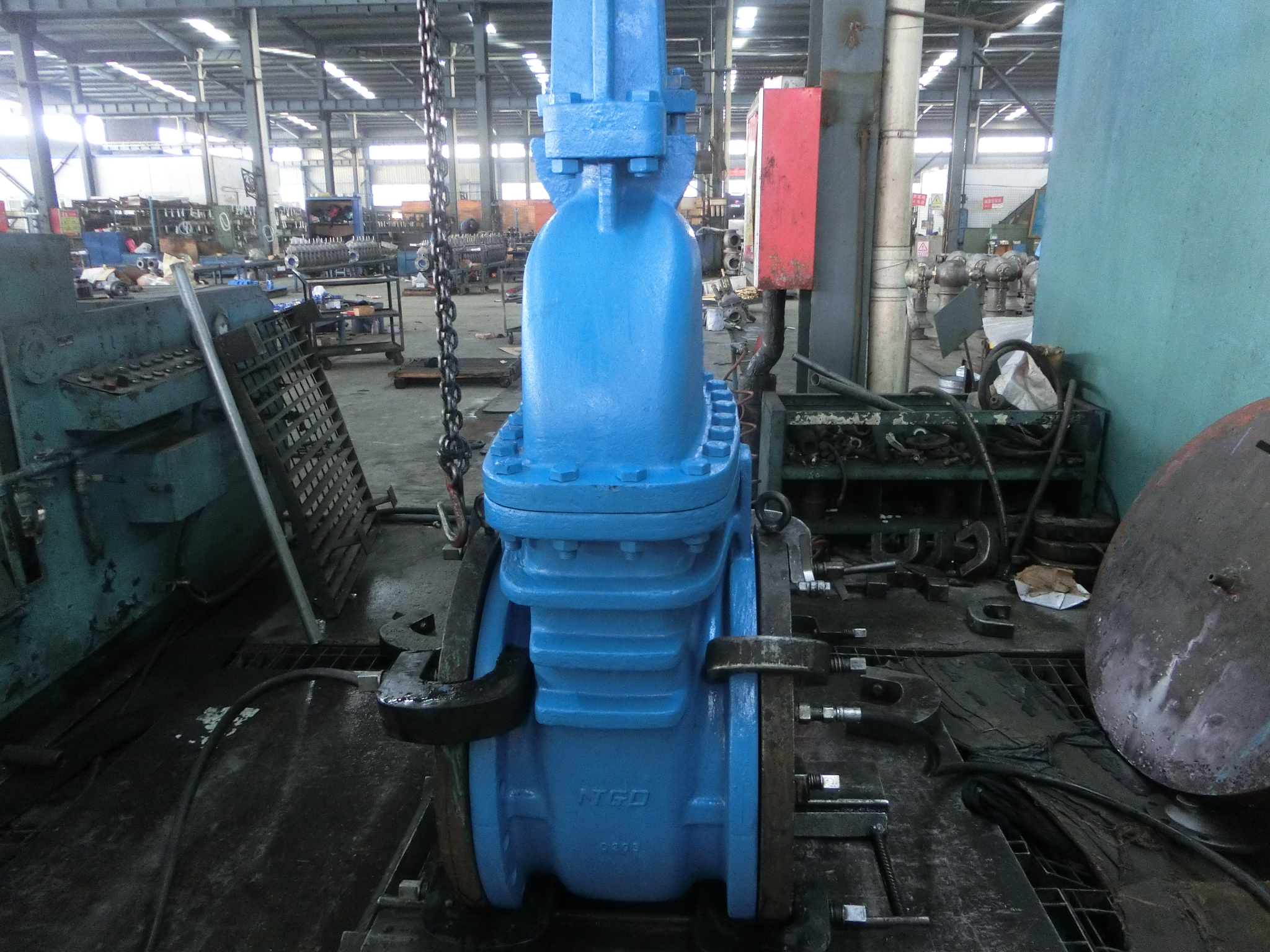
The valve’s design is simple but effective. Inside, a flat or wedge-shaped gate moves up or down. This movement either blocks or allows the flow of fluid. You control it by turning a handwheel or using an actuator. When the gate lifts, fluid flows freely. When it lowers, it seals tightly to stop the flow.
Key points about how it works:
- The gate moves in a straight line, not in circles.
- Its vertical motion reduces turbulence, making it work smoothly.
- It handles both clean water and water with particles well.
This design makes cast iron gate valves reliable for many systems, like home plumbing or industrial pipes.
Tip: Lubricate the stem and check parts often to keep the valve working well.
Open and Closed Positions
The valve’s open or closed position controls the fluid flow. When fully open, the gate moves completely out of the way. This creates a clear path for fluid to flow freely. When closed, the gate presses against the seat to stop leaks.
Important details about these positions:
- The gate moves up and down, unlike valves that turn.
- A fully open valve reduces pressure loss, saving energy.
- The handwheel or actuator lets you adjust the gate precisely.
Avoid leaving the valve partly open. This can cause turbulence and damage the gate or seat. Always keep it fully open or closed for the best results.
Flow Control Features
The main job of these valves is to start or stop fluid flow. They are great for full flow or complete shut-off but not for adjusting flow levels. Partial openings can harm the valve over time.
Why they’re good for controlling water flow:
- When fully open, they allow maximum flow with little resistance.
- They work in various temperatures and pressures, making them versatile.
- Special coatings protect the valve from rust, especially in water systems.
Understanding how these valves work shows why they’re popular in homes and industries. They provide reliable shut-off and smooth flow, making them essential in fluid systems.
Note: Check for leaks and inspect the gate and seat regularly. This keeps the valve working efficiently.
Types of Cast Iron Gate Valves
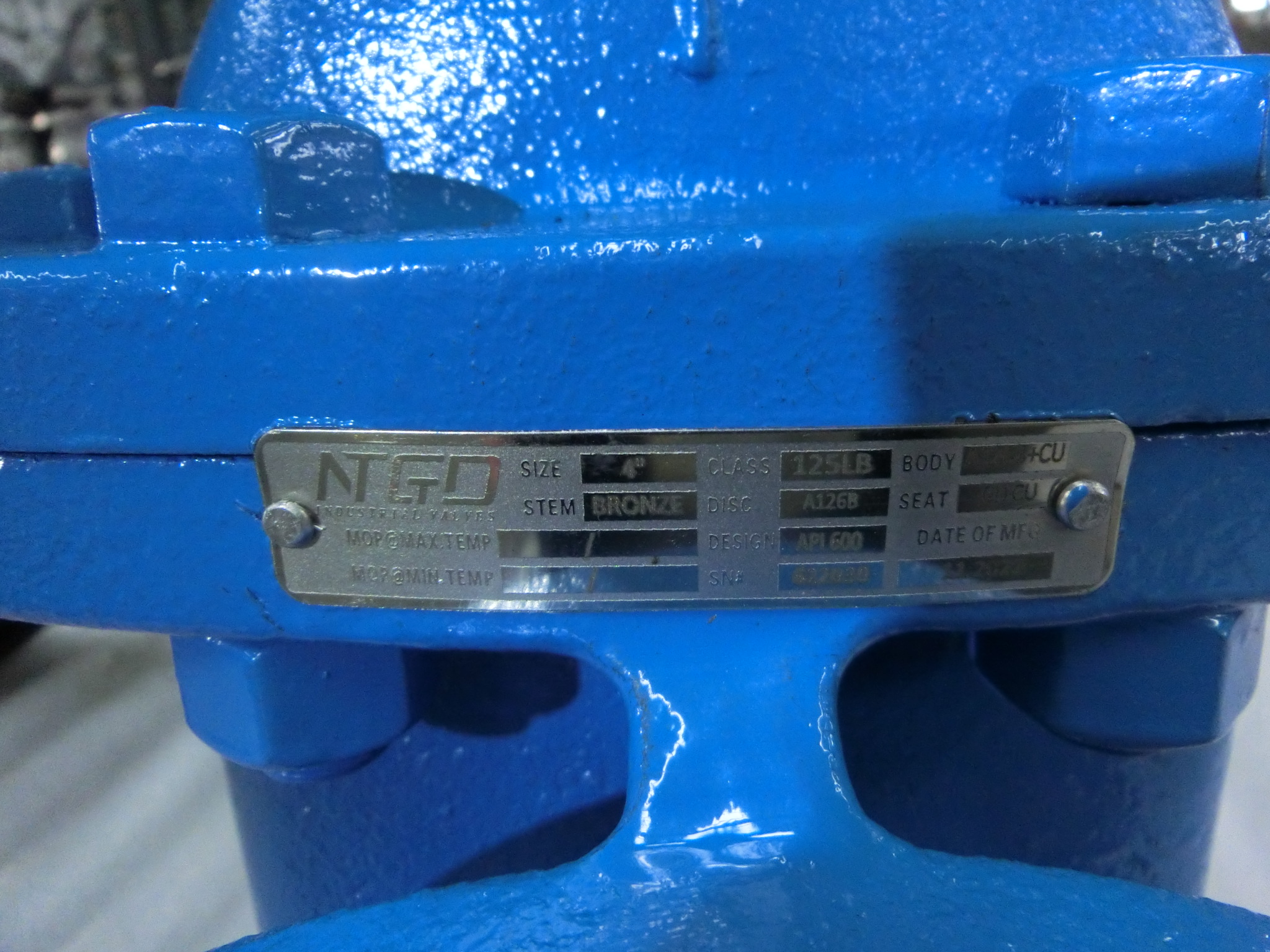
Knowing the types of cast iron gate valves helps you pick the right one. Each type has special features for different uses. Let’s look at the main types.
Rising Stem vs. Non-Rising Stem
Rising stem valves are easy to spot. The stem moves up or down when used. This shows if the valve is open or closed. You can see its position without guessing. These valves are great for systems with plenty of space.
Non-rising stem valves keep the stem still. The gate moves inside, but the stem doesn’t rise. This saves space, making it perfect for tight spots. These valves are common in underground systems or areas with little room.
Both types have benefits. Rising stem valves are easy to check visually. Non-rising stem valves fit in small spaces. Pick the one that suits your system’s design and space.
Solid Wedge vs. Flexible Wedge
The gate controls the flow in a valve. Solid wedge valves have a one-piece gate. This makes them strong and dependable. They seal tightly, even in high-pressure systems. These valves are used in tough jobs like industrial pipelines.
Flexible wedge valves have a two-piece gate. This design adjusts to temperature changes. It lowers stress on the valve and avoids damage. These valves are good for systems with changing temperatures, like steam lines.
Choose based on your system’s needs. Solid wedges are best for tough conditions. Flexible wedges work well with temperature changes.
Parallel Slide Gate Valves
Parallel slide valves have a special design. They use two flat discs instead of a wedge. These discs slide to control flow. This design reduces wear and seals tightly. It works well in high-pressure systems.
You’ll find these valves in industries like power plants and chemical factories. They handle steam and hot fluids easily. Their smooth function and strength make them great for demanding jobs.
Tip: Check parallel slide valves often. Replace worn discs to keep them working well.
By learning about these types of cast iron gate valves, you can choose the best one. Each type has unique advantages for reliable performance in different systems.
Flanged vs. Threaded Connections
When picking a cast iron gate valve, the connection type matters. It affects how the valve is installed and works. The two main types are flanged and threaded connections. Each has its own benefits for different uses. Knowing these differences helps you choose the best one for your system.
Flanged Connections
Flanged connections have flat rims with holes for bolts. These bolts attach the valve to the pipe. This type gives a strong seal, making it great for high-pressure and hot systems. You’ll see flanged valves in places like water plants and factories.
Why Choose Flanged Connections?
- Easy to take off for repairs or cleaning.
- Strong seal lowers the chance of leaks.
- Works well with big pipes and tough jobs.
But flanged connections need more space and are heavier. They also cost more because of bolts, gaskets, and careful setup.
Threaded Connections
Threaded connections use screw-like threads to join the valve to the pipe. These are common in small systems like home plumbing. They are light and easy to handle, making them simple to use.
Why Choose Threaded Connections?
- Quick to install without special tools.
- Cheaper for small systems.
- Fits in tight spaces where flanged ones can’t.
However, threaded connections don’t seal as tightly as flanged ones. Over time, vibrations or heat changes can loosen them, causing leaks.
Picking the Right Connection
The choice depends on what your system needs. For high-pressure or hot systems, flanged valves are strong and reliable. For smaller, low-pressure setups, threaded valves are affordable and practical.
| Feature | Flanged Connections | Threaded Connections |
|---|---|---|
| Installation | Needs bolts and gaskets | Simple screw-on method |
| Seal Strength | Great for high-pressure systems | Moderate, may loosen over time |
| Applications | Big industrial systems | Small home systems |
| Cost | Higher due to extra parts | Lower, good for budget systems |
Tip: Check if the connection matches your pipe material and pressure. This ensures a safe and lasting setup.
By learning about flanged and threaded connections, you can decide wisely. Both types have their strengths, and picking the right one helps your system work better.

Uses of Cast Iron Gate Valves
Cast iron gate valves are used in many areas. They help control fluid flow in different systems. Let’s look at where they are commonly used.
Industrial Uses
Water Treatment Plants
Gate valves are important in water treatment plants. They control water and wastewater flow during treatment. These valves let you shut off parts of the system for repairs without stopping everything. They are strong and handle large amounts of water well. This makes them great for water supply and wastewater systems.
Oil and Gas Industry
In oil and gas, gate valves control crude oil and gas flow. They are built to handle high pressure and heat safely. You’ll see them in pipelines, storage tanks, and refineries. Their tight seal prevents leaks, which is very important in this field.
Chemical Plants
Chemical plants need accurate flow control for safety. Cast iron gate valves work well with non-corrosive chemicals. They keep operations smooth and avoid contamination. Checking parts like the seat and stem often helps them last longer.
Home and Business Uses
Plumbing Systems
In homes and businesses, gate valves manage water flow. They are used in main water lines to stop water during repairs. Their simple design makes them easy for anyone to use. Cast iron gate valves are a good choice for plumbing.
HVAC Systems
Heating and cooling systems use gate valves to control water flow. They help isolate parts of the system when needed. These valves handle different pressures and temperatures, making them useful in HVAC setups.
Special Uses
High-Heat Areas
Gate valves are used in places with high heat, like steam systems. They can handle extreme temperatures and work reliably. Special coatings on cast iron gate valves help them last longer in these conditions.
Mildly Corrosive Fluids
For systems with slightly corrosive fluids, cast iron gate valves are affordable and effective. They are not for highly corrosive environments but work well with water or wastewater with low chemical levels. Regular checks of parts like gaskets and fasteners keep them working longer.
Cast iron gate valves are versatile and used in many industries. Whether for water systems, pipelines, or HVAC setups, they provide reliable flow control.
Advantages and Disadvantages of Cast Iron Gate Valves
Advantages
Durability and Longevity
Cast iron gate valves are strong and last many years. They resist damage even in tough conditions. You won’t need to replace them often. This makes them great for systems with water, steam, or mild chemicals.
Parts like the body and stem handle high pressure and heat well. Regular care, such as oiling the stem and checking the seat, keeps them working smoothly.
Tip: Check your valves often to fix small problems early.
Cost-Effectiveness
These valves are affordable and work well. They cost less than stainless steel or bronze valves. If you want good performance without spending too much, they’re a smart choice.
Even though they’re cheaper, they still work reliably. You can use them in plumbing, HVAC, or industrial systems without worrying about high costs.
High Pressure and Temperature Resistance
Cast iron gate valves are strong and handle tough conditions. They work well in systems with high heat or pressure, like steam pipes or hot fluid lines.
Parts like the gate and seat seal tightly to stop leaks. This makes them useful for both homes and industries.
Disadvantages
Susceptibility to Corrosion
Cast iron valves can rust in wet or harsh environments. They aren’t the best choice for systems with very corrosive fluids. Rust weakens the valve and shortens its life.
You can reduce rust by adding protective coatings or using them in less harsh conditions. Regular checks help spot rust early.
Limited Use in Certain Applications
Gate valves don’t work well for precise flow control. Opening them halfway can cause turbulence and damage the parts.
If your system needs frequent flow changes, use globe valves instead. Gate valves are best for fully open or closed positions.
Maintenance Requirements
Gate valves need regular care to stay effective. Check parts like the stem and seat for wear. Oiling the stem helps it move easily, and replacing old gaskets stops leaks.
Skipping maintenance can cause problems like sticking or jamming. These issues lower performance and may need expensive repairs.
Note: Plan regular maintenance to make your valves last longer.
Knowing the benefits of cast iron gate valves shows why they’re reliable and affordable. Understanding their downsides helps you use them correctly and keep them in good shape.
Troubleshooting Common Issues with Cast Iron Gate Valves
Gate valves can have problems after long use. Knowing how to spot and fix these issues keeps your system working well. Here are common problems and ways to solve them.
Leaks
Causes
Leaks happen often in gate valves. They can be caused by old gaskets or broken seats. Pressure and heat changes can weaken these parts over time. Loose bolts or bad installation may also cause leaks. Rust on the cast iron body can make the valve lose its tight seal.
Solutions
To fix leaks, check the gaskets and seats first. Replace any damaged parts right away. Tighten loose bolts to stop leaks. If rust is the problem, add a protective coating or replace rusty parts. Regular care prevents leaks and keeps the valve working well. Always check the valve after installing it to make sure it’s secure.
Sticking or Jamming
Causes
Sticking or jamming happens when the valve’s stem or gate won’t move easily. Dirt or debris inside the valve often causes this issue. Lack of oil can make the stem hard to turn. Old valves may have worn stem threads that jam. Non-rising stems are more likely to jam in systems with lots of sediment.
Solutions
To fix sticking or jamming, clean the valve to remove dirt. Oil the stem often to keep it moving smoothly. Replace worn stem threads with new ones. Use filters before the valve to stop debris from entering. Cleaning and oiling regularly keeps the valve working well.
Wear and Tear on Components
Causes
Gate valve parts wear out from frequent use and tough conditions. The gate, seat, and stem are most affected. High-pressure systems or rough fluids can damage parts faster. Using the valve carelessly can also cause wear.
Solutions
Check valve parts often for damage. Replace broken gates and seats to keep the seal tight. Use strong materials like stainless steel for stems in high-pressure systems. Be gentle when using the valve to avoid extra damage. Regular care makes the valve last longer and saves money on repairs.
Tip: Make a schedule to check for leaks, jams, and worn parts. This helps you avoid big problems and keeps your valve working well.
By learning these common problems and fixes, you can handle cast iron gate valve issues easily. Regular care ensures your valves work reliably and prevent leaks in any system.
Improper Installation
If gate valves are installed incorrectly, they may not work well. This can also damage the valve. Knowing the causes and fixes helps avoid these problems and keeps your system running smoothly.
Causes
There are many reasons for improper installation. One common issue is when the valve and pipe don’t line up. Misalignment puts stress on the valve parts, causing leaks or poor performance. Another problem happens when bolts are too loose or too tight. Loose bolts can cause leaks, while overtightened ones may crack the valve body or bonnet.
Choosing the wrong valve type for the system is another mistake. For instance, using a threaded valve in a high-pressure system can lead to leaks or failure. Skipping gaskets or using the wrong gasket material can also cause fluid to escape. Lastly, not cleaning the pipe before installation allows dirt to enter the valve, which can make it stick or jam.
Tip: Always check that the valve and pipe are clean and aligned before installing. This simple step avoids many problems.
Solutions
Good installation starts with proper planning. First, make sure the valve fits the system’s needs. Check the pressure, temperature, and connection type to ensure they match. For example, flanged valves are better for high-pressure systems, while threaded ones work for smaller setups.
Align the valve with the pipe carefully. Use tools like levels to make sure it’s straight. Tighten bolts evenly to prevent leaks or damage. If using gaskets, pick the right material for the fluid and conditions. Rubber gaskets are good for low pressure, while metal ones handle high heat and pressure.
Clean the pipe well before installing the valve. Remove any dirt or debris that could block the valve. After installation, test the valve by opening and closing it fully. This ensures it moves smoothly and seals tightly.
Note: Check installed valves often for wear or misalignment. Catching problems early saves money and keeps your system working well.
By following these steps, you can install gate valves correctly and avoid problems. Proper installation helps the valve last longer and reduces the need for repairs.
You now know the basics of the cast iron gate valve, such as its parts, types, and uses. When picking one, think about your system’s pressure, temperature, and connection needs. For instance, flanged valves are great for high-pressure setups, while threaded ones are better for smaller systems.
Check parts like the stem and seat often to make it last longer. Keep moving parts oiled and replace old gaskets quickly. Taking care of the valve helps it work well and avoids expensive fixes.
Tip: Choose valve materials that fit your system’s fluid and conditions for the best performance.
FAQ
What does a cast iron gate valve do?
It controls fluid flow by opening or closing a gate inside. You can use it to fully stop or allow flow in plumbing or industrial systems.
Can it handle high-pressure systems?
Yes, it works well under high pressure. Its strong build and tight seal make it reliable for industries like oil, gas, and water treatment.
How do you take care of a cast iron gate valve?
Check parts like the stem, seat, and gaskets often. Keep the stem oiled so it moves easily. Replace worn parts quickly to avoid leaks or jams.
What fluids can it control?
It works with water, steam, and mild chemicals. Don’t use it with very corrosive fluids, as cast iron can rust over time.
How do you pick the right type of cast iron gate valve?
Think about your system’s pressure, temperature, and space. Rising stem valves are easy to check, while non-rising ones save space. Flanged valves are good for high pressure, and threaded ones fit smaller systems.
Can it control partial flow?
No, it’s not good for partial flow. Turbulence can harm the gate and seat. Use it only when fully open or closed.
What problems can happen with cast iron gate valves?
Leaks, sticking, and worn parts are common issues. Bad installation can also cause loose connections or misalignment. Regular care helps prevent these problems.
Are cast iron gate valves affordable?
Yes, they are durable and work well at a lower cost than stainless steel or bronze valves. They’re a good choice for budget-friendly systems.