
Comparing Key Features of Valves
Explore the differences between gate valves and ball valves.
| Features | Ball Valve | Gate Valve |
|---|---|---|
| Shut-off Mechanism | Quick quarter turn for fast shut-off. | Sliding gate needs multiple turns. |
| Flow Control | Allows high flow with low pressure loss. | Precise control but lower flow capacity. |
| Durability | Low maintenance, lasts longer. | Requires regular maintenance due to dirt. |
| Cost | Higher initial cost, saves over time. | Cheaper upfront but higher long-term costs. |
| Ease of Operation | Easy to operate with a quick turn. | Slower operation, needs careful installation. |
When picking a gate valve or ball valve, knowing differences matters. These valves do different jobs, and choosing wrong can hurt performance. For example, the valve’s gain should stay within 4 for good work. Ball valves, a type of rotary valve, need disk turns of 20 to 50 degrees to work best. These facts show how choosing the right valve affects flow and system strength.
By understanding these differences, you can choose wisely for home or work use. The right valve works well and needs less fixing.
Key Takeaways
- Gate valves take longer to use since they need many turns. Ball valves work faster with just a quarter turn.
- Use ball valves for quick shut-offs during emergencies. Gate valves are better for slowly controlling flow and pressure.
- Ball valves are easier to care for because they are simple. They are great for long-term use in many systems.
- Think about your budget: gate valves cost less at first but need more care later, unlike ball valves.
- Check what your system needs, like pressure, flow control, and ease of use, to pick the right valve.
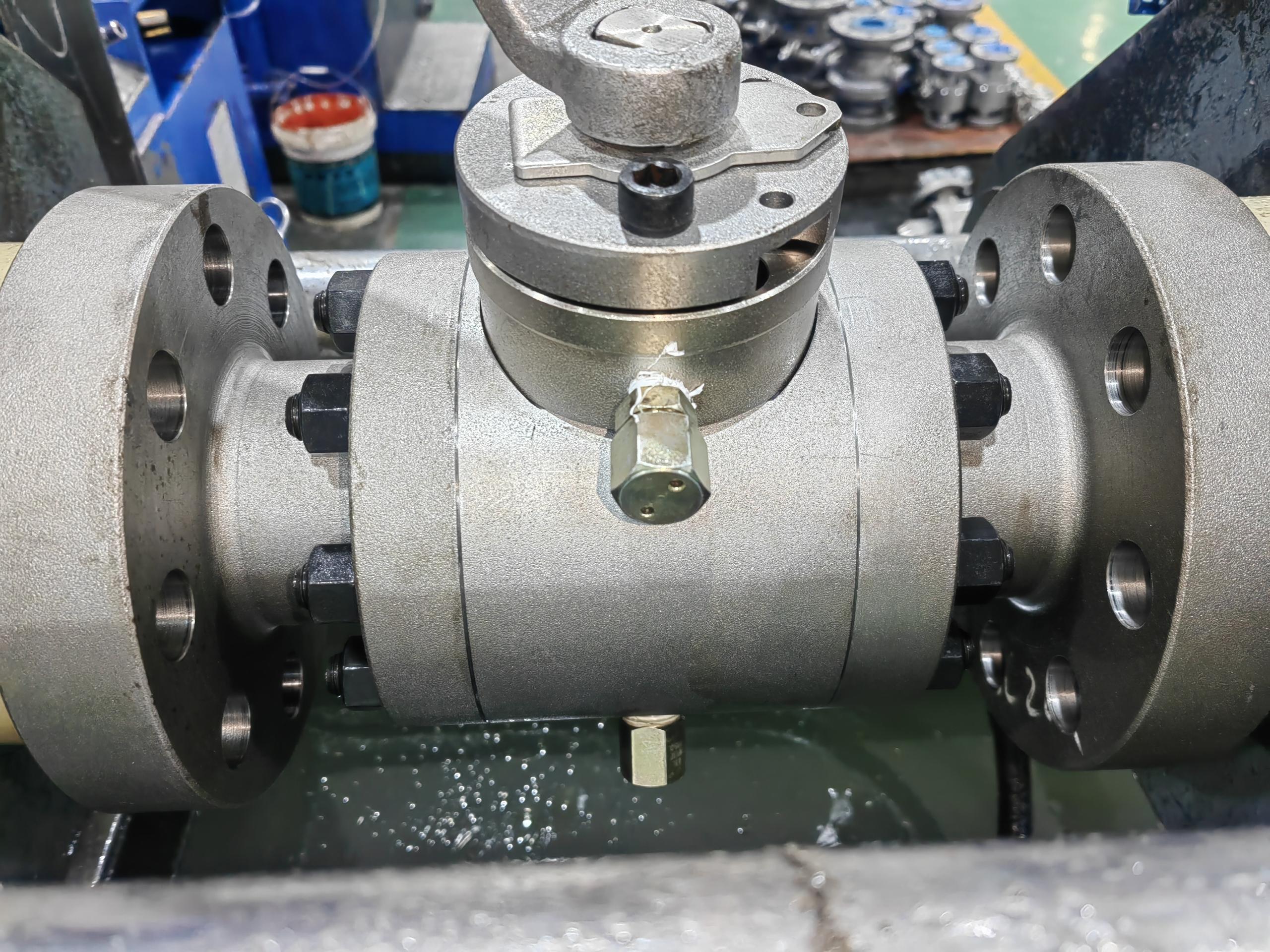
Key Differences Between Gate Valves and Ball Valves
Shut-off Mechanism
The way these valves stop flow is very different. Gate valves use a sliding gate to open or close flow. They need more than one full turn to work. This makes them slower but good for gradual shut-off. Ball valves use a ball with a hole in the middle. A quick quarter turn (90°) opens or closes them fast and easily.
Tip: For quick shut-off, like in emergencies, pick a ball valve. Gate valves are better for reducing pressure changes when closing.
| Valve Type | Speed to Operate | Shut-off Type |
|---|---|---|
| Gate Valve | Slower, needs >360° turn | Gradual, reduces pressure surges |
| Ball Valve | Fast, quarter turn (90°) | Quick, great for emergencies |
Flow Control and Capacity
Gate valves are great for controlling flow precisely. They are good for jobs needing accuracy. But they lose more pressure because they allow less flow. Ball valves are better for quick on/off control. They let more flow through with less pressure loss, making them perfect for fast-flow systems.
| Valve Type | Flow Amount | Pressure Loss | Best Uses |
|---|---|---|---|
| Gate Valve | Lower | Higher | Water systems, sewage, fire safety |
| Ball Valve | Higher | Lower | Oil, chemicals, power plants, metallurgy |
- Use ball valves for fast shut-off and high-flow systems.
- Gate valves are best for careful flow control in specific tasks.
Durability and Maintenance
These valves also differ in how durable and easy to maintain they are. Gate valves need regular care because dirt can get stuck in their parts. This makes them harder to use in places with limited access. Ball valves need less care. Their simple design keeps dirt out, so they last longer and work well.
| Feature | Gate Valve | Ball Valve |
|---|---|---|
| Maintenance Needs | Needs regular cleaning due to dirt buildup | Low maintenance, works without much care |
| Strength | Strong in high-pressure systems | Durable and works in many conditions |
Note: If you want less maintenance and long-lasting use, choose ball valves. Gate valves need more care but handle high pressure well.
Cost and Affordability
When looking at gate valves and ball valves, cost is important. Gate valves usually cost less to buy at first. This makes them a good choice if you have a small budget. But they need more care and don’t last as long. Over time, this can make them more expensive. Ball valves cost more upfront. However, they last longer and need less fixing, saving money in the long run.
| Valve Type | Starting Cost | Maintenance Cost | Long-term Costs |
|---|---|---|---|
| Gate Valve | Cheaper | Higher | Wears out faster, costs more over time |
| Ball Valve | More expensive | Lower | Lasts longer, saves money in the future |
If you need something cheap for short-term use, pick a gate valve. For something that lasts longer and needs less care, choose a ball valve. Think about your budget and how long you need the valve to work before deciding.
Tip: Spending more on a strong valve like a ball valve can save money later, especially in busy systems.
Ease of Operation
How easy a valve is to use also matters. Ball valves are simple because they only need a quick turn to open or close. This makes them great for emergencies or frequent use. They also don’t clog easily, which helps in systems with fast flow.
Gate valves, on the other hand, need several turns to work. This slower process gives better control over flow but takes more time. They must be installed correctly to work well. For example, lining up bolts and using seals can stop leaks and help them work smoothly.
- Ball Valve: Easy to use, quick to open or close, and durable.
- Gate Valve: Slower to use but offers better control over flow.
Note: Adding automation, like electric controls, can make gate valves easier to use. These are often used in important systems to improve performance.
When picking a valve, think about how often you’ll use it. Decide if speed or control is more important for your needs.
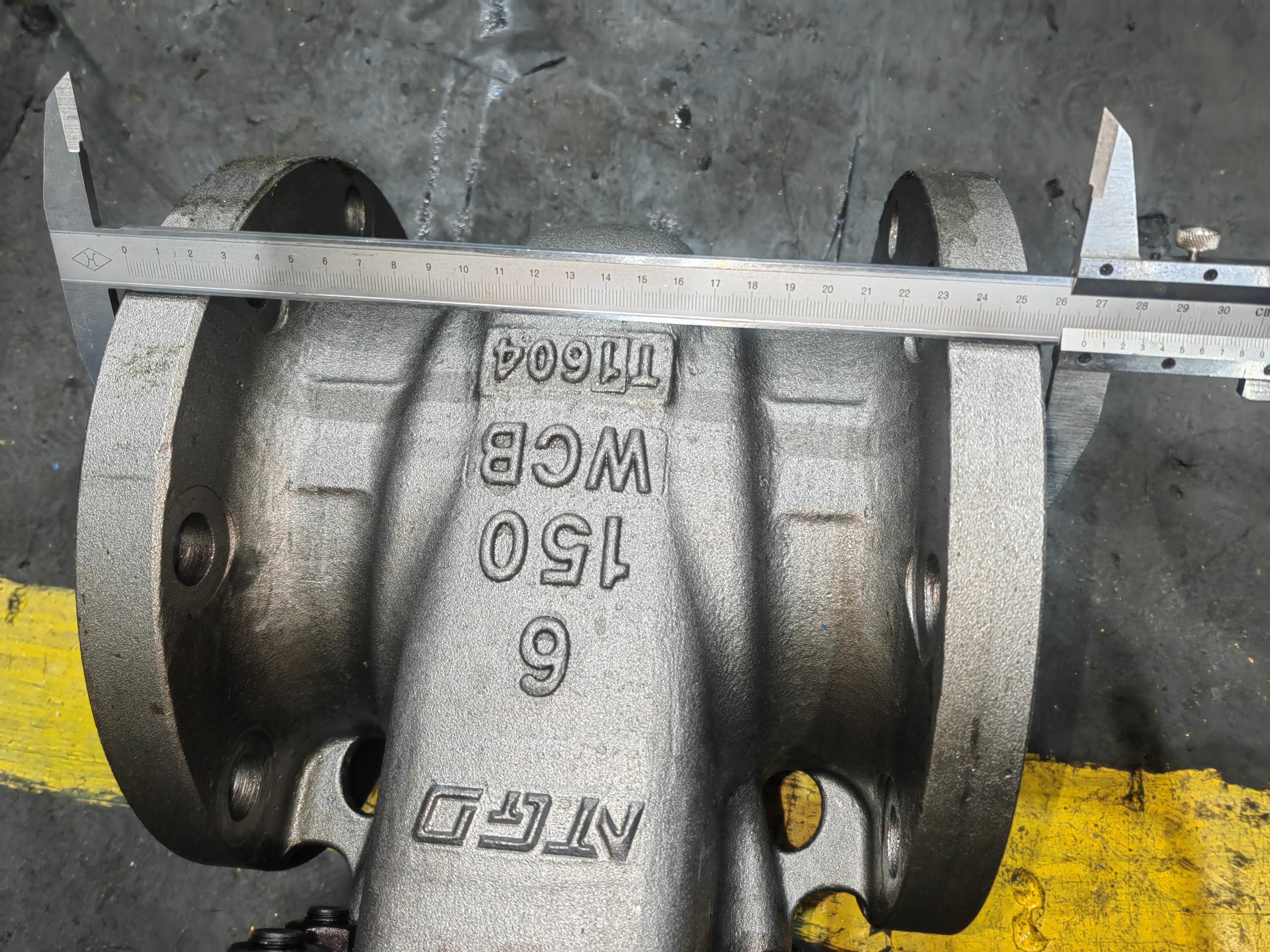
Understanding Gate Valves
Design and Components
Gate valves have a simple design, making them dependable for many uses. They include a body, a gate or wedge, a stem, and a handwheel or actuator. The gate moves up or down to control liquid or gas flow. Turning the handwheel raises or lowers the gate. This action either stops or allows the flow.
The valve body is made from strong materials like stainless steel, cast iron, or brass. These materials help the valve handle high pressure and heat. The gate is flat or wedge-shaped, creating a tight seal when closed. This design reduces leaks and ensures smooth operation.
Operational Mechanism
Gate valves work by moving the gate up and down inside the valve body. Turning the handwheel rotates the stem, which lifts or lowers the gate. When fully open, the gate moves out of the flow path. This allows fluid to move freely with little pressure loss.
To close the valve, the gate lowers tightly against the valve seat. This creates a full shut-off, perfect for stopping flow in pipelines. However, gate valves are not good for partial flow control. Partially opening them can cause damage due to turbulence.
Advantages of Gate Valves
Gate valves have many benefits, making them popular in different industries. Here are their main advantages:
| Advantage | Description |
|---|---|
| Excellent Shut-off | Fully stops flow, great for isolating pipeline sections. |
| Minimal Pressure Loss | Design keeps pressure loss low, improving system performance. |
| Bi-directional Flow | Works with flow in both directions, adding flexibility. |
| Energy Efficiency | Needs less energy to operate, saving energy and money. |
| Durability | Built with strong materials, handles high pressure and heat well. |
| Minimal Erosion | Reduces wear on parts, lasting longer with less maintenance. |
| Flow Isolation | Stops flow for repairs or emergencies, ensuring safety and efficiency. |
Gate valves, like those from NTGD, are great for systems needing full shut-off and low pressure loss. Their strength and efficiency make them a smart choice for long-term use.
Tip: Choose gate valves for tasks needing precise flow control and durability, like water systems or industrial pipelines.
Disadvantages of Gate Valves
Gate valves are good for stopping flow completely, but they have some downsides. These issues can impact how well they work, how long they last, and how easy they are to use.
- Slow Operation: Gate valves need many turns to open or close. This makes them slow in emergencies when quick action is needed. Ball valves, with their simple quarter-turn design, work much faster.
- Not Suitable for Throttling: Partially opening a gate valve can cause uneven flow. This creates vibrations that wear out the valve parts faster. For better flow control, ball valves are a smarter choice.
- Prone to Corrosion and Erosion: The sealing parts of gate valves can get damaged over time. Harsh liquids or particles can scratch them, leading to leaks. Regular maintenance is needed to keep them working well.
- Clogging Issues: Gate valves can trap dirt or debris inside their body. This blockage can slow down flow and require frequent cleaning, especially in dirty fluid systems.
- Structural Challenges: Gate valves are big and need more space to install. Their size and weight make them harder to fit into small systems. Ball valves are smaller and easier to set up.
- Complex Maintenance: Gate valves have detailed designs that make fixing them harder. Friction during use can wear out parts, leading to higher repair costs over time.
Even with these problems, gate valves are still reliable for full shut-off and low pressure loss. NTGD makes strong gate valves that handle these issues better, offering durability and efficiency. But if you want something easier to use and maintain, ball valves might be a better option.
Tip: Think about your system’s needs, like space, flow control, and upkeep, before choosing a gate valve.
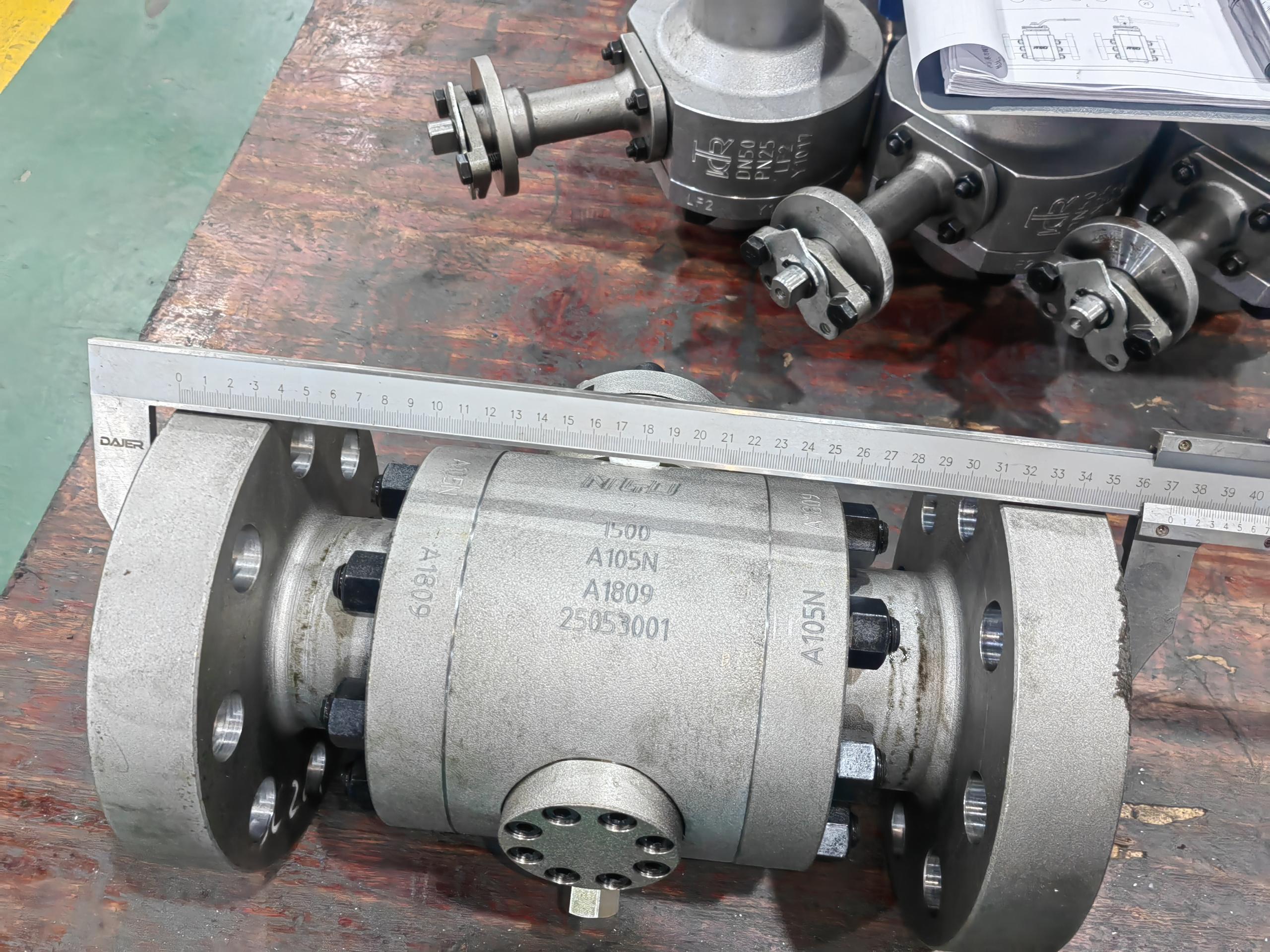
Understanding Ball Valves
Design and Components
Ball valves have a simple and effective design. They include a valve body, a round ball with a hole, a stem, and a handle. The ball controls flow by turning to open or close. The valve body is made from strong materials like stainless steel, brass, or PVC. These materials help the valve last long in different conditions.
There are different types of ball valves, each with special symbols. For example:
| Symbol Type | Description |
|---|---|
| 2-way on/off valve | Two triangles pointing at each other, showing flow direction. |
| 2-way ball valve | Two triangles with a ball in the middle, showing flow control. |
| Actuated ball valves | Lines from the valve center, showing electric or other controls. |
This simple design makes ball valves useful for many jobs, like home plumbing or factory systems.
Operational Mechanism
Ball valves work by turning the ball inside the valve. When the handle turns 90 degrees, the hole in the ball lines up with the flow path. This lets fluid pass through. Turning the handle back blocks the flow completely. This quarter-turn system is fast and easy to use.
There are different types of ball valves, like 2-way and 3-way ones. Each type has its own symbol:
| Valve Type | Symbol Description |
|---|---|
| 2-way ball valve | Two triangles pointing at each other with a ball in the middle. |
| 3-way ball valve | Extra triangles and arrows show multiple flow paths. |
| Actuated ball valve | Symbols for electric or hydraulic controls show automation features. |
This system keeps pressure loss low and seals tightly, making ball valves great for quick flow control.
Advantages of Ball Valves
Ball valves have many benefits compared to other valves, like gate valves. They are fast, seal well, and need little care. Here’s how they compare:
| Feature | Ball Valve | Gate Valve |
|---|---|---|
| Operational Speed | Fast with a quarter turn | Slower, needs more than one full turn |
| Sealing Capabilities | Tight seal, less chance of leaks | Weaker seal, more likely to leak |
| Maintenance Requirements | Simple design, needs less care | Complex design, needs more upkeep |
| Ideal Applications | Quick shut-off, emergency use | Low pressure drop, high flow systems |
Ball valves, like those from NTGD, are great for systems needing fast and reliable use. They are strong, efficient, and save money over time.
Tip: Use ball valves when you need quick shut-off and low maintenance.
Disadvantages of Ball Valves
Ball valves are useful but have some downsides to think about. These issues can affect how well they work in certain systems.
- Higher Pressure Drop
Ball valves may cause more pressure loss than gate valves. This is especially true when they are partly open. The ball’s shape creates more flow resistance in these cases. If low pressure loss is important, this could be a problem. - Not Ideal for High Temperatures
The seals in ball valves can break down under very high heat. This makes them less useful in extreme conditions, like handling superheated steam or hot fluids in factories. - Limited Throttling Capabilities
Ball valves work best when fully open or closed. They are not good for controlling flow in small amounts. For precise flow control, like in chemical systems, globe valves are a better choice. - Potential for Wear
Using ball valves often for partial flow can wear out the ball and seat. Over time, this can cause leaks or make the valve less effective. Regular maintenance is needed to fix these problems.
| Shortcoming | Description |
|---|---|
| Higher Pressure Drop | Causes more pressure loss, especially when partly open. |
| Not Ideal for High Temperatures | Seals can fail under very high heat, limiting use. |
| Potential for Wear | Frequent use for throttling can damage parts over time. |
Even with these issues, ball valves are still a great choice for many uses. They are fast and seal tightly, making them perfect for quick shut-off needs. NTGD makes strong ball valves that reduce these problems, offering long-lasting and efficient performance.
Tip: For high heat or precise flow control, try other valve types. But for general use, ball valves are a smart pick.
Applications of Gate Valves and Ball Valves

Residential Applications
Gate valves and ball valves are important in homes. Gate valves are often used in water pipes. They stop water flow completely and handle high pressure well. These valves are great for shutting off sections of plumbing during repairs. They also allow water to flow in both directions, making them flexible for home systems.
Ball valves are more common in heating, cooling, and plumbing systems. They are great for emergencies, like stopping leaks quickly. You’ll also find them in outdoor faucets and sprinklers because they are easy to use. NTGD’s ball valves are strong and need little care, making them perfect for homes.
Tip: Use ball valves for systems you operate often. Gate valves are better for shutting off water for long periods.
Industrial Applications
In factories, both gate and ball valves are very useful. Gate valves are used in oil pipelines, power plants, and chemical factories. They handle high-pressure liquids and fully stop flow, making them safe for dangerous materials.
Ball valves are best for quick shut-offs in industries. They are used in fire safety, ships, and food factories. Their tight seal works well with harsh chemicals and keeps things clean in food systems. NTGD’s ball valves are trusted for safety and efficiency in these jobs.
| Valve Type | Applications | Advantages |
|---|---|---|
| Gate Valves | – Water supply systems | – Straight flow path with minimal restriction when fully open. |
| – Oil and gas industry | – Effective for high-pressure applications and pipeline isolation. | |
| – Power plants | – Ideal for steam and condensate systems for isolation purposes. | |
| Ball Valves | – HVAC systems | – Quick shut-off and easy operation. |
| – Chemical processing | – Excellent sealing capabilities for aggressive chemicals. | |
| – Food and beverage industry | – Suitable for sanitary applications requiring cleanliness. |
Note: Engineers pick valves based on job needs like pressure, heat, and liquid type.
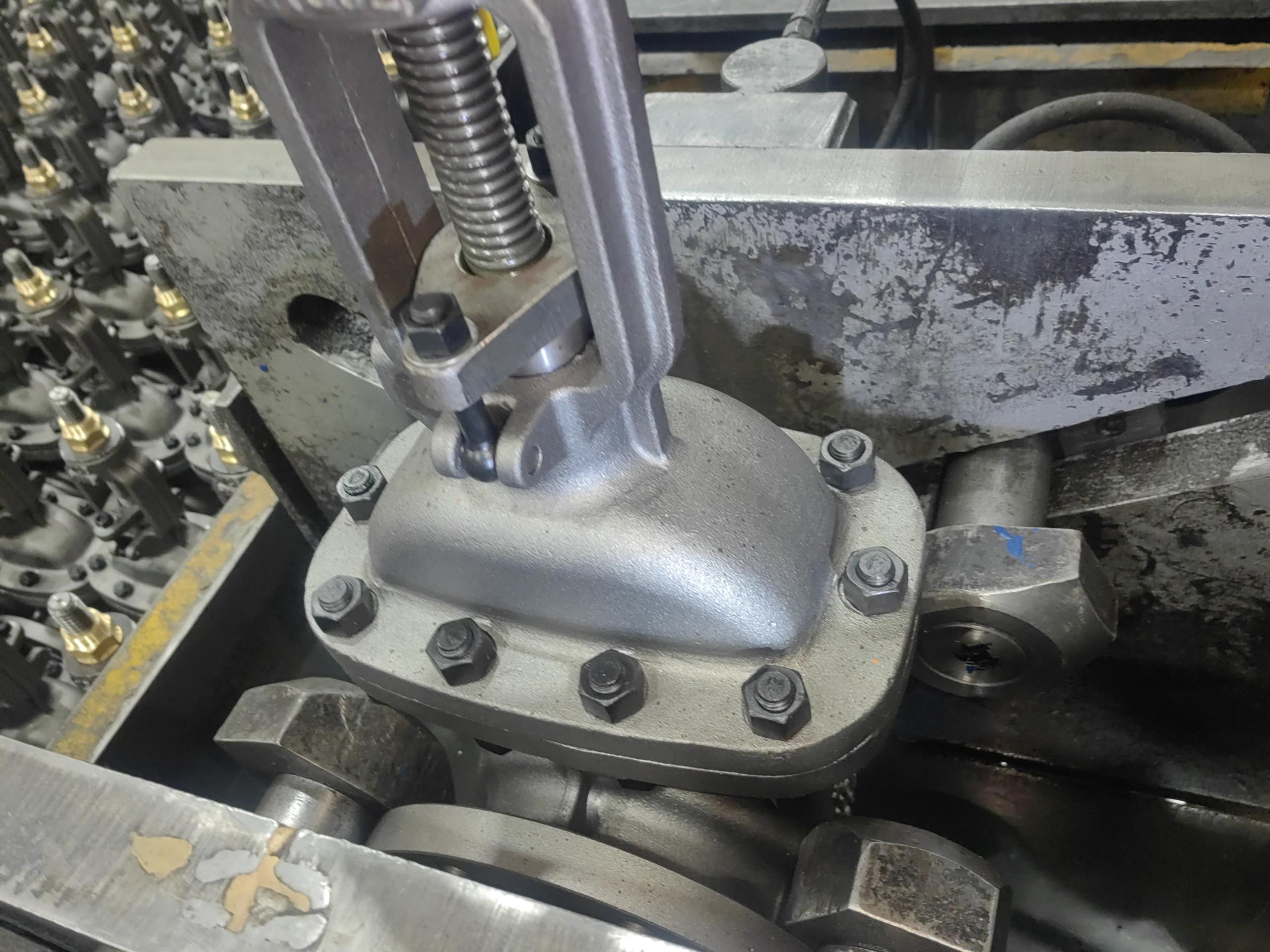
High-Pressure and High-Temperature Scenarios
Both gate and ball valves work well in tough conditions. Gate valves are better for high-pressure jobs like oil pipelines and power plants. They are strong and handle heat, making them good for steam systems.
Ball valves are not as heat-resistant but are great for high-pressure jobs needing quick shut-off. They are used in chemical factories and heating systems. NTGD’s ball valves are tested to meet strict industry rules for strength and sealing.
| Test Item | Technical Requirement | Test Data & Results | Evaluation |
|---|---|---|---|
| Operational Performance Test | Nameplate Set Pressure: 7.2 MPa | Opening Pressure: 7.25 MPa, Discharge Pressure: 7.85 MPa, Reseating Pressure: 6.50 MPa, Lift Height: 11.55 mm | Pass |
| Sealing Test | Test Pressure: 6.52 MPa, Duration: ≥3 min | No visible leakage | Pass |
| Strength Test | Test Pressure: 63.0 MPa, Duration: ≥60s | No visible seepage, no structural damage | Pass |
| Discharge Coefficient Test | Nameplate Indicated Discharge Coefficient: 0.75 | Measured Discharge Coefficient: 0.81 | Pass |
Tip: Gate valves are better for high-pressure and heat. Ball valves are good for quick shut-offs in tough conditions.
Specific Use Cases for Gate Valves
Gate valves are great for stopping flow completely or keeping pressure steady. They work well in high-pressure systems and are used in many big projects. Here are some examples:
- Flood Protection: At Rivers Casino in Schenectady, NY, gate valves stop flooding. They block stormwater and protect the property from the Mohawk River’s rising water levels.
- Long-term Reliability: In Rochester, NY, a hydraulic system has used gate valves for over 100 years. Their strength and steady performance make them perfect for long-term use.
Gate valves are often used in city water systems to close parts of pipelines for repairs. They are also found in fire safety systems, ensuring water flows during emergencies. NTGD’s gate valves are built to handle tough jobs, offering strength and reliability.
Tip: Pick gate valves when you need strong shut-off and steady pressure for a long time.
Specific Use Cases for Ball Valves
Ball valves are best for quick shut-offs, tight seals, and easy care. They are used in industries like chemical plants, food factories, and heating systems. Here are some real-life examples:
- Nitrogen Purge/Vent Valve: In the USA, a metal-seated ball valve made a nitrogen system safer. It cut down on maintenance and met strict safety rules.
- Reactor Control/Block Valve: NatureWorks, LLC, fixed problems in their reactor system by using a ball valve. This change made the system more reliable and efficient.
People using NTGD’s ball valves report fewer leaks and better system performance. These valves are also great for homes, like outdoor faucets and sprinklers, because they are easy to use and last long.
Note: Use ball valves when you need fast, reliable shut-offs with little maintenance.
Gate Valve vs Ball Valve: Picking the Best Option
Things to Think About
When choosing between a gate valve and a ball valve, consider key points. First, check material compatibility. The valve material should resist rust and work with the fluid. For instance, stainless steel is good for harsh liquids, while brass fits water systems.
Next, look at flow characteristics. Gate valves are great for low-pressure drop needs. Ball valves are better for quick shut-offs and some flow control. Also, think about how the valve operates. Manual valves are cheaper for simple tasks. Automated valves, like actuated ball valves, are precise for industrial jobs.
Other important things include meeting safety rules, easy maintenance, and handling pressure and heat. Use this table to help decide:
| What to Check | Why It Matters |
|---|---|
| Material Compatibility | Pick materials that won’t rust or fail with the fluid. |
| Flow Characteristics | Match the valve’s flow abilities to your system’s needs. |
| Operation and Actuation | Decide between manual or automated based on control needs. |
| Compliance with Standards | Ensure the valve meets safety and legal requirements. |
| Maintenance Considerations | Check if it’s easy to fix and find parts for long use. |
Tip: Always confirm the valve’s pressure and heat limits to avoid problems.
Picking between gate valves and ball valves depends on what you need. Both have their own benefits and drawbacks:
- Gate Valve Benefits:
- Minimal pressure loss when fully open
- Great sealing for stopping flow completely
- Works well in large systems with high flow
- Ball Valve Benefits:
- Fast to use with a simple 90-degree turn
- Small size, perfect for tight spaces
- Good for on/off control and some flow adjustments
| Feature | Gate Valve | Ball Valve |
|---|---|---|
| Speed of Operation | Slower, needs several turns | Fast, only a 90-degree turn |
| Flow Control Ability | Best for full flow or complete shut-off | Works for on/off and some flow adjustments |
| Maintenance Needs | Needs frequent cleaning, can trap debris | Low upkeep, strong and long-lasting |
Think about your system’s needs, like performance, materials, and upkeep. For reliable and efficient use, NTGD provides top-quality gate valves and ball valves for many uses. Always pick the right valve for your system to get the best results.
Tip: Pick gate valves for precise control in high-pressure systems. Use ball valves for quick shut-offs and easy maintenance.
