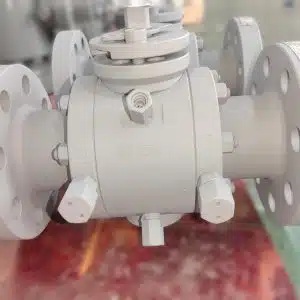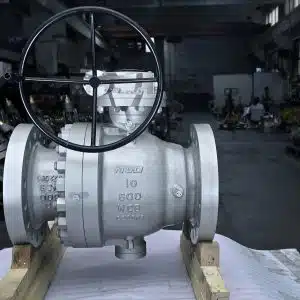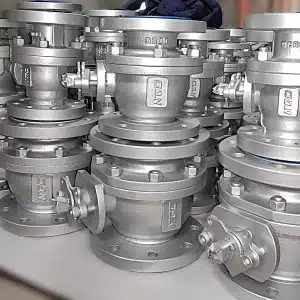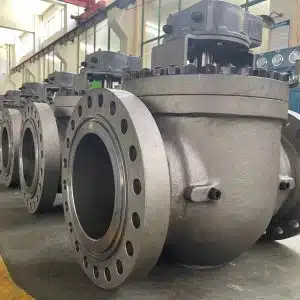
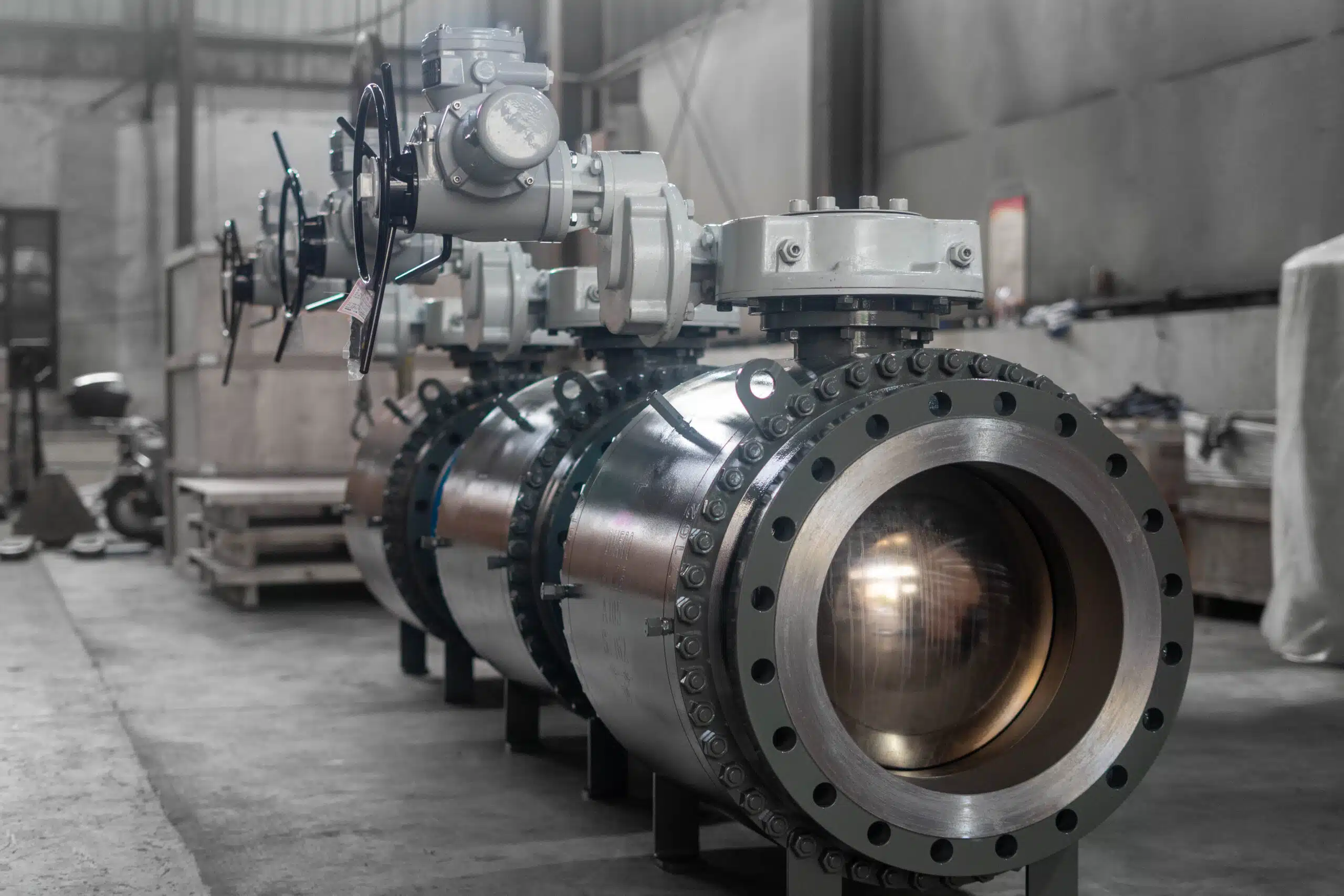
You use an Electric Ball Valve to control how fluids move. It gives you accurate control and is easy to use. This valve uses an electric actuator. You can automate things and change flow from far away. Manual ball valves need you to turn a handle. Electric models switch often and work well with control systems.
| Feature | Manual Ball Valves | Electric Ball Valves |
|---|---|---|
| Operation Method | Handle or handwheel | Electric actuator |
| Automation Level | Low | High |
| Applicability | Small systems | Large, frequent switching |
| Performance | Simple, good sealing | Superior flow, precise |
| Price | Lower | Higher |
You can pick two-way or three-way types. You can choose brass or stainless steel for strength. You can select voltages like 115 VAC, 220 VAC, 24 VAC, 24 VDC, and 12 VDC.
Key Takeaways
- Electric ball valves let you control fluid flow very well. They work great for machines and remote use.
- You need to check and clean electric ball valves often. This helps them last longer and work better.
- Pick the right size, material, and voltage for your electric ball valve. This keeps it working safely and well.
- Electric ball valves use less energy than pneumatic or hydraulic systems. This saves money and means you do not need to fix them as much.
- Learn about the types and setups of electric ball valves. This helps you choose the best one for your needs.
Electric Ball Valve Overview
Definition
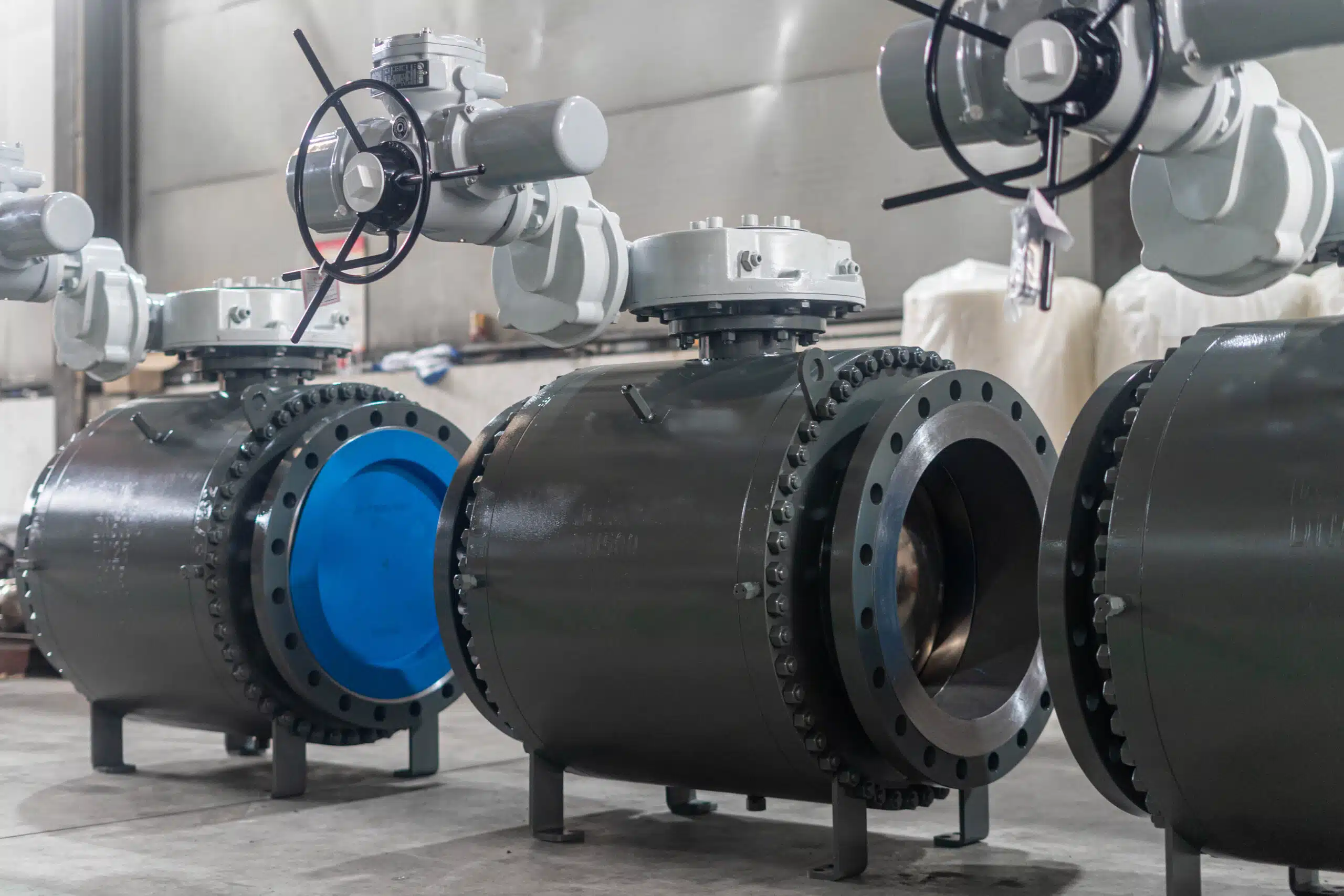
You see an electric ball valve in many machines. It uses an electric actuator to open or close. Experts say it is a regular ball valve with an electric actuator on it. Most actuators use ISO 5211 rules for mounting. This setup lets you control fluid flow well and safely.
- An electric ball valve is a ball valve with an electric actuator.
- The actuator uses ISO 5211 rules for mounting.
- You can use it to control fluids from far away.
Components
It is important to know the main parts of an electric ball valve. Each part helps the valve work safely and well.
- Valve stem: Connects the ball inside to the actuator so it can turn.
- O-ring: Stops leaks between the stem and the housing.
- Valve housing: Keeps the inside parts safe and connects to pipes.
- Rotary ball: Turns to let fluid pass or block it.
- Valve seats: Make a tight seal between the ball and the housing.
Tip: Check these parts when you do maintenance. This helps your electric ball valve last longer.
Configurations
There are different types of electric ball valves. Each type is good for certain jobs. The table below shows the most common types, their port shapes, and where you use them.
| Type of Valve | Port Configuration | Common Applications |
|---|---|---|
| 2-way Full Port | Full | Mixing fluids, stopping fluids from separating |
| 3-way T Port | T | Controlling flow in two lines, letting one line flow and stopping the other |
| 3-way L Port | L | Mixing fluids in order, good for mixing steps |
Pick a 2-way full port valve if you want to mix fluids or keep them together. A 3-way T port valve helps you control flow between two lines. If you need to mix fluids in steps, use a 3-way L port valve.
How It Works
Operation
You use an Electric Ball Valve to control fluid flow with electricity. The valve has a motor and gears that turn the ball inside. This turning opens or closes the path for fluid. Each part works together to make the valve move.
| Component | Description |
|---|---|
| Drive Mechanism | A special motor turns gears. This changes fast, weak motion into slow, strong turning. |
| Travel Control | Limit switches stop the motor when the valve is open or closed. You can adjust these switches. |
| Torque Protection | Clutches or sensors shut off power and send alarms if the valve gets stuck. This keeps things safe. |
| Position Feedback | Sensors show the valve’s position to your control system. |
| Control Modes | On/Off mode opens or closes the valve all the way. Modulating mode lets you set the valve at any angle for better flow control. |
Tip: Modulating control helps you set flow rates just right for mixing or adding chemicals.
Actuator
The actuator is the main part of the Electric Ball Valve. It turns electrical energy into movement. Here is what happens:
- The actuator uses a motor to make rotary force.
- The motor turns the ball valve in a quarter turn.
- Gears connect the motor to the valve stem. This gives enough force to move the valve.
- You can use AC or DC voltage to power the actuator.
- Limit switches stop the motor when the valve is fully open or closed.
- The actuator can also set the valve at any angle for modulating control.
Control Methods
You can control an Electric Ball Valve in different ways. Motors and gears help you put the valve in the right spot. Electronics let you program how the valve works. You can run checks to make sure everything is working. These smart controls help your system change and keep flow steady. You get better safety and can make your process work better.
Features
Materials
You can pick from many materials for an Electric Ball Valve. Each one has special uses and works best in certain places. Stainless steel does not rust and lasts a long time. PVC is light and good for water and some chemicals. Zinc alloys are strong and do not rust easily. Aluminum is light and lets heat and electricity pass through. Seals and gaskets use PTFE, EPDM rubber, or Viton to stop leaks.
| Material | Properties | Limitations |
|---|---|---|
| Stainless Steel | Strong, durable, highly corrosion-resistant | Higher cost, not for all chemicals |
| PVC | Lightweight, corrosion-resistant | Not for high temperatures, some solvents |
| Zinc | Strong with copper, resists corrosion | Pure zinc can corrode in some places |
| Aluminum | Lightweight, good conductivity | Can corrode in harsh chemicals |
| Seals/Gaskets | Leak-proof with PTFE, EPDM, Viton | Must match application and fluid |
Tip: Use stainless steel for hard jobs. Pick PVC for water and light chemicals.
Manual Override
You can use your hand to move the valve if power goes out. This keeps your system working and lets you make fast changes. You can shut off parts for repairs without stopping everything. The clutch keeps hand and motor controls apart, so you stay safe.
- You can move the valve by hand during power loss.
- You can fix things without turning off the whole system.
- You follow safety rules for emergencies.
- The clutch keeps hand and motor controls from mixing.
Cycle Lifespan
You want a valve that works for many open and close cycles. Electric ball valves can last for about 100,000 cycles. How long it lasts depends on how much you use it, what flows inside, and the pressure or heat. If you use it a lot, check and fix it more often.
- Most valves last for 100,000 cycles.
- How long it lasts changes with use, fluid, and pressure.
- If you use it a lot, check and fix it more.
Voltage Options
You can choose from many voltage types for your system. Lower voltages (9 to 24V AC/DC) can find the right voltage by themselves and need longer cycles to work best. Higher voltages (110 to 230V AC) close the valve all the way and work better with short cycles.
| Voltage Range | Performance Implications |
|---|---|
| 9 to 24V AC/DC | Finds voltage by itself, needs 60-second cycles |
| 110 to 230V AC | Closes fully, short cycles may not work as well |
Note: Always use the right voltage for your control system. This keeps things safe and working well.
Benefits
Automation
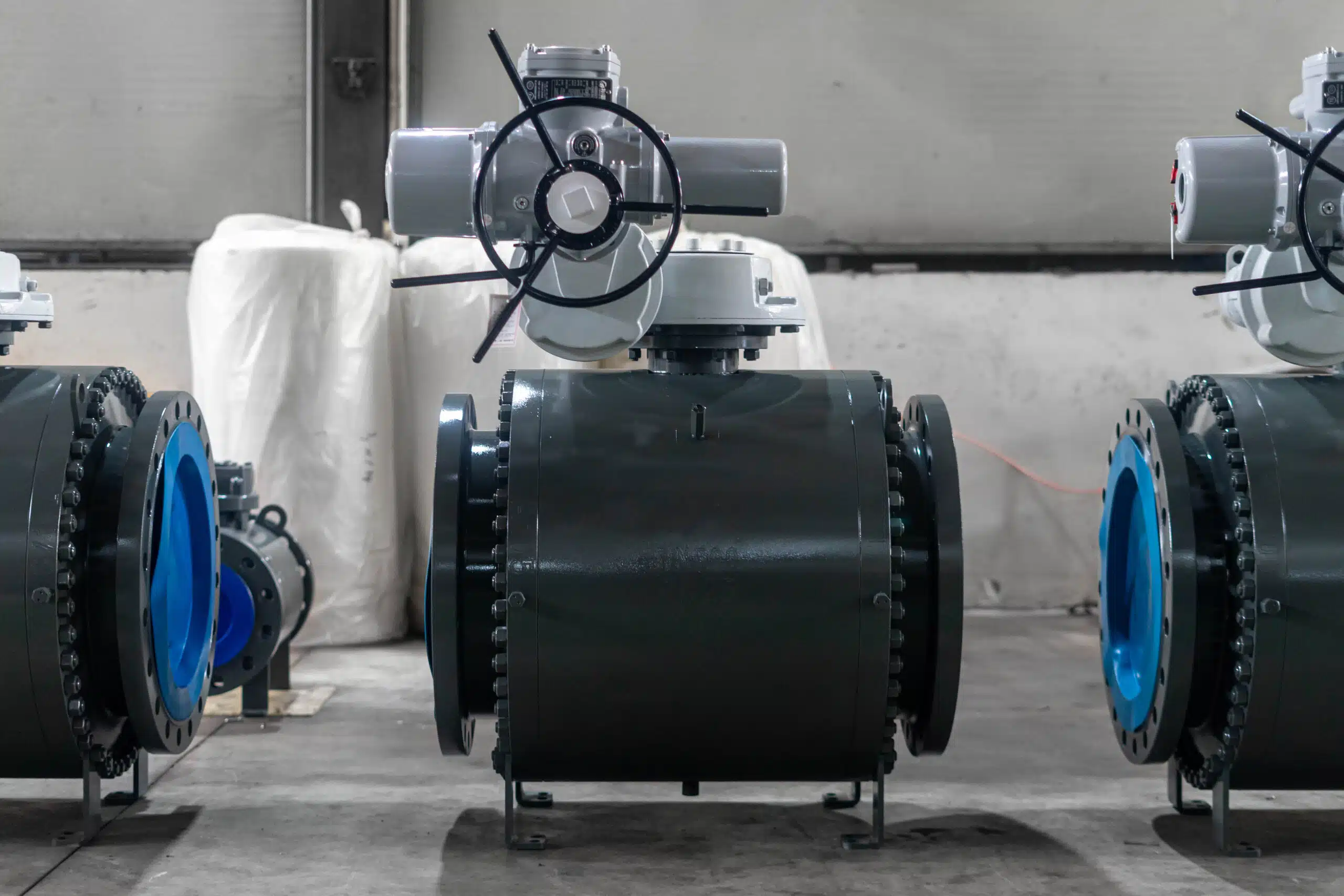
Automation makes your system smarter. Electric ball valves help you control fluids better. They make fewer mistakes than people. You can change how much fluid moves very fast. This helps your products stay good. Fast changes mean your work does not stop much. You finish more work in less time. You can watch the system as it works. This helps you find problems early and fix them. Automated valves use less energy because they only work when needed.
- You do not make human mistakes.
- You control fluids very well.
- You react quickly to changes.
- You stop problems before they get big.
- You save energy by changing flow as needed.
Flow Rate
You can set flow rates very exactly. Electric ball valves let you pick the right amount of fluid. You can move the valve for mixing or adding fluids. This keeps your process steady and your products the same. Fast changes help you reach your goals.
Reliability
You want your system to work every time. Electric ball valves are very reliable. You can check for leaks and watch pressure and torque. You know when parts need fixing before they break. The table below shows how you check if the valve works well:
| Reliability Metric | Description |
|---|---|
| Leakage Detection | You find leaks by checking pressure and torque during tests. |
| Pressure and Torque Analysis | You watch pressure and torque to see how well the valve works. |
| Component Performance | You test seals and other parts to learn when they might fail. |
Safety
Electric ball valves help keep your system safe. You control fluid flow very carefully. This protects your equipment. Fast shut-off helps you act quickly in emergencies. You lower the chance of leaks and other dangers. Modern controls let you watch everything and act fast if something is wrong.
Comparison
Electric ball valves work better than pneumatic or hydraulic ones. Electric types use power only when moving. This saves energy. They can be over 80% efficient. Pneumatic systems use energy all the time and are only 10-15% efficient. You spend less time fixing electric ball valves because they have fewer parts. Smart checks help you plan repairs before things break.
- Electric ball valves use less energy.
- You get better efficiency.
- You do not need much maintenance.
- You can fix problems before they get worse.
Applications
Industrial
Electric ball valves are used in many factories. They help control water, chemicals, and gases very well. You can find them in:
- Water and wastewater systems
- AC and HVAC units
- Process control setups
- Oil and gas pipes
- Chemical plants
- Farms and irrigation
- Fire safety systems
When picking a valve for a factory, check these things:
- Make sure it works with your system’s pressure and heat.
- Pick materials that do not rust or break with your fluid.
- Use special valves for flow, like V-port or trunnion-mounted ones.
- See if the valve fits your pipes and space.
- Decide if you want remote or automatic control.
- Choose valves that are easy to fix and have extra parts.
Tip: Always match the valve’s rating to your system. This keeps things safe and helps the valve last longer.
Commercial
Electric ball valves are used in stores and offices. They help save energy and keep things working well. Here is what they do in building systems:
| Application Area | Benefit |
|---|---|
| HVAC Systems | Save energy by up to 35% with better control |
| Building Automation | Let you control things from far away and keep rooms comfortable |
You also see these valves in water cleaning, factories, and other smart systems. They make buildings work better and use less energy.
Food and Chemical
Food and chemical factories need clean and safe valves. Stainless steel valves are used to follow health rules. All parts that touch food or chemicals are shiny and smooth. Seals use safe materials like food-grade silicone or PTFE. These steps stop germs and keep products safe.
New rules say ball valves must be “clean-out-of-place.” You need to check your cleaning steps to follow these rules. If you do not, you might get fined or have to recall products.
Mixing and Diverting
Electric ball valves help mix and move fluids. Three-way valves mix hot and cold water or send fluids different ways. T-port valves mix fluids together. L-port valves switch flow between pipes. These valves give quick and steady control. You can manage fluids exactly, which is important for many jobs.
Choosing Electric Ball Valve
Picking the right valve helps your system work well. You should think about a few important things before you choose. NTGD is a brand that many people trust for good quality.
Size
You need to pick the right size for your job. If you choose the wrong size, you might get leaks or bad flow. Here are some things to think about:
- Media Type: The kind of liquid or gas you use changes what size and material you need. Some fluids need special materials so they do not get damaged.
- Application Conditions: Look at the temperature, pressure, and flow rate. These numbers help you find the best size for your system.
- Valve Function: Decide if you want the valve to turn on and off or to mix things. This choice changes what size and type you need.
- Maintenance Requirements: Ball valves are easy to clean and fix. If you need to work on them a lot, pick a size that is easy to reach.
Tip: Always match the valve size to your pipe and how much fluid you need. This keeps your system safe and working well.
Material
You need to pick a material that fits your job. The right material helps your valve last longer and stops leaks or dirty fluids. Think about these things:
- Corrosion resistance keeps your valve strong with harsh fluids.
- Chemical compatibility means the valve does not react with your fluid.
- Non-contaminating qualities keep your fluid clean, which is important for food or medicine.
- Temperature and pressure endurance lets the valve work in tough places without breaking.
Stainless steel is good for strong chemicals and high pressure. PVC works well for water and light chemicals. NTGD has valves in many materials for your needs.
Voltage
You must pick a voltage that matches your control system. Common choices are 24V DC, 110V AC, and 220V AC. Low voltage is good for small systems. High voltage is better for big setups. Always check your power before you buy.
Note: Using the wrong voltage can break the actuator or cause safety problems.
Environment
Where you use your valve changes how it works. You should think about temperature, humidity, and chemicals.
- Hot or cold places can change how the valve and actuator work.
- Humidity can make water drops that hurt electrical parts.
- Some places need valves with special protection, like IP65, to keep out water or dust.
If you work in a tough place, NTGD has models with extra protection.
Standards
You need to check for certifications and standards before you buy. These show the valve is safe and good quality. Here are some common certifications:
| Certification | Description |
|---|---|
| SIL | Checks safety for risky jobs. |
| CE | Shows the valve meets EU health and safety rules. |
| UL | Proves the valve is safe for North America. |
| CSA | Confirms safety for Canada. |
| API | Needed for oil and gas work. |
| ATEX | Needed for explosive areas. |
| ISO | Sets quality management rules. |
| IEC 60529 | Defines protection against dust and water. |
| NEMA ratings | Lists enclosure types for electrical parts. |
You might also need DNV GL or Lloyd’s Register for ships, 3-A Sanitary Standards for food, and FDA or GMP for medicine. NTGD valves often meet these standards, so they are safe for many jobs.
Tip: Always ask for certification papers before you put in a new valve.
Choosing the right Electric Ball Valve keeps your system safe, reliable, and easy to fix. You get better results and fewer problems when you pick the right valve for your needs.
Installation
Preparation
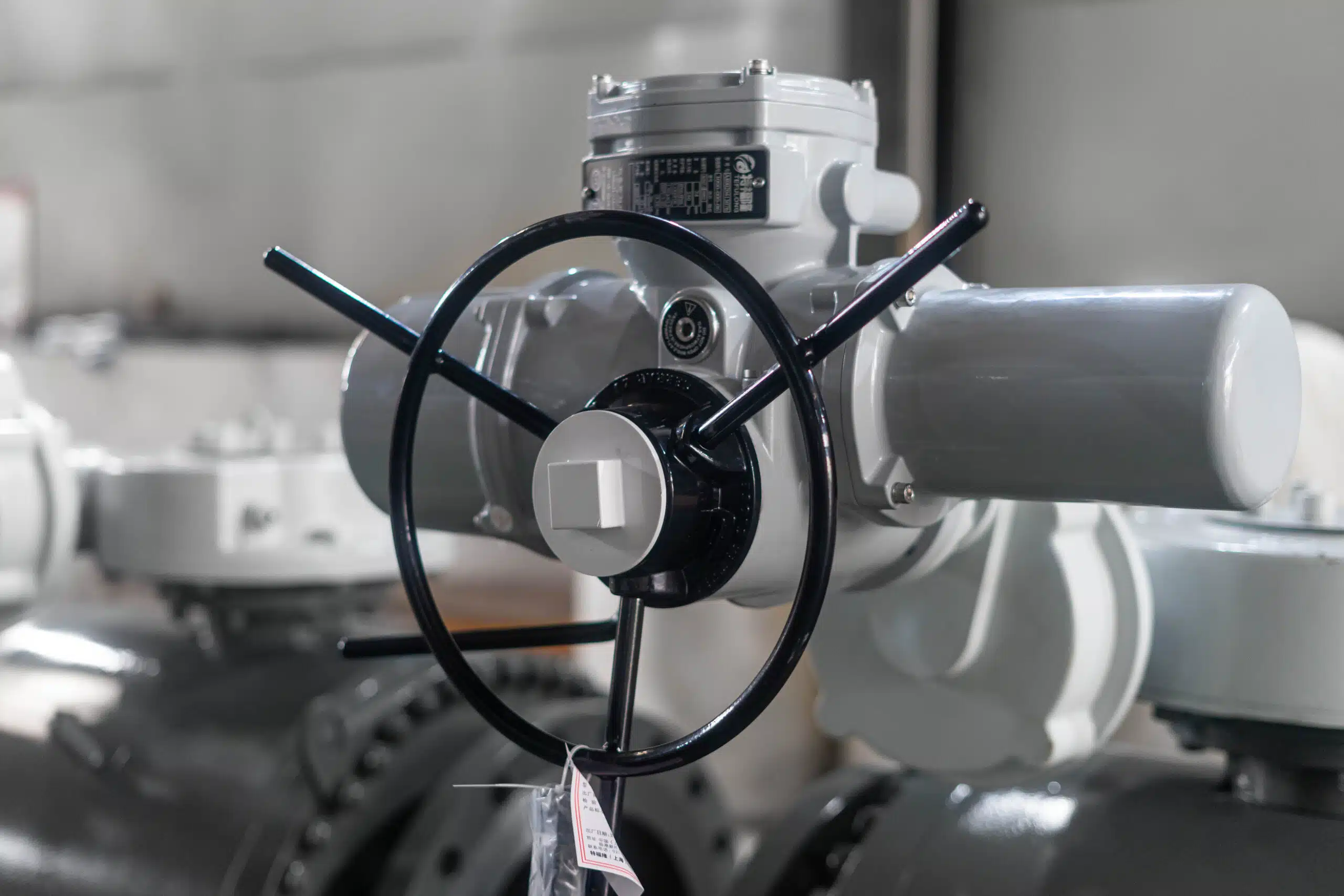
You need to prepare before installing an electric ball valve. Start by gathering your tools. You will need adjustable wrenches, pipe wrenches, Teflon tape, and the valve itself. Learn about the valve’s parts, such as the actuator and body, so you know how they fit together. Make sure the system is safe. Depressurize the pipes, isolate the valve area, and turn off all power. Wear safety gear like gloves and goggles. Check that the valve works and has no damage. Clean the valve hole to prevent problems.
Tip: A clean and safe workspace helps you avoid mistakes and injuries.
Steps
Follow these steps to install your electric ball valve:
- Power off the system and drain any fluid from the pipes.
- Prepare the front and rear pipelines. Make sure they are straight and clean.
- Place the valve on the pipeline. Check the orientation so the actuator faces the right way.
- Add sealing gaskets. Tighten bolts evenly to avoid leaks.
- Connect actuator wires using the manufacturer’s instructions.
- Secure and insulate all wiring connections.
- Restore power to the system.
- Test the valve by sending open and close signals. Watch for smooth movement.
- If your valve uses air, connect the pneumatic line and check for leaks.
Always wear protective equipment and keep the work area clear.
Best Practices
You want your electric ball valve to last and work well. Inspect the valve often for leaks, corrosion, or strange sounds. Use the right lubricant to keep moving parts smooth and prevent rust. Clean the valve and remove debris to stop blockages. Train your team to handle and maintain the valve. Keep records of all checks and repairs. For tough problems, ask a professional for help.
| Best Practice | Why It Matters |
|---|---|
| Regular Inspections | Find problems early |
| Proper Lubrication | Reduce friction and corrosion |
| Cleaning Debris | Prevent blockages |
| Training Staff | Improve maintenance |
| Professional Support | Fix complex issues |
Note: Good habits help your valve work longer and keep your system safe.
Maintenance
Routine Care
You keep your electric ball valve working well by following a few simple steps. Start with proper installation. Make sure you fit the valve correctly and use the right tools. This helps prevent leaks and early damage. Clean the valve often. Dirt and debris can block the valve or cause it to stick. Use a soft brush or cloth to wipe away buildup. Lubricate moving parts if the manufacturer recommends it. This reduces friction and helps the valve last longer. Inspect the valve on a regular schedule. Look for signs of wear, leaks, or corrosion. If you use a Y-strainer, you can stop debris from reaching the valve.
Routine Maintenance Checklist:
- Check for leaks and corrosion.
- Clean the valve body and actuator.
- Lubricate moving parts as needed.
- Inspect electrical connections.
- Test valve operation.
Tip: Plan downtime for maintenance. This lets you work safely and avoids sudden breakdowns.
Troubleshooting
Sometimes, you may notice problems with your electric ball valve. The valve may not open or close fully. You might hear strange noises or see leaks. If this happens, check the power supply first. Make sure all wires connect tightly. Look for signs of dirt or debris inside the valve. Clean the valve if you find buildup. If the actuator does not move, check for blown fuses or tripped breakers. Listen for grinding or clicking sounds. These can mean worn gears or a stuck ball.
| Problem | Possible Cause | Solution |
|---|---|---|
| Valve not moving | Power loss | Check wiring and power |
| Leaking | Worn seals | Replace seals |
| Noisy operation | Debris or dry gears | Clean and lubricate |
Repair or Replace
You can fix many small problems with cleaning or new seals. If you see deep corrosion or broken parts, you may need to replace the valve. Always use parts that match the original. If the actuator fails, check if you can repair it or if you need a new one. When in doubt, ask a professional for help. Keeping good records of repairs helps you spot patterns and plan future maintenance.
Note: Regular care and quick repairs help your electric ball valve last longer and work better.
You now know how electric ball valves work and why they help many systems. These valves give you strong control, safety, and easy automation. Use this guide to pick, install, and care for your valve. If you have special needs, talk to an expert or check different brands.
Remember: The right valve keeps your system safe and running well.