
Resilient-seated gate valves are very important in oil and gas. These valves have a rubber-coated disc that stops leaks. This helps control the flow of liquids perfectly. They are used to manage pipelines and keep systems working well. Their design reduces leaks and works great in tough conditions. Using these gate valves can make work faster and cut down delays. They are trusted for jobs where safety and good performance are a must.
Key Takeaways
- Resilient-seated gate valves seal tightly, stopping leaks under pressure. This helps move fluids safely and efficiently.
- These valves need less care than others, saving time and money. They last longer, so repairs and replacements are rare.
- Simple checks and care can make these valves last longer. Clean them, grease thae stem, and check for leaks often.
- Using these valves makes systems work better on land or at sea. They handle tough conditions well, making them a good choice.
- Always follow rules when choosing and caring for valves. This keeps systems safe, working well, and meeting industry standards.
Understanding Resilient-Seated Gate Valves
Structure and Components
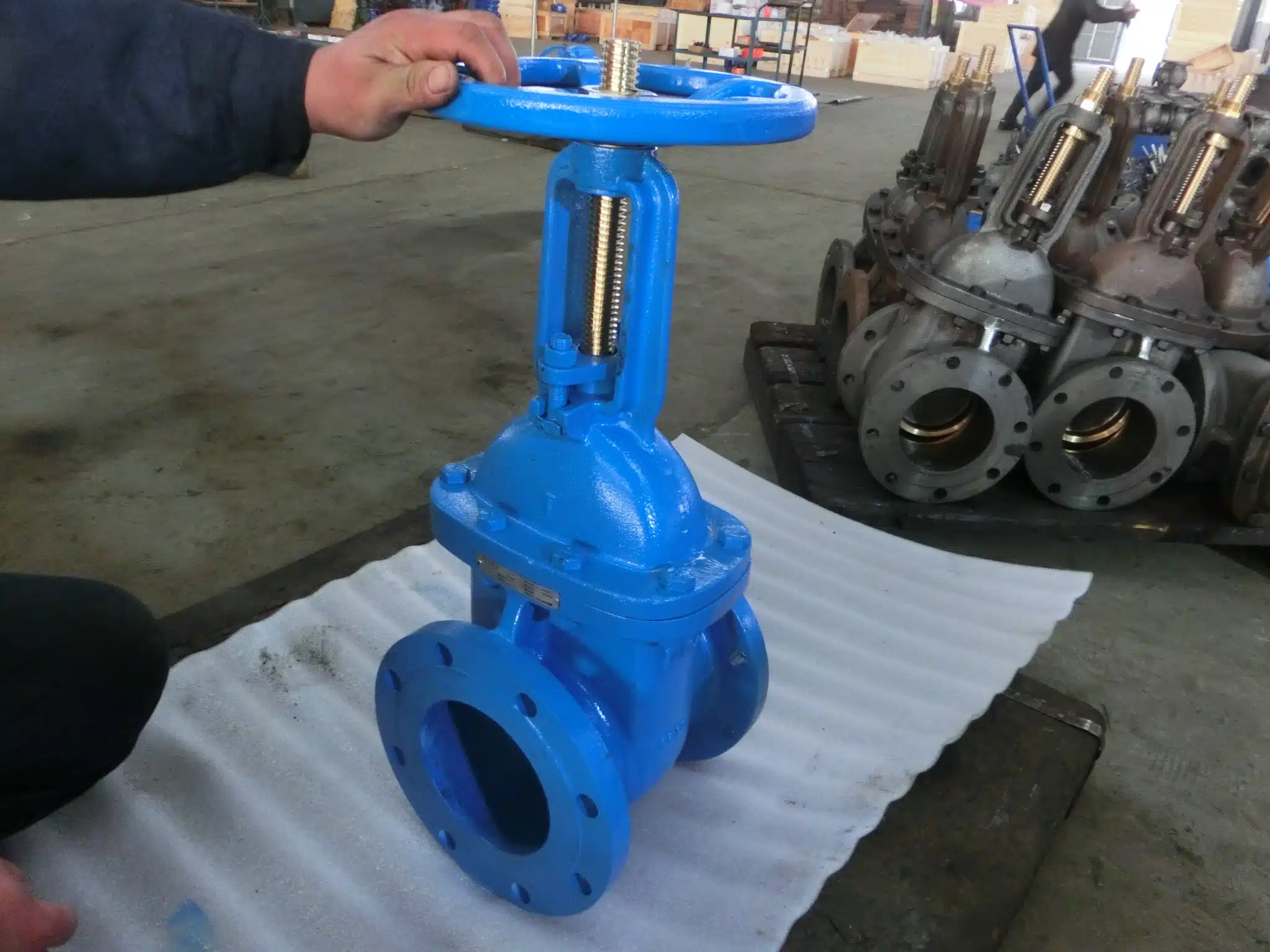
Resilient-seated gate valves are simple and work well. They have five main parts: body, bonnet, gate, stem, and seat. The body is the strong outer shell that protects the valve. The bonnet is on top and helps with repairs. The gate, covered in rubber, moves to control flow. The stem connects the gate to the handwheel or actuator for operation. The seat, made of soft material, seals tightly when the gate closes. This design stops leaks and makes the valve reliable.
How They Work
These valves are easy to use. Turning the handwheel or actuator moves the gate up or down. When the gate goes up, fluid flows through the valve. When the gate goes down, it blocks the flow completely. The rubber on the gate presses against the seat to stop leaks. This design gives you control over the flow, even in high-pressure systems. These valves work well in tough conditions and are very dependable.
Key Features and Benefits
Resilient-seated gate valves have many good features. They seal tightly to stop leaks, even under high pressure. This lowers the chance of system problems. They need less fixing than other valves, saving time and money. They are strong and last a long time, even in rough conditions. The table below shows their benefits:
| Benefit | Description |
|---|---|
| Strong Sealing | The soft seat presses against the gate, stopping leaks even under high pressure. |
| Low Maintenance | These valves need fewer repairs, cutting down costs. |
| Long-Lasting | Built to last, they work well for years in tough places. |
Using resilient-seated gate valves helps systems run smoothly and reliably.
Advantages of Resilient-Seated Gate Valves
Great Sealing Abilities
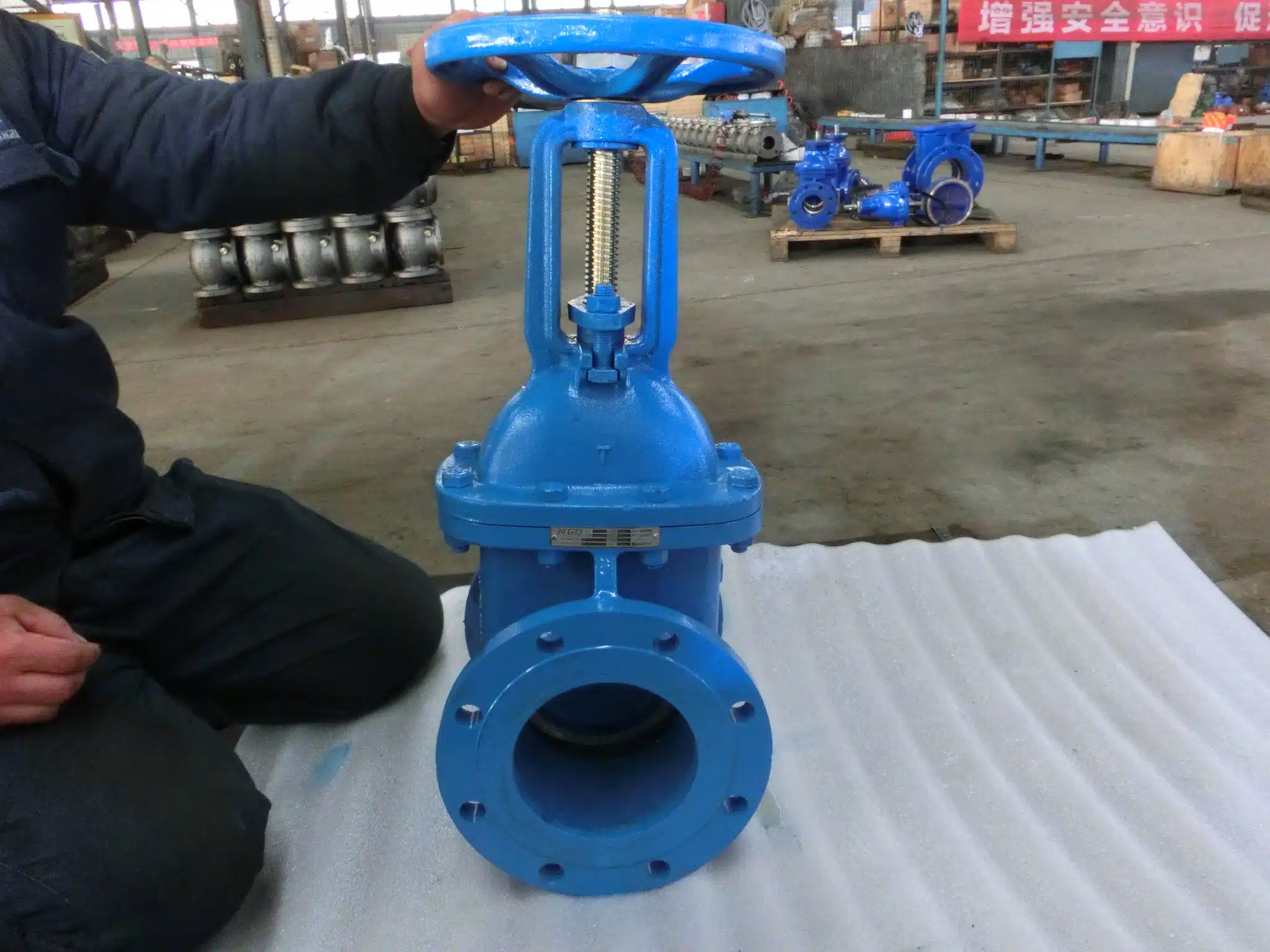
Resilient-seated gate valves stop leaks very well. The rubber-coated gate fits tightly against the seat. This fills small gaps and prevents leaks, even in tough situations. These valves seal better than metal-seated ones. They help avoid leaks, lowering the chance of system problems.
These valves also need less fixing. Their strong seal lasts a long time, so repairs are rare. This makes them a good choice for jobs needing reliable tools.
Strong in High-Pressure Systems
These valves work well in high-pressure systems. Their tough design handles hard use without breaking. The rubber-coated gate and strong body resist damage over time.
They can handle extreme conditions without losing performance. This makes them great for both land and sea operations. Their strength keeps systems running, even in harsh places.
Saves Money and Lasts Long
Using these valves can save money over time. They don’t need much fixing, which lowers repair costs. They also last a long time, so replacements are rare.
These valves are made to work well for years. They stay strong in tough conditions, making them a smart choice. By using these valves, you can save money and improve how your system works.
Easy Maintenance Needs
Resilient-seated gate valves are simple to maintain. Their design reduces damage, so repairs are rare. These valves work well without needing constant care. This makes them perfect for industries like oil and gas, where stopping work can cost a lot.
Tip: Check your valves often to make them last longer. Look for dirt or damage on the rubber-coated gate and seat.
These valves are strong and need little upkeep. The rubber-coated gate resists scratches from rough materials. The soft seat seals tightly without wearing out quickly. You won’t need to fix or replace parts often, saving time and money.
Steps to Maintain Resilient-Seated Gate Valves:
- Check the Gate and Seat: Look for damage or wear. Replace the rubber coating if needed.
- Clean the Valve Body: Remove dirt or buildup that could cause problems.
- Oil the Stem: Add lubricant to the stem for smooth movement.
- Test the Seal: Close the valve fully and check for any leaks.
Following these steps keeps your valves working well with little effort.
These valves are easy to care for and don’t need special tools. Most maintenance can be done with basic items. This makes them easy to handle for workers of all skill levels.
Using resilient-seated gate valves ensures they work well with little maintenance. Their strong build and simple design make them a smart, long-lasting choice.
Applications in the Oil and Gas Industry
Managing Fluid Flow in Pipelines
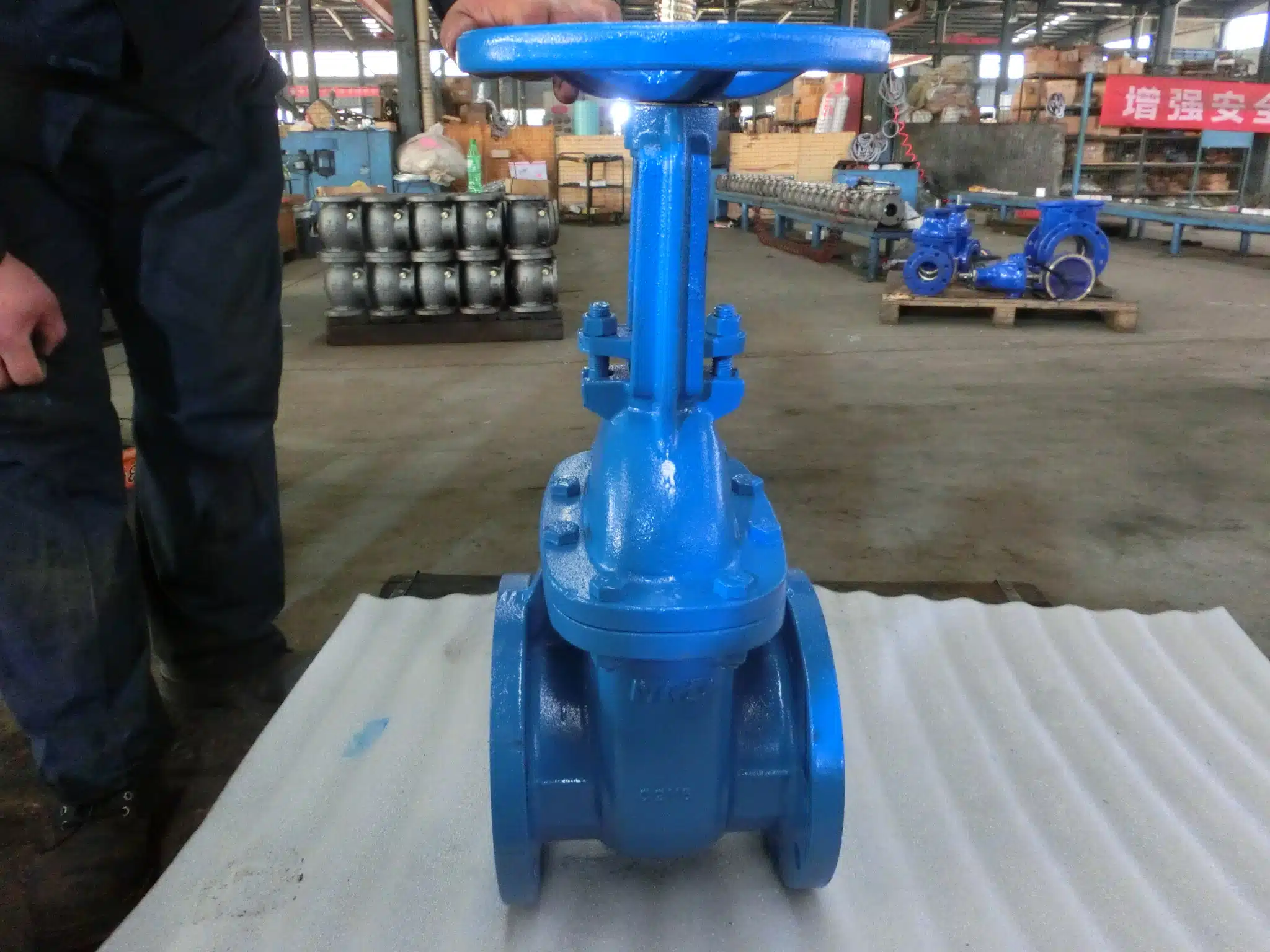
Resilient-seated gate valves help control fluid flow in pipelines. These valves manage oil, gas, and liquids with great accuracy. Their tight seal stops leaks, making fluid transport safe and efficient.
They work well in systems that open and close often. The rubber-coated gate moves smoothly, reducing damage over time. This makes them perfect for pipelines with heavy use or changing pressure.
Note: Check pipeline valves often to keep them working well.
Use in High-Pressure and Corrosive Systems
These valves are strong and work in tough conditions. They handle high pressure and resist damage from corrosive materials. The rubber-coated gate and sturdy body stay durable against saltwater and chemicals.
More companies now use these valves in harsh environments. They seal tightly and meet strict environmental rules, improving efficiency.
These valves lower the chance of costly system failures. Using them keeps operations safe and reliable, even in extreme conditions.
Offshore and Onshore Operations
Resilient-seated gate valves work well offshore and onshore. Offshore platforms face high pressure, seawater, and limited repairs. These valves are durable and need little maintenance in such places.
Onshore sites benefit from their ability to handle large fluid amounts. They are great for pipelines, tanks, and processing units. Their long life and low upkeep make them a smart choice for onshore use.
Tip: Pick valves with good reviews for better reliability.
These valves are widely used both offshore and onshore. Their flexibility and dependability make them key for fluid control and system safety.
Examples of Common Use Cases
Resilient-seated gate valves are important in oil and gas work. They are reliable and useful for many tasks. Here are some examples where these valves are very helpful:
- Pipeline Isolation: These valves can block parts of a pipeline during repairs or emergencies. They seal tightly to stop leaks, even with high pressure. This makes them great for jobs where safety is very important.
- Storage Tank Systems: These valves help control the flow of oil, gas, or liquids in storage tanks. They handle large amounts of fluid without wearing out quickly, keeping things running smoothly.
- Water Injection Systems: Offshore drilling needs valves that resist damage from harsh environments. Resilient-seated gate valves work well in these tough conditions, staying strong and reliable.
- Emergency Shutdown Systems: In emergencies, fast and dependable valve action is key. These valves work quickly to shut systems down and avoid dangers.
Tip: Pick the right valve size and material for your job. This helps it last longer and work better.
These examples show how flexible resilient-seated gate valves are. Whether for pipelines, tanks, or offshore systems, they provide steady and trustworthy performance.
Best Practices for Installation and Maintenance
Installing Valves for Best Results
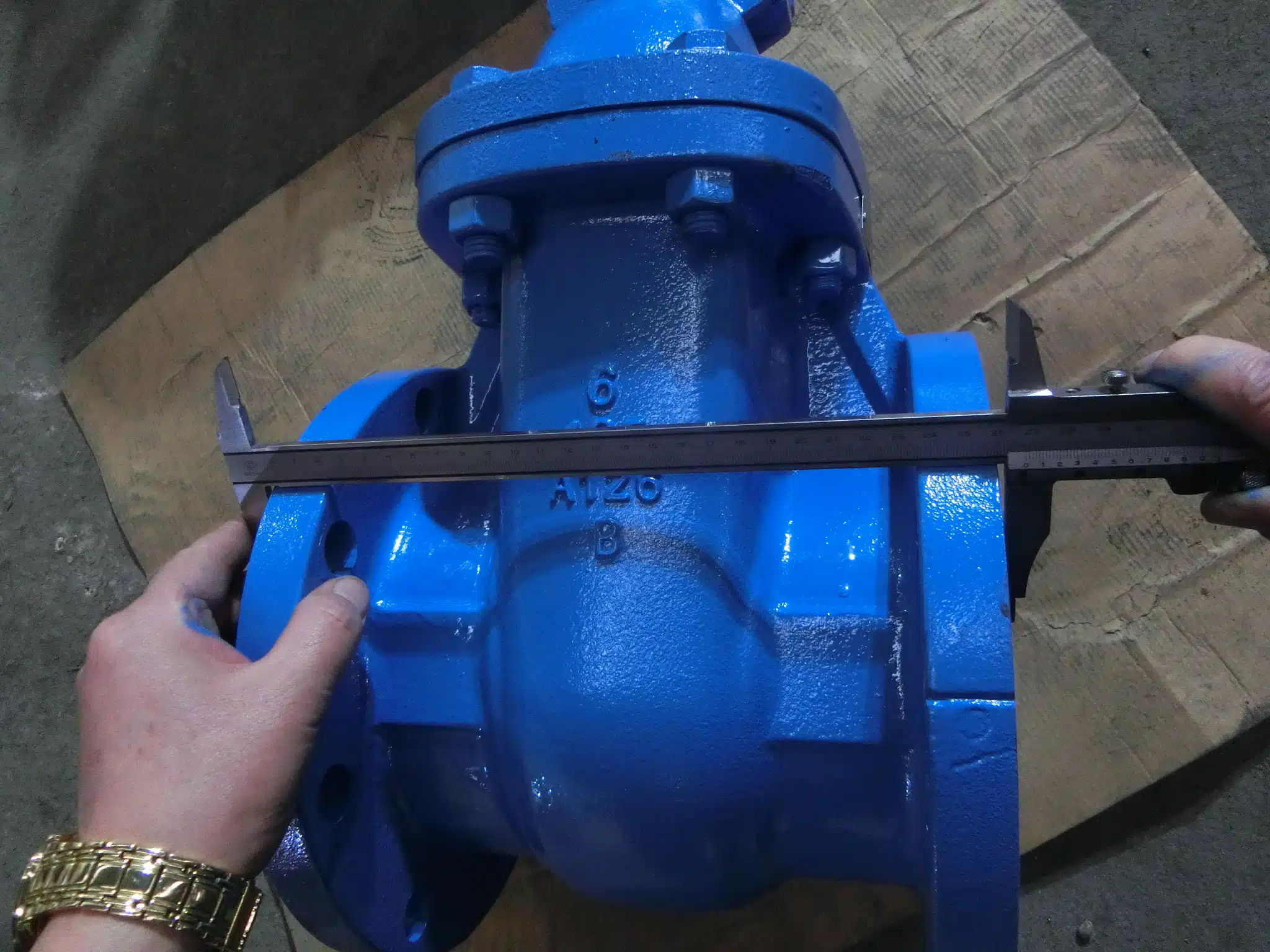
Installing resilient-seated gate valves the right way is important. Place the valve in the correct flow direction as shown by the maker. This helps avoid problems later. Before installing, check the pipes for dirt or buildup. Any debris can harm the valve or make it seal poorly.
When tightening bolts, don’t use too much force. Over-tightening can harm the rubber-coated gate or misalign the flanges. Aligning the flanges properly is key to stopping leaks and keeping a good seal. The table below compares installation effects on performance for resilient-seated and metal-seated gate valves:
| Aspect | Resilient-Seated Gate Valves | Metal-Seated Gate Valves |
|---|---|---|
| Sealing Capabilities | Better | Average |
| Maintenance Needs | Lower | Higher |
| Installation Guidelines | Easy alignment, proper torque | More difficult |
| Performance Suitability | Many uses | Limited |
Follow these steps to make the valve work well and avoid future problems.
Regular Checks and Maintenance Tips
Checking your valves often keeps them working well. Start by looking at the gate and seat for damage or wear. If the rubber coating is cracked or worn, replace it. Clean the valve body to remove dirt or buildup that might cause trouble.
Lubricate the stem to keep it moving smoothly and stop rust. Test the seal by closing the valve fully and checking for leaks. Fix any problems quickly to avoid bigger issues. Regular care makes the valve last longer and work better in tough conditions.
Tip: Check your valves regularly to spot problems early.
Fixing Common Valve Problems
Even with care, valves can have problems sometimes. Leaks are common and often caused by dirt stuck in the seat. Clean the valve and check the seat for damage. Replace the rubber coating if it’s worn to fix the seal.
If the valve is hard to move, the stem might need lubrication. Add oil to make it move easily. Misaligned flanges can also cause leaks or poor performance. Check the alignment and fix it if needed.
Note: Always use parts and tools recommended by the manufacturer for repairs.
Fixing problems quickly keeps your valves working well and avoids costly delays.
Following Industry Rules for Safety and Efficiency
Following industry rules helps resilient-seated gate valves work safely. It also ensures they perform well in oil and gas systems. These rules are important to meet laws and keep systems reliable.
Important Rules to Know
Some groups create rules for how valves should be made and tested. Here are key ones:
- API (American Petroleum Institute): API rules, like API 600 and API 609, explain how to design and test gate valves. These rules make sure valves are strong and safe under high pressure.
- ISO (International Organization for Standardization): ISO 5208 focuses on testing valve pressure to meet global quality standards.
- ASME (American Society of Mechanical Engineers): ASME B16.34 gives advice on valve materials and pressure ratings.
Tip: Always check the newest versions of these rules to stay updated.
How to Follow the Rules
- Buy Certified Valves: Get valves with API, ISO, or ASME certifications. Look for labels or papers from the maker.
- Check Valves Often: Inspect valves regularly to ensure they still follow the rules.
- Teach Your Team: Train workers about why rules matter and how to spot certified valves.
- Keep Records: Save documents about valve certifications, checks, and repairs. These help during inspections.
Why Following Rules Helps
Following rules prevents accidents and legal problems. It also makes systems work better and helps valves last longer. By following these guidelines, you keep your projects safe, reliable, and cost-effective.
Note: Breaking the rules can cause fines, accidents, or system failures. Always follow the rules to avoid problems.
By focusing on these rules, you meet legal needs and improve how your systems work.
Resilient-seated gate valves are key for smooth oil and gas work. They seal tightly, last long, and need little fixing. This makes them great for controlling fluids in tough places. Using these valves helps systems run better and reduces delays.
If you need tools that work well and last, choose resilient-seated gate valves. Adding them to your setup can boost reliability and meet industry needs.
Tip: Check what your system needs to pick the best valve.
