
Fire-safe ball valves are very important in dangerous places. They stop fire from spreading through pipes. These valves can handle very high heat. This keeps harmful materials safely inside. Their value is clear when you think about the dangers. In 2022, factories and industrial areas caused 30.5% of big fires. These fires led to $530 million in damages. Fire-safe valves have special heat sensors. They shut down equipment automatically if it gets too hot. Following safety rules makes sure these valves work well. They help protect people, property, and nature.
Key Takeaways
- Fire-safe ball valves stop fires by sealing leaks. They protect people and nature in dangerous industries.
- Pick valves with API 607 certification. This proves they follow strict safety rules and can handle high heat without leaks.
- Use materials like stainless steel or Inconel. These are strong and resist heat, lasting a long time.
- Add backup seals and anti-static parts. These make systems safer and lower fire risks.
- Check and care for fire-safe valves often. This keeps them working well and meeting safety rules.
Understanding Fire-Safe Ball Valves
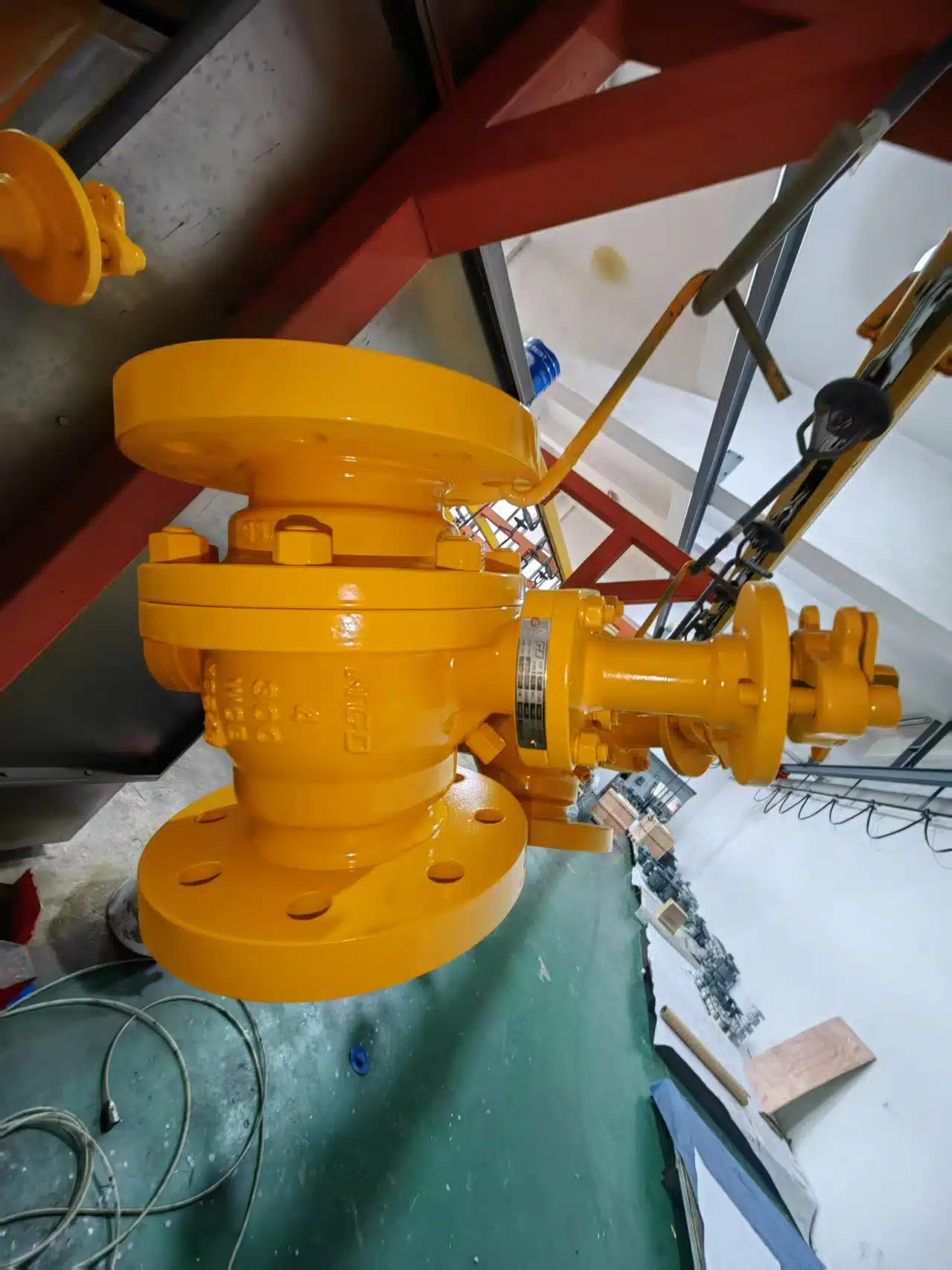
What are fire-safe ball valves?
Fire-safe ball valves are special valves made to stop fires from spreading. They keep dangerous materials sealed, even in very high heat. These ball valves are very important in industries like oil and gas, where fires can happen. To meet safety rules, fire-safe valves go through tough tests. One test, called the API 607 fire test, checks if they can handle fire without leaking.
| Certification Body | Standard | What It Tests |
|---|---|---|
| API | API 607 | Checks if valves stay sealed during a fire. |
| API | API 6FA | Tests valves in fire situations. |
| API | API 6FD | Tests valves under specific fire conditions. |
How are fire-safe ball valves different from regular valves?
Fire-safe valves are different from regular valves in key ways:
- They are made for pipes carrying flammable materials, unlike regular valves.
- Their design keeps them sealed even after being in high heat.
- They have fire-protection parts in the ball, seat, and stem, which regular valves don’t have.
These features make fire-safe valves very important in risky industries. For example, in petrochemical plants, they stop leaks during fires. This protects workers and the environment.
Where are fire-safe valves used?
Fire-safe valves are used in places where fires are a big risk. Some examples are:
- Oil and Gas: They stop dangerous materials from leaking during fires, keeping things safe.
- Petrochemical Plants: These valves protect systems and help keep the environment safe.
- Factories and Industrial Sites: In 2022, 30.5% of big fires happened here. Fire-safe valves help lower risks.
| Area of Use | Why Fire-Safe Valves Matter | Facts/Standards |
|---|---|---|
| Oil and Gas | Stops leaks of harmful materials during fires, improving safety. | Fire-safe designs keep fluids contained during fires. |
| Petrochemical | Protects the environment and people in critical systems. | Valves are used in areas with fire risks. |
| Factories & Industry | 30.5% of big fires in 2022 happened here, showing their need. | $530 million in losses from big fires in 2022 show the importance of fire-safe valves. |
Fire-safe valves are more than just safety tools. They are needed in places with high fire risks. They keep dangerous materials contained during emergencies, saving lives, property, and nature.
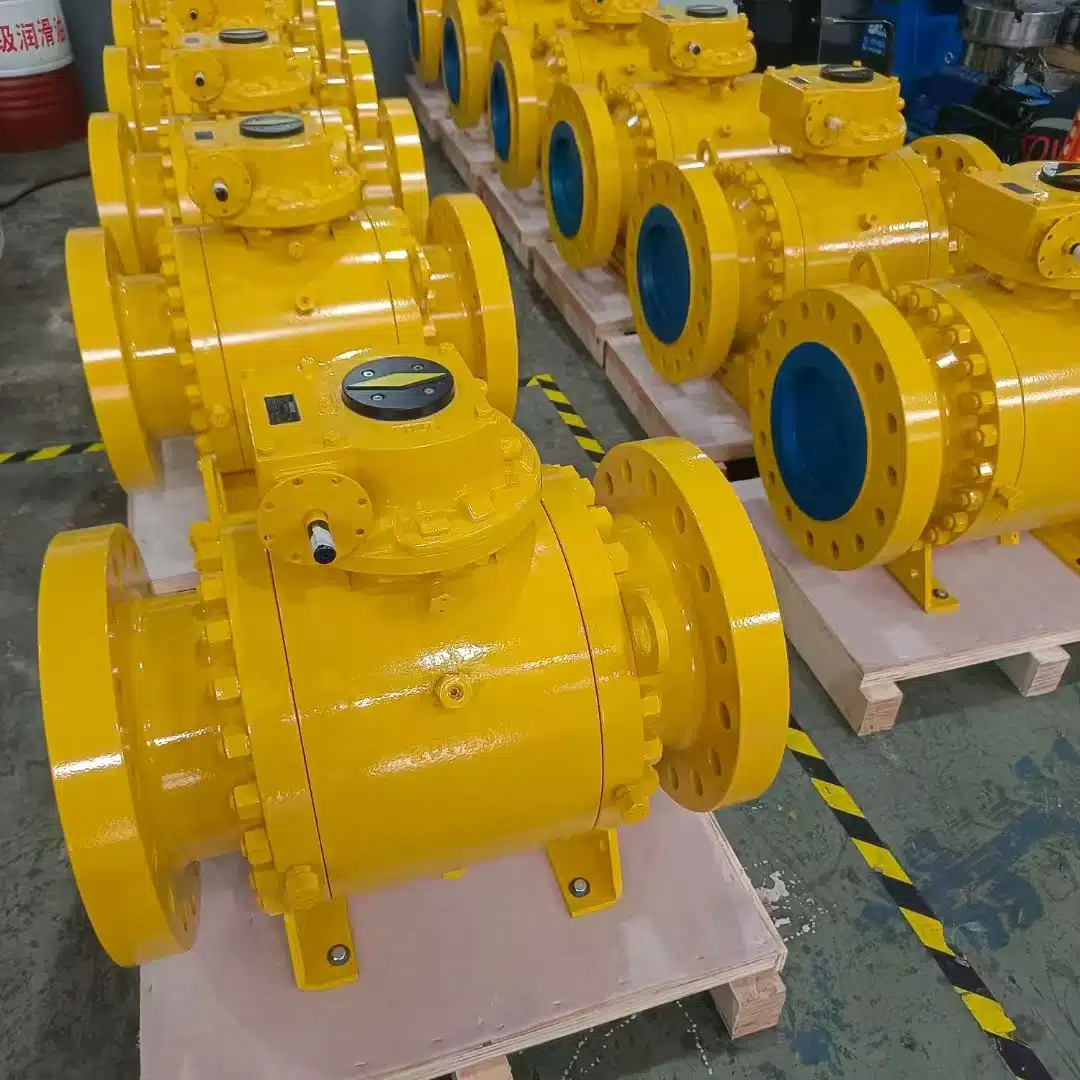
Essential Features of Fire-Safe Ball Valves
Fire-safe design standards and certifications
Fire-safe ball valves must follow strict safety rules. These rules make sure they work well in dangerous places. The American Petroleum Institute (API) created important guidelines like API 6FA and API 607. These rules test valves in very hot fire conditions. They check if valves can still work and not leak. API 607 focuses on quarter-turn valves. It ensures they handle pressure and work during and after fires. By following these rules, companies make valves that keep people and places safe.
Secondary sealing mechanisms for enhanced safety
Fire-safe valves have a backup sealing system for extra safety. If the main seal breaks from heat, the backup stops leaks. For example, a metal-to-metal seal works when soft seals melt in fires. This extra protection stops dangerous materials from escaping. It keeps people and the environment safe. Backup seals are very important in oil and gas industries. Even a small leak there can cause big problems.
Anti-static devices to prevent ignition risks
Static electricity can cause fires in places with flammable materials. Fire-safe valves often have anti-static devices to stop this. These devices connect valve parts to the pipeline. This stops static charges from building up. It also prevents sparks that could start fires. Choosing valves with anti-static features makes your workplace safer. It lowers the chances of fires starting.
Blowout-proof stem design for operational integrity
A blowout-proof stem is very important for fire-safe valves. It stops the valve stem from being pushed out by high pressure. This keeps the system safe and stops dangerous leaks.
Blowout-proof stems are made with a special design. They have an internal part and a built-in shoulder. This makes them 100% safe, even in tough situations. The stem stays in place, lowering the chance of leaks or big problems during emergencies.
Here are some features that make blowout-proof stems reliable:
| Feature | Description |
|---|---|
| Integral Seat | Stops leaks by making the seat part of the valve body. |
| High-strength Belleville Springs | Keeps parts aligned and seals safe with strong pressure. |
| RiTech® Hard Coating | Protects against wear and heat, staying strong and durable. |
| Mate Lapping of Ball and Seat | Makes sure the seal is tight by carefully matching parts. |
| Blowout-proof Stem | Has a built-in shoulder and internal design for extra safety. |
These features help fire-safe valves work well in hard conditions. Picking valves with blowout-proof stems keeps your system safe and lowers risks during emergencies.
Fire-resistant valve materials for durability
Fire-resistant materials are key to making fire-safe valves strong and reliable. These materials can handle high heat and stay strong during fires.
Manufacturers use materials like stainless steel, carbon steel, and special alloys like Inconel. These materials don’t bend or weaken under heat. Extra features like long bonnets, metal or graphite gaskets, and backup seals add more protection. These parts help keep dangerous materials inside during fires.
Valves are tested to make sure they are strong. Tests include heating, pressure changes, and high temperatures. These tests prove the materials can handle tough conditions without failing.
| Aspect | Details |
|---|---|
| Material Selection | Uses stainless steel, carbon steel, and special alloys like Inconel for heat resistance. |
| Design Features | Long bonnets, metal or graphite gaskets, and backup seals improve fire safety. |
| Testing Procedures | Includes heating, pressure changes, and high temperatures to check strength. |
Using fire-resistant materials makes valves last longer and work better. These materials protect your system, workers, and the environment during emergencies.
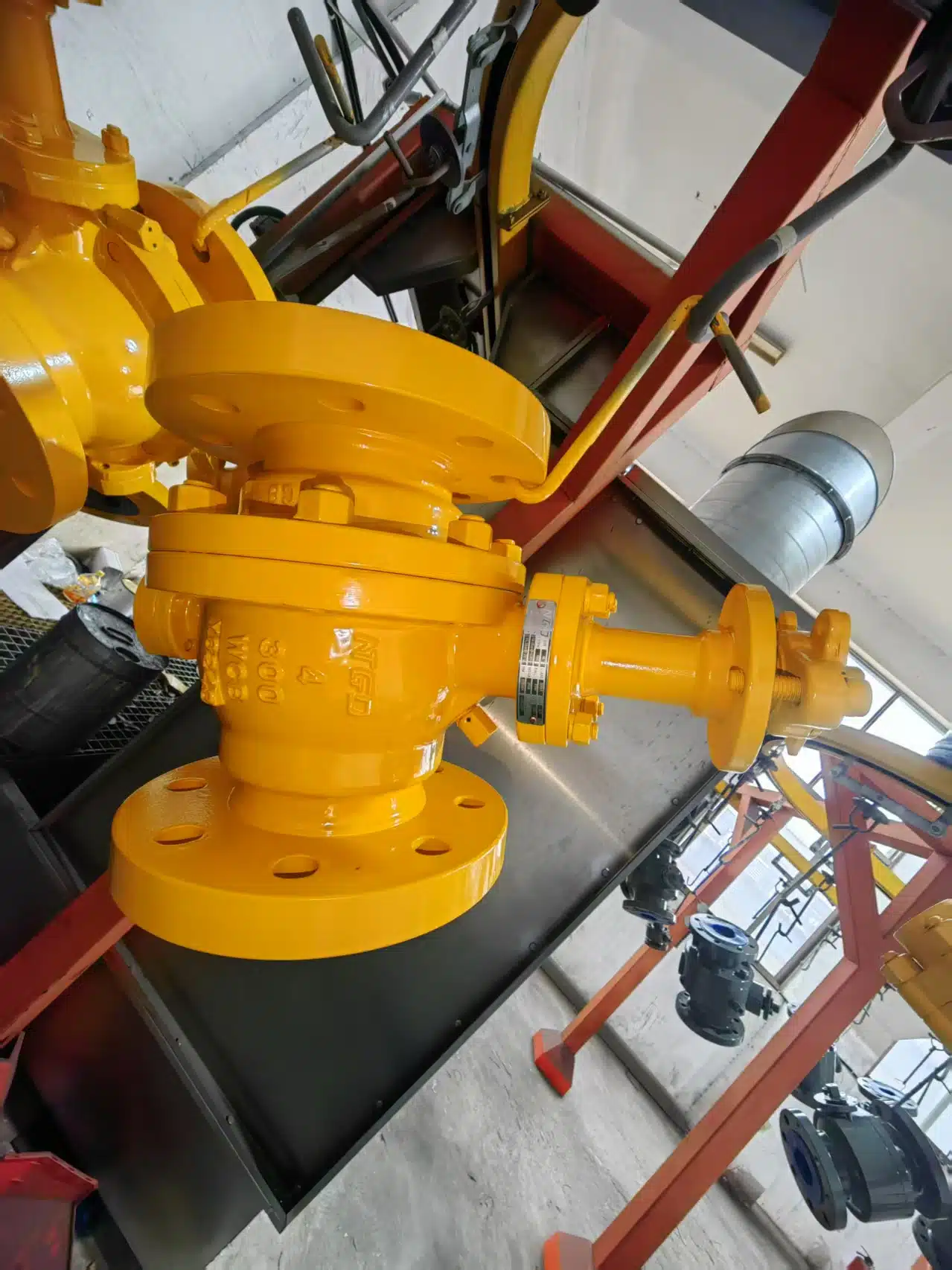
The Role of Fire-Safe Valves in High-Risk Environments
Stopping fires from spreading by sealing leaks
Fire-safe ball valves are key to stopping leaks during fires. They are built to stop leaks inside and outside the system. This keeps dangerous materials safely sealed. In industries like oil and gas, even small leaks can cause big disasters.
Fire-safe gate valves are made to work in tough conditions. They stay strong during fires and stop leaks that could make things worse. FM Fire-Safe Fusible Link Thermal Shutdown Valves shut off flammable liquids when it gets too hot. This helps stop fires from spreading and prevents explosions.
Tip: Adding fire-safe valves to pipelines helps control fires fast.
Keeping things safe and following safety rules
In risky places, following safety rules is very important. Fire-safe valves go through tough fire tests to meet these rules. Tests like API 607 and API 6FA check if valves can handle heat and still work. Companies must also show proof and pass checks to prove their valves are safe.
Testing models of valves shows how well they work in real fires. These tests make sure valves can handle tough situations without breaking. Certifications from trusted groups prove the valves meet safety rules. This gives you trust in their safety and performance.
Protecting people, property, and nature
Fire-safe valves do more than follow rules—they protect lives. These valves keep workers safe by lowering risks from chemicals and fires. For example, FM Fire-Safe Valves use links that melt in heat. This closes the valve and stops flammable liquids from flowing. This stops fires from getting worse and protects nearby things.
Strong materials like stainless steel and Inconel make fire-safe valves last in fires. They keep working and stay sealed even after being in flames. This is very important in places with flammable liquids. Protecting the environment is just as important as keeping people safe.
Note: Picking fire-safe valves that meet strict rules makes workplaces safer and helps the planet.
Meeting regulatory and insurance requirements
Following rules and meeting insurance needs is very important. In risky places, your systems must follow industry rules to stay safe. Fire-safe valves help you meet these strict safety rules. They are made to follow tough fire safety laws, which are required in industries like oil, gas, and factories.
Groups like the American Petroleum Institute (API) and International Organization for Standardization (ISO) set safety rules. For example, API 607 and API 6FA are key tests for fire-safe valves. These tests check if valves can hold dangerous materials without leaking in high heat. Picking valves with these certifications shows you care about safety and follow the rules.
Insurance companies also check if you follow fire safety rules. They may ask for proof that your fire-safe valves are certified. If you don’t follow the rules, your insurance costs could go up. You might even lose coverage. But using certified valves can lower costs by reducing fire risks.
To stay safe, check and maintain your fire-safe valves often. Keep records of these checks for audits or insurance reviews. Buying from trusted makers ensures your valves meet the newest rules and work well.
Tip: Always check your fire-safe valves’ certifications before using them. This easy step can prevent fines and keep your workplace safe.
Selecting the Right Fire-Safe Ball Valve
Checking system needs and environment
Picking the right fire-safe ball valve starts with knowing your system. Think about the type of liquid or gas in your pipes. Dangerous or flammable materials need valves with strong fire-resistant parts. Check the pressure and temperature of your system. High-pressure systems need valves that can handle tough conditions.
The environment matters too. For outdoor use, choose valves that resist rust and weather damage. In places like oil and gas plants, where fires are a big risk, pick valves with tested fire-safety features. NTGD makes fire-safe valves for these tough conditions.
Tip: Always match the valve to your system’s needs for safety.
Knowing certifications and safety rules
Fire-safe valves must pass strict safety tests to work well. Certifications like API 607 and API 6FA prove valves can handle fire. These tests check if valves can stop leaks during a fire.
Here’s a simple guide to key API standards:
| API Standard | What It Tests |
|---|---|
| API 607 | Tests quarter-turn valves with non-metallic seats in fire. |
| API 6FA | Checks if valves work safely during fires. |
| API 6FB | Tests end connections for fire safety. |
| API 6FC | Tests valves with automatic backseats in fire. |
| API 6FD | Checks fire safety for check valves. |
When buying a valve, look for these certifications. They show the valve meets safety rules and works well. NTGD valves pass these tests, making them a safe choice for risky places.
Picking the right materials for your system
The materials in fire-safe valves must fit your system. For pipes with corrosive liquids, stainless steel or alloys like Inconel work best. Hot systems need materials that stay strong in high heat.
Check if the valve’s seals and gaskets match your fluids. Soft seals might fail in heat, so metal-to-metal seals are better for durability. NTGD uses strong materials to make valves last longer in tough conditions.
Note: Choosing the right materials improves safety and makes valves last longer, saving money on repairs.
Thinking About Maintenance and Long-Term Costs
When picking fire-safe ball valves, think about long-term costs. The price you pay upfront is important, but the total cost depends on how well the valve works over time. Strong, high-quality valves can save money by lasting longer and working better.
Running costs are often a big part of the total expense. Valves made with tough materials and smart designs last longer. For example, stainless steel and Inconel resist rust and heat, making them reliable in tough places. Valves that stop leaks also make plants safer and reduce downtime, improving efficiency.
Here’s how maintenance and long-term use affect costs:
| Factor | Why It Matters |
|---|---|
| Running Costs | Running costs can be a large part of total expenses. |
| Material Choice | Using the right materials makes valves last longer and work better. |
| Leak Prevention | Valves that stop leaks improve safety and keep plants running longer. |
| Noise Reduction | Reducing noise helps valves last by stopping damage from vibration. |
| Safety Rules | Tested fire-safe valves help plants stay safe during emergencies. |
| Long Life | Valves built for long use save money on repairs and replacements. |
Tip: Check and maintain your valves often to make them last longer and avoid expensive fixes.
Picking Trusted Brands for Quality Valves
The company you buy from matters a lot for valve quality. Good manufacturers follow strict safety rules, making sure their valves are safe and reliable. This is very important in dangerous places where valve failure can cause big problems.
A study showed 92% of buyers care more about safety standards than saving money. This shows how important it is to pick a trusted brand. Reliable companies also offer better technology, support, and service, which helps keep your system running smoothly.
| Key Points | Why It’s Important |
|---|---|
| Safety Standards Matter | 92% of buyers value safety standards more than saving money. |
| Trusted Brands | Good brands offer better technology, support, and after-sales service. |
Note: Always check the company’s reputation and certifications before buying. This helps you get a safe, reliable valve that lasts a long time.
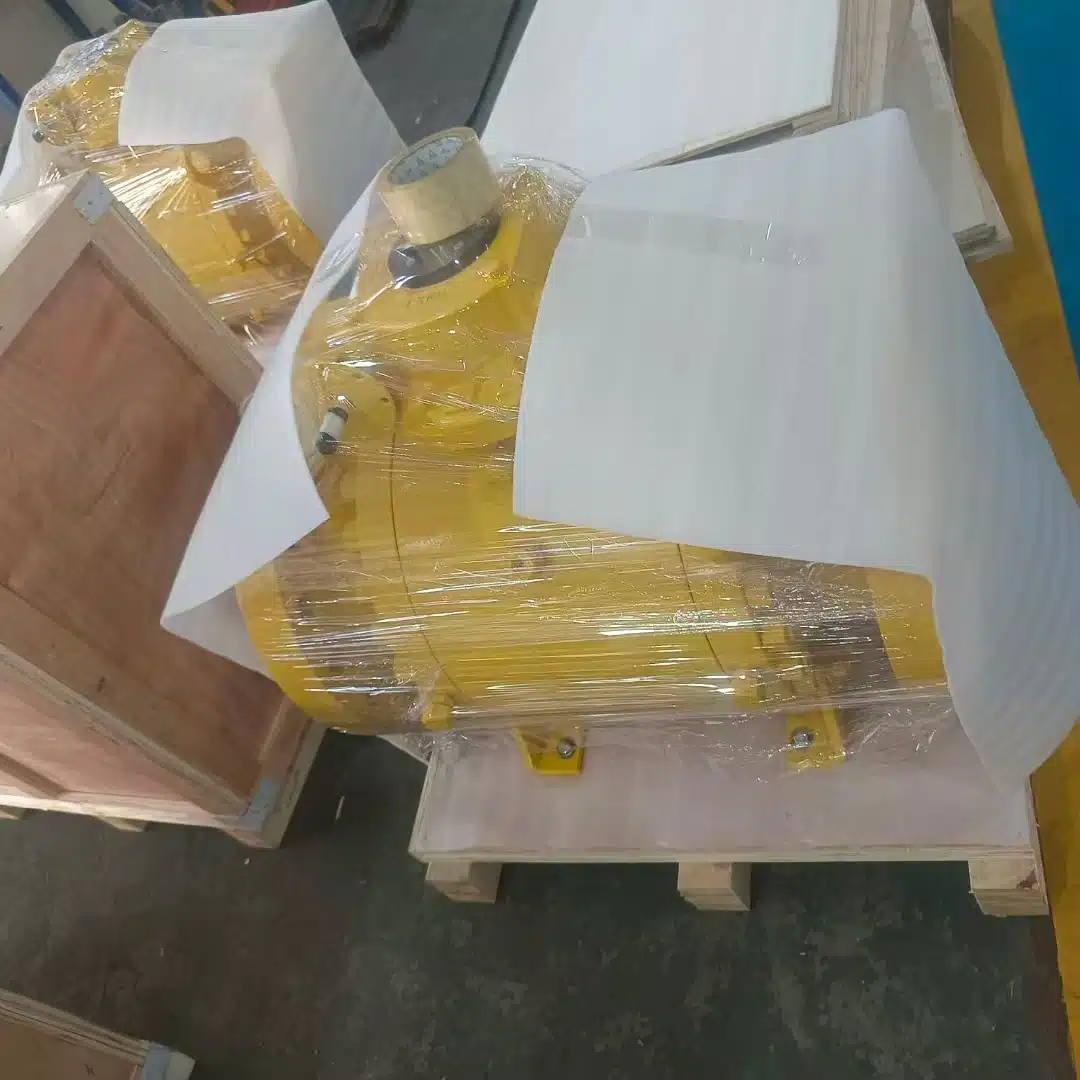
Explosion-Proof and Emergency Shutdown Valves
How explosion-proof ball valves enhance safety
Explosion-proof ball valves are crucial in places with explosion risks. They are made to work safely around flammable gases or vapors. Their strong build helps them handle tough conditions without failing. These valves stop sparks or heat during use, lowering the chance of fires.
You’ll find these valves in chemical plants, oil refineries, and mines. They work well under high pressure and heat, making them essential. Explosion-proof valves also have anti-static parts and fire-resistant materials. These features make them even safer. Choosing these valves protects your equipment, workers, and the environment.
The importance of emergency shutdown valves in fire scenarios
Emergency shutdown valves are lifesavers in dangerous situations. They quickly stop the flow of harmful substances during emergencies. In fires, they isolate problem areas to stop things from getting worse.
These valves often use fusible links that melt in heat. When this happens, the valve closes automatically. This is very helpful in oil and gas industries where quick action is needed. Some valves can be controlled remotely, keeping workers safe. Their fast response makes them a must-have for fire safety systems.
| Valve Type | What It Does | Key Features |
|---|---|---|
| Fire-Safe Valves | Stops fire spread using thermal shutoff systems. | Has thermal shutoff, meets NFPA rules, works at different temperatures. |
| Emergency Shutdown Valves | Quickly stops dangerous flows in emergencies. | Uses fusible links, works locally or remotely, comes in many designs. |
| Explosion-Proof Valves | Works safely in explosive areas. | Built for tough conditions, ensures safe use in risky places. |
Integrating fire-safe valves with automated safety systems
Connecting fire-safe valves to automated systems improves safety. These systems spot problems like high heat or pressure and activate valves instantly. This setup reduces the need for people to act, saving time in emergencies.
Studies show FM Fire-Safe Valves work well with automation. They help contain flammable materials and stop fires from spreading. Using this technology makes industries safer and more efficient.
Tip: Test your automated systems often to ensure they work with fire-safe valves. This keeps your safety system reliable.
Fire-safe ball valves help lower fire risks in dangerous places. They keep working and stop leaks during fires, as tested by API 607. These valves use strong, fire-resistant materials and backup metal seals to stay safe in high heat.
When picking a valve, look for API 607 certification. Choose tough materials like stainless steel and designs with blowout-proof stems and anti-static parts. Tests make sure these valves are reliable and safe.
Using these valves meets safety rules, saves lives, and protects property. Picking the right valve makes your workplace safer and more secure.
