
Comparing Carbon Steel and Stainless Steel Valves
Explore key differences between carbon steel and stainless steel gate valves.
| Features | Carbon Steel GATE VALVE | Stainless Steel Gate Valve |
|---|---|---|
| Cost | Less expensive upfront. | Higher initial cost, long-term savings. |
| Corrosion Resistance | Rusts in wet environments. | Highly resistant to rust. |
| Temperature Tolerance | Handles up to 425°C. | Can withstand up to 925°C. |
| Durability | Strong but less durable in corrosive areas. | Long-lasting in harsh conditions. |
| Maintenance Needs | Requires regular maintenance to prevent rust. | Low maintenance due to rust resistance. |
| Applications | Ideal for oil and gas pipelines. | Best for food and chemical industries. |
| Flexibility | Can be customized for specific needs. | Limited customization options. |
Choosing the right gate valve material is very important. It affects how well your system works and its cost. Carbon steel and stainless steel gate valves have different benefits.
- Carbon steel gate valves are strong and less expensive. They work well in water treatment and medium-pressure oil and gas systems.
- Stainless steel gate valves resist rust and last longer. They are great for chemical plants and clean environments.
Knowing these differences helps you pick the best option for your needs and budget.
Key Takeaways
- Carbon steel gate valves are strong and affordable. They work well for water systems and medium-pressure oil setups.
- Stainless steel gate valves do not rust and last longer. They are great for chemical plants and clean environments.
- Think about where the valve will be used. Carbon steel is good for non-rusty areas, while stainless steel handles tough conditions better.
- Look at both the price now and future savings. Carbon steel costs less at first, but stainless steel may save money later with less upkeep.
- Always check rules for your industry. Make sure the valve material is safe and works well.
Why Material Selection Matters in Gate Valves
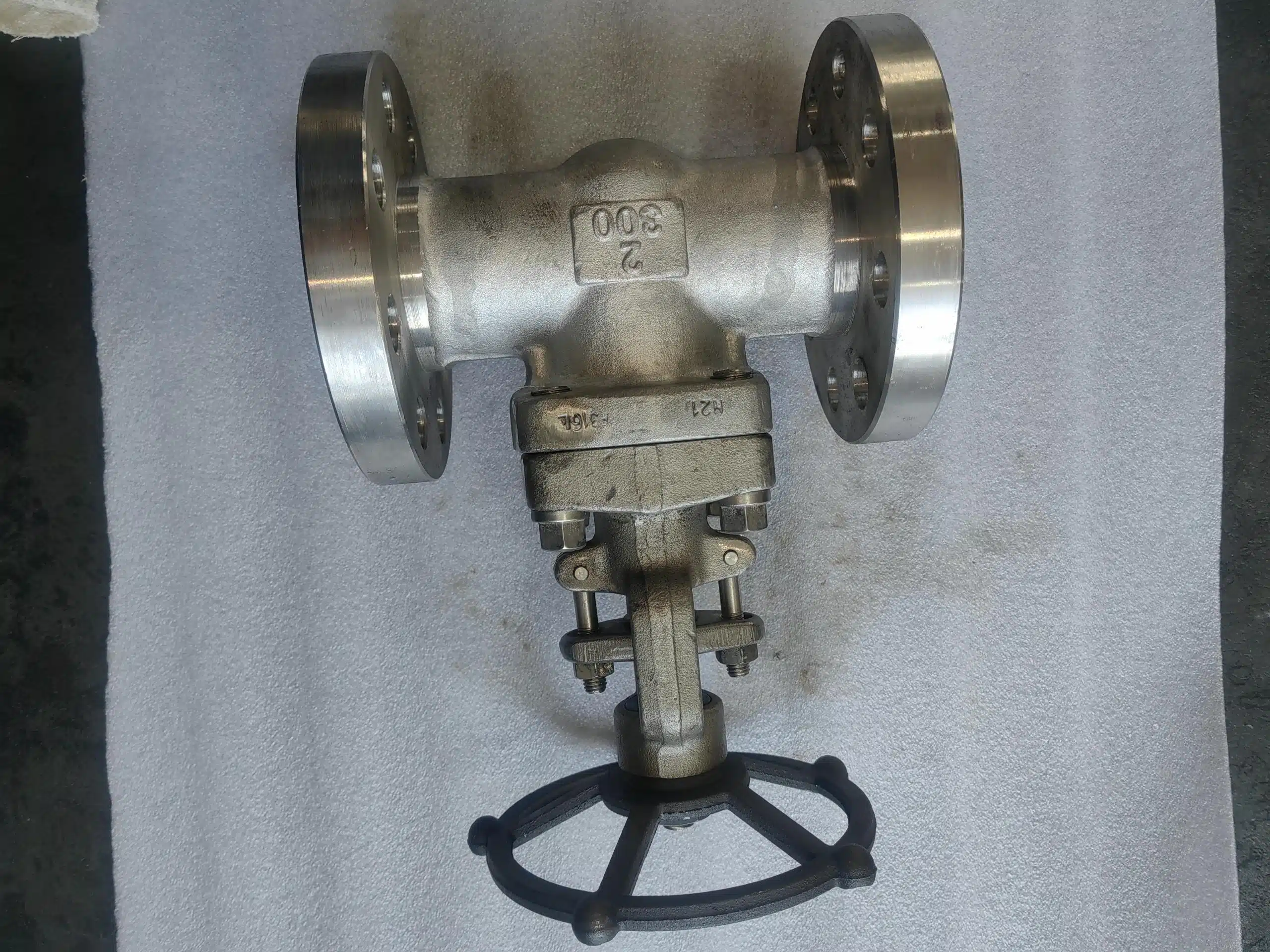
Performance and Durability Considerations
The material of a gate valve affects how well it works. Carbon steel valves are strong and handle high pressure. For example, A105N carbon steel can take heat up to 800°F. This makes it great for oil, gas, and power industries. Stainless steel valves resist rust and work in tough conditions. Austenitic stainless steel is strong in freezing temperatures. It also works well in cryogenic systems.
In food or medicine industries, stainless steel keeps things clean. It stops contamination and ensures safety. Carbon steel works better in less corrosive places. These include water plants or medium-pressure oil systems. Picking the right material helps the valve last longer and work better.
Cost Implications of Carbon Steel and Stainless Steel Valves
Price is important when choosing valve materials. Carbon steel valves cost less than stainless steel ones. This makes them good for projects with tight budgets. But upfront cost isn’t the only thing to think about. Stainless steel costs more at first but saves money later. It resists rust and wear, so it needs less fixing.
For example, KITZ stainless steel valves are durable and reliable. They save money over time, even with a higher price. Carbon steel valves may need replacing more often in corrosive areas. This can make them cost more in the long run.
Environmental Suitability and Application Needs
Where the valve is used matters a lot. Carbon steel valves work in non-corrosive places. They handle medium heat and pressure well. They are common in water treatment systems. These valves can also manage solids in water.
Stainless steel valves are best for corrosive environments. They resist rust and chemical damage. This makes them perfect for food, chemical, and medicine industries. They handle strong cleaning agents and meet hygiene rules. Carbon steel is better for simpler jobs, like oil pipelines.
Knowing these differences helps you pick the right valve for your needs.
Carbon Steel Gate Valve: Properties and Uses
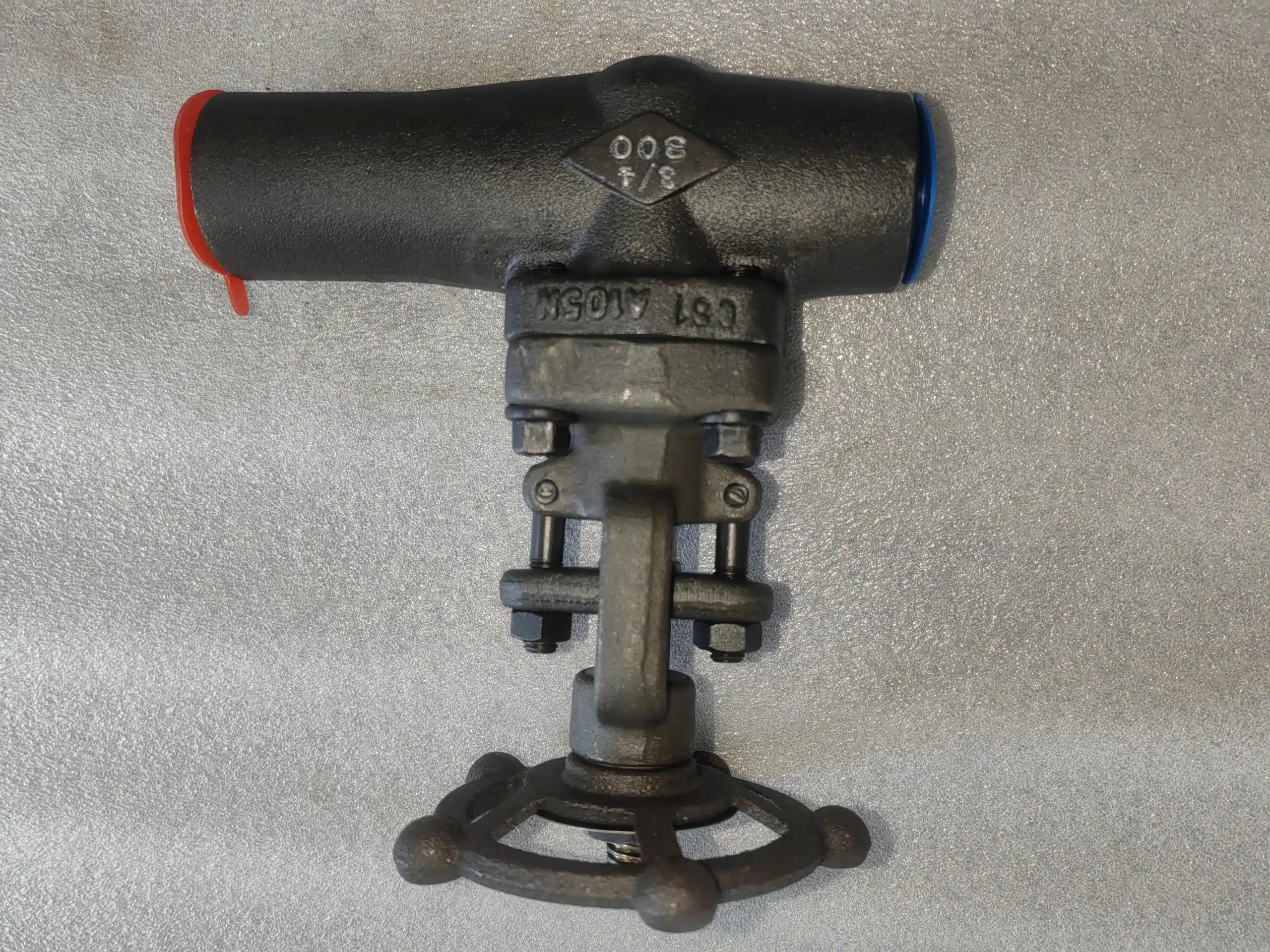
Main Features of Carbon Steel Valves
Carbon steel valves are strong and very useful. They are made from iron and carbon, which makes them tough and reliable. These valves work well in places with medium pressure and heat. For example, they are great for high-pressure jobs like hydraulic systems.
One important feature is their ability to handle wear and tear. While they don’t resist rust as well as stainless steel, they can manage CO2 and dirt effectively. The table below shows some of their useful features:
| Key Features | Details |
|---|---|
| Rust Resistance | Works well in areas with CO2 and dirt. |
| Accurate Control | Provides precise flow control for industries. |
| Chemical Resistance | Can be made to resist chemicals, making them last longer. |
These features make carbon steel valves a smart choice for many industries.
Benefits of Carbon Steel Gate Valves
Carbon steel gate valves have many benefits. They are strong enough for heavy-duty jobs like oil pipelines. Their high strength and impact resistance make them reliable under pressure. They are also affordable, which is great for tight budgets.
Another benefit is their flexibility. Carbon steel valves can be made to fit special needs, like resisting chemicals or lasting longer. This makes them useful for many jobs, like water treatment and medium-pressure systems.
Drawbacks of Carbon Steel Gate Valves
Carbon steel valves are strong but have some downsides. They don’t resist rust as well as stainless steel. This makes them less ideal for very corrosive places like chemical plants or near the sea. They might need more repairs in such areas, which can cost more over time.
Even with these downsides, carbon steel valves are still a good and affordable choice. They work well in places that are not too corrosive. Their strength and usefulness make them valuable for many industries.
Common Uses of Carbon Steel Gate Valves
Carbon steel valves are strong and useful in many industries. They are great for systems needing durability and low cost. Below are some common uses where these valves work well:
- Oil and Gas Pipelines
Carbon steel valves are often used in oil and gas pipelines. They handle high pressure and last a long time. These valves are good for moving crude oil, natural gas, and other fuels. - Water Treatment Plants
Water treatment systems use carbon steel valves to control water flow. They can handle solids and debris without breaking. These valves work well in medium-pressure systems. - Power Plants
Power plants use carbon steel valves for steam and cooling water. They can handle high heat and pressure, making them great for thermal and nuclear plants. - Factories and Manufacturing
Many factories need strong valves for controlling fluids like air or water. Carbon steel valves are affordable and tough, making them perfect for industries like car-making and construction. - Hydraulic Systems
Hydraulic systems need precise flow control to work well. Carbon steel valves are strong and reliable for handling high-pressure hydraulic fluids.
Tip: If your system has medium to high pressure and no rust risks, carbon steel valves are a great choice. They are durable and save money.
By knowing these uses, you can decide if carbon steel valves fit your needs. Their strength and flexibility make them a trusted choice in many industries.
Stainless Steel Gate Valve: Properties and Applications
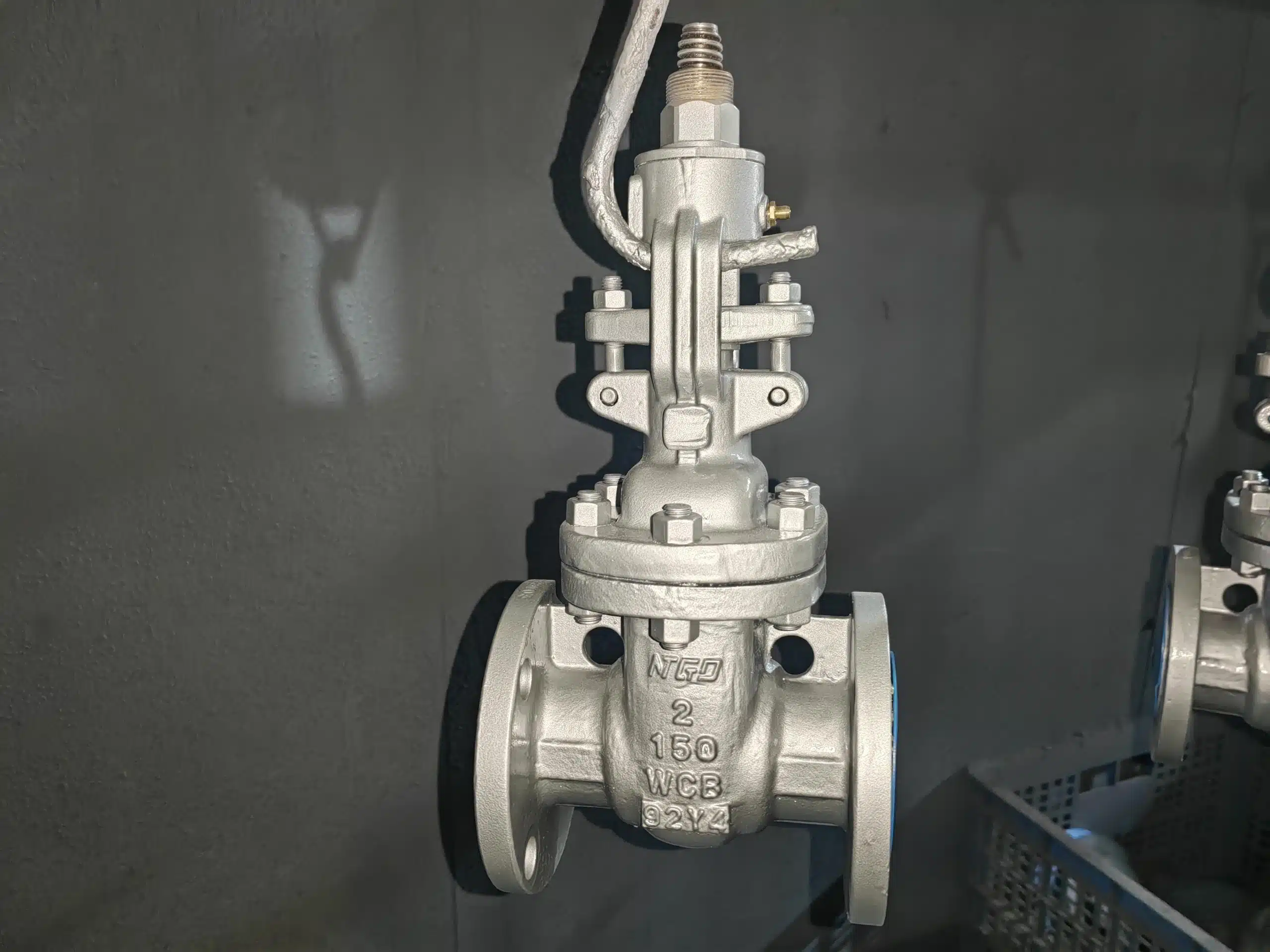
Key Properties of Stainless Steel Valves
Stainless steel valves are strong and very useful. They are made from materials like AISI 304 and AISI 316L. These materials stop rust and work well in tough conditions. Stainless steel valves handle high heat and pressure easily. For example, they can work at 250°C when open. They also manage pressures from 1 × 10⁻¹⁰ mbar to 1.6 bar, depending on size.
Here’s a simple look at their main features:
| Property | Value |
|---|---|
| Sizes | DN 63 (2½’’) to DN 320 (12″) |
| Body Material | Stainless Steel |
| Leak Rate (Valve Body) | < 5 × 10⁻¹⁰ mbar ls⁻¹ |
| Leak Rate (Valve Seat) | < 1 × 10⁻⁹ mbar ls⁻¹ |
| Pressure Range | 1 × 10⁻¹⁰ mbar to 1.6 bar (DN 63–200), 1 × 10⁻¹⁰ mbar to 1.2 bar (DN 250–320) |
| Temperature (Valve Body) | ≤ 250°C open / ≤ 200°C closed |
| Cycles until First Service | 50,000 |
These features make stainless steel valves great for tough jobs.
Advantages of Stainless Steel Gate Valves
Stainless steel valves have many good points. They don’t rust easily, so they last a long time. This makes them perfect for food, medicine, and chemical industries. They also handle high heat and pressure without breaking.
| Feature | Description |
|---|---|
| Corrosion Resistance | Stops rust and damage from wear |
| Temperature Resistance | Handles very high heat |
| Pressure Resistance | Works well under high pressure |
These valves need less fixing than others. Their strength means fewer replacements, saving money and time. Whether in cleanrooms or chemical plants, they work well and last long.
Limitations of Stainless Steel Gate Valves
Stainless steel valves are strong but have some downsides. They need good seat materials and seals to stop leaks. Without these, they may not work well under tough conditions.
| Design Component | Description |
|---|---|
| Sturdy Seat Materials | Needed to stop leaks in tough conditions. |
| Sturdy Stem Seals | Helps the valve stay strong under heat and pressure. |
| Heat- and Deformation-Resistant Body | Keeps the valve working in harsh places. |
| Testing Standards | ISO and API tests ensure the valve works well in hard conditions. |
These valves cost more than carbon steel ones. But their long life and strength make them worth it for tough jobs.
Common Applications of Stainless Steel Gate Valves
Stainless steel valves are important for industries needing strength and cleanliness. They work well in many areas because they resist rust and damage. Below is a simple look at where these valves are used:
| Industry/Application | Description |
|---|---|
| Chemical Processing | Great for harsh places due to rust resistance. |
| Oil and Gas | Helps control oil and gas flow safely. |
| Water and Wastewater Treatment | Resists seawater damage in desalination plants. |
| Food and Beverage | Keeps food clean during processing. |
| Pharmaceuticals | Meets strict cleanliness rules for medicines. |
| Mining and Mineral Processing | Handles tough chemicals and slurries well. |
| Pulp and Paper | Works in hot and caustic chemical processes. |
In mining, stainless steel valves handle tough jobs like acidic slurries. For instance, copper mines in Chile use 904L stainless steel valves to manage acid solutions. Scandinavian paper mills rely on Zeron 100 valves for hot black liquor. These examples show how choosing the right material helps in hard conditions.
Water treatment plants also benefit from stainless steel valves. Big projects, like the Ras Al Khair desalination plant in Saudi Arabia, use 2205 duplex stainless steel valves. These valves resist rust from seawater and last a long time.
In food processing, stainless steel valves keep things clean and safe. Their smooth surfaces stop dirt and handle cleaning chemicals well. The pharmaceutical industry also uses them for their clean and shiny look, meeting strict rules.
Tip: If your job involves strong chemicals, high heat, or strict cleanliness, stainless steel valves are a smart pick. They are tough and work well in many industries.
Carbon Steel vs Stainless Steel: A Detailed Comparison
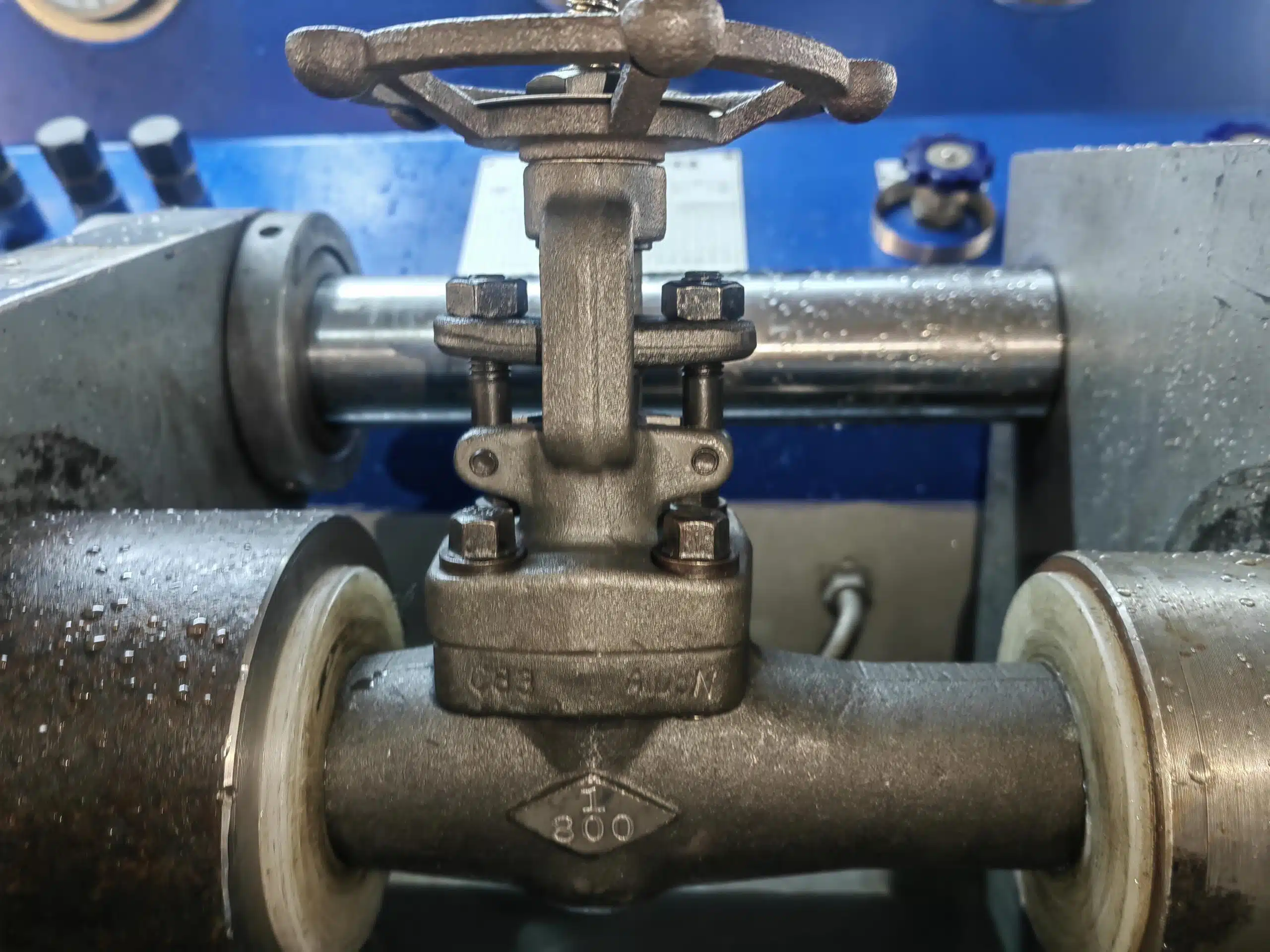
Strength and Durability
Carbon steel and stainless steel valves are both strong. Carbon steel valves are very tough and handle heavy jobs well. They are great for oil pipelines and hydraulic systems. These valves can take high pressure without bending or breaking.
Stainless steel valves are better for lasting in harsh places. They resist rust and stay strong in wet or chemical-filled areas. For example, carbon steel rusts faster, with a corrosion rate of 0.03 mm/year. Stainless steel rusts much slower, at just 0.0009 mm/year. If your system faces moisture or chemicals, stainless steel lasts longer.
Corrosion Resistance
Rust resistance is important when picking a valve. Carbon steel valves work fine in dry places but rust in wet or chemical areas. This makes them less useful for food or chemical industries. Still, they are a good, cheap choice for water plants or medium-pressure systems.
Stainless steel valves, like Type 316, resist rust very well. They are perfect for tough jobs like mining or seawater desalination. For example, in desalination plants, stainless steel valves don’t rust from saltwater. If your system is in a tough environment, stainless steel is the better pick.
Temperature Tolerance
Carbon steel and stainless steel handle heat differently. Carbon steel valves work in temperatures from -29°C to 425°C. This range fits most medium-heat jobs. But they may fail in very high heat.
Stainless steel valves handle higher heat better. Some grades, like 304 and 316, work up to 925°C. Grade 410 handles up to 705°C. This makes stainless steel great for power plants and chemical factories. The chart below shows how much heat each material can take:

If your system needs to handle extreme heat, stainless steel is the safer choice.
Tip: Think about where and how your valve will be used. Check the heat, pressure, and environment to pick the best material.
Cost and Affordability
Carbon steel valves cost less than stainless steel ones. They are a good choice for tight budgets or big projects. For example, water plants or oil pipelines can use carbon steel valves to save money. These valves are strong and affordable.
Stainless steel valves cost more at first. This is because they are made with better materials. But they last longer and need fewer repairs. They resist rust and wear, saving money over time. This makes them worth the higher price.
If cost matters most, carbon steel is a smart pick. If durability is key, stainless steel is better. Think about your budget and where the valve will be used.
Maintenance and Longevity
Carbon steel valves need regular care to avoid rust. In wet or chemical areas, they may break down faster. But in dry places, they can last a long time with little upkeep.
Stainless steel valves last longer and need less care. They resist rust and damage, making them great for food or chemical industries. For example, in medicine factories, stainless steel valves stay clean and work well for years.
Stainless steel valves cost less to maintain and last longer. Carbon steel valves need more care in tough places. Choose the material that fits your needs and environment.
Choosing Between Carbon Steel and Stainless Steel Gate Valves
Assessing Operating Environment
Where you use a gate valve matters a lot. Carbon steel valves work well in places without much rust risk. They are great for water plants, oil pipelines, and medium-pressure systems. But they don’t last long in very corrosive areas because they can rust.
Stainless steel valves are better for tough environments. They resist rust and chemicals, making them perfect for food, medicine, and chemical industries. For example, in seawater desalination, stainless steel valves handle saltwater without damage. If your system is in a wet or chemical-heavy place, stainless steel is the smarter choice.
Budget and Cost Considerations
Your budget affects which valve material you pick. Carbon steel valves cost less upfront, so they’re good for tight budgets. They are often used in big systems where saving money is important.
Stainless steel valves cost more at first but save money later. They last longer and need fewer repairs, lowering long-term costs. For example, in a bid for low-pressure valves, prices ranged from $6.16 to $15.20 each. This shows why it’s important to think about both the initial price and future savings.
Tip: Don’t just look at the price tag. Think about how much the valve will cost over time.
Industry-Specific Requirements
Different industries need different types of valves. In medicine, cleanliness is very important. Stainless steel valves are great because they resist rust and have smooth surfaces.
In oil and gas, rules from groups like the API require strong testing. Carbon steel valves often meet these rules for medium-pressure jobs. But in places with lots of chemicals, stainless steel works better.
Note: Always check your industry’s rules to pick the right valve material.
Long-Term Maintenance and Lifecycle Costs
Think about how much care a valve needs and how long it lasts. These things affect the total cost over time.
Carbon steel valves need more care in wet or rusty places. They can rust, which weakens them and makes them less useful. To make them last longer, you need to check them often, clean them, and add protective coatings. These extra steps cost more money. But in dry or low-pressure places, carbon steel valves can last longer with less care.
Stainless steel valves need less care. They don’t rust easily, so they work well in tough places. For example, in food or chemical factories, stainless steel valves stay strong without needing many repairs. This saves time and money. Even though they cost more at first, their long life and low care needs make them a smart choice over time.
To pick the right valve, think about where it will be used and the total cost. In clean and dry places, carbon steel valves are cheaper. In wet or chemical-filled places, stainless steel valves last longer and need less fixing.
Tip: Don’t just look at the price when buying. Think about how much the valve will cost to use and care for over time. This helps you make the best choice for your system.
Picking between carbon steel and stainless steel gate valves means knowing their differences. Carbon steel valves, like WCA and WCB types, work well in temperatures from -46°C to 425°C. They are strong and affordable for medium-pressure systems. Stainless steel valves, such as CF8 and CF8M types, handle tougher conditions. They resist rust and work in temperatures from -198°C to 816°C. This makes them great for industries like food and medicine.
| Material Type | Grades | Temperature Range |
|---|---|---|
| Carbon Steel | WCA, WCB, WCC, LCB | -46°C to 425°C |
| Stainless Steel | 301, CF8, CF8M | -198°C to 816°C |
| Low-Alloy Steel | ZG1Cr5Mo, ZG15Cr1MoV, WC6, WC9 | 550°C to 750°C |
To choose the right valve, think about your system’s needs. Carbon steel is good for places without rust and costs less. Stainless steel lasts longer in wet or hot areas. Match the valve material to your system’s demands for the best results and savings.
