
Actuated ball valves are changing how industries control fluid movement. These valves work automatically, giving better control and needing less manual work. Places using these systems have fewer delays and faster actions. For example:
- The world market for electric ball valves was worth $5.2 billion in 2023.
- It is expected to grow to $8.7 billion by 2032, with a yearly growth rate of 6.1%.
By reducing human work, these systems make things more accurate and lower mistakes. They also cut downtime and reduce leaks, making them important for keeping things running smoothly.
Key Takeaways
- Actuated ball valves control fluids automatically, cutting manual work and boosting efficiency.
- These valves make operations safer by lowering mistakes and working well in risky areas.
- Using these valves can save money, like cutting maintenance costs by 20%.
- Remote controls help make fast changes, improving speed and reducing delays.
- Adding AI and IoT to these valves creates smarter and better systems.
Understanding Actuated Ball Valves
Key Components and Mechanism
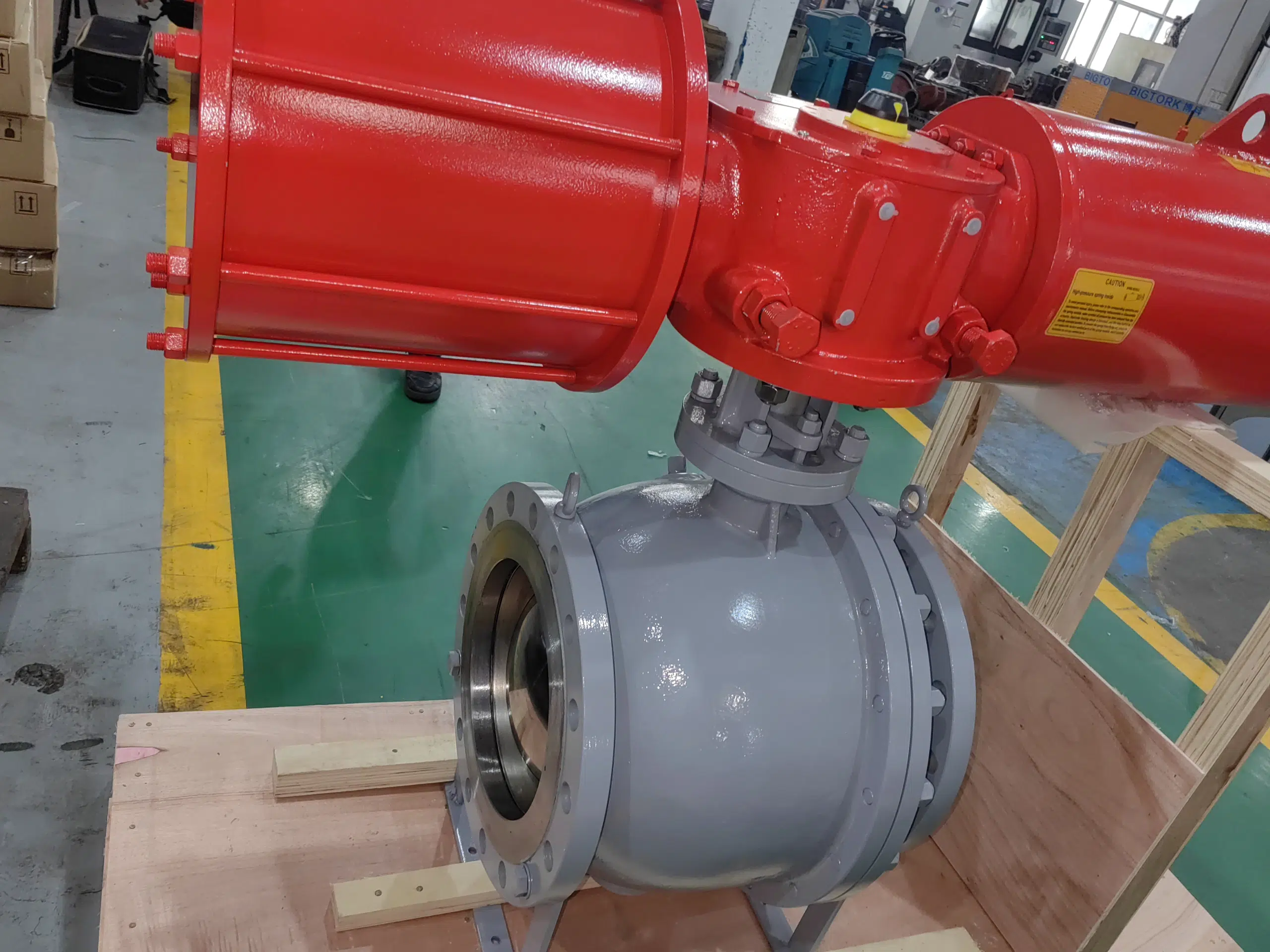
Actuated ball valves have two main parts: the ball valve and the actuator. The ball valve has a round ball with a hole in it. When the hole lines up with the pipe, fluid flows through. Turning the ball blocks the flow. This simple design helps control liquids or gases accurately.
The actuator powers the valve to work automatically. It changes energy—like electric, air, or hydraulic—into motion to turn the ball. Electric actuators use signals to control flow precisely. They reduce the need for people to operate the valve, making work faster. Strong materials like stainless steel keep these valves working well in tough conditions. Special torque controls stop parts from getting damaged by over-tightening.
These features make actuated ball valves dependable and affordable. They don’t need much fixing because they have fewer moving parts. This lowers interruptions during work. Their sturdy build lets them handle high pressure without problems.
How Actuated Ball Valves Enable Automation
Actuated ball valves are key to automated systems. They control fluid flow accurately, helping industries run better. Automated systems use these valves to move fluids without needing people. This reduces mistakes and makes things safer and more reliable.
A great feature of these valves is remote control. You can check and adjust them from far away, making quick changes easy. This saves energy and cuts downtime. For example, in power plants, electric actuated valves manage fluid flow well, helping renewable energy systems work better.
By working automatically, these ball valves simplify tasks and save money. They are essential for modern industries that need efficiency and sustainability.
Types of Actuators for Ball Valves
Electric Actuators and Their Advantages
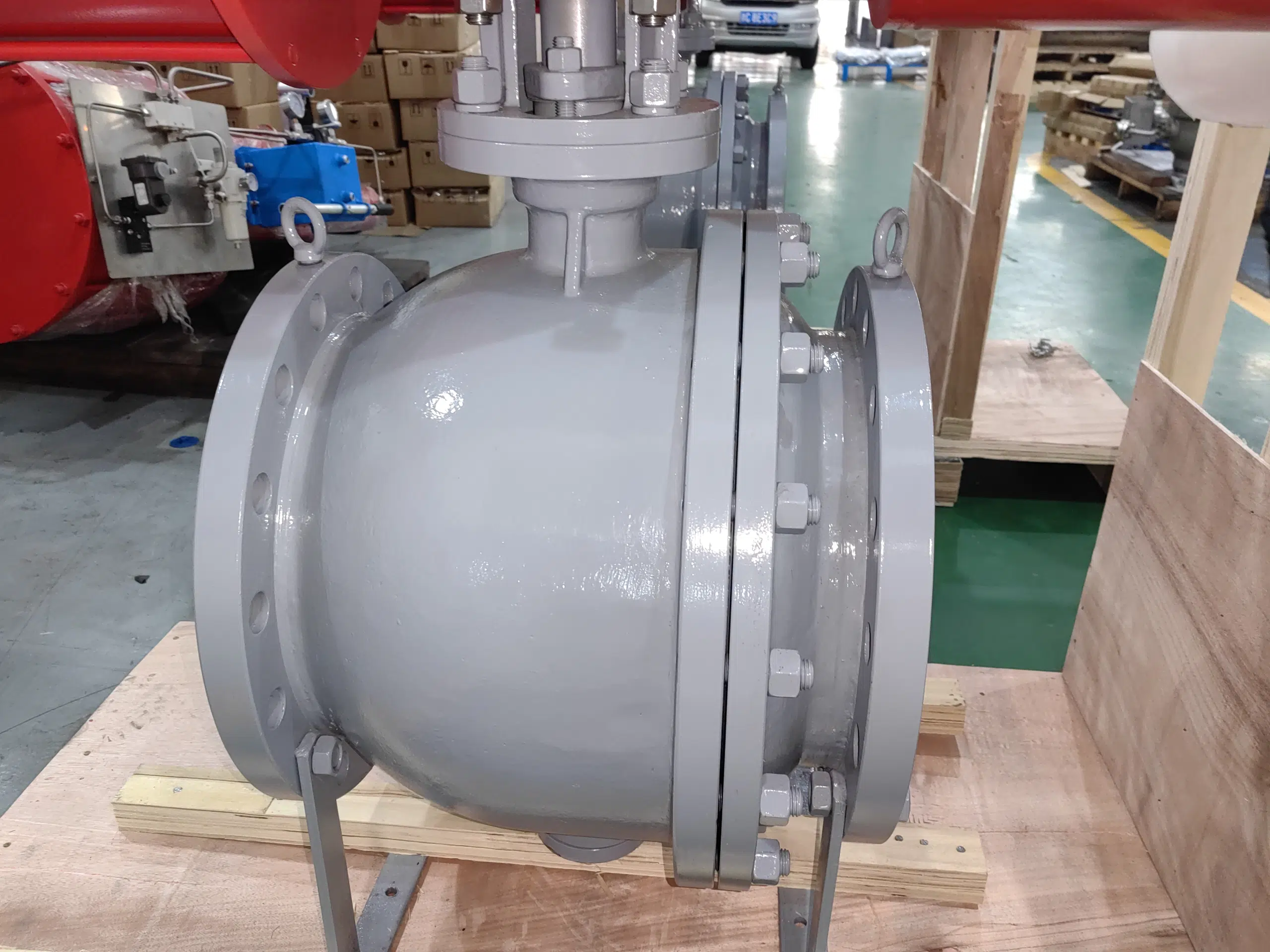
Electric actuators are often used because they are accurate and easy. They turn electrical energy into motion, letting you control valves from far away. These actuators help manage fluid flow precisely, making them great for water plants and power stations.
A big advantage of electric actuators is their simple design. They are easy to set up and only need electricity to work. Unlike pneumatic actuators, they don’t need air pressure, which makes the system less complicated. But they are slower than pneumatic ones. Small electric valves might take 5–10 seconds to open or close, depending on the motor.
| Feature | Pneumatic Actuated Ball Valves | Electric Actuated Ball Valves |
|---|---|---|
| Speed | 1–3 seconds | 5–10 seconds |
| Torque | 10–8,000 Nm | 5–5,000 Nm |
| Response Time | 0.2–1 second | 2–5 seconds |
Electric actuators are safer in places where explosions might happen. They don’t use air pressure, making them a good choice for industries with strict safety rules.
Pneumatic Actuators in Industrial Applications
Pneumatic actuators are fast and dependable for industrial jobs. They use air pressure to move, making them perfect for quick tasks. For example, they can open or close valves in just 1–3 seconds, depending on the valve size.
Their simple design means fewer breakdowns, so they work reliably. Pneumatic actuators also perform well in dangerous environments, like explosive areas. This makes them popular in chemical plants and food factories.
| Benefit | Description |
|---|---|
| Fast Response Times | Quickly opens or closes valves. |
| Reliable Performance | Simple design avoids frequent breakdowns. |
| Works in Tough Conditions | Safe to use in risky environments. |
| Strong Torque | Handles heavy-duty tasks easily. |
However, pneumatic actuators need air systems, which can cost more and be harder to set up. Even so, their flexibility and safety features make them useful in many industries.
Hydraulic Actuators for High-Pressure Systems
Hydraulic actuators are best for jobs needing strong force and accuracy. They use hydraulic fluid to move, making them ideal for big valves and high-pressure systems. For example, they are used in gas pipelines and power plants.
Hydraulic actuators are smaller than pneumatic ones because hydraulic oil creates higher pressure. This makes them great for tight spaces. They are also very precise because hydraulic oil doesn’t compress.
| Feature Description | Key Point |
|---|---|
| Compact size due to high oil pressure. | Fits well in small spaces. |
| Handles large valves and high-pressure systems. | Perfect for heavy-duty tasks. |
| More precise than pneumatic actuators. | Offers better accuracy. |
| Resists corrosion in tough environments. | Works well in places like offshore sites. |
| Can return to set positions after losing power. | Ensures safety during critical operations. |
Hydraulic actuators cost more and are harder to install. But they are strong, reliable, and work well in tough conditions, making them worth the investment for demanding industries.
Benefits of Actuated Ball Valves in Process Automation
Precision and Accuracy in Fluid Control
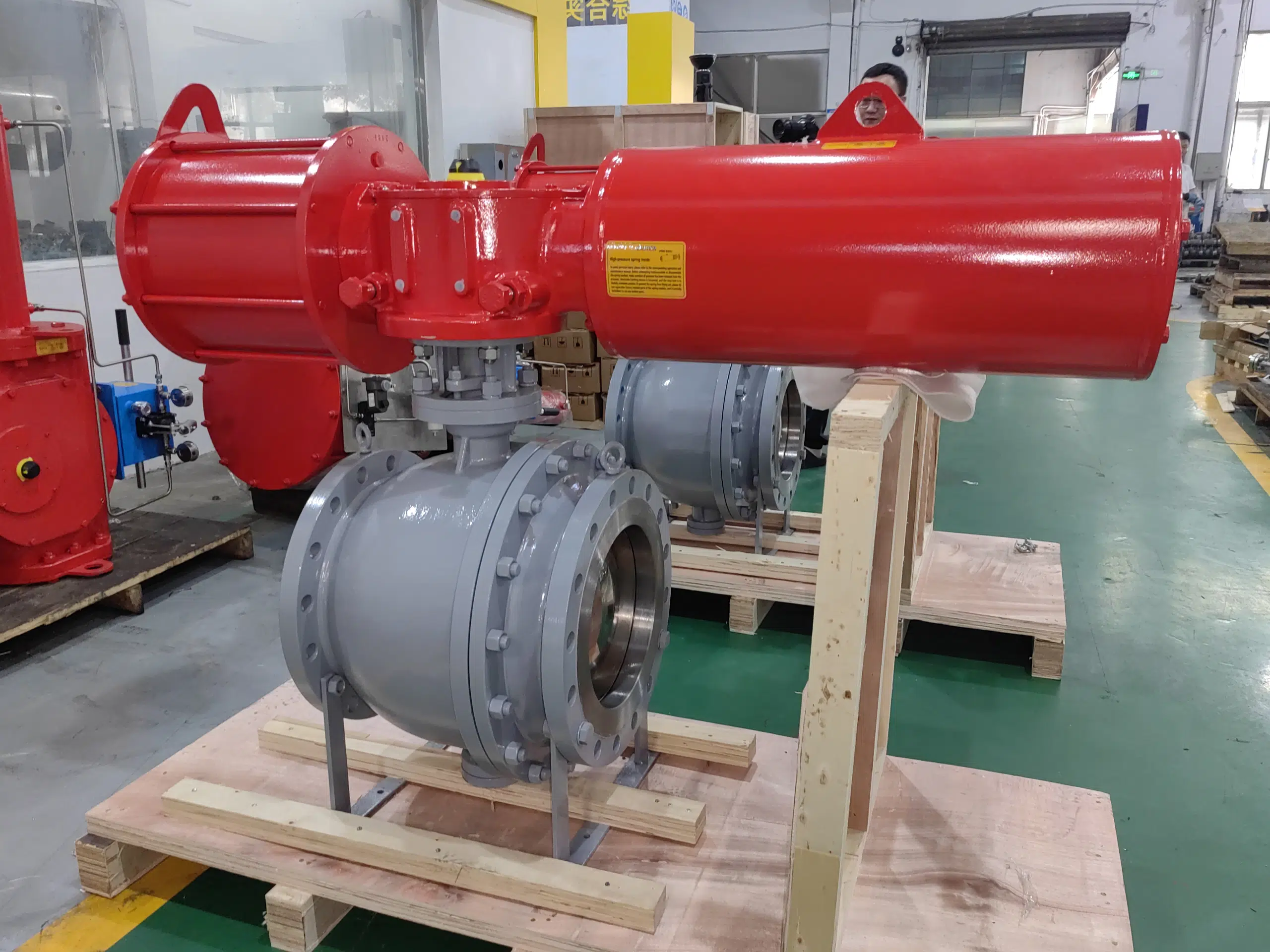
Actuated ball valves offer excellent control over fluid flow. They are important for industries needing high accuracy. Electric actuators turn electrical signals into movements. This helps adjust fluid flow exactly as needed. These valves can open, close, or adjust flow precisely. This is very useful in chemical plants and water systems.
Special features like sensors and programmable controls improve accuracy. These tools give real-time updates for better control. Using actuated ball valves helps reduce waste and improve product quality. They make flow control more precise and efficient.
Enhanced Reliability and Safety
Actuated ball valves are reliable and safe for industrial use. Their strong design and automatic function lower human mistakes. Automated valves remove the need for manual changes. This reduces accidents and makes dangerous areas safer.
These valves, like those from NTGD, handle tough conditions well. They resist rust and work under high pressure. This makes them great for oil and gas industries. Adding these valves to your system improves safety and efficiency, even in hard environments.
Reduced Manual Effort and Operational Costs
Using actuated ball valves cuts down on manual work and costs. A chemical company saved 20% on maintenance after using IoT-connected valves. These valves also support predictive maintenance. This means fixing problems early, saving more money.
| Evidence Type | Description |
|---|---|
| Cost Savings | A chemical company saved 20% on maintenance costs. |
| Efficiency Improvement | Automated valves reduce errors, improving quality and cutting process delays. |
| Predictive Maintenance Benefits | Predictive maintenance fixes issues early, lowering repair costs. |
By lowering labor costs, these valves make operations smoother. They work remotely and automatically, saving time and resources. This ensures systems run efficiently with little human effort.
Applications of Actuated Ball Valves Across Industries
Oil and Gas: Improving Safety and Reducing Costs
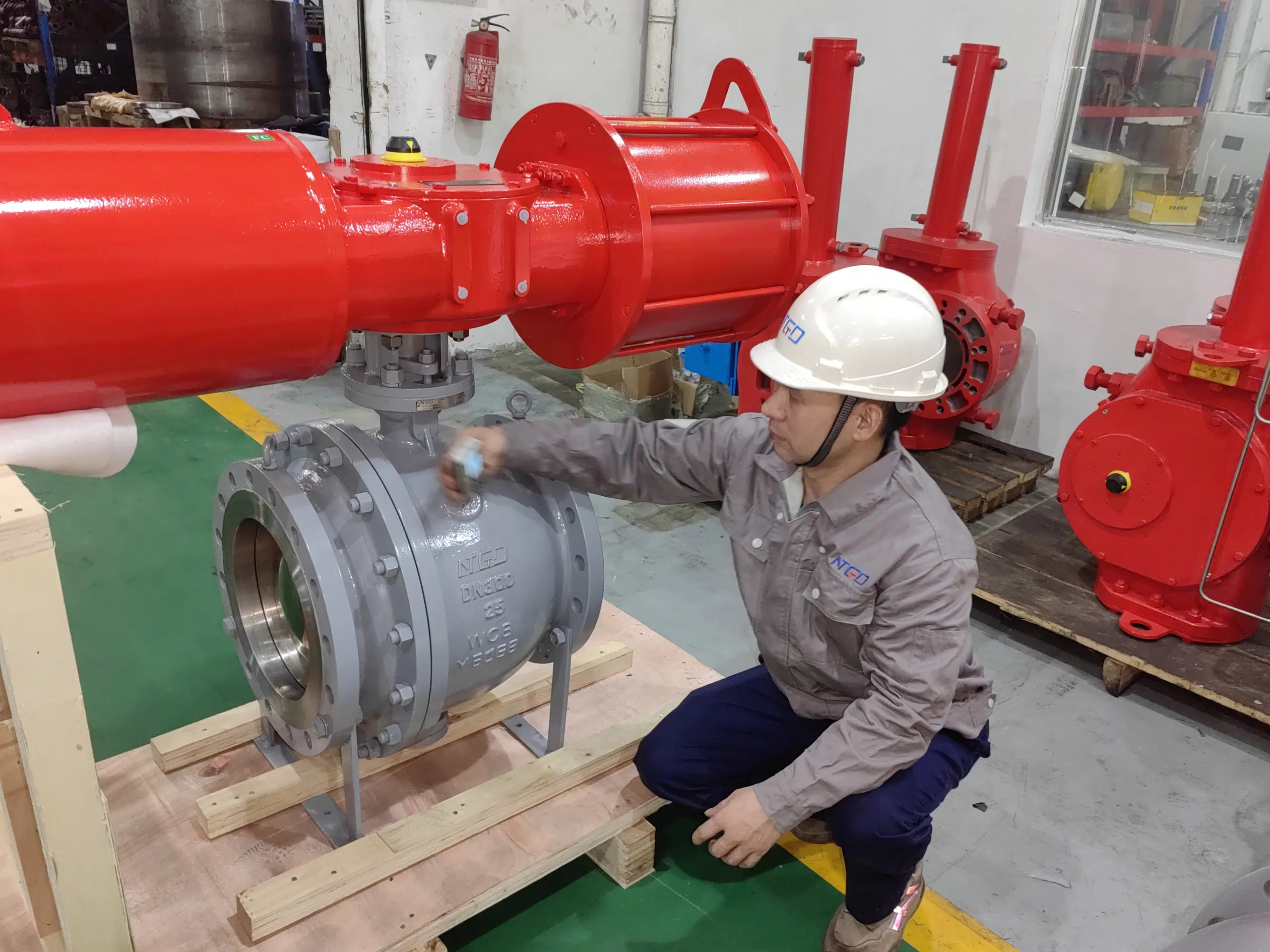
Safety and efficiency are vital in oil and gas work. Actuated ball valves help by stopping leaks with tight seals. They move quickly and keep hazardous materials safe during transport. IoT technology lets companies monitor valves in real-time. This helps find problems early and fix them before they grow.
These valves work well in high-pressure systems like pipelines. Remote control makes them safer in risky areas. Adding actuated ball valves to your setup boosts efficiency and lowers risks.
Water Treatment: Reliable and Accurate Fluid Control
Water treatment plants need accurate fluid control for clean water. Actuated ball valves automate tasks like filtering and adding chemicals. They adjust flow precisely to meet strict rules.
These valves also help save resources. Their design reduces leaks and uses less energy. This supports global efforts to protect the environment. Whether for city water or factory wastewater, these valves ensure smooth operations.
Manufacturing: Faster and Smarter Production
Manufacturing needs efficient systems to stay ahead. Actuated ball valves automate fluid control for cooling, lubrication, and moving materials. They cut downtime and improve product quality.
Digital twin technology makes them even better. It tests valve designs virtually before use, saving time and money. This tool helps systems run smoothly and efficiently. Actuated ball valves bring reliability and speed to production processes.
Key Considerations for Choosing Actuated Ball Valves
Material Compatibility and Strength
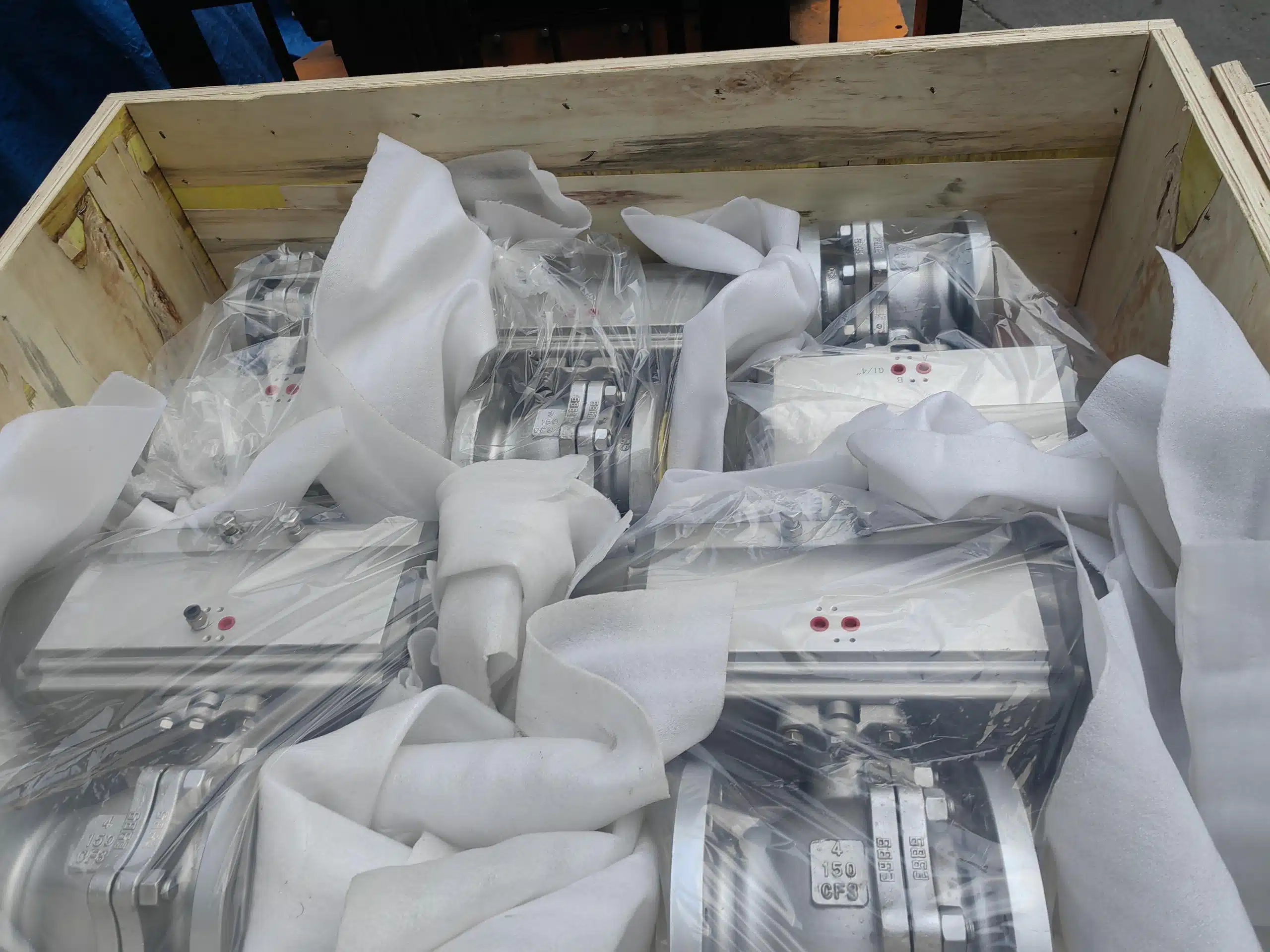
When picking an actuated ball valve, think about its material. The valve’s material must match the fluid or gas it handles. For example, stainless steel is good for harsh environments. Brass is better for easier jobs. Using the wrong material can cause leaks or damage.
Strength is also very important. Strong materials handle high heat, pressure, and chemicals. This means fewer replacements and saves money. Always check the maker’s details to ensure the valve fits your needs.
Torque and Actuator Size
The right torque and actuator size are key for smooth use. Torque is the force needed to turn the valve. If the actuator’s torque is too weak, the valve won’t work well. Too much torque can break parts.
To pick the right size, think about valve size, pressure, and fluid type. Makers often give torque charts to guide you. Choosing the right size keeps the system working well and lasting longer.
Following Industry Rules
Industry rules make sure valves are safe and work well. Look for labels like ISO, API, or ANSI when choosing a valve. These show the valve has passed safety and quality tests.
This is extra important in industries like oil, gas, or water treatment. Valves that don’t meet rules can cause fines or delays. Always check that the valve and actuator follow the needed standards for your job.
Future Trends in Valve Automation
AI and IoT in Smart Ball Valves
AI and IoT are making ball valves smarter. These tools allow remote control and real-time checks. This reduces delays and improves how systems work. For example, 62% of new valves in Europe now have sensors. These sensors find problems early and help systems run better.
In oil and gas, IoT valves send alerts for leaks or pressure changes. AI studies valve data to predict problems before they happen. This keeps systems running smoothly and lowers repair costs. As automation grows, more industries will use these smart technologies.
Focus on Sustainability and Saving Energy
New valve designs aim to save energy and protect the planet. Modern ball valves stop leaks and use less power. This helps meet environmental goals. For instance, Scandinavian mills save energy with low-power actuators.
In water plants, these valves save water by controlling flow better. In renewable energy, they improve system performance. Solar plants report 20% better efficiency with advanced valves. Low-leakage valves also help industries follow strict emission rules.
| Sector | Environmental Benefit | Efficiency Boost |
|---|---|---|
| Water Treatment | Saves water and cuts energy for pumping. | Improves water flow management. |
| Renewable Energy | Helps wind and solar systems work better. | Boosts solar plant efficiency by 20%. |
| Chemical Processing | Cuts emissions with real-time monitoring. | Lowers emissions by 30%. |
Predictive Maintenance with Smart Systems
Predictive maintenance is changing how valves are managed. IoT lets you check valve health in real time. This helps fix problems before they get worse. A chemical company saved 20% on repairs using IoT valves.
Smart systems also make work safer and reduce unexpected stops. More companies are using these tools to improve operations. As predictive maintenance becomes popular, industries will adopt it to save money and boost performance.
Actuated ball valves are changing how industries control fluid movement. They make systems work better, safer, and more reliably. For example, solar plants work 20% more efficiently with these valves. Facilities using them also cut emissions by 30%.
| Example/Statistic | Benefit |
|---|---|
| Solar plants gain 20% more efficiency | Proves their value in renewable energy systems |
| Emissions drop by 30% | Shows safety and eco-friendly advantages |
With AI and IoT improving, these valves will become even more useful. Picking the right valve helps systems run well and stay ready for future upgrades.
