
When managing natural gas flow, you need tools that work well. Ball valves are special because they are easy to use. They help control the flow with little effort, even in tough conditions. These valves work great under high pressure and very hot or cold temperatures. They are safe and perform reliably every time. Their design reduces leaks, keeping things secure in important situations.
Key Takeaways
- Ball valves are easy to use with a quick 90-degree turn. This makes them great for emergencies.
- They seal tightly to stop leaks, keeping systems safe and eco-friendly.
- Ball valves last long and need little care, saving time and money.
- New features like sensors and smart tech make them work better and more reliably.
- Ball valves are more flexible and efficient than lve/ or globe valves for natural gas uses.
Functionality of Ball Valves in Natural Gas Systems
Mechanism of Flow Control
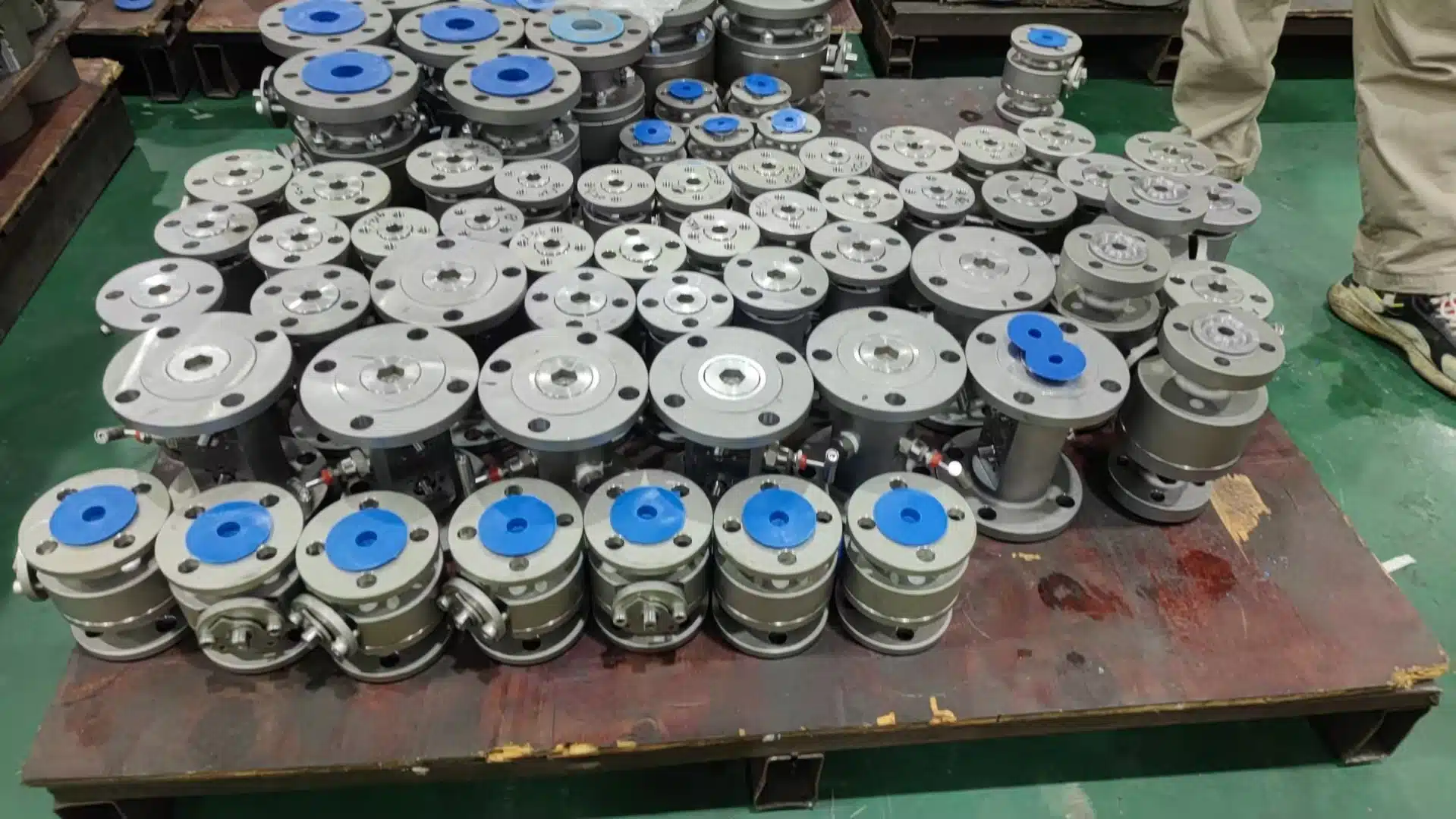
Ball valves help control how natural gas flows. They work using a simple design. Inside, there’s a ball with a hole in it. When the hole lines up with the valve openings, gas flows through. Turning the handle moves the ball to open or close the flow. This easy design makes controlling gas flow simple and accurate.
Another benefit is how fast they work. Ball valves only need a quick 90-degree turn to fully open or close. This saves time and effort, especially in emergencies. Some companies, like NTGD, add smart features like sensors and IoT tech. These upgrades allow real-time checks and easier maintenance, keeping the system reliable.
Ball valves also seal tightly to stop leaks. This is important for safety and protecting the environment. Their strong sealing makes them a top choice when precision and safety matter most.
Handling High-Pressure and High-Temperature Conditions
Natural gas systems often face high pressure and heat. Ball valves are built to handle these tough conditions. They are made from strong materials that last and perform well.
Tests show ball valves work safely under extreme conditions. Studies prove they can handle high pressure and heat without breaking. Experiments also check how well they seal and flow gas. These tests make sure ball valves stay reliable over time.
One example shows ball valves working in very high-pressure systems. Tests at over 1.5 times the normal pressure proved their strength. Heat tests also showed they stay safe and strong. These results explain why ball valves are so important in natural gas systems.
Better manufacturing has made ball valves even stronger. Companies like NTGD use better designs and materials to improve them. This focus on quality keeps ball valves dependable for natural gas use.
Advantages of Ball Valves in Natural Gas Applications
Precision and Efficiency
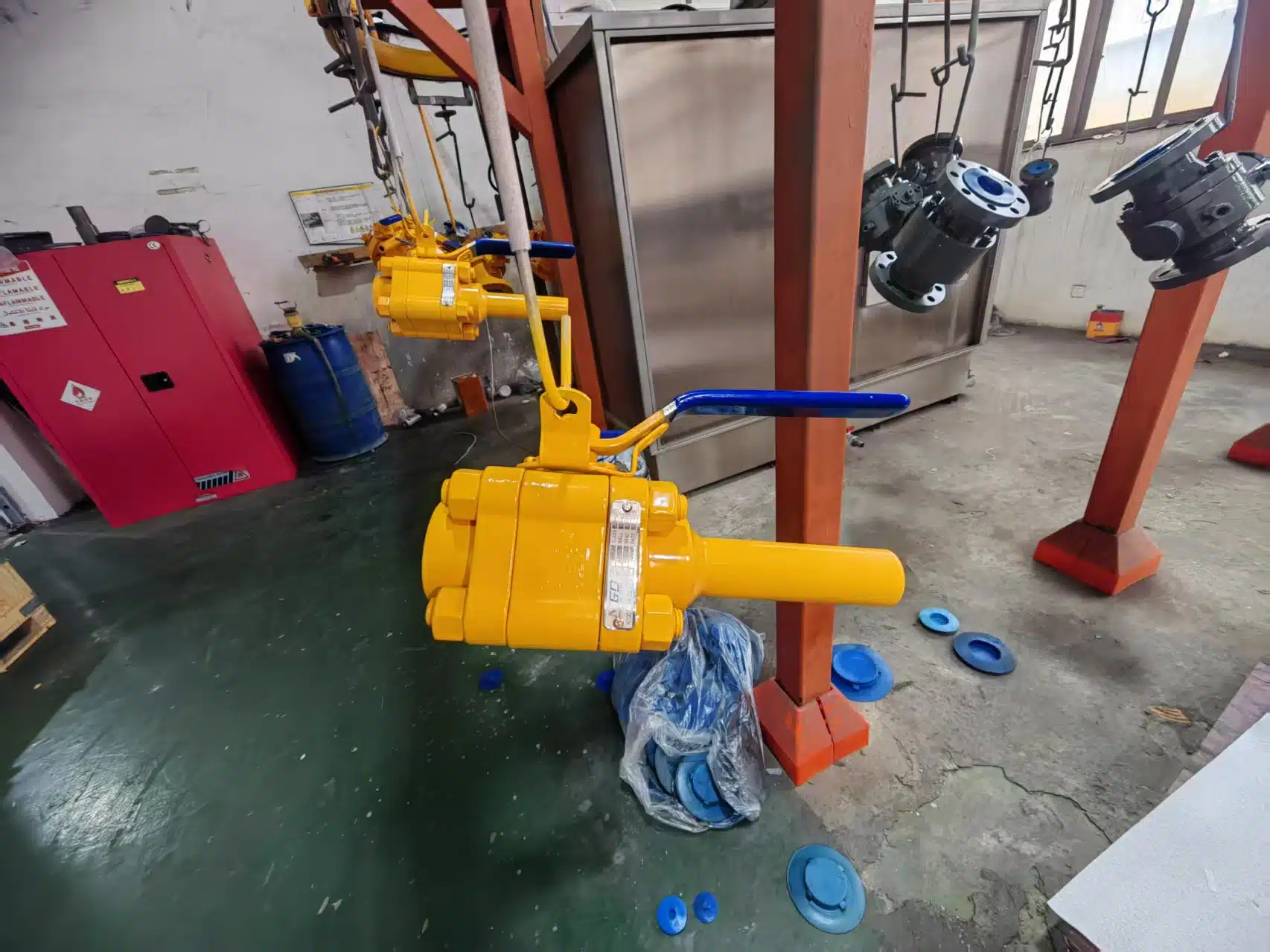
To control natural gas flow, accurate tools are needed. Ball valves are great because they are simple to use. Inside the valve, a ball with a hole helps control flow. Turning the handle 90 degrees opens or closes the valve quickly. This makes adjustments fast and easy, especially in emergencies. It also saves time during regular operations.
Modern ball valves, like those from NTGD, have smart features. They include sensors and IoT technology to improve accuracy. These features let you check flow rates and valve performance instantly. With these upgrades, systems work better and cost less to run.
Durability and Low Maintenance
Natural gas systems need strong parts to handle tough conditions. Ball valves are made from sturdy materials like stainless steel or brass. These materials resist rust and damage, keeping the valve working well. Ball valves can handle high pressure and heat without breaking.
Ball valves are also easy to maintain. Their simple design means fewer parts can fail. Unlike other valves, they need fewer repairs or replacements. This reduces downtime and saves money over time. NTGD makes durable ball valves that are easy to care for, making them a reliable choice.
Safety and Leak Prevention
Safety is very important in natural gas systems. Ball valves help stop leaks with their tight seals. This keeps gas contained and lowers the chance of accidents or harm to the environment. Reports show how ball valves reduce gas leaks and improve safety.
Ball valves go through strict tests to ensure they work well. Companies like NTGD test them under high pressure and heat. These tests prove the valves stay safe and strong in extreme conditions. Choosing ball valves means better safety and protecting the environment.
Comparing Ball Valves with Other Valve Types
Ball Valves vs. Gate Valves
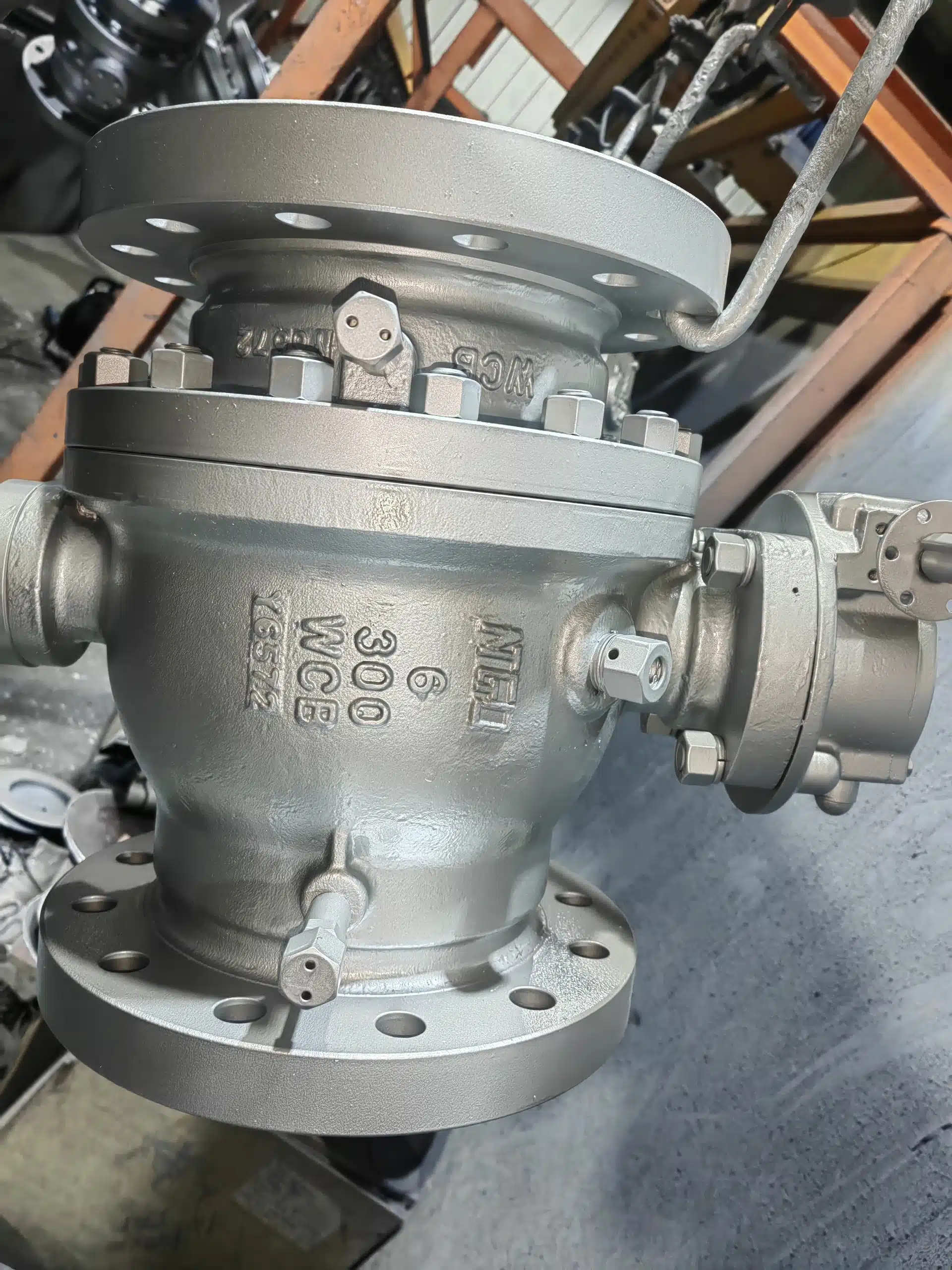
Choosing between ball and gate valves depends on your needs. Ball valves are faster to use. A quick 90-degree turn opens or closes them. This speed is helpful in emergencies. Gate valves take longer because they need multiple turns.
Ball valves are better for frequent use. They seal tightly, which prevents leaks. Gate valves work well for full flow but wear out faster with frequent use.
Here’s a simple comparison:
| Feature/Aspect | Ball Valves | Gate Valves |
|---|---|---|
| Common Applications | Fire systems, marine uses | Power plants, mining, water treatment |
| Cleaning and Maintenance | Harder to clean, may cause contamination | Easier to clean, good for slurries |
| Flow Characteristics | Great for frequent shut-off | Straight flow, fewer restrictions |
| Suitability in High-Pressure/Temp | Less ideal for high pressure | Better for high pressure and heat |
For high-pressure or high-heat systems, gate valves are better. But for ease and versatility, ball valves are often the best choice.
Ball Valves vs. Globe Valves
Ball and globe valves have different uses. Ball valves are great for quick shutoff and tight seals. They are perfect for fast and reliable flow control. Globe valves are better for precise flow adjustments. Their design allows accurate throttling, making them ideal for steam and water systems.
Here’s a comparison of their benefits:
| Valve Type | Advantages | Applications |
|---|---|---|
| V-port Ball Valve | – Accurate flow control – Tight shutoff – Low pressure drop – Handles high pressure |
Chemical uses |
| Metal Seated Ball Valve | – Strong build – Tight shutoff – Quick operation – Long-lasting – Efficient flow |
High-pressure and high-heat uses |
| Y-Pattern Globe Valve | – Precise flow control – Good throttling – Moderate open/close time |
Steam and water systems |
Ball valves need less care and work faster than globe valves. If you need quick action and low downtime, ball valves are better. For precise flow control, globe valves are the right choice.
Knowing these differences helps you pick the right valve. Ball valves are versatile, efficient, and reliable, making them a top pick for natural gas systems.
Applications of Ball Valves in Natural Gas Systems
Transmission and Distribution Pipelines
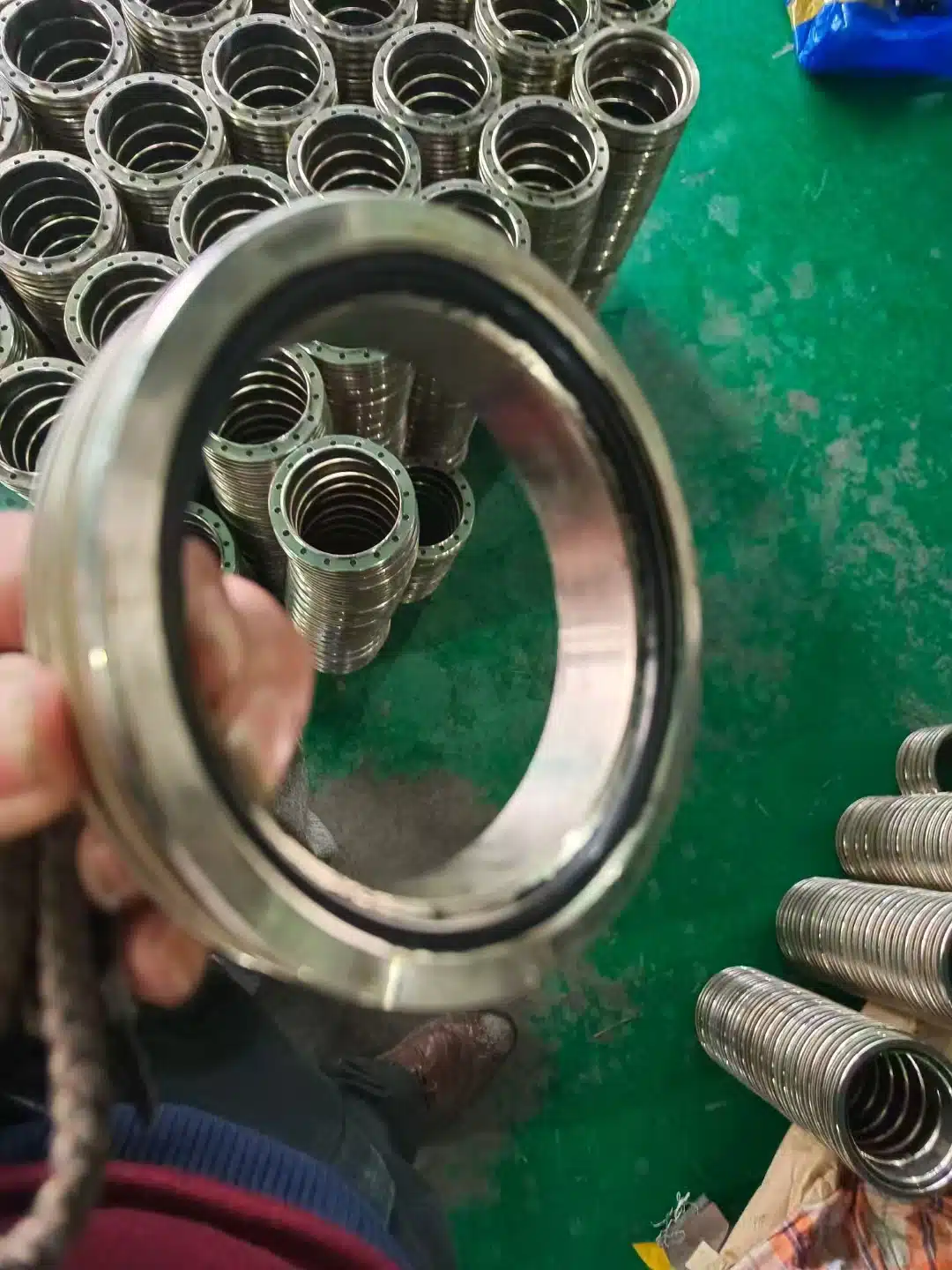
Ball valves are important for moving natural gas through pipelines. These pipelines work under high pressure and need strong flow control. Ball valves are great because they seal tightly, even in tough conditions. This tight seal helps stop leaks, keeping things safe and protecting the environment.
Ball valves also allow quick shutoff during emergencies. A simple 90-degree turn stops the gas flow right away. This fast action helps prevent accidents and keeps the system working well. Ball valves are also strong and last a long time, even with frequent use. This makes them a smart and cost-saving choice for long-term use.
Newer ball valves come with advanced features like sensors and IoT tools. These features let you check pipeline conditions in real-time. They help find problems early and reduce delays. Using ball valves in pipelines ensures safe, smooth, and reliable gas flow.
Processing and Storage Facilities
Ball valves are very useful in places where gas is processed or stored. These areas need valves that handle high pressure and heat while staying safe. Ball valves are built with strong materials to work well in these tough conditions.
Here’s why ball valves are perfect for these jobs:
| Evidence Type | Description |
|---|---|
| Design and Materials | Built for on-off use in gas systems, ensuring reliability. |
| Testing Standards | API 6D tests check pressure strength to ensure performance. |
| Fire Safety Compliance | Fire tests prove valves are safe to use in risky situations. |
| Fugitive Emission Testing | Special tests check for gas leaks, protecting the environment. |
These features make ball valves a safe and trusted option. They stop leaks, protect the environment, and lower accident risks. Strict testing ensures they work well for a long time. By using ball valves in these facilities, you improve safety, efficiency, and performance.
Ball valves are important in natural gas systems. They help control gas flow accurately and work dependably. Their special design makes them strong, fast, and rust-resistant. This is why they are trusted for tough jobs.
| Feature | Description |
|---|---|
| Long-Lasting | Built to last, they work well under high pressure. |
| Low Maintenance | They need little care, making them easy to rely on. |
| Quick Shut-Off | They close quickly, which is key for gas systems. |
| Rust-Resistant | They don’t rust easily, so they last longer. |
| Multi-Purpose | Useful for many industries, including natural gas systems. |
Using ball valves means safer and more efficient systems. They are dependable and perform well, even in tough conditions.
