
Steam systems work with high pressure and heat, so safety is key. Reliable parts are needed to avoid accidents and keep things running. Ball valves are very important in these systems. They control flow well and stop leaks from happening. These valves handle tough conditions, making them great for steam use. Using ball valves improves safety and keeps your system working well.
Key Takeaways
- Ball valves help control steam flow and stop leaks in strong systems.
- Checking and fixing valves often can stop problems and save money.
- Picking good materials and parts, like safe stems, makes steam systems safer.
- Installing and placing ball valves correctly helps them work well and safely.
- Cleaning and oiling valves often makes them work better and last longer.
Understanding Safety in Steam Applications
Risks of High-Pressure Steam Systems
High-pressure steam systems work in tough conditions and are risky. Steam can get hotter than 400°F and reach over 150 psi. These extreme conditions can cause serious accidents like burns or explosions. Studies show past data helps predict how often failures happen. For example, pressure vessel accidents can lead to toxic gas leaks and property damage.
Steam leaks are also dangerous. They make workplaces hotter and unsafe, causing injuries. The CDC says slips and falls in steam areas cost $70 billion yearly. This shows why strong safety steps are needed in steam systems.
Common Valve Failures in Steam Applications
Valves control steam flow, but they can fail and cause danger. About 30% of steam traps fail at any time, wasting energy. A broken steam trap can waste over €6,000 in energy each year. Failed traps can also cause water hammer, rust, and equipment damage.
One example is the 2007 NYC steam pipe explosion caused by a clogged trap. This failure hurt people and showed why maintenance is important. Direct mounted valves, made for high pressure, are more reliable and safer.
Importance of Safety Measures in Steam Systems
Safety steps are key to stopping accidents and keeping systems efficient. Regular checks and repairs find problems early and prevent valve failures. For example, steam plants with frequent inspections stay safer.
Following safety rules, like those from ASME, is very important. Safety valves stop too much pressure and prevent explosions. Special safety steps, like checking steam traps, find leaks and lower risks.
Tip: Buying good ball valves with safety features makes steam systems safer and better.
Features of Ball Valves for Steam Applications
High-Temperature and Pressure Resistance
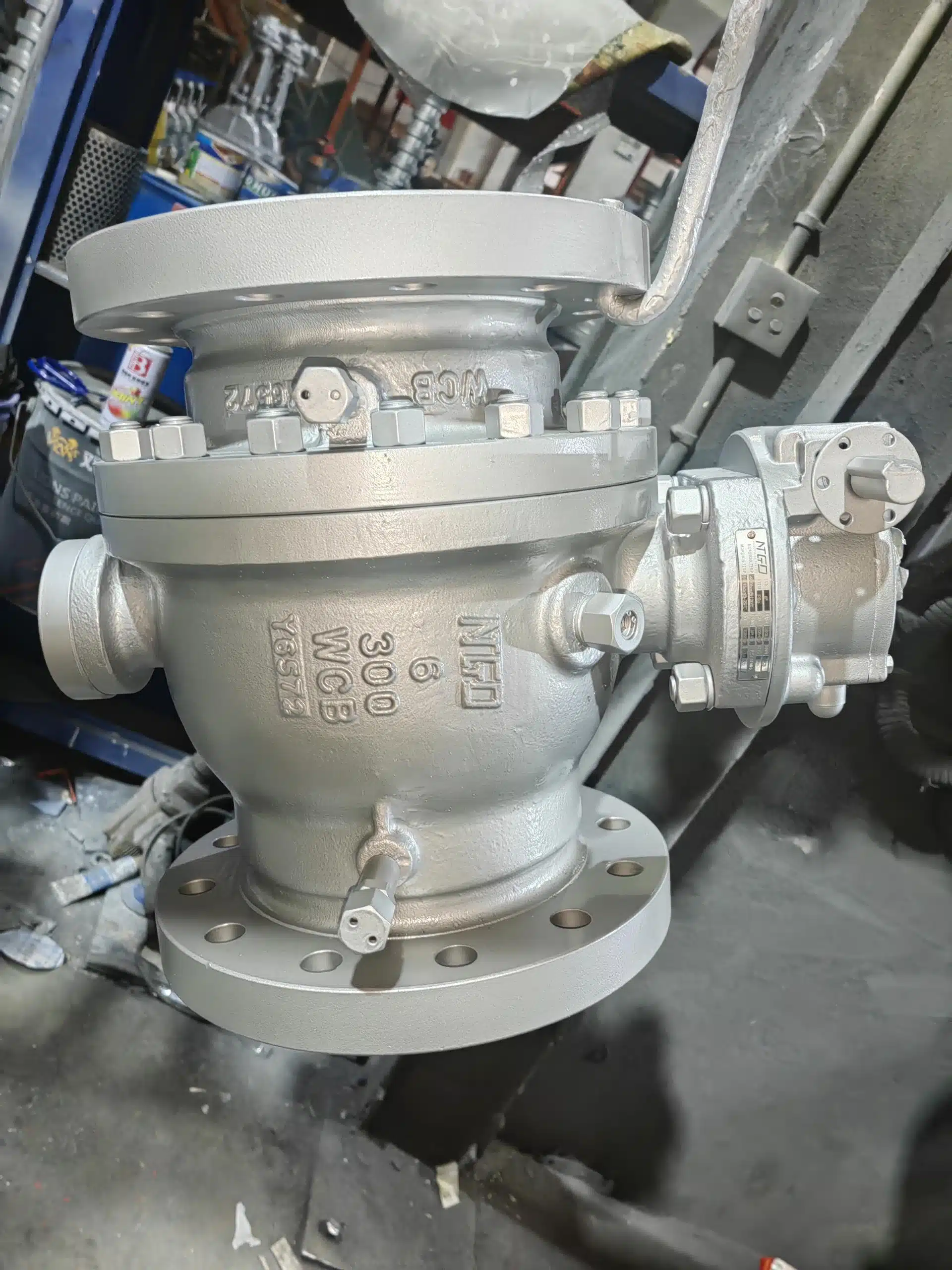
Ball valves in steam systems face tough conditions. These systems often work above 1500 PSI and 400°F. Materials must stay strong under such stress. High-temperature stainless steel ball valves are perfect for this. They resist rust and stay reliable with hot liquids or chemicals.
The material used is key for durability. For example, elastomers like silicone and fluorocarbon handle over 400°F. This makes them great for steam-rated valves. Tests like pressure checks and hardness tests ensure these materials work well. These tests confirm the valve is safe and efficient in high-pressure steam systems.
| Elastomer Type | Max Operating Temperature (°F) | Max Operating Temperature (°C) |
|---|---|---|
| Silicone | > 400 | > 230 |
| Fluorocarbon | > 400 | > 230 |
| Polyacrylic | 320 – 350 | 160 – 180 |
Steam-Specific Seats and Seals
Steam ball valves need special seats and seals to stop leaks. Regular materials can fail in high heat, causing problems. Steam-specific seats and seals are made for these challenges. They handle heat changes and keep a tight seal under pressure.
Flow rate and leak prevention are important for these valves. Strong designs with reinforced materials improve their performance. Choosing valves with steam-specific seats and seals saves energy and lowers accident risks.
Thermal Relief Tapping for Pressure Management
Thermal relief tapping is crucial for steam ball valves. It balances pressure across the valve to avoid buildup. This prevents dangerous failures or accidents. A 3pc 316 stainless steel ball valve rated for 250 PSI or more often has this feature. It ensures safety in high-pressure systems.
Note: Pressure relief valves and thermal relief tapping work together for safety. These features protect equipment and people from overpressure issues.
With these features, ball valves keep steam systems safe and efficient. They perform well even in the toughest conditions.
Safety Features like Anti-Blowout Stem and Firesafe Design
Ball valves in steam systems must focus on safety for tough conditions. Two key features that make them reliable are the anti-blowout stem and firesafe design. These features protect both the system and workers nearby.
An anti-blowout stem stops the valve stem from popping out under high pressure. This keeps the valve safe during sudden pressure changes. Without it, a broken stem could cause dangerous steam leaks or system issues. Valves with this feature stay strong in high-pressure situations.
Firesafe designs offer extra safety. During a fire, these valves stop steam or harmful substances from leaking. Firesafe ball valves go through strict tests to prove their safety. For example:
- API 607 checks if valves hold pressure during and after a fire.
- API 6FA limits leaks after 30 minutes of fire exposure.
- Companies like Relia Valve pass fire-safe tests by TUV to earn certifications.
These certifications show that firesafe valves handle extreme conditions well, keeping steam systems safe.
When picking ball valves, choose ones with these safety features. They lower risks and help your system work properly. By using valves with anti-blowout stems and firesafe designs, you protect equipment and make the workplace safer.
Best Practices for Installing Ball Valves in Steam Systems
Picking the Right Ball Valve for Steam Use
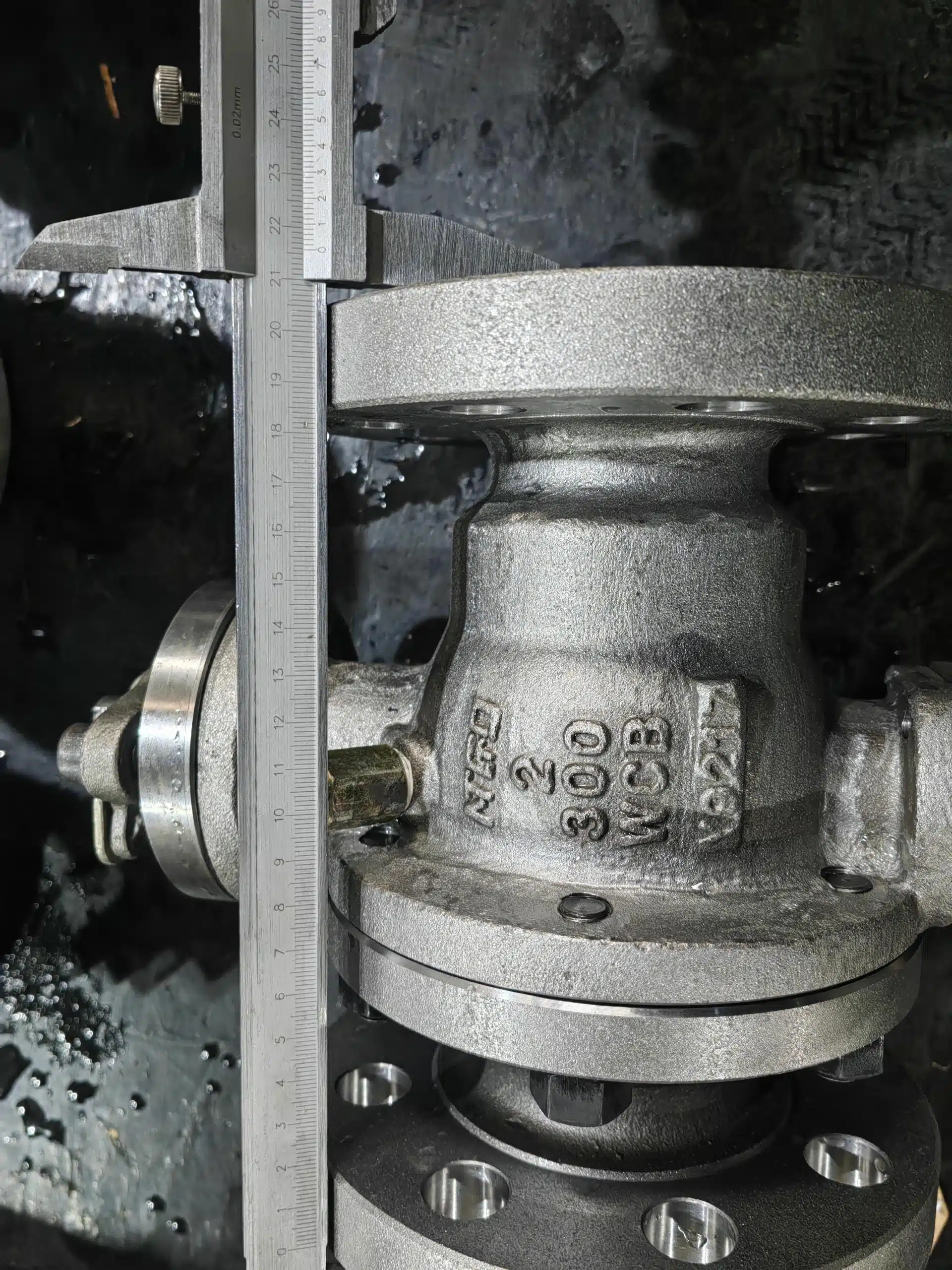
Choosing the right ball valve keeps steam systems safe and efficient. Think about your system’s needs before deciding. For accurate flow control, V-port ball valves work best. If your system has high pressure, use high-pressure ball valves. Always pick a valve with a pressure rating higher than your system’s maximum.
The material of the valve is also important. For hot steam, materials like Monel or Hastelloy last longer. Valves with locking handles add safety by allowing lockout-tagout steps. Learn about industry rules like API, ANSI, and ASME to follow standards and improve performance.
Correct Valve Placement and Positioning
Installing ball valves the right way keeps them working safely. Safety valves should always be mounted upright, with the spindle above the pipe. This setup helps them work well under pressure. The inlet pipe must be as big as or bigger than the valve’s inlet size to avoid blocking flow.
Never put shut-off valves between the safety valve and the system. This can block the safety valve and cause danger. Keep safety valve drains and vents open to release pressure properly. For systems with more than one safety valve, use a connection that spreads pressure evenly. These steps reduce stress on valves and make the system more reliable.
Checking for Leaks and Securing Installation
Testing for leaks is key to making sure valves work well. If a leak rate is over 1.0 mm Hg per minute, fix it fast. Standards like ANSI/AAMI ST8 and EN285 suggest this limit for steam systems. Regular checks find problems, like poor air removal, before they get worse.
Make sure all connections are tightened as the manufacturer says. Use a drip pan elbow if needed to change the outlet direction and lower valve stress. Following these tips stops leaks, keeps the system running smoothly, and improves safety in steam systems.
Maintenance Tips for Ball Valves in Steam Applications
Regular Inspection and Wear Monitoring
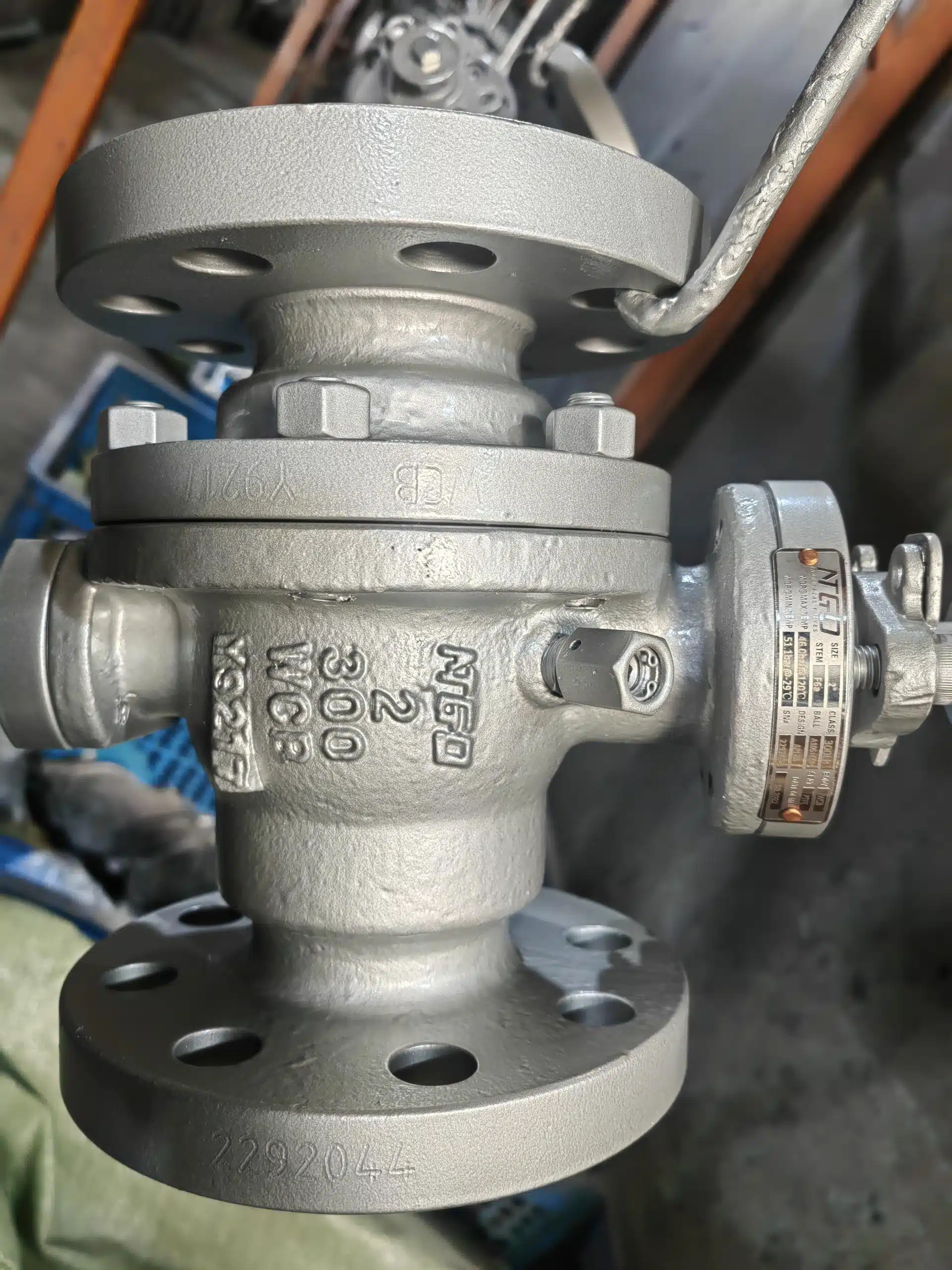
Checking valves often helps keep them working well. Look for problems like rust, leaks, or scratches on the ball. Fixing these early stops bigger issues and saves money. Regular checks also help valves handle high-pressure steam safely.
Tests like pressure and leak checks show if valves are reliable. Watching for worn seals or broken parts lets you fix them early. This reduces how often you need replacements and avoids delays. Plan big repairs during system shutdowns to avoid interruptions.
Tip: Inspect valves regularly to keep them working for a long time.
Cleaning and Lubricating Valve Components
Cleaning and oiling valves are important for good performance. Dirt can build up and block the valve, making it less effective. Cleaning removes dirt and keeps the valve running smoothly. Use cleaners recommended by the manufacturer to avoid damage.
Oiling reduces friction between parts, making them last longer. Check oil levels often to keep the valve working well. A regular cleaning and oiling routine stops wear and keeps valves safe under high-pressure steam.
Note: Cleaning and oiling improve how valves work and make them safer.
Replacing Damaged Parts to Prevent Failures
Changing broken parts is key to keeping valves safe. Old seals, scratched balls, or rusty parts can make valves fail. Fixing these problems early keeps the system running and avoids sudden breakdowns.
Studies show fixing parts early helps equipment last longer. For example, in 2023, 43.44% of places planned to spend more on maintenance. Fixing worn parts quickly means fewer replacements and a more reliable system.
| Evidence Type | Description |
|---|---|
| Proactive Maintenance | Stops sudden breakdowns by keeping parts in good shape. |
| Adoption Rate | More places are using this, as shown in reports. |
| Budget Increase | Many facilities increased maintenance budgets in 2023. |
Tip: Fixing broken parts early saves time, money, and avoids delays.
Buying good valves with safety features keeps your equipment safe. Taking care of them regularly makes them last longer and work well. Picking the right valves and using them correctly makes steam systems safer and more effective.
