
You use pipelines to move oil and gas safely. But leaks and pressure problems can be dangerous. Floating ball valves are important for stopping these risks. Their special design makes a tight seal to stop leaks early. These valves also control pressure to keep pipelines safe. In oil and gas work, safety matters most. Floating ball valves help keep people and nature safe.
Key Takeaways
- Floating ball valves stop leaks by sealing tightly, keeping pipelines safe.
- They control pressure well, lowering the chance of pipeline problems.
- In emergencies, these valves shut off quickly to keep workers safe.
- Strong materials and coatings make them last long and need less fixing.
- Good floating ball valves make pipelines safer and work better, so they are important for oil and gas work.
Safety Features of Floating Ball Valves
Leak Prevention with Tight Sealing
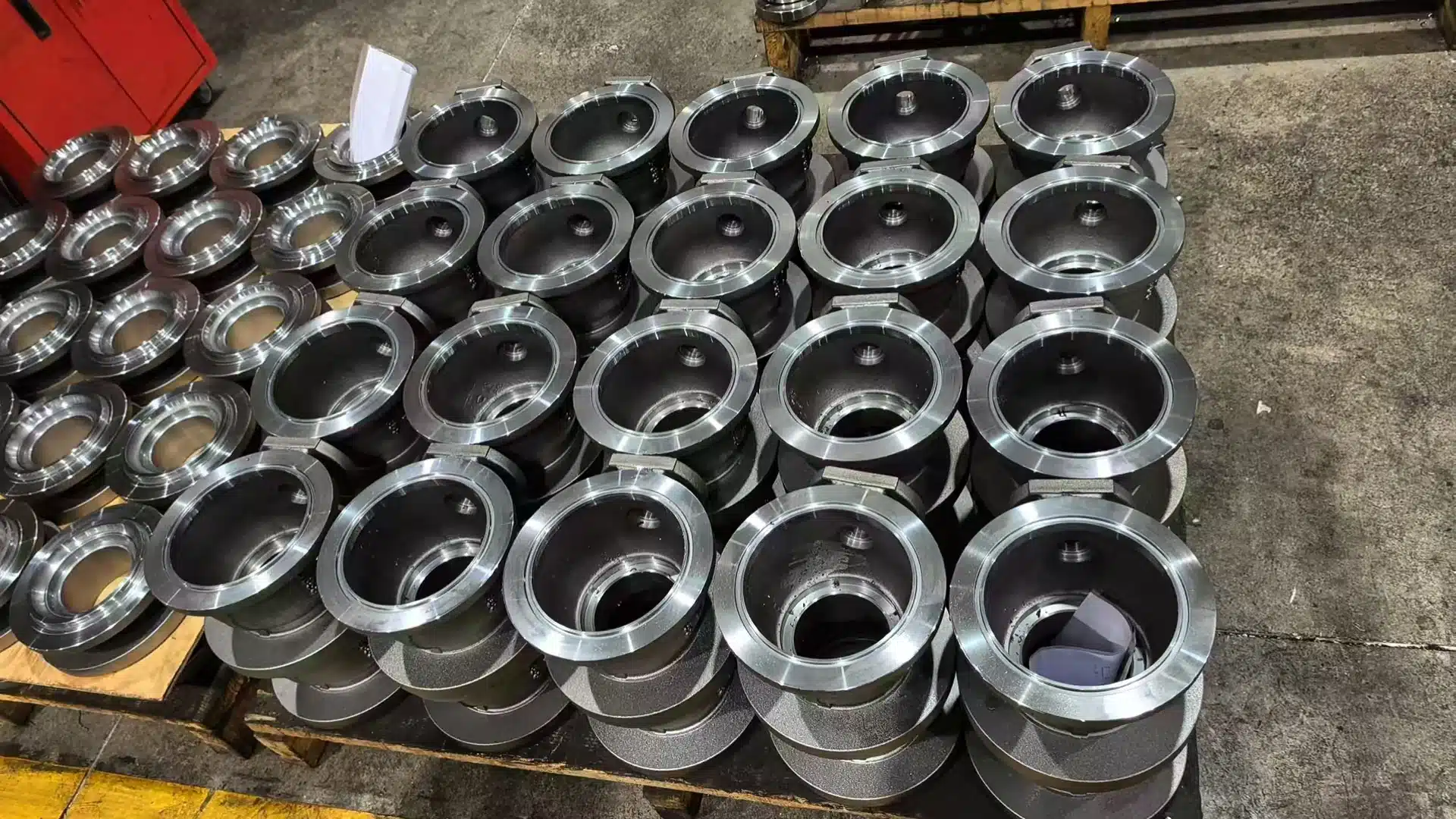
Floating ball valves help stop leaks in pipelines. Their design creates a tight seal between the ball and seat. This stops dangerous fluids from leaking out. In oil and gas work, even small leaks can cause harm. Special materials like PTFE or elastomers improve sealing. These materials work well, even in tough conditions.
Manufacturers test these valves to ensure they work properly. The shell test checks if the valve body is strong and leak-free. Low-pressure and high-pressure tests check sealing at different pressures. These tests make sure the valves are safe before use.
Pressure Management and Relief
Floating ball valves also control pressure in pipelines. They keep pressure levels safe by managing fluid flow. This is very important in high-pressure pipelines like oil and gas. These valves can handle different pressure levels, making them useful in many situations.
For example, in gas pipelines, they control flow and keep pressure stable. This lowers the chance of pipeline failure. As natural gas use grows, these valves become even more important.
Emergency Shut-Off Capabilities
In emergencies, floating ball valves quickly stop fluid flow. Their simple design allows fast action during critical times. Many valves are fire-safe and can handle high heat. This keeps them working during fires, protecting people and equipment.
The oil and gas industry uses these valves for emergency shutdowns. They stop dangerous fluids instantly, reducing accident damage. Coatings like epoxy and Teflon protect valves from rust, ensuring they last in tough conditions.
Durability in Extreme Conditions
Floating ball valves are made to work in tough places. Their strong build and special materials make them reliable. These valves can handle high pressure, temperature changes, and harmful substances. This makes them very important for oil and gas pipelines.
Manufacturers use materials like duplex stainless steel, Inconel, and Monel. These materials resist rust and damage in harsh areas like the ocean. Coatings such as epoxy and Teflon add extra protection. Together, these materials and coatings help the valves last longer and work better.
Tip: Valves with fireproof materials and better seals can handle heat. This adds safety during emergencies.
To ensure strength, floating ball valves go through strict tests. They are tested in real working conditions to check for leaks. Cyclic tests see how seals hold up over time and heat changes. These tests prove the valves can handle hard jobs.
In ocean areas, these valves stay strong under pressure and heat shifts. They work well in these conditions, keeping offshore operations safe. Choosing these valves means picking a tool built for tough jobs without losing safety or quality.
Advantages in the Oil and Gas Industry
Performance in High-Pressure Environments
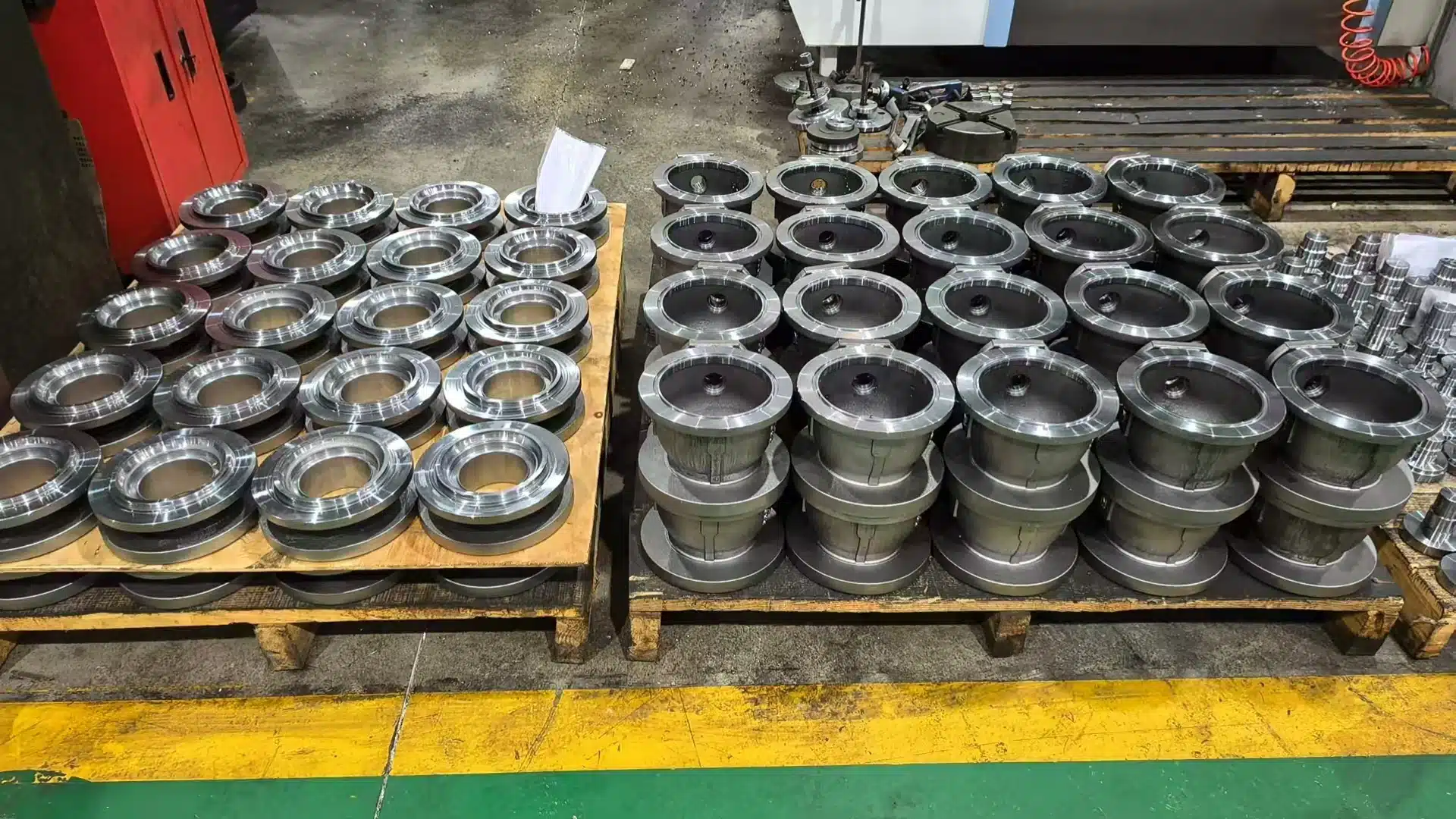
Floating ball valves work well under high pressure. They are very important in the oil and gas industry. Their special seals stop leaks, even with strong pressure. This helps pipelines stay safe while moving oil and gas far distances. These valves control flow and stop dangerous pressure build-ups.
Strong materials like duplex stainless steel and Inconel make them last longer. These materials resist damage, keeping the valves working in tough places. Many modern valves also have automation features. Electric or air-powered controls let you operate them from far away. This saves time and reduces manual work.
| Performance Metric | Description |
|---|---|
| Material Advancements | Strong materials like duplex stainless steel resist corrosion. |
| Improved Sealing Technology | Soft-seated designs stop leaks, even in high-pressure systems. |
| Advanced Automation Integration | Electric or air-powered controls allow remote operation. |
Resistance to Corrosive Substances
Corrosion is a big problem in oil and gas work. Floating ball valves are made to fight it. Materials like titanium form a protective layer. This layer keeps acids and harmful chemicals from damaging the valve. These valves stay strong in harsh places like offshore platforms.
By resisting corrosion, these valves need less fixing and last longer. This saves money and keeps pipelines safer. They are great for places with lots of chemicals, like downstream operations. Their strength makes them a smart choice for tough jobs.
Reducing Pipeline Failure Risks
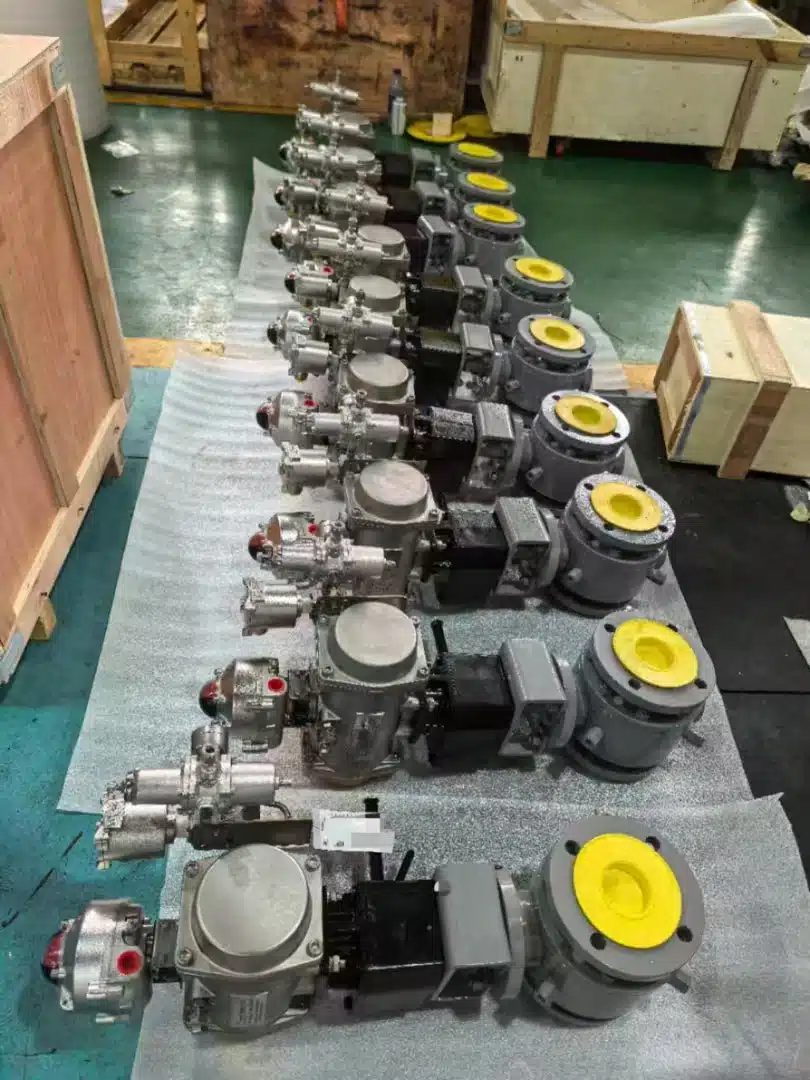
Pipeline failures can cause big problems, like spills and money loss. Floating ball valves help lower these risks. Their tight seals stop leaks, and their strong build handles sudden pressure changes. They can block parts of a pipeline during repairs or emergencies. This limits damage if something goes wrong.
In midstream work, these valves meet strict rules like API 6D. This proves they are safe and reliable. They are also small and light, making them easy to install and fix. This lowers the chance of mistakes. Picking floating ball valves means safer and better pipelines.
Note: More natural gas is being explored worldwide. Using high-quality floating ball valves helps meet safety rules and keeps pipelines secure.
Enhancing Operational Efficiency
Floating ball valves help pipelines work better and more smoothly. Their design allows easy flow control, making pipeline management simpler. They stop leaks and pressure problems, saving time and money. This makes them very useful for keeping oil and gas operations efficient.
These valves are strong and handle high pressure and harmful substances. This means fewer breakdowns and less downtime. Many modern valves have automation, so you can control them from far away. This removes the need for manual work, saving effort and time.
Did You Know? Cities use ball valves in water systems to stop leaks. These valves also work well in oil and gas pipelines, meeting safety rules.
The need for good flow control tools is growing fast. Industries like oil, gas, and water depend on these valves to work better. Here’s why they are helpful:
- They stop leaks, making operations safer and more efficient.
- Strong materials and coatings mean less fixing and lower costs.
- Automation makes them more accurate and reduces mistakes.
Using high-quality floating ball valves improves pipelines and lowers risks. These valves make systems work better and last longer. They are a smart pick for any pipeline setup.
Applications in the Oil and Gas Industry
High-Pressure Transmission Pipelines
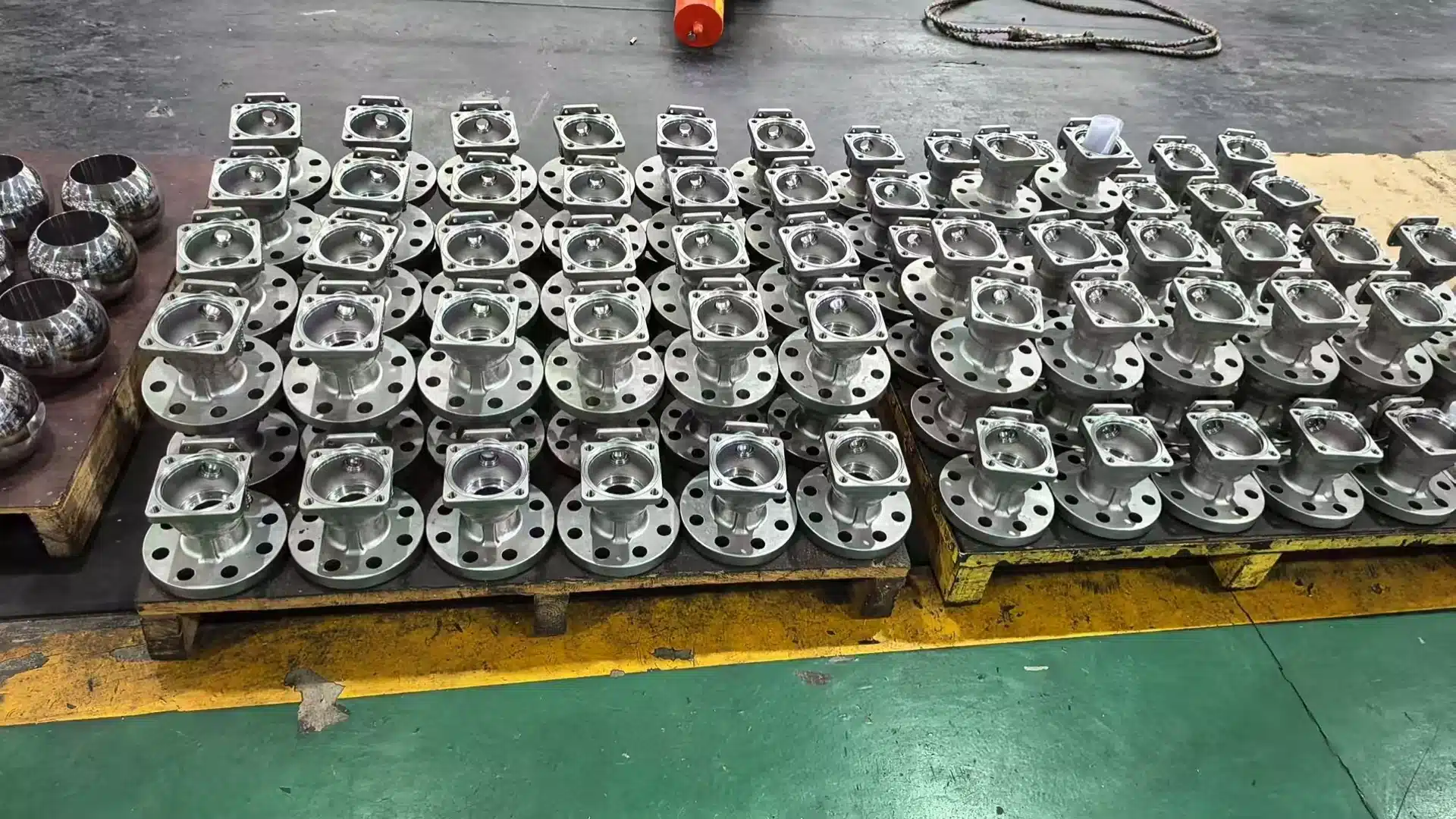
High-pressure pipelines move oil and gas long distances. These pipelines face strong pressure, so safety is crucial. Floating ball valves help keep them safe. Their tight seals stop leaks, even under high pressure. This keeps harmful materials inside, protecting workers and nature.
These valves also control fluid flow accurately. This helps manage pressure and prevents pipeline problems. Strong materials like duplex stainless steel make them durable. They can handle tough conditions in high-pressure pipelines. Using floating ball valves makes pipelines safer and more reliable.
Emergency Shutdown Systems
Quick action during emergencies can stop disasters. Floating ball valves are key for emergency shutdowns. They quickly stop oil or gas flow when needed. Their simple design allows fast use in critical moments. Many valves are fire-safe, so they work during fires. This protects equipment and reduces damage.
These valves are also very durable. Coatings like epoxy and Teflon stop rust, keeping them ready to use. Adding floating ball valves to emergency systems improves safety. They lower risks and protect people in the oil and gas industry.
Offshore and Subsea Operations
Offshore and subsea work is very challenging. High pressure, temperature changes, and seawater can harm equipment. Floating ball valves are built for these tough conditions. They control flow in systems like hydraulics and ballast water. Their strong design keeps them working in harsh marine environments.
- Floating ball valves handle high pressure and temperature shifts well.
- They resist rust, lasting longer in underwater conditions.
- They work in many offshore systems, making them very useful.
Using floating ball valves offshore keeps systems safe and efficient. These valves help you stay in control, even in hard situations.
Real-World Success Stories
Floating ball valves show their worth in real oil and gas work. They improve safety and efficiency, making them reliable in tough situations. Below are examples of how these valves help.
- Stopping Dangerous Leaks on Offshore Platforms
Offshore platforms deal with high pressure and salty seawater. One oil company used floating ball valves on underwater pipelines. These valves stopped leaks during a sudden pressure spike from equipment failure. Their tight seals and rust-proof materials avoided environmental harm and saved millions in fines. - Protecting Workers During Emergency Shutdowns
A fire broke out at a natural gas plant’s pipeline system. Floating ball valves helped shut off the damaged section. Their fire-safe design worked under extreme heat, stopping gas flow and preventing the fire from spreading. This quick action kept workers safe and reduced facility damage. - Boosting Efficiency in High-Pressure Pipelines
A crude oil pipeline often needed repairs due to pressure changes. After switching to floating ball valves, the company saw big improvements. The valves kept pressure steady and reduced pipeline wear. This cut repair costs and made operations smoother.
Did You Know? Floating ball valves are great for underwater work. They handle high pressure and temperature shifts well, making them dependable in hard conditions.
These examples show why floating ball valves are a smart choice. They protect nature, keep workers safe, and make pipelines work better. Using these valves helps solve safety problems and keeps operations running well.
Floating ball valves are very important in oil and gas work. They make pipelines safer and help them work better. These valves have features like tight seals and quick shut-off abilities. This keeps pipelines safe and reliable. Newer designs use stronger materials to stop rust and seal better. These improvements make the valves work even harder. They help prevent problems, protect nature, and keep pipelines strong. Picking good floating ball valves is key to staying safe in today’s oil and gas jobs.
