
Forged steel gate valves are strong and very reliable. They work well in tough places with high pressure or harsh chemicals. The forging process makes the material stronger for better use over time. Industries like oil, gas, and chemical plants use these valves to avoid problems. Special materials and leak-proof designs make them work even better. These valves resist damage, rust, and stress, making them the best choice for important jobs.
Key Takeaways
- Forged steel gate valves are very strong and dependable. They work well in tough and high-pressure places.
- The forging process makes the material tougher and denser. This helps the valves handle extreme conditions without breaking or bending.
- These valves do not rust or get damaged by chemicals. Metals like chromium and molybdenum are added to make them last longer.
- Careful design makes forged steel gate valves stop leaks, even under high pressure.
- Using forged steel gate valves lowers the chance of failure. It also cuts down on repair costs, making them a good choice for important industries.
Properties of Forged Steel That Enhance Durability
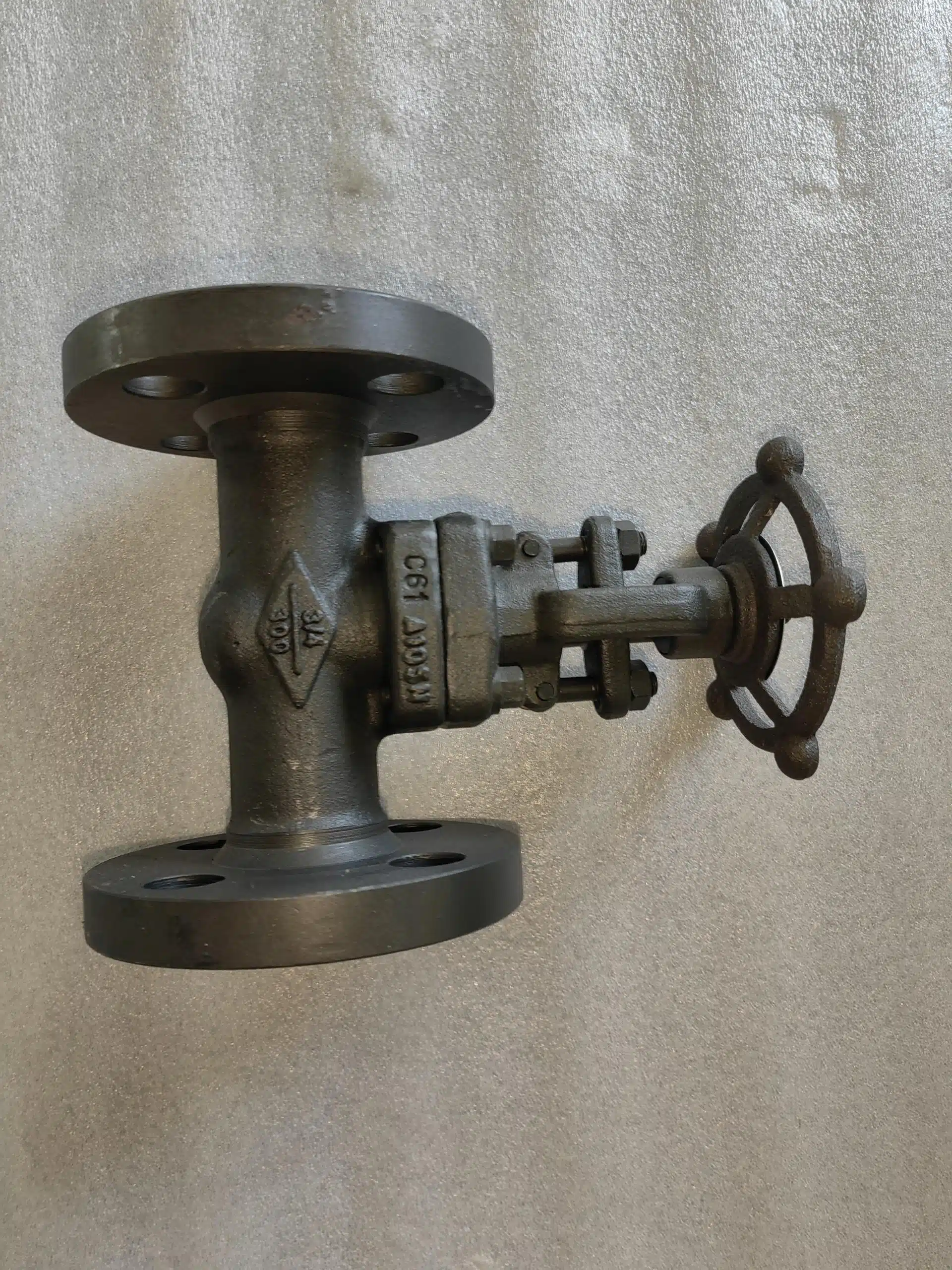
High Strength and Density
Forged steel is very strong and dense. This makes it great for important uses. The forging process squeezes the steel tightly. This removes any empty spaces or weak spots inside. As a result, the steel becomes tougher and more reliable. For example, types like ASTM A36 and ASTM A572-50 are very strong. They can handle pressures between 58,000 and 80,000 psi. These features help forged steel gate valves stay strong under high pressure. They won’t bend or break easily. Even in tough jobs like oil and gas work, they stay solid.
| Strength Point | Yield Point (psi) | Tensile Strength (psi) | Elongation % (200 mm) |
|---|---|---|---|
| ASTM A36 | 36,000 | 58,000-80,000 | 18% |
| ASTM A572-50 | 50,000 | 65,000 | 20% |
Resistance to Wear and Mechanical Stress
Forged steel lasts longer and handles stress better than most materials. The forging process arranges the steel’s grain in a strong pattern. This makes it tougher and able to take hits without breaking. Forged steel gate valves work well in places with heavy use or rough conditions. Tests show that forged parts can handle extreme pressure and heat. Picking forged steel means your valve will last longer. It will stay strong even with constant use or changing pressures.
Corrosion and Chemical Resistance
Forged steel resists rust and damage from chemicals. Adding metals like chromium, molybdenum, and nickel makes it even better. Stainless steel types like AISI 316L and 304L work well in harsh places. Tests show they don’t wear down much, even in high heat or strong chemicals. For example:
- More chromium and molybdenum stop rust and damage better.
- DS2507 resists rust better than SS301, even with less nickel.
These features make forged steel gate valves a smart pick for industries like oil and gas. They can handle harmful chemicals without breaking down. This keeps them working longer and prevents problems during use.
Design and Manufacturing of Forged Steel Gate Valves
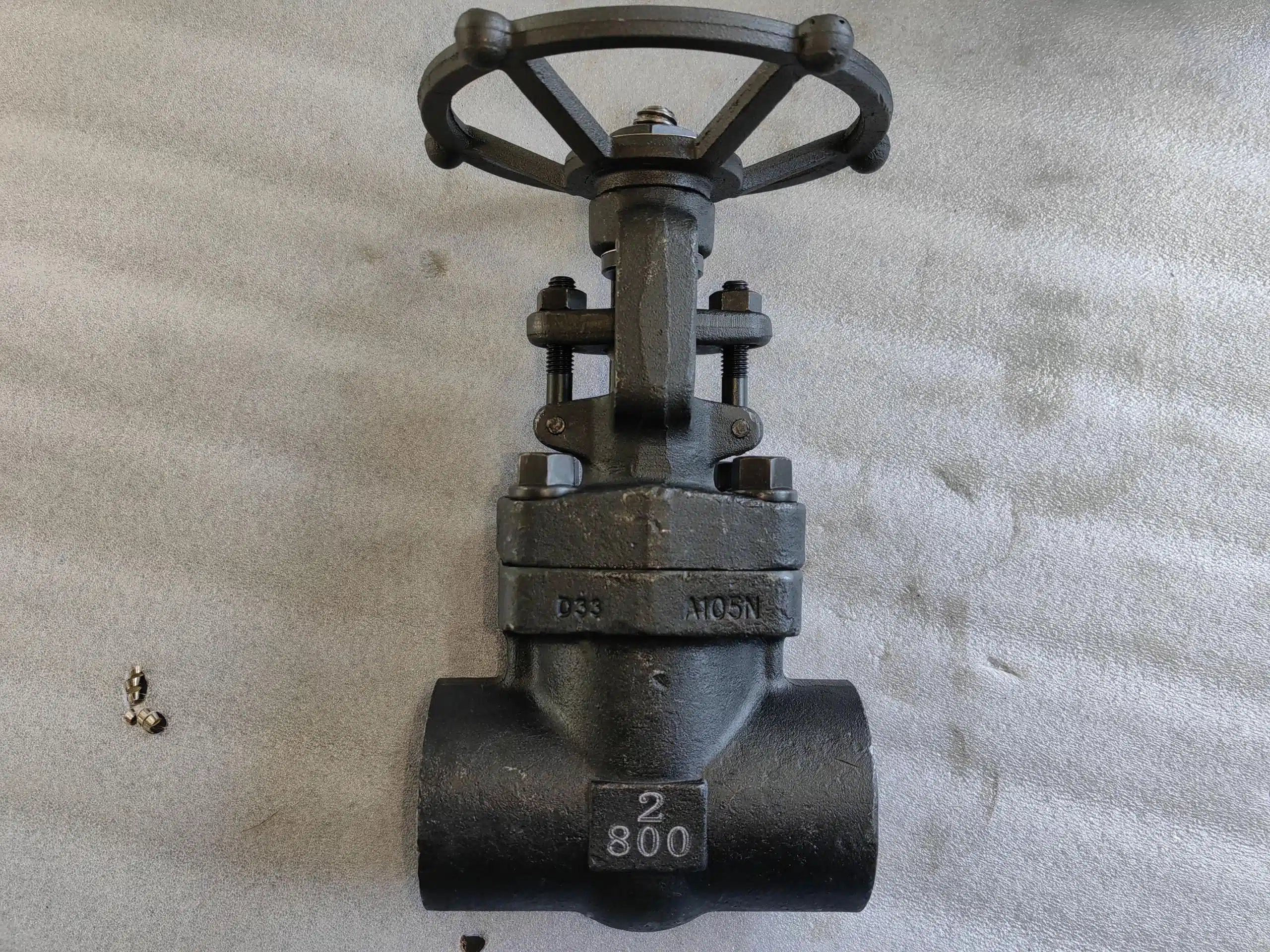
The Forging Process and Material Integrity
Forging makes forged steel gate valves strong and long-lasting. Steel is heated and shaped under high pressure during forging. This process removes weak spots and aligns the material’s grain. The result is a denser, tougher product for tough conditions. Unlike casting, forging reduces impurities, making it more reliable. This is why industries like oil and gas prefer forged steel for critical tasks.
Precision Engineering for Leak-Proof Performance
Precision engineering helps forged steel gate valves work perfectly. Advanced tools create tight seals to stop leaks. These valves stay leak-free even under high pressure or in hydraulic systems. They are built to last and perform well over time. The careful design also reduces wear, making them last longer. This ensures the valves meet top reliability standards.
Robust Construction for Long-Term Reliability
Forged steel gate valves are built to last a long time. Engineers make them strong for high-pressure and harsh environments. Using quality materials like stainless steel alloys adds extra strength. These valves work well in tough jobs like oil and gas processing. Their solid design lowers the chance of failure, ensuring safety in critical tasks.
Tip: Choose forged steel gate valves for their strength and tight seals.
Performance in Critical Environments
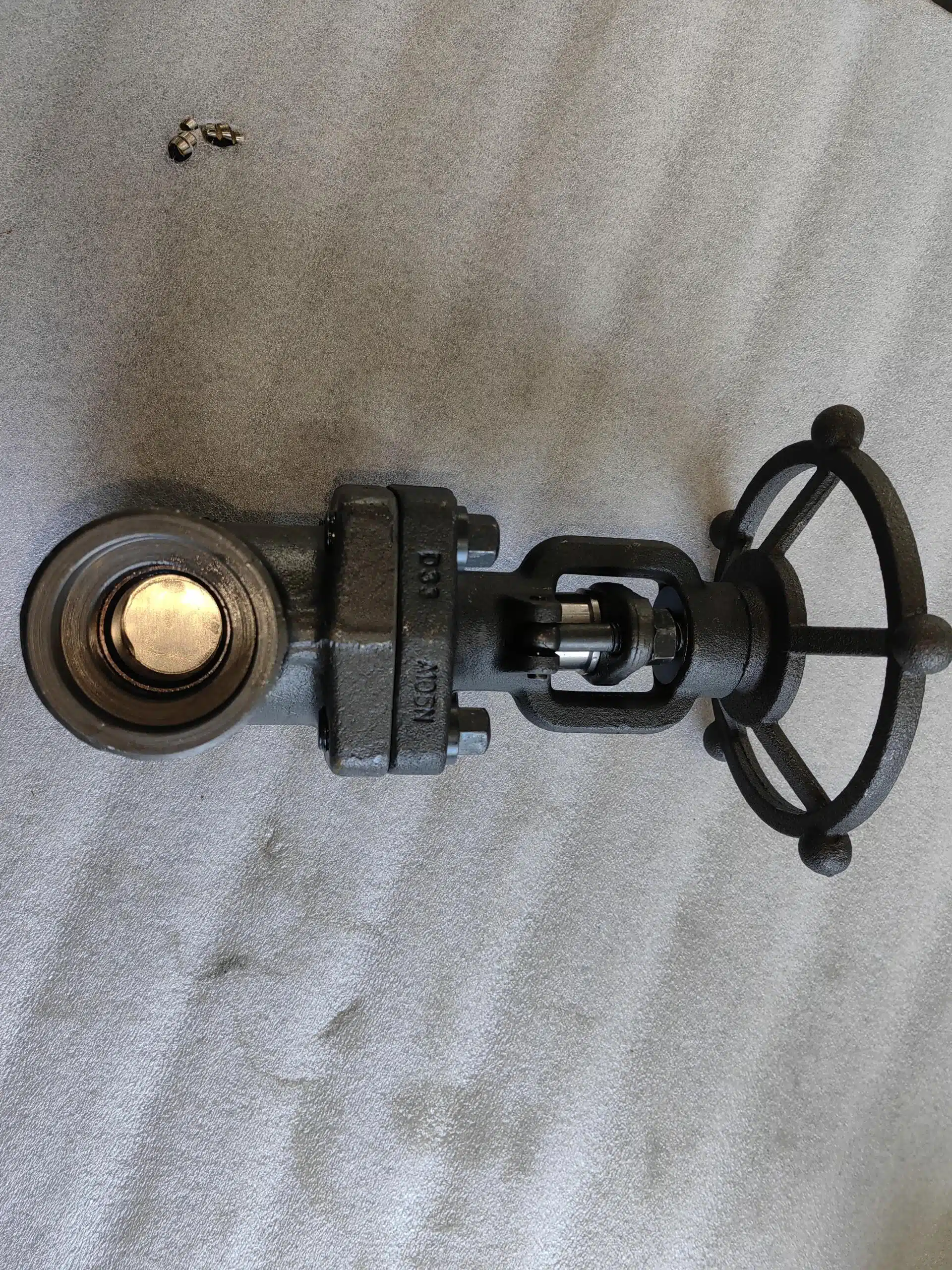
High-Pressure Systems
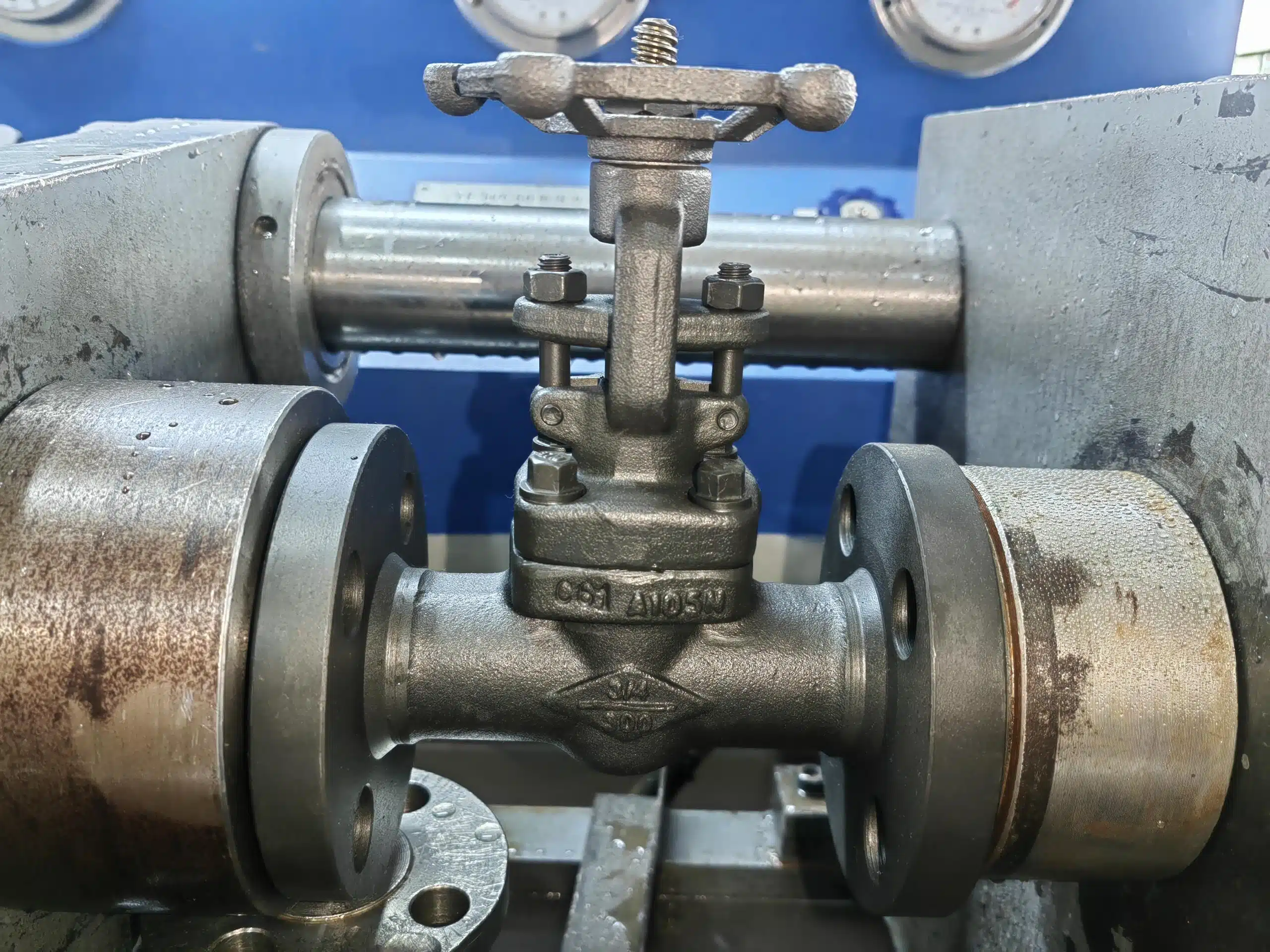
Forged steel gate valves work well under high pressure. They are strong and do not bend or break easily. Tests show they stay solid even during sudden stress. For example, they perform well in HELB (High Energy Line Break) tests. But issues like galling and bending show why good design is key.
Meeting industry rules proves their quality. For instance, ISO 15848-1 tests improve seals by using heat and pressure cycles. This keeps them leak-free in tough hydraulic systems. Choosing forged steel gate valves means they can handle high pressure and still work great.
Extreme Temperature Resistance
Forged steel gate valves are made for places with big temperature changes. The forging process makes the material stronger against heat and cold. This is why they are used in oil and gas industries with high heat.
Stainless steel types like AISI 316L make them even better for heat. These materials keep the valves working even in long-term heat. Picking forged steel gate valves gives you a reliable option for hot conditions. This lowers the chance of problems during use.
Corrosion Resistance in Harsh Conditions
Stopping rust is important for making valves last longer. Forged steel gate valves use metals like chromium and molybdenum to fight rust and chemical damage. For example, following NACE MR0175/ISO 15156-3 rules cut valve failures by 37% in H2S-rich areas.
Stainless steel types like DS2507 protect better against rust than other materials. This makes them a top choice for oil and gas jobs with harmful chemicals. Using forged steel gate valves means fewer repairs and longer use in tough places.
Comparison with Other Valve Types and Materials
Forged Steel vs. Cast Steel
Forged steel and cast steel are very different in quality. Forged steel is made stronger by aligning its grain structure. This makes it tougher and more reliable. Cast steel, however, can have flaws like tiny holes or weak spots. These happen during its production. Here’s a simple comparison:
| Benchmark | Forged Steel | Cast Steel |
|---|---|---|
| Tensile Strength | Up to 26% stronger due to grain alignment | Weaker because of random grain flow |
| Yield Strength | Handles 50% more stress | Breaks at 66% of forged steel’s limit |
| Fatigue Strength | 37% better at handling repeated stress | Cracks under repeated pressure |
| Defect Susceptibility | Smooth grain, fewer flaws | Has flaws like holes and shrinkage |
| Impact Resistance | Absorbs 3x more energy before breaking | Breaks easily under sudden force |
| Ductility | Can stretch 58% before breaking | Stretches only 6% before breaking |
This shows forged steel gate valves are better for tough jobs needing strength and safety.
Advantages Over Brass and Plastic Valves
Forged steel gate valves are stronger than brass and plastic ones. Brass and plastic valves work in easy jobs with low pressure. But they don’t last in tough conditions. Here’s how forged steel compares:
| Feature | Forged Steel Valves | Brass and Plastic Valves |
|---|---|---|
| Strength and Durability | Very strong; handles high pressure and heat | Weaker; not for tough jobs |
| Tight Tolerances | Very precise; seals well | Less precise; may leak |
| Corrosion Resistance | Can resist rust with treatment | Rusts or wears out faster |
| High Pressure Ratings | Works in many high-pressure systems | Handles lower pressures |
For high-pressure or harsh places, forged steel is the best choice. Storing and caring for them keeps them working longer.
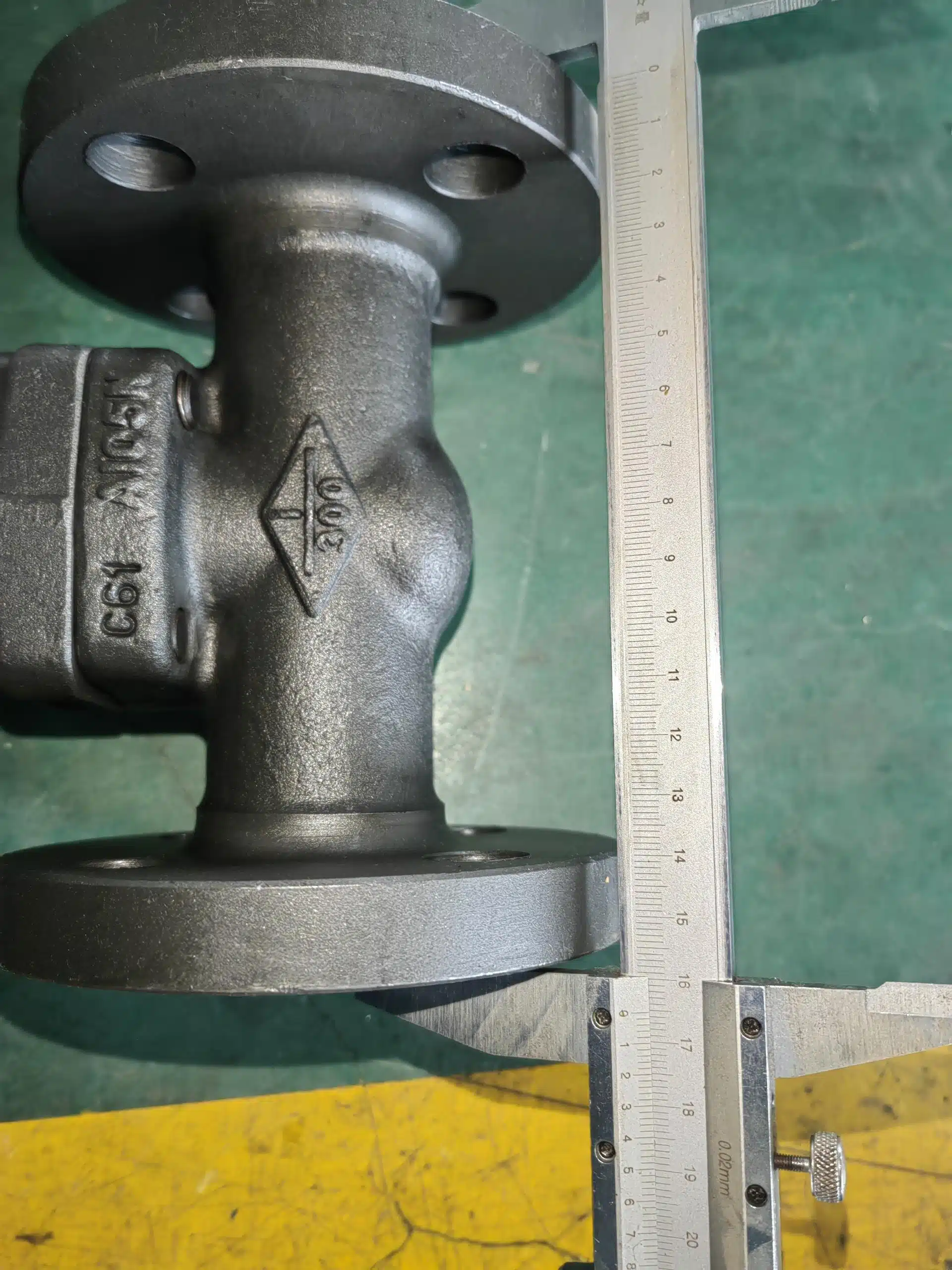
Why Forged Steel Gate Valves Are the Preferred Choice
Forged steel gate valves are the top pick for hard tasks. Experts say their market will grow to USD 3.2 billion by 2035. This is because they are so strong and dependable. Industries like oil and gas use them to control liquids and gases in pipelines. Chemical plants and water treatment projects also need these valves.
They work well in extreme conditions and last longer with good care. Whether in high-pressure systems or corrosive places, forged steel valves are reliable and efficient.
Forged steel gate valves are strong and very dependable. They are perfect for tough jobs in critical industries. Their solid build and careful design make them last long. These valves can handle high pressure, heat, and harsh chemicals. They stay strong without wearing out quickly. Whether for hydraulic systems or important tasks, they work well. Picking forged steel gate valves means you get reliable performance every time.
