
In pulp mills, segment ball valves are a dependable way to work better. Their light design makes them easy to install. They are strong and work well in tough and high-pressure places. These valves control flow accurately and work better than globe valves, which cost more and are less effective. Segment ball valves also lower downtime and save money, as Bray’s flow control solutions show. They can be used in many hard jobs, like in chemical and petrochemical industries. Using segment ball valves helps you work faster and save money over time.
Key Takeaways
- Segment ball valves are light and simple to set up, perfect for pulp mills.
- These valves control flow accurately, boosting production and product quality.
- They last long against rough materials, cutting down on repairs.
- Using these valves reduces costs and saves energy in pulp mills.
- Changing to segment ball valves saves money and improves operations over time.
Challenges in Pulp and Paper Applications
Abrasive Materials and High-Pressure Environments
Pulp mills face tough working conditions every day. They handle rough materials like wood chips, pulp slurry, and chemicals that wear out machines fast. High-pressure systems make things harder by needing strong equipment to handle constant stress. Workers also deal with caustic chemicals, lots of water, and high heat. These problems can damage machines and cause unexpected shutdowns.
Saving energy is also a big challenge. The pulp and paper industry uses a lot of fossil fuels, ranking third in the U.S. Cutting energy use helps lower emissions and save resources. Solving these issues can make work smoother and save money.
Valve Wear and Tear in Continuous Operations
Pulp mills run nonstop, which puts a lot of strain on valves. Over time, pulp slurry and high pressure wear out valves quickly. Regular valves often don’t last long in these tough conditions. Some control valves aren’t built to resist wear, so they need replacing often. This leads to more downtime and higher repair costs.
Segment ball valves are designed to handle these challenges. They work well in pulp mills, even under extreme conditions. These valves can manage different pulp thicknesses without needing constant adjustments or replacements.
Importance of Reliable Flow Control
Good flow control is key to keeping pulp mills efficient. If flow isn’t steady, production slows, resources are wasted, and product quality drops. For example, when pulp is thin (less than 2%), it flows like water, so valves must be sized carefully. A well-made valve keeps things running smoothly, even when conditions change.
Segment ball valves are great at controlling flow precisely. Their design prevents clogging and ensures steady performance, even with rough materials. Using reliable valves boosts productivity, reduces downtime, and saves money over time.
Understanding Segment Ball Valves
Unique Design and Features
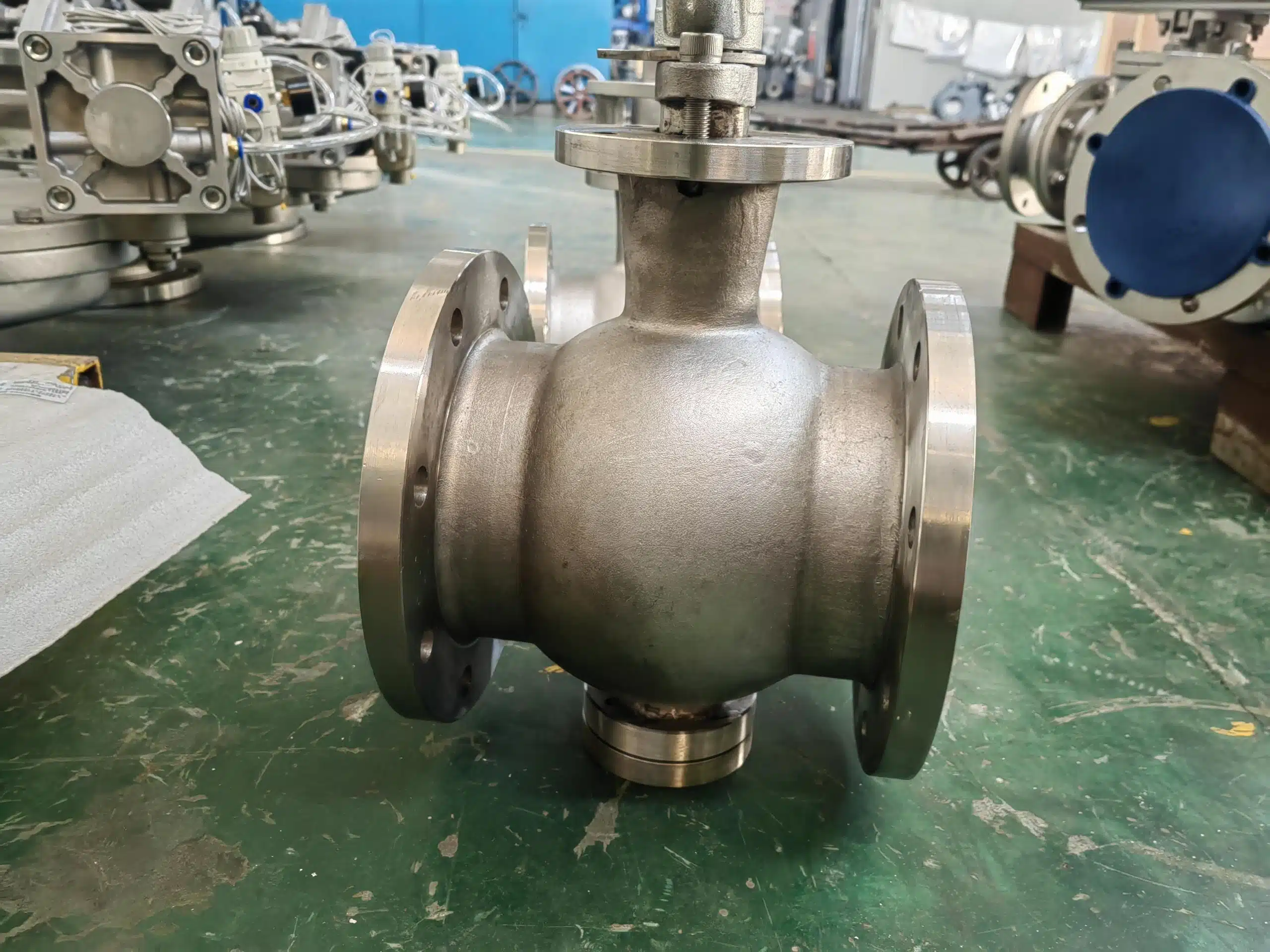
Segment ball valves are special because of their smart design. They are lightweight, so they are easy to move and set up. Their design reduces friction, which helps them last longer. This makes them perfect for tough places like pulp mills.
These valves use strong materials like Titanium and Hastelloy. These materials resist rust and damage from harsh chemicals. They work well even with rough materials or strong chemicals. They are also great for jobs needing high flow and low upkeep. Besides pulp mills, they are used in petrochemical and chemical industries too.
With these features, segment ball valves work well, save time, and improve efficiency.
Comparison with Other Valve Types
Segment ball valves are better than many other valves. For example, globe valves don’t handle thick pulp well and need more repairs. But segment ball valves control flow well, even with pulp as thick as 12%. They adjust easily under low pressure, showing how flexible they are.
Butterfly valves are cheaper at first but don’t last as long. Segment ball valves have a bigger flow capacity than butterfly valves. This makes them better for heavy-duty jobs.
These differences show why segment ball valves are the best choice. They handle tough jobs, save money, and stay reliable over time.
Benefits of Segment Ball Valves in Pulp Mills
Precision in Flow Control
Segment ball valves are great for controlling flow accurately. This is very important in pulp mills. Their special design helps keep flow steady, even with different pulp thicknesses. Unlike older valves, these valves work well at many flow speeds. They help reduce waste, use resources better, and improve product quality.
These valves are light, so they are easy to set up and adjust. Their smart design stops clogging, even with thick or rough materials. Using these valves makes your mill run smoother and boosts productivity.
Durability Against Abrasive Media
Segment ball valves are made to handle tough pulp mill conditions. They are strong and have special coatings to resist damage. This makes them perfect for rough materials like pulp slurry and wood chips. For example, Bray’s Series 19/19L valves have liners you can replace. These liners protect against fast, rough flows and make the valves last longer.
These valves seal tightly, even under hard conditions. They come with different coatings and trims to fit various jobs, making them even stronger. Their ability to handle high flow rates makes them a must-have for pulp mills.
Reduced Maintenance and Downtime
Segment ball valves need less fixing, saving time and money. Their light build makes them easy to move and install. They are tough and work well in hard conditions, lasting longer.
Fewer repairs mean less downtime, which saves costs. These valves are reliable, so your mill can keep running without stopping. With less maintenance, you can focus on other important tasks and keep your mill productive.
Long-Term Cost-Effectiveness
Using segment ball valves saves money over time in pulp mills. These valves are built to cut costs and work reliably. Unlike older valve types, they last longer and need fewer repairs.
Here are some reasons why they save money:
| Aspect | Description |
|---|---|
| Operational Costs | Running costs make up a big part of valve expenses. |
| Design and Material | Good design and strong materials make valves last longer. |
| Fugitive Emission | Valves that stop leaks help plants run safely and longer. |
| Noise Control | Less noise means valves last longer by avoiding damage. |
| Safety Features | Fire-safe valves protect plants during emergencies. |
Segment ball valves are better than other valves in many ways:
- They handle almost double the flow of globe valves.
- They control flow well, even when conditions change.
- They cost less than globe valves but work better for tough jobs.
These valves need less fixing and last a long time. This lowers downtime and keeps work running smoothly. Their strong build resists damage from rough materials, adding more value. Choosing segment ball valves improves your mill’s work and saves money in the long run.
Real-World Applications of Segment Ball Valves
Case Studies in Pulp Mills
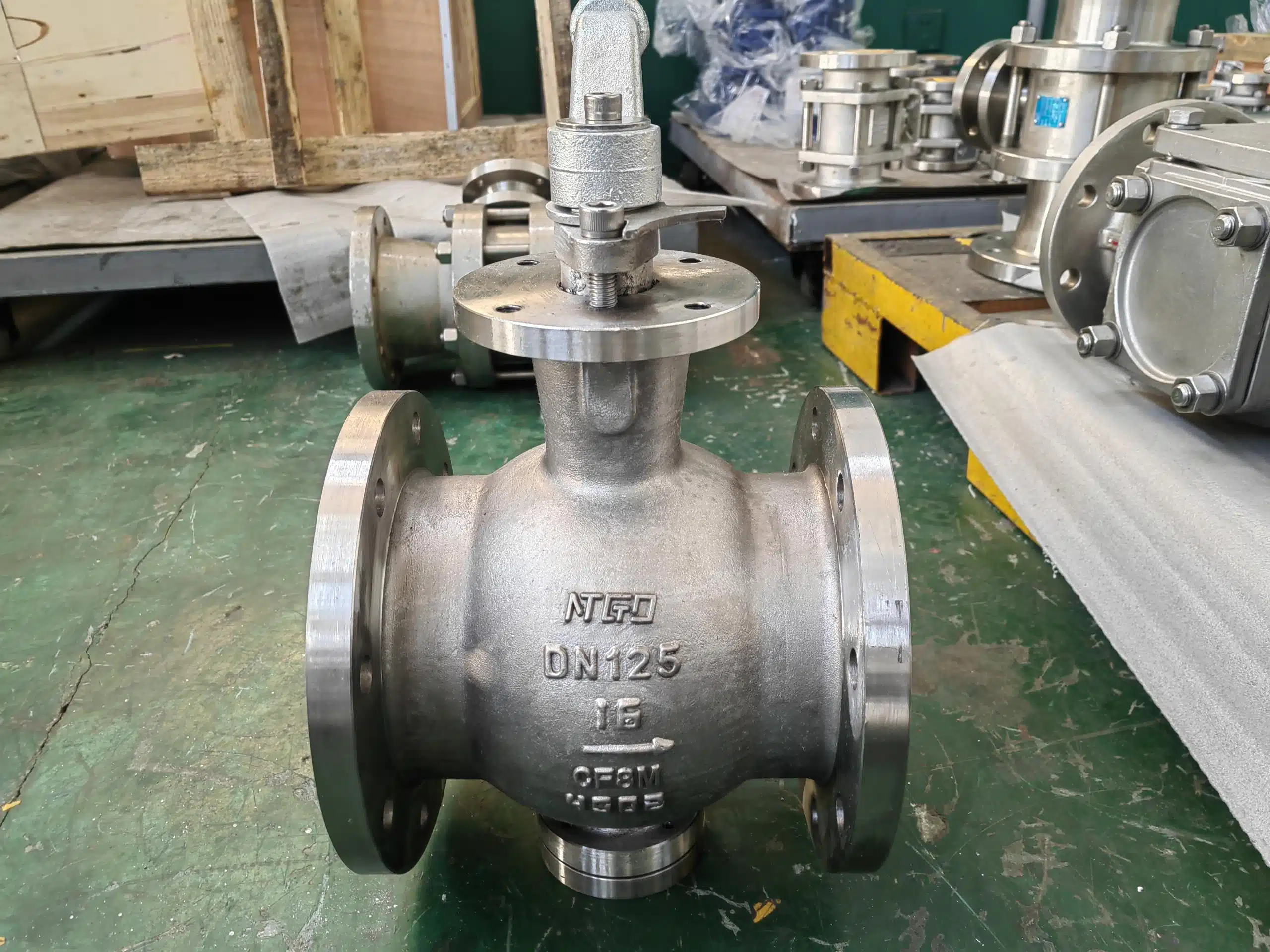
Segment ball valves are very useful in pulp mills. They handle rough materials and keep flow steady, which is important for the pulp and paper industry. These valves are used to control pulp slurry, chemicals, and water flow.
Here are some main benefits seen in pulp mills:
- Precise Flow Control: The V-port shape helps control flow accurately, keeping production steady.
- Versatility: These valves work well with both liquids and gases, making them useful for many tasks.
- Reduced Wear and Maintenance: They need less force to work, so parts last longer.
- Energy Efficiency: Better flow control saves energy, cutting costs for pumping and processing.
For instance, Neles segment valves are light and simple to set up. They work well in tough conditions and last a long time. This makes them great for both controlling flow and turning systems on or off in pulp mills.
Efficiency and Productivity Improvements
Segment ball valves help pulp mills work better and faster. Their strong build and steady performance cut downtime and boost output.
The table below shows their key features and benefits:
| Feature | Benefit |
|---|---|
| Light weight | Easy to move and install |
| Suited for harsh environments | Works well in tough jobs like control and on-off tasks |
| Reliability and durability | Performs well in pulp, chemical, and refinery industries |
By keeping flow steady and needing fewer repairs, these valves improve productivity. They also save money by lasting longer and needing less fixing. With these benefits, segment ball valves make pulp mills run smoother and use resources better.
Segment ball valves bring great advantages to pulp mills. They are light, strong, and control flow accurately, making them better than regular ball valves. These valves need less fixing, save energy, and are eco-friendly.
The table below shows their benefits:
| Feature | Segment Ball Valves | Standard Ball Valves |
|---|---|---|
| Design | Light and easy | Heavy and bulky |
| Durability | Very strong | Less strong |
| Safety | Very safe | Basic safety |
| Sustainability | Eco-friendly | Not eco-friendly |
| Flow Control | Very accurate | Less accurate |
| Maintenance Needs | Low | High |
| Energy Efficiency | Saves energy | Uses more energy |
Switching to segment ball valves helps mills work better and save money. These valves last longer and make operations smoother and greener.
