
Choosing the right globe valve for your system requires careful consideration. Many factors influence how effectively the valve operates for your needs. For example, understanding what your system requires is crucial. You should evaluate aspects such as pressure, temperature, flow, and the weight of the fluid. These details are especially vital in demanding environments like chemical plants or high-temperature systems.
The material of the valve is also significant. If you choose the wrong material, it may rust or leak, leading to faster wear and tear. Additionally, selecting the right size and pressure rating is essential to prevent issues or failures. Finally, examining how the valve operates ensures it functions optimally for your configuration. By taking all these factors into account, you can ensure that you choose the right globe valve, which will enhance your system’s performance, maintain safety, and extend its lifespan.
Key Takeaways
- Know what your system needs, like pressure, heat, and flow.
- Pick a valve material that stops rust and leaks for longer use.
- Get the right size and pressure rating to keep flow steady.
- Think about how the valve works—manual, electric, or air-powered—for safety and ease.
- Taking care of valves and choosing well can save money and avoid problems.
Key Factors to Pick the Right Globe Valve
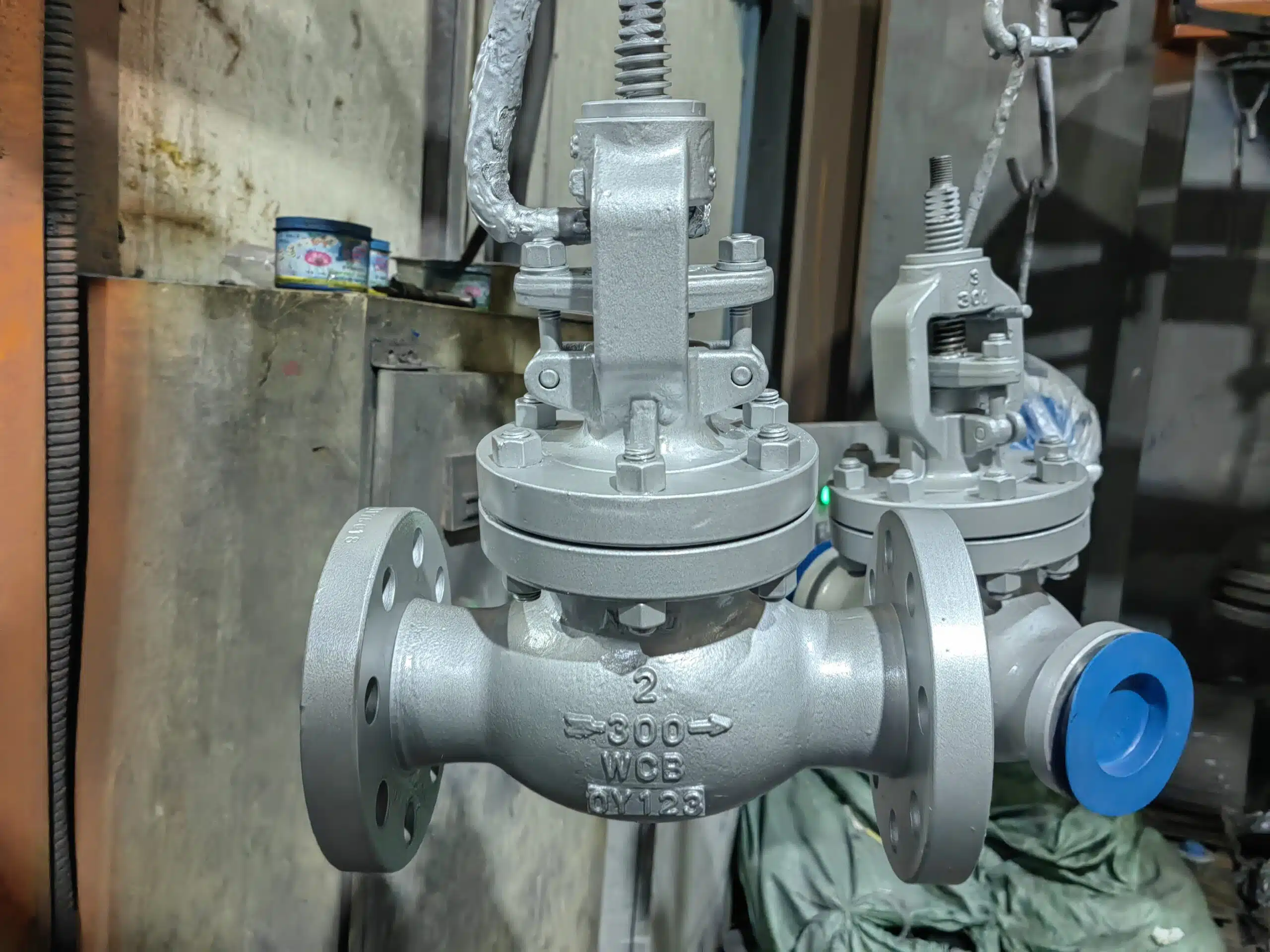
Application Needs
Knowing what your system needs is the first step. Globe valves are great for controlling flow accurately. Their design helps make small, precise adjustments. Industries like chemical plants or water treatment use them often. They are trusted for shutting off flow and preventing leaks.
Different flow types also matter for your system. Quick-opening valves are best for on-off tasks. Linear flow valves work well with steady pressure drops. Equal percentage valves handle changing pressure losses better.
| Flow Type | What It Does |
|---|---|
| Quick Opening | Reaches high flow fast; good for on-off tasks. |
| Linear | Flow matches valve opening; great for steady pressure drops. |
| Equal Percentage | Flow increases evenly as valve opens; handles changing pressures. |
Choosing the right flow type makes your system work better and saves energy.
Material Match
Picking the right material keeps your valve safe and lasting longer. Wrong materials can rust, leak, or break the system. Stainless steel works well in chemical areas. Cast iron is better for less harsh uses.
Use guides like ASTM Piping Materials Match Table to check materials. These tools help you pick the right body, bonnet, and trim materials. Good material choices stop damage and lower repair costs.
Size and Pressure Fit
Getting the right size and pressure rating is very important. A valve too big or small can cause problems. Big valves may not control flow well. Small ones might not handle enough flow.
A good-sized valve is usually smaller than the pipe. It should open 60%-80% at full flow and not less than 20% at low flow. Follow standards like ANSI B16.34 or ISO 5752 to ensure proper size and pressure.
| Standard | What It Covers |
|---|---|
| ANSI B16.34 | Rules for valve design, thickness, and size. |
| ISO 5752 | Dimensions for metal valves in pipe systems. |
By picking the right size and pressure, your system will run smoothly and avoid problems.
Actuation Options
Understanding actuation is key when picking a globe valve. Actuation decides if the valve works manually or automatically. The right actuation helps your system work well and meet needs.
There are three main actuation types: manual, electric, and pneumatic. Each type has its own advantages and fits different uses.
- Manual Actuation
Manual actuation uses handwheels or levers to control the valve. It is simple and affordable. This option is good for systems needing rare adjustments. But it’s not ideal for high-pressure or hard-to-reach places. - Electric Actuation
Electric actuators use motors to move the valve. They offer precise control and suit automated systems. You can connect them to control panels for remote use. They are great for tasks needing accuracy, like chemical plants or power stations. - Pneumatic Actuation
Pneumatic actuators use air pressure to operate the valve. They are quick and dependable, perfect for oil and gas industries. They work well in risky areas since they don’t need electricity.
Tip: Think about your system’s needs, like how often it runs, the environment, and your budget. Picking the right actuation improves the valve’s performance and lifespan.
Choosing the best actuation ensures the valve works properly and fits your system.
Avoiding Common Mistakes When Selecting Globe Valves
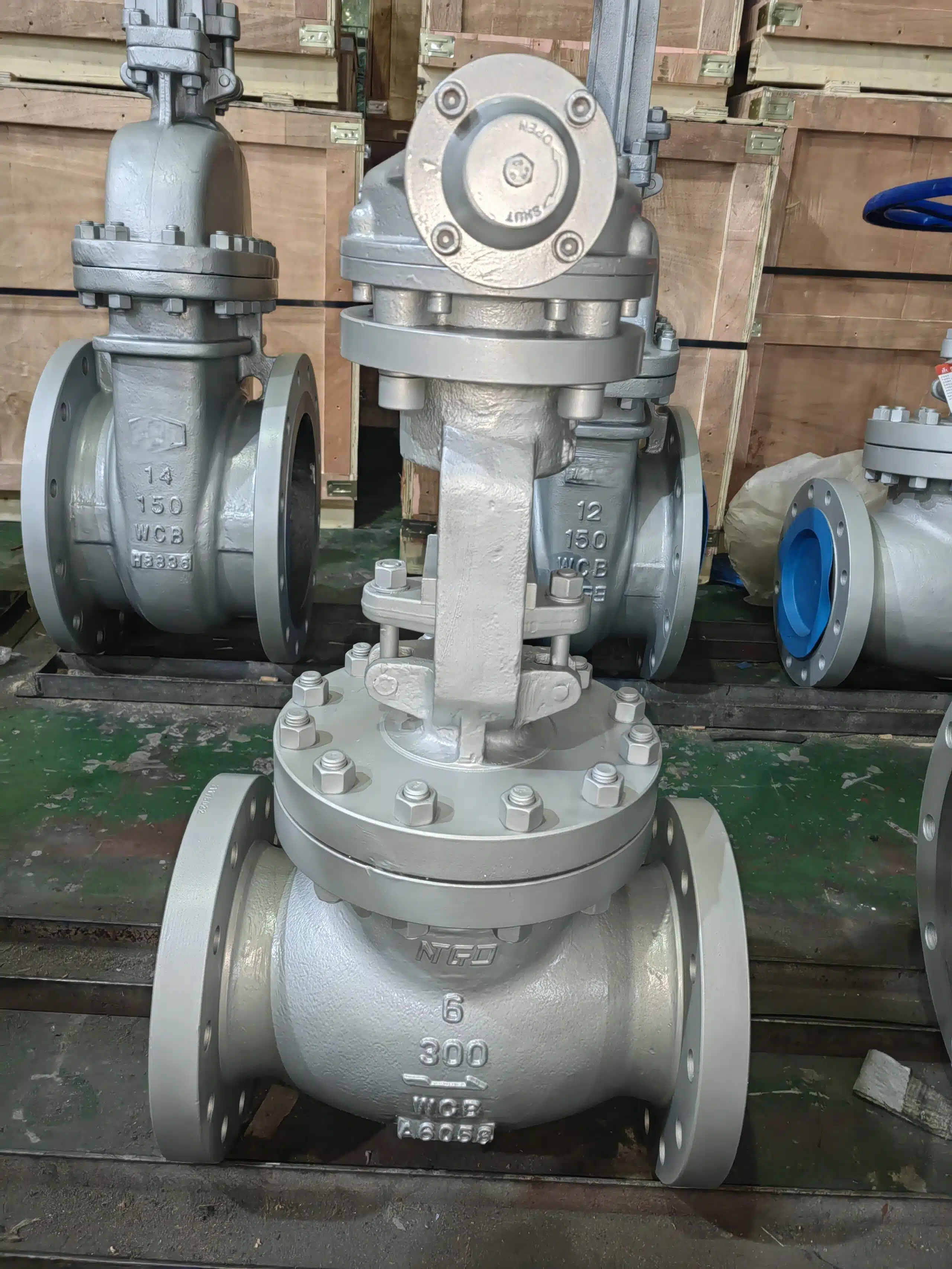
Ignoring Fluid Properties
Knowing the fluid’s properties is very important for valve choice. Fluids can affect valves differently based on their type. For example, soft-seated valves work in low pressure but fail in high heat. Metal-seated valves are better for high pressure and heat, lasting longer.
Not considering fluid properties can cause problems like:
- Soft seats leaking under high pressure.
- Corrosive fluids damaging valve materials quickly.
- Abrasive fluids wearing out valve parts faster.
Choose valves that match the fluid’s type to improve system reliability.
Incorrect Valve Sizing
Picking the wrong valve size can mess up flow control. Big valves may drop pressure too much and cause vibrations. Small valves might block flow, making control harder.
Problems from wrong sizing include:
- Extra strain on the valve parts.
- Damage from improper flow rates.
- Unsteady flow, risking safety issues.
Make sure the valve size fits the system’s needs. Correct sizing reduces wear and keeps the valve working longer.
Overlooking Maintenance Needs
Skipping maintenance can lead to expensive fixes and delays. Cheap valves often need replacing more, raising costs. Old manuals or staff changes can make upkeep harder.
Issues from poor maintenance include:
- Repairs costing thousands over time.
- Downtime stopping work and lowering output.
- Bad care shortening the valve’s life.
Regular checks and following schedules keep valves working well. Buying good valves with clear guides saves money and time later.
Picking the Wrong Actuation Type
Choosing the wrong way to control your globe valves can cause problems. It may lead to safety issues, wasted money, and poor performance. There are three main types: manual, electric, and pneumatic. Each has its own pros and cons. Knowing these differences helps you avoid mistakes.
Manual control is good for simple systems with rare changes. But it’s not safe for high-pressure or hard-to-reach places. For example, in a hot system, manual control can put workers at risk.
Electric controls are precise and work well in automated setups. However, they might fail in dangerous areas with flammable gases. In such cases, pneumatic controls are better. Pneumatic systems use air, making them safe in risky places. But they need a steady air supply, which isn’t always possible.
Tip: Think about your system’s safety, how often it runs, and its environment. This helps you pick the best control type for your globe valves.
The wrong control type can also make maintenance harder. Electric systems often need experts to fix them, causing delays. Manual controls wear out faster if used too much, leading to higher costs.
Choosing the right control type improves how your globe valves work. It also saves money and makes your system last longer.
Industry-Specific Tips for Picking Globe Valves
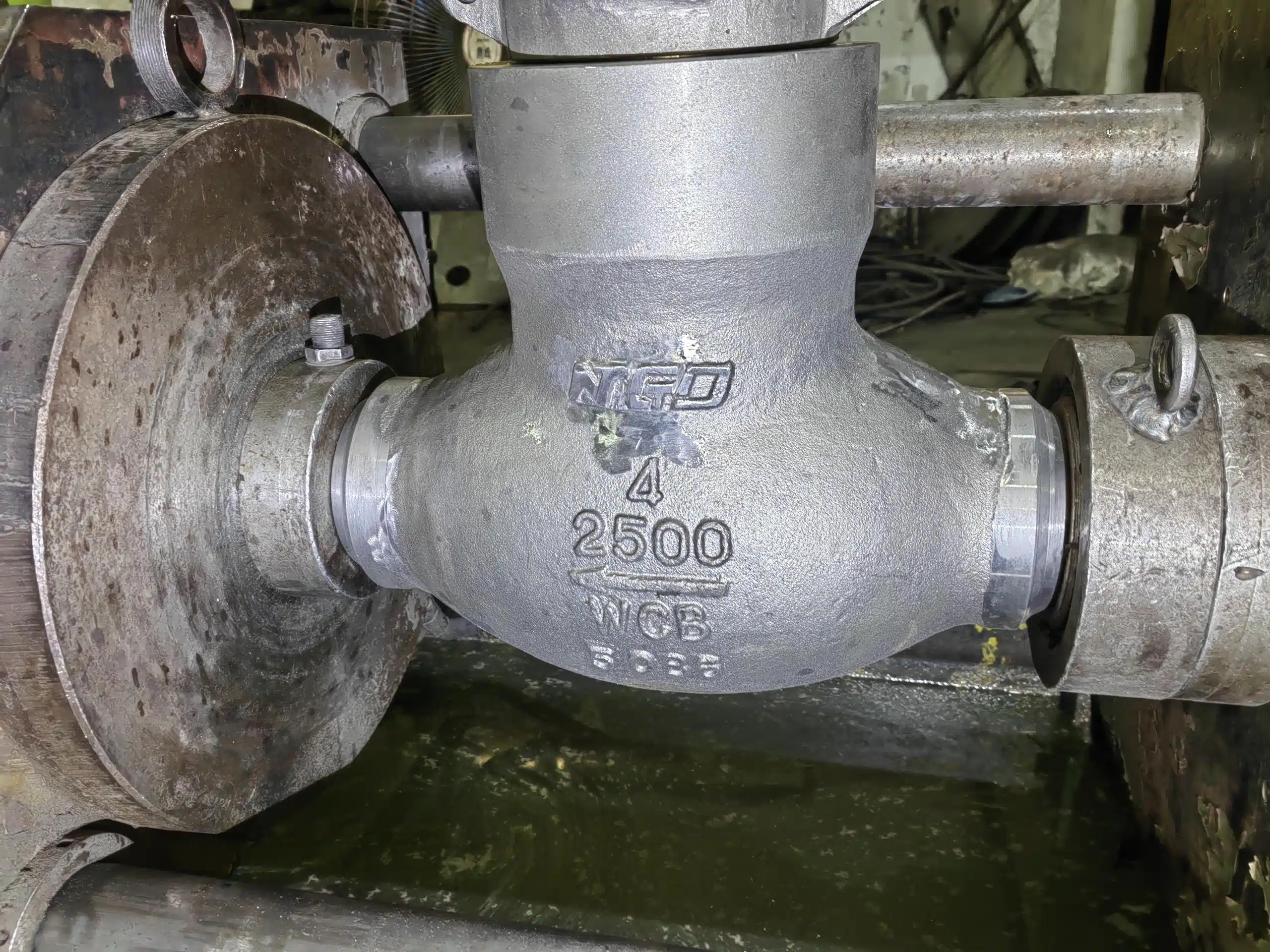
Oil and Gas Industry
Choosing the right globe valves is very important in oil and gas. These systems often face high pressure and harsh fluids. Strong and reliable valves are needed to handle these conditions. High-pressure globe valves control flow well and lower failure risks. Materials like stainless steel or special alloys resist corrosion from chemicals and gases.
Think about how the valve will be operated. Pneumatic actuators are common in oil and gas because they are safe and reliable. They don’t use electricity, so there’s no spark risk in flammable areas. Picking valves made for these tough conditions improves performance and reduces downtime.
Chemical Processing Industry
Chemical plants need valves that can handle harsh and rough fluids. The material of the valve must match the fluid type. Anti-corrosion materials help the valve last longer and stop leaks. Studies show that fixing issues like seal wear and material mismatch lowers failure rates a lot.
Controlling flow precisely is also very important. Globe valves are great for adjusting chemical flow. Regular care, like checking and oiling parts, keeps valves working well. Focusing on these things ensures safe and smooth chemical processing.
Power Generation Industry
In power plants, globe valves manage steam and hot fluids. These systems need valves that handle high heat and pressure without failing. Studies show better valve designs can reduce problems like pressure drops and cavitation. For example, computer models improve flow and make valves more efficient.
Check the valve’s flow coefficient (CV) too. This affects how well it controls flow and pressure. Research shows picking the right CV saves energy and boosts efficiency. Using globe valves made for power plants ensures good performance and cuts costs.
Water Treatment Industry
Globe valves are important in water treatment systems. They control water flow, manage pressure, and stop backflow. This helps the system run smoothly. These valves are used in key areas like raw water intake, chemical dosing, and sludge removal. Their precise control keeps water clean and systems working well.
Why are globe valves so useful in water treatment? These systems often face changing flow rates and pressures. The right valve ensures smooth operation and avoids problems like leaks or pressure spikes. For example, in chemical dosing, globe valves let you adjust flow rates accurately. This ensures the right amount of chemicals mixes with water, reducing waste and improving efficiency.
When picking a globe valve for water treatment, consider key factors. These include pressure limits, flow rates, and the type of fluid. The table below shows important metrics to check:
| Metric | What It Means |
|---|---|
| Design pressure | The highest pressure the valve can handle. |
| Flow rate | How much fluid moves through the valve in a set time. |
| Media flowing through the valve | The type of liquid or gas passing through the valve. |
| Allowable pressure drop | The biggest pressure loss allowed during use. |
| End connection type | How the valve connects to the pipes. |
Knowing these details helps you pick the right valve. For example, if your system uses harsh chemicals, choose a valve made from materials that resist corrosion. This choice reduces damage and makes the valve last longer.
Tip: Take care of your globe valves with regular cleaning and checks. This keeps them working well, lowers repair costs, and prevents downtime.
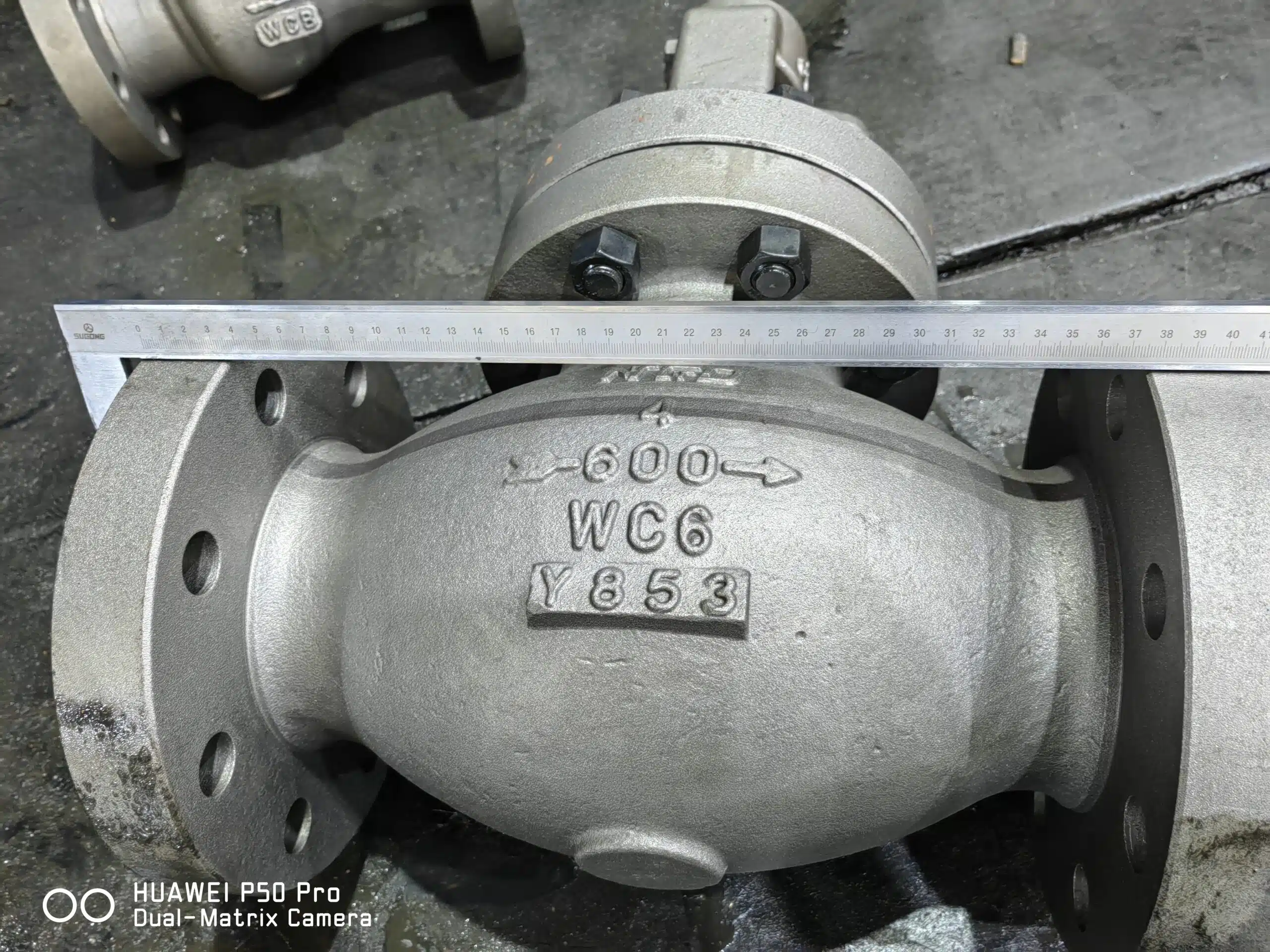
Choosing the right globe valves for water treatment improves system performance. It also lowers risks and meets water quality rules. By focusing on your system’s needs, you can make smart choices that benefit your operation.
Picking the right globe valve for your industry needs careful thought. You must check your system’s needs, material fit, size, and control type. Talking to experts or manufacturers can help you decide. Experts often talk to suppliers and users to get honest advice. This method gives correct and useful information.
| Parameter | What It Means |
|---|---|
| Market Drivers and Restraints | Looks at what helps or slows the market grow |
| Raw Material Scenario | Checks supply and price changes |
| Regulatory Scenario | Explains current and future rules |
| Capacity Analysis | Shows how much more can be added by 2027 |
| Forecasting Methodology | Uses models to predict short and long-term trends |
Here’s how to start:
- Check your system’s pressure, temperature, and flow needs.
- Ask suppliers or manufacturers for advice.
- Follow industry rules and expert tips to choose wisely.
Tip: The right valve boosts efficiency and cuts repair costs and delays.
By following these steps, you can pick the best globe valve for your system.
