
Corrosion poses a significant challenge for gate valves in harsh environments. It weakens the valve, reduces its efficiency, and can lead to premature failure. If left unaddressed, corrosion can disrupt your system’s performance and result in costly repairs. To extend service life, it’s essential to protect valves from corrosion damage. Addressing corrosion early ensures your equipment remains durable and operates effectively over an extended period.
Key Takeaways
- Use materials that resist rust for gate valves to last longer and save money on repairs.
- Set up valves properly by aligning them right and not tightening too much to avoid harm.
- Check valves often, clean them, and add oil to stop rust and keep them working well.
- Use valves carefully and follow limits to make them last longer and work better.
- Watch valve condition with sensors and switch to improved designs to stop problems and work better.
Material Selection for Corrosion-Resistant Valves
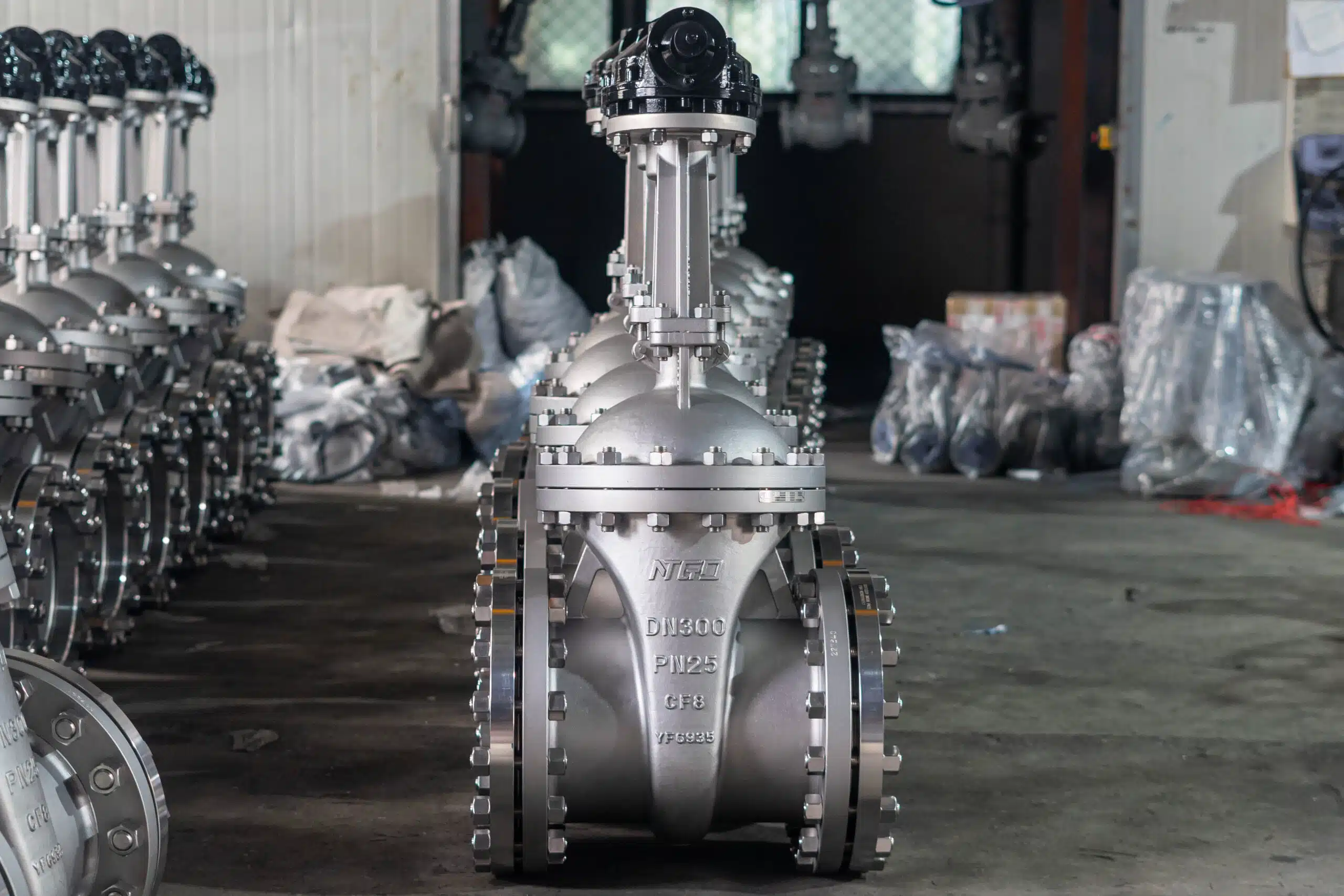
Picking the right materials for gate valves is very important. The materials you choose affect how long the valve lasts and how well it works. Using materials that resist corrosion can lower repair costs and make your equipment last longer.
Choosing Corrosion-Resistant Alloys
Some alloys are made to handle tough conditions. Alloys like 22% Cr Duplex and 25% Cr Duplex resist sweet corrosion well. These are great for places with lots of chemicals. But, they might crack under stress in certain situations.
Here’s a table comparing different materials:
| Material Type | Corrosion Resistance | Wear Resistance | Extra Notes |
|---|---|---|---|
| 22% Cr Duplex | High (resists sweet corrosion) | Moderate | May crack under stress |
| 25% Cr Duplex | High (resists sweet corrosion) | Moderate | May crack under stress |
| Surface Coating | Varies | High | Acts as a barrier |
| Cathodic Protection | High | N/A | Stops outside corrosion |
Think about your environment when picking alloys. If your system has high heat or pressure, make sure the alloy can handle it without losing its anti-corrosion strength.
Benefits of Protective Coatings and Linings
Coatings and linings protect valves from damage. They block chemicals, water, and other harmful things from touching the valve. Common methods include surface coatings and cathodic protection.
Surface coatings, like epoxy or polymer, create a strong shield and reduce wear. Cathodic protection stops outside corrosion. Active cathodic protection uses power to fight corrosion. Passive cathodic protection uses special anodes to protect the valve.
Using coatings with corrosion-resistant alloys gives extra protection and keeps valves working longer.
Ensuring Material Compatibility with Media
Matching valve materials to the media they handle is key. If the valve reacts with the media, it can wear out faster. To stop this, check the media’s chemicals and pick materials that resist them.
For example, if your system deals with acids or bases, use valves made for those conditions. Adding corrosion inhibitors can also help by stopping harmful reactions.
Choosing the right materials protects valves and makes your system work better. It reduces downtime and repair costs, saving you time and money.
Proper Installation to Stop Valve Corrosion
Installing a gate valve the right way is very important. It lowers the chance of damage and helps the valve last longer. Mistakes during installation can cause cracks, leaks, and other problems.
Why Alignment Matters
Lining up the valve correctly helps it work smoothly. If the valve is not aligned, parts can wear unevenly. This can lead to cracks and damage over time. Check the alignment when installing the valve. Make sure it fits evenly in the pipeline. Use tools to get the alignment just right. Good alignment reduces stress and stops corrosion from starting.
Don’t Over-Tighten
Tightening bolts too much can harm the valve. It may cause cracks and speed up corrosion. Follow the manufacturer’s torque guidelines when tightening. Avoid using too much force, as it can damage seals and cause leaks. Use special tools to apply the right pressure. This keeps the valve secure without adding extra stress.
Picking the Right Seals and Gaskets
Choosing good seals and gaskets helps stop corrosion. Bad materials wear out fast and let harmful chemicals in. Pick seals and gaskets based on how they will be used.
- Metal gaskets are strong and handle high pressure well. They also resist chemicals, making them great for tough jobs.
- Rubber gaskets, like neoprene or EPDM, resist harsh chemicals. These are often used in chemical plants and oil systems.
Using strong seals and gaskets stops leaks and protects the valve. This simple choice helps the valve work better and last longer.
Regular Maintenance to Make Valves Last Longer
Taking care of gate valves regularly helps them last longer. This is especially true in places where corrosion happens a lot. By doing simple maintenance, you can stop rust, avoid breakdowns, and keep valves working well for many years.
Cleaning to Stop Rust and Damage
Rust and dirt can ruin valves over time. Moisture, chemicals, and grime build up on the valve. This makes it weaker and easier to break. Cleaning often removes these harmful things and keeps the valve strong.
Set up a cleaning plan based on how your system works. For example:
- If the valve is in a wet area, clean it more often to stop rust.
- Use cleaners that won’t harm the valve’s material or coating.
While cleaning, check for problems like cracks or color changes. These could mean the valve is starting to rust. Fixing these issues early stops bigger problems and helps the valve last longer.
Adding Lubrication to Moving Parts
Lubrication keeps moving parts working smoothly. Without it, parts rub together too much and wear out. This makes the valve less useful and shortens its life.
Lubrication helps in many ways:
- It lowers friction, so parts don’t wear out quickly.
- It blocks moisture, which helps stop rust.
- It cools parts, so heat doesn’t damage the valve.
Always pick the right lubricant for your valve. If the valve handles strong chemicals, use a chemical-resistant lubricant. Adding lubricant regularly keeps the valve working well and safe from rust.
Checking Valves Often
Checking valves regularly helps find problems early. This stops small issues from becoming big, expensive ones. Inspections let you fix things before they cause major damage.
Look at important parts like discs, seats, and outer surfaces. Check for rust, cracks, or leaks. Pay close attention to spots where coatings are worn off. These areas are more likely to rust or get damaged by chemicals.
Decide how often to inspect based on the valve’s environment. For example, check weekly in very corrosive places. In less harsh areas, monthly checks might be enough. Regular inspections improve valve performance and keep your system running well.
By cleaning, lubricating, and inspecting, you can take good care of your valves. These steps protect them from rust, make them last longer, and keep your system working even in tough conditions.
Operational Best Practices for Gate Valves
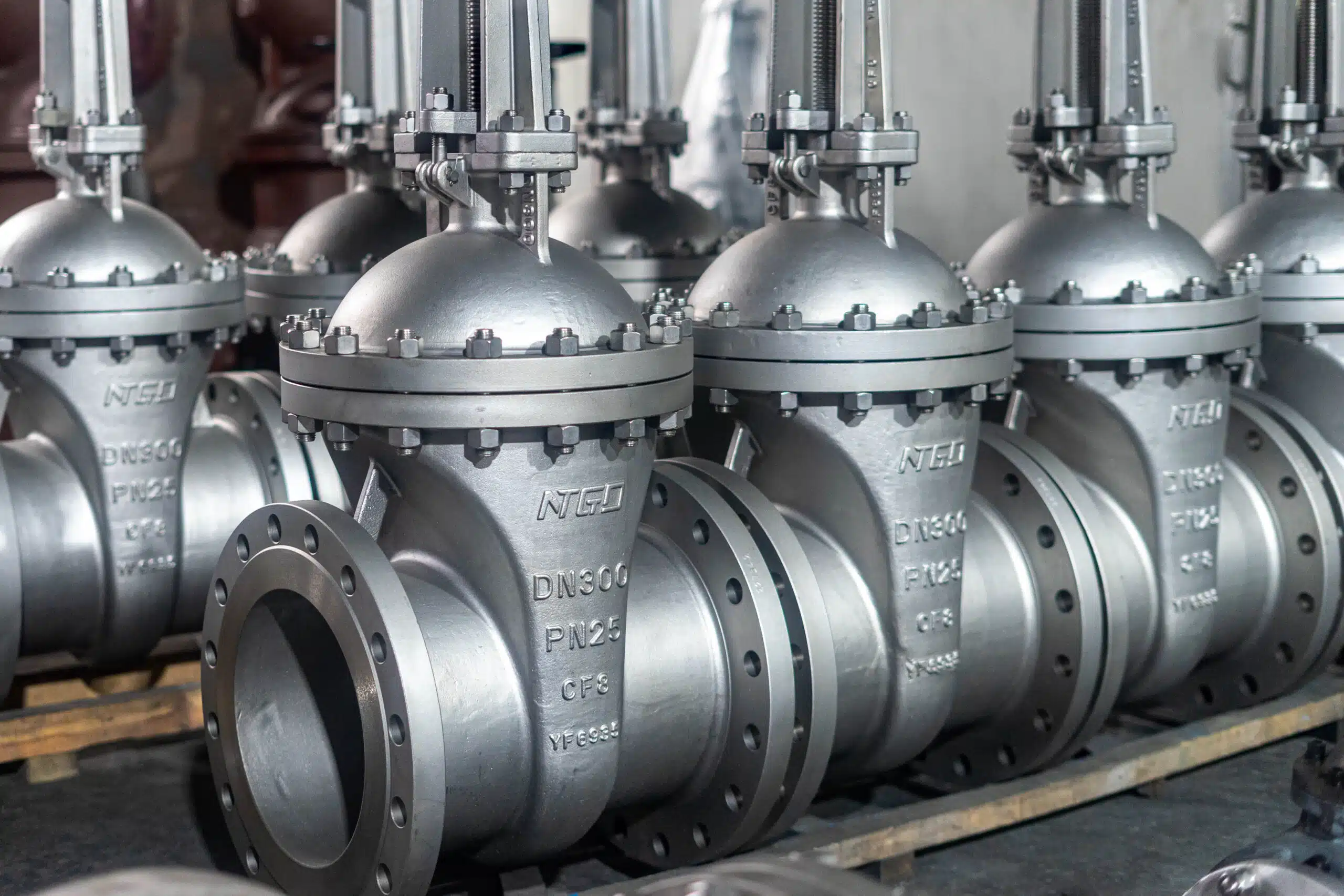
Avoiding Abrupt Valve Movements
Quick movements can harm gate valves in tough conditions. Opening or closing a valve too fast creates sudden pressure changes. These changes can damage parts inside the valve. This damage makes the valve weaker and easier to corrode. Moving the valve slowly helps it last longer and stay strong.
Gate valves are built to last, but gentle use is better. For example, moving the valve slowly lowers stress on its parts. Studies show this can make the valve last 15% longer. Using this method protects the valve from harm. It also helps the valve work well in places like saltwater systems or near seawater.
Operating Within Recommended Limits
Gate valves have limits for pressure, temperature, and flow rate. Going over these limits wears out the valve faster. For example, using too much pressure can shorten the valve’s life by 15%.
To prevent this, follow the manufacturer’s rules for use. Make sure the valve stays within its safe range. Regular care and following guidelines improve how the valve works. Good valves with regular maintenance fail less often, by up to 25%. Staying within limits saves energy and stops corrosion problems.
Reducing Exposure to Harsh Chemicals
Strong chemicals like acids or saltwater can damage valves. Long contact with seawater or other harmful substances makes valves wear out faster. Materials like stainless steel or bronze resist corrosion better in these conditions.
Protective coatings or linings can also help. These layers keep chemicals from touching the valve directly. Cleaning and checking valves often stop harmful buildup. This keeps the valve working for a long time. By reducing chemical exposure, you protect your equipment and spend less on repairs.
Monitoring and Upgrades for Long-Term Performance
Keeping an eye on gate valves and upgrading them is important. These steps help find problems early, stop failures, and keep valves working well for a long time.
Using Sensors to Watch Valve Health
New sensors give live updates about how valves are doing. They help spot problems before they get worse. For example:
- Internet of Things (IoT) sensors send real-time data for constant checks.
- Wireless Sensor Networks (WSN) measure things like pressure and heat.
- Artificial Intelligence (AI) studies sensor data to predict issues and plan fixes.
A valve monitoring system has sensors, tools to collect data, and wireless links. These parts track things like strain, heat, and force on the valve stem. This info helps guess how long the valve will last and plan repairs or upgrades.
Replacing Old Parts Early
Changing worn-out parts early stops small problems from growing big. Regular checks and maintenance show which parts need fixing. For example, cleaning and adding oil can make valves last longer.
Switching out old seals, gaskets, or coatings keeps valves safe from rust. This lowers downtime and repair costs. Fixing wear early keeps valves working well and protects them from chemicals or saltwater.
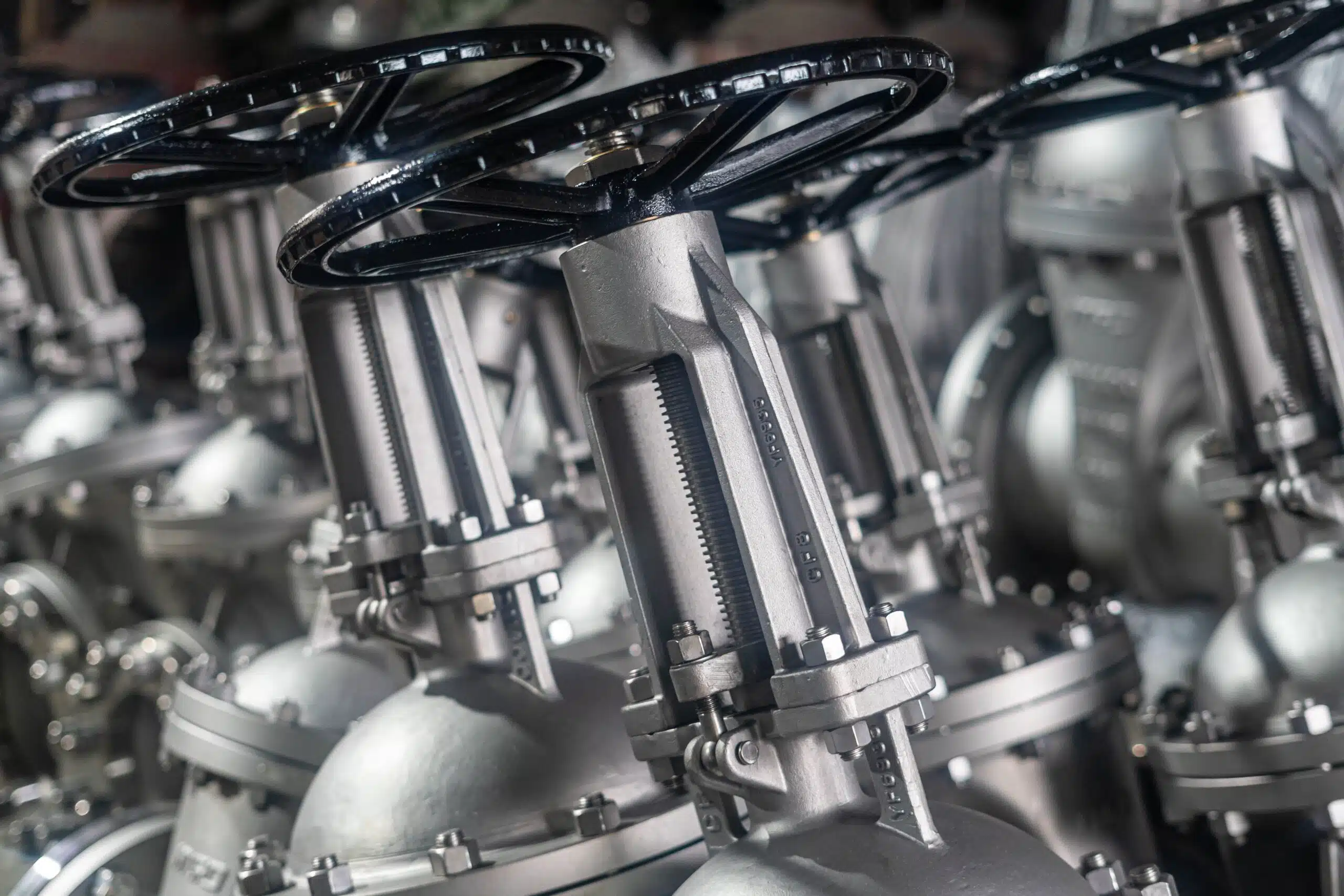
Upgrading to Better Corrosion-Resistant Designs
Upgrading to stronger designs makes valves last longer in tough places. For example, using marine-grade stainless steel in seawater systems stops rust better. Also, EPDM seats in chemical plants resist damage and last longer.
Special coatings also shield valves from harmful substances. These layers stop damage and keep valves strong. Combining upgrades with regular checks helps valves work well, even in hard conditions.
By using modern sensors and upgrading to rust-resistant designs, you can make gate valves last much longer. These methods improve how valves work and save money on repairs over time.
To make valves last longer in corrosive places, focus on five areas: picking good materials, installing correctly, doing regular care, using them gently, and checking them often. Using strong materials and coatings stops rust from forming. Installing valves the right way helps them work without extra strain. Cleaning, oiling, and checking valves often keeps them working well. Moving valves slowly and carefully stops damage. Watching valves and upgrading to better designs makes them stronger. These steps help stop rust, keep systems working better, and save money over time.
