
Gate valves help control how fluids move in pipelines. To maintain gate valves effectively, regular care is essential to keep systems safe, efficient, and functioning well. Skipping maintenance can lead to expensive problems. For instance, 22% of gate valve issues occur because they get stuck. Another 20% are caused by rust. Leaks at the bonnet and flange connections also account for 20%. High torque, which makes valves hard to turn, results in 22% of failures. These issues can halt systems, create dangers, and incur significant repair costs. By taking the time to maintain gate valves early, you can prevent these problems and extend their lifespan.
Key Takeaways
- Taking care of gate valves keeps them safe and working well. Finding problems like leaks or rust early avoids big issues.
- Checking and cleaning gate valves often makes them last longer. Simple tasks like looking for damage and adding oil save money.
- Oiling moving parts is very important. The right oil stops friction, keeps parts cool, and helps valves work better.
- Storing gate valves the right way stops rust and harm. Put them in dry, clean places and cover them to keep out water.
- Call an expert for hard repairs. Professionals save time, prevent big mistakes, and follow safety rules.
Why You Should Maintain Gate Valves
Enhancing Safety and Preventing Failures
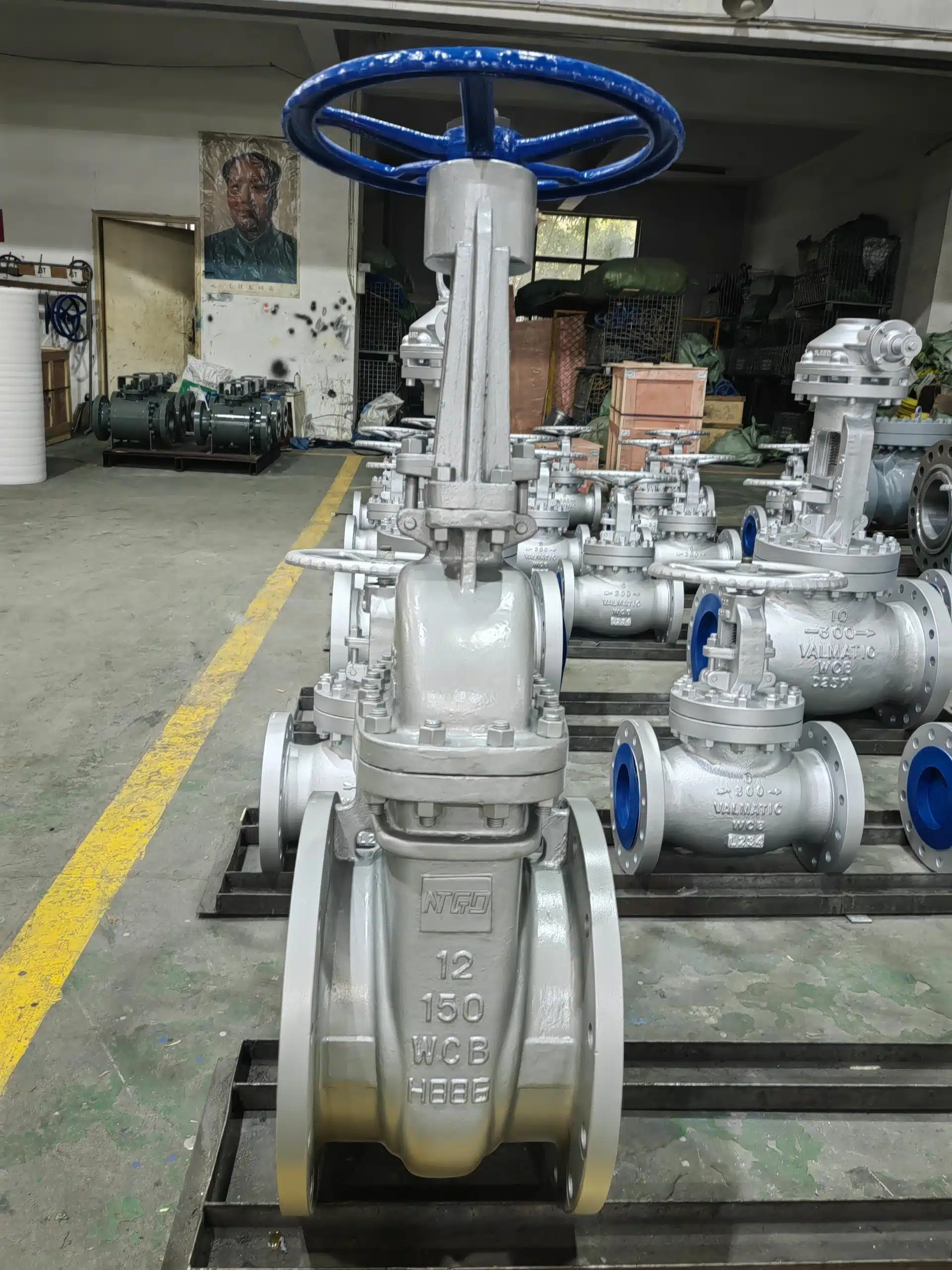
Taking care of gate valves is important for safety and avoiding breakdowns. Regular checks help find problems like leaks, rust, or damage early. Fixing these issues quickly stops them from becoming bigger troubles. Broken valves can cause dangerous situations, like uncontrolled fluid or pressure buildup. Preventive care lowers these risks and keeps systems working well.
Tip: Checking valves often can save money on downtime. Downtime costs can be 30-50% of operating expenses in industries like mining. Early fixes improve reliability and avoid expensive repairs.
Extending the Lifespan of Gate Valves
Looking after gate valves helps them last longer. Cleaning, oiling, and checking valves regularly stops rust and other problems. These steps keep valves working properly for a long time. Finding wear or damage early lets you fix it before it gets worse. This saves money on replacements.
- Benefits of regular care:
- Stops leaks and rust that damage valves.
- Keeps valves working smoothly, reducing wear.
- Allows quick repairs, preventing serious harm.
By caring for gate valves, you protect your investment and keep systems running for years.
Ensuring Precise Flow Control and Efficiency
Good valve care helps control fluid flow accurately, which improves system efficiency. Clean and oiled valves work better, making it easier to manage flow rates. Regular checks stop problems that interrupt operations.
- Better performance after maintenance:
- Lower chance of big failures.
- Improved flow control for smoother operations.
- Longer valve life, boosting system reliability.
Taking care of gate valves improves performance and makes your system more efficient.
Reducing Downtime and Repair Costs
Taking care of gate valves often helps avoid downtime. It also prevents spending too much on repairs. Broken valves can stop operations, causing big losses. Fixing small problems early keeps systems running smoothly.
Regular maintenance saves money in different ways:
- Finding small issues early avoids big, costly repairs. A trained worker can spot wear or rust before it gets worse.
- Using good replacement parts during fixes makes valves last longer. This means fewer repairs and more savings over time.
- Facilities that focus on upkeep spend less on emergency fixes. This lowers the total cost of owning gate valves.
In the past, many places fixed valves often to keep them working. Some even had teams to rebuild old valves. But now, fixing old valves costs more than buying new ones. Higher pay for skilled workers and stricter rules make repairs expensive. Regular care is now the better way to save money.
By maintaining gate valves, you save money and improve reliability. Fewer breakdowns mean less downtime, keeping systems productive. Taking care of valves ensures they work well, protecting your investment and avoiding problems.
Key Steps for Gate Valve Maintenance
Regular Inspection for Wear and Corrosion
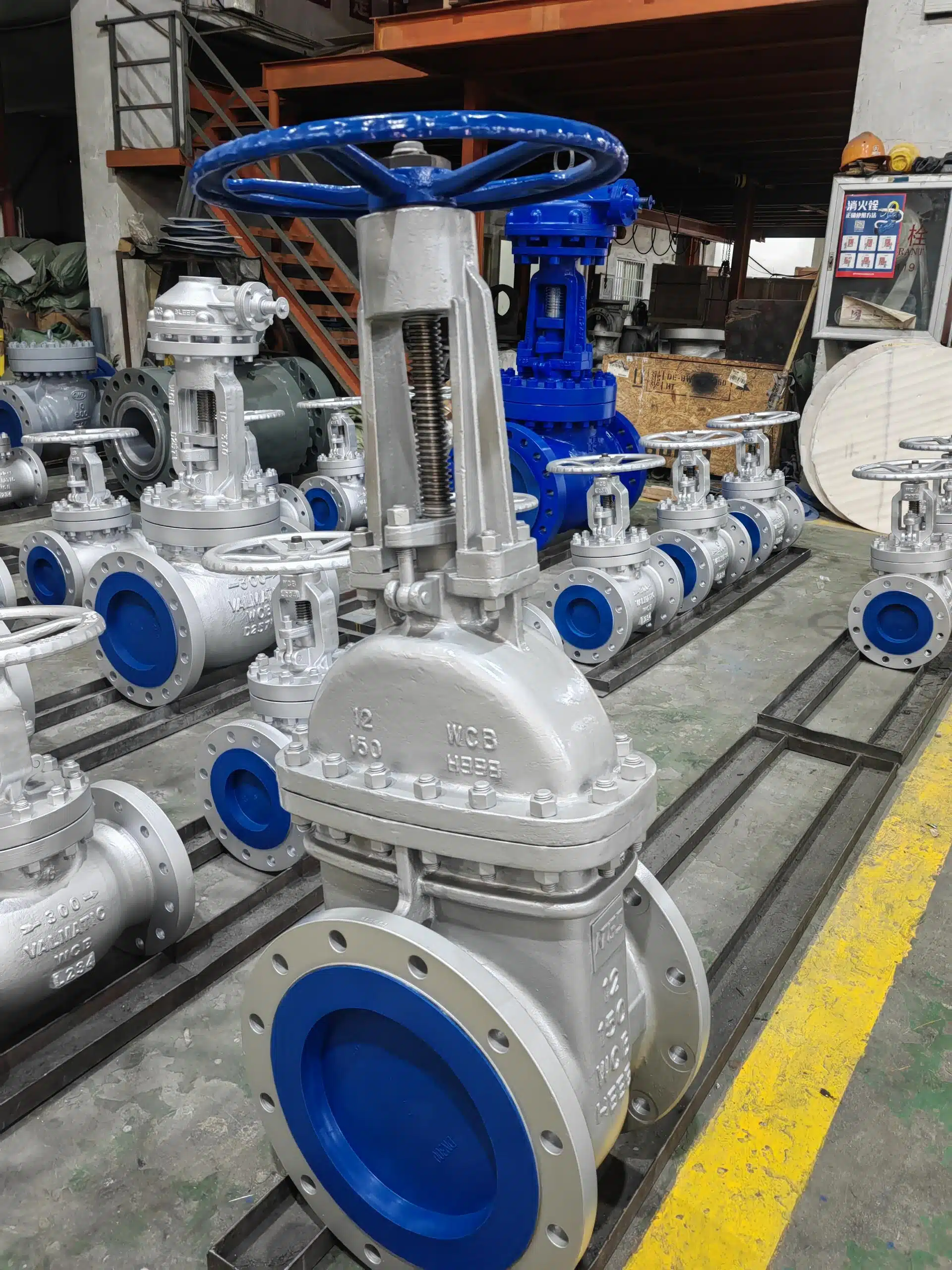
Checking gate valves often helps keep them in good shape. Over time, parts can wear out or rust, causing leaks or failures. Regular checks find these problems early so you can fix them.
- Look at the wedge, guides, and nut for damage. Damaged parts can make the valve harder to use.
- Make sure the wedge is fully covered with rubber. This protects it from rust and damage.
- Check that the wedge nut is tight and fits properly. A good fit reduces wear and keeps the valve working smoothly.
- Test the valve by opening and closing it many times. This shows if it works well under pressure.
Tip: Checking valves often saves money and makes them last longer. A well-cared-for valve works better and costs less to maintain.
Lubrication of Moving Parts
Oiling moving parts is very important for valve care. Without oil, parts rub together too much and wear out faster. Using the right oil helps the valve work smoothly and last longer.
- Use strong industrial oils to protect metal parts. This stops them from rubbing directly against each other.
- Oil also cools parts by reducing heat from friction. This prevents overheating and damage.
- Focus on oiling the valve stem and other moving areas. This keeps the valve working easily.
Did you know? Oiling valves well can stop them from breaking. Studies show oiled valves last longer and need fewer repairs, saving money.
Cleaning Internal and External Components
Dirt and rust can make gate valves work poorly. Cleaning inside and outside parts keeps the valve working well and stops leaks.
- Clean the valve seat often to avoid blockages. Blockages can stop fluids from flowing properly.
- Remove dirt and rust from the valve body to stop corrosion.
- Pay close attention to the valve packing. Dirt here can cause leaks and make the valve less efficient.
Case in Point: At Rivers Casino & Resort, poor cleaning caused valve failure. Regular cleaning could have avoided this expensive problem.
By following these simple steps, you can keep gate valves working well for a long time.
Proper Storage to Prevent Corrosion
Storing gate valves the right way helps them last longer. If stored poorly, valves can get exposed to moisture and dirt. This can cause rust, which weakens the valve and makes it fail. By storing them properly, you can stop rust and keep valves in good shape.
Here are some simple tips for storing gate valves:
- Pick a Dry and Clean Spot
Store valves in a dry place without moisture or humidity. A clean area stops dust and dirt from settling on the valves. This helps prevent rust from forming. - Cover Valves for Protection
Use plastic wraps or special coatings to cover the valves. These covers block air and moisture, which are the main causes of rust. - Keep Valves Off the Floor
Place valves on shelves or pallets, not directly on the ground. This avoids contact with water or damp floors, especially in wet areas. - Allow Good Airflow
Make sure the storage space has proper ventilation. Good airflow reduces trapped moisture, which can lead to rust. - Check Valves Often
Look at stored valves regularly for rust, dirt, or damage. Finding problems early helps you fix them before they get worse.
Tip: If storing valves for a long time, add a thin layer of oil to moving parts. This extra step protects against rust.
Storing valves the right way saves money and avoids repairs. These steps keep your gate valves ready to use when needed.
Troubleshooting Common Gate Valve Issues
Fixing Leaks and Sealing Problems
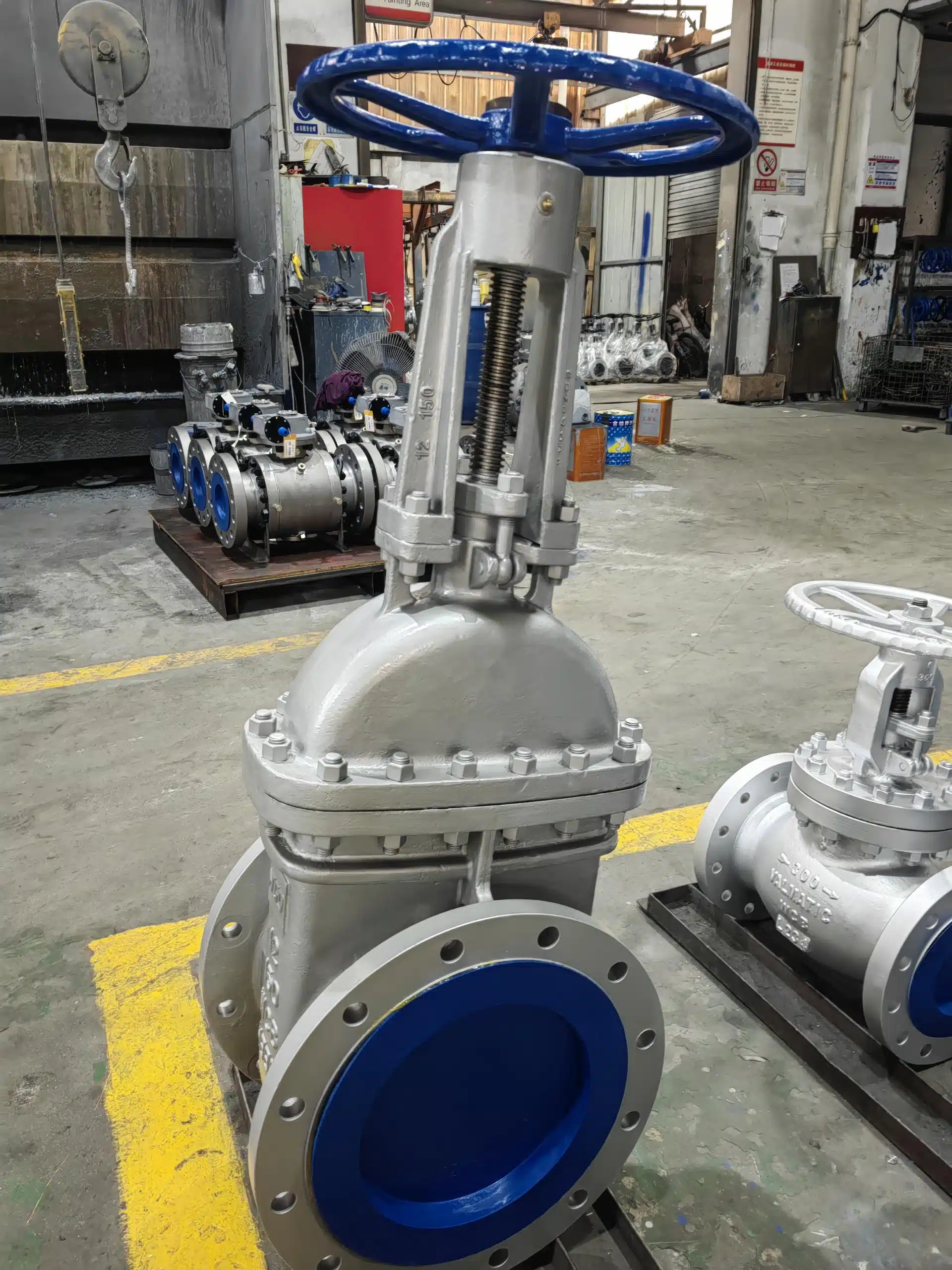
Leaks in gate valves can cause problems and expensive repairs. Fixing leaks quickly keeps your system safe and working well. First, find where the leak is coming from. Often, dirt buildup stops the valve from closing completely. Cleaning the valve seat and inside parts can fix this.
Check the valve stem for damage or rust. A broken stem can cause leaks by ruining the seal. Make sure the valve stem matches the valve’s size and design. If the packing around the stem is old and hard, replace it to stop leaks. Tightening the packing nut can also help seal the valve better.
Tip: Cleaning and checking valves often helps prevent leaks. This also makes valves last longer.
Addressing Sticking or Hard-to-Turn Valves
Valves that stick or are hard to turn usually need oil or cleaning. These problems make it tough to use the valve and can slow down systems. To fix this, clean the valve stem and guides well. Removing dirt and rust helps the valve move smoothly.
Use strong industrial oil on the valve stem and moving parts. Oil reduces rubbing and keeps parts from wearing out. This makes the valve easier to turn. If it’s still hard to use, check for broken or misaligned parts inside. Replacing damaged parts can make the valve work again.
Did you know? Oiling valves regularly improves how they work and stops damage. This saves money on repairs.
Resolving Incomplete Valve Closure
If a valve doesn’t close all the way, it can mess up fluid flow. This problem often happens because dirt is stuck in the valve seat or parts are not lined up right. Cleaning the valve seat and checking inside parts can solve this.
Look at the valve stem and wedge to see if they are aligned. Misaligned parts can stop the valve from closing fully. Fixing or replacing these parts ensures the valve closes properly. If the valve still won’t close, check the wedge for damage. Replacing a broken wedge can fix the seal.
Case in Point: A factory cut downtime by 30% after fixing valve closure problems with regular checks and repairs.
By solving issues like leaks, sticking valves, and incomplete closures, you can keep gate valves working well and your system running smoothly.
Managing Noise and Vibrations
Noise and vibrations in gate valves can cause problems and show hidden issues. Fixing these problems makes systems work better, reduces wear, and keeps the workplace safer. Knowing why noise and vibrations happen helps you solve them effectively.
Why Noise and Vibrations Matter
Too much noise often means the flow inside the valve is uneven. Vibrations can slowly damage parts, causing them to fail early. Both problems can lead to expensive repairs or system shutdowns if ignored. Fixing them early protects your equipment and keeps things running smoothly.
Tip: Ignoring vibrations can make a valve wear out 30% faster. Checking regularly stops serious damage.
Common Causes of Noise and Vibrations
Many things can cause noise and vibrations in gate valves. Finding these causes helps you fix the right problem:
- Flow Turbulence: Uneven flow creates noise and stresses valve parts.
- Loose Components: Bolts or parts that aren’t tight can shake during use.
- Valve Geometry: Badly shaped seats or wedges make noise worse.
- Cavitation: Quick pressure changes create bubbles that pop, causing noise and shaking.
How to Manage Noise and Vibrations
You can lower noise and vibrations by fixing their main causes. Try these steps:
- Inspect and Tighten Components
Loose bolts or parts often cause shaking. Check and tighten them to keep things steady. - Optimize Valve Design
Better designs, like cage-guided valves, reduce noise and turbulence. Studies show these designs solve noise problems in factories. - Use Acoustic Monitoring Tools
Tools like accelerometers find where noise starts. For example, a refinery used these tools to locate noisy valves and fix them for quieter operations. - Address Cavitation Issues
Adding anti-cavitation trims or changing flow rates stops pressure changes. This prevents bubbles from forming and reduces noise.
Research Insights on Noise Reduction
Studies show some methods work well to reduce noise and vibrations:
- Changing valve shapes lowers turbulence, as Smith and Luloff (2000) found.
- Big steam-line valves benefit from noise-reducing methods, as Janezen et al. (2007) showed.
- Switching old valves for cage-guided ones cuts noise, as seen in real-world examples.
Did you know? A refinery made its workplace quieter by replacing old valves with modern ones. This simple change improved safety and performance.
By learning what causes noise and vibrations and using these fixes, you can keep gate valves working quietly and efficiently. Taking action early helps valves last longer and makes the workplace safer and more productive.
Best Practices for Gate Valve Maintenance
Scheduling Routine Maintenance Checks
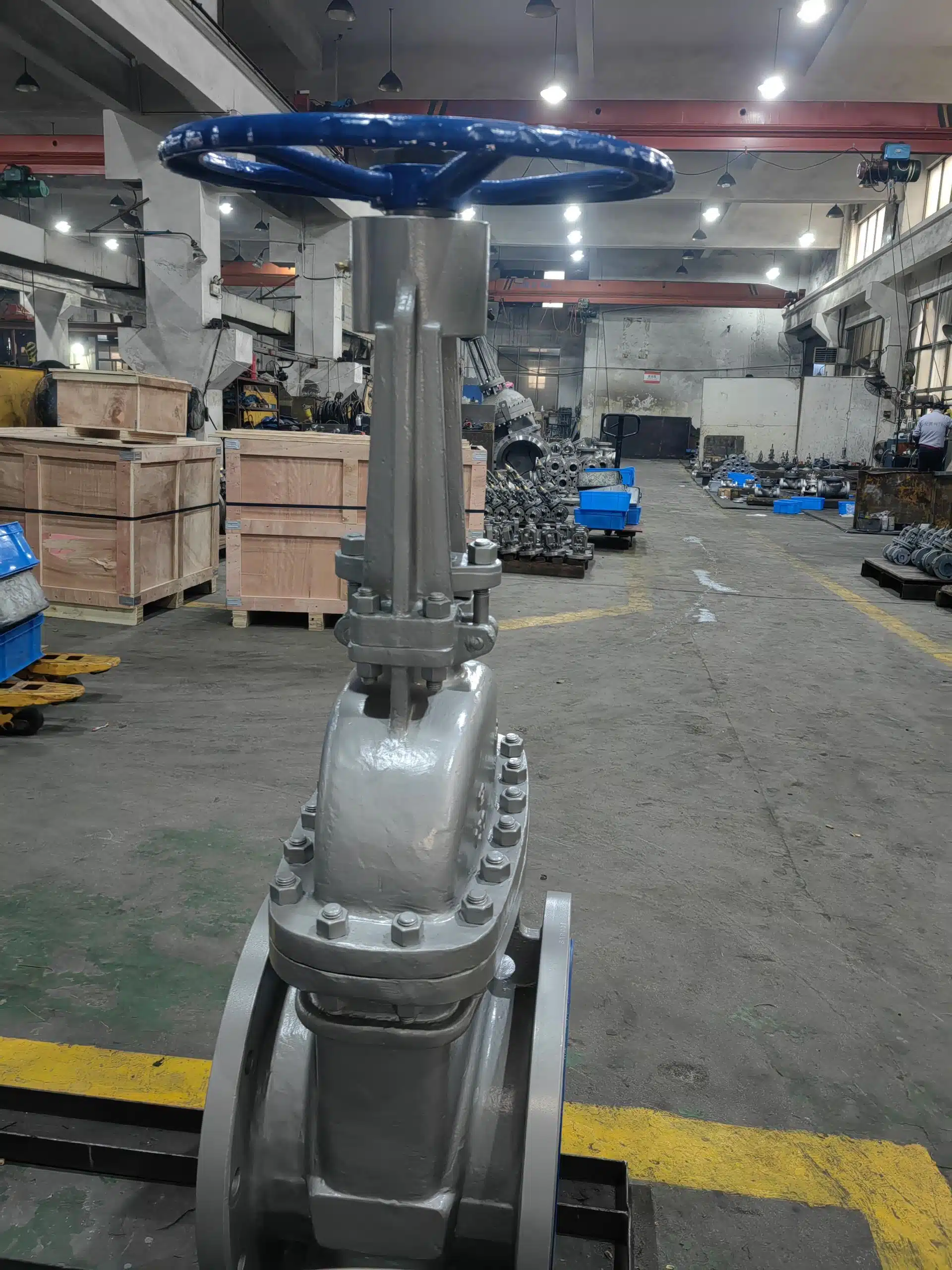
Regular checks keep gate valves working well and lasting longer. By planning these checks, you can spot problems like leaks or rust early. Fixing issues quickly avoids expensive repairs. Inspections also help keep fluid flow steady, improving system performance.
To make a good maintenance plan, follow these steps:
- Look for rust or damage every three months.
- Test the valve by opening and closing it normally.
- Clean and oil moving parts during each check to stop wear.
- Write down all checks and fixes for future use.
Tip: Tools like vibration analysis can find problems early. This lowers sudden failures and reduces downtime.
Using the Right Tools and Techniques
Using proper tools and methods makes valve care safe and effective. Wrong tools can harm parts and cause early failure. For example, industrial oils protect better than regular oils. Special brushes clean without scratching the valve.
When doing maintenance, always:
- Use torque wrenches to tighten bolts correctly.
- Apply strong lubricants to reduce friction and make valves last.
- Follow the maker’s instructions for cleaning and testing.
Did you know? Using the right tools lowers valve failures and saves money on maintenance.
Monitoring Bolting Torque and Alignment
Correct bolt torque and alignment are key for gate valves to work well. Misaligned bolts or uneven tightening can cause leaks and lower performance. During setup or care, make sure bolt holes match the pipe parts perfectly.
Follow these steps for proper bolting:
- Tighten bolts by hand in a crisscross pattern for even contact.
- Tighten bolts halfway using the same pattern.
- Use a torque wrench to fully tighten bolts to the right level.
Note: Check bolt alignment often to stop leaks and keep valves strong. Good installation improves system reliability.
By following these tips, you can make gate valves last longer and work better while cutting maintenance costs.
Knowing When to Call a Professional
Sometimes fixing gate valves needs more skill than you have. Calling an expert keeps things safe, avoids more damage, and saves time. Here’s why getting help is smart:
- Complex Repairs Need Special Skills
Gate valves have tricky parts like the wedge and stem. If these parts are badly damaged, fixing them yourself can make it worse. Experts know how to handle tough repairs properly. - Using Advanced Tools and Methods
Some problems, like rust or cavitation, need special tools. Experts use tools like torque wrenches and testers to fix issues correctly. Without these tools, repairs might not work well. - Following Safety Rules
Industries like oil or water treatment have strict rules for valves. Experts make sure repairs follow these rules, avoiding fines or accidents.
Tip: If your valve keeps breaking even with care, call an expert. Ongoing problems often mean bigger issues that need professional help.
- Saving Time and Money
Experts fix valves quickly, cutting downtime. They also avoid costly mistakes that can happen with DIY fixes. - Handling Emergencies
Sudden leaks or broken valves need fast repairs. Experts can fix these problems safely and quickly.
Did you know? Experts can make valves last 30% longer, saving money on replacements.
By knowing when to ask for help, you keep your system safe and your valves working well.
Taking care of gate valves keeps your system safe and working well. Regular maintenance stops expensive problems and helps valves last longer. Switching from fixing problems to preventing them makes valves more reliable. It also keeps your plant running longer without stopping. This method improves valve performance, saving energy and making better products.
Using these steps lowers repair costs and boosts performance. Check valves often, oil moving parts, and fix issues quickly. Start these habits now to save money and keep your system dependable.
