
Valves play a crucial role in ensuring the efficiency of operations across different industries. You rely on them to control the flow of liquids, gases, and other substances in various systems. From managing water supply in commercial buildings to handling corrosive fluids in chemical plants, valves are indispensable.
Their versatility makes them essential in industrial applications. For example, in wastewater treatment, valves regulate fluids and solids, while in the oil and gas industry, they manage substances under extreme pressures. The table below highlights the common substances controlled by valves in different industries:
| Industry | Common Substances Controlled |
|---|---|
| Wastewater Treatment | Fluids and solids in treatment plants |
| Oil and Gas Production | Oil and gas under extreme pressures |
| Offshore Industry | Oil, gas, and water from extracted fluids |
| Pipelines | Various fluids for transportation |
| Commercial Buildings | Water supply, heating, and fire protection systems |
| Refining and Petrochemical | Corrosive fluids and extreme temperatures |
| Food and Beverage Industry | Food products and beverages |
| LNG and Gas Separation | LNG and gases at cryogenic temperatures |
| Chemical Processing | Aggressive fluids in chemical plants |
By efficiently managing these substances, valves ensure safety, reliability, and operational success in every industry.
Key Takeaways
- Valves help control how liquids and gases move in industries.
- They are used in oil, water, and food businesses.
- Picking the right valve makes work safer and easier to do.
- This is important for high-pressure or delicate tasks.
- Taking care of valves stops leaks and keeps things safe.
- It also protects workers and machines from harm.
- New smart valves help check systems and save resources.
- These valves support eco-friendly and greener practices.
- Knowing how valves work improves processes and product quality.
- This is useful in many different types of industries.
Valves in Oil and Gas Production
Valves are critical components in the oil and gas production process. They help control the flow of liquids and gases, ensuring operational efficiency and safety. In this industry, you will find a variety of industrial valves designed to meet the unique demands of pipelines, refineries, and offshore operations.
Types of Valves in Oil and Gas
Gate Valves
Gate valves are widely used in the oil & gas industry for their ability to provide reliable flow control. These valves are ideal for isolating sections of pipelines, especially in high-pressure environments. Their tight seal ensures minimal leakage, making them essential for deep well drilling and refining processes. You can also benefit from their in-line repairability, which simplifies maintenance.
Ball Valves
Ball valves are another common choice in the pipeline industry. They use a ball-shaped disk to control the flow of oil and gas. These valves are quick to operate and provide a tight seal, making them suitable for high-pressure applications. Their durability and efficiency make them indispensable in both onshore and offshore operations.
Check Valves
Check valves are designed to prevent backflow in pipelines. This feature is crucial in gas refineries, where maintaining unidirectional flow is essential for safety and efficiency. By using check valves, you can protect your systems from potential damage caused by reverse flow.
Applications in Oil and Gas
Pipeline Flow Control
In the pipeline industry, valves play a vital role in controlling the flow of oil and gas. They allow you to start, stop, and adjust the flow as needed. Control valves, in particular, help regulate pressure and maintain system integrity, ensuring smooth operations.
Pressure Regulation in Refineries
Refineries face extreme conditions, including high temperatures and pressures. Valves designed for these environments must withstand these challenges while ensuring safety. By choosing the right materials and designs, you can ensure compliance with industry standards and protect against corrosion and wear.
Offshore Drilling Safety
Offshore operations demand specialized valves to handle high-pressure scenarios. Systems like High Intensity Pressure Protection Systems (HIPPS) and Blowout Preventers (BOP) use fail-close valves to prevent uncontrolled fluid releases. These safety mechanisms are critical for mitigating risks and ensuring safe drilling operations.
Valves in the oil and gas production process are indispensable. They not only control the flow of substances but also enhance safety and efficiency across a variety of applications. From pipelines to offshore platforms, these industrial components are the backbone of the industry.
Valves in Water and Wastewater Management
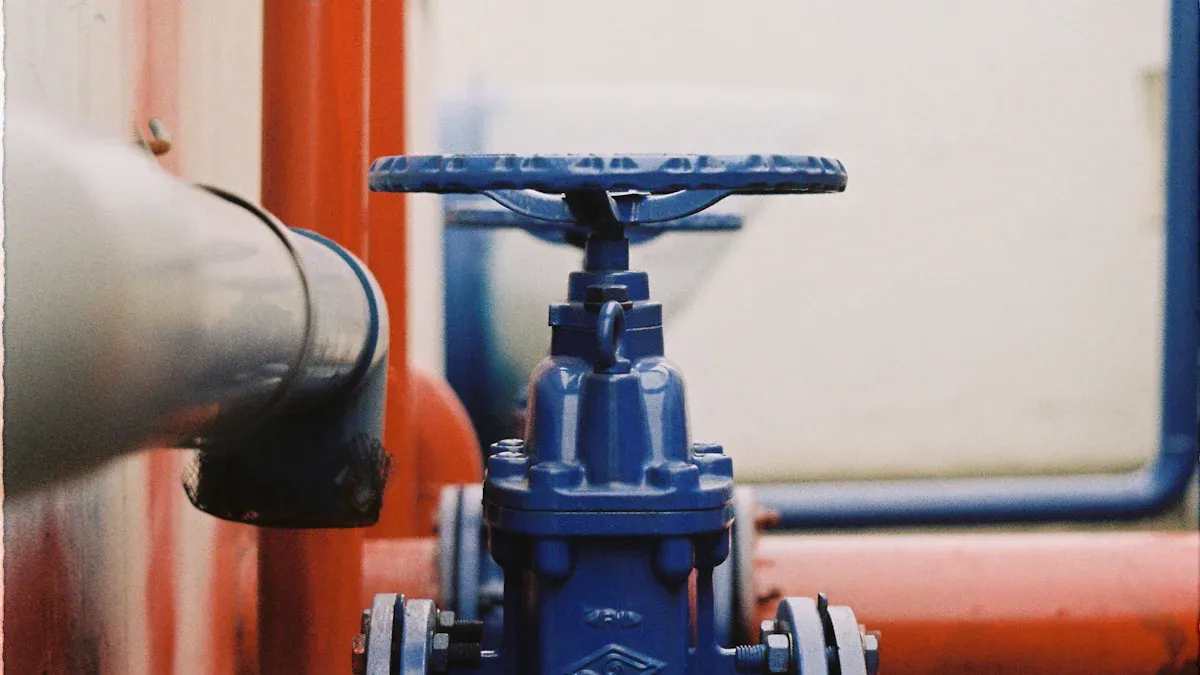
Valves are essential in water and wastewater management systems. They help regulate flow, control pressure, and ensure safety in various processes. Whether you’re managing clean water distribution or wastewater treatment, the right valves can enhance efficiency and reliability.
Types of Valves in Water Systems
Butterfly Valves
Butterfly valves are widely used in water systems for their ability to control large volumes of water quickly. Their compact design makes them ideal for tight spaces, and their simple operation ensures ease of use. However, they may cause slight pressure drops, which you should consider when selecting them for high-pressure systems.
Globe Valves
Globe valves are perfect for regulating flow and maintaining pressure in water systems. Their design allows precise control, making them suitable for high-purity applications. You can rely on these valves to ensure consistent performance in both clean water and wastewater systems.
Diaphragm Valves
Diaphragm valves are highly effective in handling corrosive or abrasive fluids, which are common in wastewater treatment. Their leak-proof design ensures safety and prevents contamination. These valves are also easy to maintain, making them a reliable choice for long-term use.
Applications in Water and Wastewater
Flow Regulation in Treatment Plants
In wastewater treatment plants, valves play a critical role in regulating flow rates. You can use butterfly valves for quick adjustments or globe valves for precise control. This regulation minimizes energy consumption and optimizes aeration systems, contributing to energy efficiency and sustainability.
Wastewater Discharge Control
Valves ensure controlled discharge of treated wastewater, preventing environmental contamination. By using diaphragm valves, you can handle aggressive fluids safely, protecting both infrastructure and ecosystems. This control is vital for maintaining compliance with environmental standards.
Backflow Prevention in Distribution
Backflow prevention valves are crucial in water distribution systems. They stop non-potable water from re-entering the clean water supply, ensuring safety. Reduced pressure valve assemblies (RPZ) are particularly effective, as they only open when water flows in the intended direction. This prevents contamination and maintains the integrity of the water supply.
Valves in the water and wastewater industry not only enhance operational efficiency but also contribute to environmental protection. By choosing the right valves, you can ensure safe, reliable, and sustainable water management.
Valves in Power Generation
Valves play a vital role in the power industry, ensuring the efficient and safe operation of power plants. They regulate fluid flow, control pressure, and maintain safety in critical systems. Whether you’re managing steam in boilers or ensuring turbine efficiency, valves are indispensable in the electric power industry.
Types of Valves in Power Plants
Pressure Relief Valves
Pressure relief valves are essential for maintaining safety in power plants. These valves automatically open when pressure exceeds safe limits, releasing excess pressure to prevent system damage. Their reliability ensures the protection of both equipment and personnel in high-pressure environments.
Control Valves
Control valves provide precise regulation of fluid flow, making them crucial for optimizing power plant operations. You can use them to maintain desired conditions in systems like steam generation and cooling water circulation. Their ability to adjust flow rates enhances energy efficiency and process control.
Steam Valves
Steam valves are specifically designed for handling high-temperature steam in power plants. These valves manage steam flow in boilers and turbines, ensuring consistent performance. Their durability and heat resistance make them a cornerstone of steam-based power generation.
| Valve Type | Application Description | Characteristics |
|---|---|---|
| Globe Valves | Used for controlling the flow of fluid in high-pressure systems like steam and water. | Precise flow control and reliability. |
| Gate Valves | Regulate flow where full flow is required, such as in cooling water systems. | Allows for full flow when open. |
| Ball Valves | Quick and easy flow control in steam generation and fuel supply systems. | Durable and reliable. |
| Butterfly Valves | Large flow capacity applications, such as cooling water systems. | Easy to use and versatile. |
| Needle Valves | Precise flow control in fuel supply systems. | Known for accuracy and repeatability. |
| Safety Relief Valves | Protect against overpressure by opening automatically in overpressure situations. | Ensures safety and prevents damage. |
Applications in Power Generation
Steam Flow Management in Boilers
In boilers, valves regulate steam flow to maintain optimal pressure and temperature. Control valves ensure precise adjustments, improving energy efficiency and reducing waste. By managing steam production effectively, you can enhance the overall performance of the power plant.
Turbine Pressure Regulation
Turbines require consistent pressure for efficient operation. Valves like globe and gate valves help regulate steam flow, ensuring turbines operate within safe limits. This regulation not only improves turbine efficiency but also extends their lifespan.
Safety in Nuclear Power Plants
Valves are critical for safety in nuclear power plants. They perform several functions, including:
- Controlling fluid flow to maintain system stability.
- Isolating sections for maintenance or emergencies.
- Releasing excess pressure to prevent dangerous build-up.
- Preventing backflow to avoid contamination.
Pressure relief valves, in particular, are indispensable in nuclear facilities. They protect against overpressure, ensuring the safety of both the plant and its personnel. Additionally, valves in nuclear plants must meet stringent standards for strength, sealing, and reliability to handle radioactive materials safely.
Valves in the power industry are more than just flow regulators. They contribute to energy efficiency, enhance safety, and ensure the reliability of power generation systems. Their role in the electric power industry underscores their importance in maintaining operational excellence.
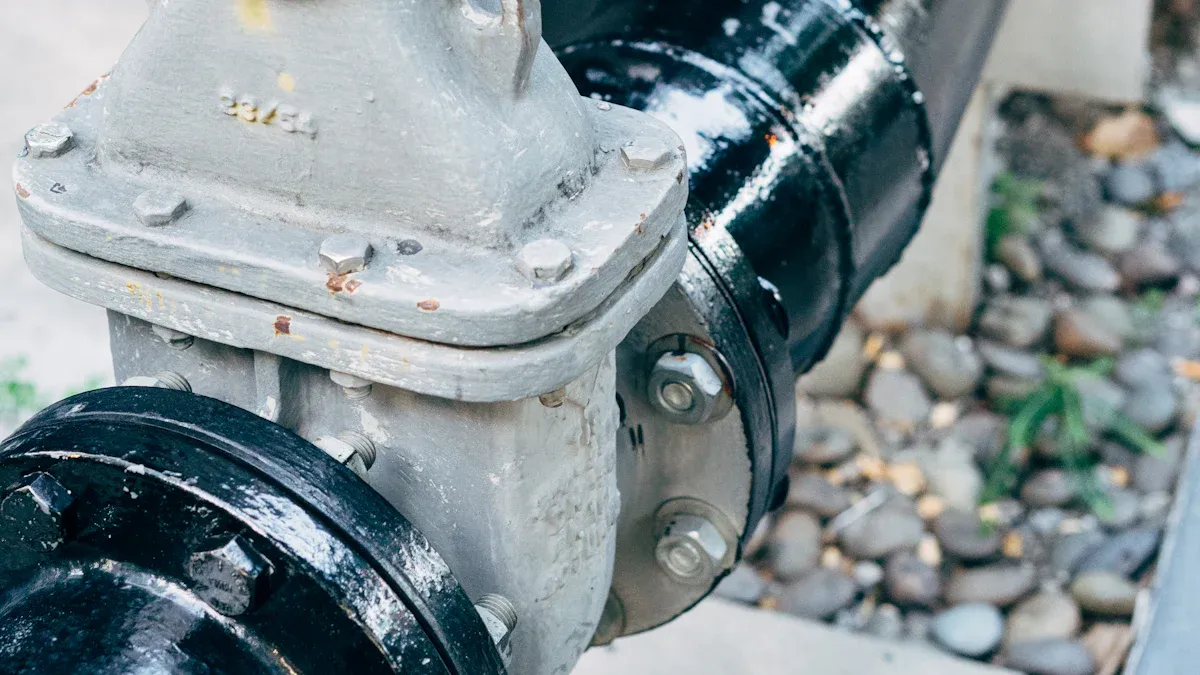
Valves in the Chemical and Pharmaceutical Industry
Valves play a critical role in the chemical and pharmaceutical industry. They ensure precise control, safety, and efficiency in processes that often involve extreme conditions and sensitive materials. Whether you’re handling corrosive chemicals or producing high-purity pharmaceuticals, the right valves are indispensable.
Types of Valves in Chemical Processes
Plug Valves
Plug valves are ideal for on-off control in chemical systems. Their simple design allows you to quickly open or close the flow, making them reliable for handling viscous or abrasive fluids. These valves also provide a tight seal, reducing the risk of leaks in demanding environments.
Pinch Valves
Pinch valves excel in managing slurries and corrosive fluids. Their flexible elastomer sleeve isolates the flow media, preventing contact with the valve body. This design minimizes wear and ensures compatibility with aggressive chemicals, making them a popular choice in the valve industry.
Sanitary Valves
Sanitary valves are essential in pharmaceutical production. Their polished stainless steel construction prevents rust and ensures compliance with stringent hygiene standards. These valves feature smooth interior surfaces, reducing the risk of contamination and maintaining the integrity of pharmaceutical products.
Applications in Chemical and Pharmaceutical Sectors
Handling Corrosive Fluids
In chemical processing, valves must withstand harsh conditions, including wide temperature fluctuations and exposure to corrosive substances. Control valves and check valves help you maintain process stability while protecting equipment from reverse flow. Their compatibility with flow media ensures optimal performance and safety.
Precision in Pharmaceutical Production
Pharmaceutical production demands precision and cleanliness. Sanitary valves play a vital role here. Their high tolerance and clean surfaces prevent contamination, ensuring product safety. By using these valves, you can meet industry standards and maintain the quality of your products.
Safe Management of Hazardous Substances
Handling hazardous substances requires strict safety measures. Valves help you prevent accidental releases and ensure compliance with safety regulations. Before inspections, you should depressurize and secure the system. Proper protective equipment, such as gloves and safety goggles, further enhances safety. These precautions protect both workers and the environment.
Valves in the chemical and pharmaceutical industries are indispensable. They provide precise control, ensure safety, and enhance efficiency in challenging environments. By choosing the right valves, you can optimize your processes and meet the demands of these critical sectors.
Valves in the Food and Beverage Industry
Valves are essential in the food and beverage industry, ensuring hygiene, precision, and efficiency in processing. They help maintain product quality and safety while optimizing production processes.
Types of Valves in Food Processing
Hygienic Valves
Hygienic valves are specifically designed to meet the stringent cleanliness standards of the food and beverage industry. These valves prevent contamination by acting as barriers against airborne particles and microbial growth. Their smooth surfaces and minimal gaps make cleaning and sterilization easy, ensuring compliance with hygiene regulations. Each valve undergoes rigorous testing to guarantee reliability and food safety.
Solenoid Valves
Solenoid valves are among the most commonly used in food processing. Their stainless steel construction resists contaminants, making them ideal for humid and corrosive environments. These valves also withstand extreme temperatures, ensuring durability in demanding conditions. You can rely on solenoid valves for precise control in automated systems, enhancing efficiency and reducing waste.
Pressure Reducing Valves
Pressure reducing valves play a critical role in maintaining consistent pressure levels during food processing. They ensure that equipment operates within safe limits, protecting both the machinery and the product. By stabilizing pressure, these valves contribute to uniformity in production, which is vital for maintaining product quality.
Applications in Food and Beverage
Hygiene Maintenance in Processing
Valves are indispensable for maintaining hygiene in food production. Hygienic valves, with their easy-to-clean design, prevent cross-contamination and uphold the integrity of food products. Their role in ensuring cleanliness reduces the risk of costly contamination issues, saving you time and resources.
Flow Regulation in Beverage Production
In beverage production, valves regulate the flow of liquids to ensure precision and consistency. Solenoid valves, in particular, excel in automated systems, allowing you to control flow rates with accuracy. This precision minimizes waste and enhances the efficiency of your production line.
Consistency in Packaging Processes
Valves also play a vital role in packaging processes. Pressure reducing valves ensure consistent filling levels, maintaining uniformity across packaged products. This consistency not only improves product quality but also reduces rework costs, optimizing your operations.
Valves in the food and beverage industry are indispensable for ensuring safety, efficiency, and product quality. By selecting the right valves, you can enhance your processes and meet the high standards of this industry.
Valves are essential to the success of modern industries. They ensure operational efficiency by managing flow, pressure, and safety in critical processes. For example, automated valves enhance accuracy and reduce human errors, improving product quality and cutting energy costs. Retrofitting systems with advanced valves can also boost productivity and lower maintenance expenses.
Innovations like smart valves and corrosion-resistant materials are transforming the oil and gas industry. These advancements improve durability, enable real-time monitoring, and support sustainability by reducing energy consumption and emissions. By optimizing flow rates and preventing leaks, valves contribute to greener industrial operations.
Their universal relevance, from oil and gas production to food processing, underscores their importance. Whether ensuring safety in power plants or maintaining hygiene in food production, valves remain indispensable in shaping efficient and sustainable industries.
