
Globe valves are important in controlling liquids in systems, and they offer numerous benefits of globe valves. They help manage flow and pressure accurately for smooth operations. These valves are easy to use, making them great for homes and industries. They save money because they last long and need fewer replacements. Whether for strong systems or delicate tasks, the benefits of globe valves make them useful and reliable.
Key Takeaways
- Globe valves let you control flow exactly, making adjustments easy.
- They keep pressure steady, which is important for smooth system work.
- These valves close tightly to stop leaks, making them very reliable.
- They are made of strong materials, so they last a long time.
- Globe valves lower noise and shaking, helping systems run safely and well.
Overview of Globe Valves
Definition and Structure
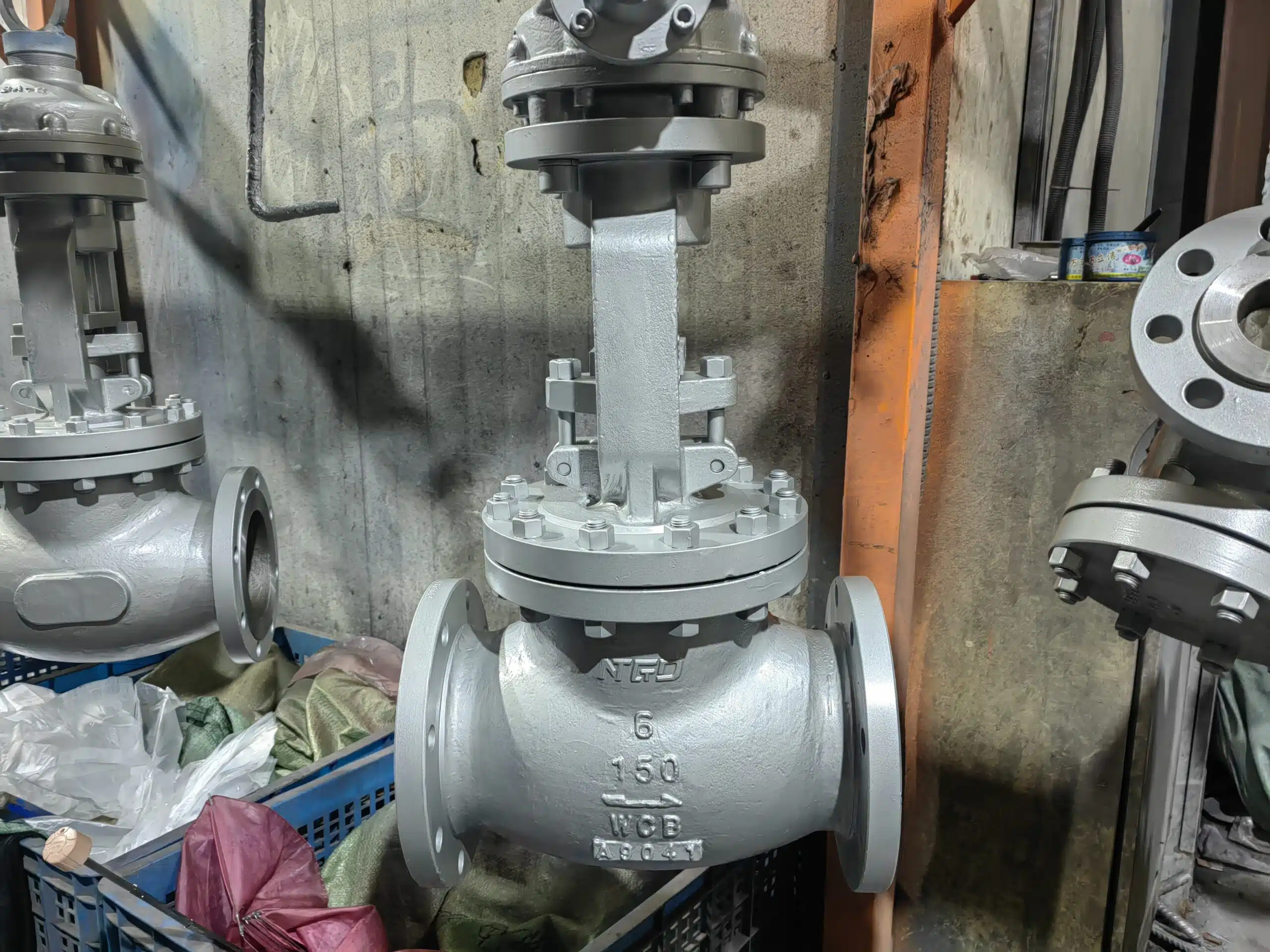
A globe valve is a tool used to control fluid flow. It gets its name from its round body shape. Inside the valve, there is a moving disk and a fixed ring seat. These parts work together to adjust how much fluid passes through. The design helps control flow accurately, which is important for precise tasks.
The main parts of a globe valve are the body, bonnet, stem, disk, and seat. The body holds the fluid path, while the bonnet covers the valve and supports the stem. The stem connects to the disk, which moves to open or close the valve. This simple design makes the valve strong and easy to fix.
Functionality of Globe Valves
Globe valves are great for controlling fluid flow and pressure. When you adjust the valve, the disk moves closer or farther from the seat. This changes how much fluid flows through, making it good for fine adjustments.
Tests show that globe valves work well in different conditions. For example, studies based on ANSI/ISA and IEC standards prove their ability to manage flow and pressure. They also help prevent cavitation, which can damage systems, by using smart designs like liquid jets.
Types of Globe Valves
There are different kinds of globe valves, each made for specific uses. Common types include:
- T-Pattern Globe Valves: These have a straight path for fluid, lowering pressure loss.
- Angle Globe Valves: Built with a 90-degree angle, they are great for flow control.
- Z-Body Globe Valves: These have a Z-shaped design for simple flow adjustments.
- Y-Body Globe Valves: With a 45-degree angle, they allow smoother fluid movement.
- Bellows Sealed Globe Valves: These prevent leaks, making them safe for risky environments.
Standards like ASME B16.34 and API 600 ensure these valves are safe and reliable for many industries.
Key Benefits of Globe Valves
Precise Flow Regulation
A big advantage of globe valves is accurate flow control. You can easily adjust them to change how much fluid flows. This makes them perfect for tasks needing precision. The valve’s design, with a moving disk and fixed seat, helps fine-tune flow. This ensures great control, even when system demands change.
Research shows globe valves are great at managing flow. For example, one study found cavitation in a globe valve was 34.90%. Cavitation can harm systems, but resizing the valve lowered it to 19.06%. This shows how better designs improve flow control.
Controlling Pressure Effectively
Globe valves are also great for managing pressure. Their design lets you control pressure levels accurately. This makes them useful for systems needing steady pressure.
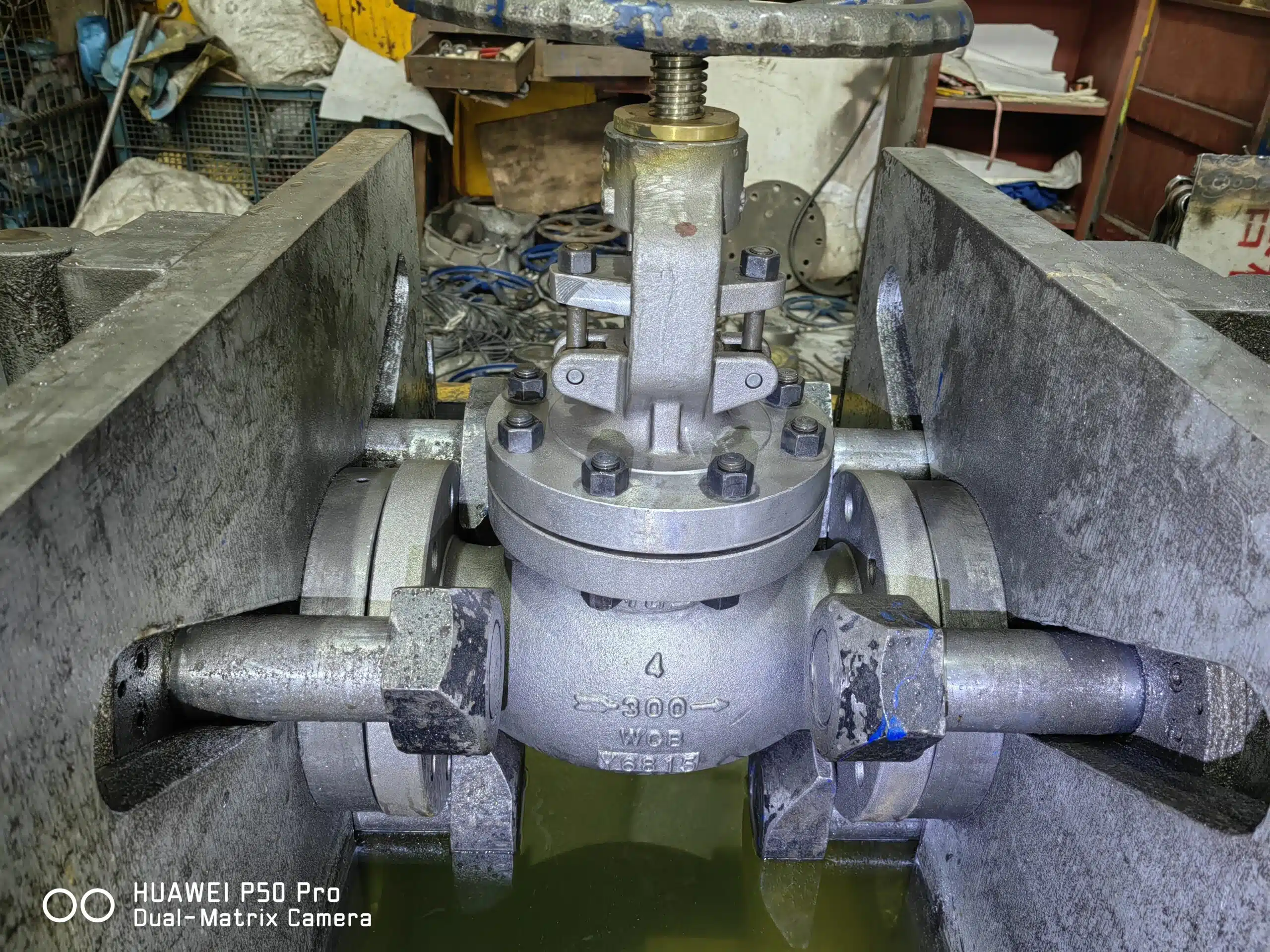
Tests prove globe valves are reliable for pressure control. For example:
| Test Type | What It Checks |
|---|---|
| Strength Test | Checks for leaks by opening the disk and adding pressure. |
| Tightness Test | Checks for leaks by closing the valve and adding pressure from below. |
These tests show globe valves handle pressure well without losing safety or performance.
Excellent Shut-Off Capability
Globe valves are good at stopping fluid flow. The disk moves against the seat to create a tight seal. This reduces leaks, which is a key benefit of these valves.
Still, globe valves might not fully stop leaks in some cases. They meet ANSI FCI 70-2 standards, allowing small leaks. Ball valves, however, offer zero leaks and tighter seals for critical tasks. Even so, globe valves’ shut-off ability works well for most systems.
Durability and Longevity
Globe valves last a long time, making them dependable for fluid systems. They are made from strong materials like carbon steel, stainless steel, and forged steel. Each material has special benefits. For example:
| Material | Temperature Range | Pressure Range | Durability Features |
|---|---|---|---|
| Carbon Steel | Up to 800°F (427°C) | Up to 1980 psi (136 bar) | Strong and affordable, works well in medium to high conditions. |
| Stainless Steel | Up to 1000°F (538°C) | Up to 3000 psi (207 bar) | Resists rust, great for harsh liquids and clean environments. |
| Forged Steel | Up to 1050°F (566°C) | Over 6000 psi (414 bar) | Very tough, perfect for extreme pressure and heat situations. |
To keep valves working well, install and maintain them properly. Regular checks, like water or air tests, find problems early. Replace worn parts, like seats and handles, to avoid breakdowns. These steps make globe valves easy to use and keep their tight seal for years.
Reduced Noise and Vibration
Globe valves are made to lower noise and shaking in systems. Noise happens from vibrations, fast gas flow, or bubbling liquids. Special designs, like Fisher trims, cut noise while keeping good performance. For example, the Fisher™ Whisper™ NXG Trim gives 20% more flow without extra noise.
Too much shaking can harm valves and pipes. It can come from pump issues, quick valve closing, or uneven flow. Globe valves fix this by controlling flow paths and pressure drops. Quiet trims also stop noise at its source.
By reducing noise and shaking, globe valves protect systems and make work safer. They are a great pick for jobs needing accuracy and dependability.
Applications of Globe Control Valves
Industrial Applications
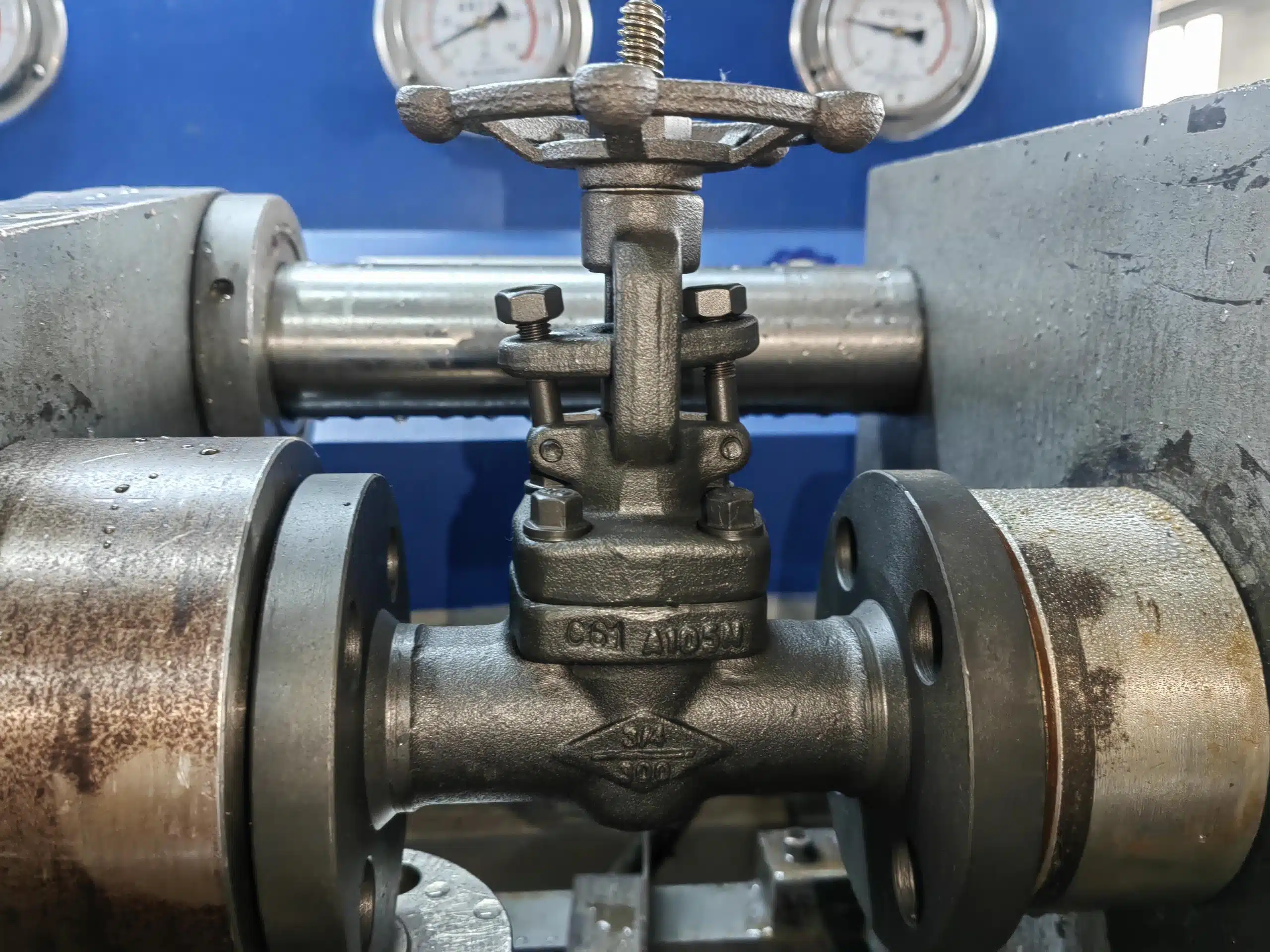
Globe control valves are important in factories and industries. They help control fluid flow and manage temperature well. These valves are used in chemical plants to keep flow rates safe. They are also great for handling uneven flows, making them reliable for tough jobs.
In heavy industries, globe valves work well under hard conditions. For example, a mine in Chile used 24-inch GM-series globe valves for an upgrade. These valves handled high pressure and harsh environments easily. They are strong and need little fixing, making them useful for many tasks.
HVAC Systems
Globe control valves improve heating and cooling systems. They control fluid flow to save energy and work smoothly. By managing heat, they help spread hot water or steam without wasting energy.
More people now use globe valves in HVAC systems to save energy. Rules and awareness about saving energy have made them popular. Studies show globe valves make heating systems work better. This makes them a good choice for homes and offices.
| Aspect | Evidence |
|---|---|
| Energy Efficiency Role | Globe valves help heating and cooling systems save energy. |
| Market Growth Factors | Energy-saving rules and awareness increase globe valve use. |
| Application in Heating Systems | Globe valves control hot water or steam flow for better heating. |
Oil and Gas Industry
In oil and gas, globe control valves are key for safety and reliability. They stop leaks and keep systems working well. Older valves had problems like methane leaks, but new ones, like the Dilating Disk™ Valve, fix this. These new valves have zero leaks, improving safety.
Taking care of globe valves in this field prevents problems and keeps them lasting longer. Regular checks, like leak tests, ensure they work well under high pressure. Their ability to control heat and fluid flow makes them a top choice for oil and gas jobs.
Water Treatment and Processing
Water treatment systems need precise control for clean water. Globe valves are key to keeping water safe and clean. They control water flow in pipes, keeping pressure steady. This helps maintain good water quality during treatment.
Globe valves are great for adjusting water flow accurately. This is important for tasks like filtering, adding chemicals, and disinfecting. Their design reduces leaks, making them dependable for high-performance systems.
In chemical plants, globe valves handle high pressure well. They also work in power plants, controlling steam and water flow precisely. In food factories, they manage fluids safely, ensuring quality and safety.
Here’s how globe valves help in different areas:
| Application Area | Benefits of Globe Valves |
|---|---|
| Water Treatment | Controls flow in pipes, keeping water quality high |
| Chemical Processing | Works well under high pressure, adjusts flow accurately |
| Power Generation | Manages steam and water flow in power plants |
| Food and Beverage | Handles fluids safely and reliably |
Using globe valves in water systems improves efficiency and reliability. They handle different pressures and flows, keeping water quality and system performance high.
Comparison with Other Valve Types
Globe Valve vs. Ball Valve
Globe valves and ball valves work differently. Globe valves are great for controlling flow precisely. This makes them perfect for tasks needing small adjustments. Ball valves, however, are better for quick shut-offs. Their simple design allows fast and easy operation.
Ball valves are easier to maintain. They have fewer parts, so fixing them is simple. Globe valves, with more parts, need regular care to work well. This makes them harder to maintain over time.
Cost is another difference. Ball valves cost less to buy and fix. Globe valves cost more but are worth it for precise jobs. They are better for tasks needing accuracy over time.
Globe Valve vs. Gate Valve
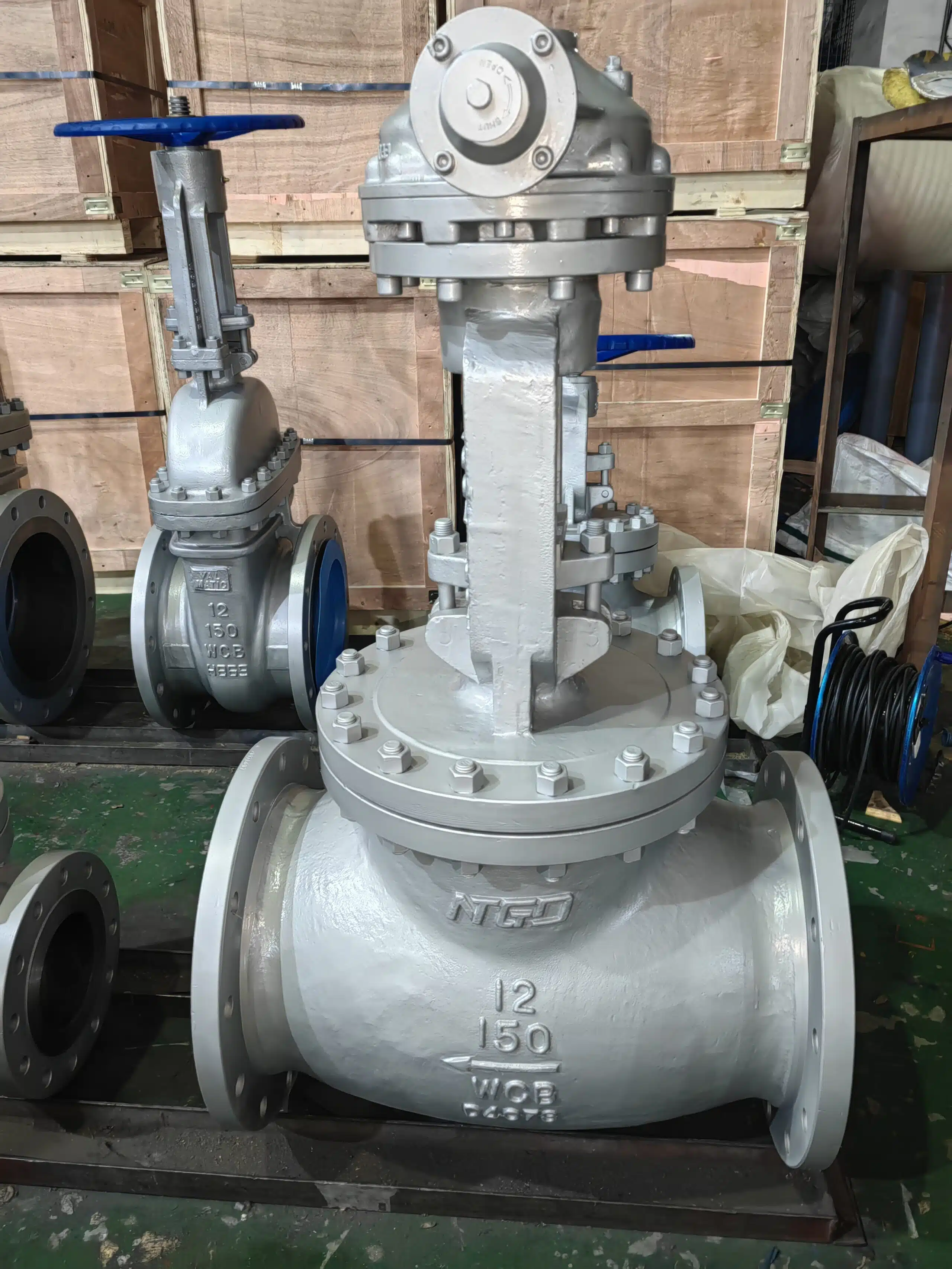
Globe and gate valves do different jobs. Globe valves control flow and are good for fine adjustments. Gate valves are best for fully opening or closing, with little pressure loss.
Gate valves are easier to repair because they are simple. Globe valves last longer because of their strong seats. This makes them better for frequent use and adjustments.
Pressure drop is another difference. Globe valves lose more pressure due to their design. Gate valves let fluid flow easily with less resistance.
Globe Valve vs. Butterfly Valve
Globe and butterfly valves have unique uses. Globe valves are best for controlling flow accurately. Butterfly valves handle large amounts of fluid with little pressure loss.
Butterfly valves are small and light, fitting in tight spaces. Globe valves are bigger and heavier but offer better control. They are ideal for systems needing precision.
Globe valves are very strong and handle high heat and pressure. Butterfly valves are durable too but may not work as well in tough conditions.
Limitations of Globe Valves
High Fluid Resistance
Globe valves have a big downside: high fluid resistance. This happens because their design makes fluid change direction many times. These changes block the flow and cause pressure to drop. More force is needed to operate them, especially in high-pressure systems.
- Globe valves need more energy to keep fluid flowing.
- Their design causes pressure drops, making them less efficient.
- High resistance can cause problems in systems needing steady pressure.
Engineers check flow rate, pressure drop, and flow coefficient to study globe valves. These tests show how the design affects fluid flow and pressure control. While globe valves stop backflow well, their high resistance limits their use in some cases.
Larger Size and Weight
Globe valves are bigger and heavier than ball or butterfly valves. This makes them harder to install in tight spaces. Their weight adds stress to pipes, needing extra support.
Their size also makes them less useful for small or portable systems. For example, in industries needing space-saving designs, globe valves can be too bulky. Even with these issues, their strong build makes them great for tough jobs.
Maintenance Requirements
Globe valves need more care because of their complex design. Moving parts like the disk and stem wear out over time. Regular checks and part replacements are needed to keep them working well.
- Globe valves need more maintenance than ball valves.
- Their design makes cleaning and fixing take longer.
- Using globe valves means planning for higher upkeep costs.
Good maintenance keeps globe valves clean and stops backflow. Regular care helps them last longer and work well in important tasks.
Globe valves are precise, reliable, and flexible for fluid control. They manage flow and pressure accurately, making them useful in many industries. These valves seal well, are simple in design, and work with different fluids, even thick or corrosive ones. They are also easy to fix, ensuring they last a long time.
| Advantage/Application | Description |
|---|---|
| Flow Adjustment | Great for changing flow due to valve seat design. |
| Sealing Performance | Strong sealing with little wear on tough materials. |
| Maintenance | Simple to fix without removing the whole valve from pipes. |
| Versatility | Works well with thick or corrosive fluids that harden when cold. |
| Structural Simplicity | Easy to make and maintain. |
Globe valves save money over time despite higher upfront costs. Picking the right size and material lowers starting expenses. They also save energy and need less fixing, cutting running costs. For example, water systems avoid damage and last longer. Factories improve processes and save energy. Though they cost more at first, their strength and accuracy make them worth it.
Choosing the right valve helps systems work better and saves money. Globe valves are a dependable choice for both simple and tough jobs. Their advantages make them a smart pick for industries and businesses.
