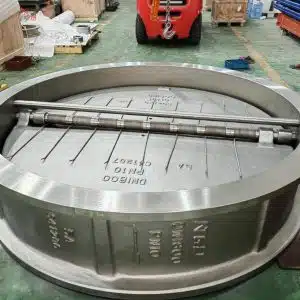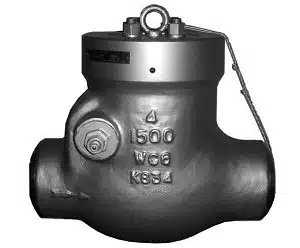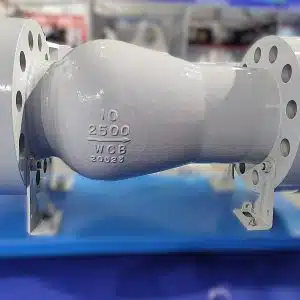
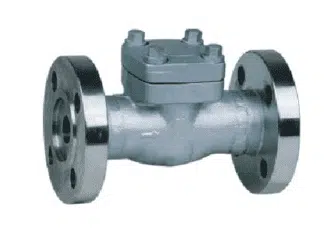
A lift check valve lets fluid move one way only. It stops fluid from going backward and keeps backflow from happening. You use lift check valves to keep equipment safe. They help systems work safely. These valves help your system work better. They let a lot of fluid pass through. They also lower pressure loss. If you pick the right check valves, your system is safer. It works better and is more reliable. This helps control fluid in your setup.
Key Takeaways
- Lift check valves let fluid move in only one way. They stop fluid from going backward and keep your system safe from harm.
- Picking the right lift check valve helps your system work better. It lowers pressure loss and helps save energy.
- You need to check and clean lift check valves often. This keeps them working well and stops problems from happening.
- Pick the right material and size for your lift check valve. This makes sure it works with your system’s pressure and fluid.
- It is very important to install the valve the right way. Always check how the valve is facing and clean the pipes first. This helps you avoid mistakes.
What is a lift check valve?
Basic function and purpose
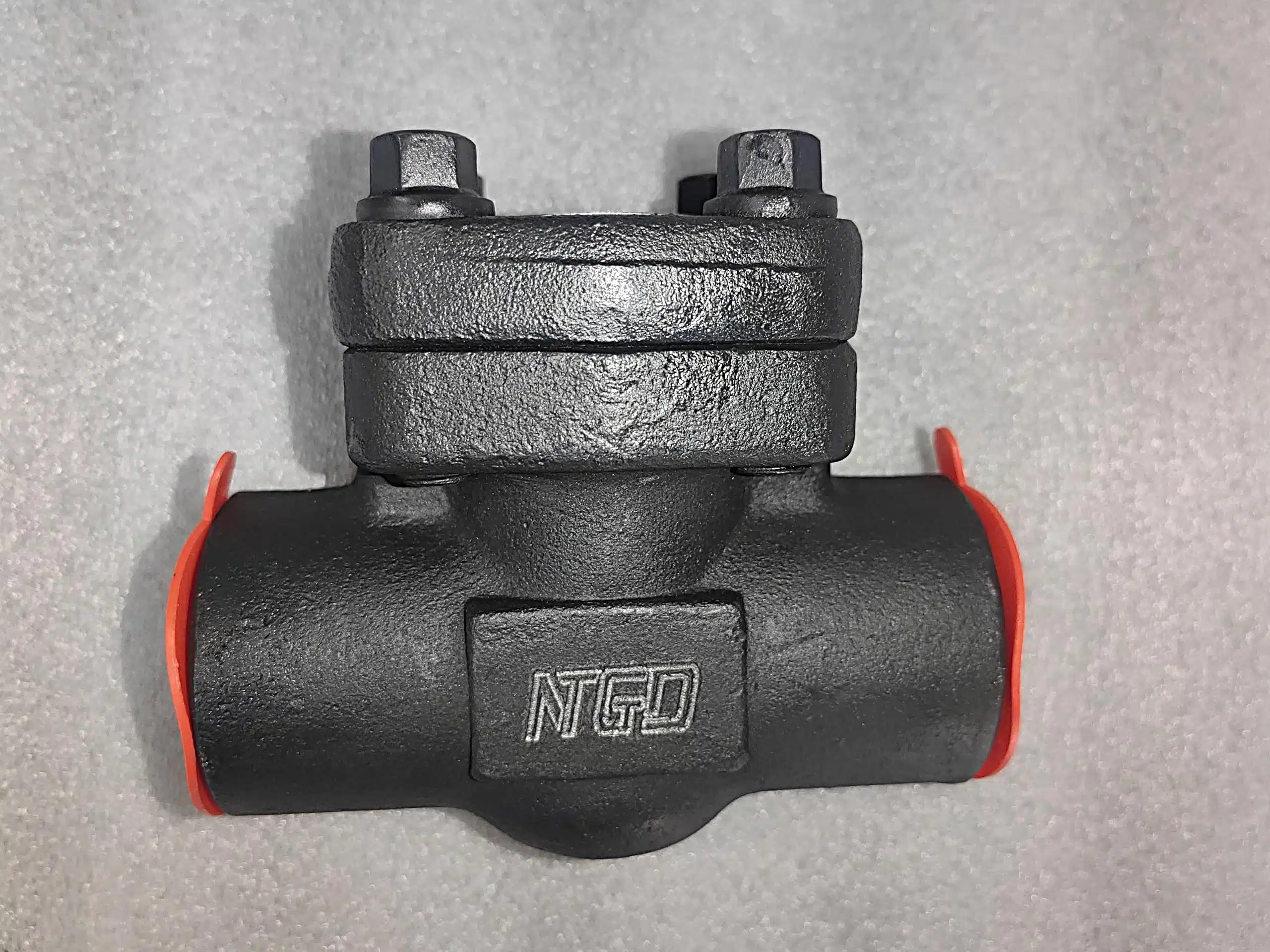
A lift check valve helps control fluid direction in a system. It lets fluid go one way only. It stops fluid from moving backward. This keeps pumps, pipes, and equipment safe from harm. It also protects your system from getting dirty or having pressure issues.
“Lift check valve or lift type check valve is a one-way, non-return system. It stops the suction line from running empty in a pumping setup.”
“A lift check valve is a check valve that blocks fluid from going backward. If fluid tries to go the wrong way, it gets stopped. Lift check valves only let fluid move forward.”
Lift check valves are used where stopping backflow is very important. These valves help your system work well and stay safe. If you want to know how these valves help, look at the table below:
| Function | Description |
|---|---|
| Prevents Backflow | Makes sure fluid goes one way, blocking reverse flow to stop damage or dirt. |
| Protects Equipment and Systems | Stops reverse flow, keeping pumps and pipes safe from harm. |
| Maintains Pressure | Keeps good pressure by letting fluid move the right way. |
| Enhances System Efficiency | Saves energy because you do not need extra pumps to fight backflow. |
| Minimizes Water Hammer | Stops pressure spikes that can break pipes by blocking reverse flow. |
| Allows for System Isolation | Lets you close off parts of the system for safe repairs by stopping fluid in one direction. |
Choosing a lift check valve makes your system work better. It also makes it easier to fix and safer to use.
Key components and design
A lift check valve has a simple design that works well. There are a few main parts inside:
- Valve body: This is the outside part that holds everything together.
- Valve disc: This part moves up and down to open or close the flow.
- Valve seat: The disc sits on this part to make a tight seal.
- Spring (in some designs): This helps the disc close when fluid stops moving.
“A lift check valve is a one-way valve. It lets fluid go one way and stops it from going backward. This is important for keeping systems safe and working well. Backflow can hurt equipment or make things dirty.”
The disc inside a lift check valve moves up and down. When fluid goes the right way, it lifts the disc off the seat. If fluid stops or tries to go backward, gravity or a spring pushes the disc down to seal the valve.
Here is a table that shows how lift check valves are different from other check valves:
| Feature | Description |
|---|---|
| Structure | Main parts are the valve disc and seat. The disc moves up and down. |
| Sealing Performance | Seals well because the disc moves straight up and down. |
| Fluid Resistance | Has more resistance because fluid must change direction inside the valve. |
| Installation Methods | Must be put in certain ways: horizontal for horizontal valves, vertical for vertical ones. |
| Suitable Applications | Used in small pipes with high pressure because they need strong pressure to work. |
You should check the position before putting in a lift check valve. These valves work best in certain spots. You often see them in high-pressure systems with small pipes. The design gives good sealing and works well, but fluid may move slower than with other check valves.
If you want your system to be safe and work well, learn how lift check valves work and where to use them.
How lift check valves work
Operating principle
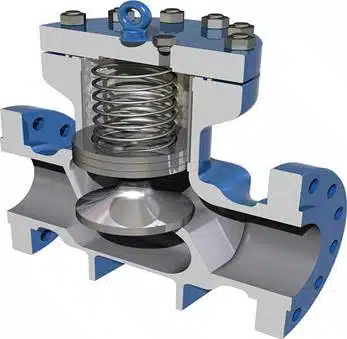
You need to understand how a lift check valve controls the flow in your system. This valve uses a simple but effective method to allow fluid to move in only one direction. When fluid enters from the correct side, it pushes the disc upward. This action opens the passage and lets the fluid flow through the valve. If the fluid tries to move backward, the disc drops down and blocks the opening. This movement stops the fluid from returning and keeps your system safe.
Here is how the operating principle works step by step:
- When fluid flows in the right direction, the pressure lifts the disc off the seat. This lets the fluid pass through the valve.
- If the fluid pressure drops or tries to reverse, the disc falls back onto the seat. This seals the valve and stops any backward flow.
You can see that lift check valves use the pressure of the fluid itself to open and close. The disc moves up when the inlet pressure is higher than the outlet pressure. When the pressure changes or reverses, gravity and the pressure above the disc push it back down. This action creates a tight seal and prevents backflow.
Tip: Lift check valves work best in systems where you want to stop backflow and protect your equipment from damage.
Disc and spring mechanism
The disc and spring mechanism is the heart of many lift check valves. The disc sits inside the valve body and moves up or down depending on the flow. Some designs use only gravity to close the disc, while others add a spring above the disc for extra force.
- The disc moves freely up and down with the flow direction.
- When fluid flows forward, the disc lifts and allows the fluid to pass.
- If the flow stops or reverses, the disc drops back onto the seat and seals the valve.
- In some valves, a spring above the disc helps push it down faster when the flow stops.
This mechanism ensures that the valve closes quickly and tightly. The spring adds extra force, which is useful in systems where you need fast closure or where gravity alone is not enough. The combination of the disc, seat, and sometimes a spring makes lift check valves reliable for preventing backflow.
Check valves like these use simple parts but provide strong protection for your system. The disc and spring work together to keep fluid moving in the right direction and stop it from going backward. You can trust this design for many types of systems, from water lines to industrial setups.
If you want a valve that works automatically and does not need outside help, a lift check valve is a smart choice. It uses the flow and pressure in your system to open and close, making it easy to use and maintain.
Types of lift check valves
Vertical lift check valve
A vertical lift check valve works best in pipes that go up and down. This valve has a disc that moves straight up when fluid flows the right way. If the flow stops or goes backward, gravity or a spring pushes the disc down. This seals the valve and stops backflow. You often see these valves in places with high pressure, like steam boilers and power plants. They are also used in oil refineries. Vertical lift check valves are good when you need strong sealing and want the valve to work well every time.
Here is a table that shows what makes vertical lift check valves special and where they are used:
| Unique Features | Typical Applications |
|---|---|
| Higher resistance to fluid flow | Vertical water supply in high-rise buildings |
| Smaller size compared to swing check valves | Unidirectional flow control of steam in industrial boiler systems |
| Unsuitable for viscous fluids or fluids with particles | Maintaining pressure integrity of vertical sprinkler pipelines |
| Susceptible to clogging | Contamination protection in cryogenic and chemical processing |
| Can cause noise and vibrations in high-pressure use | Backflow prevention for pumps in domestic and industrial systems |
Pick a vertical lift check valve if you have vertical pipes and need to stop backflow.
Piston lift type check valve
A piston lift type check valve uses a piston instead of a disc. The piston lifts up when fluid pressure is strong enough. When the flow goes backward, the piston drops down and seals the valve. This stops fluid from moving the wrong way. You will find these valves in places where the flow changes a lot, like water, steam, and air lines. They are used in nuclear plants and other important systems.
Here are the main things to know about piston lift type check valves:
- They let fluid move one way and stop backflow.
- The valve opens when fluid pressure is stronger than the piston’s weight.
- The valve closes fast when flow reverses, using gravity, back pressure, or a spring.
- You can use them where flow changes often.
- These valves help keep your system safe and steady.
- You see them in places that need good flow control.
- Their design makes them great for stopping backflow in important systems.
- Pick this valve if you need quick and safe closing.
Comparison with other check valves
You might wonder how lift check valves are different from other types. The table below shows how lift check valves, swing check valves, and ball check valves compare:
| Valve Type | Performance Characteristics | Reliability Considerations |
|---|---|---|
| Lift Check Valves | High sealing performance, suitable for high-pressure systems | Slower opening/closing, higher pressure drop |
| Swing Check Valves | Minimal flow restriction, ideal for high-flow applications | Lower sealing performance, suitable for horizontal use |
| Ball Check Valves | Quick response times, compact design | Requires occasional cleaning to prevent clogging |
Lift check valves seal well and work in high-pressure systems. Swing check valves let fluid move easily but do not seal as tightly. Ball check valves react fast and are small, but you need to clean them sometimes. When you pick a check valve, think about how well it seals, how fast it works, and how much care it needs.
If you want strong backflow protection and a valve you can trust, lift check valves are a good choice for many jobs.
Benefits of lift check valves
Performance and efficiency
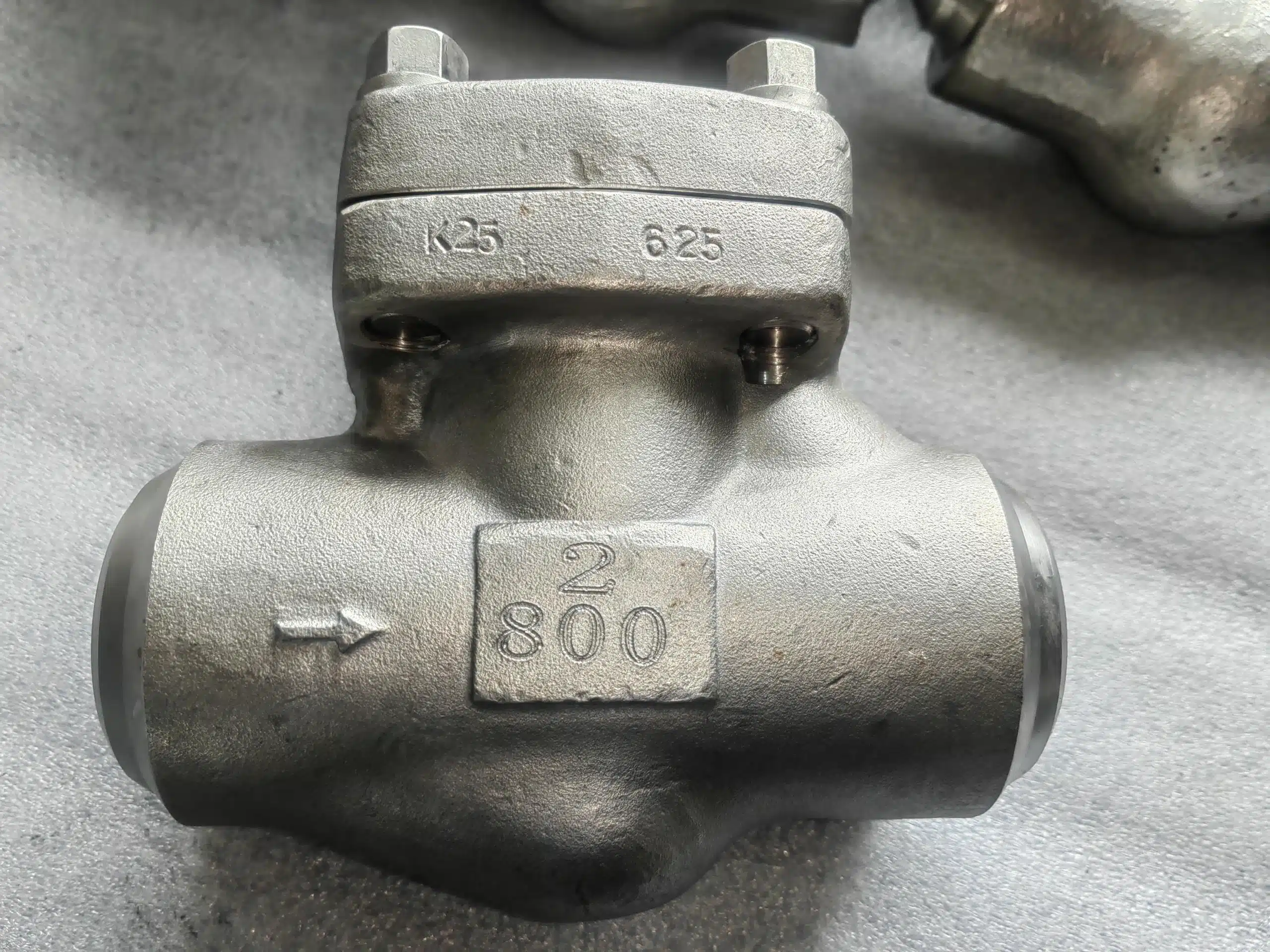
You want your system to work well and not waste energy. A lift check valve helps by letting fluid move one way only. It stops fluid from going backward. This keeps your equipment safe and stops backflow. NTGD lift check valves are made to meet high standards.
Performance for check valves includes:
- Flow Rate: Most check valves work best between 10 and 100 gallons per minute (GPM).
- Pressure Drop: Good valves keep pressure drop low, usually under 5 psi, so your system stays strong.
- Leakage: Good valves leak less than 0.1% of the flow rate, so almost no fluid gets out.
You will notice these good things every day. Your system uses less energy because the valve does not block the flow. You also save money because the valve stops damage from reverse flow. NTGD valves help your system stay safe and work well.
Tip: Pick a lift check valve with the right flow rate and pressure drop for your system. This helps save energy and keeps your equipment safe.
Reliability and durability
You want valves that last a long time and work well. NTGD lift check valves are strong and can be trusted. They use tough materials and smart design.
To keep your check valves working well:
- Clean, oil, and check them often.
- Follow the maker’s rules for taking care of your valve.
- Pick materials that match your fluid to stop rust and damage.
NTGD valves are tested in the field and last a long time. Engineers test them with fast life cycles and long tests. These tests make sure the valves work for years, even in hard places.
If you take care of your valves, you stop problems like clogging and rust. You also keep the seal working well. NTGD picks good materials and designs, so their valves work in real life.
Note: Take care of your lift check valve and pick the right material. This helps your valve last longer and work better.
Applications of lift check valves
Industrial uses
Lift check valves are used in many factories and plants. These valves help keep systems safe and working well. They control how fluids move and stop dirty stuff from getting in. Here are some ways they are used in industry:
- Water supply systems use lift check valves to keep water moving one way. This keeps clean water safe from dirty water.
- Pumping stations use these valves to protect pumps from water going backward. This helps pumps last longer and not break.
- Irrigation systems need check valves to keep water flowing right. This stops dirty water from getting into the main supply.
- Cooling and heating systems use lift check valves to make sure fluids go the right way. This helps save energy and keeps things running well.
- Factories that use chemicals need these valves to stop dangerous chemicals from going backward. This keeps workers and equipment safe.
- Oil and gas pipes use lift check valves to keep flow going the right way. This helps stop leaks and keeps pressure steady.
NTGD makes strong lift check valves for all these jobs. Their valves seal well and last a long time. You can trust NTGD to help you follow safety rules and keep your work going.
Commercial and residential uses
You also see lift check valves in homes and businesses. These valves let water move one way and stop it from going back. The disc inside lifts up when water flows right. If water tries to go back, the disc drops down and closes the valve. This keeps water from going the wrong way in your house or building. You use these valves where space is tight or pressure changes fast. NTGD makes valves that fit small spaces and work quickly. This keeps your plumbing safe and helps you avoid repairs. It also keeps your drinking water clean.
Lift check valves help in many places. You find them in fire sprinklers, water heaters, and sump pumps. They are also in HVAC units and irrigation systems. These valves help keep things safe and working well every day.
Selecting a lift check valve
Material selection
You have to pick the best material for your lift check valve. The material changes how well the valve works and how long it lasts. NTGD gives you different choices for your system. Here are some common materials and what they are used for:
| Material | Application Description |
|---|---|
| Cast Iron | Good for water systems with low pressure and fluids that do not cause rust. It costs less but does not work well with high heat. |
| Carbon Steel | Works well in places with high pressure and high heat. Needs extra protection if the fluid can cause rust. |
| Stainless Steel | Does not rust easily, so it is great for chemicals, food, and medicine factories. |
| Bronze/Brass | Used in small valves for drinking water and boats. |
Think about the temperature, what fluid you use, how much pressure there is, how often you need to fix it, and how you will put it in. Stainless steel is best for strong fluids. Brass works well for water pipes. Cast iron is good for big pipes with low pressure.
Size and flow considerations
You need to choose the right size for your check valve. The size decides how much fluid can go through. If your system moves a lot of fluid, you need a bigger valve so the pressure does not drop too much. If you have low flow, pick a valve that opens easily with little pressure. NTGD helps you find the right size for your system.
- How fast fluid moves tells you what size valve you need.
- Big flows need bigger valves so pressure stays steady.
- The right size makes sure your valve works well and lets enough fluid pass.
Tip: Always look at your system’s highest flow before picking a lift check valve.
Pressure and temperature ratings
You should check how much pressure and heat your lift check valve can handle. These numbers tell you what the valve can take. NTGD has valves for many pressure and temperature levels. If the temperature goes up, the valve may get weaker. A valve that works well at room temperature might not work the same when it gets hotter.
| Body Material | Nominal Pipe Size | Non-Shock Pressure | Temperature Rating |
|---|---|---|---|
| 316 Stainless Steel | 1/2″ – 4″ | High | High |
| Carbon Steel | 5″ – 20″ | Very High | High |
| Brass | 1/2″ – 4″ | Moderate | 55 PSIG @ 100° F |
| PVC | 1/2″ – 6″ | Moderate | 200 PSIG @ 100° F |
Always make sure the valve’s ratings match what your system needs.
System compatibility
You want your lift check valve to fit your system well. The valve should match your pipe size, which way the fluid goes, and the space you have for it. NTGD makes valves for lots of different setups. Make sure the valve works with your system’s pressure, temperature, and fluid type. Think about how easy it is to put in and fix the valve.
Note: Picking the right valve helps stop backflow and keeps your system safe.
Installation of lift check valves
Preparation and tools
Before you install a lift check valve, you need to get ready. First, shut off the fluid flow in your system. Make sure you relieve all pressure so you stay safe. Gather the right tools for the job. You will need:
- Pipe wrenches or adjustable wrenches
- Pipe cutters or saws
- Thread sealant or Teflon tape
- Torque wrench
- Cleaning brush or cloth
- Pressure testing equipment
- Safety goggles
- Gloves
These tools help you work safely and make sure your check valves fit well. Always wear safety gear to protect your eyes and hands.
Step-by-step process
You can follow these steps to install lift check valves correctly:
- Shut off the water or fluid flow and drain the pipes.
- Find the right spot for the valve and measure the pipe.
- Cut the pipe and clean the ends with a brush or cloth.
- Check the arrow on the valve body. Make sure it points in the direction of flow.
- Apply thread sealant or Teflon tape to the pipe threads.
- Connect the valve to the pipe. Use a torque wrench to tighten it to the right level.
- Restore the fluid flow and test the valve. Watch for leaks and make sure the valve opens and closes as it should.
NTGD recommends checking the orientation and seal before you finish the job. This helps with preventing backflow and keeps your system safe.
Common mistakes to avoid
Many people make mistakes when installing check valves. Here is a table to help you avoid common errors:
| Mistake | Potential Consequences |
|---|---|
| Wrong installation direction | Valve disc cannot open or close; media flows backward |
| Pipeline not cleaned | Valve core stuck; sealing surface damaged; leakage |
| Incorrect installation angle | Gravity mechanism fails; valve fails to close |
| Too close to pump outlet | Water hammer; valve or pipeline damage |
| No support or base structure | Valve under uneven force; leakage or rupture |
You can prevent these problems by checking the direction, cleaning the pipes, and supporting the valves. NTGD lift check valves work best when you follow these steps. Careful installation helps your check valves last longer and keeps your system running smoothly.
Maintenance and troubleshooting
Routine inspection and cleaning
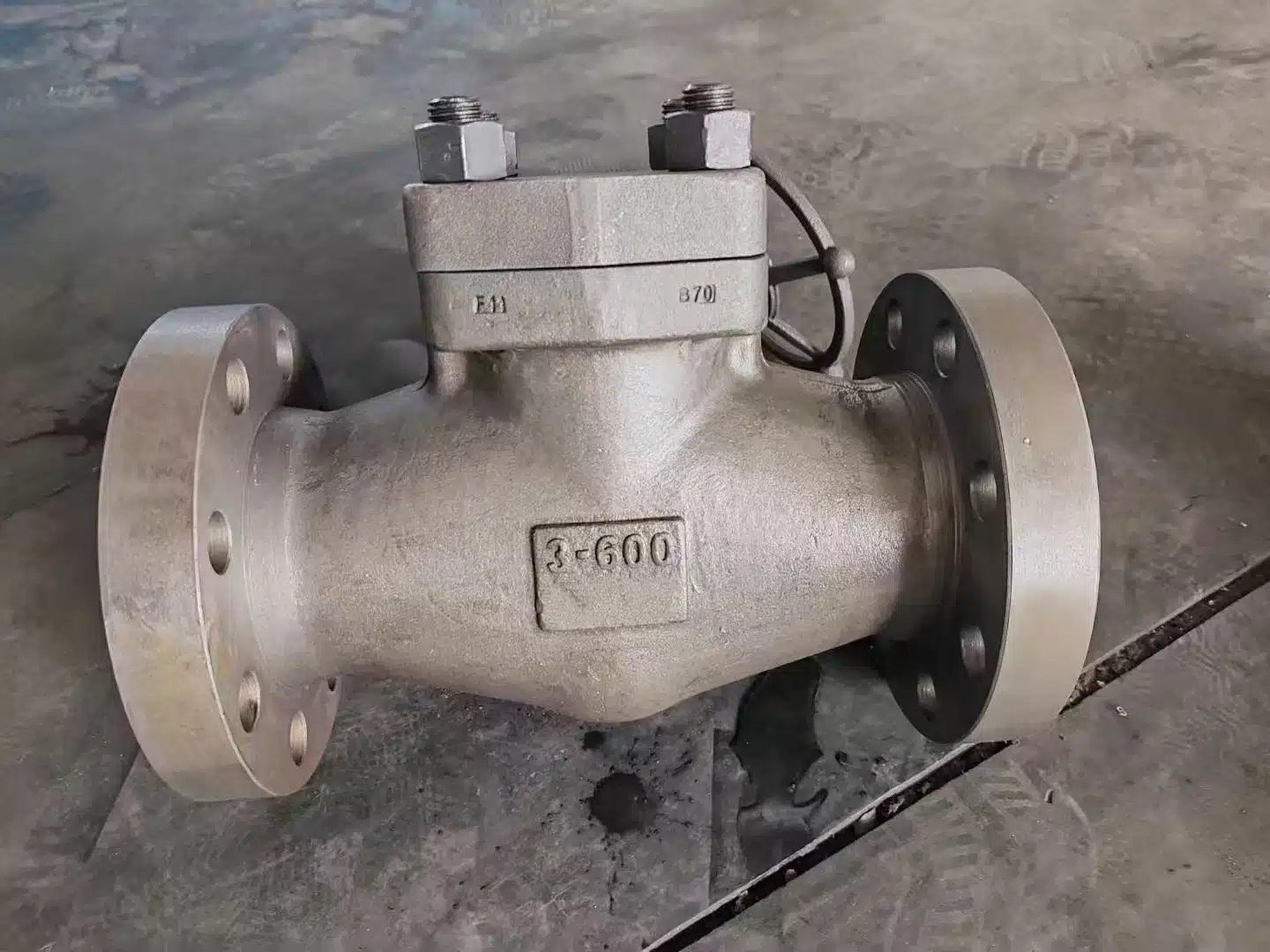
You should check your lift check valves often. Regular checks help you find problems early. Look for leaks, rust, or dirt near the valve. Clean the valve body and moving parts with a soft brush or cloth. Take out any dirt that could block the disc or seat. NTGD says to use only safe cleaners so you do not hurt the valve. If you see buildup or rust, clean it right away. This keeps your valves working well and helps stop backflow.
Tip: Always turn off the system and let out pressure before you clean or check any check valves.
Common issues and fixes
You might have some common problems with lift check valves. Knowing what to look for helps you fix things fast. The table below shows problems and how to solve them:
| Issue Type | Description | Solution |
|---|---|---|
| Valve Disc-Related Failures | The valve disc can get damaged if flow is too strong or pressure is not even. | Use strong materials, check often, and install the valve the right way. |
| Backflow Failure | The valve may not stop reverse flow if the seal is worn out. | Pick the right sealing materials and use filters if the fluid has dirt. |
| Rocker Mechanism Failure | The rocker part can break from uneven pressure or wear. | Make sure it is put together right, check often, and use tough materials if pressure changes a lot. |
If you use NTGD lift check valves, you get strong parts and smart design. This lowers the chance of these problems. Regular checks and quick fixes keep your system safe.
Repair or replacement
You need to know if a valve should be fixed or changed. Follow these steps to help you decide:
- Check the valves often to see their condition.
- Write down what you find in each check.
- Look at the valve seat and base metal without breaking them.
- Change any worn parts you find during checks.
If you see damage or wear, change the bad parts or the whole valve. NTGD gives you new parts and help for their check valves. Keeping good notes helps you know how your valves are doing and plan for future care.
Note: Fixing or changing valves fast keeps your lift check valve working and stops backflow in your system.
You now know that a lift check valve stops backflow. It also helps pumps last longer and keeps water hammer from happening. Pick the right valve for your job and put it in the right way. Take care of it often so your system works well. People use these valves in water plants, oil pipes, and heating or cooling systems. If you want more facts, check out RUFSUPPLY or look at NTGD’s expert help. You can ask NTGD for tips, prices, or to see all their products.