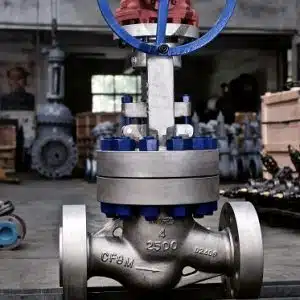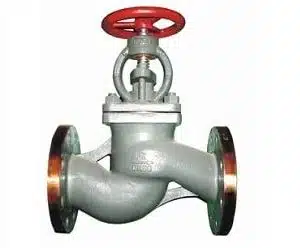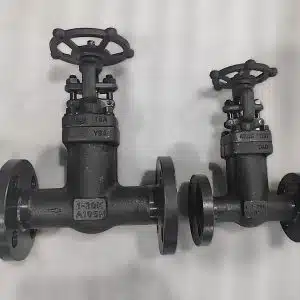
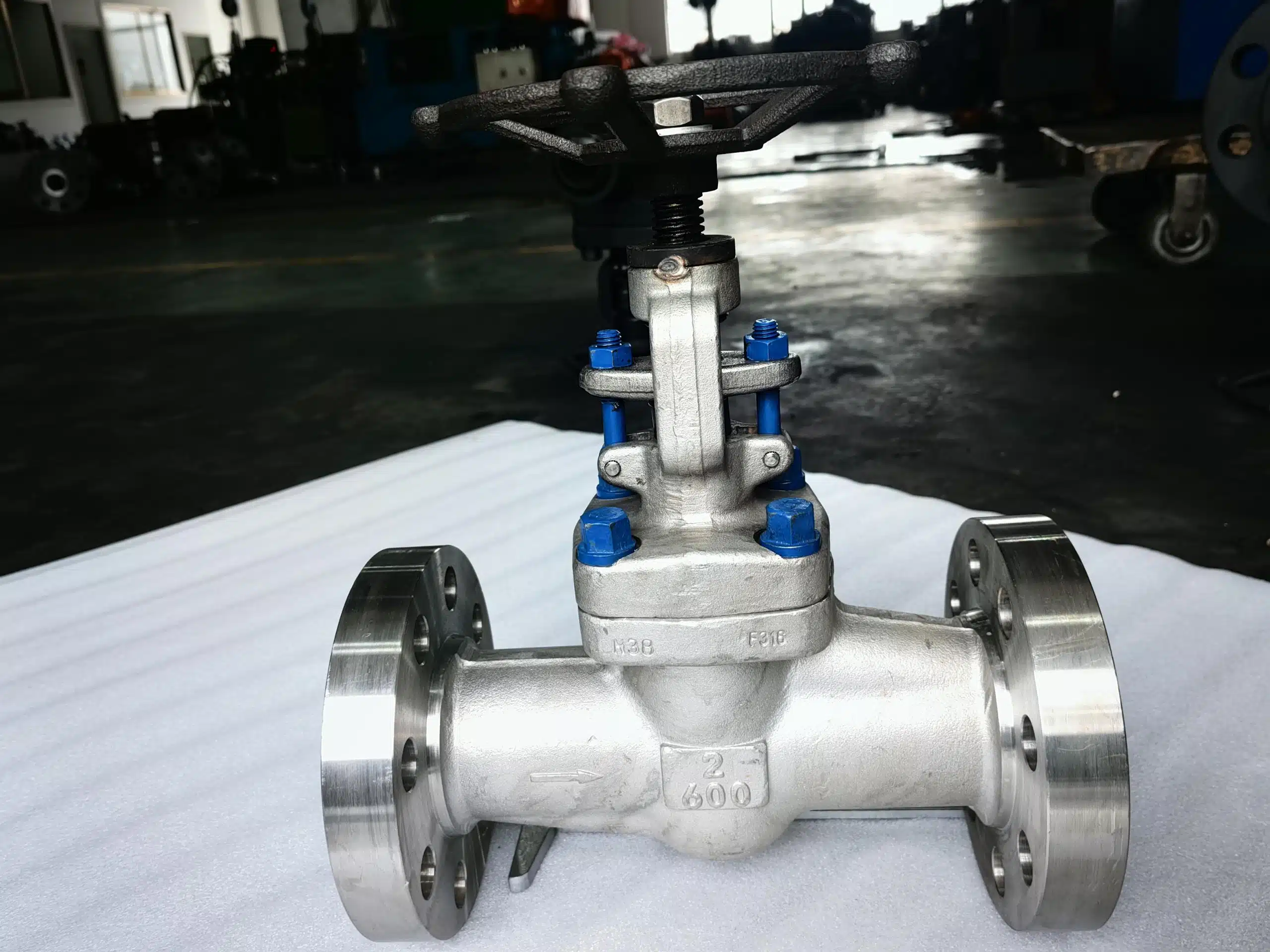
A stainless steel globe valve helps control the flow of liquids, gases, or steam in pipes. Its special design allows for accurate flow control, making systems work better. These valves are important in industries needing strong and clean equipment.
Industries like food processing, medicine-making, and chemical factories use these valves because they resist rust and need little care. In oil and gas work, they handle tough conditions well, making them reliable. They stand out because they adjust flow precisely and prevent leaks better than other valves.
Key Takeaways
- Stainless steel globe valves manage liquid, gas, or steam flow.
- They are important tools for many industries.
- Pick a globe valve type based on its design.
- T-pattern valves give better control, while Y-pattern ones save energy.
- Check the valve’s body, bonnet, and disc often to stop leaks.
- This care helps the valve last longer.
- Automated valves control flow precisely and work well in complex systems.
- Manual valves are easier to use and cost less.
- Stainless steel resists rust, so these valves work in tough places.
- This means fewer replacements are needed.
- Install valves correctly to avoid leaks or damage.
- Make sure they fit the pipeline properly.
- Match the valve’s size and pressure to your system’s needs.
- Inspect and oil moving parts regularly to keep them working well.
- This prevents expensive repairs later.
Types of Stainless Steel Globe Valves
Knowing the types of stainless steel globe valves helps you pick the right one. These valves come in different designs for specific uses. Let’s look at the main types.
Based on Body Design
The valve’s body design affects how fluids move through it. Here are three common designs:
T-pattern
The T-pattern, or Z-pattern, has a horizontal seat. Fluid moves in a Z-shape, turning 90 degrees twice. It’s great for precise flow control but causes higher flow resistance. This may not work well for systems needing low pressure loss.
Y-pattern
The Y-pattern has a seat and stem angled at 45 degrees. This reduces flow resistance and improves efficiency. It’s good for high-pressure systems needing energy savings and flow control.
Angle pattern
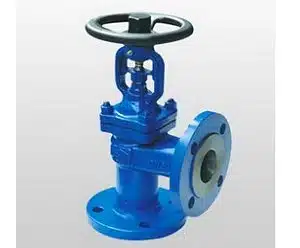
The angle pattern changes fluid direction by 90 degrees in one turn. It simplifies piping in tight spaces. It’s often used where fluid particles might cause wear or in pulsating flow systems.
Based on Bonnet Connection
The bonnet links the valve’s body to its internal parts. The connection type affects durability and maintenance.
Bolted bonnet
Bolted bonnets use bolts to attach the bonnet to the body. This makes them easy to take apart for repairs. They’re common in industries needing frequent inspections, like chemical plants.
Welded bonnet
Welded bonnets are permanently attached to the body. They are strong and resist leaks, ideal for high-pressure and high-temperature systems. However, they’re harder to repair than bolted ones.
Flanged bonnet
Flanged bonnets use flanges and bolts to connect the bonnet to the body. They seal well and are easier to take apart than welded bonnets. They’re a flexible choice for reliable and easy-to-maintain systems.
Other Variations
Stainless steel globe valves also differ by how they operate.
Manual globe valves
Manual valves use a handwheel or lever to control flow. Turning the wheel moves the disc up or down. They are simple, affordable, and good for systems without automation.
Automated globe valves
Automated valves use actuators, which can be electric, pneumatic, or hydraulic. These are perfect for precise and remote control, like in clean energy or medicine-making systems.
Did you know? The market for stainless steel valves is growing by 4.4% yearly. Industries like food, medicine, and clean energy drive this growth. The chemical industry values these valves at about 0.707 billion USD because they handle corrosive materials well.
By learning about these valve types, you can choose the best one. Each design has unique benefits, so there’s a valve for every need.
Components of a Stainless Steel Globe Valve
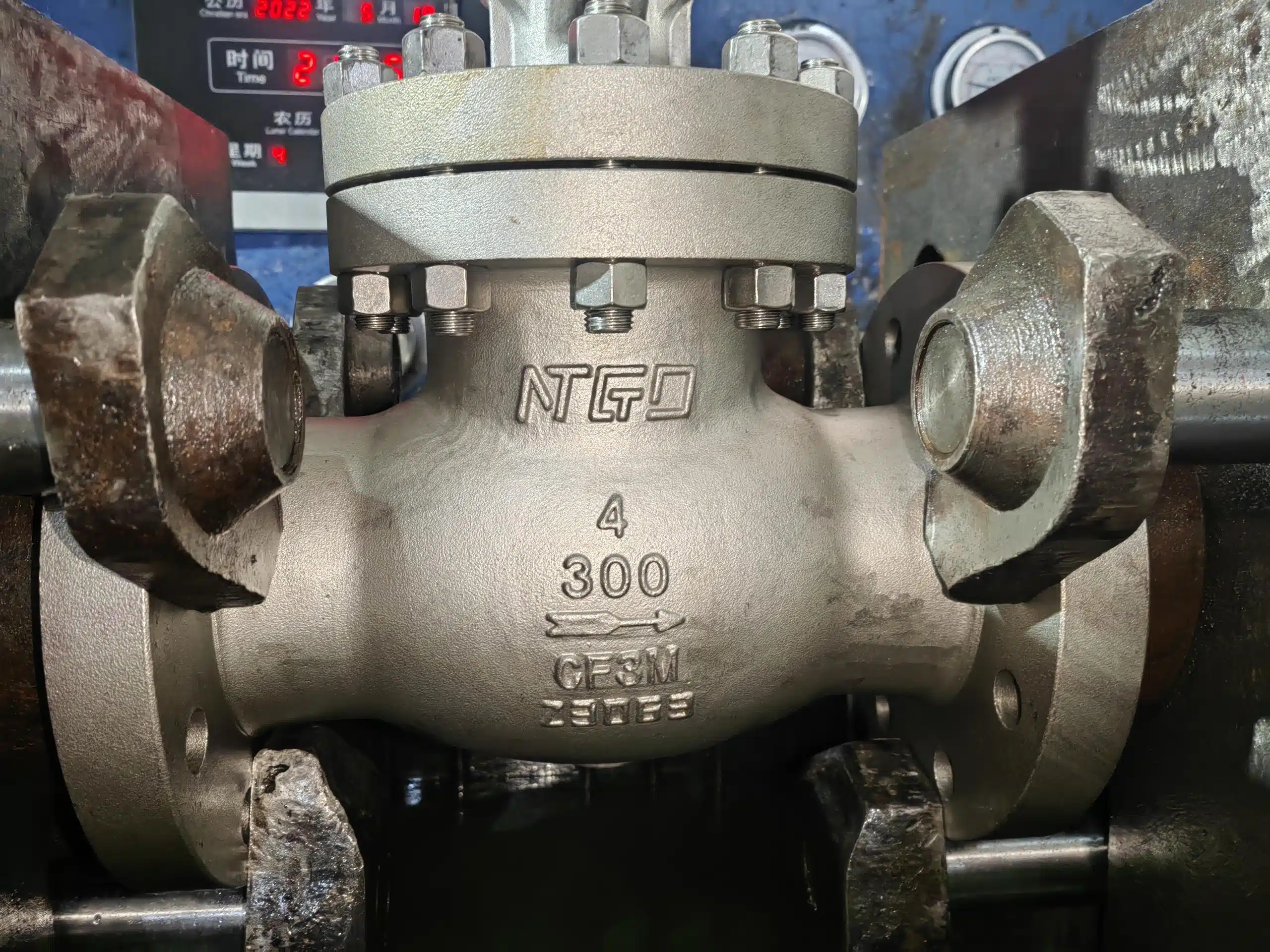
Knowing the parts of a globe valve helps you see how each piece works. Let’s look at three main parts: the body, bonnet, and disc.
Body
The body is the main part of the valve. It holds all the inside pieces and handles pressure from the fluid. Made of stainless steel, it doesn’t rust and lasts in tough conditions. The body also connects to the pipe, letting fluid flow safely.
Tests using special computer tools show the body’s shape affects how fluid moves. A good design reduces pressure loss and keeps the flow smooth. This makes the body very important for the valve to work well.
Bonnet
The bonnet is a cover for the valve body and supports other parts. It links the body to the actuator and holds the stem, which moves the disc. Different bonnets—bolted, welded, or flanged—offer various levels of strength and easy repairs.
The bonnet’s design stops leaks and shields inside parts from damage. Its strong build helps the valve handle high pressure and heat. Without a good bonnet, the valve might not work safely or properly.
Disc
The disc controls how much fluid flows through the valve. It moves up or down to open or close the flow. The disc works with the seat to stop leaks when closed.
Studies show the disc’s material and fit are very important. A stainless steel disc resists damage and lasts a long time. How well the disc fits the seat decides how well it controls flow and prevents leaks. This makes the disc one of the most important parts of the valve.
Tip: Check the body, bonnet, and disc often to spot damage early. This keeps your valve working well for a long time.
Seat
The seat in a stainless steel globe valve is very important. It helps control flow and stops leaks when the valve is closed. The disc rests on the seat to create a seal that blocks fluid. A good seat design makes the valve work well and last longer.
Seats are made from strong materials like stainless steel or alloys. These materials resist damage and rust, even in tough conditions. There are two main types of seats: integral seats and renewable seats. Integral seats are part of the valve body, making them strong and durable. Renewable seats can be replaced when worn, making repairs easier.
Tip: Check the seat often for damage or wear. A bad seat can cause leaks and lower performance.
The seat and disc must align properly to avoid uneven wear. Poor alignment can make the valve less efficient. When picking a valve, choose a seat material that fits the system’s temperature and pressure. This helps the valve last longer and work better.
Stem
The stem connects the handwheel or actuator to the disc. Turning the handwheel or using the actuator moves the stem. This movement opens or closes the valve to control fluid flow.
Stems in stainless steel globe valves are built to handle stress and resist rust. They are usually made from stainless steel or similar materials for strength. There are two types of stems: rising stems and non-rising stems. Rising stems move up and down, showing the valve’s position. Non-rising stems turn in place, which is useful in tight spaces.
Note: Lubricate the stem regularly to reduce friction and wear. This keeps the valve working smoothly and lasting longer.
A well-kept stem ensures the valve works properly. Always check for bending or damage, as a broken stem can stop the valve from working.
Actuator
The actuator makes the valve work automatically, replacing manual effort. It helps control flow in complex systems easily. Actuators can use electricity, air (pneumatic), or fluid (hydraulic) for power.
Electric actuators are great for precise and remote control. Pneumatic actuators work where electricity isn’t practical. Hydraulic actuators are strong and good for heavy-duty tasks. Each type has its own benefits, so pick one based on your system’s needs.
Did you know? Automated valves with actuators are common in oil and gas industries. They allow accurate and remote control, which is very useful.
Actuators make systems safer and more efficient by reducing manual work. Regular checks for leaks or electrical problems keep actuators working well over time.
How Stainless Steel Globe Valves Work
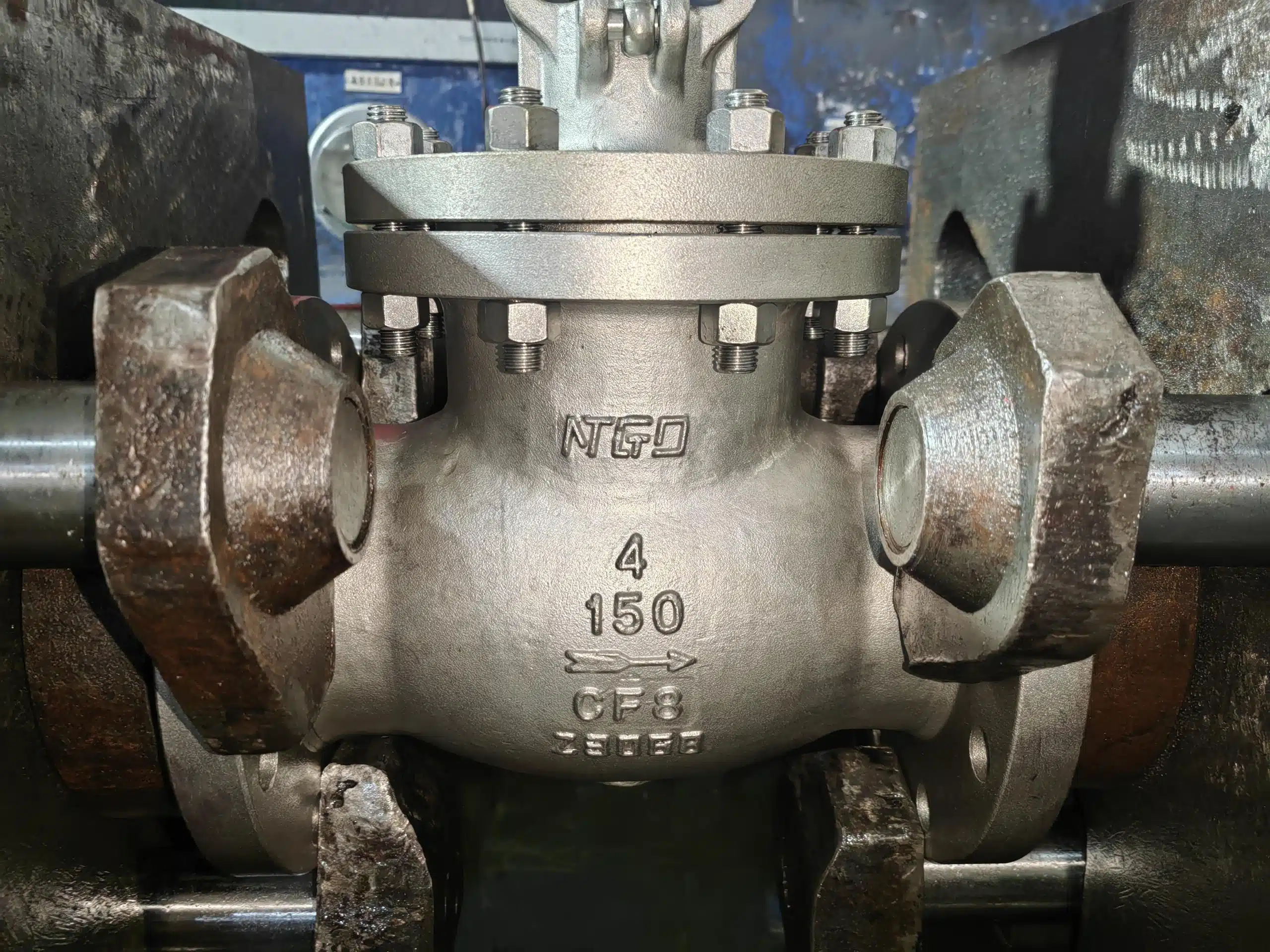
Understanding how stainless steel globe valves work shows their importance. These valves control fluid flow accurately, making them vital for many industries.
Flow Regulation Mechanism
Globe valves control flow by moving a disc inside the valve. Turning the handwheel or using an actuator moves the disc up or down. This adjusts how much fluid can pass through. The valve’s design makes opening and closing smooth and easy.
Scientists study how valve shape affects fluid movement. They also look at cavitation, where bubbles form and collapse, which can harm valves. Research shows better designs reduce cavitation and improve efficiency. Below is a summary of key studies:
| Study | Focus | Findings |
|---|---|---|
| Jin et al. | Valve body geometrical parameters | Studied ways to reduce cavitation in valves. |
| Yuan et al. | Poppet valve simulations | Examined cavitation jets and flow behavior. |
| Qian et al. | Control valve cavitation | Looked at how structure affects cavitation. |
| Yaghoubi et al. | Globe control valve | Studied trims’ effects on cavitation levels. |
| Wang et al. | Valve with perforated cage | Explored factors affecting cavitation areas. |
| Li et al. | Globe valves with cages | Researched methods to stop cavitation. |
| Gao et al. | Cage-type control valve | Studied flow and cavitation features. |
| Qiu et al. | Sleeve regulating valve | Investigated pressure drops and cavitation. |
| Chern et al. | Cavitation model | Predicted cavitation in different valve cages. |
These studies show how good designs improve flow control and reduce damage.
Role of the Disc and Seat
The disc and seat work together to control flow and stop leaks. The disc moves up or down to open or close the valve. The seat provides a surface for sealing. When the disc rests on the seat, it blocks fluid completely.
The disc and seat must align properly. Bad alignment causes uneven wear and lowers efficiency. Stainless steel makes them strong and able to handle high pressure and heat. Regular checks help find wear early and keep the valve working well.
Actuation Process
The actuation process decides if the valve works manually or automatically. Manual valves use a handwheel for direct control. Automated valves use actuators powered by electricity, air, or hydraulic fluid. These allow precise and remote control, perfect for complex systems.
Tests show how well actuators work in stainless steel globe valves. Researchers used three-inch test valves in flow loops. They measured flow and compared results to ANSI/ISA-75.01 standards. Key findings include:
| Findings | Description |
|---|---|
| Experimental Setup | Used a flow loop with a three-inch test valve. |
| Measurement of Flow Characteristics | Measured both natural and installed flow features. |
| Comparison with Standards | Compared results to ANSI/ISA-75.01 recommendations. |
More studies improved valve designs using advanced tools like FEA and CFD. These tools made parts like the body and disc stronger and better shaped, improving performance.
| Findings | Description |
|---|---|
| Optimization of Valve Design | Improved performance and reduced problems. |
| High Performance Globe Valve Features | Non-rotating stem, in-suite seat, and welded seat ring. |
| Use of FEA and CFD Tools | Enhanced body, bonnet, and disc design. |
The actuation process ensures smooth operation, making these valves reliable for many uses.
Advantages and Disadvantages of Stainless Steel Globe Valves
Knowing the good and bad sides of stainless steel globe valves helps you choose wisely. These valves have many benefits but also some downsides.
Advantages
Great at controlling flow
Stainless steel globe valves are very good at adjusting fluid flow. Their design lets you make small changes easily. This makes them perfect for systems needing exact flow control. They work well in pipelines or places needing steady pressure. Industries like chemical plants and power stations often use them.
Strong and rust-resistant
These valves are tough and last a long time. Stainless steel doesn’t rust, even in rough conditions. Industries like oil, gas, and water treatment trust them for their strength. They handle harsh materials without breaking down, saving money on replacements.
Fun Fact: Stainless steel is popular for anti-rust valves. It’s a favorite in industries needing strong and lasting equipment.
Handles high pressure and heat
These valves work well in extreme conditions. They are built to handle high pressure and heat safely. You can rely on them in places like power plants or oil refineries. Their sturdy design keeps systems safe and running smoothly.
Disadvantages
Slows down fluid flow
One problem with these valves is they slow fluid down. The fluid has to turn a lot inside the valve, which lowers efficiency. This makes them less useful for systems needing smooth flow.
- Flow Control: Globe valves control flow better than V-shaped ball valves.
- Maintenance Costs: Ball valves cost less to maintain than globe valves.
Only works one way
These valves are made for fluid to flow in one direction. If installed wrong, they might not work properly. This makes them less useful for systems needing two-way flow.
Costs more than other valves
Stainless steel globe valves are pricier than ball or gate valves. Their advanced design and strong material make them expensive. While they perform well, you need to think about your budget before choosing them.
Tip: Think about how much you’ll save on repairs and replacements over time when deciding if these valves are worth the cost.
By knowing the pros and cons, you can decide if stainless steel globe valves fit your needs. They’re precise, strong, and handle tough conditions, but their limits need careful thought.
Applications of Stainless Steel Globe Valves
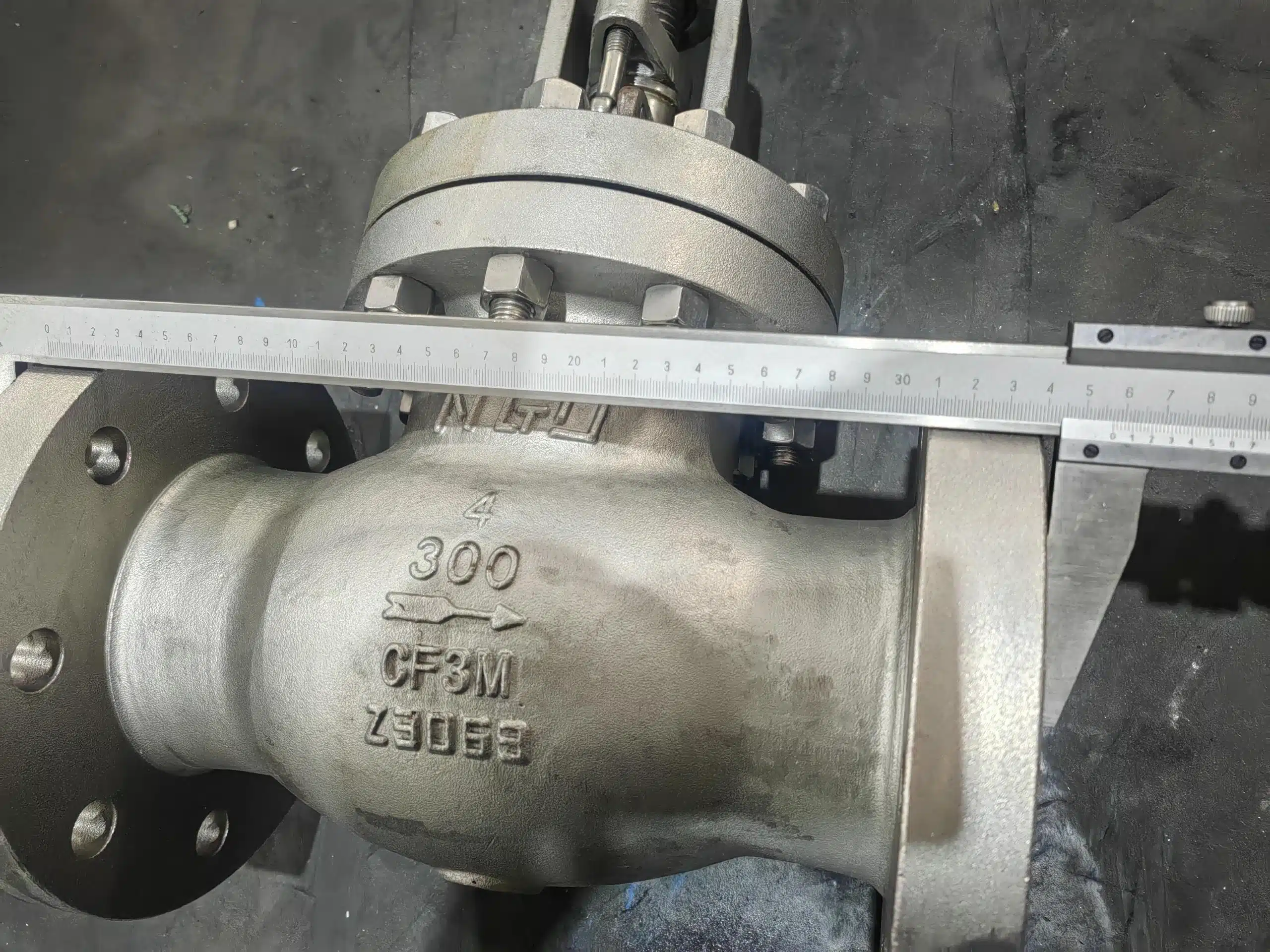
Stainless steel globe valves are used in many industries. They are great for controlling how fluids flow, making them very reliable.
Industries
Oil and gas
In oil and gas work, these valves control crude oil and gas flow. They handle high pressure and resist damage from harsh chemicals. You’ll find them in pipelines, refineries, and offshore rigs. Their strength keeps systems safe and running well, even in tough conditions.
Chemical processing
Chemical factories use these valves to manage dangerous and corrosive liquids. Stainless steel stops rust and handles strong chemicals. These valves are perfect for keeping flow rates steady, which is important for chemical reactions. They also work well under high heat and pressure.
Power generation
Power plants use these valves to control steam and water in turbines. They help keep energy production steady by managing pressure and temperature. Their strong build makes them ideal for hot environments, so they’re a must-have in power systems.
Water treatment
Water treatment plants use these valves to manage water and cleaning chemicals. They don’t rust or wear out easily, so they last a long time. You’ll see them in filters, desalination plants, and wastewater systems. Their accuracy helps keep water clean and safe.
| Metric | Value |
|---|---|
| Pressure Drop | Up to 73% |
| Application Industries | Oil, Gas, Chemical Processing |
The table shows how well these valves work in industries like oil and chemicals. They handle big pressure drops, making them great for tough jobs.
Specific Scenarios
Flow control in pipelines
These valves are excellent for controlling flow in pipes. Their design allows small, precise changes. This makes them useful in factories and city water systems. They keep operations smooth and efficient.
High-pressure and high-temperature systems
These valves are built for extreme pressure and heat. Their strong material resists damage, even in hard conditions. Industries like power and chemicals rely on them for safety and performance.
By learning where stainless steel globe valves are used, you’ll see why they’re trusted. They are accurate, strong, and useful in many industries.
Installation and Maintenance of Stainless Steel Globe Valves
Taking care of stainless steel globe valves is important for their long life. Installing them correctly and keeping them in good shape avoids problems and keeps systems working well.
Installation Tips
Aligning the valve properly
Make sure the valve lines up with the pipe. If it’s not aligned, it might leak or wear out faster. Check the arrow on the valve to match the flow direction. This helps the valve work right and avoids extra stress on its parts.
Keep the valve away from places with strong vibrations. Vibrations can loosen parts and damage the valve inside. A steady and secure spot keeps the valve safe and working well.
Matching the valve to the pipeline
Before installing, check if the valve fits your pipe’s size and needs. Using the wrong valve can cause problems or even break the system. For example, a low-pressure valve won’t handle high pressure.
Clean the pipe ends before attaching the valve. Dirt or debris can stop the valve from sealing tightly. A clean pipe helps the valve last longer and work better.
Maintenance Tips
Checking for damage often
Look at the valve regularly for rust, leaks, or broken parts. Finding problems early saves money on big repairs. Studies show regular checks make valves last longer by fixing small issues early.
Tighten loose parts and replace worn ones during inspections. This stops leaks and keeps the valve working well.
Cleaning to stop buildup
Dirt can collect inside the valve and block the flow. Clean the valve often to keep it clear. Use cleaners that are safe for stainless steel to avoid damage.
Adding a protective coating can stop rust, especially in tough conditions. This keeps the valve strong and working for a long time.
Lubricating moving parts
Lubricate parts like the stem and actuator to reduce friction. Without lubrication, these parts can wear out quickly. Lubrication also helps the valve seal better and stop leaks.
Use lubricants that work well with stainless steel and your system’s fluids. This avoids chemical reactions that could harm the valve or pipes.
Tip: Keep a record of inspections, cleaning, and lubrication. This helps you stay on track and not miss any steps.
By following these tips, your stainless steel globe valves will last longer and work better. Good care saves money and keeps your system safe and reliable.
Buying Considerations for Stainless Steel Globe Valves
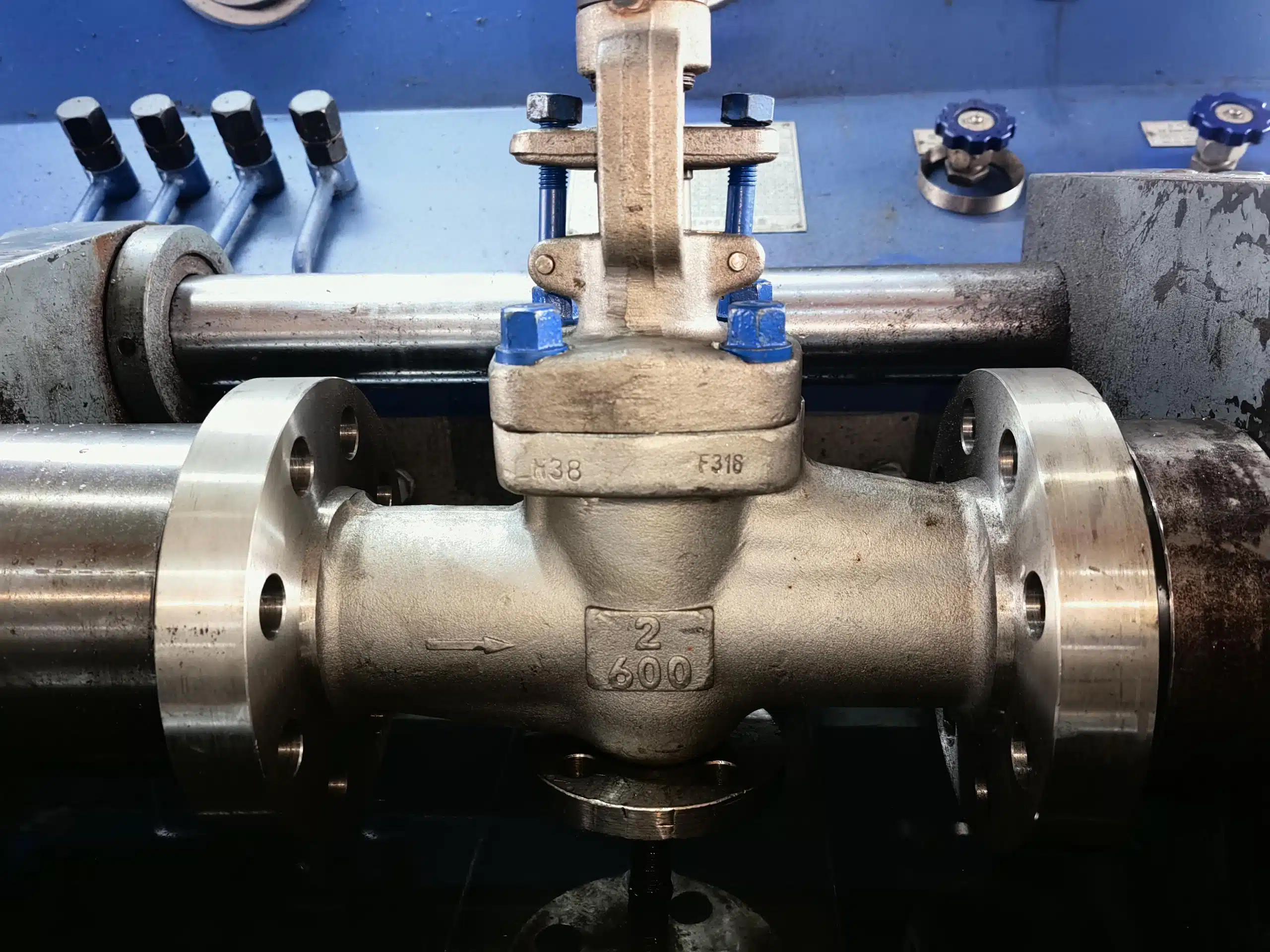
Material and Design
Importance of stainless steel grade
Picking the right stainless steel grade is very important. Strong stainless steel resists rust and handles tough conditions well. This makes it perfect for industries like chemical plants and power stations. For example, 316 stainless steel fights chemicals better, while 304 stainless steel works for easier jobs.
NTGD makes high-quality valves using strong stainless steel. Their valves last longer and need less fixing. Choosing good materials saves money and keeps your system running smoothly.
Choosing the right body design
The valve’s body design changes how well it works in your system. T-pattern valves control flow well but slow it down more. Y-pattern valves save energy by reducing flow resistance. Angle-pattern valves fit better in tight spaces and simplify piping.
Think about what your system needs before picking a design. For example, Y-pattern valves are great for saving energy in pipelines. NTGD offers many designs to match different needs. Their knowledge helps you find the best valve for your job.
Size and Pressure Ratings
Matching valve size to pipeline requirements
The valve size must match your pipe size to work well. If the sizes don’t match, it can cause problems or damage. Measure your pipe’s size and flow rate to pick the right valve. Bigger valves handle more flow, while smaller ones give better control.
NTGD makes valves that fit pipes of all sizes. Their valves work smoothly and avoid costly repairs. Picking the right size keeps your system efficient and safe.
Ensuring compatibility with pressure and temperature conditions
Valves must handle the pressure and heat in your system. High-pressure systems need strong valves that won’t break. Hot systems need valves that resist heat without bending.
Check the valve’s ratings for pressure and temperature before buying. NTGD makes valves for tough conditions, keeping systems safe and reliable. Their valves meet industry rules, making them a smart choice for hard jobs.
Standards and Certifications
Compliance with industry standards
Industry rules make sure valves are safe and work well. Look for valves with certifications like ISO, API, or ANSI. These show the valve is tested and reliable.
NTGD follows strict rules to make high-quality valves. Their valves meet global standards, giving you confidence in their safety. Certified valves protect your system and avoid big problems.
Importance of quality assurance
Quality checks make sure valves work as promised. Companies like NTGD test valves for strength, flow control, and leak prevention. This ensures the valve works well in real-life situations.
Buy valves from brands with strong testing practices. NTGD’s focus on quality makes them trusted worldwide. Their valves work consistently, saving time and repair costs.
Tip: Ask experts like NTGD for advice when choosing a valve. They help you pick the right one and improve your system’s performance.
Picking the right stainless steel globe valve helps your system work well. These valves are strong, control flow accurately, and resist tough conditions. They are important for many industries.
| Industry | Benefits for Performance | Benefits for Use | Overall Importance |
|---|---|---|---|
| Oil & Gas | Fights rust and handles rough environments | Keeps systems safe and running smoothly | Needed for long-lasting use with little upkeep |
| Water & Wastewater | Manages water effectively | Adjusts flow well and works with different water types | Helps improve systems and support eco-friendly goals |
| Chemical | Safely handles harmful and corrosive liquids | Meets safety and environmental rules | High demand due to global chemical production growth |
Tip: Check your system’s pressure, heat, and material needs before buying. Picking the right valve saves money and improves how your system works.
FAQ
What does a stainless steel globe valve do?
It controls how liquids, gases, or steam flow in pipes. You can adjust it precisely, making it great for systems needing exact flow control.
How can I pick the right stainless steel globe valve?
Think about your system’s pressure, temperature, and flow needs. Choose a valve size that fits your pipe and pick a design like T-pattern, Y-pattern, or angle pattern based on your use.
Can these valves handle high heat?
Yes, they work well in high heat. Stainless steel is strong and resists heat, so it’s perfect for power plants and chemical factories.
How often should I check my stainless steel globe valve?
Look at it regularly for leaks, wear, or dirt. Clean and oil moving parts during checks. Doing this keeps it working well and avoids expensive repairs.
Are these valves good for tough, corrosive places?
Yes, stainless steel doesn’t rust, even in harsh spots. That’s why they’re used in chemical factories to handle strong, harmful liquids.
What’s the difference between manual and automated globe valves?
Manual ones use a handwheel and are simple and cheap. Automated ones use machines for precise and remote control, which is better for complex systems.
Why do stainless steel globe valves cost more?
They’re made with strong materials and work well in tough conditions. Their long life and reliability make them worth the price.
Can I use these valves for two-way flow?
No, they’re made for one-way flow. If installed wrong, they might not work right. Always follow the maker’s instructions to install them properly.
Tip: Talk to an expert or check the manufacturer’s guide when choosing or taking care of your stainless steel globe valve. This helps it work safely and efficiently.