
High-pressure systems deal with tough problems. These include very high heat, strong pressure, and the need to stop leaks. For example:
- High-pressure systems on the surface cause the hottest days during heatwaves, like in cities such as Portland and Seattle.
- The strongest pressure areas happen during record-breaking heat events.
Stopping leaks is very important in these conditions. Better seals stop gas leaks, protect machines, and work better. Triple offset butterfly valves are a smart solution. Their special design stops leaks, lasts longer, and keeps things safer. This makes them great for high-pressure systems.
Key Takeaways
- Triple offset butterfly valves stop leaks in high-pressure systems. This improves safety and helps industries like power plants and oil companies.
- Their special design lasts longer by reducing damage. This means fewer fixes and lower upkeep costs over time.
- These valves need little force to open or close. This saves energy and cuts costs for businesses.
- The small size of these valves makes them easy to fit in tight spots. This makes them great for new or updated systems.
- Using triple offset butterfly valves works well in tough conditions. They are a smart pick for handling high heat and pressure.
How Do Triple Offset Butterfly Valves Work?
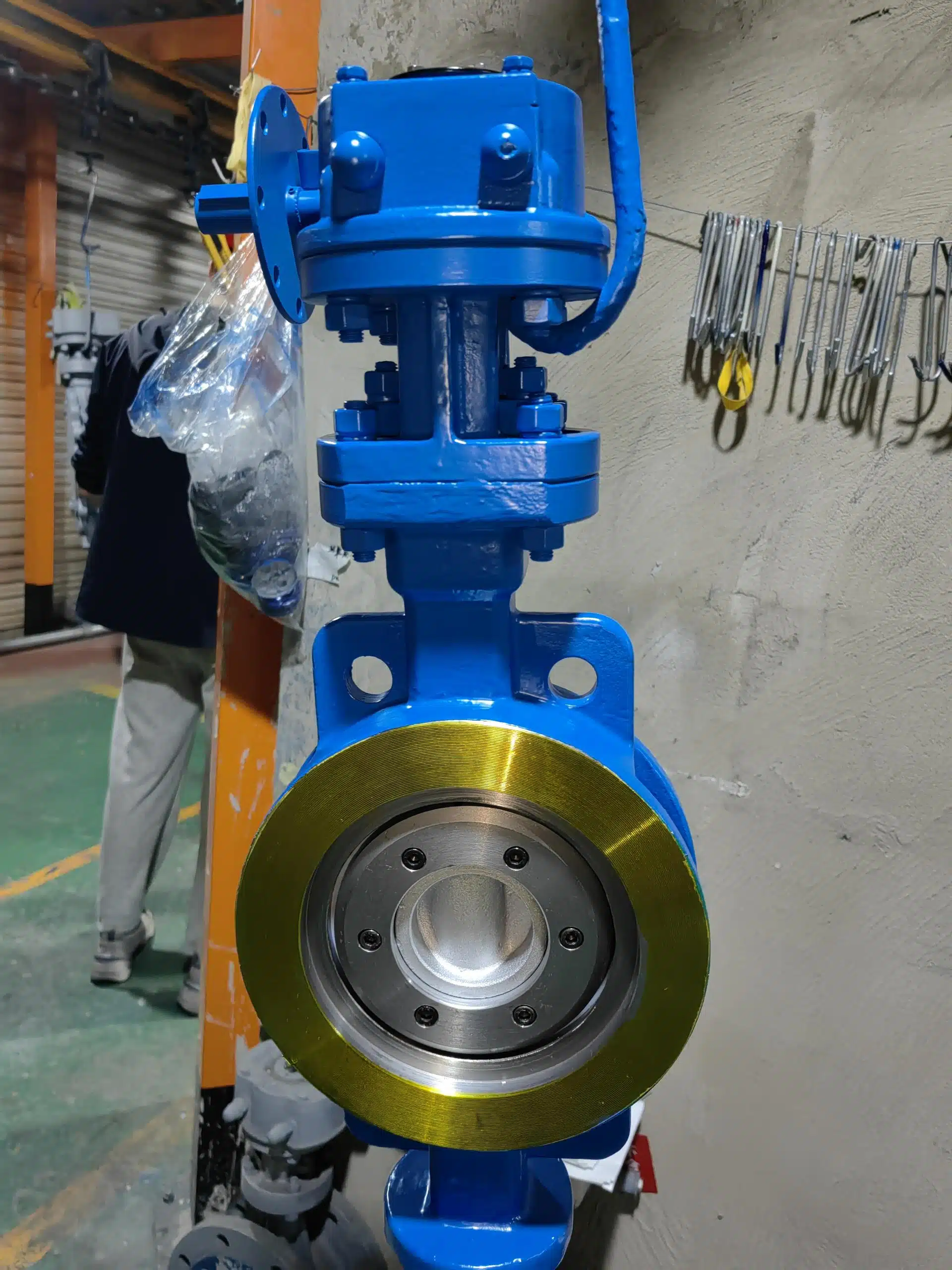
Triple Offset Mechanism Explained
Triple offset butterfly valves have a special design for better sealing. They use three unique offsets:
- The first offset places the shaft behind the disc. This lets the disc turn fully and reduces wear on parts.
- The second offset moves the shaft slightly off-center. This creates a smooth, cam-like motion for a friction-free seal.
- The third offset adds a cone shape to the sealing surface. This makes a tight seal that handles high pressure and heat.
This smart design stops rubbing between parts, lowering wear and making the valve last longer. It creates a strong valve that works well in tough, high-pressure systems.
Tight Shut-Off Capability in High-Pressure Systems
These valves are great for stopping leaks in high-pressure systems. The cam-like motion and cone-shaped seal close tightly with no gaps. This prevents leaks, even under extreme pressure or heat changes. The metal-to-metal seal ensures no leaks in either direction. This makes them safe and efficient for important jobs like power plants and chemical factories.
Ensuring Zero Leakage and Reliability
Triple offset butterfly valves are made to stop leaks and stay reliable. No rubbing between parts means they work well for a long time. This design keeps a perfect seal in both directions. They don’t leak, even under high pressure, making them a top choice for industries needing strong seals. Their long life and accuracy lower repair costs and keep systems running smoothly.
Tip: For high-pressure systems, choose triple offset butterfly valves. They offer the best sealing and leak prevention.
Advantages of Triple Offset Butterfly Valves
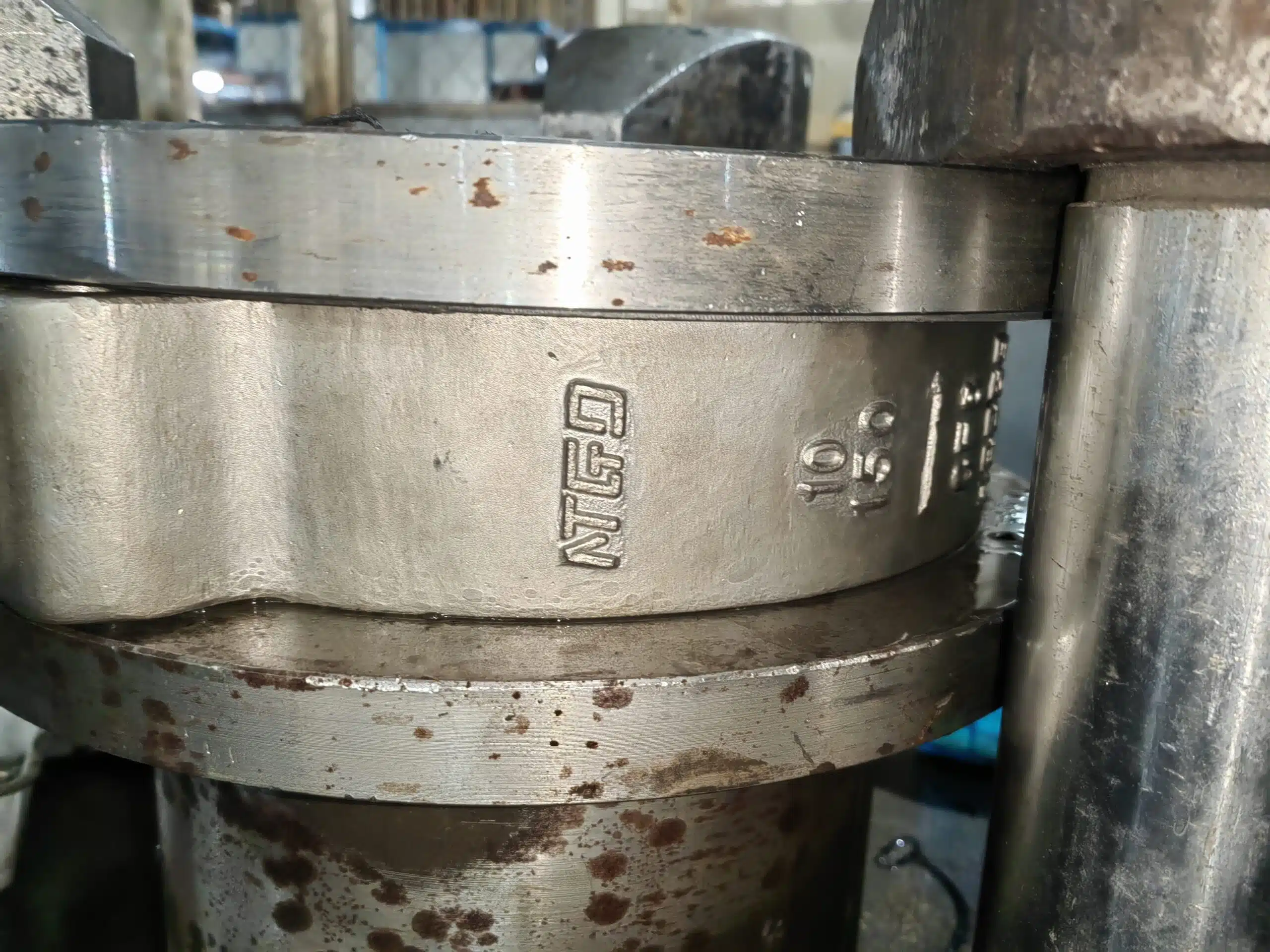
No Leaks for Safety and Efficiency
Triple offset butterfly valves stop leaks completely. This is very important for high-pressure systems. Their special design creates a tight seal, even in tough conditions. The metal-to-metal seal blocks any fluid or gas from escaping. This keeps dangerous leaks from happening in places like power plants or chemical factories.
These valves also help systems work better. By sealing perfectly, they save energy and keep systems running well. This means you spend less money over time because energy isn’t wasted. Industries using hot steam or strong chemicals find these valves very useful. They stay reliable even in hard conditions.
Strong and Long-Lasting
Triple offset butterfly valves last a long time. Their design stops parts from rubbing together, which prevents damage. This makes them work longer without needing repairs or replacements.
They are made from strong materials like special metals that resist heat and corrosion. These materials help the valves stay strong in high-pressure and high-heat environments. Studies show these valves last longer and cost less to maintain.
Using these valves means fewer problems and smooth operations for years. Their tough build and smart design make them a good choice for industries needing reliable equipment.
Fire-Safe for Tough Situations
Triple offset butterfly valves work well even during fires. Their fire-safe design keeps them sealing tightly under high heat. This is very important for industries like oil and gas, where fire safety matters a lot.
These valves pass strict fire safety tests, like UL 1709. This test checks if they can handle sudden, intense fires. Special materials in the valves form a protective layer during heat, slowing damage and keeping them working. This helps control leaks during emergencies.
Certified by trusted groups, these valves meet safety rules. Adding them to your system improves safety and keeps things running smoothly. They are a must-have for risky jobs needing strong, safe equipment.
Low Torque Operation for Cost Savings
Triple offset butterfly valves are very efficient to use. Their special design needs less force to work. You don’t need big machines or strong effort to open or close them. Using less force saves energy and lowers costs.
The cam-like motion helps the valve move smoothly. This reduces damage to its parts over time. With less effort needed, the valve lasts longer and keeps sealing well. You save money on energy, repairs, and replacements.
Industries with high-pressure systems find this feature very helpful. Whether it’s a power plant or chemical factory, these valves improve efficiency. They also make operations safer by lowering the chance of part failures.
Tip: Pick valves that need less force to save energy and money.
Compact Design and Easy Installation
Triple offset butterfly valves are small and easy to install. Unlike bigger valves, they take up less room. Their slim shape works well in tight spaces. You can fit them in small areas without losing performance.
Their lightweight build makes setup simple. You don’t need heavy tools or lots of workers to install them. This saves time and cuts setup costs. The small size also makes it easy to add them to old systems during upgrades.
Even though they’re small, these valves seal tightly with no leaks. Their metal-to-metal seal works great in high-pressure systems. You get strong, reliable valves without needing extra space or effort.
Industries like water treatment and freezing systems love this feature. If you want a valve that’s strong, easy to use, and space-saving, these are a great choice.
Note: Small valves are perfect for tight spaces. They’re easy to install and boost system efficiency.
Applications of Triple Offset Butterfly Valves
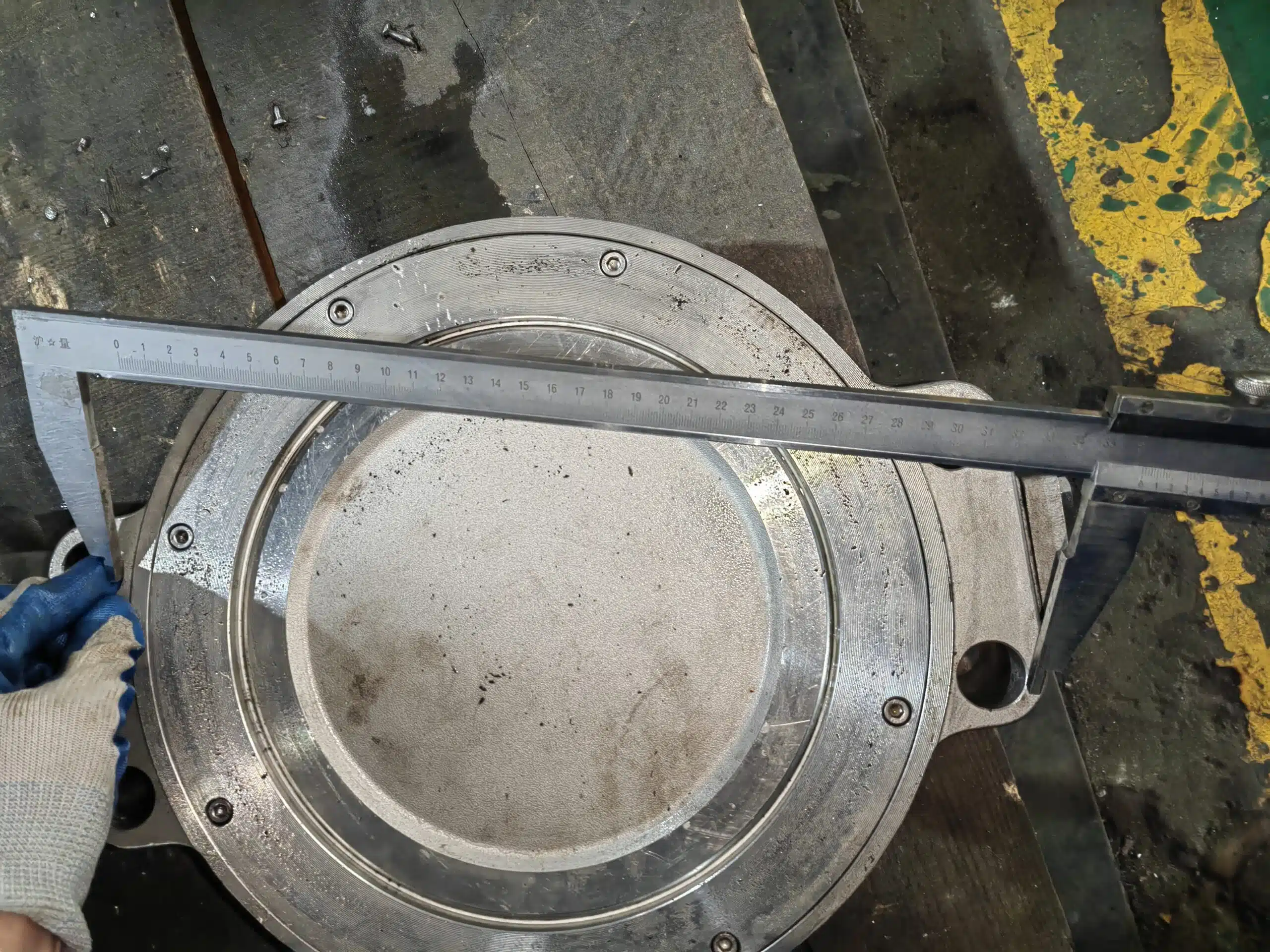
Petrochemical and Oil & Gas Industries
Triple offset butterfly valves are important in oil and gas work. These industries need valves that handle high pressure and tough chemicals. They also need to stop leaks completely. These valves are used in oil refining, gas processing, and making chemicals. They keep systems safe and running well under hard conditions.
As energy needs grow, strong and reliable valves are more important. New rules also push industries to use equipment that stops leaks and follows safety laws. Triple offset butterfly valves meet these needs. They don’t leak and last a long time. They also help update old systems, making them useful for upgrades.
Another benefit is their ability to work with smart systems. These valves can send data to control centers. This helps track performance, reduces manual work, and boosts productivity. Whether on oil rigs or deep-sea projects, these valves are flexible and reliable.
Power Generation and Energy Systems
Power plants and energy systems need safe and efficient valves. Triple offset butterfly valves are perfect for these jobs. They work well under high heat and pressure. Their design stops leaks, even in tough conditions.
These valves also help reduce downtime. They are strong and need little maintenance. This means energy production can continue without many breaks. The third offset in their design stops gas leaks, keeping systems efficient. Using these valves makes systems last longer and lowers repair costs.
They also save energy. Their design needs less force to work, cutting energy use. This makes them a green choice for power plants. Whether for thermal or renewable energy, these valves keep systems running smoothly.
Cryogenic and Extreme Temperature Applications
Triple offset butterfly valves are great for very hot or cold jobs. They work well in places like LNG plants and chemical factories. They keep a tight seal, even in extreme heat or freezing cold.
Tests show they perform well in tough conditions. They can handle heat up to 350 °C and still seal tightly. In freezing conditions, they work fine even below 0 °C. Their quick open-close action and strong build make them reliable for critical tasks.
These valves also handle fast temperature changes without breaking. Unlike regular valves, they resist damage from heat stress. This makes them a top pick for industries needing reliable performance in extreme conditions.
Tip: For very hot or cold systems, use triple offset butterfly valves for safety and reliability.
Water and Wastewater Treatment
Water treatment systems need strong and reliable parts to work well. Triple offset butterfly valves are great for these systems. Their special design and tight sealing make them very effective. They handle high-pressure flows, harsh chemicals, and temperature changes in treatment plants.
A big benefit of these valves is their tight seal. This stops leaks, which helps systems run smoothly and stay clean. The metal-to-metal seal makes them tough, even in hard conditions. Unlike regular valves, they don’t wear out quickly. This means less fixing and lower costs over time.
Saving energy is important in water treatment plants. These valves need less force to work, which uses less energy. This lowers costs and helps meet green rules. Their small size also makes them easy to install. They fit well in both new systems and old ones being upgraded.
Here’s a simple look at how these valves help water systems:
| Feature | Benefit |
|---|---|
| Tight Seal | Stops leaks, keeping systems efficient |
| Reduced Wear | Lasts longer, cutting repair costs |
| Energy Efficiency | Saves energy and meets eco-friendly rules |
These valves are built to last in tough conditions. They don’t break down easily and need little fixing. This keeps water systems running without problems, which is very important for clean water and waste management.
They are also very flexible. These valves work in many jobs, like controlling city water or handling chemical-filled wastewater. They seal tightly in both directions, making them a reliable choice for important tasks.
Tip: If you’re improving your water system, pick triple offset butterfly valves. They are durable, save energy, and stop leaks, making them a smart choice.
Comparison with Other Valve Types
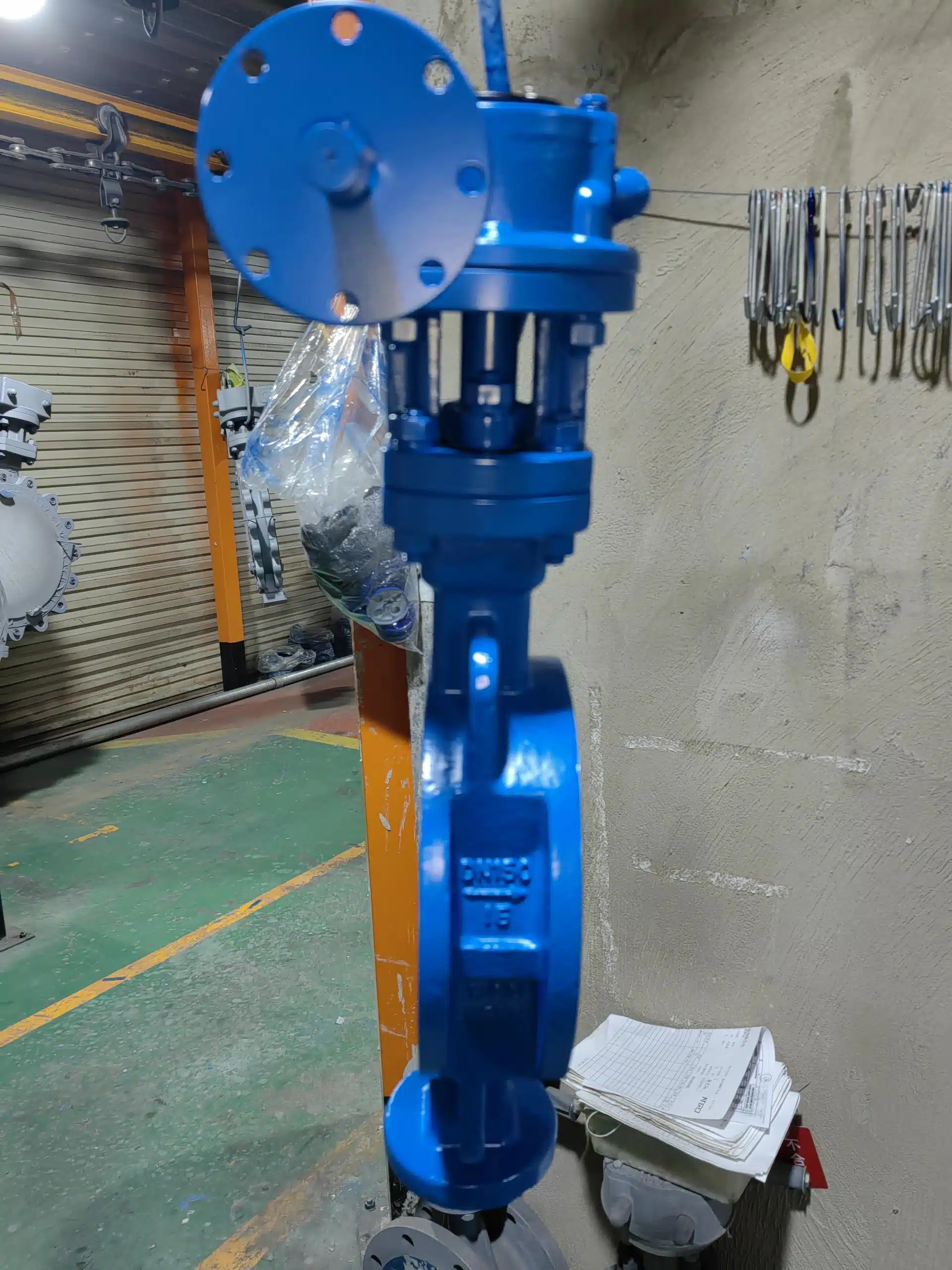
Triple Offset vs. Concentric Butterfly Valves
Triple offset and zero offset butterfly valves are very different. Zero offset valves, also called concentric valves, use soft seats like rubber. These work well for simple jobs like handling food or chemicals. But they can’t handle high pressure or extreme heat. Triple offset valves, however, have metal seats with cone-shaped seals. This makes them perfect for high-pressure systems like steam or oil operations.
Another big difference is how much force they need to work. Zero offset valves need more force because their parts always touch. This causes faster wear and tear. Triple offset valves need less force, making them easier to use and last longer. The table below shows these differences:
| Feature | Zero Offset Butterfly Valve | Triple Offset Butterfly Valve |
|---|---|---|
| Design Type | Concentric design | Three offsets with cone-shaped seating surface |
| Applications | General service, up to 200 PSI | High-pressure steam, over 150 PSI |
| Seat Material | Soft seat materials (e.g., rubber) | Metal seat required for tight shutoff |
| Torque Requirement | Higher torque due to constant contact | Lower torque, easier to automate |
| Media Compatibility | Chemicals, food, some solids, abrasive applications | High temperature gases and oils |
Triple Offset vs. Double Offset Butterfly Valves
Double offset valves are somewhat like triple offset valves but not as strong. Both use a cam-like motion to reduce wear and seal better. Triple offset valves go further by adding a third offset. This stops rubbing completely, making them last longer and work better in tough jobs.
Triple offset valves handle higher pressure and heat than double offset valves. They are great for power plants and oil industries. Double offset valves are often used in HVAC systems or chemical plants but don’t work well in extreme conditions. If you want a valve that lasts longer and needs less fixing, triple offset valves are the best choice.
Advantages Over Gate and Ball Valves
Triple offset butterfly valves have many benefits over gate and ball valves. They are smaller and easier to install in tight spaces. Gate valves need more room to work, but triple offset valves seal just as well in less space.
Ball valves are good for some jobs but struggle with high pressure or heat. Triple offset valves, with their metal seals, work great in these conditions. They also need less force to operate, saving energy and reducing wear. For industries needing strong, safe, and efficient valves, triple offset butterfly valves are the top pick.
Triple offset butterfly valves are great for high-pressure systems. They stop leaks completely, keeping everything safe and clean. Their strong design lasts longer because there’s less friction. This means fewer repairs and lower maintenance costs. They also save energy by needing less force to work, cutting expenses.
Here’s a simple look at their benefits:
| Benefit | Details |
|---|---|
| No Leaks | Stops leaks fully, avoiding contamination in important systems. |
| Long-Lasting | Less friction makes them last longer and need fewer repairs. |
| Saves Money | Uses less energy, lowering costs for running and maintenance. |
These valves are important for safety and efficiency in tough jobs. To choose the best one, ask experts or valve makers for advice.
