
Safety and efficiency are very important in dangerous places. Problems with equipment can cause unexpected stops and big costs. Industries lose about $1.5 trillion every year this way. You can lower these risks by using anti-static ball valves. These valves stop static electricity, which can cause fires or explosions. Using good equipment and checking it early can cut repair time by 60%. It can also make equipment last 40% longer. Anti-static ball valves make things safer and help work go smoothly in tough conditions.
Key Takeaways
- Anti-static ball valves stop static electricity, lowering fire and explosion risks.
- These valves last longer, up to 40%, and need fewer repairs, saving 60% repair time.
- Following safety rules is important; pick certified valves to stay safe and avoid fines.
- Proper care and good valve materials help stop leaks and keep chemical work safer.
- Adding anti-static parts to gas valves makes handling flammable gases safer and easier.
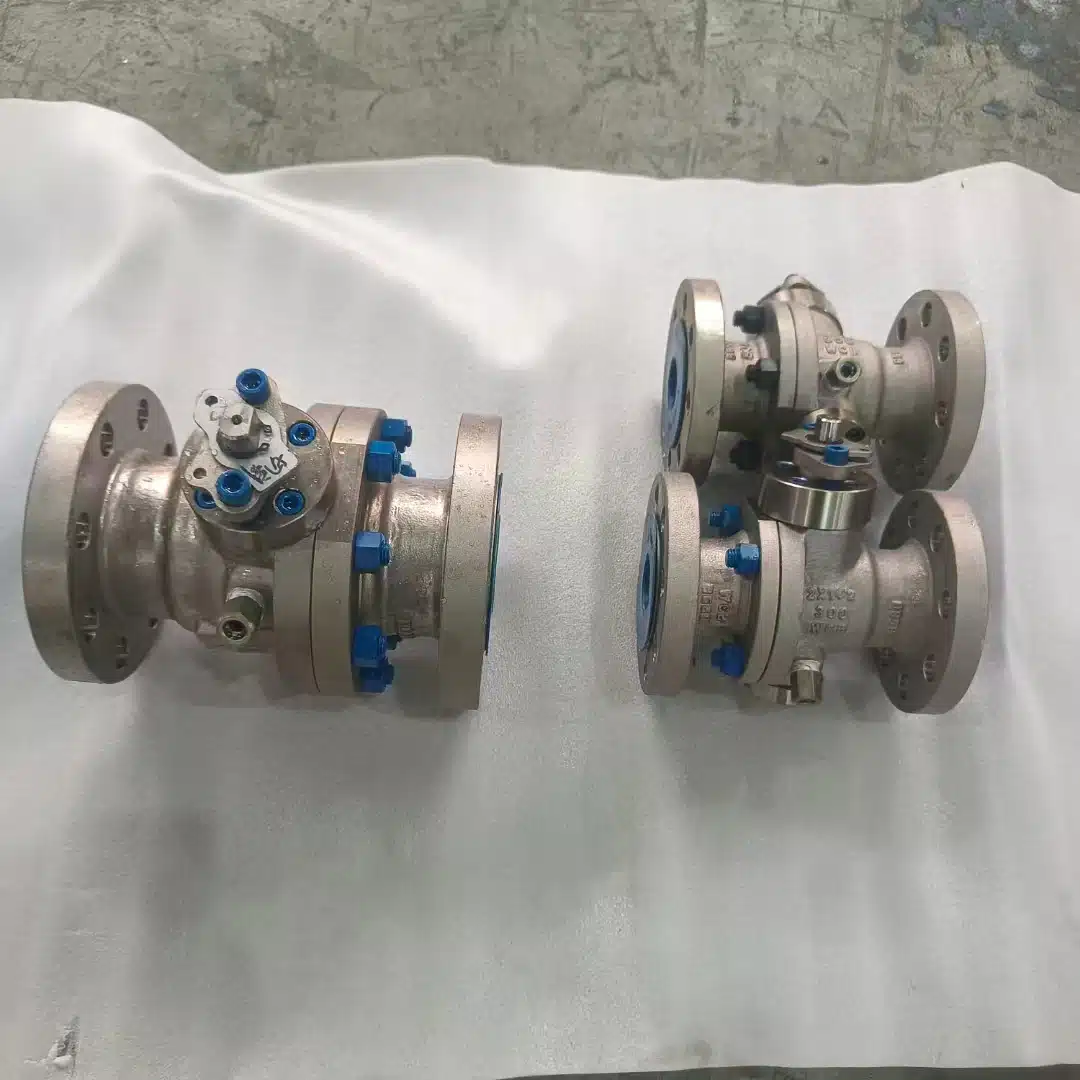
Challenges in Hazardous Environments
Static electricity and fire hazards
Static electricity can be very dangerous in risky places. If flammable materials are nearby, even tiny sparks can start fires or explosions. For instance, in 2021, a plastic plant in Taiwan exploded because of static electricity, even though silos were grounded. This shows static buildup can bypass normal safety steps. A study in Japan looked at 153 accidents and found 70% of fires were caused by isolated conductors, often during work tasks. These examples show why stopping static electricity is key to staying safe.
Risks with flammable and explosive materials
Working with flammable materials increases the chance of leaks and big accidents. In the last ten years, accidents with hazardous materials went up by 155%. Truck accidents alone caused 64% of damages, costing about $512 million. Places handling flammable items also report more fires and leaks. These facts show the need for better fire safety and accident prevention. Anti-static ball valves help by stopping static sparks and keeping operations safe.
Equipment failures and operational inefficiencies
Broken equipment in risky areas can cause leaks, delays, and dangers. Every year, about 340 million workplace accidents happen, often due to broken tools. Corrosion, leaks, and poor maintenance make things worse. For example, valves used with strong chemicals need special materials to avoid damage. Regular checks and better sealing can stop leaks and improve efficiency. Fixing these problems makes work safer and reduces risks in tough environments.
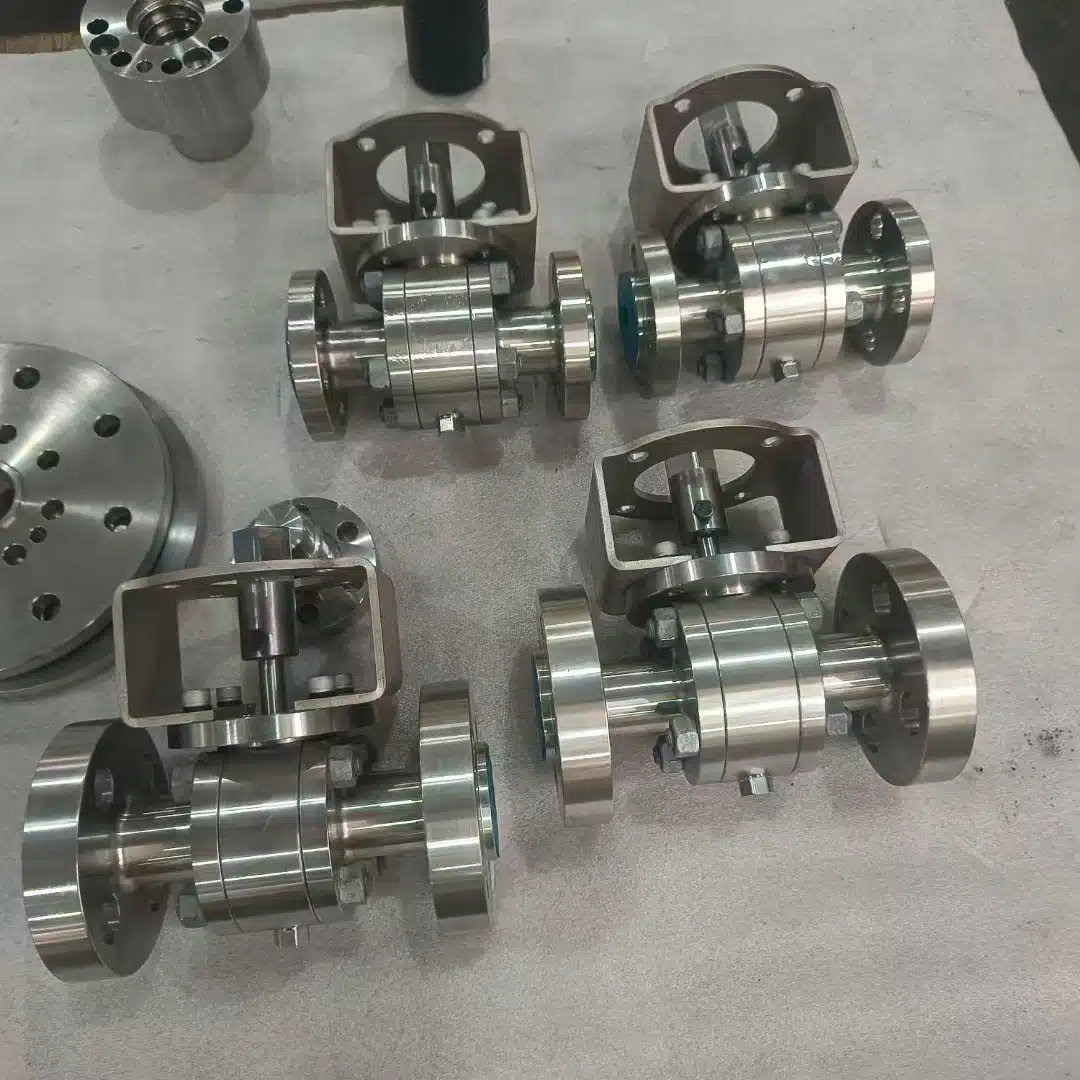
Benefits of Anti-Static Ball Valves
Stopping static electricity buildup
Static electricity can be dangerous in risky places. Anti-static ball valves, like those from NTGD, stop static charges from building up. They safely remove static electricity, lowering the chance of sparks that could start fires.
Industries like petrochemicals, food processing, and medicine use these valves for safety. For example:
- Anti-static parts in valves stop static electricity in flammable areas.
- Electrostatic discharge (ESD) tests check these valves for safety in tough jobs.
Using anti-static ball valves helps keep workplaces safe from static dangers.
Better safety for risky jobs
Safety is very important when working with flammable or explosive materials. Anti-static ball valves add extra safety by removing static electricity. This is especially important in places like grain elevators, where sparks can cause big accidents.
The table below shows how these valves make things safer:
| Feature | Benefit |
|---|---|
| Static Dissipation Mechanisms | Stops sparks by removing static electricity. |
| Grounding | Removes static buildup, important for safety in petrochemicals. |
Choosing NTGD anti-static ball valves gives your workplace strong safety protection.
Strong in tough conditions
Anti-static ball valves are built to last in hard environments. They are made with strong materials to work well for a long time. These valves resist rust, handle extreme heat or cold, and work under pressure.
Industries like oil, gas, and manufacturing trust these valves for their strength. Special spring-loaded parts in the valves help remove static electricity, even in dangerous situations. Their strength means less fixing and smoother work.
With NTGD anti-static ball valves, you get safe, strong, and reliable equipment.
Compliance with safety and industry standards
In dangerous places, equipment must follow strict safety rules. Anti-static ball valves are made to meet these rules, giving safe and reliable options for risky jobs. These valves go through tough tests to earn global certifications like ISO 9001 and API 6D. Picking certified valves lowers risks and keeps your workplace safer.
Different industries have their own safety rules. For example, the petrochemical industry uses ATEX and IECEx standards to stop explosions from static electricity. Anti-static ball valves meet these rules by using grounding and static control features. This helps your work match worldwide safety standards.
Using approved equipment also avoids fines and other problems. Inspectors check if safety rules are followed. Breaking these rules can lead to fines, shutdowns, or accidents. Anti-static ball valves make it easier by being pre-approved to meet industry needs.
Tip: Always look for certifications and test results when buying anti-static ball valves. This ensures the product is safe for your work.
By choosing anti-static ball valves, you improve safety and show you care about doing things the right way. This smart choice protects your workers, tools, and reputation.
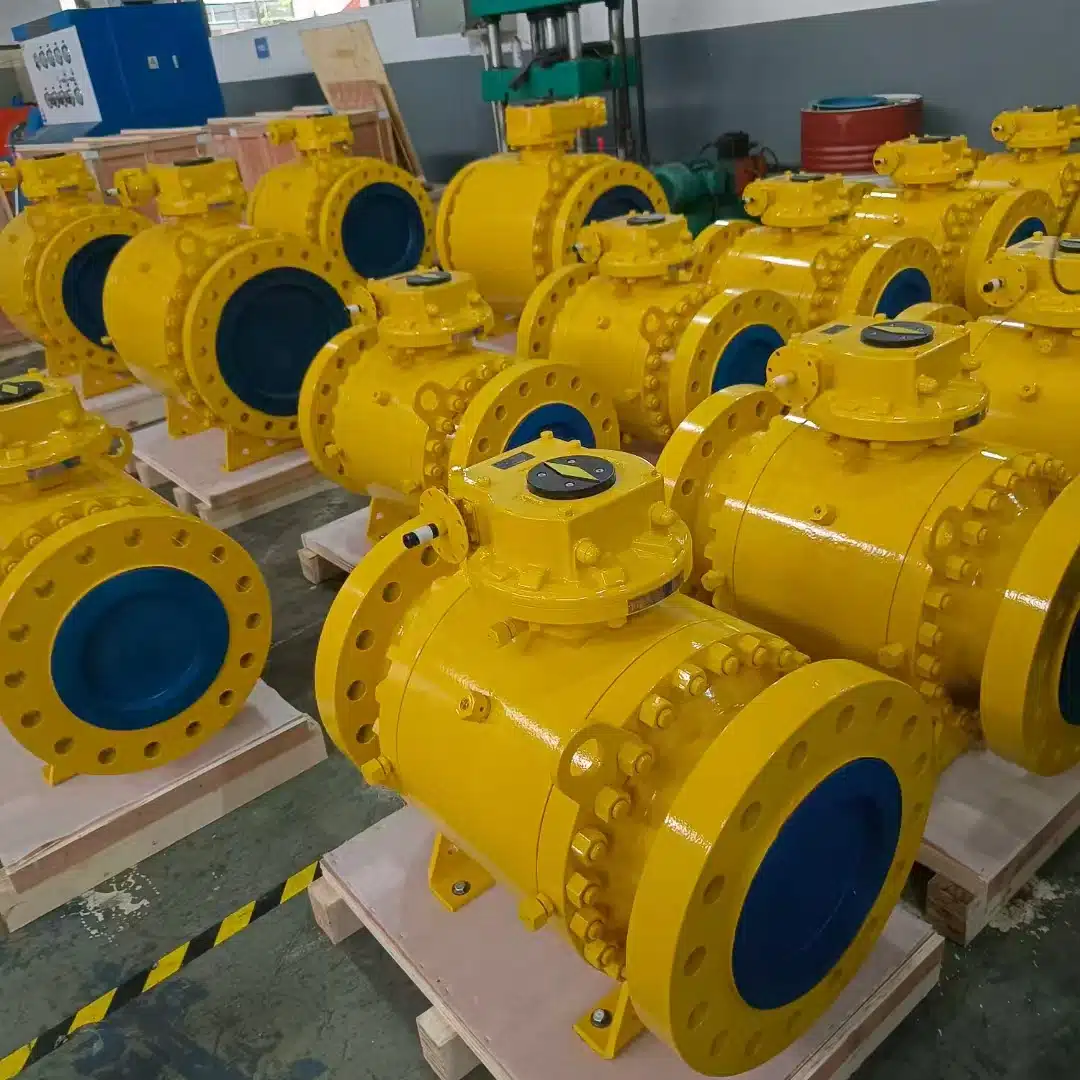
Design Features of Anti-Static Ball Valves
How anti-static mechanisms work
Anti-static parts are important for safety in risky places. These parts, like spring-loaded devices, remove static electricity during use. By grounding static, they stop sparks that could cause fires. This is very helpful in places like grain elevators with dust in the air.
These features make work safer where fire risks are high. For example, anti-static ball valves stop static buildup while working. This lowers the chance of fires or explosions. They are very useful in jobs with flammable materials.
Valves that resist harsh chemicals
Valves that resist chemicals are needed for tough jobs. These valves can handle strong chemicals that damage regular materials. For example, valves made of stainless steel, Hastelloy, or Teflon resist many harmful chemicals.
The table below shows how materials handle different chemicals:
| Chemical | Material | Resistance Details |
|---|---|---|
| Sulfuric Acid | Stainless Steel (SS316) | Works up to 20% concentration and 150 °C; may corrode at higher levels. |
| Hastelloy | Works up to 70% concentration and 100 °C; may corrode at higher levels. | |
| PTFE (Teflon) | Works up to 98% concentration and 200 °C; not for high pressure. | |
| Nitric Acid | Hastelloy C | Best for strong nitric acid due to great resistance. |
| Ammonia | Stainless Steel 316 | Good for 10% ammonia. |
Picking the right material keeps valves strong and working well, even with tough chemicals.
Strong and reliable materials
Anti-static ball valves are strong and last a long time. They are made from tough materials like stainless steel and Hastelloy. These materials handle high heat, pressure, and harmful chemicals. Their strength means fewer replacements and better reliability.
You can count on these valves to work in hard conditions. They resist damage, making them a smart and cost-saving choice. Using good anti-static ball valves improves work and reduces delays.
Works Well with Gas Ball Valves and Other Uses
Anti-static ball valves work great with gas ball valves. This makes them useful in dangerous places. They help improve safety and efficiency when handling flammable gases. Gas ball valves control flow well, but they are safer with anti-static features. Together, they stop static electricity, which can cause sparks and accidents.
Using anti-static features with gas ball valves has many benefits:
- Spring-loaded parts remove static charges, making them safe in risky areas.
- Grounding stops static buildup, which is important in petrochemical jobs.
- Special seals prevent leaks, adding to the safety of these valves.
The table below shows how these features help:
| Feature | Benefit | How It Helps |
|---|---|---|
| Anti-static features | Stops static electricity, lowering fire risks | Makes gas handling safer in dangerous places |
| Spring-loaded parts | Removes static charges for safe use | Needed in risky spots like grain elevators |
| Grounding connections | Stops static buildup, part of safety rules | Important in petrochemical work to avoid explosions |
| Special sealing materials | Stops leaks, improving safety | Works with anti-static parts for better protection |
You can also use chemical-resistant valves with gas ball valves. These valves, made from strong materials like stainless steel, resist damage from harsh chemicals. They last a long time, even in tough conditions. Choosing anti-static ball valves that work with gas ball valves makes your work safer, reduces risks, and improves efficiency in many jobs.
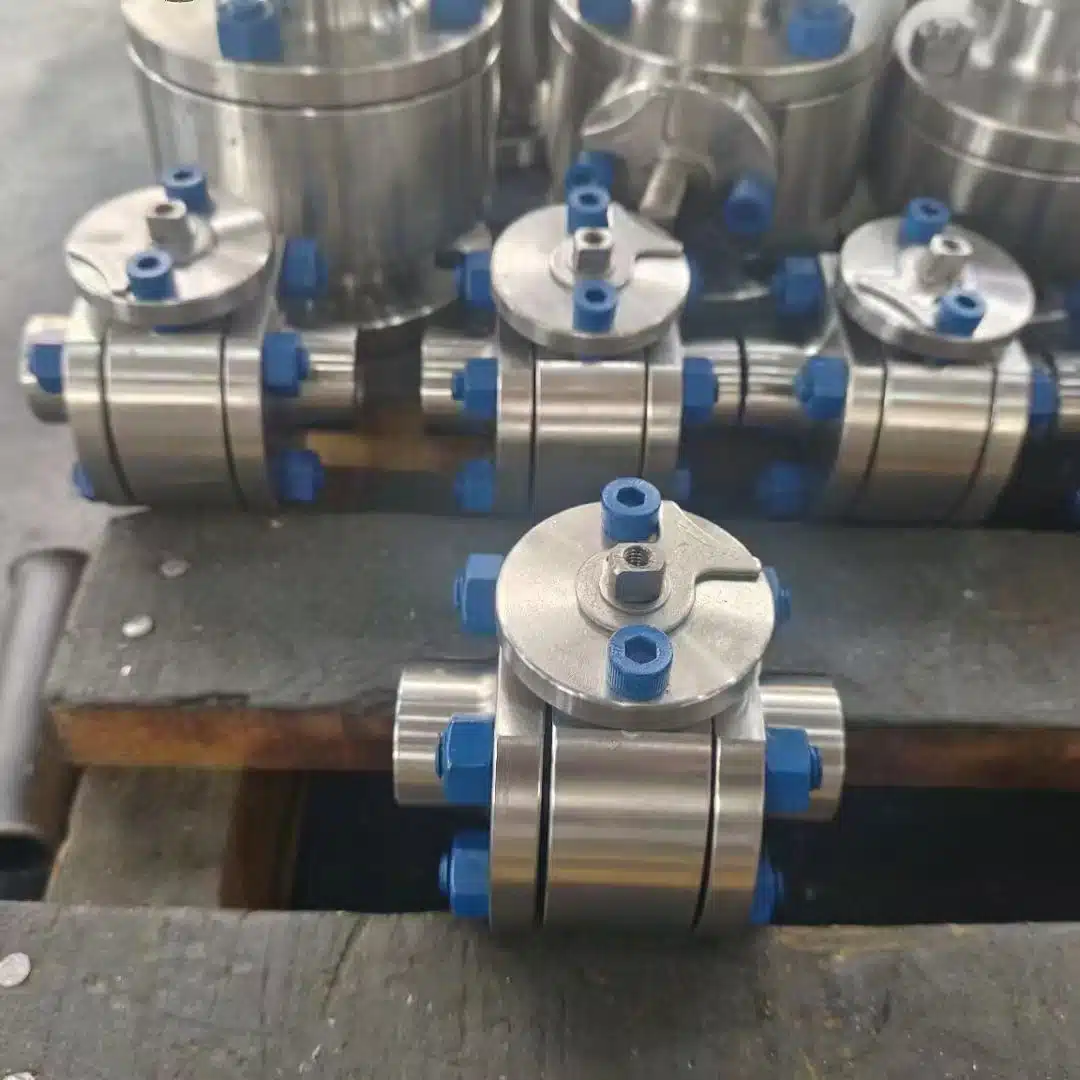
Applications in Hazardous Industries
Chemical processing and handling
Safety and efficiency are very important in chemical work. Anti-static ball valves help reduce harmful gas leaks. These leaks can be dangerous for people and the environment. Valves like chemical-resistant ones cut leaks by up to 95%. For example, Low-E valves, such as Bonney Forge’s Eco-Seal® valves, stop leaks well. Regular checks and better seals make them safer and more reliable.
Different valves are used for specific jobs in chemical work. The table below shows how they are used:
| Valve Type | What It Does |
|---|---|
| Globe Valves | Controls flow carefully |
| Gate Valves | Shuts off flow completely |
| Ball Valves | Turns flow on or off quickly |
| Butterfly Valves | Saves space with a light design |
| Diaphragm Valves | Handles strong, harmful liquids |
| Plug Valves | Seals tightly to stop leaks |
| Needle Valves | Adjusts flow for delicate tasks |
Using chemical-resistant ball valves keeps chemical work safe and follows safety rules.
Oil and gas operations
Oil and gas work deals with flammable materials in tough places. Anti-static ball valves stop sparks that could cause fires. These valves are made with fire-safe and rust-proof materials. This makes them last longer in harsh conditions.
The table below explains key features and why they matter:
| Feature | Why It’s Important |
|---|---|
| Explosion-proof designs | Stops fires by preventing sparks in risky areas. |
| Fire-safe materials | Keeps working during fires to avoid big problems. |
| Anti-static mechanisms | Lowers the chance of sparks in explosive places. |
| Corrosion resistance | Protects valves from damage in tough environments. |
| Double block and bleed (DBB) | Safely shuts off pipelines for maintenance without leaks. |
| Compliance with safety standards | Meets rules like ATEX or API 607 for safer operations. |
Using anti-static gas ball valves in oil and gas work makes it safer and follows industry rules.
Manufacturing and industrial plants
Anti-static ball valves make factories safer and more efficient. They improve flow control, saving energy and cutting costs. Better control also boosts productivity and product quality.
The table below shows how these valves improve efficiency:
| Efficiency Metric | How It Helps |
|---|---|
| Energy Consumption | Uses less energy by controlling flow better, saving money. |
| Process Control | Improves factory processes, making work faster and better. |
| Product Quality | Keeps flow steady, reducing mistakes and improving products. |
| Safety | Stops static electricity risks, lowering accidents and meeting safety rules. |
Adding anti-static features to gas ball valves makes factories safer and work smoother.
Other industries needing static control
Anti-static ball valves are important in places where static electricity causes problems. They are helpful in industries like food, cars, and shipping.
- Food and Beverage: Fast production lines often have issues with materials sticking. This happens because of static electricity. Anti-static ball valves stop this problem. They help work go smoothly and avoid delays. By stopping static, they also save money by reducing waste and downtime.
- Automotive: Painting cars needs clean and dust-free spaces. Static electricity pulls in dust, ruining paint jobs. Anti-static ball valves keep the area clean. This helps make cars look better and improves your brand’s image.
- Logistics and Warehousing: Online shopping has increased the need to protect electronics. Static electricity can harm these items during shipping. Anti-static ball valves stop static buildup. This keeps products safe and customers happy.
These industries use anti-static ball valves to work better and stay safe. For example, gas ball valves with anti-static features improve flow and stop sparks. This makes handling flammable gases safer and smoother.
Using anti-static ball valves solves static problems easily. Whether in food factories, car plants, or warehouses, these valves are reliable and helpful.
Tip: Use anti-static ball valves with gas ball valves for extra safety and better results in static-prone areas.
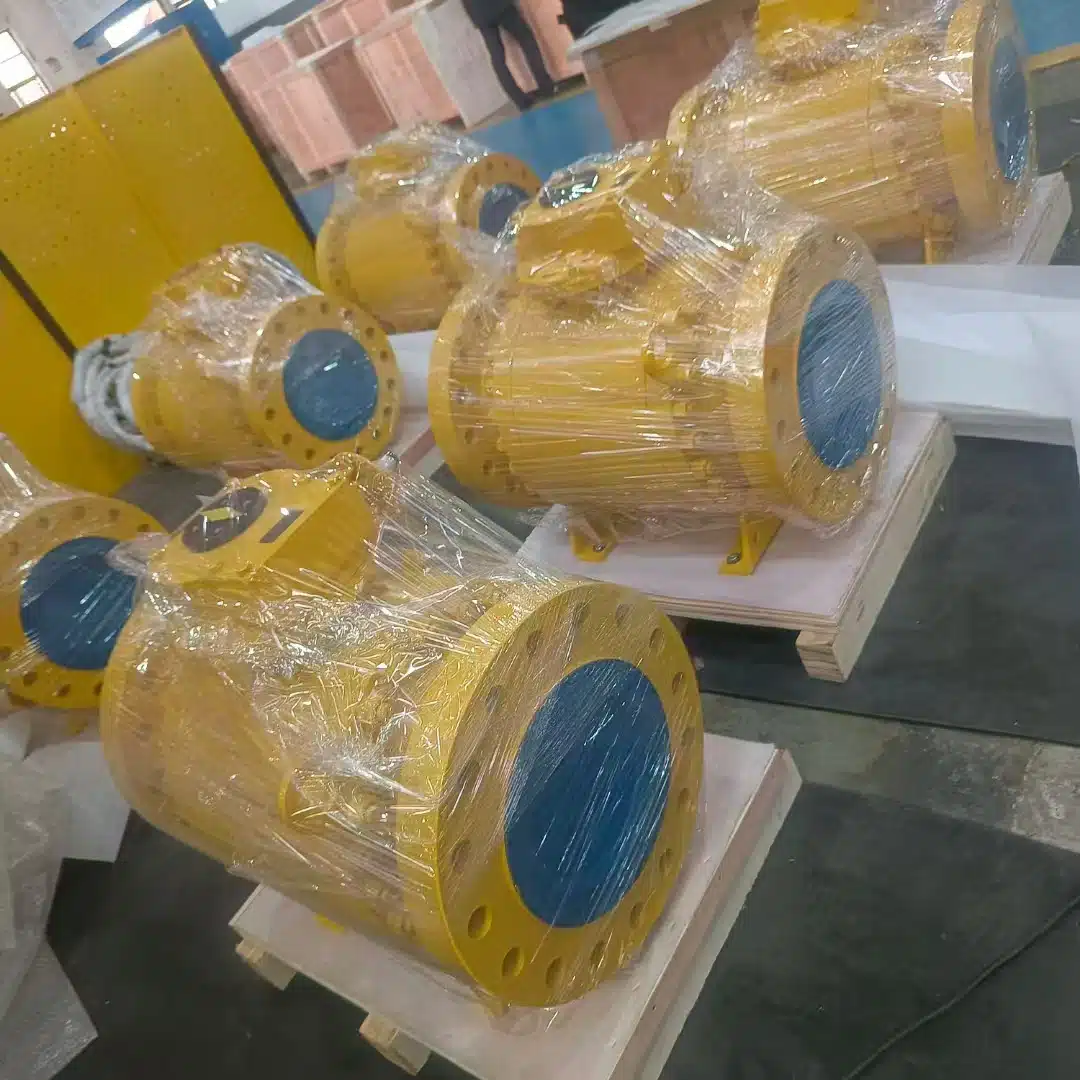
Dangerous places have special problems like static electricity and broken tools. Flammable materials also add risks. Anti-static ball valves solve these problems. They stop static, improve safety, and follow safety rules. Their strong build and use with gas ball valves make them very useful in risky areas.
The table below shows their main features and benefits:
| Feature | Benefit | Why It Matters in Dangerous Places |
|---|---|---|
| Anti-static parts | Remove static to stop sparks | Helps avoid fires in risky areas |
| Follows safety rules | Works well even during fires | Meets global safety rules like API 607 and ISO 10497 |
| Spring-loaded safety devices | Lower static risks for better safety | Important where flammable gases or dust are present |
Using anti-static ball valves keeps workers and tools safe. These valves make work easier, cut risks, and help things run smoothly. Choose anti-static ball valves now for a safer workplace.
