
When working with oil and gas pipelines, you need parts that work well, last long, and keep things safe. The benefits of using globe valves are significant, as they control flow and pressure, making them perfect for tough jobs. Their special design helps control flow easily, even when pressure is high.
Globe valves do more than just work well. They stop leaks and let you adjust flow accurately, keeping pipelines safe. As energy needs grow and oil and gas work increases, the benefits of using globe valves become even more apparent, as these valves are key for working efficiently. New smart valve technology also lets you check them in real-time, making them even safer and better.
Key Takeaways
- Globe valves manage flow and pressure well, perfect for pipelines.
- Their one-way design stops leaks and improves system work, saving money.
- The disc moves up and down to control flow accurately, keeping operations smooth.
- Globe valves are strong and handle high pressure and tough conditions, lasting longer.
- Picking the right materials and connections helps them work better and last longer.
Unique Design Features of Globe Valves
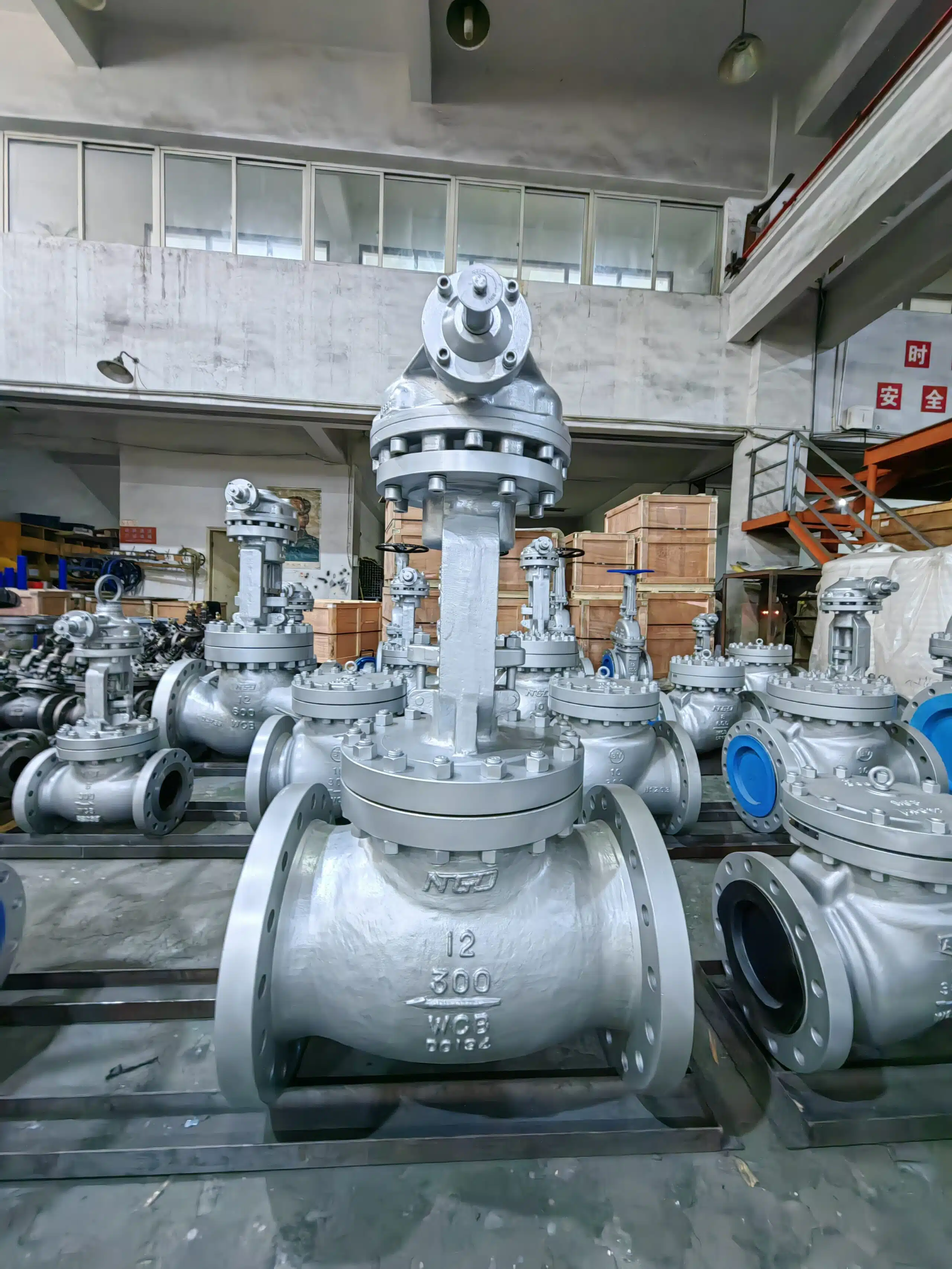
One-Way Flow for Better Efficiency
Globe valves are made to let fluid flow one way. This one-way flow helps the valve seal tightly, stopping leaks. The pressure from the fluid keeps the valve closed when needed. This design also protects the valve parts, making them last longer. It lowers repair costs too.
One-way flow stops fluid from going backward, which can cause problems. In oil and gas pipelines, this keeps things running smoothly. It also makes designing the system easier, so engineers like using globe valves.
Up-and-Down Disc Movement for Accurate Control
The disc in globe valves moves straight up and down. This movement lets you control how much fluid flows through. You can make small changes to the flow easily. This is great for jobs where exact control is important.
The up-and-down motion also seals the valve tightly when closed. This stops leaks and keeps the system safe. In high-pressure places like oil pipelines, this control saves energy and works well.
Low-Inlet High-Outlet Design for Better Performance
Globe valves have a low-inlet and high-outlet flow path. This design makes the fluid flow smoother and reduces turbulence. It also lowers pressure loss, saving energy and improving efficiency.
This design helps control flow better with less effort. In oil and gas pipelines, it keeps pressure steady and flow consistent. Even in tough conditions, this feature makes globe valves work reliably. That’s why they are a top choice for important jobs.
Globe Valve Advantages in Oil and Gas Pipelines
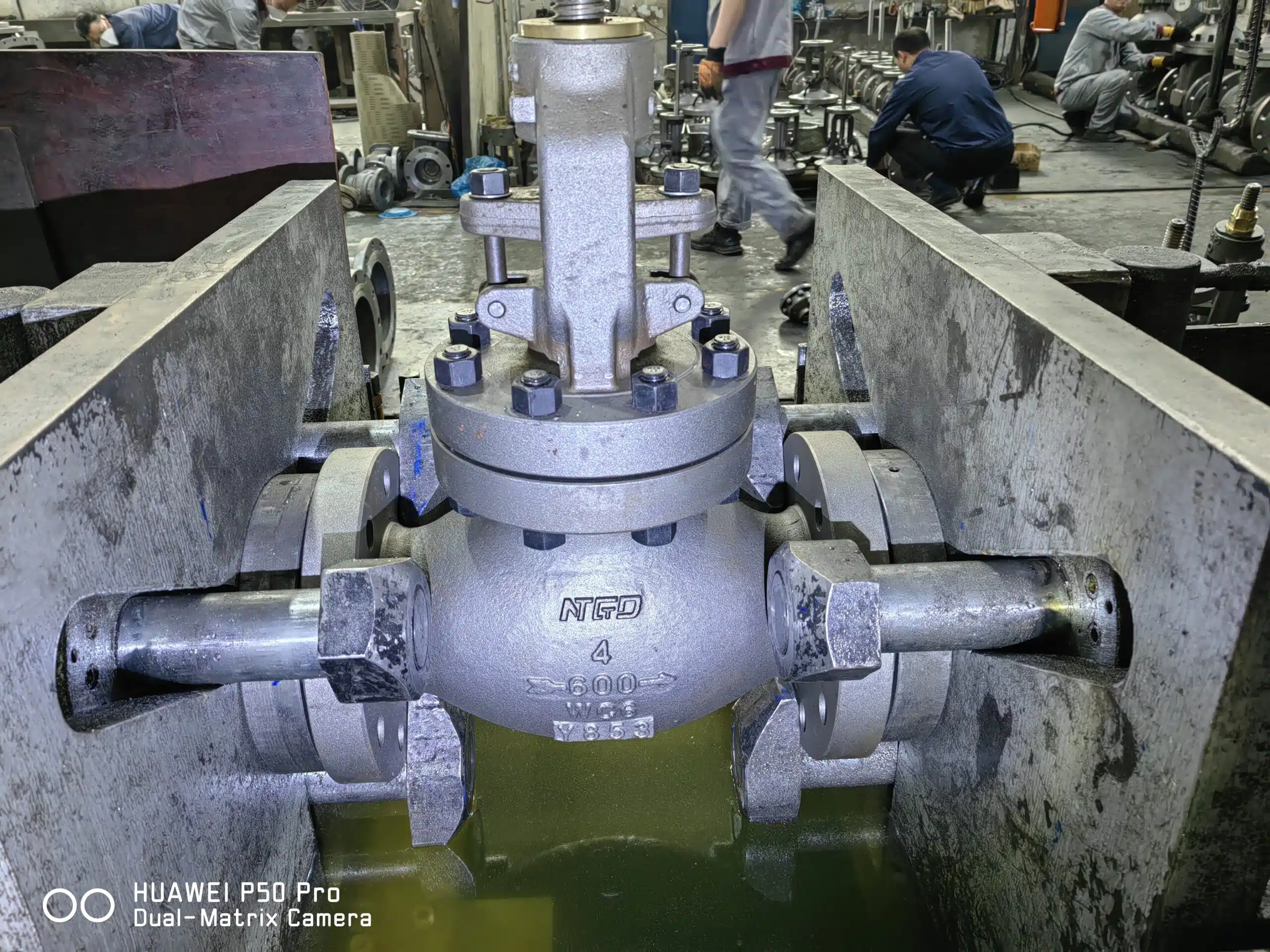
Precise Flow Regulation for Optimal Performance
Globe valves help control fluid flow very accurately. This makes them great for pipelines where steady flow is important. Their special design lets you adjust the flow rate easily. They work well in systems needing small changes, like steam or hydraulic setups.
- Globe valves are useful in chemical plants and water systems.
- They are strong and handle high pressure without breaking.
- Different sizes make them fit many jobs, showing their flexibility.
Using globe valves improves efficiency and saves energy, which helps pipelines run better.
Enhanced Sealing to Prevent Leakage
Globe valves seal tightly to stop leaks in pipelines. This keeps systems safe, even when pressure is high. The sealing parts are tested to meet strict rules, ensuring they work well.
| Test Name | What It Checks |
|---|---|
| API 622 | Tests how well valve packing stops emissions. |
| API 624 | Checks stem valves for low emissions over time. |
| API 641 | Tests quarter-turn valves for low emissions and durability. |
These tests prove globe valves are reliable for stopping leaks. With fewer leaks, systems stay strong and need less fixing.
Durability in High-Pressure and Extreme Conditions
Globe valves are tough and last in harsh environments. They work well with high pressure and extreme temperatures. Even with corrosive fluids, they stay strong and keep working.
The materials used in globe valves resist damage, making them last longer. This means fewer replacements, saving money and time. In oil pipelines, their strength and reliability are clear. Globe valves handle tough jobs and keep systems running smoothly.
Versatility for Different Uses and Fluid Types
Globe valves are great because they work in many industries. Their strong build and accurate flow control make them useful. They can handle jobs like cleaning water or making chemicals. Even in tough conditions, they work well and stay reliable.
One reason they are so useful is their throttling feature. This lets you control flow exactly, which helps systems run smoothly. Whether it’s steam, hydraulic fluids, or harsh chemicals, globe valves give you the control you need. They also work well under high pressure, making them perfect for hard tasks.
You can also automate globe valves with electric or air-powered devices. This makes them great for jobs needing constant adjustments, like in oil pipelines or factories. They come in many sizes, so they fit different systems easily.
The materials used in globe valves make them even better. Stainless steel and special metals help them handle heat, pressure, and harsh fluids. They last a long time, so you don’t need to replace them often. Whether it’s water, steam, or chemicals, globe valves do the job well.
Benefits of Using Globe Valves for Regulating Flow and Controlling Pressure
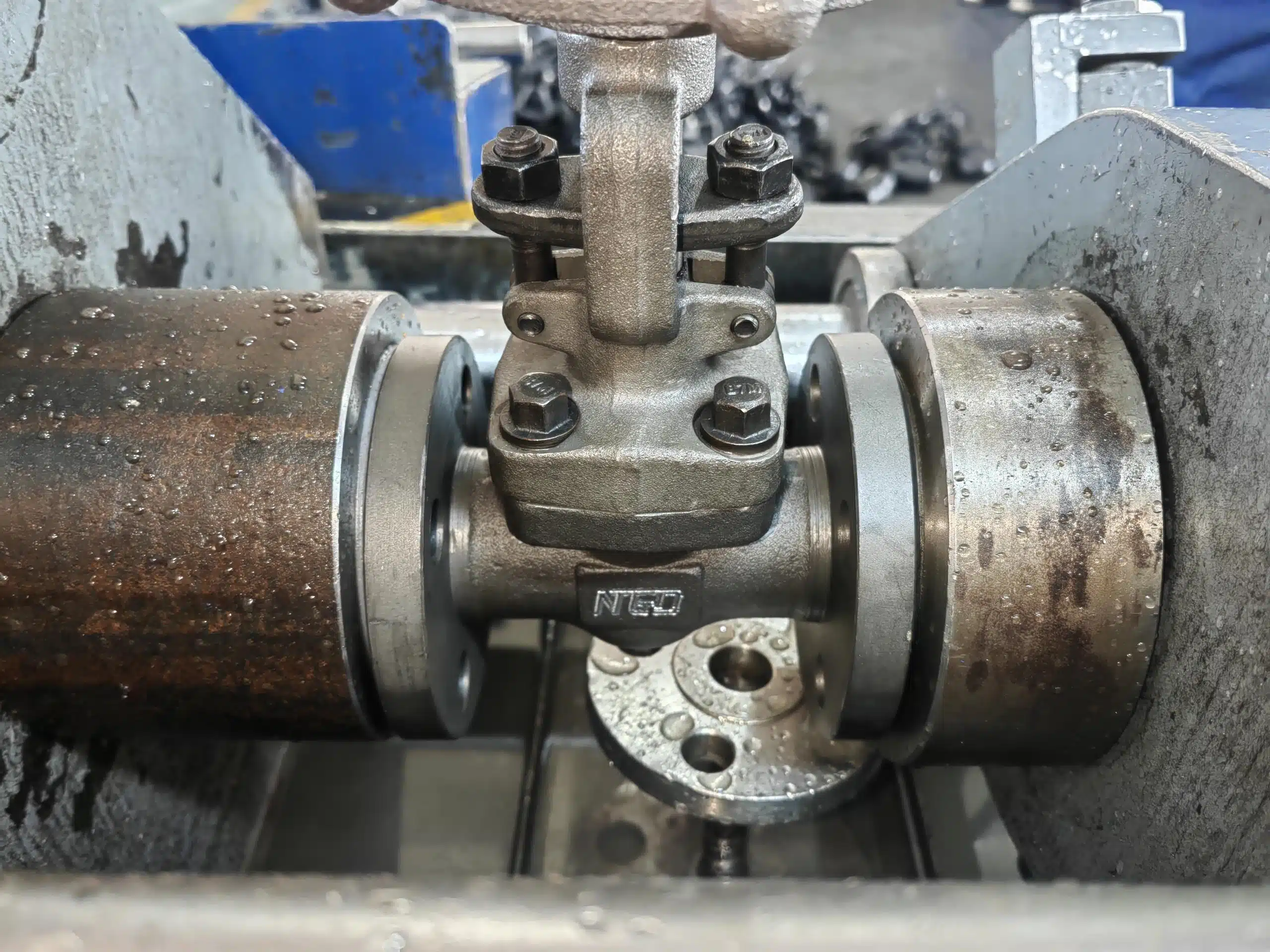
Easy Throttling for Better Flow Control
Globe valves are great for controlling flow because of their design. They have a moving disc or plug that helps adjust flow. This design lets you make small, accurate changes easily. Whether it’s steam, water, or other fluids, these valves work well. They are perfect for jobs needing steady and reliable flow control.
They perform well in important systems like turbines and cooling lines. For example, in power plants, globe valves keep flow rates steady and safe. Their tight sealing also stops leaks, which is very important in high-pressure systems.
Dependable Pressure Control in Pipelines
Globe valves are trusted for managing pressure in pipelines. Their design helps handle pressure changes, even in tough conditions. You can adjust them accurately to keep pressure stable. This is very important for oil and gas pipelines to work smoothly.
Digital tools make them even better by tracking valve positions and settings. This data helps you check how well they work and find problems. If the valve moves too often, it may need fixing to improve control.
Lower Pressure Drop for Better Efficiency
Globe valves are designed to reduce pressure drop, saving energy. At high flow rates, pressure drop can be as much as 73%. This shows how important valve design is for efficiency. At lower flow rates, the valve opening has little effect on pressure drop. This makes globe valves useful for many flow conditions.
By reducing turbulence, globe valves make fluid flow smoother. This saves energy and lowers costs while improving system performance. They work well with both high and low flow rates, making them a great choice for pipelines.
Practical Tips for Picking Globe Valves
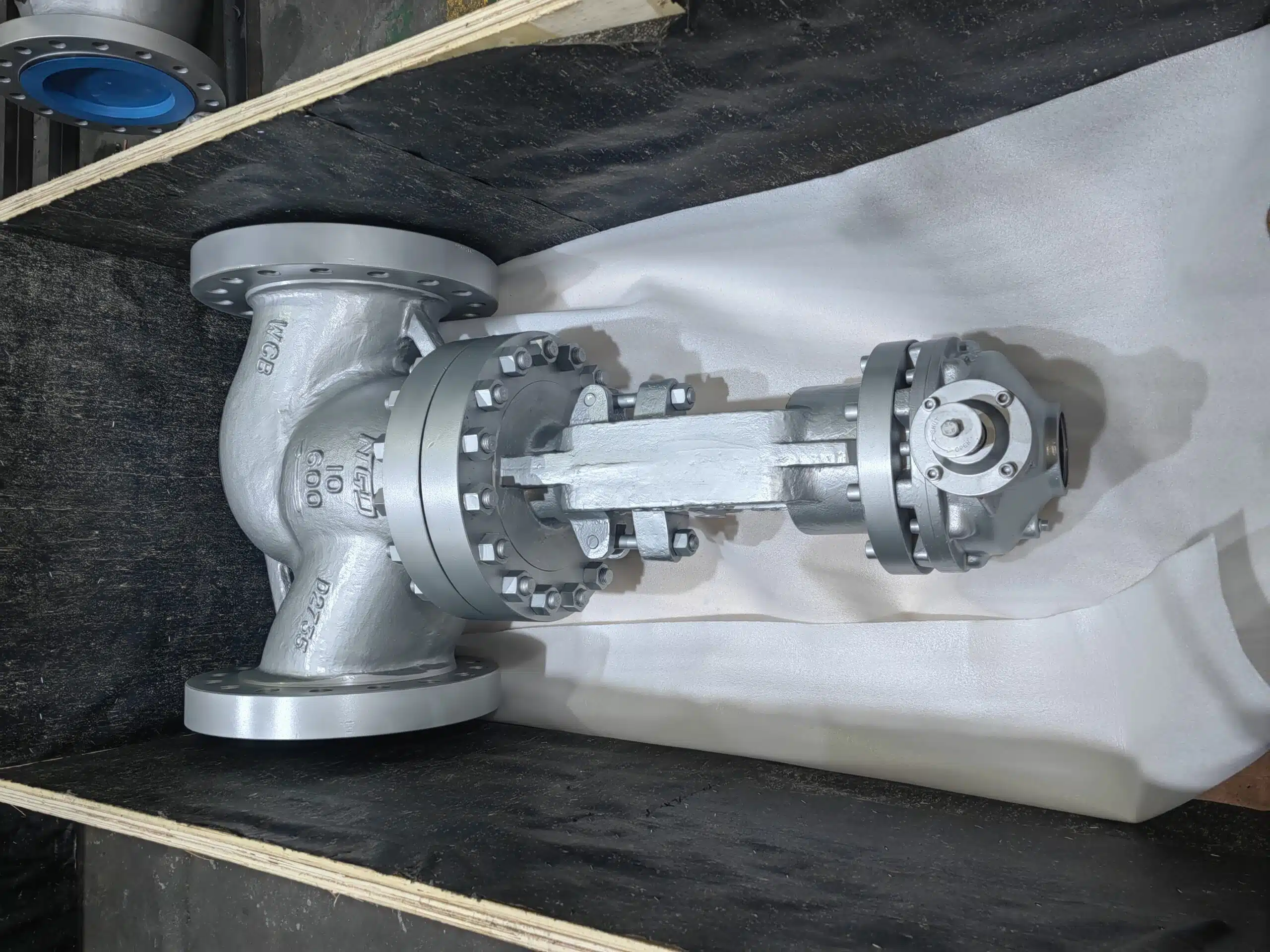
Picking Materials to Stop Corrosion
Choosing the right material for globe valves is very important. The material should stop rust, handle heat, and avoid contamination. In oil and gas pipelines, fluids often have strong chemicals. Stainless steel is a great choice because it resists rust and stays clean. It also works well in high heat, making it good for steam and chemical systems.
For high-pressure jobs, forged steel is strong and saves money. It handles tough conditions, lasts longer, and needs less fixing. Carbon steel is cheaper and works well for medium heat and pressure. It balances strength and cost.
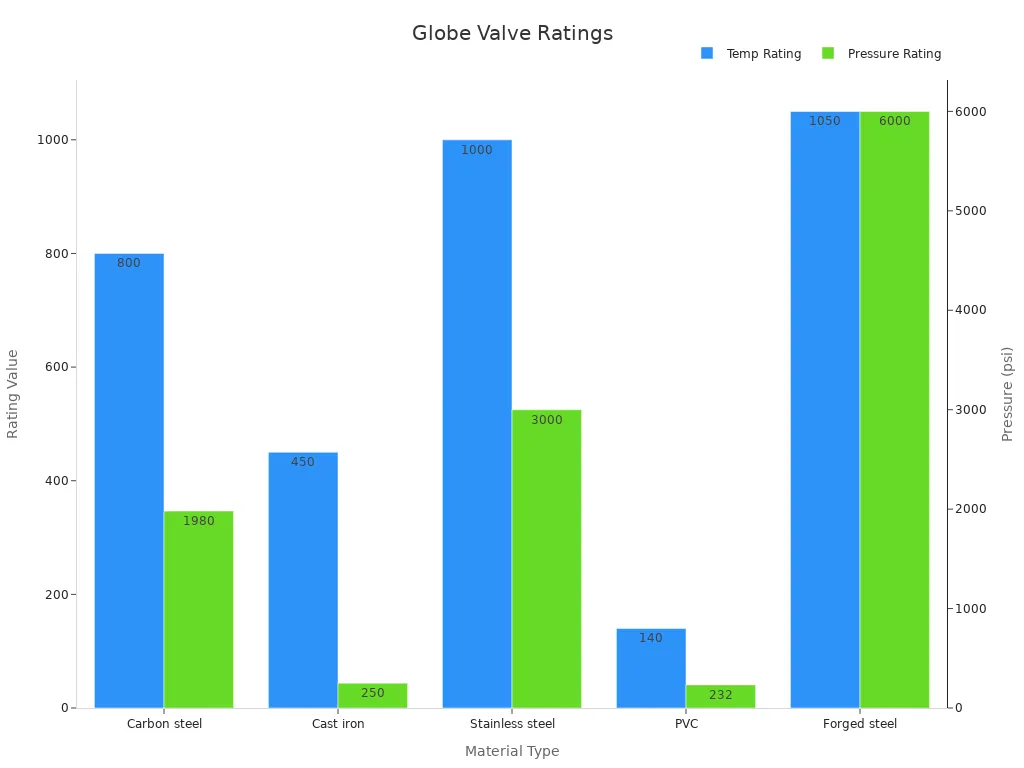
Here’s a table showing how common materials perform:
| Material | Features | Max Temperature | Max Pressure |
|---|---|---|---|
| Carbon steel | Strong and affordable; good for medium to high heat. | Up to 800°F | Up to 1980 psi |
| Cast iron | Strong enough for low pressure; low cost. | Up to 450°F | Up to 250 psi |
| Stainless steel | Stops rust; great for harsh chemicals. | Up to 1000°F | Up to 3000 psi |
| PVC | Light and rust-proof; not for high heat or pressure. | Up to 140°F | Up to 232 psi |
| Forged steel | Very strong; great for high-pressure jobs. | Up to 1050°F | Over 6000 psi |
Checking Pressure Ratings for Your Pipeline
Pressure ratings show if a valve can handle your system’s needs. High-pressure systems need strong valves made of forged or stainless steel. These materials keep the valve working well in tough conditions.
If your system has changing temperatures, think about how pressure and heat affect each other. For example, steam systems need valves that resist wear and cracking. Following rules like NACE MR0175/ISO 15156 ensures the valve works in harsh environments.
Choosing End Connections That Fit
End connections are key for installing valves properly in your system. Flanged connections are popular in oil and gas because they are reliable and easy to fix. For high heat or pressure, butt-welded connections are strong and secure.
Compact systems can use wafer or lug connections to save space. Socket-welded connections are good for small pipes and reduce contamination risks. Here’s a table of common connection types:
| Connection Type | What It’s Good For |
|---|---|
| Screwed or Threaded | Used in instruments or sample points |
| Flanged | Most common for pipelines |
| Butt Welded | Great for high-pressure or high-temperature systems |
| Socket Welded | Works for small pipes where threads aren’t allowed |
| Wafer and Lug | Saves space in tight systems |
Picking the right connection makes installation easier and helps your system work better.
Globe valves are very useful in oil and gas pipelines. Their special design helps control flow, stop leaks, and last long. These qualities make them important for keeping systems safe and working well. As valve technology improves and demand grows, globe valves may be worth USD 12.36 billion by 2024. This shows how vital they are for safety rules and better pipeline performance.
If you need a strong, safe, and efficient option, globe valves are a great pick for pipelines.
