
You use floating ball valves to control liquid or gas flow. These valves have a ball that “floats” to seal tightly. This stops leaks when the valve is closed. Over time, their designs have greatly improved. Makers now use strong, lightweight plastic materials for better valves. 3D printing helps create detailed designs for better performance. Simulation tools make valves work more efficiently. IoT technology has improved safety and made automation easier. These changes make floating ball valves very important for reliable industries.
Key Takeaways
- Floating ball valves manage liquid and gas flow well, stopping leaks with tight seals.
- New materials like stainless steel make them stronger and long-lasting.
- These valves handle high pressure and tough conditions easily.
- Automation lets people control valves from far away, making work safer and faster.
- Better seals stop leaks, keeping systems safe and running longer.
- Smart tech helps watch valves in real time to plan repairs early and prevent problems.
Early Designs of Floating Ball Valves
Basic Structure and Functionality
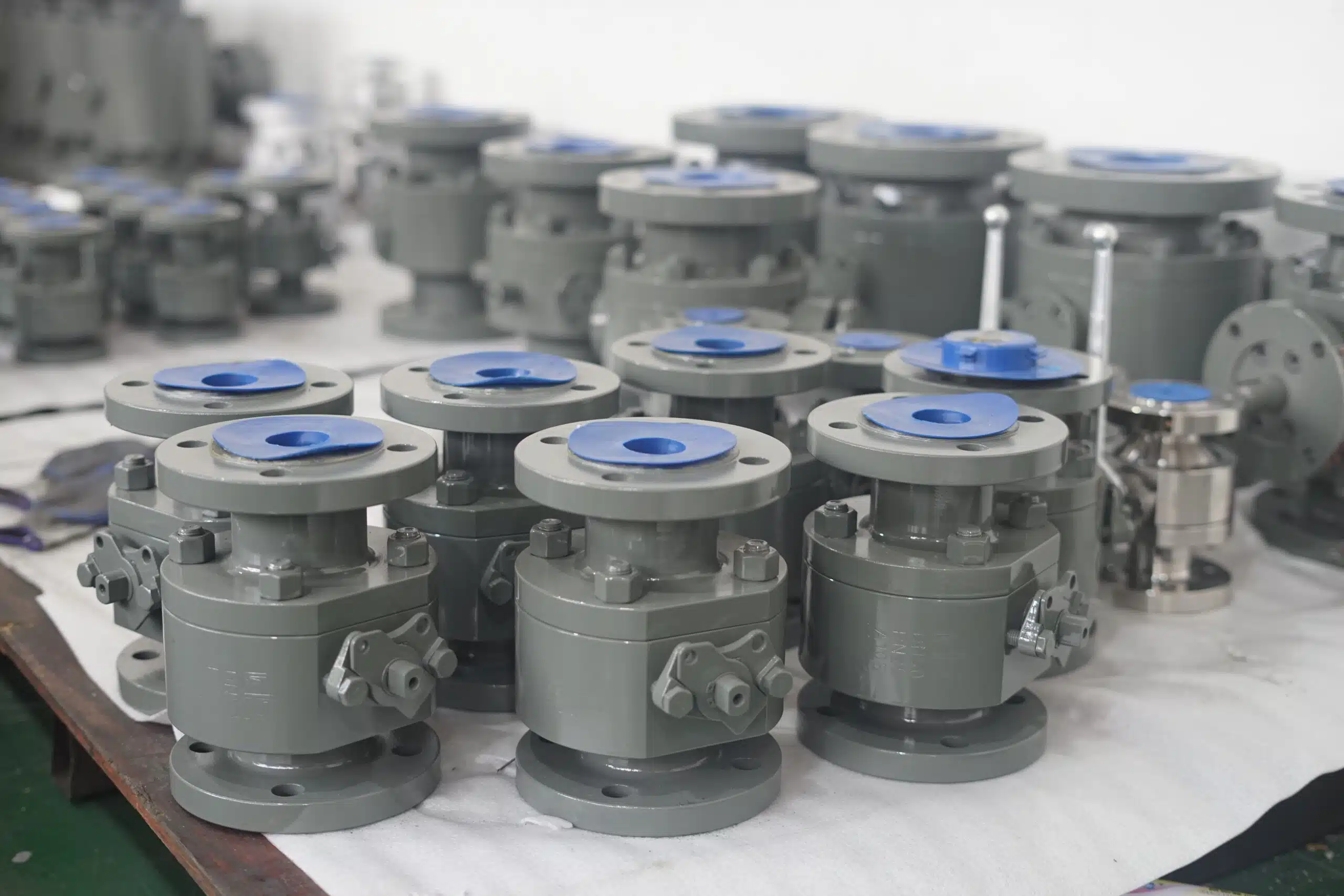
Early floating ball valves were very simple. Inside the valve, there was a round ball. This ball controlled the flow of liquids or gases. A hole went through the center of the ball. Turning the handle moved the ball to line up the hole with the pipe. This let the liquid or gas flow through. Turning the handle the other way stopped the flow. This design was easy to use and fix.
The ball could move slightly inside the valve. This small movement helped it press against the valve seats. This created a tight seal to stop leaks. But these valves needed to be operated by hand. This made them hard to use in complicated systems.
Materials and Manufacturing Methods
At first, makers used materials like brass, bronze, and cast iron. These materials were easy to find and lasted a while. But they could rust or wear out over time. This was worse when exposed to strong chemicals or high heat.
The way they made the valves was also basic. Workers used casting and machining to shape the parts. These methods worked but were not very precise. This caused some valves to perform poorly and wear out faster.
Limitations of Early Designs
Early floating ball valves had many problems. They couldn’t handle high pressure well. The materials were not strong enough for tough conditions. This caused them to break often. The seals were not as good as today’s, so leaks happened a lot. This made systems less efficient.
Another problem was the lack of automation. You had to turn the valves by hand. This made them bad for industries needing exact control or remote operation. These issues showed the need for better designs. This led to the advanced valves we have now.
Key Innovations in Floating Ball Valves
Stronger Materials for Longer Use
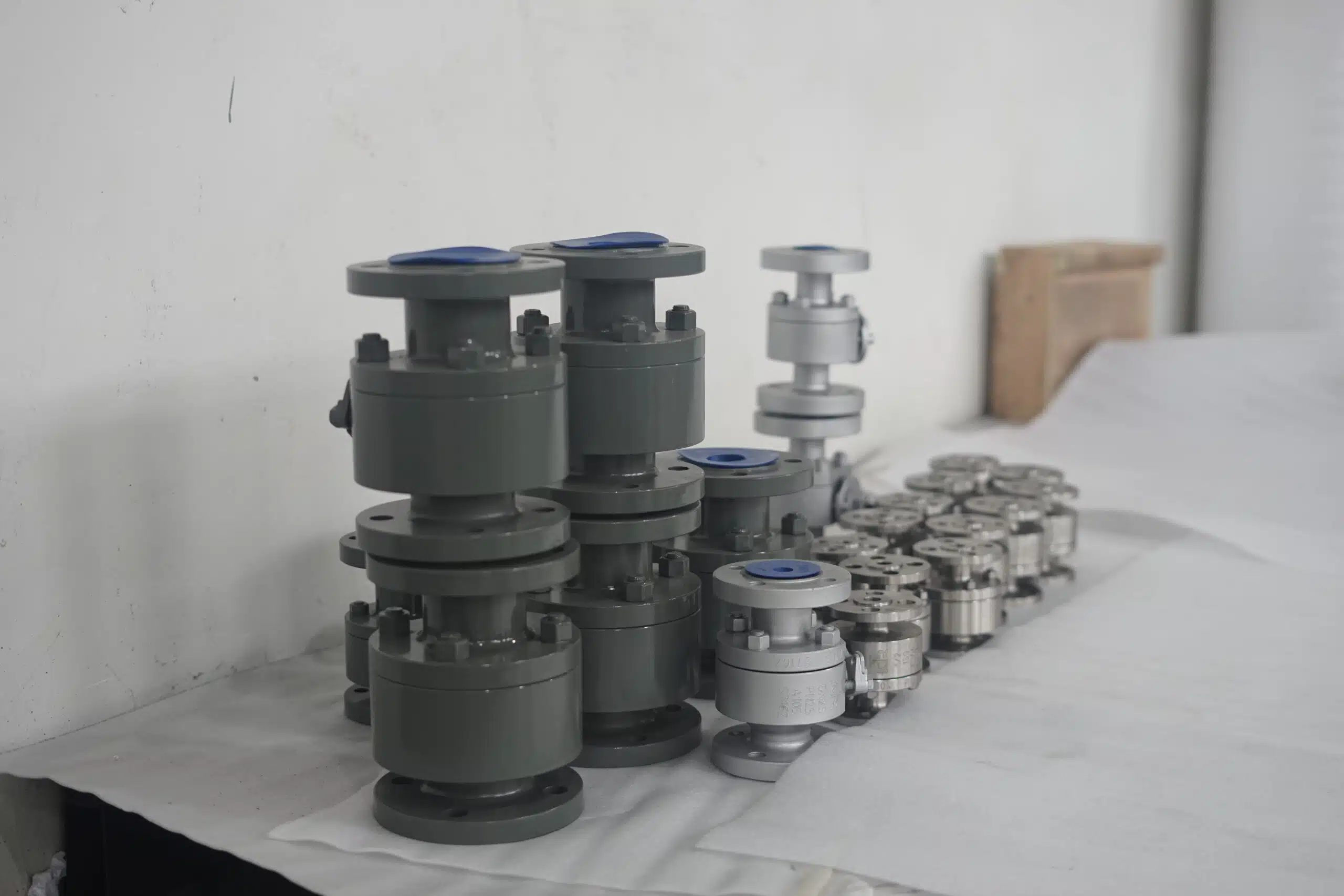
Floating ball valves last longer with better materials. Now, they are made from strong metals like super duplex stainless steel and Inconel. These metals don’t rust and can handle high pressure. This makes them perfect for tough jobs. For example, in shale gas fracking, the flow is rough. Using these strong metals makes valves last 50-60% longer.
In LNG (liquefied natural gas) plants, special designs are used. Split floating ball valves with thermal relief systems work well in freezing conditions. At Australia’s Prelude FLNG facility, valves made from strong alloys handle over 20,000 psi pressure. This shows how new materials make valves reliable in extreme situations.
NTGD uses these advanced materials in their valves. This ensures their valves work well, even in the hardest tasks.
Better Sealing to Stop Leaks
Sealing in floating ball valves has greatly improved. Old valves often leaked, but new designs fix this. Modern valves use spring-loaded seats and self-lubricating seals. These features stop leaks, even with changing pressure or temperature.
For industries using dangerous chemicals, better seals are very important. They stop leaks that could hurt people or the environment. NTGD’s valves have these advanced seals. This keeps systems safe and running smoothly. Fewer leaks mean less downtime and better efficiency.
Adding Automation for Easy Control
Automation has changed how floating ball valves work. Today’s valves connect to control systems, so you can use them remotely. This is helpful in places like oil and gas fields, where manual control is hard or unsafe.
For example, the Neles Easyflow™ J4 series has automation features. Tests show these features improve how valves work. In labs for pulp and biorefinery, automated valves have been tested and proven effective.
Automation also improves safety. In city water systems, automated valves stop overflows during heavy rain. In smart farms, they adjust water flow to save water and grow healthier crops.
NTGD adds automation to their valves, giving you better control. These valves improve safety and cut costs by working more efficiently.
Enhanced Safety Features
Safety is very important when using floating ball valves. New designs have features to stop accidents and work reliably. These updates handle risks from high pressure, dangerous chemicals, and extreme heat or cold.
One key feature is the Double Block and Bleed (DBB) system. It separates pipe sections and removes trapped fluids. This stops leaks during repairs, keeping workers and tools safe. Another helpful feature is leak detection ports. These let you check for leaks quickly. Finding leaks early helps fix problems before they get worse.
Modern floating ball valves follow strict safety rules. For example, valves with API 607 certification stay strong during fires. They stop leaks even in emergencies. Valves meeting ISO 15848 are tested to work well in risky places. These certifications show how much safety matters in valve design.
Here’s a simple table of today’s safety features:
| Safety Feature | What It Does |
|---|---|
| Double Block and Bleed (DBB) | Separates pipes and removes trapped fluids, stopping leaks during repairs. |
| Leak Detection Ports | Helps find leaks early, so problems can be fixed quickly. |
| Compliance with API 607 | Keeps valves strong and leak-free during fires, ensuring safety. |
| Compliance with ISO 15848 | Tests valves to work safely in dangerous environments, improving reliability. |
Many floating ball valves also meet global safety standards. For example:
- Dombor’s valves follow rules like API6D, API609, API607, API6FA, SIL3, ATEX, CE, ISO9001, ISO14001, ISO18001, and ISO15848-1.
These rules make sure valves are safe and dependable for tough jobs.
With these safety features, floating ball valves lower risks. They protect your systems, keep workers safe, and give you peace of mind.
Modern Advanced Floating Ball Valve Designs
Smart Technology Integration
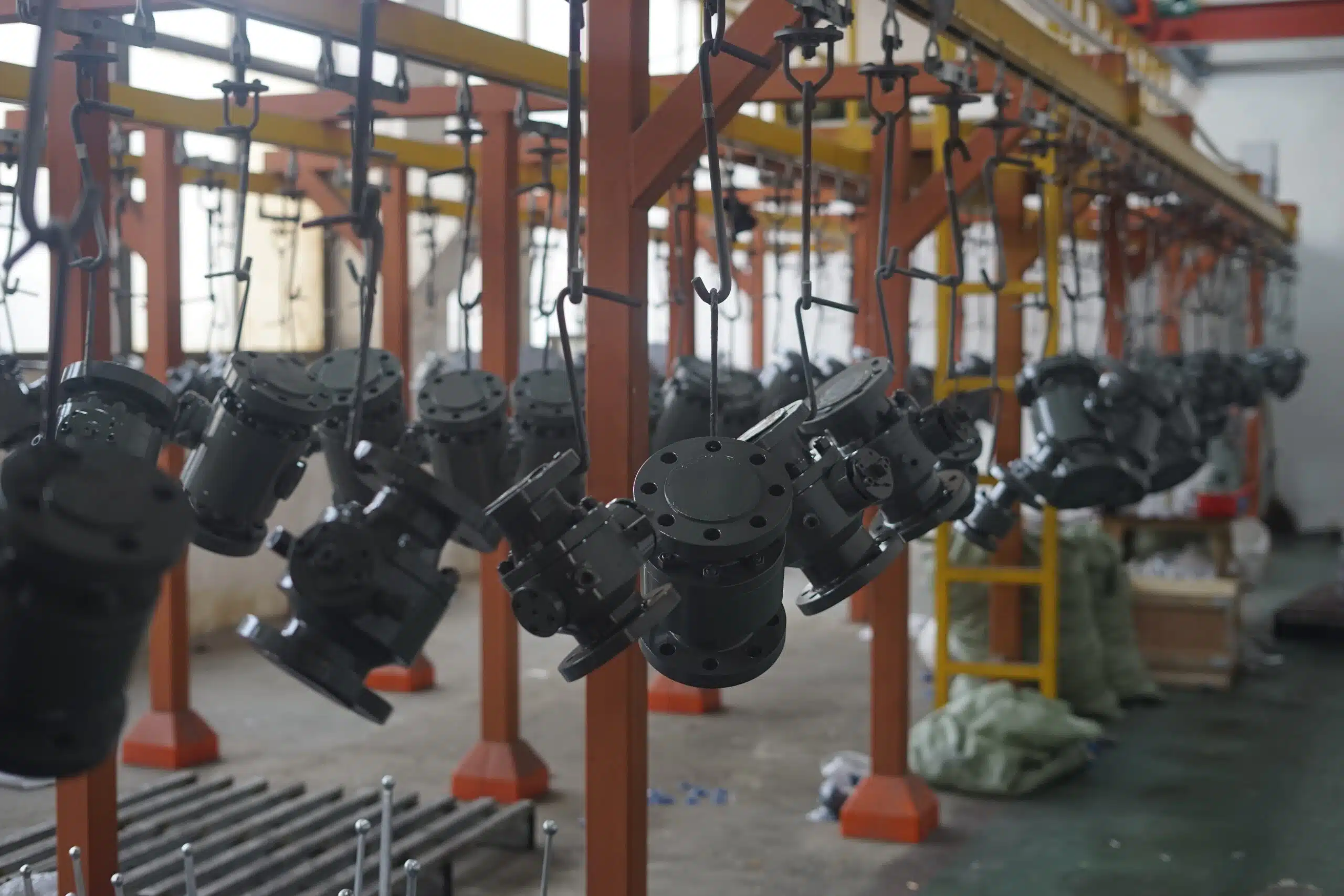
Smart technology has changed how floating ball valves work. IoT systems now allow real-time monitoring and control. You can check pressure, flow, and valve conditions from anywhere. This helps prevent problems before they cause downtime.
Modern valves have smart sensors that track performance all the time. These sensors predict when maintenance is needed, avoiding sudden failures. This saves both time and money. Also, eco-friendly materials in these valves reduce friction. This makes them last longer and meet strict environmental rules.
Here’s a table showing how smart technology improves floating ball valves:
| Feature | Benefit |
|---|---|
| Smart Sensors | Tracks performance and predicts maintenance needs early. |
| Eco-friendly Materials | Lowers friction, lasts longer, and meets emission standards. |
| IoT Integration | Allows remote monitoring and control, saving time and costs. |
| Real-time Data Monitoring | Gives updates on pressure, flow, and valve health for better upkeep. |
| Safety Improvements | Prevents leaks and boosts safety in critical industries. |
Using smart technology ensures systems run smoothly while cutting risks and costs.
Enhanced Durability and Corrosion Resistance
Modern floating ball valves are made to last in tough conditions. Strong materials like stainless steel, Inconel, and titanium alloys are now used. These materials resist rust and handle high pressure, making them great for oil, gas, and marine industries.
Research shows big improvements in corrosion resistance. For example:
- Coated stainless steel slows corrosion from 0.017 mpy to 0.007 mpy.
- TiSiN films on titanium alloys reduce tiny defects, improving durability.
- Copper in NiTiCu alloys boosts resistance to wear and tear.
These upgrades mean valves last longer and need fewer replacements. Less damage also means lower maintenance costs, making them a smart choice for hard jobs.
Specialized Designs for Industrial Applications
Industries need floating ball valves for specific tasks. Special designs handle extreme heat, high pressure, or toxic environments. For example, floating stem designs lower torque and protect seals. This makes them ideal for toxic or high-use systems.
Quarter-turn valves give precise flow control and tight shutoff. They work well in medium-pressure systems. Other valves are made for freezing temperatures or high-pressure steam. These are used in industries like aerospace, nuclear power, and biotech.
Here’s a table of specialized valve designs:
| Design Type | Benefit | Common Uses |
|---|---|---|
| Floating Stem Design | Lowers torque, protects seals, and prevents leaks. | Toxic and high-use systems |
| Quarter-turn Control | Precise flow control and tight shutoff for medium pressure. | Many industrial systems |
| Specialty Designs | Handles freezing or high-pressure steam conditions. | Aerospace, nuclear, biotech, and more |
These designs help floating ball valves meet industry needs, ensuring safety and reliability.
Energy Efficiency and Environmental Considerations
Modern floating ball valves help save energy and protect the environment. Industries need to waste less, lower emissions, and work sustainably. These valves play a big role in achieving these goals.
Why Energy Efficiency Matters
Energy-efficient floating ball valves use less power to work. Tight seals stop leaks of water, gas, or oil. This saves energy needed to pump or process materials. For example, a leaky valve wastes flow media and increases energy use. Advanced seals fix this problem and make systems more efficient.
Saving energy also saves money. Imagine a factory with many valves. If each valve works better, the total energy savings are huge. Over time, this lowers costs and makes operations more sustainable.
Environmental Benefits of Modern Designs
Modern valves last longer and need fewer replacements. This reduces waste from making and throwing away old valves. Strong materials and eco-friendly coatings stop rust and wear, extending their life.
Stopping leaks also helps the environment. Leaky valves can release harmful gases into the air. Advanced seals prevent this, protecting nature and public health. This is very important for industries using dangerous chemicals.
How These Innovations Impact You
Using energy-efficient valves saves money and helps the planet. These valves support global efforts to cut emissions and work sustainably. Whether you manage water systems, oil plants, or farms, these designs help you meet your goals responsibly.
Here are key benefits of modern floating ball valves:
- Lower Energy Consumption: Tight seals save power by stopping leaks.
- Reduced Emissions: No leaks mean fewer harmful gases escape.
- Longer Lifespan: Strong materials make valves last longer.
- Cost Savings: Saving energy and replacing valves less often cuts expenses.
Modern floating ball valves solve energy and environmental problems. They are vital for industries aiming to work smarter and greener.
Benefits of Advanced Floating Ball Valve Designs
Better Performance and Dependability
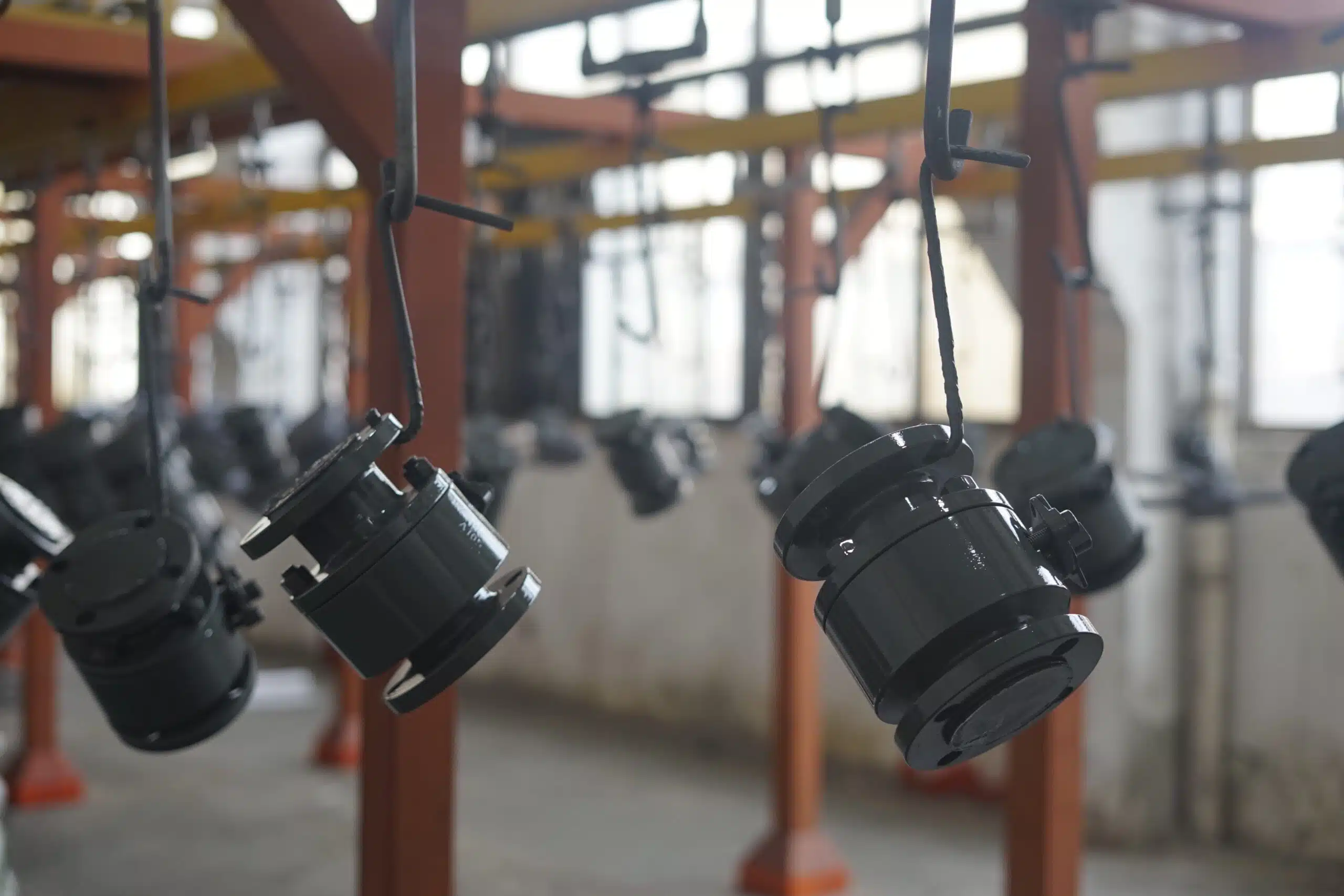
Modern floating ball valves work better and last longer. They are made with strong materials like stainless steel and Inconel. These materials resist damage and work well in tough conditions. The valves can handle high pressure, harsh chemicals, and extreme temperatures without failing.
Improved seals are another big advantage. They stop leaks and keep flow steady. This helps systems run smoothly with fewer interruptions. Whether you run a water plant or an oil refinery, these valves keep things working efficiently.
Improved Safety and Lower Risk of Problems
Safety is very important in industries, and these valves help a lot. Features like Double Block and Bleed (DBB) systems and leak detection ports catch problems early. This protects workers and equipment from accidents caused by leaks or pressure issues.
Modern valves meet strict safety rules like API 607 and ISO 15848. These rules ensure the valves stay strong during emergencies like fires or chemical spills. Using these ball valves lowers the chance of failures and makes workplaces safer.
Higher Efficiency in Industrial Work
Advanced floating ball valves make industrial systems more efficient. They control flow precisely and stop leaks, saving energy and money. For example, in food factories, these valves cut energy use by 60% because of less pressure loss.
Here’s how different industries gain from these valves:
| Industry | Efficiency Benefit | Result |
|---|---|---|
| Food and Beverage | 60% less energy use | From reduced pressure loss |
| Chemical | 700% higher production rates | After installing NTGD valves |
| Water Treatment | Lower energy use and costs | Better system performance |
| Pharmaceutical | Better quality control in drug making | With precise flow management |
These upgrades boost productivity and support eco-friendly practices. By using these valves, you help create a greener and more efficient future.
Broader Use in Many Industries
Modern floating ball valves are used in many industries. They are strong, safe, and control flow well. These features make them a top choice for various jobs. You can find them in water treatment, food production, oil and gas, and medicine.
In water systems, these valves stop leaks and control flow. They keep water clean and handle wastewater safely. Automated valves with smart sensors check systems in real time. This helps avoid problems and improves how systems work.
The food industry also uses these valves. They seal tightly to stay clean and stop contamination. They handle high-pressure cleaning and keep flow steady during production. This helps keep food safe and meet strict rules.
In oil and gas, these valves handle tough conditions. They work well under high pressure and heat. They safely move oil and gas through pipelines. They are easy to fix and save money, making them great for this industry.
Studies show more industries want these valves because of new technology. IoT systems make them safer and more efficient. This shows how useful they are in today’s industries.
Whether you run a water plant, food factory, or oil rig, these valves work well. They fit many jobs and are important for different industries.
Floating ball valves have changed a lot over time. They started as simple tools but are now advanced and powerful. New designs, like GROVE IST seat technology, make them better. These designs help seal tightly, last longer, and use fewer parts. This makes them safer and more efficient for industries like offshore oil and gas. Using these new valves means systems work better and more reliably. Today, floating ball valves are key to creating strong and eco-friendly industrial systems.
