
Gate valves are very important in managing water and wastewater. They help control water flow, stop leaks, and keep it steady. They are strong and work well even with high pressure.
- By 2024, gate valves might make up 22% of the U.S. water valve market, showing how useful they are.
- Spending on water systems is increasing because of rules and the need for better water access.
These valves also help adjust pressure exactly, making them key for handling water systems properly.
Key Takeaways
- Gate valves help control water flow and stop leaks in systems.
- Checking and oiling them often keeps them working longer.
- New tech, like smart valves with sensors, makes work easier and cuts repairs.
Understanding Gate Valves
How Gate Valves Work
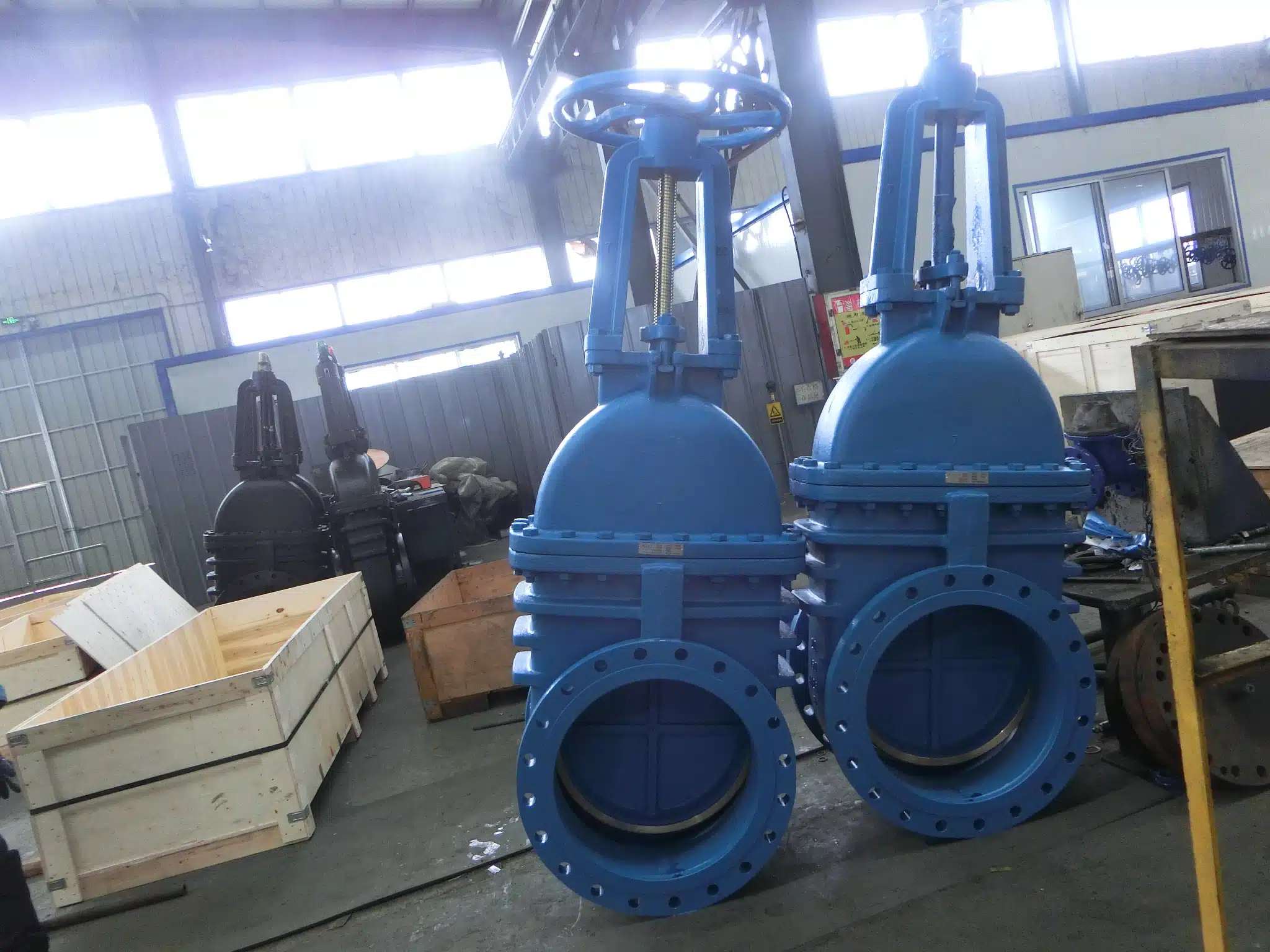
Gate valves help control water flow in pipes. They work by lifting or lowering a gate to start or stop water. When fully open, the gate moves out of the way. This lets water flow freely without blocking it. This design reduces turbulence and keeps water moving smoothly.
There are different ways to operate gate valves. Each type fits specific needs. The table below shows these methods:
| Operating Mechanism | Description |
|---|---|
| Manual Operation | Needs physical effort to turn a handwheel or lever. Simple and dependable. |
| Electric Actuators | Uses an electric motor for faster and more accurate control. |
| Pneumatic Actuators | Uses air pressure for quick action, good for risky areas. |
| Hydraulic Actuators | Uses hydraulic pressure for strong and precise control, great for big valves. |
Knowing these options helps you pick the right valve for your system.
Key Features of Water Gate Valves
Water gate valves have special features that make them very useful. Here are some important ones:
- Low pressure loss: When fully open, water flows easily with no blockages.
- Stops flow both ways: They can block water in either direction for better control.
- Long-lasting: Built to resist damage from rust and wear, even in tough conditions.
- Correct sizing: Choosing the right size for the pipe avoids flow problems and keeps things running well.
These features make water gate valves a dependable choice for controlling water in many systems.
Applications of Gate Valves in Water and Wastewater Systems
Water Distribution Systems
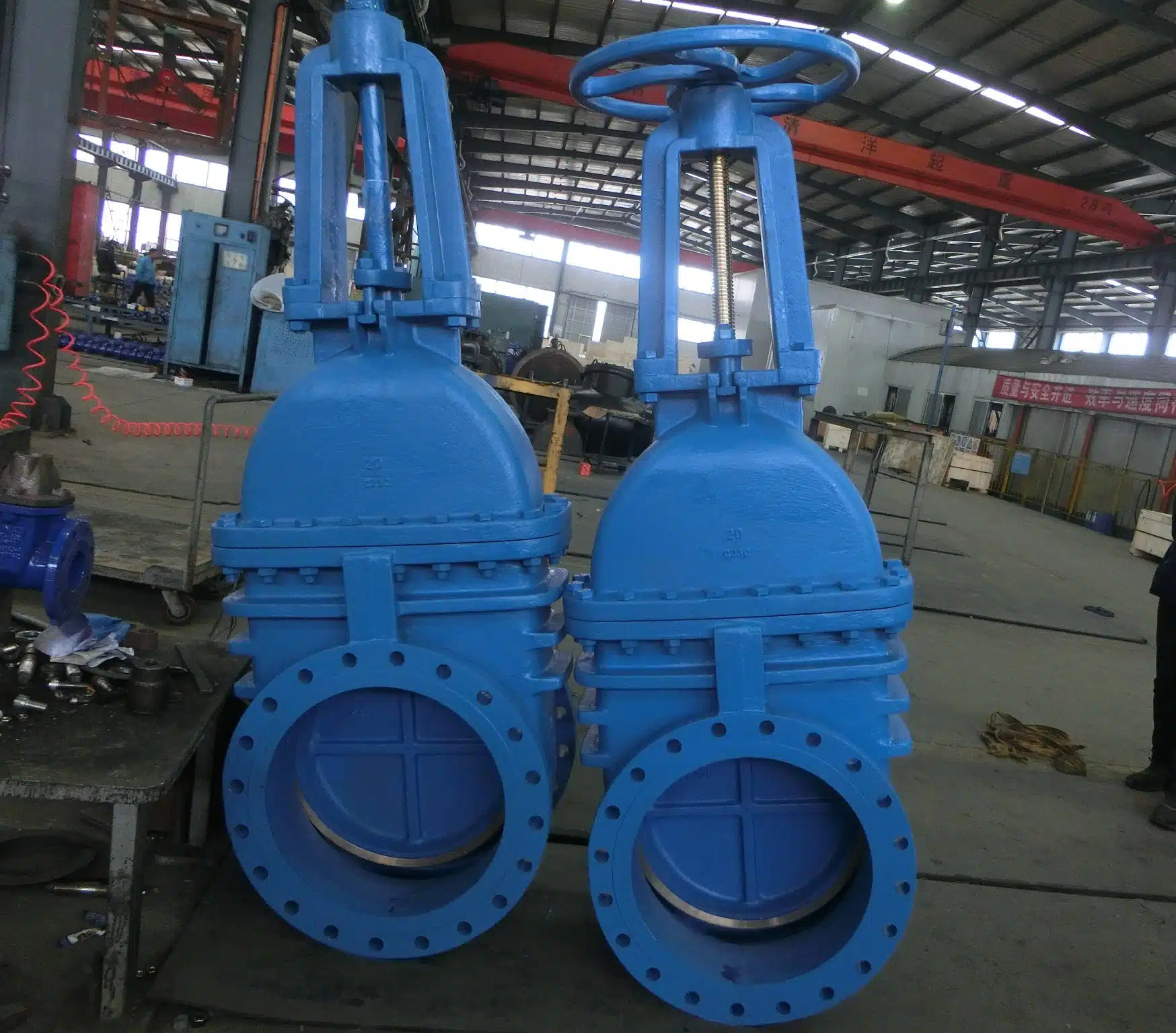
Gate valves are important for city water systems. They help control water flow to homes and businesses. Their straight design lets water move easily without slowing down. These valves work well in high-pressure systems, keeping water steady and smooth.
Older plumbing systems often use gate valves because they last long. They are easy to fix and maintain. These valves are also great for systems needing exact water control. They can fully stop water flow to prevent leaks and save water.
Wastewater Treatment Processes
Gate valves are very useful in cleaning wastewater. They can close off parts of the system for repairs or emergencies. They handle thick liquids well, making them perfect for wastewater jobs. Newer designs use less energy, saving money and effort.
These valves last a long time in tough wastewater plants. They resist damage from wear and tear, staying reliable. Their durability makes them a smart and cost-saving choice for these systems.
Specialized Uses: Sludge Treatment and Emergency Cut-Offs
Gate valves are great for handling thick sludge. Their design works well with sticky materials, keeping things running smoothly. In emergencies, they quickly stop water flow to avoid problems. This is very important in water and wastewater plants.
They are also used in power plants and mines. These places need strong valves for tough jobs. Using gate valves in these areas improves system performance and reliability.
Benefits of Gate Valves
Durability and Longevity
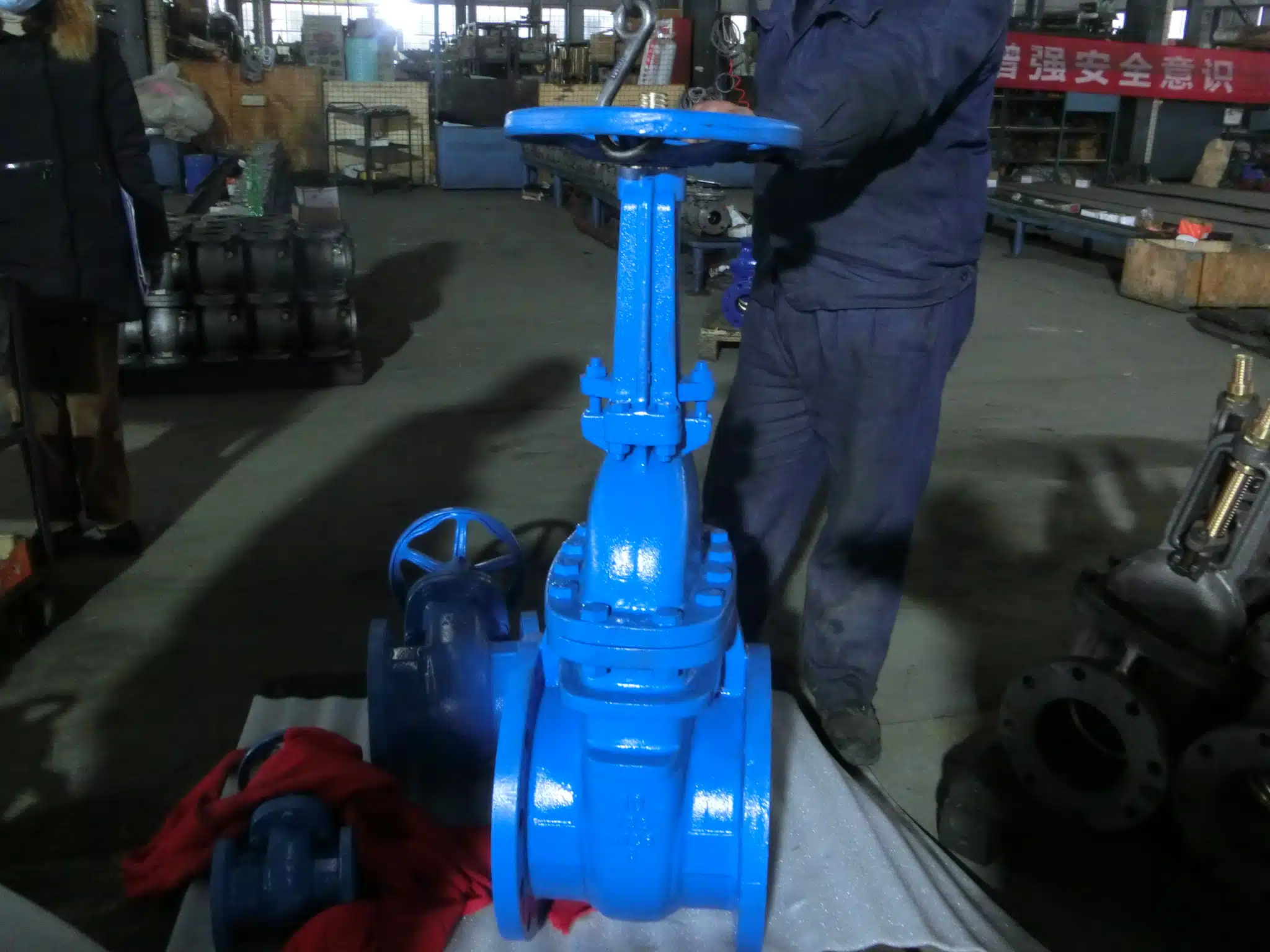
Gate valves are made to last a long time. They are strong and reliable for water systems. High-quality materials and good designs make them durable. Features like rust resistance and proper care help them last longer. Picking the right material helps them handle tough conditions like high pressure or harsh liquids.
“A strong gate valve lowers stress and works well over time.”
The table below shows what makes gate valves durable:
| Factor/Method | Description |
|---|---|
| Material selection | Affects strength, rust resistance, and wear protection. |
| Structural design | Lowers stress and keeps water flowing smoothly. |
| Maintenance management | Regular checks and oiling make them last longer. |
| Manufacturing quality | Stops defects that might cause leaks or damage. |
Focusing on these points helps gate valves work well for years. This also cuts repair costs and system downtime.
Effective Sealing and Leak Prevention
Gate valves are great at stopping leaks. This keeps systems working well and saves resources. Their seals close tightly, even under high pressure. This stops water loss, pollution, and equipment damage.
- The seal design affects how well the valve closes.
- Good designs stop leaks by sealing completely.
- Seal materials resist rust, wear, and aging, making them reliable.
“Good sealing in gate valves keeps systems running smoothly and avoids problems.”
Choosing gate valves with better seals helps avoid costly repairs. It also keeps systems steady and efficient.
Low Pressure Drop for Efficient Flow
Gate valves are perfect for systems needing smooth water flow. When open, they let water pass easily with little resistance. This makes them great for high water flow in water and wastewater systems.
The table below explains how they work efficiently:
| Feature | Description |
|---|---|
| Valve Flow Coefficient | Higher numbers mean less resistance and better flow. |
| Resistance to Fluid Flow | Open valves have very little resistance, keeping water moving. |
| Application Suitability | Best for high water flow and low pressure loss, not exact control. |
By lowering pressure drop, gate valves improve system performance. They also help systems run better for a long time.
Maintenance of Gate Valves
Inspection and Monitoring
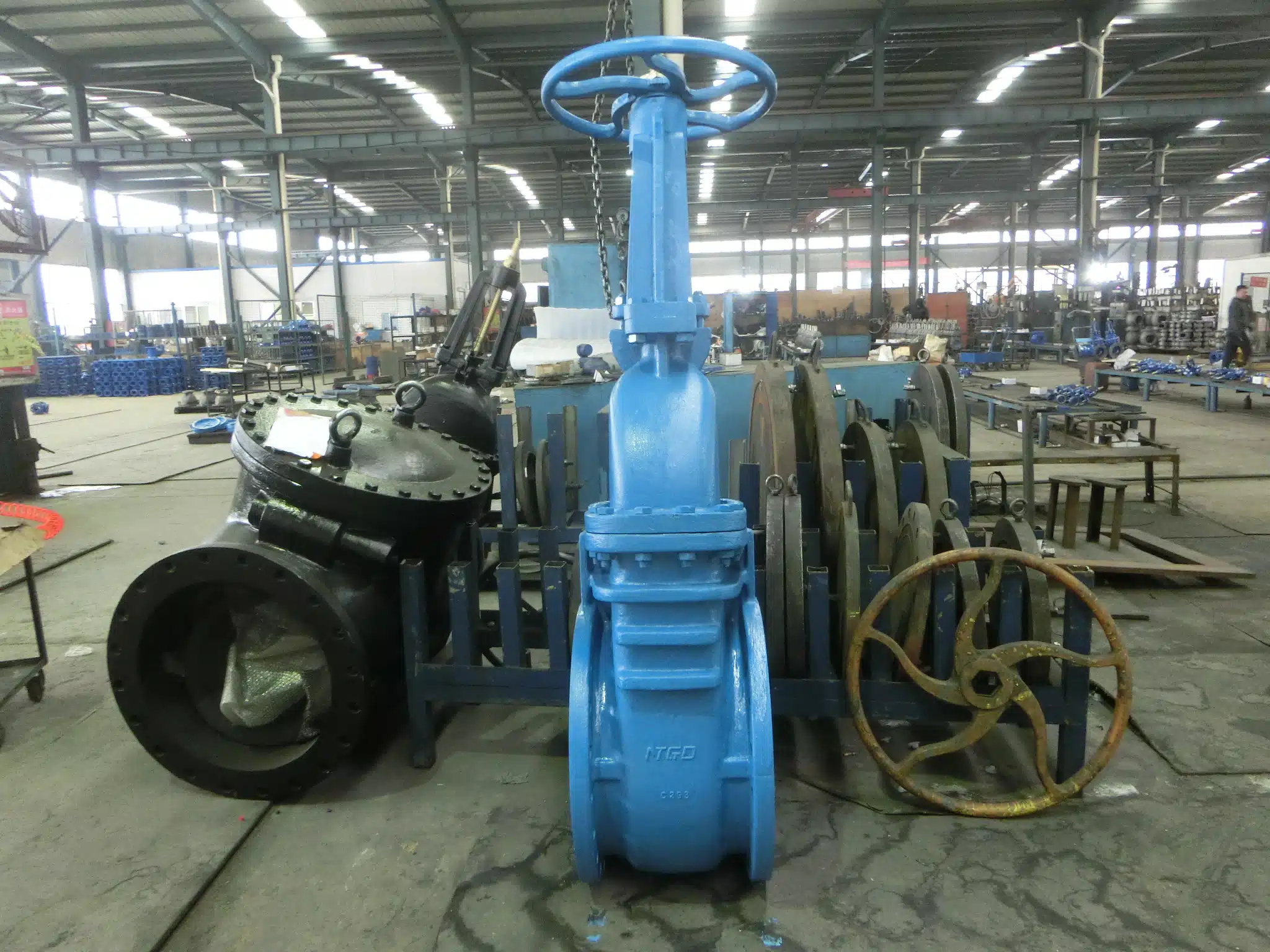
Checking gate valves often keeps them working well. Look for damage, rust, or wear during inspections. Daily checks focus on simple things like clearing the gate area and ensuring pins move easily. Weekly checks involve cleaning and checking if pins and seals are aligned. Monthly checks are more detailed. Inspect all parts, replace worn ones, and tighten loose connections to stop leaks.
Tip: Regular checks prevent big repairs and keep water systems running smoothly.
Lubrication and Corrosion Protection
Lubrication is key to keeping gate valves in good shape. It lowers friction, helping the valve work smoothly and protecting seals from damage. Protecting against rust is also important, especially in tough environments. Anti-rust coatings protect the inside of the valve, making it last longer and stopping leaks.
| Key Aspect | Description |
|---|---|
| Regular Lubrication | Keeps the valve working for a long time. |
| Prevents Seal Failure | Stops seals from breaking due to friction. |
| Corrosion Protection | Guards parts from rust and damage. |
| Reduces Leakage | Improves how well the valve seals. |
| Smooth Operation | Helps the valve work without problems. |
Focusing on lubrication and rust protection makes gate valves more reliable and cuts down on repair costs.
Addressing Common Issues
Even with care, gate valves can have problems. Leaks, hard-to-turn valves, and worn seals are common. To fix these issues, follow these steps:
- Tighten loose parts to stop leaks.
- Clean the valve to remove dirt blocking movement.
- Replace seals if they are worn out.
- Smooth the seat to improve sealing.
- Test the valve to make sure it works right.
Fixing these problems early keeps your water system working well and reliably.
Future Trends in Gate Valve Technology
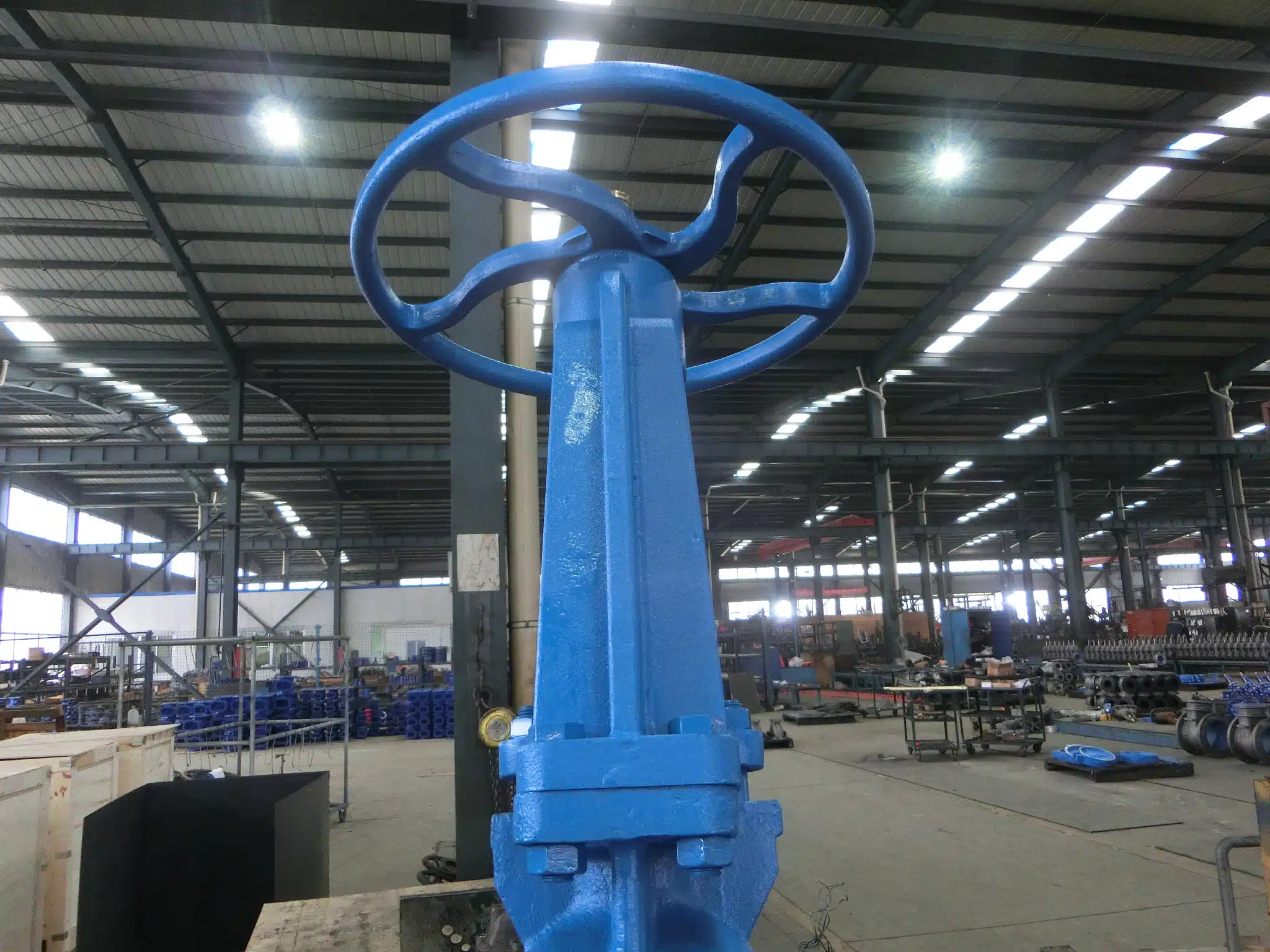
New Materials and Better Designs
New materials and designs are changing gate valves. Makers are testing materials to make valves stronger and last longer. For example, alloy steels are tough and resist rust, great for high-pressure systems. Special plastics are light and fight rust, perfect for cleaning water. Mixed materials combine strength and flexibility, making valves useful in more places.
The table below shows new materials and their uses:
| Material Type | Benefits | Uses |
|---|---|---|
| Alloy Steels | Strong, tough, resists rust | Power plants, high heat systems |
| Special Plastics | Light, great at stopping rust | Water cleaning, chemical systems |
| Mixed Materials | Light, strong, flexible | Many industrial uses |
These materials help valves last longer and work better. Picking the right material lowers repair costs and improves performance.
Smart Valves and IoT Technology
Smart technology is changing how gate valves work. Smart valves with IoT sensors give live updates. This helps you check and control water systems easily. These smart features save time and improve how systems run.
Trends in smart valves include:
- Remote Checking: Sensors let you watch valve performance from anywhere.
- Fixing Problems Early: Smart valves find issues before they get worse.
- Saving Energy: Automated systems use less energy and water.
- Following Rules: Advanced checks ensure safety and meet environmental laws.
Smart valves are becoming more popular. Industries like oil, water cleaning, and building projects use them to improve systems. With a 5.0% growth rate expected from 2023 to 2033, smart valves are key to modern water management.
Gate valves are important for water and wastewater systems. They help control water flow, stop leaks, and keep systems working well. Taking care of them, like checking and oiling often, makes them last longer. New technology, like smart valves with IoT, makes them work better and need fewer repairs. The market for these valves is expected to grow from $24.79 billion in 2024 to $35.0 billion by 2035. This shows how useful they are for managing water today.
Tip: Using advanced gate valves saves money and keeps systems running smoothly.
