
Butterfly valves are important in water treatment plants. They control water flow and close off pipeline sections for repairs. These valves work well and need little maintenance, making them great for big pipes. Workers use special tools to improve how the valves work. This helps keep water systems running smoothly in cities and factories.
🌱 As the need for clean water grows, and rules get stricter, butterfly valves are now a key part of water systems.
Key Takeaways
- Butterfly valves are important for managing water flow in plants. Their easy design helps control flow well, cutting water waste and costs.
- These valves keep water pressure steady, saving energy and working better. They work well in both strong and weak pressure systems.
- Butterfly valves are good for moving sludge and thick stuff. They last long and need little care, making them great for today’s water plants.
1. Flow Regulation
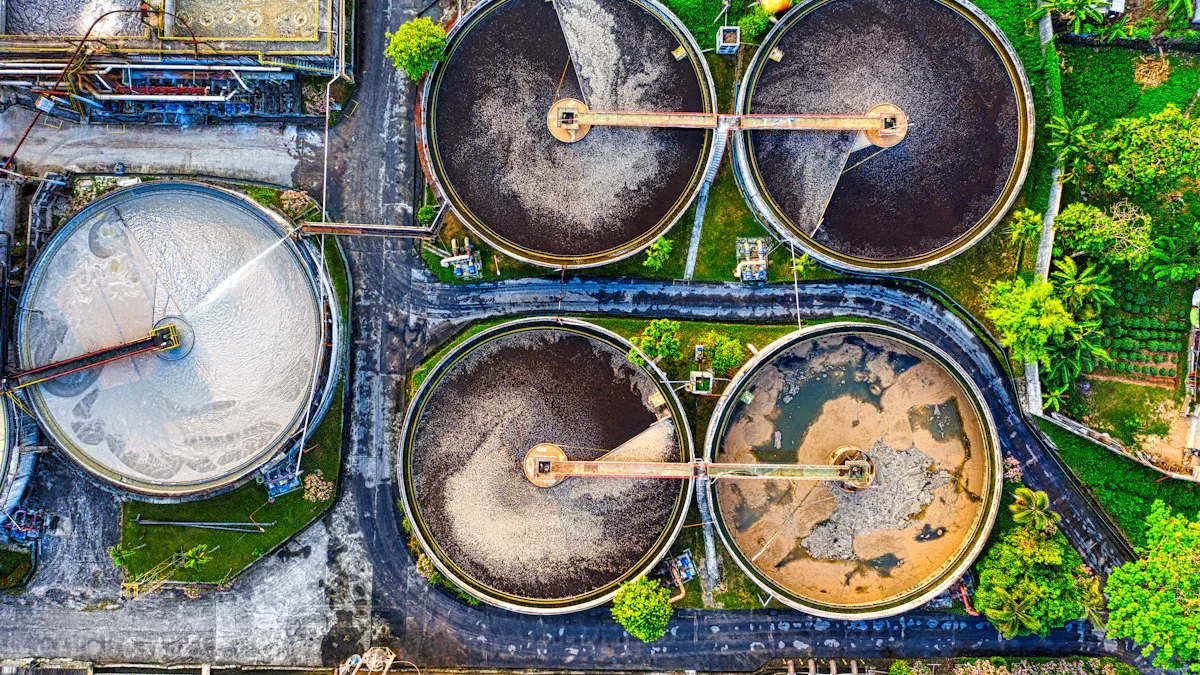
How butterfly valves help control water flow
Butterfly valves are important for managing water flow in treatment plants. Their simple design helps control water easily and keeps things running well. These valves are simple to use and can be automated for better control, making them perfect for modern systems.
One big benefit of butterfly valves is their precise flow control. For instance, a California plant replaced old gate valves with butterfly valves. This change improved flow control and reduced water waste. It also cut down on maintenance, saving money.
Butterfly valves work well in factories too. They keep pressure low, which saves energy and lowers costs. They also handle more water flow, even when demand is high. These features make them a dependable choice for controlling water in many places.
Why good flow control matters in water plants
Good flow control is very important for water treatment plants. Butterfly valves have many benefits that improve how these plants work. Their light and simple design makes them easy to set up and fix. They also adjust quickly to changes, letting you control water flow right away.
Butterfly valves are also great for moving mud and other materials without much liquid buildup. They seal well under low pressure, stopping leaks and keeping water flowing smoothly. These features make water treatment faster and cheaper with less downtime.
The table below shows how butterfly valves improve water flow control:
| Performance Indicator | Description | Impact on Water Flow Control |
|---|---|---|
| Increased Flow Capacity | Simple design boosts how much water can flow. | Makes water flow management more efficient. |
| Low Pressure Drop | Keeps pressure low while working. | Saves energy and cuts costs. |
| Ease of Automation | Can be automated for better control. | Makes operations faster and easier. |
| Precise Flow Control | Gives accurate control over water flow rates. | Improves safety and quality in processes. |
Using butterfly valves for flow control helps make water treatment better, cheaper, and more efficient.
2. Pressure Control
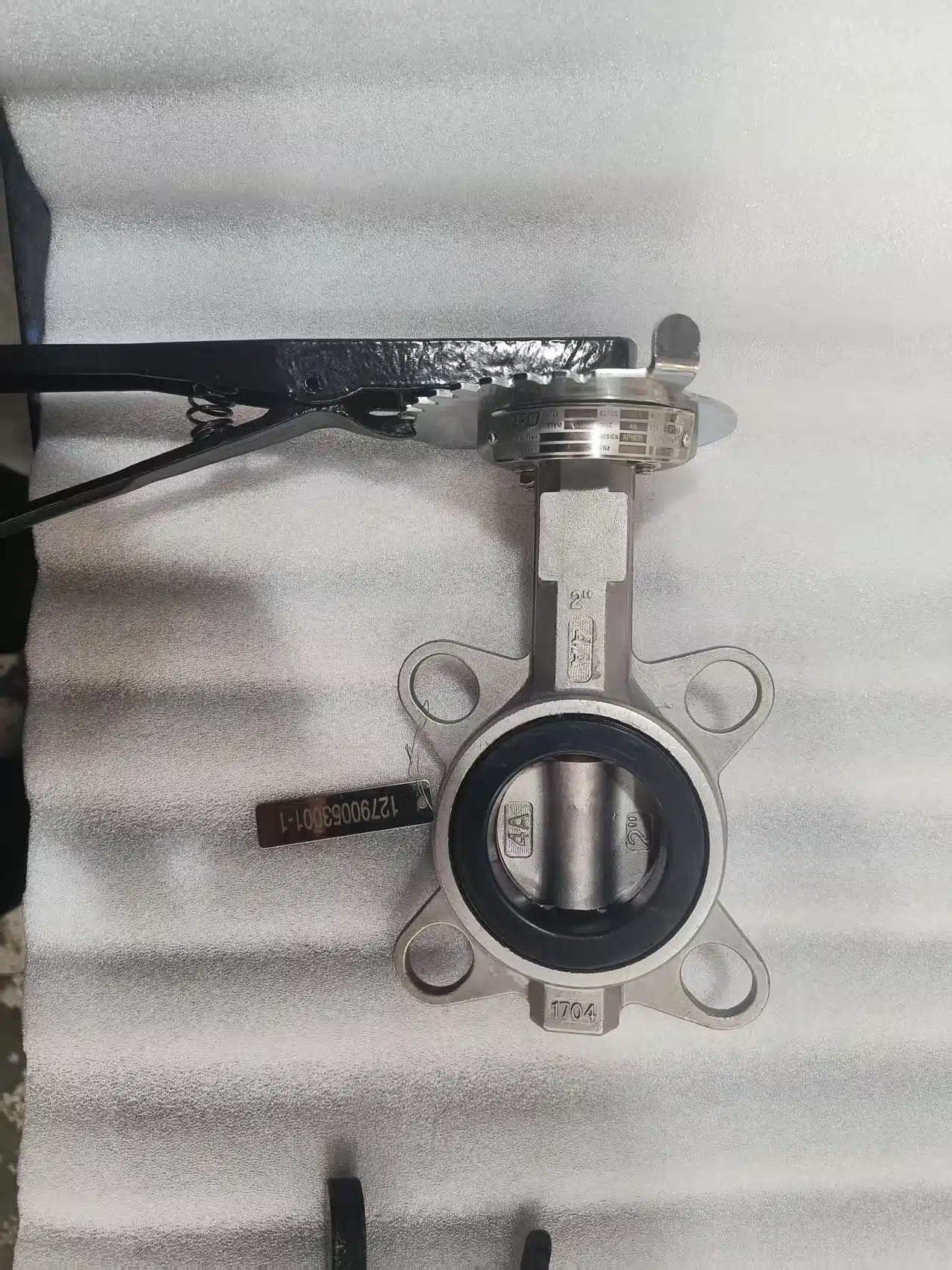
How butterfly valves keep pressure steady
Butterfly valves help keep pressure steady in water systems. Their simple design lowers pressure loss, saving energy and improving efficiency. These valves work well in places needing exact pressure control, like pump stations and filters. By using less energy, they save money and help the environment.
NBR-seated butterfly valves are strong and handle different pressures well. They work in both high and low-pressure systems, making them great for water treatment. Lug butterfly valves, made from tough materials like ductile iron, also manage pressure changes well. They adjust to different conditions, ensuring they work reliably in many settings.
Butterfly valves are small, easy to set up, and simple to fix. They are affordable, which makes them popular in wastewater plants. As industries focus on saving water and clean processing, more people are using these valves.
Examples of pressure control in wastewater plants
In wastewater plants, butterfly valves control pressure during different steps. They help keep the right pressure for adding chemicals and other treatments. For example, during sludge drying, steady pressure helps separate solids from liquids better. Butterfly valves keep this pressure steady, making the process work well.
These valves are also used in air systems, controlling air pressure for wastewater. Good pressure control in these systems helps break down waste faster. This leads to better water treatment results. Because they handle pressure changes well, butterfly valves are very useful in wastewater systems.
💡 Tip: Picking the right butterfly valve can improve pressure control and save energy.
3. Sludge Handling
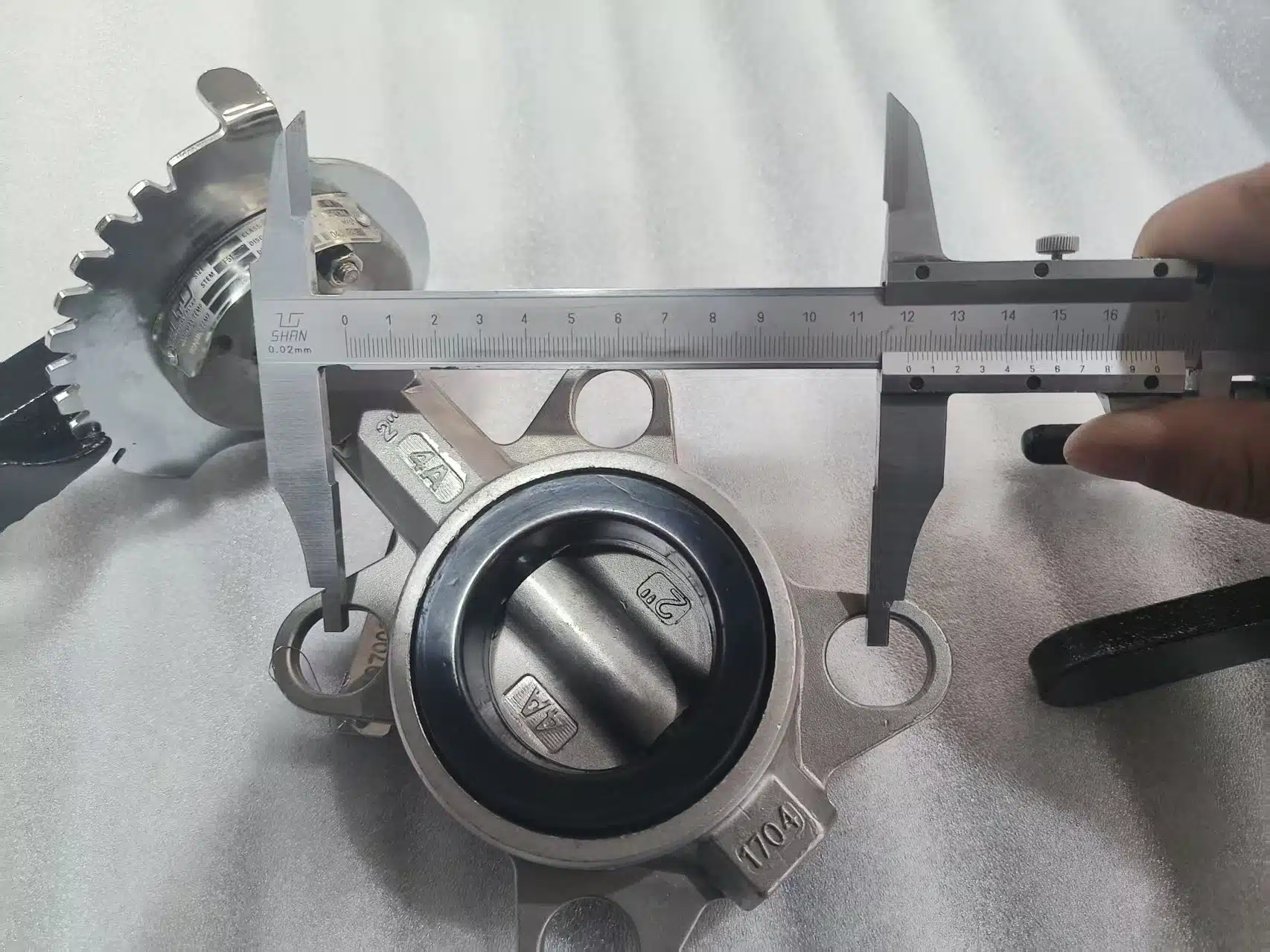
How butterfly valves help manage sludge and waste
Butterfly valves are very useful for handling sludge in water plants. They control how sludge and wastewater move through the system. Their simple design makes them great for thick and tough materials. These valves are strong and need little fixing, which is helpful.
As clean water becomes more important, butterfly valves are used more often. They can handle large amounts of sludge easily. This makes them a top choice for modern treatment plants. Built to last, they help manage waste without needing frequent repairs.
🛠️ Tip: Use butterfly valves for easy and reliable sludge control in water systems.
Benefits of butterfly valves for thick or rough materials
Butterfly valves have many benefits for handling thick or rough materials. Their design helps sludge flow smoothly with less blockage. This is great for systems with heavy or gritty waste. They are also small and light, making them simple to set up.
The materials in these valves resist wear and tear, lasting longer in tough conditions. They are affordable, especially for big systems, making them a smart choice. The quick-turn handle allows fast and accurate flow control, which is key for sludge work.
| Benefit | Description |
|---|---|
| Smooth Flow | Lets sludge move easily with fewer blockages. |
| Affordable | Good price for large systems, ideal for big operations. |
| Durable Materials | Built to handle rough conditions, lasting longer. |
Adding butterfly valves to sludge systems improves efficiency, lowers costs, and boosts performance.
4. Mixing and Diversion
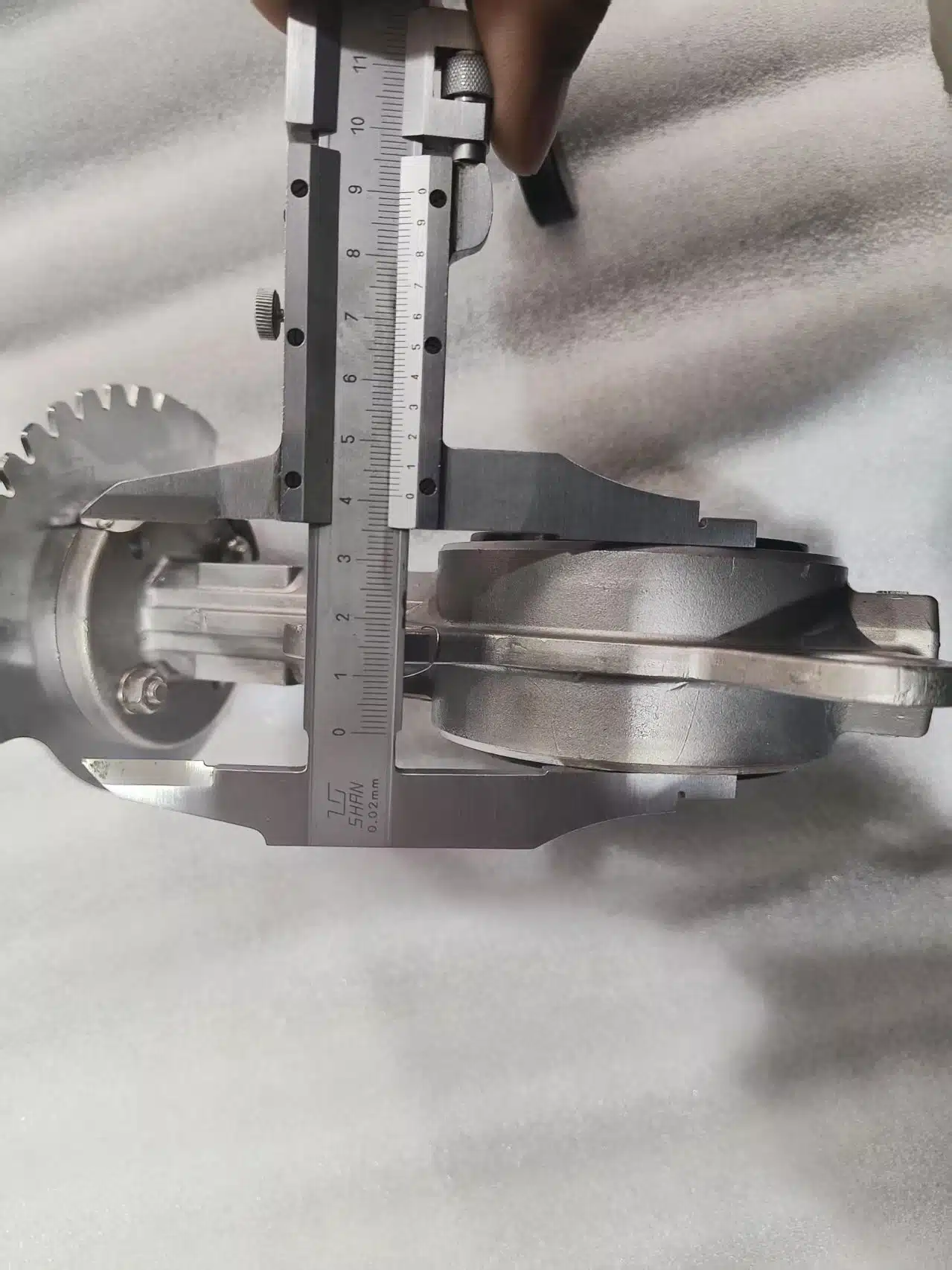
How butterfly valves help mix and redirect water flows
Butterfly valves are important for mixing and redirecting water in treatment systems. Their special design lets you control where water flows easily. By turning the valve, you can send water to different parts of the system or mix it with other materials. This makes them very useful for handling complex water processes.
These valves are small and light, so they fit in tight spaces. They work quickly, letting you change water flows without waiting. For example, when water needs to mix with chemicals, butterfly valves let you control the flow rate exactly. This helps ensure proper mixing, which keeps water quality high.
Uses in chemical dosing and water systems
In chemical dosing systems, butterfly valves control how much chemical is added to water. This exact control keeps the chemical balance right, making the treatment process work better. These valves also resist rust, so they can handle many types of chemicals.
In water systems, butterfly valves move water to different pipes or tanks. They can handle large amounts of water, making them great for big operations. Whether for city water supplies or factories, these valves work dependably.
💡 Note: Using butterfly valves for mixing and redirecting saves money and improves efficiency.
5. Isolation
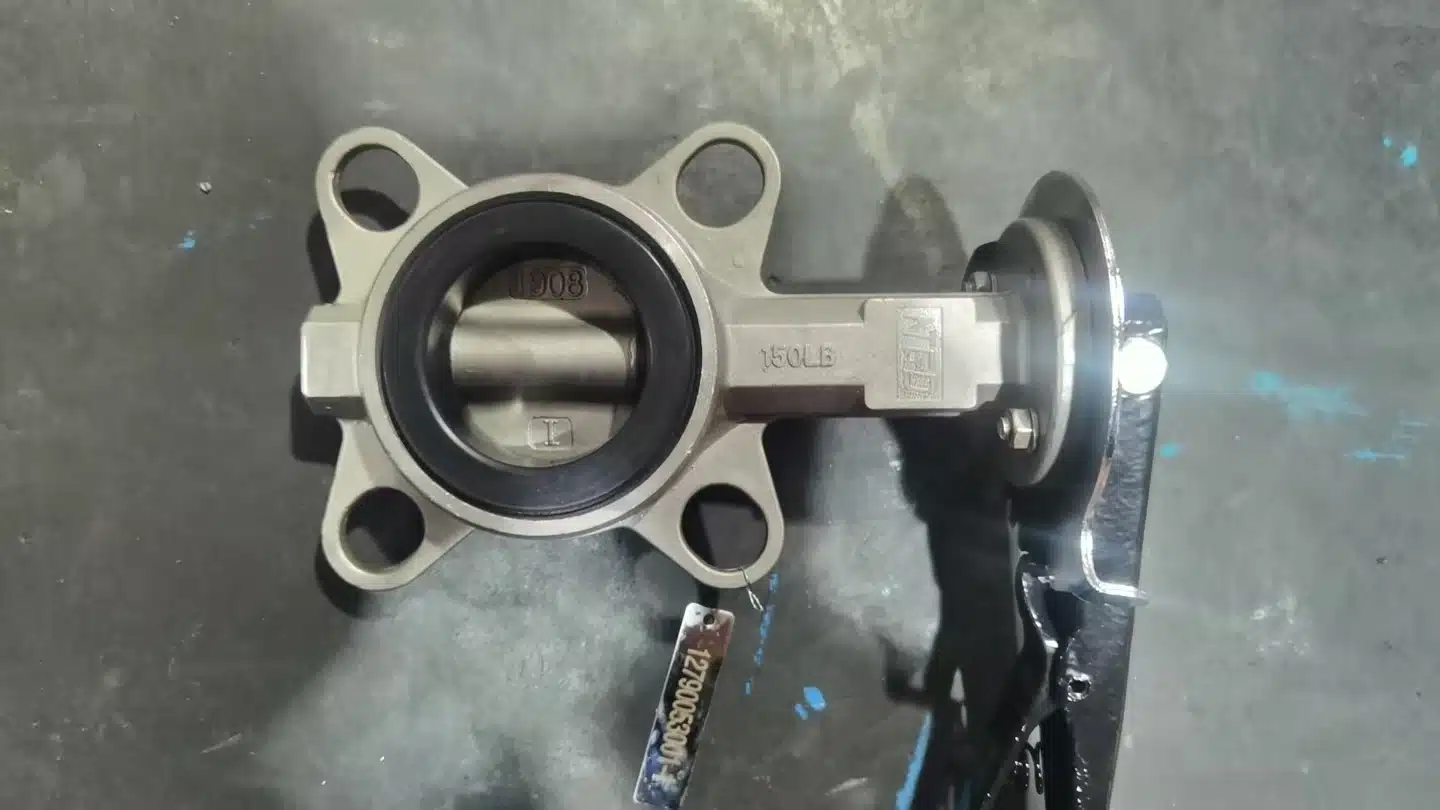
Why isolating parts of the system is important
In water treatment, isolating parts of the system is crucial for repairs. Butterfly valves help by controlling water flow quickly and easily. They let workers isolate sections fast, so repairs don’t stop the whole system. This is very helpful in city water plants where constant operation is needed.
Butterfly valves also stop contamination during cleaning processes. For example, in wastewater plants, they isolate areas for fixing while keeping other parts running. This reduces downtime and keeps the system working well. Their strong build and easy upkeep make them a top choice for these jobs.
Here’s how butterfly valves improve system performance and reliability:
| Feature | Explanation |
|---|---|
| Better Efficiency | They allow quick checks and fixes, cutting system downtime. |
| Proven Success | Many water plants use them for reliable isolation during maintenance. |
Why fast shut-off is helpful in emergencies
Emergencies in water systems need quick action. Butterfly valves can shut off water flow fast, making them very useful. Their simple design stops water instantly, avoiding damage or contamination. This is especially important for controlling sewage in wastewater plants.
Besides emergency use, butterfly valves save time and money. They are small, light, and easy to install. Certified butterfly valves are trusted for their dependability in maintenance tasks. Adding these valves keeps your water system safe and efficient.
Main benefits of butterfly valves in emergencies include:
- Quick shut-off to avoid damage.
- Isolating problem areas while keeping the system running.
- Stopping contamination during important processes.
💡 Tip: Pick butterfly valves for their strength and easy care, ensuring they last long in your water system.
Butterfly valves are key parts of water treatment systems. They are great for controlling flow, managing pressure, handling sludge, mixing, and isolating sections. Their flexibility and effectiveness make them essential for today’s water systems.
Why pick butterfly valves?
- Affordable: Their simple design lowers production and repair costs.
- Saves Energy: They cut energy use with accurate control and low pressure loss.
- Versatile: They work for many tasks, from basic shut-off to detailed flow control.
| Feature | Advantage |
|---|---|
| Rust Resistance | Lasts longer in tough conditions. |
| High Flow Capacity | Moves large amounts of water, perfect for big projects. |
| Easy to Maintain | Cuts down on repairs and saves money. |
🌟 Tip: Use butterfly valves for their strength and flexibility in water and wastewater systems.
