
Comparing Precision and Performance
Explore the differences in precision between two ball valves.
| Features | V-Port Ball Valve | Orbit Ball Valve |
|---|---|---|
| Flow Adjustment | High precision | Moderate precision |
| Sealing Strength | Good | Excellent |
| Best Use | Precise flow control | Quick shutoff, tough chemicals |
| Durability | Good | Very high |
| Application Example | Chemical dosing, mixing | High-pressure, corrosive fluids |
You will see that v-port ball valve gives better adjustment precision than orbit ball valve in chemical processes. Accurate flow control keeps your work safe and helps things run better. Look at how continuous flow chemistry and AI make things safer and work better:
| Evidence Description | Importance of Flow Control |
|---|---|
| Continuous flow chemistry lets you control temperature, time, and mixing very well. This makes reactions faster and more exact. | Shows that good flow control makes reactions work better and safer, especially when things are dangerous. |
| AI with continuous reactors can change feed rates and flow speeds right away. | Shows how good flow control can make factories work much better. |
| Statistical Process Control (SPC) checks if things are running smoothly and warns workers about problems. | Shows that good flow control helps keep things working right and safe. |
You will often find orbit ball valve used for strong chemicals, high-pressure metal work, and clean drug-making that needs careful control.
Key Takeaways
- V-port ball valves help control flow very accurately. This makes them good for chemical jobs that need careful changes. – Orbit ball valves are great at sealing and closing fast. They work well with high pressure and strong chemicals. – Use a v-port ball valve for things like adding chemicals or mixing them. An orbit ball valve is better for stopping things quickly or stopping leaks. – Both types of valves need regular care to work their best and stay safe in chemical jobs. – Think about the fluid, how the valve will be used, and what you need it to do before picking a ball valve.
Comparison Overview
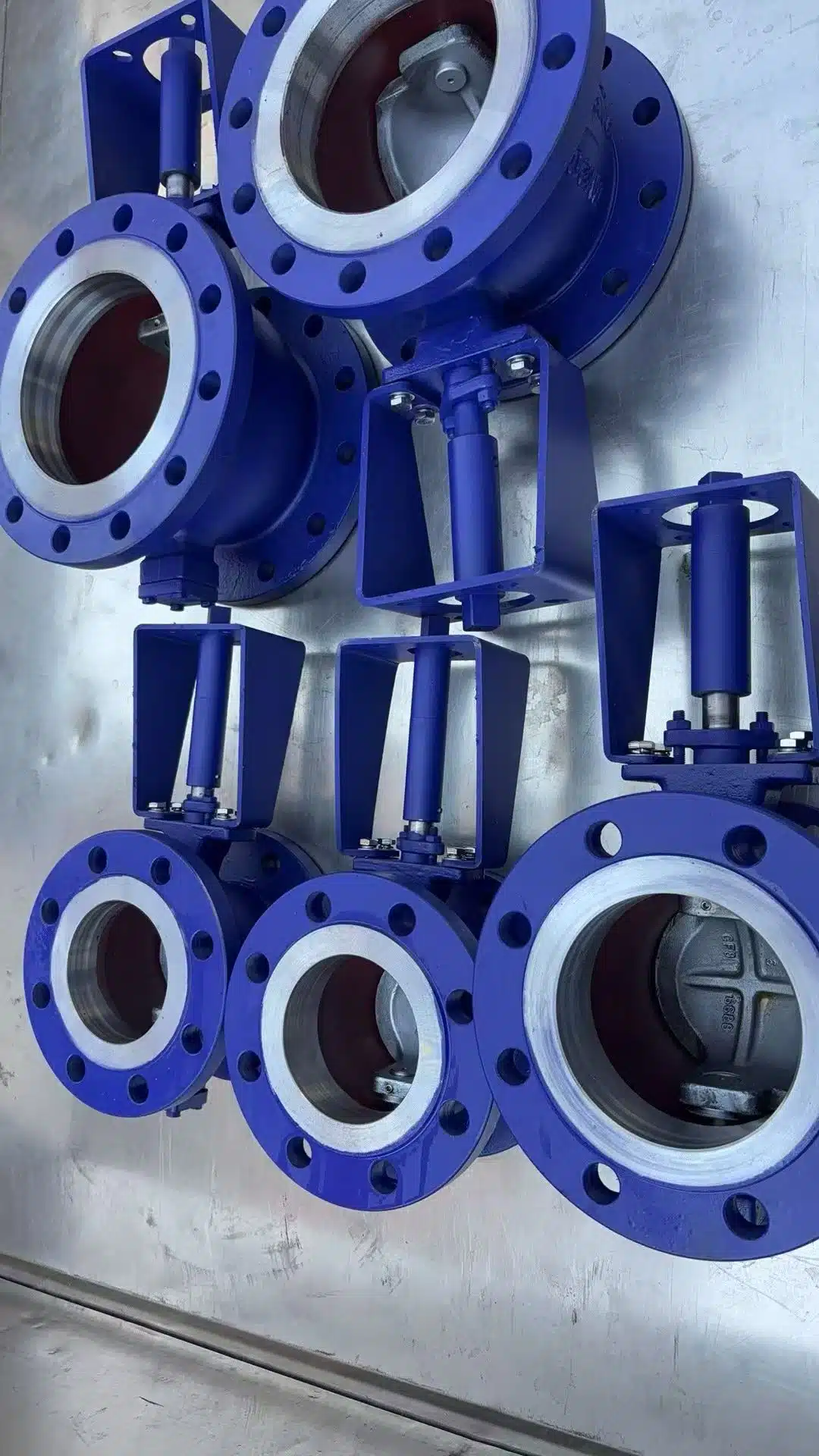
Key Differences
Different ball valves work best for different jobs. The v-port ball valve lets you control flow very well. You can make small changes to the flow rate. This is good for chemical reactions that need careful control.
The orbit ball valve opens and closes in a special way. It spins and moves at the same time. This makes a strong seal and stops leaks. You use the orbit ball valve when you need to stop flow fast or handle strong chemicals. It works well in high-pressure places.
Tip: Pick the v-port ball valve for small flow changes. Pick the orbit ball valve for strong sealing and tight shutoff.
The orbit ball valve is tough and lasts a long time. The v-port ball valve is best for careful flow control.
Summary Table
Here is a table that shows how the v-port ball valve and orbit ball valve are different:
| Feature | V-Port Ball Valve | Orbit Ball Valve |
|---|---|---|
| Flow Adjustment | High precision | Moderate precision |
| Sealing Strength | Good | Excellent |
| Best Use | Precise flow control | Quick shutoff, tough chemicals |
| Durability | Good | Very high |
| Application Example | Chemical dosing, mixing | High-pressure, corrosive fluids |
You can look at this table to help you choose. The orbit ball valve is great for strong sealing and hard jobs. The v-port ball valve is better if you need to control flow carefully.
V-Port Ball Valve
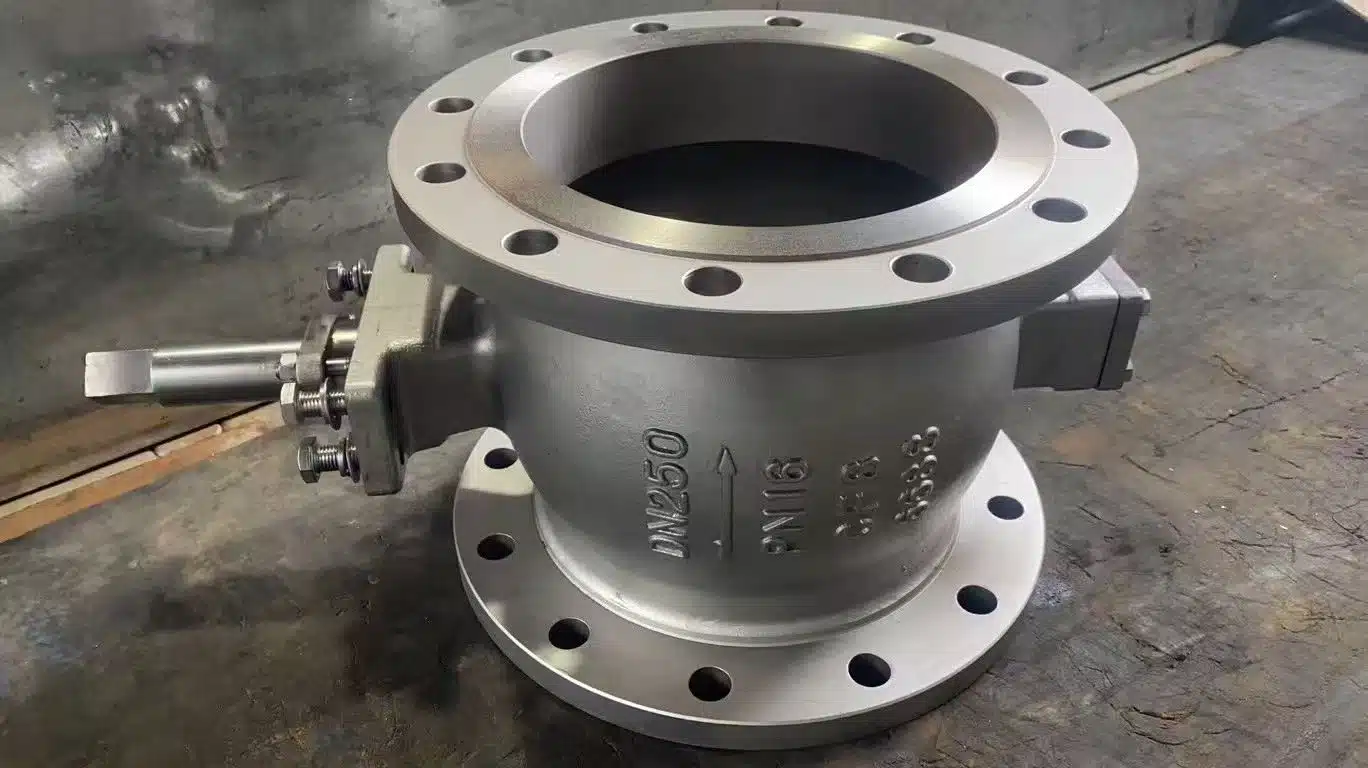
Design and Operation
You will notice that the v-port ball valve stands out because of its unique V-shaped notch in the ball. This design gives you better control over how much fluid moves through the valve. When you turn the handle, the V-shaped opening lets the fluid flow in a controlled way. If you wonder how does a ball valve work, think of it as a ball with a hole that lines up with the pipe when open and blocks flow when closed. The V-port shape changes how much fluid can pass as you turn the valve, making it easier to adjust flow rates.
Here are some important design features that help with precision:
- The V-shaped edge creates a shearing effect on fluids. This helps when you need to control thick or fibrous liquids, as it reduces clogging.
- The V-port design gives you an equal percentage flow curve. This means each turn of the valve changes the flow by a steady amount, making it easier to predict and control.
- The valve works well at small openings, so you can make tiny changes to the flow.
- The shape of the V-port allows for smooth and steady flow changes, which helps you keep the process stable.
A table below shows how these features help with flow control:
| Feature | Description |
|---|---|
| V-shaped notch | Gives you a steady and predictable flow pattern. |
| Linear/equal-percentage flow | Lets you make small, even changes in flow. |
| Tight shutoff | Stops leaks and keeps flow accurate. |
| Application in industries | Used in chemical dosing systems where you need precise flow. |
Adjustment Precision
You get precision control over flow rates with a v-port ball valve. The V-shaped notch lets you adjust the flow in small steps, which is important for chemical processes that need exact amounts of liquid or gas. Studies show that different V-port shapes, like V1 and V4, can give you either equal percentage or linear flow curves. This means you can pick the right valve for your process.
Tests and computer models prove that v-port ball valves give you steady and repeatable results. You can trust the valve to give you the same flow every time you set it. This repeatability is better than what you get with many other valve types. You will also find that the valve responds well to small changes, so you can fine-tune your process.
When you install a v-port ball valve, make sure the size matches your pipe. If the valve is too big or too small, you might get pressure problems or waste flow. Good installation and regular checks help keep the valve working at its best.
Tip: Always check the valve position and make sure it matches your control system. This helps you avoid mistakes and keeps your process safe.
Orbit Ball Valve
Design and Operation
The orbit ball valve uses a tilt-and-turn way to work. This design stops the seal from rubbing. It makes the valve last longer and work better. The orbit ball valve can handle high pressure and heat. It uses strong materials, so it works well in chemical plants. You do not need much force to open or close it. This makes the valve easy to use for a long time.
The orbit ball valve shuts off flow very well. This helps stop leaks in chemical jobs. You can use it for many things, like meter isolation, flow lines, bypass and block, dryer switching, emergency shutdown, product separation, and discharge and suction isolation.
Here is a table that shows the main design features of the orbit ball valve:
| Design Characteristic | Explanation |
|---|---|
| Tilt-and-turn mechanism | Stops seal rubbing and helps the valve last longer. |
| Durable materials | Handles high pressure and heat, good for chemical plants. |
| Low-torque operation | Makes the valve easy to use and keeps it working well. |
| Positive shut-off | Very important for stopping leaks in chemical jobs. |
You can pick a full port orbit ball valve for more flow. You can pick a reduced port orbit ball valve for better control. Some chemical plants use a v-port orbit ball valve for special flow needs.
Adjustment Precision
If you need careful flow control, the orbit ball valve is a good choice. The tilt-and-turn design keeps the seal safe, even in tough places. You can trust the orbit ball valve for important jobs and high heat.
The orbit ball valve gives you okay adjustment precision. It is not as fine as the v-port ball valve. You use the orbit ball valve when you need a strong seal and no leaks. The orbit ball valve works well when safety matters most.
To keep your orbit ball valve working well, you should take care of it:
- Check the orbit ball valve often to find problems early.
- Add oil to moving parts to stop friction and help it last.
- Clean the orbit ball valve to get rid of dirt.
- Change worn parts, like sealing rings, on time to keep it strong.
Note: Taking care of your valve helps it stay precise in chemical jobs.
The orbit ball valve is strong and seals well. The v-port ball valve lets you adjust flow better. The orbit ball valve gives you safety and strong shut-off.
Application Suitability
Chemical Process Scenarios
Different ball valves work best for certain jobs. If you need to control fluid flow very carefully, the V-Port Ball Valve is a good pick. You can use it in many places where small changes matter. The table below lists some ways ball valves are used in chemical plants:
| Application Type | Description |
|---|---|
| Steam applications | V-Port Ball Valves help control pressure, flow, or temperature in steam systems. |
| Fine chemical processing | These valves let you dose, blend, or feed chemicals with care at low flow rates. |
| Slurry handling | V-Port Ball Valves work better than regular valves with fluids that have solids or rough bits. |
If you need a valve that seals tightly and shuts off well, the Orbit Ball Valve is a smart choice. You see it often in high-pressure places, emergency stops, and spots where safety matters most. It helps stop leaks and keeps your process safe.
Tip: Use a V-Port Ball Valve for careful control. Use an Orbit Ball Valve for tough jobs and hard conditions.
Real-World Examples
Ball valves help solve problems in real chemical plants. For example, NTGD V-Port Ball Valves help engineers add chemicals with great accuracy. This keeps products good and cuts down on waste. In another plant, NTGD Orbit Ball Valves block flow lines during repairs. This keeps workers safe and stops leaks.
In steam systems, NTGD V-Port Ball Valves help change temperature and pressure. This saves energy and protects machines. For slurry handling, NTGD valves keep pipes clear and stop clogs. These examples show how picking the right valve can fix real problems in chemical work.
Remember: Picking the right valve can make things safer, save money, and help your process work better.
Selection Guide
Key Considerations
When you pick between a V-Port Ball Valve and an Orbit Ball Valve, you should think about a few main things. You want your chemical process to work well and be safe. Each valve can change how much you spend, how often you fix things, and how long they last. The table below shows how V-Port Ball Valves can help:
| Aspect | V-Port Ball Valves Benefits |
|---|---|
| Maintenance Costs | Lower, because you do not need to adjust packing often and there is less wear. |
| Energy Savings | Better, since lower pressure drop means less wasted energy. |
| Compact Installation | Easier, as the smaller size fits better and needs less support. |
| Actuation Requirements | Lower, so you can use smaller, less costly actuators. |
| Safety and Environmental | Higher, with less emissions and better process control for improved quality. |
You should also know about new trends. Many chemical plants now use smart valves. These smart valves let you watch your process as it happens. They help keep your work safe and good. New materials make valves last longer and work better in hard jobs. Companies want valves that are good for the planet and give great results.
Practical Recommendations
You want to choose the best valve for your job. Here are some easy tips from experts:
- Pick valve materials that fit your job and your money plan. Think about how long the valve will last, not just the first price.
- Make sure your valve is the right size. Use the right flow coefficient (Cv) to get the best results.
- Learn how each valve changes the flow. This helps you keep your work steady.
- Use computer tools to check your system’s pressure, flow, and fluid type. This helps you keep things working well.
- Ask valve sellers or engineers for help with hard jobs. They can help you get the best results.
Today, more plants use smart valves and stronger materials. These changes help you save money, work better, and protect nature. You want a valve that lasts, works well, and keeps your job safe. Always think about quality when you pick your valve.
You see that v-port ball valves give you the best adjustment precision for chemical processes that need careful flow control. Orbit ball valves work well when you need strong sealing and safety. When you choose ball valves, look at these criteria:
| Criteria | Description |
|---|---|
| Fluid Properties | Check if the fluid is gas or liquid, and if it has particles or is corrosive. |
| Operating Conditions | Think about temperature, pressure, and how often you use the valve. |
| Valve Functions | Decide if you need shut-off or flow direction change. |
- Pick ball valves based on how often you operate them and the type of service.
- Gather data about your process to find the best option.
- Make sure the size and ratings fit your needs.
Choose v-port ball valves for precise flow. Use orbit ball valves for tough jobs and strong shut-off.
