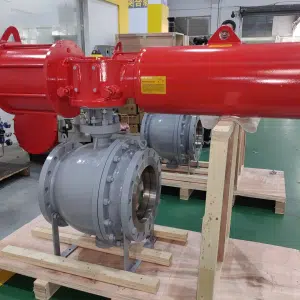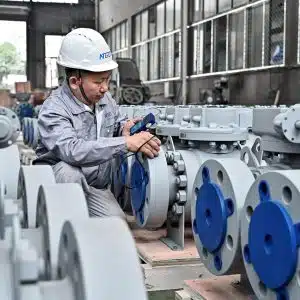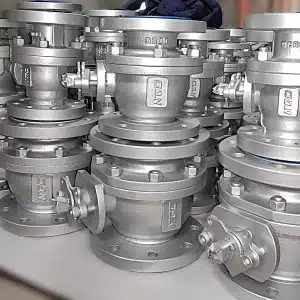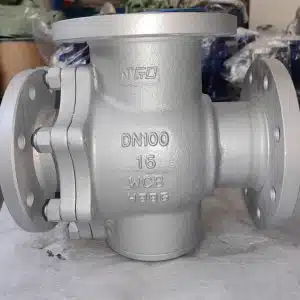
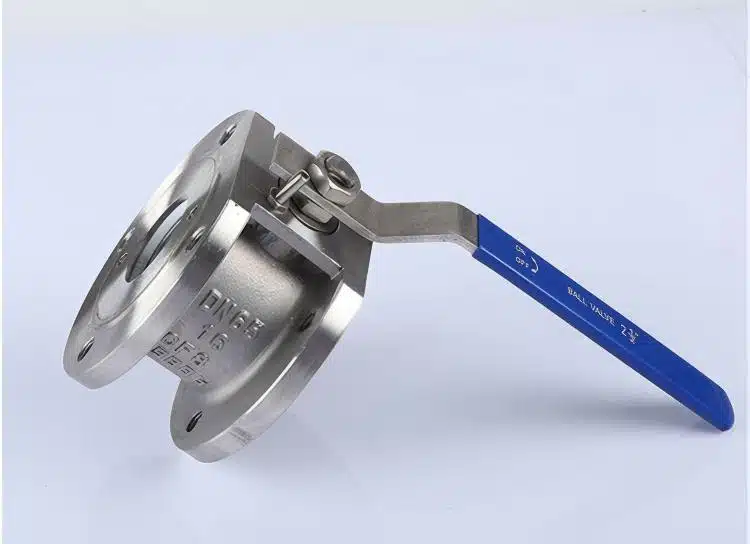
A wafer ball valve lets you control liquid or gas flow in pipes. Its small body fits tightly between two pipe flanges, so it saves space. You get safety features like a blow-out proof stem and anti-static stem. You can pick different materials to fit your needs. The table below shows how this valve fixes problems like sticking, leaking, and seepage in factories.
| Problem | Possible Causes | Troubleshooting Methods |
|---|---|---|
| Valve Sticking | Foreign particles, misalignment, wear on sealing surfaces | Remove debris, realign stem, replace worn parts |
| Leakage | Damaged sealing surfaces, old gaskets, loose fasteners, bad installation | Replace sealing surfaces, put in new gaskets, tighten fasteners |
| Seepage | Old gaskets, broken sealing parts, bent ball | Replace gaskets, put in new sealing parts, replace ball |
Key Takeaways
- A wafer ball valve is small and fits well between pipe flanges. This makes it good for places with little space. – It is easy and fast to install. You only need bolts. This saves time and lowers work costs. – Pick the right material for your wafer ball valve. This helps it handle the fluids and conditions in your system. – Check your valve often for leaks and clean it. This helps your valve last longer and keeps your system working well. – Make sure your wafer ball valve meets rules like ANSI or API. This is important for safety and trust.
Wafer Ball Valve Overview
Definition
A wafer ball valve helps control liquid or gas in pipes. It fits between two pipe flanges and has a small, clamp-type body. You can put it in place fast with bolts. This makes it popular in many jobs. Industry rules tell you what to expect from a wafer ball valve. The ANSI standard tells you about size, pressure, and materials. The API standard gives rules for design, materials, and tests, mostly for oil and gas.
| Standard | Description |
|---|---|
| ANSI | Gives rules for valve size, pressure, and materials. This makes sure valves work well in many uses. |
| API | Lists what steel ball valves need for design, materials, and tests. This makes sure valves work for oil and gas. |
Tip: Always check if a wafer ball valve meets ANSI or API rules. This helps you get a safe and good valve.
Main Characteristics
A wafer ball valve is special because of its features. It has a small shape that saves space and is easy to put in. You can take it out by loosening bolts, so fixing it is simple. The clamp-type body fits in tight spots, which is good for busy places. It also costs less because it uses fewer parts and takes less time to install.
Here is a table that shows how a wafer ball valve is different from a regular ball valve:
| Characteristic | Wafer Ball Valve | Ordinary Ball Valve |
|---|---|---|
| Structural Design | Small, clamp-type, needs less space | Flanged or threaded, bigger and heavier |
| Installation Methods | Easy and fast with bolts | Harder; needs lining up and more work |
| Maintenance and Repair | Simple to fix; just loosen bolts | Harder to fix; needs more steps |
| Application Scenarios | Good for small spaces; used in many jobs | Good for high pressure and heat |
| Costs | Lower cost to make, put in, and fix | Higher cost because it is bigger and harder |
You can use a wafer ball valve in many places. It works well where space is tight or you need to move valves often. It is trusted in water plants, chemical plants, and oil and gas.
Most wafer ball valves meet these pressure and temperature rules:
| Pressure Rating | Temperature Range |
|---|---|
| ASME #150 | -20℃ to 180℃ |
| ASME #300 | -20℃ to 180℃ |
| ASME #600 | -20℃ to 180℃ |
You might also see these pressure classes:
- ASME #150 PN 20
- ASME #300 PN 50
- ASME #600 PN 100
💡 Note: Always check the pressure and temperature before you put in a wafer ball valve. This helps stop leaks or breaks.
A wafer ball valve is a simple, cheap, and space-saving way to control flow. You can trust it to be easy to use and work well.
How It Works
Operation Mechanism
You control a wafer ball valve by turning its handle. When you turn the handle, the ball inside the valve rotates. This ball has a hole through its center. If you line up the hole with the pipe, fluid flows through. If you turn the ball so the hole faces away from the pipe, the flow stops. This simple action gives you quick control over the flow.
The valve uses a stem to connect the handle to the ball. The stem design prevents it from blowing out under pressure. You get a safe and reliable operation every time. Some valves also have an anti-static device. This device stops static electricity from building up, which keeps your system safe.
Tip: Always turn the handle slowly. Quick turns can cause water hammer or pressure surges.
Flow Control
You can use a wafer ball valve to start, stop, or adjust the flow of liquids or gases. The valve works well for both on-off and throttling tasks. When you open the valve fully, you get almost no resistance. This means you can move a lot of fluid with little pressure loss.
Here is a simple table to show how the valve position affects flow:
| Handle Position | Ball Position | Flow Status |
|---|---|---|
| Parallel | Hole open | Full flow |
| Perpendicular | Hole closed | No flow |
| Partially open | Hole angled | Controlled flow |
You can use this valve in many places, such as water treatment, chemical plants, and gas lines. The compact design lets you fit it into tight spaces. You save space and get reliable flow control.
Wafer Ball Valve Features
Compact Design
A wafer ball valve fits where space is tight. Its small body goes between pipeline flanges. You do not need extra space for big parts. Many factories use wafer valves because they are slim. This makes them easy to put in small places. The valve is light, so you can move it without trouble. For example, VINCER’s Electric Italian Thin Ball Valves fit well in small spots. You get better flow control and fewer leaks.
- Fits well in small spaces
- Light and easy to move
- Slim shape helps flow control
Blow-Out Proof Stem
A blow-out proof stem gives you more safety. This keeps the stem from popping out when pressure is high. Rules like API 6D and ASME B16.34 say this is needed for safety. NTGD uses blow-out proof stems to make their valves safe and strong. You can trust the valve to stay in place, even if pressure jumps.
- Stops stem from popping out
- Follows API 6D and ASME B16.34 rules
- Makes the valve safer and stronger
Anti-Static Stem
The anti-static stem keeps you safe from static electricity. This is important with flammable liquids or gases. The stem has a special path that connects the ball, stem, and body. This lets static electricity leave the valve safely. It lowers the chance of sparks or explosions. Rules say anti-static resistance must be under 10 ohms for safety.
- Stops static from building up
- Lowers explosion risk with flammable stuff
- Lets electricity leave safely
Material Options
You can pick from many materials for your wafer ball valve. Some choices are stainless steel, carbon steel, or special alloys. The right material helps match the valve to your fluid and job. NTGD has many material choices, so you can find one that lasts and fights rust.
| Safety Feature | Description |
|---|---|
| Antistatic Feature | Stops static charge that could cause fire with flammable stuff. |
| Firesafe Feature | Cuts leaks in a fire by using a backup metal seal. |
| Anti-Blowout Stem | Keeps the stem from being pushed out by pressure. |
| Emergency Sealant Injection System | Lets you seal both seats and the stem if there is a leak. |
| Double Block and Bleed Feature | Makes sure the valve shuts off to keep fluid away from other equipment. |
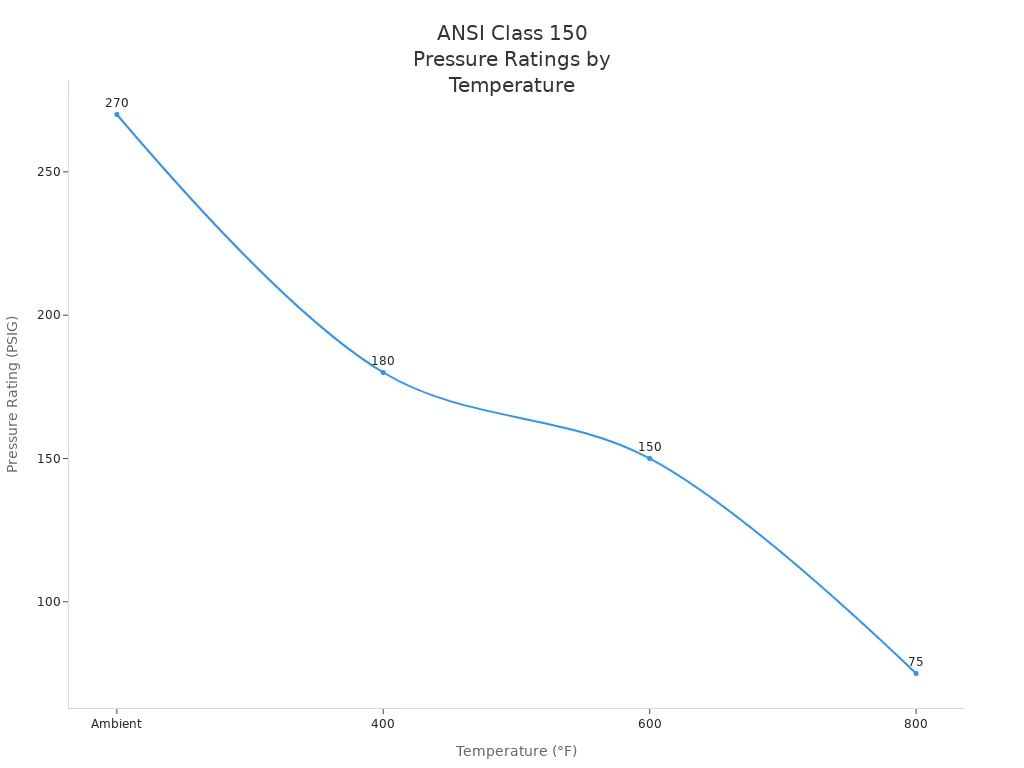
You can count on NTGD wafer ball valves for strong flow and safe use in small spaces. The ANSI Class 150 rating shows how the valve works at different temperatures:
| Temperature (°F) | Pressure Rating (PSIG) |
|---|---|
| Ambient | 270 |
| 400 | 180 |
| 600 | 150 |
| 800 | 75 |
💡 Tip: Always check the pressure rating and material before you put in a wafer ball valve. This helps stop leaks and keeps your system safe.
Benefits
Easy Installation
You can install a wafer ball valve quickly. The compact design does not need extra flanges or bolts. You place the valve between two pipeline flanges and secure it with simple bolts. This process saves you time and effort. You do not have to deal with heavy parts or complicated connections. NTGD makes wafer ball valves that are light and easy to handle. If you need to replace or maintain the valve, you can remove it without much trouble. This feature helps you in systems that require frequent checks or repairs.
🛠️ Tip: Choose wafer ball valves for areas where you want fast installation and easy access.
Space Saving
You get more room in your system when you use a wafer ball valve. The slim body fits tightly between flanges. You do not need extra space for bulky valve bodies. This benefit is important in crowded plants or places with limited room. NTGD designs wafer ball valves for tight spots, so you can use every inch of your workspace. You can install more equipment or piping because the valve does not take up much space.
| Feature | Space Needed | Installation Time |
|---|---|---|
| Wafer Ball Valve | Minimal | Short |
| Flanged Ball Valve | More | Longer |
High Flow Rate
You can move fluids quickly with a wafer ball valve. The full bore design lets liquid or gas flow with little resistance. You get steady movement and less turbulence. This feature is important for systems that need constant flow. NTGD’s wafer ball valves help you keep your process running smoothly.
- Full bore design reduces resistance.
- Steady flow keeps your system efficient.
Cost Efficiency
You save money when you choose a wafer ball valve. The simple design uses fewer materials. You spend less on installation because the process is quick. Maintenance costs stay low since you can remove and fix the valve easily. NTGD offers wafer ball valves that last long and help you cut expenses over time.
💡 Note: Using wafer ball valves can lower your total project cost and reduce downtime.
Applications
Industrial Use
Wafer ball valves are used in many industries. They help control liquids and gases in factories. You can find them in water plants for clean and dirty water. Oil and gas companies use them to move oil and gas safely. Chemical plants use these valves for strong chemicals. These valves do not leak. NTGD makes wafer ball valves for hard jobs. The valve works well under high pressure. It helps keep your system safe.
Commercial Use
You can use wafer ball valves in many buildings. Their small and light shape makes them easy to put in. You do not need much room, so they fit in tight spaces. These valves help you stop, send, or change the flow in your system. You get good control of fluids in places like offices, malls, and schools.
- Simple to put in building systems
- Good for stopping, sending, and changing flow
- Give good fluid control in many places
🏢 Tip: Pick NTGD wafer ball valves for buildings where space and easy setup are important.
Fluid Types
A wafer ball valve works with many fluids. This makes it useful for many jobs. Here is a table that shows what fluids you can use and where:
| Fluid Type | Applications |
|---|---|
| Water | Water treatment facilities |
| Oil | Oil and gas pipelines |
| Gas | HVAC systems |
| Chemicals | Chemical processing |
NTGD valves can handle water, oil, gas, and chemicals. This lets you use one valve for many jobs.
Selecting Wafer Ball Valve
Choosing the right wafer ball valve helps you get the best performance and safety for your system. You need to look at several important factors before you make your choice. This section gives you a step-by-step guide to help you match the valve to your needs.
Criteria
When you select a valve, you should follow these steps:
- Know Your Fluid
Find out what kind of fluid will flow through the valve. Check if it is thick, thin, hot, cold, or corrosive. This helps you pick the right valve and material. - Check Flow Needs
Look at how much fluid you need to move and how fast it should go. Make sure the valve can handle the flow rate and does not cause too much pressure drop. - Review Operating Conditions
Think about where you will use the valve. Will it face high pressure, high temperature, or harsh chemicals? The valve must work well in these conditions. - Pick the Right Material
Choose a material that will not rust or break down when it touches your fluid. Stainless steel works well for many jobs, but other materials may fit better for special fluids. - Select the Valve Type
Decide if a wafer ball valve is the best type for your job. Compare it with other valves to see which one fits your needs. - Choose How to Operate the Valve
Decide if you want to turn the valve by hand or use an automatic system. Some jobs need quick or remote control. - Think About Reliability and Maintenance
Pick a valve from a trusted brand like NTGD. This helps you avoid problems and keeps your system running longer. - Check Rules and Standards
Make sure the valve meets all industry rules. This keeps your system safe and legal. - Look at Costs
Think about both the price to buy the valve and the cost to keep it working over time.
📝 Tip: Write down your needs before you shop. This makes it easier to find the right valve.
Size and Material
The size and material of your valve affect how well it works and how long it lasts. Use the table below to see how these choices matter:
| Factor | Impact on Performance and Longevity |
|---|---|
| Flow Rate | A valve that is too small blocks flow and raises pressure. A valve that is too big may not control flow well. |
| Temperature | High heat needs strong materials like stainless steel. The wrong material can fail in hot jobs. |
| Application Specific | Some jobs need special materials for safety or to resist chemicals. Always check if the valve meets your job’s rules. |
💡 Note: Always match the valve size to your pipe and your flow needs. Pick a material that stands up to your fluid and your system’s temperature.
Pressure Rating
You must match the valve’s pressure rating to your system. This keeps your system safe and stops leaks or breaks.
- The pressure rating tells you the highest pressure the valve can handle.
- Always check your system’s pressure and pick a valve that can take it.
- High temperatures can lower the valve’s pressure rating. Check both pressure and temperature before you choose.
- Look at the valve’s hydrostatic strength, working pressure, and test pressure.
⚠️ Alert: Never use a valve with a lower pressure rating than your system. This can cause dangerous failures.
When you follow these steps, you can choose a wafer ball valve that fits your system and keeps it running safely. NTGD offers many options to help you find the best match for your needs.
Installation and Maintenance
Installation Steps
You can put in a wafer ball valve by following some easy steps. These steps help you make sure your system is safe and does not leak:
- Pre-Installation Preparation
Look at the valve to see if it is damaged. Clean the pipe to get rid of dirt. Treat all parts so they do not rust. - Installation Direction and Position
Find the arrow on the valve that shows flow direction. Put the valve in the right spot. - Installation Procedure
Line up the flanges on your pipe. Place a gasket between the valve and flanges. Tighten the bolts evenly to hold the valve in place. - Trial Operation and Testing
Open and close the valve to check if it moves well. Test for leaks by checking if air escapes. - Maintenance and Upkeep
Plan to check and clean the valve often. This keeps it working well.
🛠️ Tip: NTGD says you should check all connections after you finish. This helps stop leaks.
Maintenance Tips
Taking care of your valve helps it last longer. You should:
- Check the valve often for leaks, rust, or damage.
- Keep the valve clean so dirt does not build up.
- Oil moving parts to stop rust and make them move easily.
- Test the valve’s pressure to make sure it is safe.
- Change broken parts fast so bigger problems do not happen.
Doing these things helps your system work better and saves money. You can stop sudden problems and keep everything running.
Troubleshooting
Sometimes, your valve may have problems. Here is a table to help you fix common issues:
| Troubleshooting Issue | Solution |
|---|---|
| Seal Damage | Look at the seals for cracks or rips; change them if needed. |
| Improper Installation | Make sure the valve lines up and bolts are tight to stop leaks. |
| Valve Not Closing Properly | Take out dirt and check inside parts for damage. |
| Excessive Noise or Vibration | Check for loose parts or bubbles; fix the flow or tighten bolts. |
| Preventive Maintenance | Check, clean, and oil the valve on a set schedule. |
🔍 Note: If you hear strange sounds or see leaks, fix them fast. Acting early keeps your NTGD wafer ball valve working well.
Wafer Ball Valve vs. Other Valves
Butterfly Valve Comparison
You might wonder how a wafer ball valve is different from a butterfly valve. Both fit between flanges and help save space. But they work in their own ways. The table below shows how they are not the same:
| Feature | Ball Valve | Butterfly Valve |
|---|---|---|
| Operational Mechanism | Rotating ball with a hole for flow control | Rotating disc that pivots on a rod |
| Flow Control Precision | High precision, good for fine-tuning | Less precise, best for quick shutoff |
| Size and Weight | Bulkier, needs more space | Compact, lightweight, easy to install |
| Pressure Handling | Handles high pressure well | Better for lower-pressure systems |
| Installation & Maintenance | More complex, needs extra support | Simple, less maintenance |
| Cost Implications | Usually more expensive | More cost-effective for large pipes |
| Application Suitability | Good for corrosive fluids, high stress | Best for water and HVAC systems |
A wafer ball valve gives you better control over flow. It works well if you need to adjust flow carefully or use high pressure. A butterfly valve is good for turning flow on or off fast in big pipes with low pressure.
Flanged Ball Valve Comparison
A flanged ball valve has flanges on both ends. This makes it bigger and heavier than a wafer ball valve. You need more room and time to put in a flanged ball valve. Fixing it takes longer because you must take off more bolts and parts. In small spaces or when you want to work fast, a wafer ball valve is better. NTGD sells both types, but many people like wafer ball valves because they are small and easy to use.
Pros and Cons
It is important to know the good and bad points before you pick a valve:
Pros of Wafer Ball Valves:
- Save space in tight places
- Fast and simple to put in or take out
- Work with high pressure and give good flow control
- Cost less to install and fix
Cons of Wafer Ball Valves:
- Not the best for very big pipes
- May not seal as tightly as some flanged valves in tough jobs
📝 Tip: Pick NTGD wafer ball valves if you want a valve that is safe, easy to use, and saves space. They are great for systems where you need both safety and good performance.
NTGD wafer ball valves are small and easy to put in. They help you control flow well. Pick the right size so you do not have trouble or spend too much. Put the valve in the right way and check for leaks. Clean and check the valve often to help it last longer. If you are not sure, ask an expert or look at a guide.
Remember: Pick carefully, install right, and check often to keep your system safe and working well.