
For maintenance and repair, you need something fast and easy. 3-piece ball valves are great for this job. Their design lets you take out the middle part without touching the pipes. This makes fixing them quick and simple. It also means less time wasted, fewer losses, and lower costs. Plus, the ends stay in place during repairs, so leaks are less likely. These features help keep your system working well and reliably.
Key Takeaways
- 3-piece ball valves are easy to fix without removing pipes.
- They are strong and built to last in tough situations.
- Changing old parts is simple, saving money and making them last longer.
- Faster repairs mean less waiting and smoother work.
- Picking the right size and material keeps them safe and working well.
Understanding 3-Piece Ball Valves
What Makes 3-Piece Ball Valves Unique?
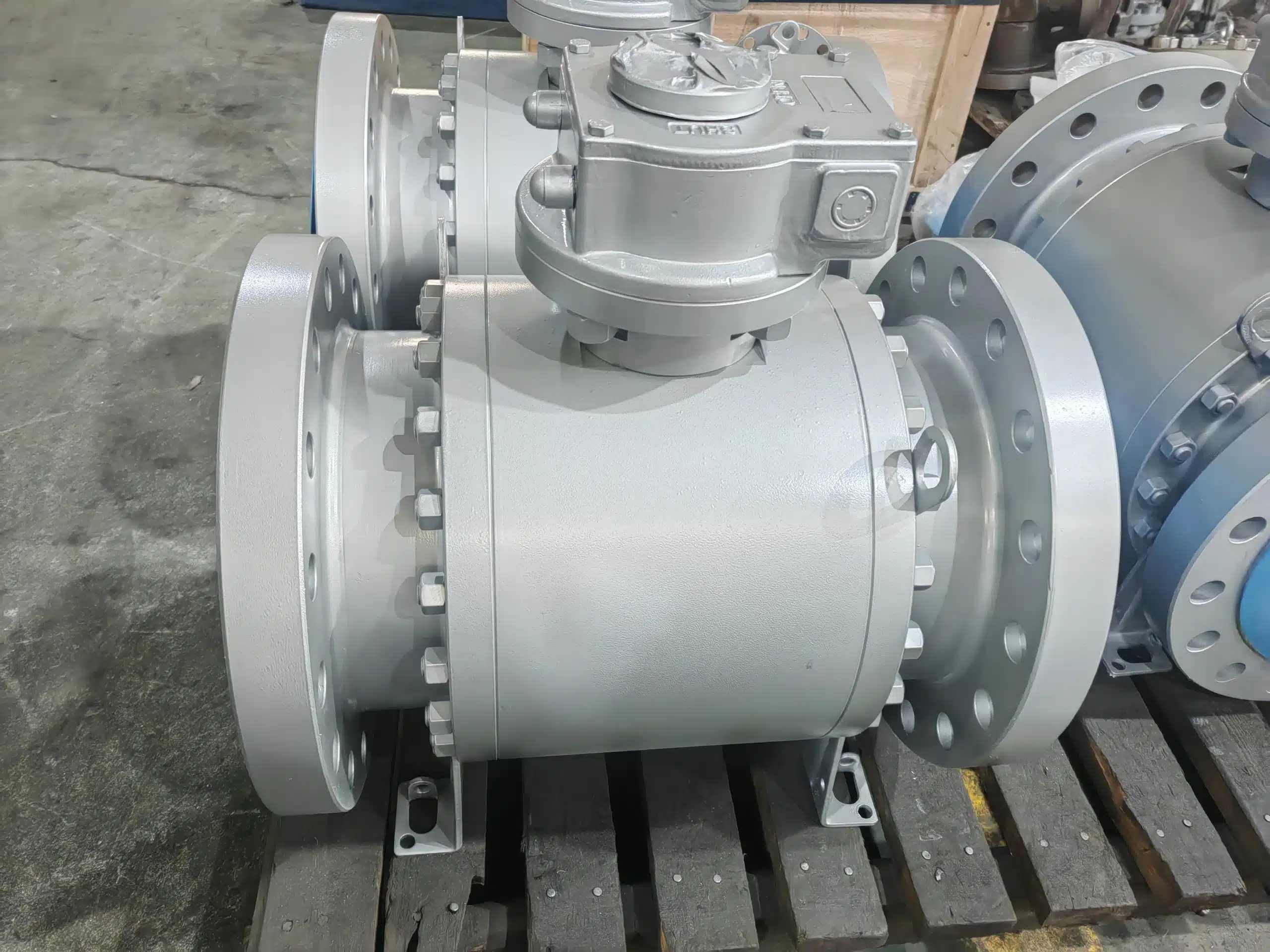
3-piece ball valves are different from other valve types. They have a main body and two pipe ends. You can take out the middle part without moving the pipes. This makes fixing them quicker and easier. Unlike other valves, you can change parts like the ball or seats. You don’t need to remove the whole valve. This saves time and keeps your system running smoothly.
These ball valves are also very strong and long-lasting. They are made from materials that resist damage and rust. This makes them great for tough jobs. Whether you use them for liquids, gases, or thick mixtures, they work well. They can handle high pressure and heavy use, making them popular in many industries.
| Feature | Description |
|---|---|
| Construction | Has one main body and two pipe ends for easy cleaning or repairs. |
| Maintenance | Worn parts can be replaced quickly, saving money over time. |
| Serviceability | The valve stays in place while parts are fixed, improving efficiency. |
Key Components of a 3-Piece Ball Valve
Knowing the parts of a 3-piece ball valve helps you understand how it works. The main body holds everything together. The ball, with a hole in the middle, controls the flow. The stem connects the ball to the handle or motor, letting you operate the valve. Seats seal around the ball to stop leaks. The handle or motor allows manual or automatic control.
| Component | Description |
|---|---|
| Body | The outer shell that holds all the parts together. |
| Ball | The part with a hole that controls the flow. |
| Stem | Links the ball to the handle or motor for control. |
| Seats | Seals around the ball to stop leaks. |
| Handle/Actuator | Used to open or close the valve manually or automatically. |
These parts work together to ensure smooth and reliable fluid control.
How 3-Piece Ball Valves Simplify Maintenance
Fixing 3-piece ball valves is simple. You can remove the middle part for cleaning or repairs without touching the pipes. This saves time and effort. The design is easy to take apart and put back together. You don’t need special tools to do it. This reduces downtime and keeps your system running.
You can also replace just the worn parts, like the ball or seats. There’s no need to buy a whole new valve. This saves money and makes the valve last longer. For industries like manufacturing or chemical plants, this is very helpful.
| Performance Metric | Description |
|---|---|
| Ease of Maintenance | The valve can be fixed without moving pipes, saving time. |
| Reduced Downtime | Simple repairs mean less time when the system is off. |
| Cost-Effectiveness in the Long Run | Costs less over time because of fewer repairs and replacements. |
Choosing a 3-piece ball valve gives you a strong, easy-to-fix option for controlling fluids.
Advantages of Using 3-Piece Ball Valves for Maintenance and Repair
Easy to Maintain and Fix
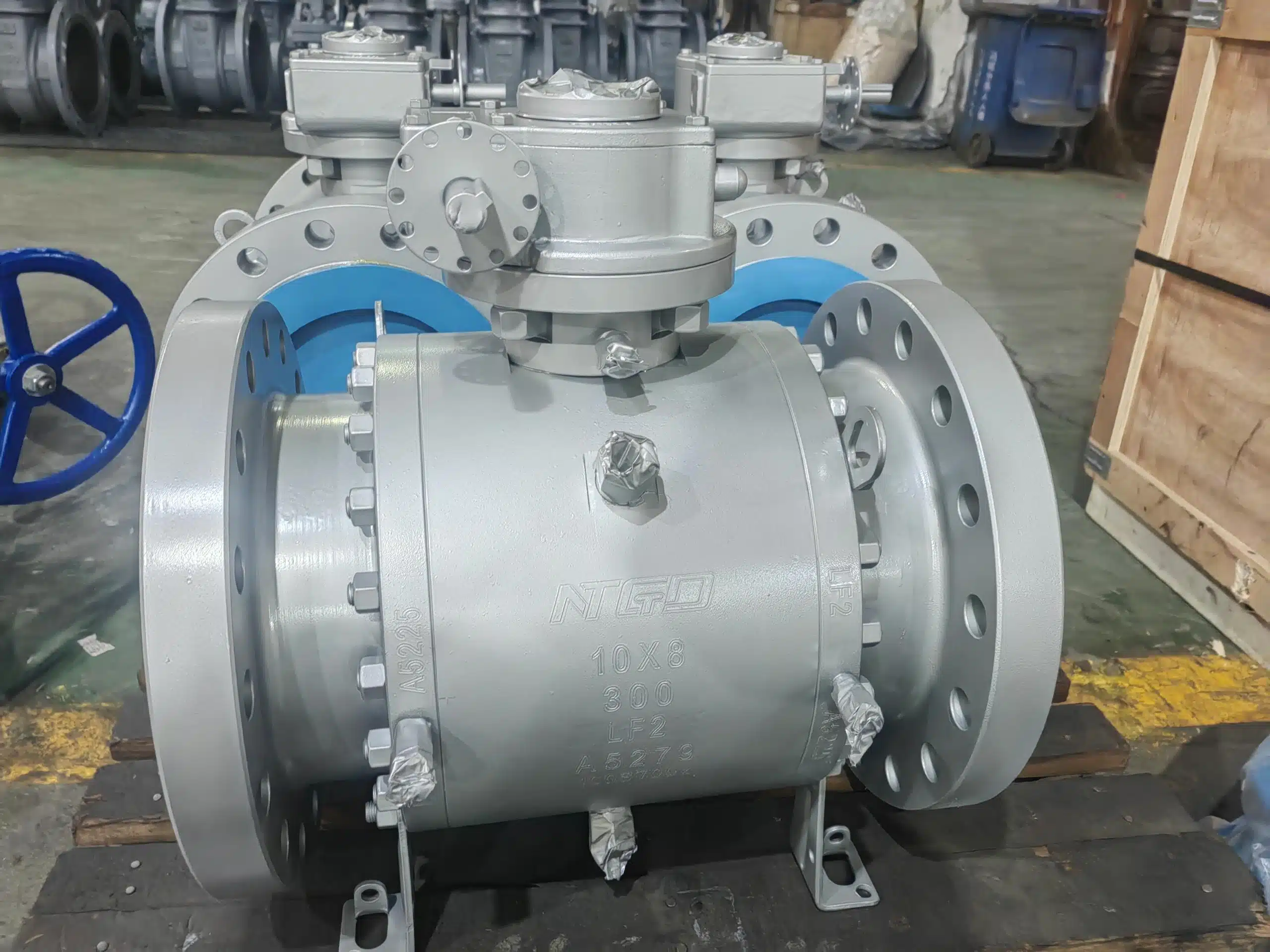
3-piece ball valves are very easy to maintain. Their design lets you remove the middle part without moving pipes. This makes cleaning and fixing them simple and quick. You don’t need special tools or much training to use them. Even complicated systems can be fixed fast with these valves.
With NTGD’s 3-piece ball valve, you can replace worn parts like the ball or seats. There’s no need to buy a whole new valve. This lowers maintenance needs and makes the valve last longer. Whether in a factory or food plant, these valves keep things running smoothly.
Less Downtime, Better Efficiency
Downtime costs money, so saving time is important. 3-piece ball valves are designed to make repairs faster. You can fix them without shutting down the whole system. This helps your operations stay efficient and on schedule.
NTGD’s 3-piece ball valves are strong and reliable. They work well under high pressure and in tough conditions. Using these valves means less downtime and better system performance. They are perfect for industries where time and efficiency matter.
Saves Money Over Time
Buying a 3-piece ball valve is a smart investment. You can replace parts instead of the whole valve, saving money. Over time, fewer repairs and a longer lifespan make them cost-effective.
NTGD’s 3-piece ball valves are durable and worth the cost. You’ll spend less on fixing or replacing them. This lets you use your money for other important needs. These valves not only save money but also give you peace of mind.
NTGD’s 3-piece ball valves offer easy fixes, less downtime, and savings. They are a great choice for any system.
Durability in Tough Conditions
Working in hard conditions needs strong equipment. 3-piece ball valves are made to last. They are tough and built with high-quality materials. These valves resist damage even in extreme heat, chemicals, or high pressure.
Their design ensures they work well for a long time. Strong materials like stainless steel or brass stop rust and corrosion. This means fewer repairs or replacements are needed. These valves are perfect for industries like oil, gas, and manufacturing.
These valves also stay useful over time. You can replace worn parts without removing the whole valve. This saves time and keeps the valve working well. In places where downtime costs money, this toughness is a big benefit.
Tip: Pick 3-piece ball valves made from materials for your job. Stainless steel is great for chemicals, while brass works for general tasks.
Choosing 3-piece ball valves gives you reliable performance in tough jobs. Their strength and ability to handle hard tasks make them a smart pick for long-term use.
Comparing 3-Piece Ball Valves to Other Valve Types
3-Piece Ball Valves vs. Gate Valves
Gate valves use a gate to control flow. This process is slow and takes effort. 3-piece ball valves work faster with a quarter-turn mechanism. You can open or close them quickly. This speed is helpful in emergencies or busy operations.
Sealing is better with 3-piece ball valves. They are designed to stop leaks, even under high pressure. Gate valves often leak after long use. Fixing 3-piece ball valves is also easier. You can replace parts without removing the valve. Gate valves need more time and effort for repairs.
| Feature | 3-Piece Ball Valves | Gate Valves |
|---|---|---|
| Operation Speed | Fast (quarter-turn) | Slow (multi-turn) |
| Sealing Capability | Strong (stops leaks) | Weak |
| Maintenance Needs | Easy | Hard |
3-Piece Ball Valves vs. Butterfly Valves
Butterfly valves are small and cost less. But they don’t perform as well as 3-piece ball valves. Butterfly valves seal and handle pressure moderately. 3-piece ball valves are stronger and work better in tough conditions.
Fixing 3-piece ball valves is simple. You can take them apart without special tools. Butterfly valves need more effort to repair. 3-piece ball valves also control flow more accurately. This makes them great for jobs needing precise fluid control.
| Feature | 3-Piece Ball Valves | Butterfly Valves |
|---|---|---|
| Sealing Capability | Stronger | Moderate |
| Maintenance Needs | Easier | Moderate |
| Flow Control Accuracy | Better | Lower |
Why 3-Piece Ball Valves Are Superior
3-piece ball valves are tough, easy to fix, and versatile. They work with liquids, gases, and more, making them useful in many industries. Strong materials like stainless steel stop rust and damage, ensuring they last long.
You can fix 3-piece ball valves without removing them. This saves time and keeps systems running. They handle high pressure and control flow precisely. Industries like oil, gas, and manufacturing trust these valves for their reliability.
Key Takeaway: Choose 3-piece ball valves for speed, strength, and cost savings. They are the best option for many uses.
How to Pick the Right 3-Piece Ball Valve
Choosing the right 3-piece ball valve keeps your system running well. Focus on materials, size, and specific needs to save time and money.
Material Choices and Their Uses
The material of a 3-piece ball valve affects how strong it is. Picking the right material helps the valve work well in your system.
| Material | Benefits | Best For |
|---|---|---|
| Carbon Steel | Strong, affordable | Medium pressure and temperature systems |
| 304 Stainless Steel | Resists rust | General industrial tasks |
| 316 Stainless Steel | High rust and chemical resistance | Tough environments like chemical plants |
- Carbon steel is strong and affordable, good for medium jobs.
- 304 stainless steel resists rust, great for general industrial systems.
- 316 stainless steel handles chemicals and harsh places like marine areas.
Tip: Match the valve material to the fluid and conditions. This avoids damage and makes the valve last longer.
Size and Pressure Ratings
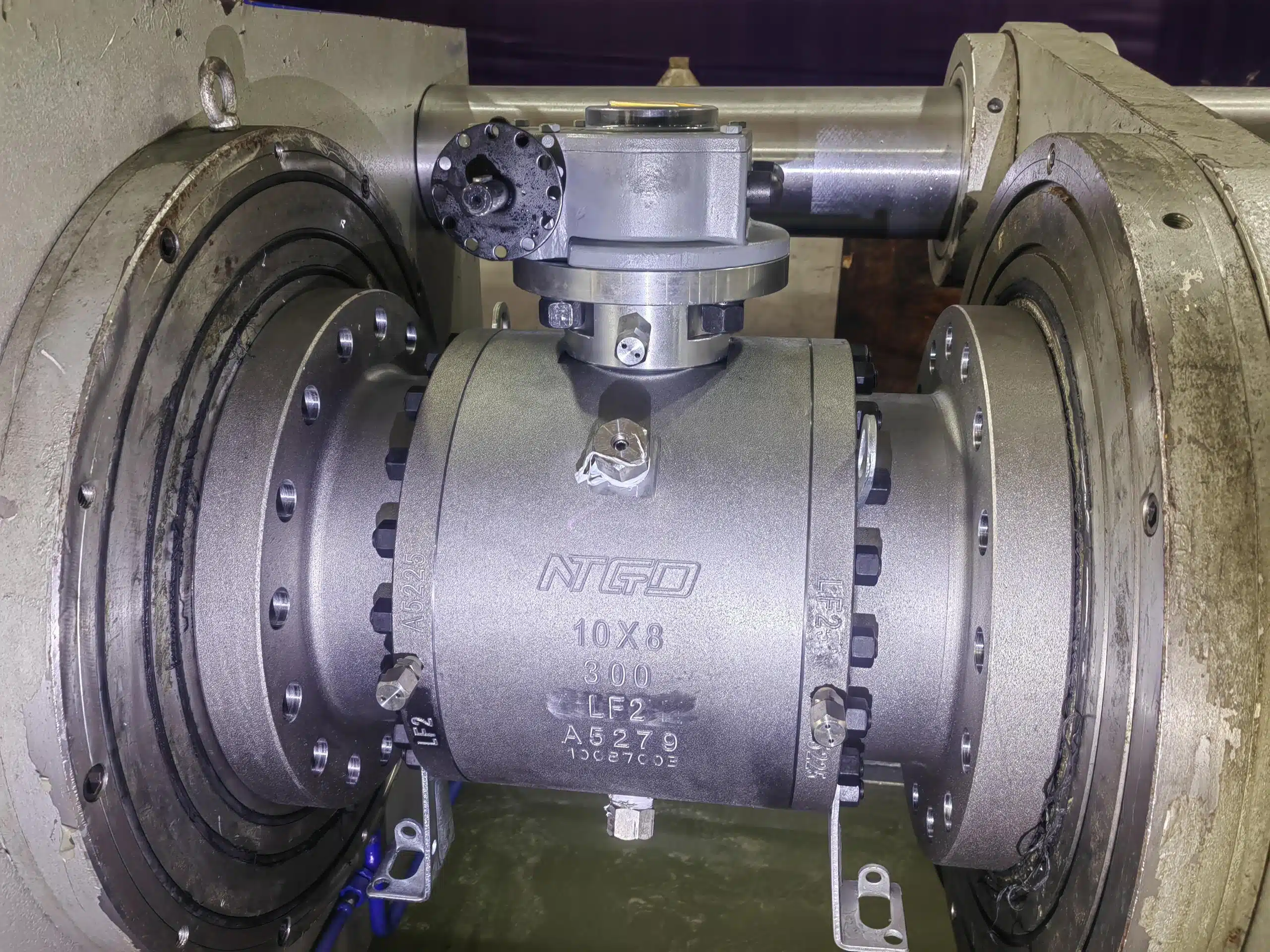
The right size and pressure rating keep the valve safe and efficient. A wrong size or pressure can cause problems.
| Specification | Details |
|---|---|
| Size Range | NPS ¼ to 4 / DN 8 to 100 |
| Max Pressure | 2200 psi CWP (151 Bar) |
| Design Standard | ASME B16.34 Class 600 |
| Testing Standard | API 598, MSS SP72 |
Check the valve size to match your pipeline. Make sure the pressure rating fits your system’s needs. Following standards like ASME B16.34 ensures safety and good performance.
Matching Valves to Jobs
Each job needs a specific valve for the best results. Think about these points when choosing:
- Pressure and Temperature: Make sure the valve handles your system’s levels.
- Fluid Type: Pick a material that won’t rust or get damaged.
- Space and Design: Check the valve fits in your system’s layout.
- Cost Over Time: Look at the total cost, including repairs and upkeep.
By thinking about these factors, you’ll pick a valve that works well and saves money. A good 3-piece ball valve lasts long and keeps your system efficient.
Key Takeaway: The best 3-piece ball valve has the right material, size, and features for top performance and value.
Evaluating Quality and Manufacturer Standards
When picking a 3-piece ball valve, quality is very important. Good valves are safe, reliable, and last a long time. Knowing how manufacturers meet rules helps you choose wisely and avoid problems.
Groups like ANSI and ASME set strict rules for valve design. These rules make sure valves work well in tough conditions. Manufacturers use strong materials like ASTM A105 carbon steel or ASTM A182 stainless steel. These materials fight rust, handle high pressure, and work in extreme heat or cold. Valves meeting these rules are more durable and efficient.
Testing shows if a valve is high quality. Manufacturers use special tests to check for problems. Common tests include:
- Ultrasonic testing: Finds surface problems and checks wall thickness for safety.
- Radiographic testing: Spots hidden flaws that might cause failure.
- Eddy current testing: Detects cracks from pressure or heat stress.
These tests prove the valve can handle hard jobs without breaking. Picking valves that pass these tests lowers the chance of leaks or failures.
Tip: Look for manufacturers using eco-friendly materials. Green designs save energy and help the environment.
Checking quality and standards helps you pick a strong, reliable valve. Certified materials and tested designs keep your system safe and working well.
Using 3-piece ball valves keeps your system running smoothly and reliably. Their special design makes fixing them easy, saves time, and cuts costs. You can swap out parts without moving the pipes, which helps prevent leaks. These valves are strong and work efficiently, making them the best pick for tough jobs.
| Benefit | Description |
|---|---|
| Easy to Fix | Replace parts quickly without moving the pipes. |
| Less Downtime | Repairs are faster, so systems stay running. |
| Saves Money | Cuts labor costs and avoids production delays. |
| Fewer Leaks | Pipes stay in place during maintenance, reducing leak risks. |
Tip: Choose 3-piece ball valves for better performance and long-term savings.
