
Ball valves work great in compressed air systems. They perform well even under tough conditions. They handle high pressure and heat without losing efficiency. Built to last, these valves work after many uses. They also close tightly after being unused for a long time. Their seals stop air leaks, keeping the system strong and saving air. Ball valves need little care, which saves time and money. This makes them very useful for factories and businesses.
Key Takeaways
- Ball valves work well in air systems by keeping airflow steady.
- They are strong and handle high pressure, heat, and chemicals.
- Their leak-proof design stops air from escaping, saving energy.
- Ball valves need little care, cutting repair costs and delays.
- Picking the right size, material, and pressure makes them last longer.
Benefits of Ball Valves in Compressed Air Systems
Efficiency in Airflow Management
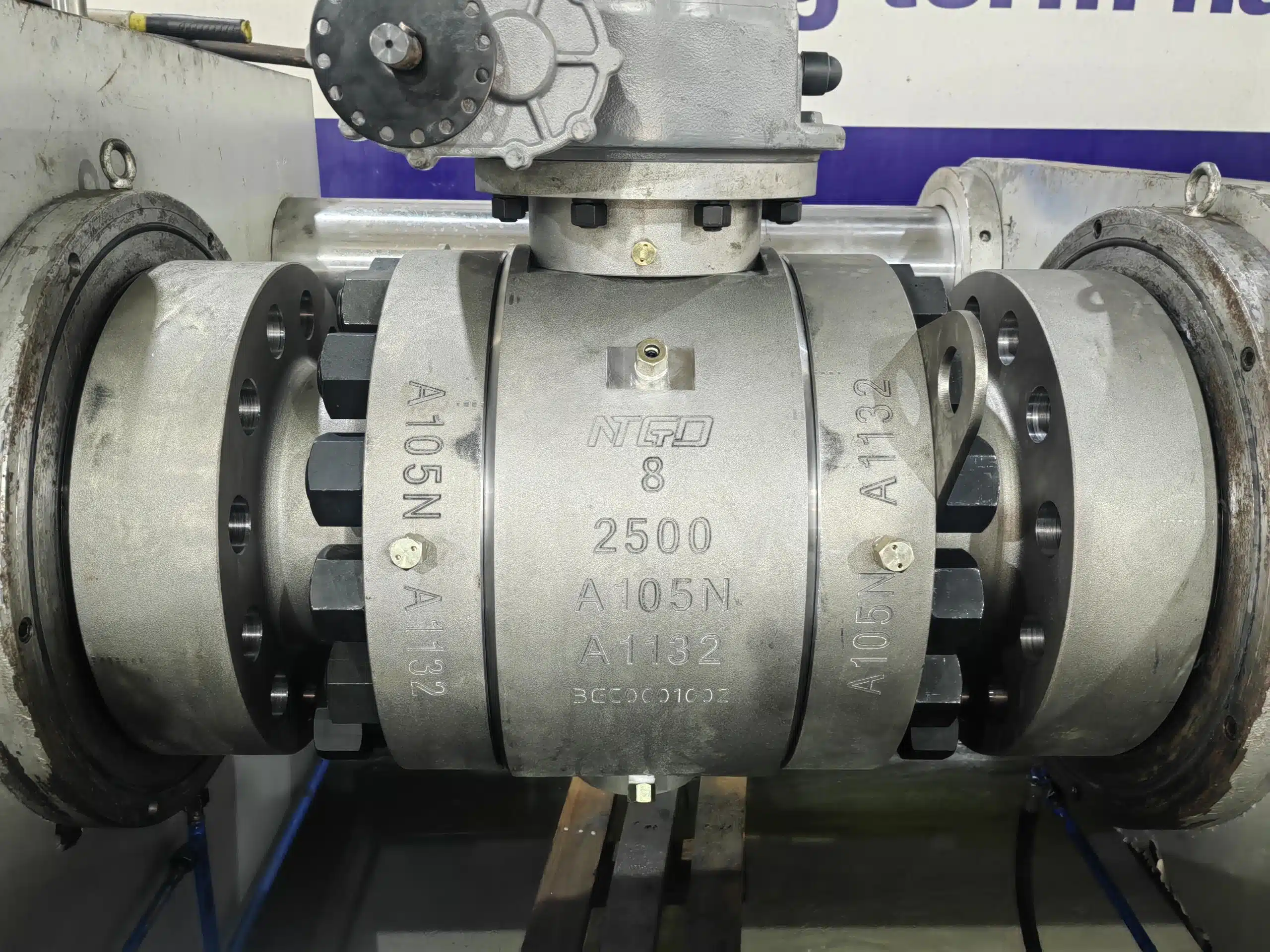
Ball valves help keep air moving smoothly in systems. Their design lets you control airflow easily and keeps pressure steady. This is important because small pressure drops can hurt system performance. Studies show full flow ball valves lower pressure drops and improve efficiency.
Ball valves are also simple to maintain. Placing them near filters and dryers lets you do maintenance without stopping airflow. This saves time and avoids unexpected delays. Their quarter-turn feature allows quick shut-off, which is useful for high-pressure systems.
Durability in Harsh Environments
Ball valves are tough and work well in hard conditions. They handle high pressure, temperature changes, and strong chemicals. Materials like stainless steel, brass, and plastic make them resist rust and damage. For example, stainless steel and plastic valves stay strong even with chemical exposure.
Companies like NTGD test their ball valves under extreme conditions. Tests include pressure changes, temperature cycles, and endurance checks. Coatings like zinc and chrome protect against rust and wear. These features ensure the valves last long and perform well in tough environments.
| Feature | Benefit |
|---|---|
| Protective Coatings | Stops rust |
| Material Selection | Resists chemical damage |
| Testing Protocols | Ensures long-lasting use |
Leak-Proof Design for Reliability
Compressed air systems need tight seals to work well. Ball valves are great at stopping leaks because of their smart design and strong seals. Tests show they hold pressure without leaking, even under tough conditions. This is important because leaks waste energy and hurt performance.
Choosing ball valves with good seals reduces air leaks and boosts system efficiency. NTGD’s valves are made to keep systems working reliably. Their seals save energy and cut down on maintenance needs. This saves both time and money over the valve’s life.
Low Maintenance and Cost-Effectiveness
Taking care of a compressed air system should be easy. Ball valves are great because they need little upkeep. Their simple design has fewer moving parts, so they last longer. You won’t spend much time fixing or replacing them. This helps your system run smoothly for a long time.
Ball valves save money because they last many years. Good ones, like Conval Camseal ball valves, work for 16 to 20 years with little care. Cheaper valves from other places may only last 4 to 5 years. They also need more repairs. Look at the table below to see the difference:
| Valve Type | Maintenance Cost | Expected Lifespan |
|---|---|---|
| Conval Camseal ball valves | Low | 16-20 years |
| Lower-quality foreign valves | High | 4-5 years |
Strong ball valves mean fewer repairs and less checking. They are built tough to handle hard jobs without breaking often. This strength lowers downtime and saves money over time.
Fixing ball valves is also quick and easy. You can change seals or seats without taking the valve out. This saves time, especially in high-pressure systems where delays cost money.
Ball valves also help save energy. Their tight seals stop air from leaking. This keeps your system working well and lowers energy bills.
When you pick ball valves, you’re choosing a smart, long-lasting option. They are reliable, strong, and affordable. Their low maintenance and long life make them perfect for compressed air systems.
Applications of Industrial Ball Valves in Compressed Air Systems
Industrial and Manufacturing Uses
Industrial ball valves are important for many industries. They help control flow accurately and reliably. These valves are used in areas like medicine, farming, and food production. In medicine, they keep fluid flow clean and precise. In farming, they manage irrigation systems with materials that resist rust.
The table below shows how industries use ball valves:
| Industry | Application Description |
|---|---|
| Pharmaceuticals | Controls fluid flow for clean and accurate manufacturing. |
| Agriculture | Manages irrigation with strong, rust-resistant materials. |
| Metal and Mining | Handles flow in plants with tough materials for harsh conditions. |
| Paper and Pulp | Controls flow in paper-making with low-maintenance designs. |
| Food and Beverages | Ensures clean fluid flow using food-safe materials and designs. |
These examples show how flexible ball valves are. Their strength and efficiency make them essential for factories and industries.
Emergency Shut-Off Systems
Ball valves are key in emergency shut-off systems. They help stop flow quickly to keep things safe. Rules like OSHA 29 CFR 1910.106(b)(4)(iv)(c) require automatic-closing valves for flammable liquids. This stops flow during fires. API 553 also highlights the need for Emergency Block Valves (EBVs) to handle dangerous events.
Tip: Adding ball valves to emergency systems can lower risks and costs during accidents.
For example, the 2010 San Bruno gas accident caused over $1 billion in damages. Experts said EBVs could have shut off the gas faster, reducing harm. Ball valves allow both manual and automatic shutoff, improving safety in emergencies.
High-Pressure and High-Temperature Applications
Ball valves work well under high pressure and heat. They are built strong to handle tough conditions without losing performance. Important ratings include:
| Rating | Description |
|---|---|
| PSI | Measures how much pressure the valve can handle. |
| CWP | Maximum pressure the valve can handle at normal temperatures. |
| WOG | Pressure rating for water, oil, and gas at normal temperatures. |
| SWP/WSP | Maximum pressure for steam at high temperatures. |
These ratings show how ball valves perform in tough jobs. Whether controlling steam or compressed air, they are reliable and efficient solutions.
Choosing the Right Ball Valve for Your Compressed Air System
Material and Compatibility
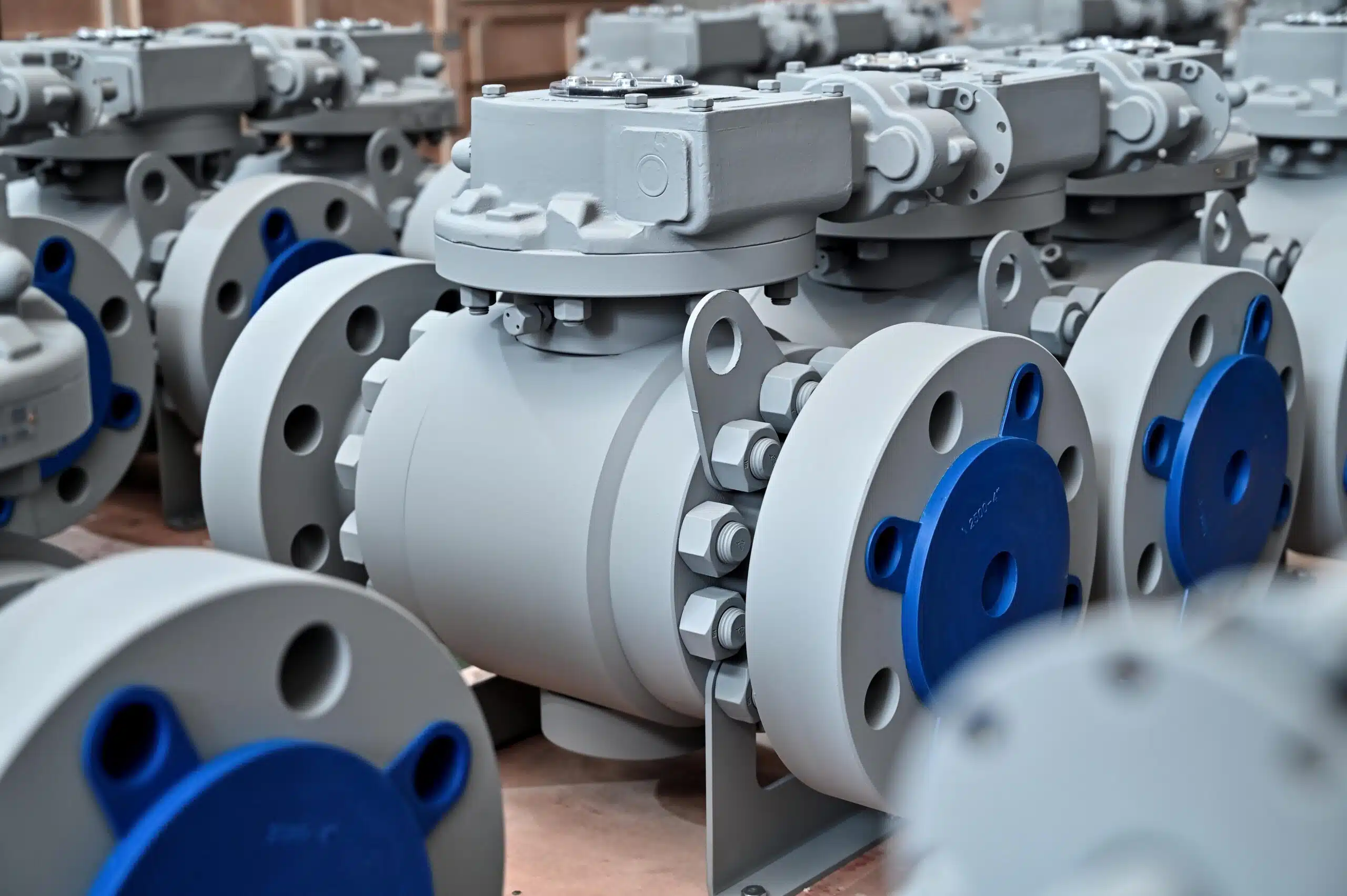
Picking the right material for your ball valve is important. It ensures the valve works well with your system. Different materials have special features for different uses. For example, PVC valves resist acids and salts but can’t handle heat. They are great for water systems. Stainless steel valves handle high heat and pressure, making them perfect for tough jobs.
Here’s a simple comparison of materials:
| Material | Features | Best Use |
|---|---|---|
| PVC | Resists acids and salts; lightweight; low cost. | Water systems. |
| PP | Handles chemicals and moderate heat. | Industrial systems. |
| PVDF | Resists chemicals and higher heat. | Clean systems. |
| PFA | Handles strong chemicals and high heat. | Corrosive areas. |
| PTFE | Resists chemicals and high heat. | Harsh chemical systems. |
| FKM | Works with heat and many chemicals. | Hard jobs. |
| Brass | Handles -20 °C to 160 °C. | Everyday uses. |
| Stainless Steel | Handles -40 °C to 220 °C. | High-pressure systems. |
Think about the chemicals, heat, and pressure in your system. This helps you pick a valve that lasts longer and works better.
Tip: Check if the material fits your system’s needs. This avoids damage or early wear.
Size and Flow Capacity
The size of a ball valve affects how air moves in your system. The right size keeps airflow smooth and reduces pressure drops. Small valves can block air, lowering efficiency. Bigger valves let more air through, improving performance.
Here’s how valve size changes airflow:
| Valve Size | Air Volume Registered | Flow Effect |
|---|---|---|
| 1/2 inch | 33% – 63% of air volume | Bigger valves allow more air and less pressure. |
| Various | 1/3 – 2/3 of air volume | Smaller valves increase pressure and lower flow. |
Choose a size based on your system’s airflow needs. Measure air volume and pressure to find the best fit.
Note: Too big valves cost more, while small ones hurt efficiency.
Pressure and Temperature Ratings
Knowing pressure and temperature limits is key when picking a ball valve. These limits show how much the valve can handle safely. For example, Class 150 valves work up to 285 psi at 100°F. Class 600 valves handle up to 1,480 psi. Going over these limits can cause leaks or breaks.
Materials and design affect these ratings. Stainless steel valves are strong and work well under tough conditions. Standards like ASME and API make sure valves are built to last. They check wall thickness and connection strength for safety.
Always check a valve’s ratings to match your system’s needs. This prevents problems and helps the valve last longer.
Tip: Use standards like ANSI or ISO ratings to pick the right valve for your system.
Installation and Connection Types
Installing valves the right way is very important. It helps your compressed air system work well and last longer. If done wrong, it can cause leaks, poor performance, or even damage. Knowing how to install ball valves properly avoids these problems and keeps your system reliable.
Why Proper Installation Matters
Putting in a ball valve the right way helps it work best. For example, keeping the valve stem upright stops dirt from building up. Cutting pipe ends straight and using the right size fittings prevents leaks and misalignment. These simple steps make your system work better and last longer.
Key Steps for Installation
Here are easy steps to install ball valves correctly:
- Check if the valve’s pressure and temperature ratings fit your system.
- Clean the pipe to remove rust, dirt, or leftover welding bits.
- Place the valve upright to help it work better.
- Use pipe unions for easy removal during maintenance.
- Tighten bolts one by one for a good seal.
- Test the valve by opening and closing it a few times.
| Step/Check | What to Do |
|---|---|
| Pressure Rating | Make sure the valve can handle your system’s pressure. |
| Temperature Rating | Check if the valve works in your system’s temperature range. |
| Thread and Flange Compatibility | Ensure the valve fits your pipe threads or flanges. |
| Pre-installation Cleaning | Clean the pipe to remove dirt, rust, or welding debris. |
| Valve Orientation | Install the valve upright to avoid dirt buildup. |
| Maintenance Access | Use unions to make valve removal easier for repairs. |
| Tightening Bolts | Tighten bolts evenly for a proper seal. |
| Operational Testing | Test the valve to ensure it works after installation. |
Choosing the Right Connection Type
The type of connection affects how well the valve works and how easy it is to install. Common types include threaded, flanged, and welded connections. Threaded ones are easy to install and good for low-pressure systems. Flanged connections are strong and work well in high-pressure systems. Welded connections are permanent and stop leaks completely.
Tip: Use supports for bigger valves to reduce stress on pipes. This helps the valve last longer and prevents damage.
By following these steps, you can install ball valves properly and securely. This improves your system’s efficiency, lowers repair costs, and reduces downtime.
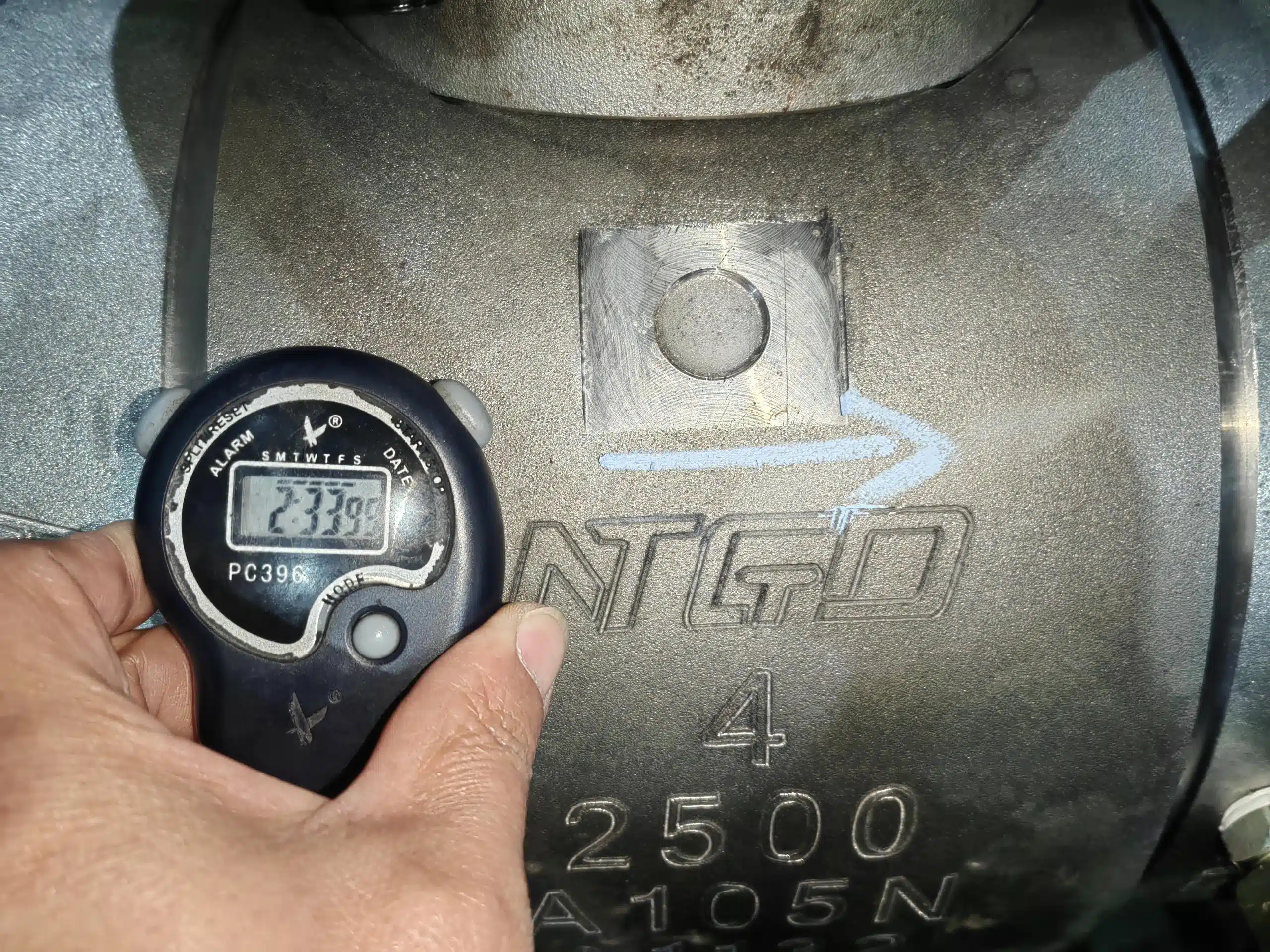
Ball valves are the best choice for compressed air systems. They work well and last a long time. Their tight seals stop leaks, saving energy and improving performance. Since they need little care, they are a smart and affordable option for industries.
More industries now need better flow control systems. This has increased the demand for ball valves. Experts predict the global market will grow from USD 13.09 billion in 2025 to USD 15.69 billion by 2030. This growth is due to more factories and the need for strong systems. Picking the right material, size, and pressure rating helps your system work better and last longer.
Tip: Buying good-quality ball valves saves money and boosts efficiency over time.
