
Dealing with thick and rough materials needs special tools. Knife gate valves work well in these tough situations. They are made to handle materials with lots of solids without getting stuck or leaking. Industries like mining and cleaning wastewater use them because they last long and work well.
The need for slurry knife gate valves shows their value. In 2022, the market was worth $750.7 million. By 2030, it might grow to $1,065.2 million, increasing by 4.6% each year. Also, over 74% of people in the US rely on wastewater treatment plants, showing how important these valves are.
Key Takeaways
- Knife gate valves are made to handle thick, tough materials. They are important for industries like mining and wastewater treatment.
- These valves stop clogs and leaks, making systems work better. They also lower repair costs over time.
- Knife gate valves last a long time and need little care. This saves both time and money.
- Their sharp edges cut through solids easily, keeping slurry and pulp flowing smoothly.
- Using knife gate valves improves performance and makes them reliable in hard jobs.
Understanding Slurry and Pulp Applications

What Are Slurry and Pulp?
Slurry and pulp are used in many industries. Slurry is a mix of solid bits in liquid. It’s common in mining, wastewater, and chemical work. Pulp comes from wood or plants. It’s used to make paper and cardboard. Both are hard to handle because they are thick and rough.
The slurry market is growing fast. By 2024, it may be worth $1.2 billion. By 2033, it could grow to $1.5 billion. This growth is due to more mining, water cleaning, and oil and gas work.
| Indicator | Value |
|---|---|
| Market Size in 2024 | USD 1.2 billion |
| Market Size in 2033 | USD 1.5 billion |
| CAGR | 2.50% |
| Key Growth Factors | More mining, water cleaning, and oil and gas work |
Problems with Thick and Rough Materials
Thick and rough materials are hard to manage. They can damage tools and cause delays. For example, studies on aluminum machining show surface problems and burrs. Old methods don’t work well with these materials. This leads to higher costs and wasted time.
In slurry systems, thick and rough materials can block pipes. They can also harm valves. That’s why strong tools are needed for these tough jobs.
Why Special Valves Are Important
Special valves, like knife gate valves, are very useful. They handle thick and rough materials without breaking. In mining, they control the flow of mineral slurry. In wastewater, they manage dirty sludge. In paper-making, they handle fibrous pulp without clogging. In chemical work, they stop leaks when moving solids.
Using these valves makes systems work better. They also lower repair costs and save time.
Key Features of Knife Gate Valves
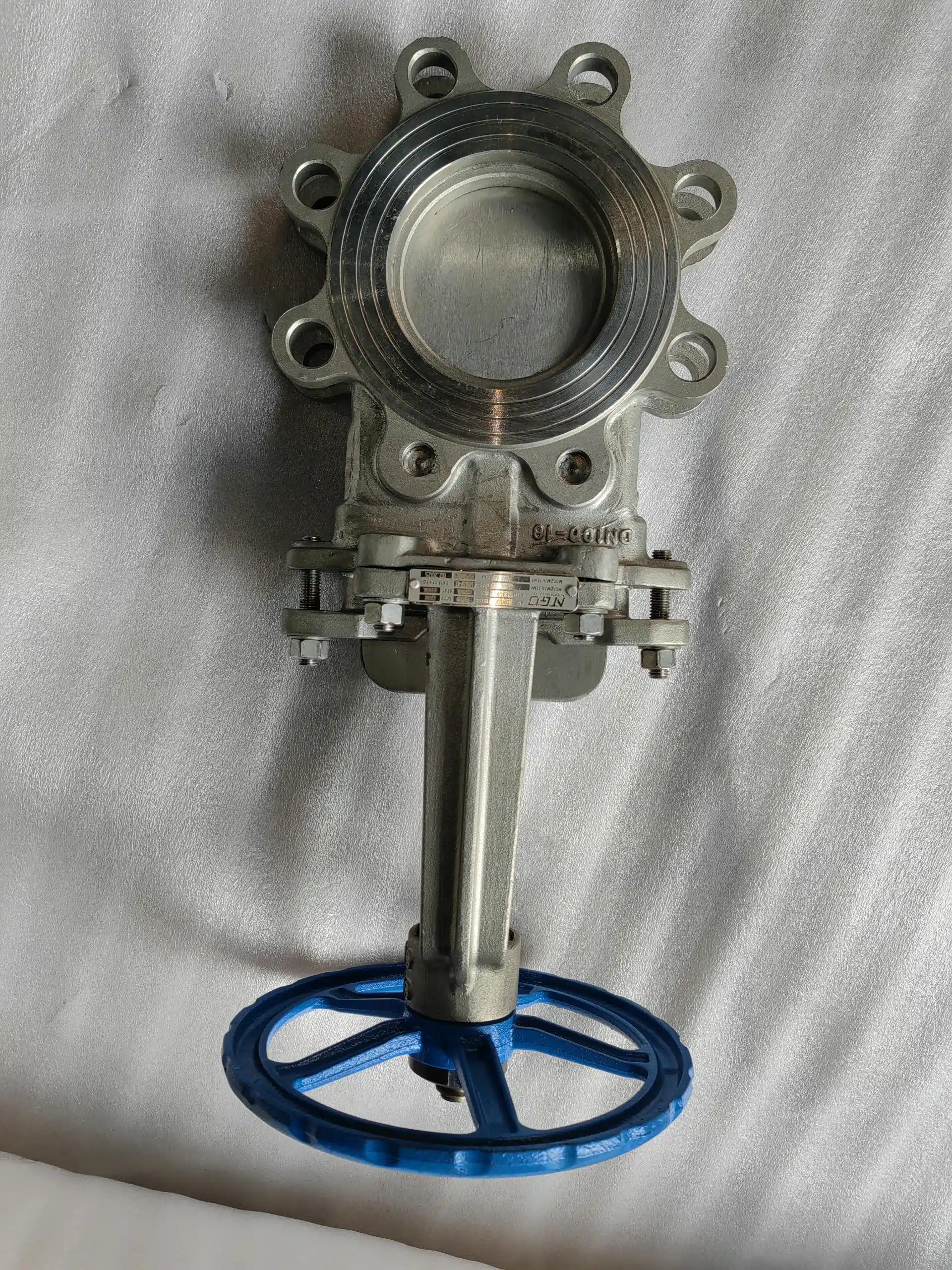
Sharp-Edged Gate for Cutting Through Solids
Knife gate valves have a sharp edge to cut solids. This design helps them work smoothly with thick materials. The beveled edge stops blockages in slurry or pulp. These valves are useful in mining and wastewater systems. They prevent clogs that can slow down work.
NTGD’s knife gate valves have strong edges, like stellited or chrome-plated ones. These features make them last longer. They can handle tough jobs without breaking. This sharp design works well in hard environments.
Hard Seal Design to Minimize Leakage
Stopping leaks is important with thick and rough fluids. Knife gate valves have strong seals to prevent leaks. Their hard seal design works even under high pressure. This is helpful for thick or corrosive materials.
These gate valves are easy to use and adjust quickly. They open and close fast, saving time. NTGD’s valves are small and light, making them easy to install. They also save space in your system.
Built for Tough Materials and Abrasive Media
Knife gate valves are made for thick and rough materials. They are strong and resist damage from particles. Gland packing can be changed to fit different needs. This makes them useful for many industries.
In paper-making, they control thick pulp flow. In mining, they manage slurry and stop clogs. NTGD’s valves are built for these tough jobs. They work well and need less fixing over time.
Benefits of Process Slurry Knife Gate Control Valves
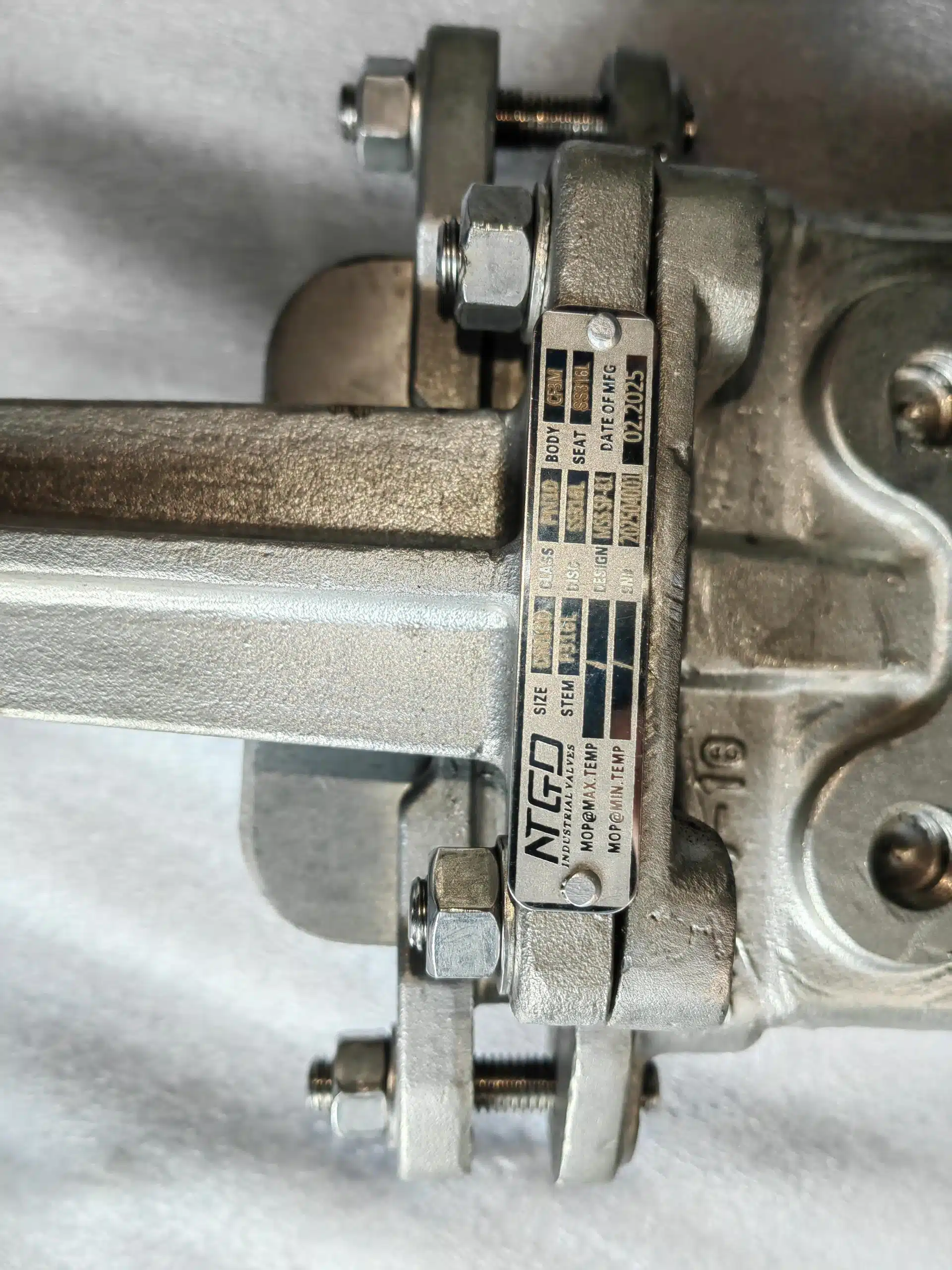
Strong and Long-Lasting
Process slurry knife gate valves are tough and last long. They handle rough and harmful materials without breaking. Their special design keeps the process medium away from key parts. This reduces damage and makes them last longer.
| Feature | Description |
|---|---|
| Heavy Duty | Handles tough flow conditions easily. |
| Wear Resistant | Only ring sleeves touch the medium, lowering wear. |
| Bi-directional Flow | Works with backflow and fully stops flow when needed. |
Studies show these valves are very durable. In metal leaching, WearBlock™ valves lasted much longer. In power plants, they worked for six years with little wear. This proves they are reliable in tough jobs.
Easy to Fix and Less Downtime
Knife gate valves are easy to fix and save time. They are strong and don’t need repairs often. Victaulic’s valves can be fixed without removing them. This quick process takes about 12 minutes, cutting downtime by 95%.
Stainless steel knives stop rust, making them great for wastewater systems. These valves save time and cut yearly repair costs by 60%.
Stops Clogs and Keeps Pipelines Clear
Knife gate valves keep materials flowing smoothly. Their sharp edges cut through solids, stopping clogs. This helps even when materials are thick and heavy.
| Evidence Type | Description |
|---|---|
| NFPA 25 Guidelines | Says pipes should be checked every five years for problems. |
| Pipe Scale | A main cause of clogs, fixed by flushing systems. |
These valves also protect pipelines from damage. They stop clogs caused by pipe scale or other materials. Their ability to handle rough materials makes them perfect for mining, wastewater, and paper-making industries.
Why Knife Gate Valves Work Better Than Other Valves
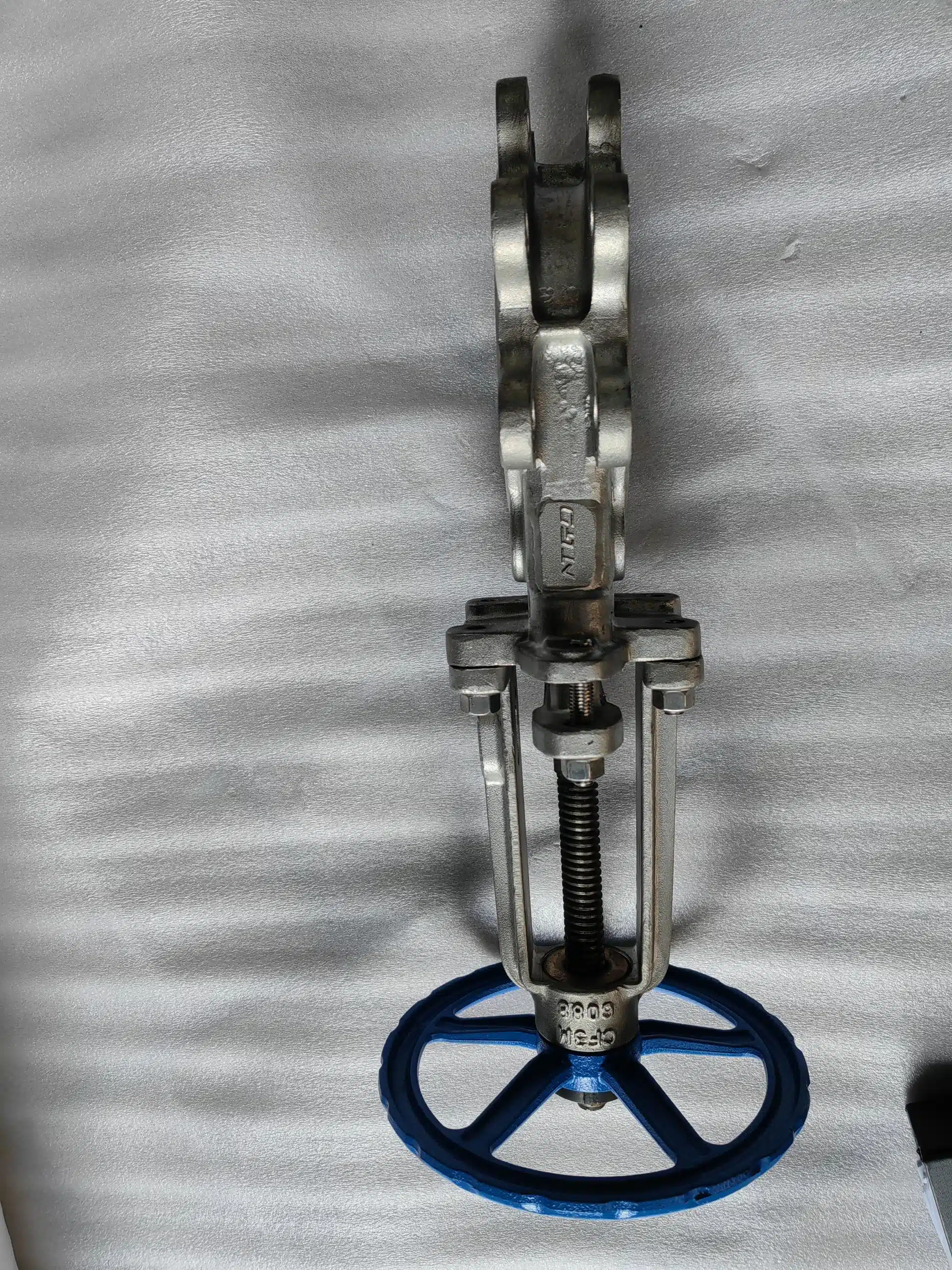
Problems with Ball Valves and Butterfly Valves
Butterfly and ball valves don’t work well with thick, rough fluids. Butterfly valves wear out fast if not kept one-third open. This can cause uneven flow and lower efficiency. They also can’t control flow precisely because of their small control range.
Both valve types struggle with pressure drops and cavitation during use. These problems happen because they recover poorly compared to control valves. Controlling flow at low rates is hard for them. Their seats wear out quickly under high pressure and low flow. This makes them unreliable for thick and rough fluids.
Why Knife Gate Valves Are Better
Knife gate valves work great where other valves fail. Their sharp gates cut through solids easily. They handle thick and rough materials without problems. This makes them perfect for mining, paper-making, and wastewater jobs.
| Valve Type | Works with Rough Materials | Works with Thick Fluids | Best Uses |
|---|---|---|---|
| Knife Gate Valve | Excellent | Excellent | Mining, paper, wastewater |
| Other Valve Types | Fair to Poor | Fair to Poor | General uses |
Knife gate valves are the best choice for tough jobs. They handle thick and rough fluids better than other valves.
Saves Money and Lasts Longer
Knife gate valves cost more upfront but save money over time. They last long and need less fixing, cutting maintenance costs. For example, stainless steel knife gate valves work well in mining, water cleaning, and oil jobs. They handle heavy use and keep working, reducing downtime.
The market for knife gate valves is growing fast. It was worth $1.12 billion in 2023 and may reach $1.61 billion by 2030. This shows how important they are for handling tough fluids. Buying knife gate valves means better performance and long-term savings. They are a smart choice for hard jobs.
Real-World Uses of Knife Gate Valves
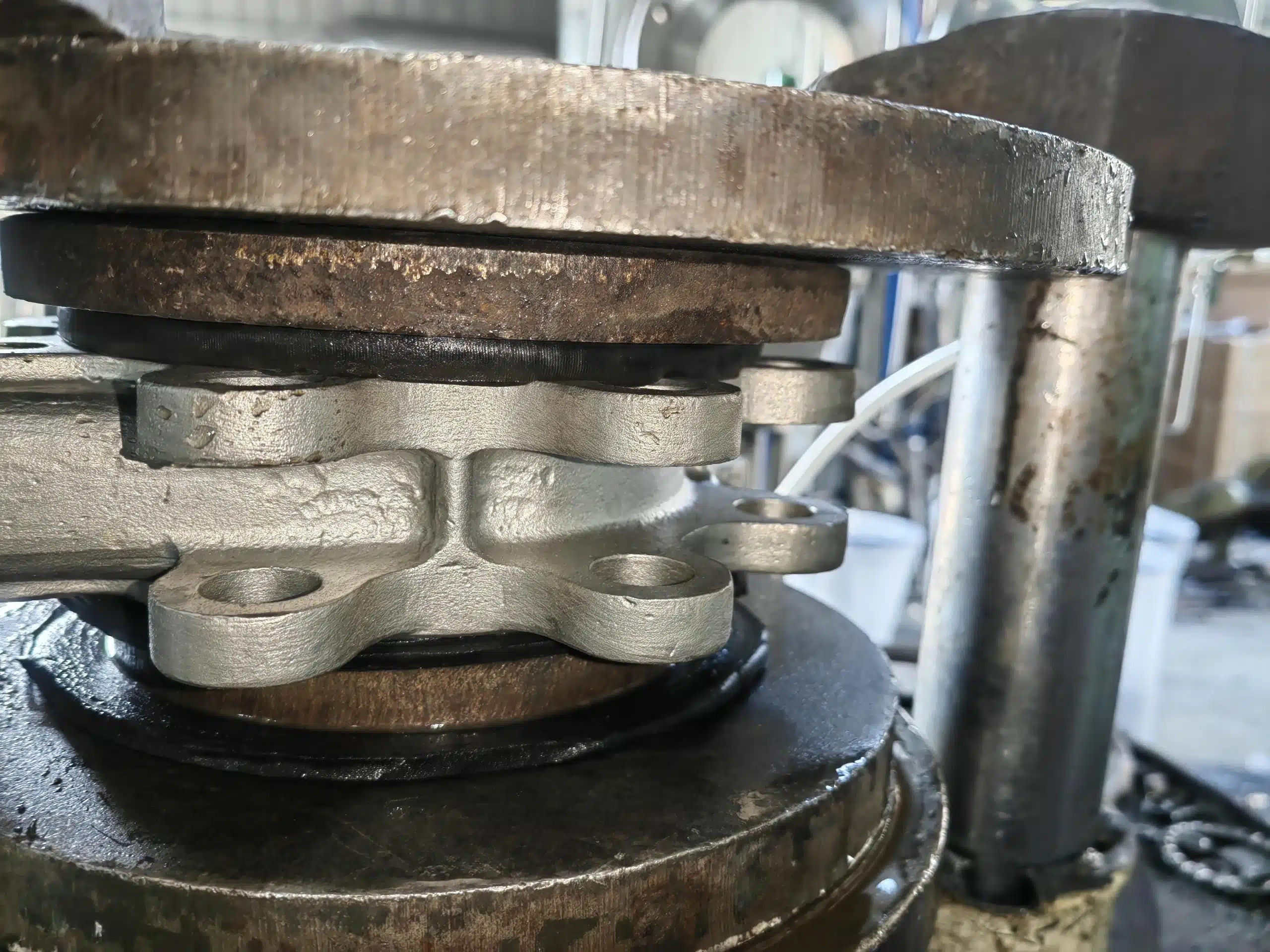
Mining and Managing Tailings
Mining needs strong tools for thick and rough materials. Knife gate valves work well with slurry and tailings. They handle high pressure and solids in mining jobs. For example, in Chile, copper mines use them for thick tailings pipelines. These pipelines work under pressures over 10 bar. The valves’ two-way design keeps flow smooth and stops clogs.
Ductile iron knife gate valves are common in mining. They resist wear and control flow well in slurry systems. In tough places like Chile and Australia, they last 18-24 months before replacement. Their strength reduces downtime. Mining uses over 28% of these valves, showing their value in key processes.
Pulp and Paper Industry Work
Knife gate valves are important in making paper. They handle thick pulp and fibrous slurries without clogging. Their sharp gates cut through pulp easily, keeping things running smoothly.
These valves help improve efficiency in paper-making. They control flow precisely, which is key for pulp prep and chemical recovery. By stopping leaks and lasting longer, they lower repair needs. Their ability to handle rough materials makes them a must-have for paper production.
Wastewater Treatment and Slurry Systems
Knife gate valves are vital in cleaning wastewater. They manage thick sludge and slurry without clogging. Their strong seals stop leaks, even with rough and corrosive materials.
These valves also keep slurry systems running well. Their sharp gates cut solids, stopping clogs and protecting pipes. Wastewater plants and chemical factories rely on these valves. They save time and repair costs, ensuring steady performance in important jobs.
Knife gate valves are important for handling slurry and pulp. They are made to work with thick and rough materials. These valves help industries like mining, wastewater, and paper-making run smoothly. At first, they were used in paper plants for pulp stock. Their special design includes a flow opening and straight flow control. This makes them very useful. These valves stop clogs and need less fixing, saving money and time. Buying these valves means better results and lasting performance for tough jobs.
