
Low-torque ball valves are important in automation systems. They need less effort to work, saving energy. These valves work reliably, even in tough conditions. Their easy movement works well with automated parts. This makes them great for modern systems. Using these valves improves efficiency and lowers costs. They also help support sustainability.
Key Takeaways
- Low-torque ball valves use less energy to work, saving power.
- They help systems work faster and run more smoothly.
- Their strong build lasts longer and needs fewer repairs.
- These valves fit with many actuators, so they work in many industries.
- Using them cuts energy costs and makes systems better for the planet and your wallet.
Understanding Low-Torque Ball Valves
Definition and Key Features
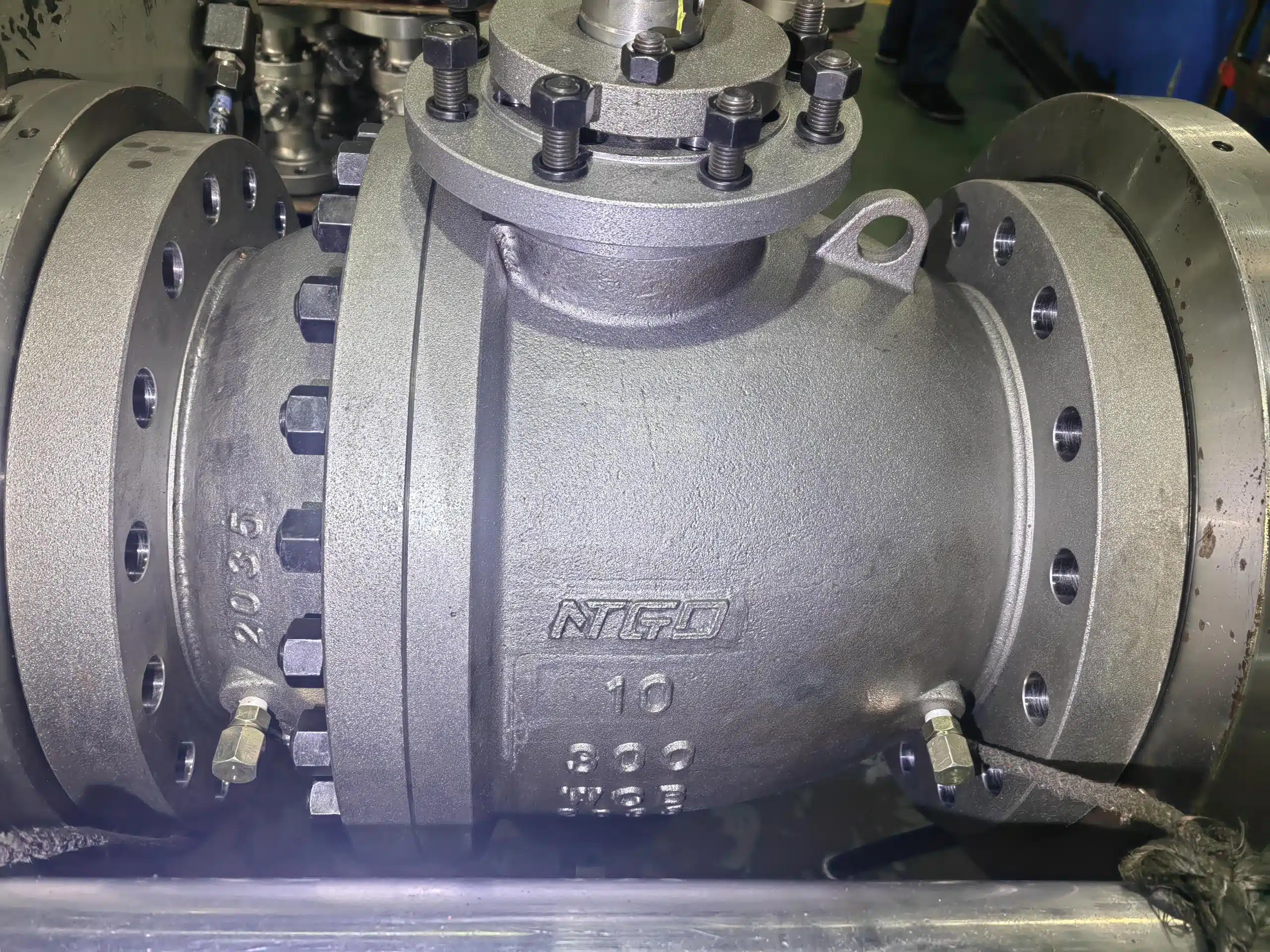
Low-torque ball valves are special valves needing little force to work. They use a ball with a hole to control liquid or gas flow. You can open or close them with a quick turn. Their low force need makes them perfect for automated systems needing accuracy.
These valves are small, easy to use, and last long. They have seals to stop leaks, working well in tough places. Their light weight puts less stress on machine parts, making systems more efficient.
More industries want energy-saving tools, increasing demand for these valves. The ball valve market may grow from $13.67 billion in 2024 to $17.01 billion by 2029. This shows how important these valves are becoming.
Differences Between Low-Torque and Standard Ball Valves
Low-torque ball valves are different from regular ones in key ways. First, they need much less force to work. This makes them better for machines that use actuators to move valves. Regular valves need more force, using more energy.
Their design is also different. Low-torque valves use special materials and coatings to lower friction. This helps them last longer by reducing wear. Regular valves don’t always have these features, so they wear out faster.
Lastly, low-torque valves work better with automation parts. They fit easily with electric or air-powered actuators for smooth use. Regular valves might need extra parts to work as well.
Using low-torque ball valves, like those from NTGD, improves system efficiency. They also save money over time.
Key Benefits of Low-Torque Ball Valves in Automation
Energy Efficiency and Reduced Power Requirements
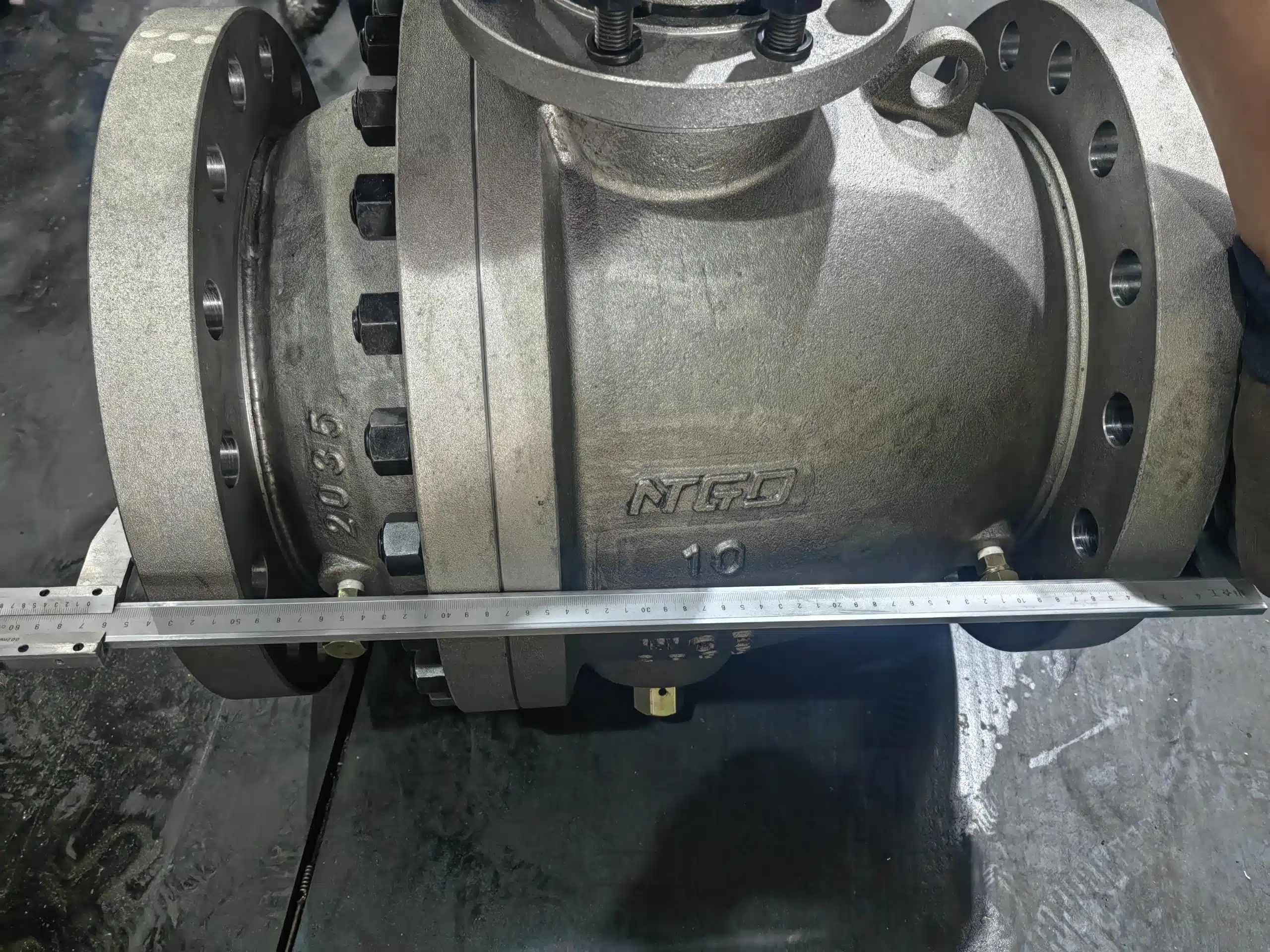
Low-torque ball valves save energy by needing less power to work. Their design lowers friction, so actuators use less effort. This helps your system use less energy overall. In setups with many valves, the savings grow fast. Using these valves cuts power costs and makes systems greener.
Tip: Picking energy-saving parts like low-torque ball valves helps meet eco goals.
Faster Response Times for Enhanced Performance
Automation systems need speed and accuracy. Low-torque ball valves move quickly since they need less force. This boosts your system’s performance. For example, in factories or water systems, quick valve action avoids delays. These valves give better control and smoother processes.
Minimal Wear and Tear for Longevity
Low-torque ball valves are built to last longer. Their low-friction design stops damage and wear over time. You won’t need to fix or replace them often. Choosing these valves saves money and keeps systems reliable. They are a great choice for long-term use.
Note: Regular checks can make valves last even longer and work better.
Improving System Reliability and Reducing Costs
Consistent and Reliable Operation
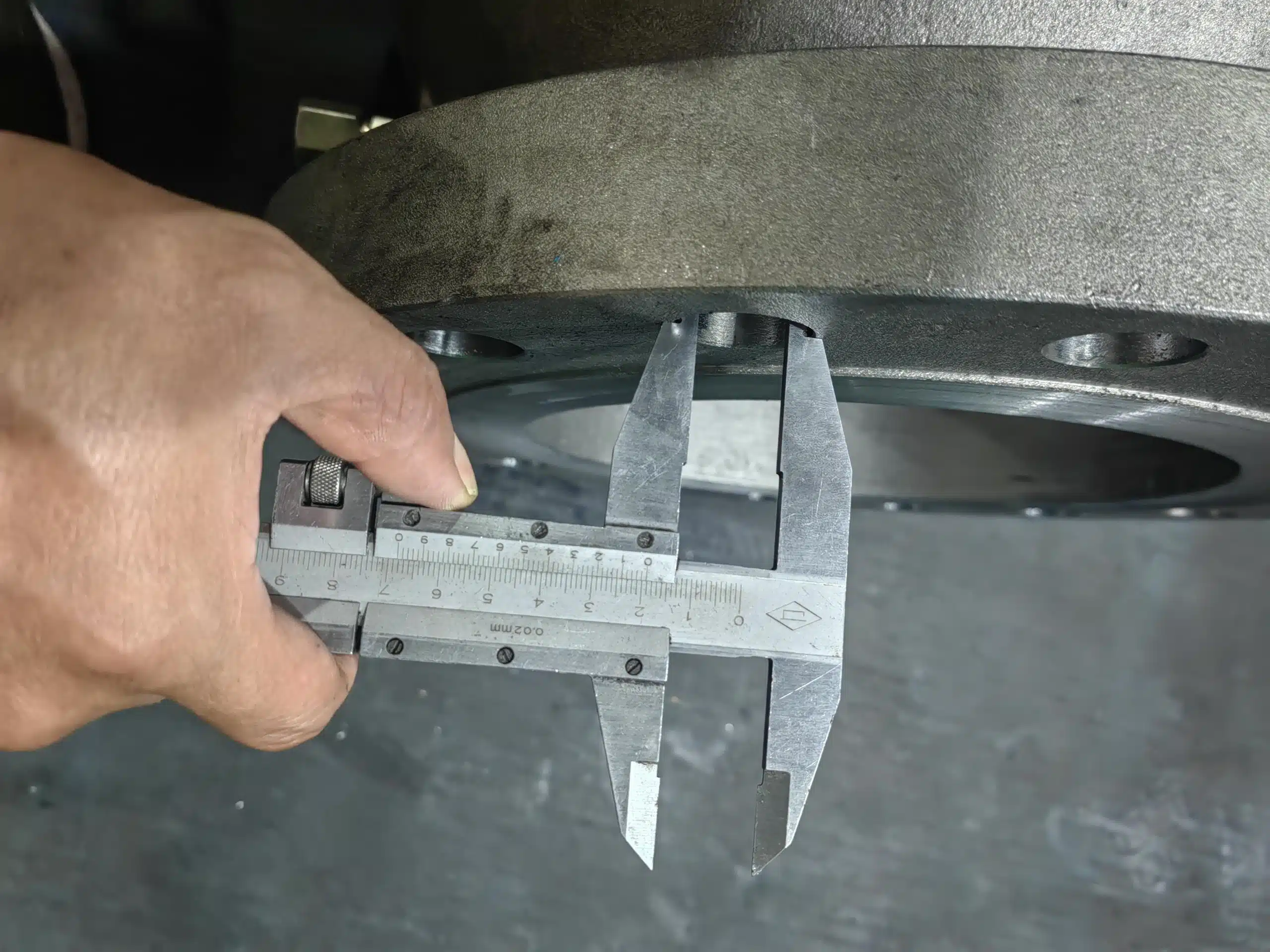
Low-torque ball valves work smoothly in automation systems. They need little force, making them easy to use often. The quarter-turn design lets them open or close quickly. This improves how well they work. These valves are strong and made from quality materials. They last longer and are less likely to break. They also seal tightly, stopping leaks completely. This is very important for systems needing no leaks. Using these valves keeps systems running well and avoids problems.
Lower Maintenance Requirements
Low-torque ball valves are built to reduce damage over time. Their special coatings and strong materials stop wear and tear. For instance, the ORBIT rising stem ball valve avoids seal rubbing. This rubbing often causes valves to fail. Its tilt-and-turn design keeps flow steady and lowers damage. This makes the valve last longer. Strong parts also make systems safer and more productive. With less upkeep needed, you save time and money while keeping things running well.
Tip: Checking your valves regularly helps them last longer and work better.
Cost Savings Over Time
Using low-torque ball valves saves a lot of money. Their energy-saving design cuts power use by up to 30%. This lowers your energy bills. They are durable and can last over ten years, reducing replacement costs. Better performance, up to 25% more, means more work gets done. This boosts profits. The table below shows the savings:
| Metric | Value |
|---|---|
| Energy Consumption Savings | Up to 30% reduction |
| Productivity Increase | Up to 25% increase |
| Longevity | Over a decade lifespan |
Adding these valves to your system saves money and keeps performance high.
Compatibility with Automation Components
Working with Electric and Air-Powered Actuators
Low-torque ball valves work well with electric and air-powered actuators. Electric actuators are great when no pressurized air is available. They use motors to move valves, giving accurate control. This helps save energy in many systems. Air-powered actuators use pressurized air or gas to move valves. They don’t need electricity, making them safe in risky areas.
These valves also fit different actuator types, like rotary ones. Their low torque needs put less stress on actuators. This improves how they work and makes systems last longer. Adding low-torque ball valves makes systems smoother and more reliable.
Useful in Many Industries
Low-torque ball valves are used in many industries because they adapt well. In oil and gas, they handle high pressure and heat safely. Water systems use them for steady and reliable flow control. In chemical factories, they manage dangerous materials safely and precisely.
Their clean design is perfect for food and drink production. They also help in power plants by controlling steam and cooling water. From farming to factories, these valves work well in many jobs.
Easy to Scale for Big Systems
Low-torque ball valves can grow with your automation needs. Their light design and low torque make them easy to add to systems. They work well with many actuators, even in big setups. As systems grow, these valves handle more work without losing performance.
For example, in large factories, they keep systems running smoothly. They stay efficient and reliable, even in complex setups. Choosing these valves helps prepare systems for future growth easily.
Real-World Uses of Low-Torque Ball Valves
How They Help in Factories
Low-torque ball valves are very useful in factories. They are used where accurate control and steady performance are needed. For example, on assembly lines, they control air or liquid flow. This keeps machines running smoothly without stopping.
In oil and gas industries, these valves handle high pressure easily. Their strong build works well even in tough conditions. Using these valves lowers the chance of breakdowns and boosts productivity.
Use in HVAC and Water Systems
Low-torque ball valves are key in HVAC and water systems. They control flow accurately, saving energy and improving heating and cooling. Their strength and dependability make them a top choice for smooth operations.
- In HVAC systems:
- They save energy by using less power.
- Heating and cooling work better with these valves.
- In water systems:
- They keep water flowing steadily in distribution setups.
- They handle different pressures and temperatures well.
Adding these valves improves system performance and cuts energy costs.
Success in Energy and Manufacturing
Energy and manufacturing industries benefit a lot from these valves. Special designs, like floating stems, make them work better and last longer.
| Design Feature | Benefit |
|---|---|
| Floating Stem Design | Needs less force and lasts longer |
| Fugitive Emission Designs | Extra seals for handling harmful materials |
Industries like water treatment use these valves to save energy and cut costs. Their energy-saving ability makes them a smart choice for modern systems.
“The new Trunnion Ball Valve by [Company Name] has changed the valve industry. Its special design uses less force, saves energy, and lasts longer.”
Low-torque ball valves are now essential for saving energy and improving systems in many industries.
Low-torque ball valves are key to efficient automation systems. They use less energy, cutting costs and helping the environment. These valves need little upkeep, saving time and effort. They work well with automation parts, ensuring smooth operation. Choosing these valves improves system performance and lowers expenses. They provide steady results, making them important for modern automation success.
