
Reviewed by: NTGD Valve Engineering Team
Practical focus: industrial shut-off selection, slurry service, plug valve and ball valve application review
Standards referenced: API 599, API 6D, API 608, API 598
Last updated: March 24, 2026
Best for readers seeking: difference between plug and ball valve, slurry valve selection, shut-off valve comparison, industrial valve application guidance
Choosing between a plug valve and a ball valve is not a catalog exercise. In actual pipelines, the decision usually comes down to how the valve behaves after repeated cycles, how the medium interacts with the sealing surfaces, and how much maintenance risk the design introduces over time.
Core conclusion upfront: For slurry, solids-bearing, or viscous media, a plug valve is usually the more reliable shut-off choice because it is less vulnerable to cavity buildup. For clean, high-pressure general isolation service, a ball valve is often preferred for its lower operating torque, compact operation, and broad availability.
The real difference is not that one is “old” and the other is “modern.” The real difference is how each valve handles the medium inside the body. In many industrial services, that single factor determines shut-off stability, torque growth, maintenance frequency, and lifecycle cost.
Most buyers and engineers searching plug valve vs ball valve are not looking for textbook definitions. They are trying to answer practical questions such as:
- Which valve is better for slurry or solids-bearing media?
- Which valve gives more stable shut-off over time?
- Which valve has better sealing performance for industrial shut-off?
- Which valve has lower total cost of ownership in the actual service?
- Which valve should I choose for my medium, pressure class, and maintenance conditions?
This guide covers the full difference between plug and ball valve, including design, sealing, torque, failure risks, slurry suitability, lifecycle cost, standards, and selection logic. If you need application-based support, you can contact NTGD’s engineering team for a free, no-obligation valve selection review based on your actual working conditions.

Common Terminology Clarification: Plug Valve vs Ball Valve
Before comparing performance, it is important to clarify several search terms that are often confused in specifications and online search.
- plug vs ball valve / difference between plug and ball valve
These terms refer to a direct comparison between two different quarter-turn valve types. That is the main focus of this guide. - ball valve plug / ball plug valve
These terms are often used incorrectly. A true plug valve uses a conical or cylindrical plug as the closure element. A ball valve uses a spherical ball. They are not the same valve type, and they should not be specified as interchangeable. - ball and plug valve
This usually refers to the two valve categories together, not to a hybrid valve design.
In industrial standards and procurement language, plug valves and ball valves are separate valve families with different internal geometry, sealing behavior, and application boundaries.
Plug Valve vs Ball Valve: Quick Comparison
| Feature | Plug Valve | Ball Valve |
|---|---|---|
| Closure element | Conical or cylindrical plug | Spherical ball with bore |
| Flow path | Cavity-free or cavity-minimized shut-off path depending on design | Cavity zone between ball and seats |
| Sealing performance | Broader sealing contact; often more stable in dirty, abrasive, or viscous media | Seat-dependent sealing; highly effective in clean service |
| Operating torque | Usually higher | Usually lower |
| Best application | Slurry, viscous, solids-bearing, abrasive, or difficult shut-off service | Clean service, general isolation, high-pressure gas or liquid service |
| Maintenance focus | Lubrication, sleeve condition, torque management, media compatibility | Seat wear, trapped solids, cavity packing, torque increase in dirty service |
| Lifecycle cost tendency | Often lower in difficult media where shutdown and maintenance risk matter most | Often lower in clean service with simple isolation duty |
| Selection priority | Shut-off stability in difficult media | Lower torque and broad general-service applicability |
Key takeaway: Choose a plug valve for slurry, solids-bearing, or viscous media where cavity buildup can affect shut-off stability. Choose a ball valve for clean, high-pressure isolation service where lower operating torque is a priority. Need a project-specific review? Contact NTGD’s engineering team.
What Is a Plug Valve?
A plug valve uses a tapered or cylindrical plug with a through-port to open or close flow. When the plug rotates 90 degrees, the port aligns with the pipeline or blocks it. Depending on the design, the valve may be lubricated, sleeved, metal seated, or configured for specific media compatibility.
Plug valves are commonly selected for shut-off service where engineers need:
- quarter-turn operation
- stable shut-off in difficult media
- reduced risk of internal buildup
- a design less sensitive to trapped solids or sticky residues
This is why plug valves are frequently evaluated for mining, tailings, pulp and paper, wastewater, chemical shut-off service, and other applications where the medium is not clean.
Explore our API 599 compliant plug valve solutions and lubricated plug valve selection guide for more detailed configuration options.
What Is a Ball Valve?
A ball valve uses a spherical ball with a central bore. When the bore aligns with the pipeline, fluid passes through the valve. When the ball rotates 90 degrees, the bore turns away from the flow path and the valve closes.
Ball valves are widely used because they offer:
- fast quarter-turn shut-off
- relatively low operating torque
- compact actuation
- broad availability across end connections, materials, and pressure classes
- strong suitability for many clean isolation applications
Ball valves are especially common in oil and gas, process piping, utilities, water service, and general plant isolation where the medium is relatively clean and low-torque operation is valued.
See our industrial ball valve solutions and trunnion ball valve guide for high-pressure isolation for related product information.
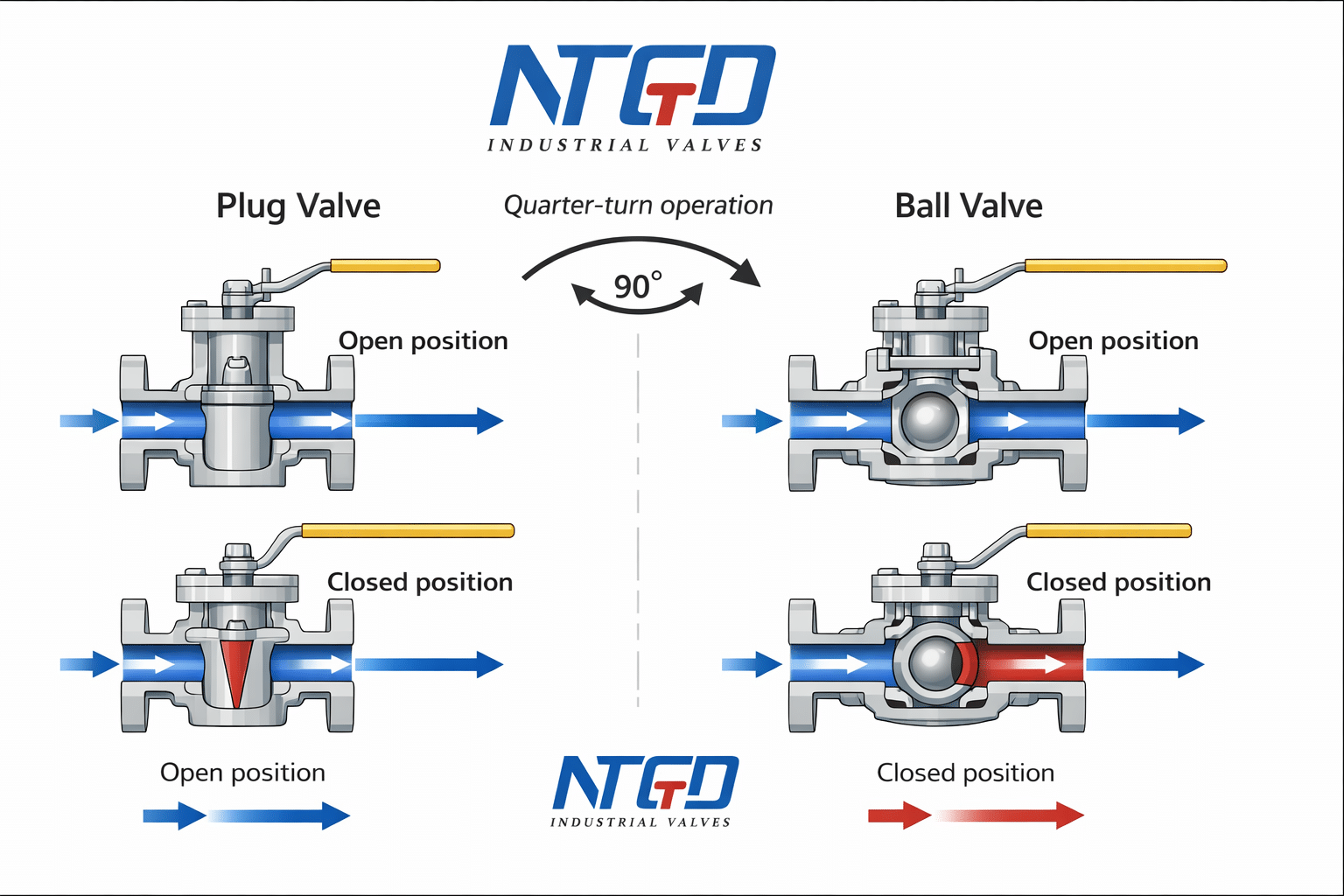
Plug Valve vs Ball Valve: Design and Flow Path Differences
The most important structural difference is the closure geometry and what it does to the medium inside the valve body.

A plug valve uses a conical or cylindrical plug that rotates inside the body. In many shut-off designs, this creates a cavity-free or cavity-minimized flow path. A ball valve uses a spherical ball with seats, which creates internal space around the ball and between the seats.
That difference matters because the medium does not behave the same way inside the two valves. In clean service, the internal cavity of a ball valve is often not a major concern. In slurry, sticky, viscous, or solids-bearing media, those spaces can become collection zones where material packs, hardens, or abrades sealing surfaces.
Typical engineering consequences in dirty service include:
- higher break-to-open torque over time
- increased seat wear or shut-off instability
- more difficult cycling after solids packing
- shorter maintenance intervals in abrasive or sticky media
- greater sensitivity to shutdowns caused by buildup inside the valve body
For engineers evaluating shut-off valves in slurry or contaminated media, this is not a minor design detail. It is usually the starting point of the selection decision.
Sealing Logic: Surface Contact vs Seat-Dependent Sealing
Plug valves and ball valves do not seal in the same way.
In a ball valve, shut-off depends on the interaction between the ball and the seats. This design can deliver excellent sealing in clean service, especially when the medium is compatible with the seat material and the valve is used in the right service pattern.
In a plug valve, sealing depends on the plug and body relationship or the sleeve system, depending on design. Because the sealing contact is broader and the geometry can be more tolerant of difficult media, plug valves are often preferred where stable shut-off matters more than low torque.
This does not mean one valve always seals better than the other. It means the sealing logic responds differently to different media.
A practical rule is simple:
- If the medium is relatively clean, a ball valve is often the more efficient and easier-to-operate solution.
- If the medium is abrasive, sticky, or likely to accumulate internally, a plug valve often gives more reliable shut-off performance over time.
Selection Boundary: When Plug Valve Is Better, and When Ball Valve Is Better
This is the section most buyers and engineers care about.
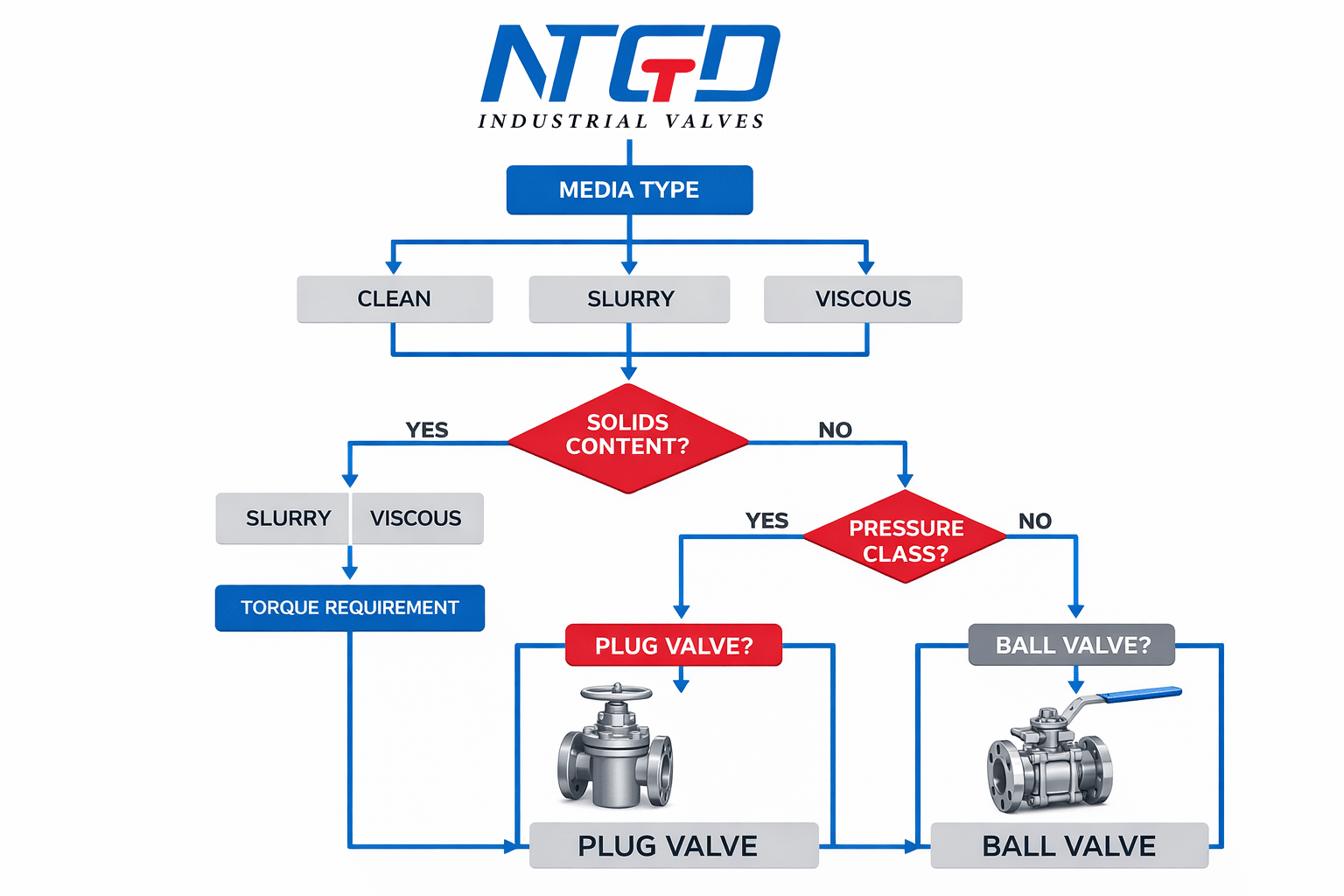
A plug valve should usually be evaluated first when:
- the medium contains slurry, solids, pulp, sticky residues, or abrasive particles
- cavity accumulation is a realistic operating risk
- shut-off stability is more important than low operating torque
- the medium is viscous enough to collect in internal spaces
- maintenance access is limited and repeated cleanup would be costly
- the project requires a valve design less sensitive to trapped material in the body cavity
Typical examples include:
- mining slurry lines
- tailings systems
- pulp and paper process lines
- viscous chemical shut-off service
- contaminated wastewater lines
→ View NTGD API 599 compliant lubricated plug valve solutions for slurry and difficult shut-off service.
A ball valve should usually be evaluated first when:
- the medium is relatively clean
- low operating torque is important for manual or automated operation
- the service is general industrial isolation
- compact quarter-turn shut-off is preferred
- broad availability across common pressure classes and configurations is important
- seat-based shut-off is well matched to the service medium and operating pattern
Typical examples include:
- clean utility systems
- oil and gas isolation service
- process piping with relatively clean fluids
- general plant shut-off duty
At NTGD, this is one of the most common decision boundaries we see in valve review. Once cavity packing becomes a maintenance concern, plug valves usually move ahead of standard ball valves in the selection process. In clean shut-off service, especially where lower torque and common actuation are priorities, ball valves often remain the better practical choice.
Operating Torque and Actuation Considerations

Ball valves are generally easier to operate because the ball-and-seat design usually produces lower operating torque than a comparable plug valve. This is one reason ball valves are widely used for manual shut-off and automated actuation.
Plug valves often require more torque, especially in larger sizes, more difficult media, or applications where sealing contact is intentionally more robust. That is not automatically a disadvantage. It means the valve has to be matched correctly to the service and actuation method.
For engineering review, torque directly affects:
- manual operability
- actuator sizing
- automation cost
- gearbox or actuator selection
- how the valve behaves after repeated cycles in the real medium
This is not just an operating preference issue. A valve that starts with acceptable torque in clean conditions may behave very differently after slurry packing or viscous buildup. That is why torque evaluation should be based on expected service behavior, not only on new-valve conditions.
Plug Valve vs Ball Valve in Slurry and Viscous Media
Slurry and viscous service is where the practical difference becomes much clearer.
In these conditions, the internal cavity of a ball valve can create operating risk. Solids may settle in cavity zones, abrasive particles may damage the seats, and sticky media may increase torque after repeated operation. Over time, this can affect shut-off stability, maintenance intervals, and restart reliability.
A plug valve is often preferred in these services because its internal geometry is less likely to create dead zones where media collects. That does not make every plug valve correct for every slurry application. It means plug valves should usually be reviewed first when the medium is difficult and shut-off reliability matters.
Typical slurry or viscous applications include:
- tailings transport
- abrasive slurry systems
- pulp stock handling
- polymer service
- solids-bearing chemical shut-off lines
- contaminated wastewater systems
For more application-specific guidance, check our complete slurry valve selection guide for mining and tailings applications.
For slurry application projects, NTGD’s engineering team can provide a free working-condition assessment and valve selection recommendation. Request a slurry valve evaluation here.
Common Failure Risks and Selection Mistakes
Many users search plug valve vs ball valve because they want to avoid selecting the wrong valve, not because they need a general introduction.
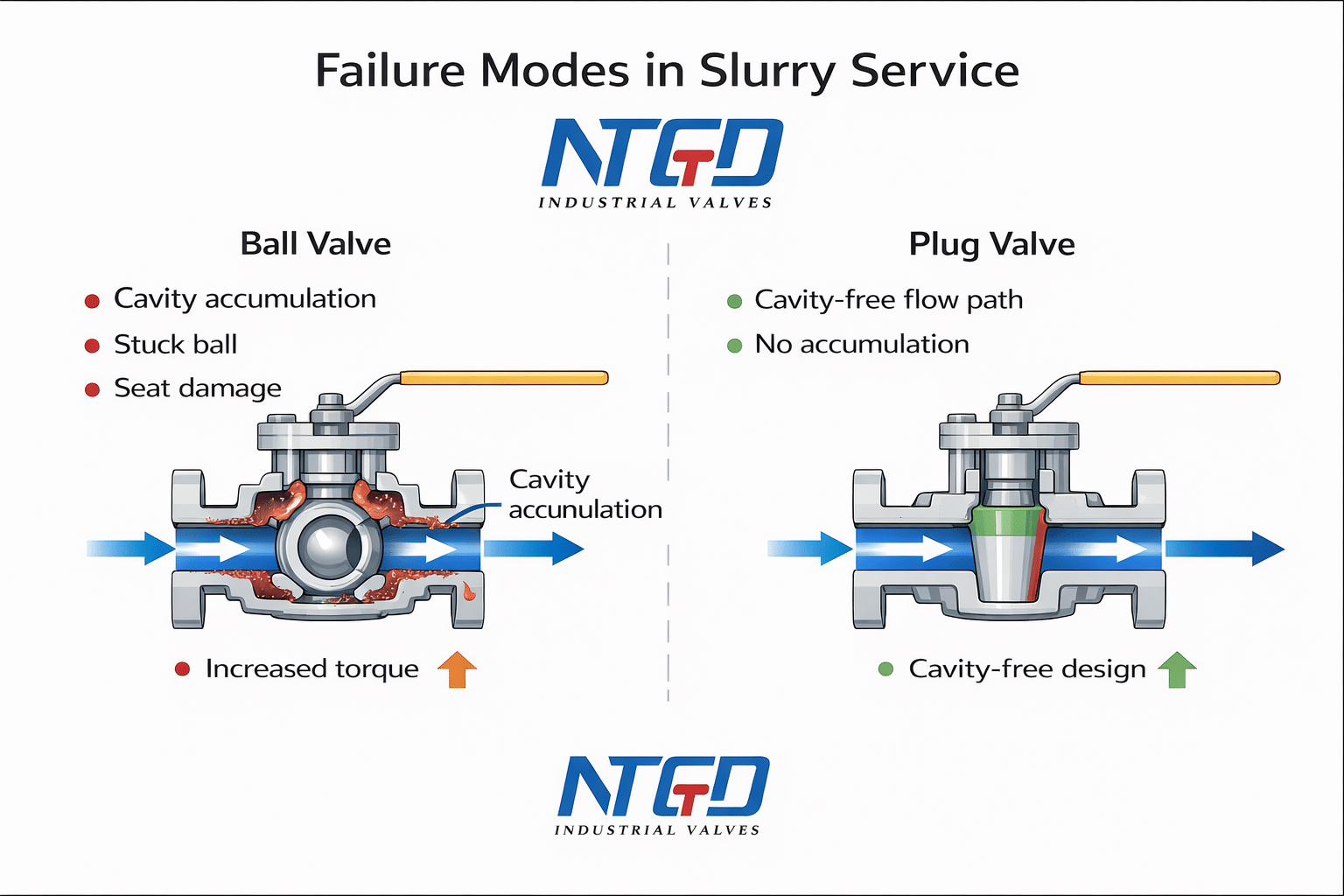
Typical ball valve risks in dirty service
When a standard ball valve is applied in solids-bearing or sticky media, common risks include:
- cavity accumulation
- seat wear caused by abrasive particles
- increased torque after repeated cycles
- reduced shut-off consistency
- difficult operation after solids packing
Typical plug valve risks if selected incorrectly
Plug valves can also underperform if they are chosen without sufficient engineering review. Common mistakes include:
- selecting the wrong plug valve type for the medium
- underestimating operating torque
- ignoring lubrication requirements where lubrication is essential
- using a valve design not suited to the pressure, temperature, or chemical environment
- assuming all plug valves behave the same in service
Selection warning: The wrong valve may still appear acceptable at startup, then become a recurring maintenance problem after repeated cycles in the actual medium.
The real selection mistake is not “choosing a ball valve” or “choosing a plug valve.” The real mistake is choosing from a general catalog comparison instead of reviewing how the medium will behave inside the valve body over time.
Maintenance: What Changes Over Time?
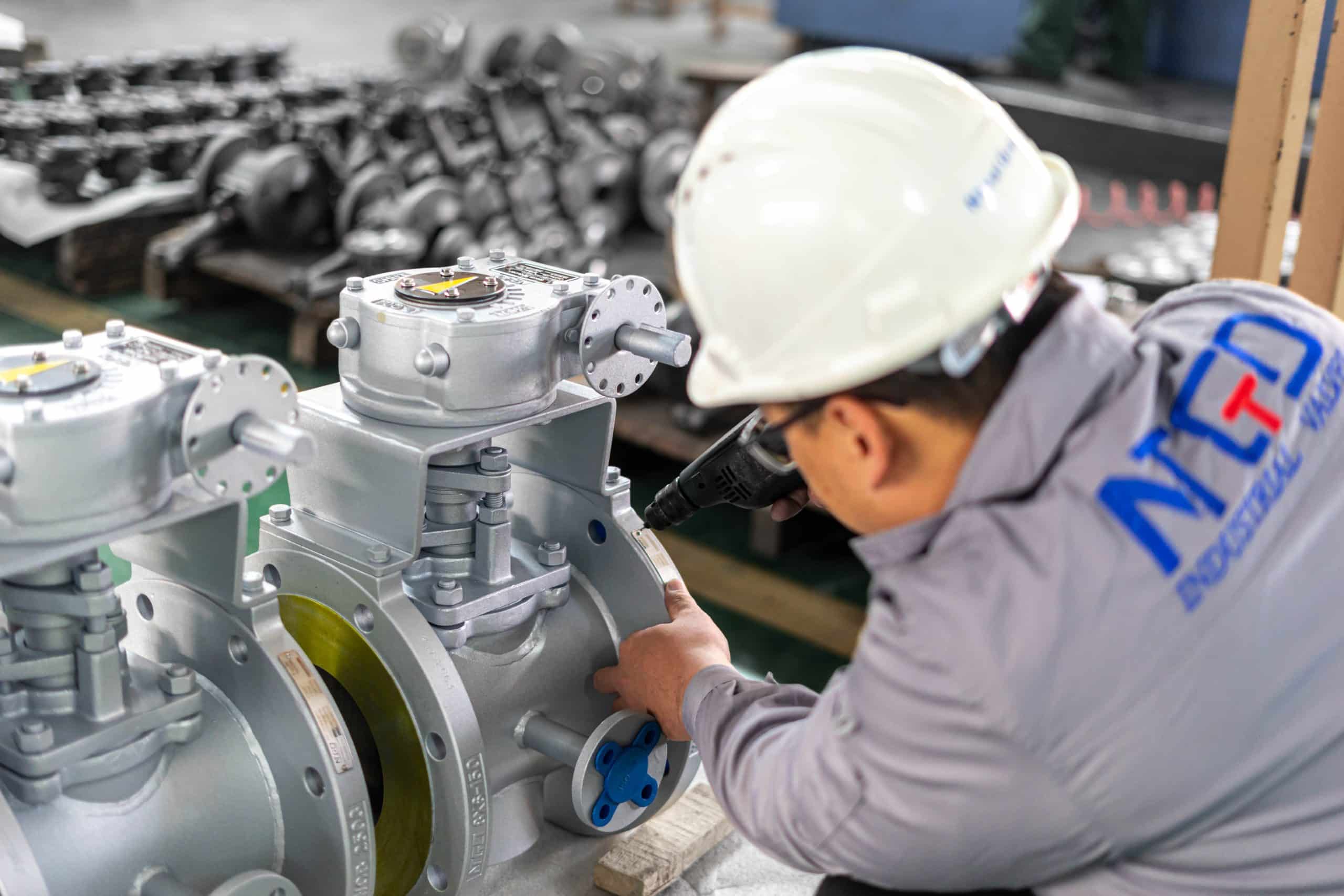
Maintenance should be judged in the context of the actual medium, not by part count alone.
A ball valve may be very easy to maintain in clean service because it usually operates with lower torque and does not depend on lubrication in the same way as a lubricated plug valve. However, maintenance can become more difficult when solids pack in the cavity or abrasive particles damage the seats.
A plug valve may require more planning around lubrication, sleeve condition, or torque management, depending on design. But in the right service, it may reduce the maintenance burden associated with cavity buildup and unstable shut-off after repeated cycles.
A better maintenance question is:
- easier to maintain in what medium?
- after how many cycles?
- with what maintenance access?
- under what shutdown cost conditions?
That is how industrial valve maintenance should be evaluated in actual procurement and plant operation.
Total Cost of Ownership: Initial Price Is Not the Whole Decision
Asking only which valve costs less to buy is one of the weakest ways to compare shut-off valves.

In industrial service, total cost of ownership usually includes:
- purchase cost
- actuator cost
- installation and commissioning
- maintenance frequency
- replacement intervals
- shutdown risk
- labor burden
- spare parts exposure
- how well the valve matches the actual medium over time
A lower initial purchase price does not always mean lower project cost.
- In clean service, lower operating torque and broad availability may make a ball valve the more economical option.
- In slurry, sticky, or solids-bearing media, reduced cavity-related maintenance may make a plug valve the lower-risk lifecycle option.
That is why experienced procurement teams do not ask only, “Which valve is cheaper?” They ask, “Which valve creates fewer operating problems in this specific service over the life of the line?”
For B2B selection, this is often the difference between a correct valve choice and a recurring maintenance expense.
Standards Referenced: API 599, API 6D, API 608, and API 598
Standards matter because they shape how valves are designed, tested, specified, and accepted in projects, especially under API standards.
API 599
API 599 is widely associated with metal plug valves and is relevant when reviewing plug valve design and construction requirements.
API 6D
API 6D is a major standard for pipeline valves and is especially relevant to many oil and gas ball valve applications.
API 608
API 608 applies to metal ball valves used in flanged, threaded, and welding-end process applications.
API 598
API 598 is important because it covers inspection and testing requirements for valves, including shell testing and seat leakage testing.
Why standards matter in selection
If the project has code, specification, owner approval, or certification requirements, valve selection should align with them from the beginning. Standards affect:
- design suitability
- pressure class expectations
- inspection and testing logic
- documentation and approval
- shut-off qualification and service acceptance
Learn more about design and compliance in our full API valve standards guide.
Related Valve Selection Comparisons
Users searching for plug valve vs ball valve often compare several shut-off valve types at the same time. This page therefore includes related selection paths.
Plug Valve vs Globe Valve
A plug valve is usually selected for shut-off service, especially where cavity-free flow behavior matters in slurry, viscous, or contaminated media. A globe valve is generally selected for throttling and flow regulation, not for simple quarter-turn shut-off. Globe valves also create higher pressure drop because the flow path changes direction inside the body.
If the main priority is regulation, a globe valve may be the right choice. If the priority is shut-off in difficult media, a plug valve is often the better fit.
Plug Valve vs Gate Valve
A gate valve is usually applied for full-open or full-close service where linear operation and unobstructed passage are desirable in suitable service. A plug valve offers faster quarter-turn shut-off and is often more suitable where compact actuation and difficult-media shut-off matter.
If the application requires fast shut-off in slurry or sticky media, a plug valve is often reviewed first. If the application is better matched to linear full-open/full-close isolation, a gate valve may still be appropriate.
Engineering Notes from NTGD
At NTGD, selection between a plug valve and a ball valve is not based on general preference. It is usually based on five practical factors:
- medium characteristics
- pressure class
- shut-off duty
- maintenance access
- project standard requirements
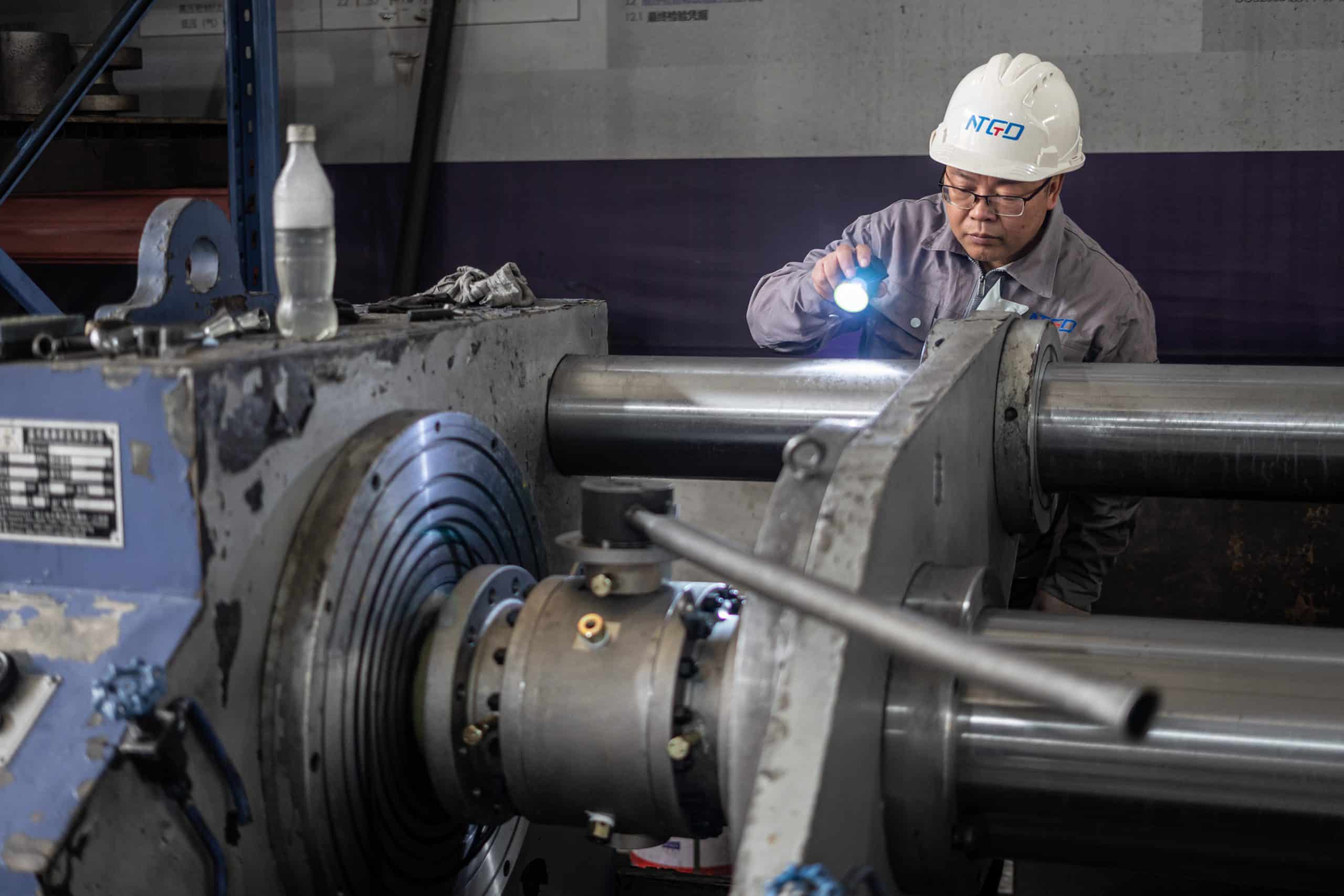
In project review, the wrong valve is often chosen because the decision starts from a generic catalog comparison instead of actual service behavior.
Example review logic from NTGD: In slurry shut-off applications, our engineering review usually starts with four questions: solids content, tendency to pack in cavities, shut-off frequency, and maintenance access. This is often where the selection path starts to separate between standard ball valves and plug valves.
A valve that performs well in clean service may become maintenance-intensive in dirty service. A valve with lower torque may still become the more expensive option if cavity packing drives shutdowns or repeated maintenance. This is why manufacturer-level selection support should be based on operating conditions, not only on valve type familiarity.
NTGD supports both plug valve and ball valve selection based on actual project conditions, including medium behavior, pressure class, shut-off duty, standard requirements, and material compatibility.
Which Valve Should You Choose?
If you need a practical answer:
- choose a plug valve when the medium is slurry, abrasive, viscous, or likely to pack inside the valve body
- choose a ball valve when the service is relatively clean and lower operating torque, compact shut-off, and broad general-service availability are the main priorities
But if the project is high-value, difficult to maintain, or shut-down sensitive, do not stop at a simple valve-type comparison. Review:
- medium condition
- solids content
- viscosity behavior
- shut-off frequency
- operating torque tolerance
- maintenance access
- project standards
- lifecycle cost risk
That is the level at which shut-off valve selection becomes reliable.
Get a Project-Specific Recommendation
Selecting the wrong shut-off valve can create avoidable downtime, torque problems, and maintenance cost over time.
If you are evaluating a plug valve or ball valve for slurry, viscous media, chemical shut-off, oil and gas isolation, or general industrial service, NTGD can help review the application.
Send us:
- medium description
- pressure class
- temperature
- valve size
- solids content if applicable
- shut-off frequency
- standard or project requirements
We can help you evaluate:
- plug valve vs ball valve suitability
- shut-off behavior in the actual medium
- plug valve sleeve/lubrication or ball valve seat logic
- pressure class and material compatibility
- application-based selection recommendations
FAQ: Plug Valve vs Ball Valve
What does “ball valve plug” or “ball plug valve” actually mean? Is it the same as a plug valve?
No. “Ball valve plug” usually refers to confusion in terminology or to the internal ball component of a ball valve. A true plug valve uses a conical or cylindrical plug, not a spherical ball. They are two different valve types and should be selected separately.
What is the main difference between a plug valve and a ball valve?
The main difference is the closure geometry and how the medium behaves inside the valve. Plug valves are often selected where cavity-free or cavity-minimized shut-off behavior is important. Ball valves are widely used in clean service where lower operating torque and general isolation are priorities.
Which is better for slurry, a plug valve or a ball valve?
In many slurry applications, a plug valve is preferred because it is less vulnerable to cavity accumulation and solids packing inside the valve body. Ball valves can still be suitable in some services, but slurry duty requires closer review of seat wear, torque growth, and maintenance risk.
Is a plug valve always better than a ball valve?
No. A plug valve is not automatically better. It is often better in difficult shut-off media. A ball valve is often more suitable in clean service where lower torque and common general isolation are more important.
Is a ball valve easier to operate than a plug valve?
In many cases, yes. Ball valves usually have lower operating torque. However, ease of operation should be judged over time and under actual service conditions, not only when the valve is new and clean.
What is the difference between plug valve and ball valve in maintenance?
Maintenance depends heavily on the medium. Ball valves may be straightforward in clean service, but trapped solids can create problems in dirty service. Plug valves may require lubrication or sleeve attention depending on design, but can reduce cavity-related maintenance issues in the right application.
Can I replace a plug valve with a ball valve on an existing slurry line?
Not without reviewing the application again. A direct replacement may lead to seat wear, cavity packing, and unstable shut-off if the medium is difficult. In many slurry retrofit cases, plug valves are preferred because the geometry is more tolerant of solids-bearing media.
My plug valve is hard to turn. Does that mean it is failing?
Not necessarily. Increased torque may be related to lubrication condition, medium behavior, or service severity. It should be reviewed in context. A sudden torque spike in dirty service may indicate that the valve needs inspection, maintenance, or a service suitability review.
Which valve is fire-safe: plug valve or ball valve?
Both can be designed for fire-safe service depending on the specific design, materials, and certification requirements. Fire-safe capability depends on the valve configuration and compliance, not only on whether the valve is a plug valve or a ball valve.
plug valve vs gate valve: which is better for industrial shut-off and slurry service?
For many slurry shut-off applications, a plug valve is reviewed first because quarter-turn operation and cavity-minimized shut-off behavior can be more suitable in difficult media. Gate valve selection depends on the service pattern, line conditions, and system requirements.
plug valve vs globe valve: what’s the difference and which should you choose?
Choose a globe valve when throttling and flow regulation are the main priorities. Choose a plug valve when the application is primarily shut-off duty and difficult media handling matters more than regulation.
Are plug valves cheaper than ball valves?
Not always. Cost depends on size, pressure class, materials, configuration, and service conditions. The more useful question is which valve creates lower lifecycle cost and lower maintenance risk in the actual application.
About This Article
This article was reviewed by the NTGD Valve Engineering Team for industrial shut-off valve selection. It is intended to help engineers, buyers, EPC teams, and plant operators compare plug valves and ball valves based on medium behavior, shut-off logic, lifecycle risk, and project suitability rather than generic valve descriptions.
This article is reviewed and updated regularly by our engineering team to reflect valve selection best practices, practical application logic, and relevant standard references.
For project-specific advice, send NTGD your medium, pressure class, temperature, valve size, and service notes for a technical review.
