
Comparing Key Features of Valves
Explore the differences between ball valves and butterfly valves.
| Features | BALL VALVE | BUTTERFLY VALVE |
|---|---|---|
| Sealing Performance | Provides a tight seal, zero leakage. | More prone to leakage, less tight seal. |
| Flow Capacity | Minimizes resistance, smooth flow. | Handles higher flow, may restrict flow. |
| Size and Weight | Heavier, requires more installation space. | Lighter, compact, needs less space. |
| Operating Torque | Requires higher torque, especially larger sizes. | Requires less torque, easier to operate. |
| Temperature and Pressure Range | Handles high-pressure and temperature well. | Can struggle under extreme conditions. |
| Service Life | Lasts over 15 years, regular maintenance needed. | Longer service life, lower maintenance. |
| Cost | More expensive due to robust design. | More affordable, especially in larger sizes. |
Choosing the right valve for your application can be challenging, especially when deciding between a ball valve and a butterfly valve. These two types of valves differ significantly in design, functionality, and performance. For instance, ball valves excel in providing tight sealing, while butterfly valves are often preferred for their lightweight and compact design.
Understanding these differences is essential because valves play a critical role in industries like oil and gas, water treatment, and chemical processing. They regulate flow, control pressure, and ensure system efficiency. Selecting the wrong valve could lead to inefficiencies or even system failures. By knowing how each valve operates and where it performs best, you can make informed decisions tailored to your specific needs.
Key Takeaways
- Ball valves seal tightly, perfect for stopping leaks in chemical use.
- Butterfly valves are light and small, easy to fit in tight spots and cheaper for big systems.
- Think about your system’s flow needs; ball valves give smooth flow, while butterfly valves adjust flow more precisely.
- Check your budget; butterfly valves cost less, but ball valves last longer and work better for important tasks.
- Both valves need care; butterfly valves need less fixing because they are simpler.
Key Differences Between Ball Valves and Butterfly Valves

Sealing Performance
When it comes to sealing performance, ball valves stand out for their ability to create a tight seal. This makes them ideal for applications requiring zero leakage, such as chemical processing or high-pressure pipelines. The design of a ball valve ensures that the ball presses firmly against the seal, minimizing leakage even under high-pressure conditions. This reliability extends to long-term operations, where ball valves maintain their sealing integrity over time.
In contrast, butterfly valves are more prone to leakage, especially in high-pressure environments or larger diameters. The disc of a butterfly valve may not seal as tightly as the ball in a ball valve. While high-performance butterfly valves can improve sealing, they often fall short of achieving the same leak-tight performance. If your application demands zero leakage, ball valves are the superior choice.
| Valve Type | Sealing Mechanism Description | Leakage Potential |
|---|---|---|
| Ball Valve | Provides a tight seal when closed, minimizing leakage due to the ball pressing against the seal. | Zero leakage when fully closed. |
| Butterfly Valve | More prone to leakage, especially under high-pressure differences, as the disc may not seal tightly. | Higher leakage potential, especially in larger diameters. |
Flow Capacity and Regulation
Ball valves excel in providing efficient flow capacity, particularly in smaller diameter applications. Their design minimizes resistance when fully open, allowing for smooth and unrestricted flow. This makes ball valves a preferred option for systems requiring precise flow control. Additionally, they experience minimal pressure drops, enhancing their overall efficiency.
Butterfly valves, on the other hand, are better suited for larger pipelines. They can handle higher flow capacities in extensive systems but may restrict flow due to the presence of the valve plate and shaft in the flow channel. This design can lead to significant pressure drops, making butterfly valves less efficient for smaller systems or applications requiring precise flow regulation.
Size and Weight
The size and weight of a valve significantly impact its installation and usage. Butterfly valves are lighter and more compact, even in larger diameters. This makes them easier to install and ideal for applications where space is limited. For instance, butterfly valves require smaller installation spaces compared to ball valves of the same size.
Ball valves, however, become significantly heavier as their size increases. This added weight may necessitate additional support during installation. They are typically limited to smaller diameters (DN 50 and below) due to these weight considerations. If you need a lightweight solution for large-diameter pipelines, butterfly valves are the more practical choice.
| Feature | Butterfly Valves | Ball Valves |
|---|---|---|
| Weight | Lighter even at larger pipe diameters. | Becomes significantly heavy at larger sizes and may need support. |
| Size | Suitable for large pipe diameters, above DN 150. | Limited to sizes of DN 50 and below due to weight. |
| Installation Space | Requires smaller installation space. | Needs larger installation space compared to butterfly valves of the same size. |
Operating Torque
Operating torque refers to the force required to open or close a valve. Among the two types of valves, butterfly valves generally require less torque. Their design often includes three eccentric metal sealing mechanisms, which reduce the force needed for operation. This makes butterfly valves easier to handle, especially in larger systems where manual operation might be necessary.
In contrast, ball valves demand higher torque, particularly as their size increases. The sealing surface area grows with the diameter, leading to greater resistance during operation. This characteristic makes ball valves more suitable for applications where automated systems can manage the higher torque requirements. If you prioritize ease of operation, butterfly valves offer a clear advantage.
Temperature and Pressure Range
The temperature and pressure range of a valve depends on its material and design. Butterfly valves, especially those made from stainless steel, can withstand high pressures due to their robust construction. Double-eccentric designs further enhance their pressure-handling capabilities. Additionally, thicker valve bodies contribute to higher pressure ratings, ensuring reliability in demanding conditions.
| Factor | Description |
|---|---|
| Butterfly valve material | High-tensile materials like stainless steel enhance pressure resistance. |
| Butterfly valve structure | Double-eccentric designs improve pressure capacity. |
| Butterfly valve body | Thicker bodies allow for higher pressure ratings. |
| Pressure design standards | Compliance with standards ensures performance under specified pressure levels. |
Ball valves also perform well under high-pressure and high-temperature conditions. Their solid construction and tight sealing performance make them ideal for applications requiring extreme durability. However, the choice between these two types of valves should depend on your specific operating conditions.
Service Life and Maintenance
The service life and maintenance needs of a valve are critical factors in long-term performance. Ball valves typically last over 15 years under normal conditions. However, non-metallic components, such as seals, may affect their longevity. Regular maintenance is necessary to ensure optimal performance, especially in systems with high wear and tear.
Butterfly valves, on the other hand, often have a longer service life. Rubber sealing valve seats can last 15 to 20 years, while metal sealing seats may endure for 80 to 90 years. Their simple design, with fewer internal components, reduces maintenance requirements. Additionally, butterfly valves lack pockets that could trap debris, further minimizing the need for frequent interventions. If you seek a low-maintenance solution, butterfly valves are a practical choice.
Cost and Affordability
When comparing the cost of ball valves and butterfly valves, you’ll notice significant differences that can influence your decision. Butterfly valves are generally more affordable, especially for larger sizes. Their simpler design and fewer components contribute to their lower manufacturing costs. Additionally, the lightweight disc of a butterfly valve imposes less weight on the piping system, reducing material expenses. This makes butterfly valves an economical choice for large-scale applications or projects with tight budgets.
In contrast, ball valves tend to be more expensive. Their construction involves a solid ball, which increases material costs, particularly for larger diameters. The precise machining required for their sealing performance also adds to their price. While ball valves may cost more upfront, their durability and ability to provide zero leakage can justify the investment in applications where reliability is critical.
Here’s a quick cost comparison:
| Item | Butterfly valve | Ball valve |
|---|---|---|
| Cost | Cheaper than a ball valve, particularly for larger sizes | More expensive compared to a butterfly valve |
If your application prioritizes affordability and lightweight design, butterfly valves offer a clear advantage. However, if you require robust flow control and superior sealing performance, the higher cost of ball valves may be worth it. By evaluating your specific needs and budget, you can determine which of these two types of valves aligns best with your project requirements.
Advantages and Disadvantages of Ball Valves and Butterfly Valves
Advantages of Ball Valves
Ball valves offer several benefits that make them a reliable choice for many applications. Their robust construction ensures durability, even in demanding environments. Made from corrosion-resistant materials like stainless steel or brass, they perform well under harsh conditions. The spherical design provides a consistent and reliable seal, reducing the risk of leaks and contamination.
The quarter-turn mechanism allows for quick operation, which is crucial in emergencies. Ball valves also require minimal torque, making them easy to operate manually or with automation. Their versatility enables them to handle liquids, gases, and slurries across various industries. Additionally, the simple design minimizes wear and tear, leading to lower maintenance needs and a long operational lifespan.
| Advantage | Description |
|---|---|
| Robust Construction | Highly durable due to minimal moving parts. |
| Exceptional Sealing Capability | Leak-proof shut-off reduces the risk of leaks. |
| Low Torque Requirements | Easy operation with minimal effort. |
| Versatility | Suitable for liquids, gases, and slurries in various industries. |
| Quick Operation | Immediate shut-off, essential in emergencies. |
| Superior Shut-off Performance | Reliable seal for applications requiring zero leakage. |
| Low Maintenance Needs | Simple design translates to fewer maintenance requirements. |
Disadvantages of Ball Valves
Despite their advantages, ball valves have some limitations. Their higher cost can be a concern, especially for large-scale projects. The complex design and precision manufacturing contribute to this expense. They are not ideal for throttling applications, as partial operation can damage the seats. This makes them less suitable for precise flow control.
Ball valves also require more installation space compared to other types of valves. In systems handling slurry or viscous fluids, clogging can occur, increasing torque and reducing reliability. Additionally, temperature limitations exist, particularly with PTFE seats, which may not withstand extreme heat. Over time, wear and tear can lead to potential leakage or operational issues.
| Disadvantage | Description |
|---|---|
| Higher Cost | More expensive due to complex design and precision manufacturing. |
| Limited Flow Control | Unsuitable for throttling applications; partial operation can damage the seats. |
| Unsuitable for Slurry or Viscous Fluids | Can clog the valve, increasing torque and reducing reliability. |
| Installation Space Requirements | Requires more space compared to other valve types. |
| Temperature Limitations | Not ideal for high-temperature applications with PTFE seats. |
| Pressure Drop Concerns | Higher pressure drops in partially open positions. |
| Wear Over Time | Subject to wear and tear, leading to potential leakage or operational issues. |
Advantages of Butterfly Valves
Butterfly valves excel in cost-effectiveness and space efficiency. Their minimalist design results in lower manufacturing costs, making them an economical choice. The lightweight nature reduces the need for heavy structural support, allowing for space-saving installations. These valves also have lower initial costs compared to other types of valves, making them ideal for budget-conscious projects.
Maintenance costs are minimal due to the simple design and fewer components. This reduces downtime and ensures long-term reliability. Butterfly valves are particularly advantageous in large-diameter applications, where their compact design and affordability shine. Their versatility and ease of installation make them a practical choice for various industries.
- Cost-Effectiveness: The simple design leads to lower manufacturing costs, saving you money.
- Compact Design: Lightweight and space-saving, ideal for installations with limited room.
- Lower Initial Costs: More affordable than other valve types, especially for large diameters.
- Reduced Maintenance: Fewer components mean lower maintenance costs and less downtime.
Disadvantages of Butterfly Valves
Butterfly valves, while versatile and cost-effective, come with certain limitations that you should consider before choosing them for your application. One of the primary drawbacks lies in their performance under high-pressure or high-temperature conditions. Standard designs may struggle to maintain structural integrity in such environments, increasing the risk of failure. Additionally, higher pressures can compromise the sealing capability of lower-end models, leading to potential leakage.
High temperatures also pose challenges for butterfly valves. Non-metallic components, such as rubber seats, may degrade over time when exposed to extreme heat. This degradation can weaken the valve’s overall performance and reliability. Furthermore, the differing thermal expansion rates of materials used in the valve can cause operational issues, such as misalignment or difficulty in opening and closing.
| Limitation | Description |
|---|---|
| Structural Integrity | Standard designs may not withstand high-pressure conditions, risking failure. |
| Leakage Risks | Higher pressures can compromise the sealing capability of lower-end models. |
| Material Degradation | High temperatures can weaken non-metallic components like rubber seats. |
| Expansion Issues | Differing thermal expansion rates can lead to operational problems. |
Another disadvantage of butterfly valves is their limited ability to handle precise flow control. The design of the valve disc, which remains in the flow path even when fully open, can create turbulence and pressure drops. This makes butterfly valves less suitable for applications requiring smooth and consistent flow regulation.
Lastly, butterfly valves may not be the best choice for systems handling abrasive or corrosive fluids. The constant contact between the valve disc and the fluid can lead to faster wear and tear, reducing the valve’s lifespan. If your application involves such challenging conditions, you might need to explore alternative valve options.
By understanding these limitations, you can better assess whether butterfly valves align with your specific requirements. While they offer many advantages, their performance in demanding conditions may not always meet your expectations.
Practical Selection Criteria for Ball Valves and Butterfly Valves
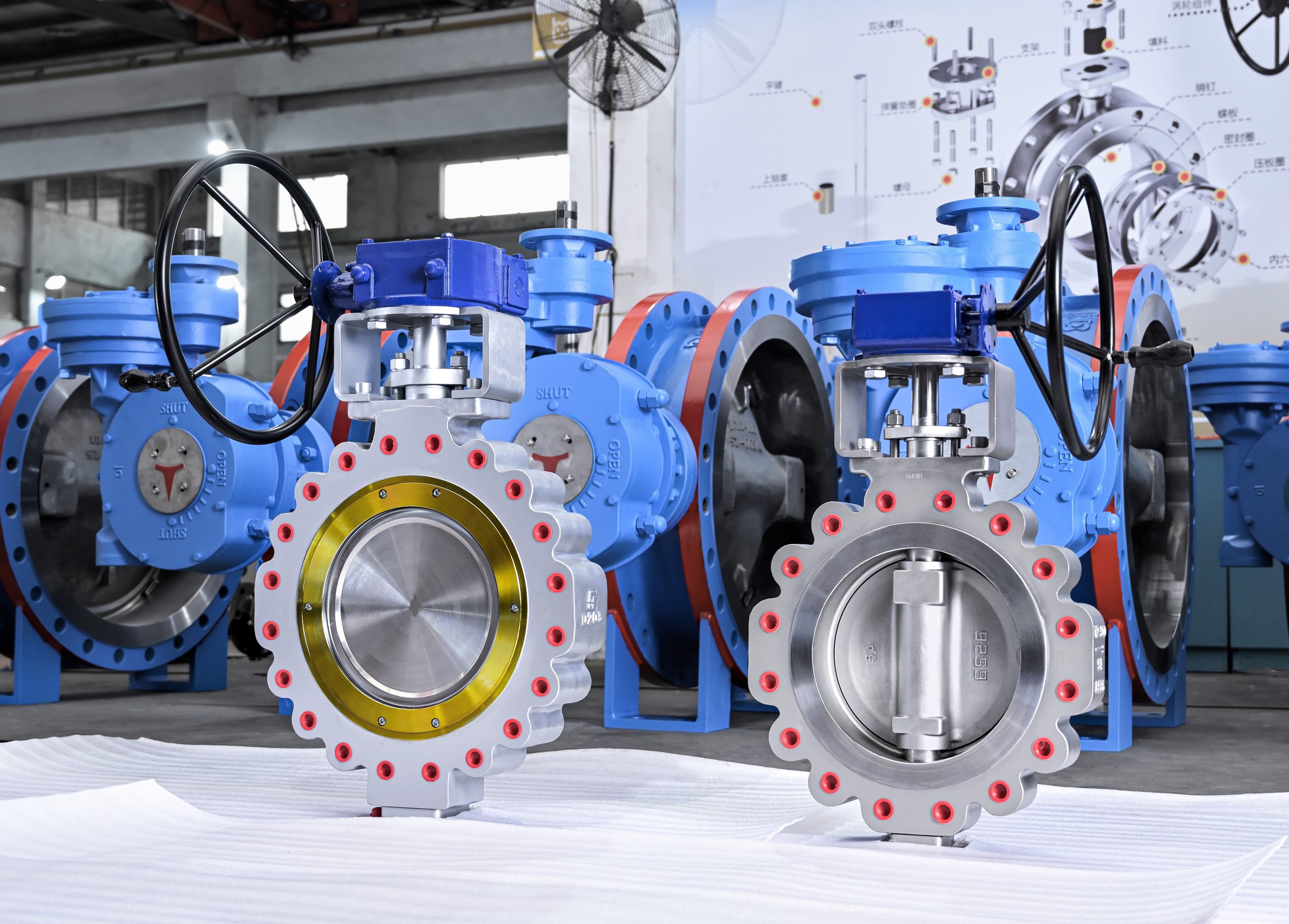
Application Type
Choosing the right valve depends heavily on the type of application. Ball valves are ideal for systems requiring a tight seal and high-pressure handling. Their ability to provide zero leakage makes them suitable for critical applications like chemical processing or gas pipelines. On the other hand, butterfly valves excel in large-scale systems where space and cost are significant considerations. Their compact design and affordability make them a practical choice for water distribution networks or HVAC systems.
| Valve Type | Key Features | Ideal Applications |
|---|---|---|
| Ball Valves | Tight seal, high-pressure handling | Applications requiring zero leakage |
| Butterfly Valves | Space-efficient, cost-effective, throttling | Large systems needing continuous adjustments |
Understanding your system’s specific needs ensures you select the most appropriate valve for optimal performance.
Flow Regulation Needs
Flow regulation is another critical factor when selecting between ball valves and butterfly valves. Ball valves, especially in their full-port design, allow for unrestricted flow with minimal pressure drop. However, they are less suited for throttling applications. Butterfly valves, with their disc design, enable incremental opening and closing. This makes them effective for applications requiring continuous flow adjustments, such as irrigation systems or industrial cooling processes.
If your system demands precise flow control, butterfly valves offer better flexibility. For applications prioritizing smooth, unrestricted flow, ball valves remain the superior choice.
Operating Conditions
Operating conditions, including temperature and pressure, play a vital role in valve selection. Ball valves are designed to handle high-pressure applications and a wide range of temperatures. Stainless steel or metal-seated ball valves can withstand extreme conditions, making them suitable for demanding environments. Butterfly valves, while generally used in moderate-pressure systems, can also handle high pressures with reinforced designs. However, standard butterfly valves may struggle under sudden changes in pressure or temperature.
To avoid operational issues, always match the valve material and design to your system’s conditions. For example, corrosive fluids may require stainless steel valves, while high-temperature systems might benefit from metal-seated options.
Tip: Always calculate the valve flow and consider the media type to ensure compatibility with your system’s requirements.
Budget Considerations
When selecting a valve for your project, budget plays a crucial role. Ball valves are generally more expensive due to their robust construction and precision manufacturing. Their solid ball design and tight sealing capabilities contribute to higher material and production costs. This makes them less suitable for budget-constrained projects, especially when dealing with larger pipelines. Additionally, their bulkier nature can increase installation expenses, as they may require additional support structures.
On the other hand, butterfly valves are a more cost-effective option. Their simpler design and fewer components result in lower manufacturing costs. This affordability becomes even more apparent in large-diameter applications, where butterfly valves offer significant savings compared to ball valves. Their lightweight and compact structure also reduce installation costs, making them an economical choice for large-scale systems.
However, long-term cost implications should also be considered. Butterfly valves may not provide as tight a shutoff as ball valves, potentially leading to higher operational costs in applications requiring precise flow control. In high-pressure environments, the reliability of butterfly valves can diminish, sometimes necessitating additional equipment like bypass valves. These factors can increase maintenance and operational expenses over time.
Tip: Evaluate both initial and long-term costs when choosing between ball valves and butterfly valves. This ensures you select the most cost-effective option for your specific application.
Maintenance Requirements
Proper maintenance is essential to ensure the longevity and efficiency of any valve. Ball valves require regular inspections to maintain their sealing performance. Checking the packing gland integrity helps prevent leaks, while periodic lubrication minimizes wear and tear. Cleaning the valve to remove debris is also necessary, especially in systems handling viscous or abrasive fluids. For automated systems, ensuring the air quality of pneumatic actuators is crucial to avoid damage.
Butterfly valves, with their simpler design, often have lower maintenance requirements. Routine inspections for wear and tear, along with proper lubrication, keep them operating smoothly. Cleaning and flushing the valve prevent blockages and ensure consistent performance. Additionally, adhering to safety protocols during maintenance reduces the risk of accidents and extends the valve’s service life.
Both valve types benefit from proactive maintenance practices. However, butterfly valves generally require less frequent interventions due to their straightforward construction. This makes them a practical choice for applications where minimizing downtime is a priority.
Note: Regular maintenance not only extends the life of your valve but also ensures optimal system performance. Always follow the manufacturer’s guidelines for best results.
Choosing between ball valves and butterfly valves depends on understanding their key differences and aligning them with your specific application needs. Ball valves excel in sealing performance, offering zero leakage and minimal pressure drop, making them ideal for high-pressure systems like chemical processing or gas pipelines. Butterfly valves, on the other hand, stand out for their lightweight design, cost-effectiveness, and suitability for large-diameter pipelines or moderate-pressure systems.
When selecting a valve, consider factors like flow regulation, operating conditions, and budget. For applications requiring tight shut-off and durability, ball valves are the better choice. If affordability and ease of installation are priorities, butterfly valves provide a practical solution. By evaluating your system’s requirements, you can ensure optimal performance and cost-efficiency for your industrial operations.
