
Key Differences for Engineering Applications
Explore the distinctions between cast and forged steel valves.
| Features | Cast Steel Globe Valves | Forged Steel Globe Valves |
|---|---|---|
| Manufacturing Process | Made by pouring melted steel into molds. | Shaped by pressing solid steel under high pressure. |
| Strength and Durability | Good strength, but less durable under extreme conditions. | Superior strength, highly durable for tough jobs. |
| Pressure Ratings | Handles medium pressure effectively. | Excellent for high pressure and temperature. |
| Cost | More cost-effective for larger sizes. | Higher initial cost due to manufacturing complexity. |
| Size Options | Available in larger sizes and complex shapes. | Typically smaller and more compact. |
| Leakage Prevention | Good sealing but may require maintenance. | Excellent sealing, minimizes leakage risk. |
| Applications | Used in various industries, including HVAC. | Ideal for high-stakes industries like oil and gas. |
| Maintenance Frequency | May require more frequent repairs. | Less frequent maintenance needed. |
| Delivery Time | Longer lead times due to manufacturing. | Faster delivery due to simpler production. |
When picking Cast Steel Globe Valves or forged steel globe valves, how they are made is different. Cast steel valves are made by pouring melted steel into molds. Forged steel valves are shaped by pressing steel with strong force. This affects how strong and long-lasting they are. It also decides where they work best in engineering. Cast Steel Globe Valves are good for bigger sizes and tricky shapes. Choosing the right valve helps your system work well, stay safe, and save money. Knowing these differences helps you choose what fits your needs.
Key Takeaways
- Learn how they are made: Cast steel valves are made by pouring melted steel into shapes. Forged steel valves are made by pressing solid steel into shape. This changes how strong and durable they are.
- Pick the right valve: Cast steel valves are cheaper and good for big sizes and medium pressure. Forged steel valves are better for high pressure and heat.
- Think about upkeep: Forged steel valves last longer and need less fixing. Cast steel valves might break more often and need repairs.
- Match the valve to the job: Cast steel valves are great for food and drinks. Forged steel valves work best in oil and gas jobs.
- Compare cost and use: Cast steel valves cost less at first. Forged steel valves cost more but save money later because they last longer and need less care.
Cast Steel Globe Valves
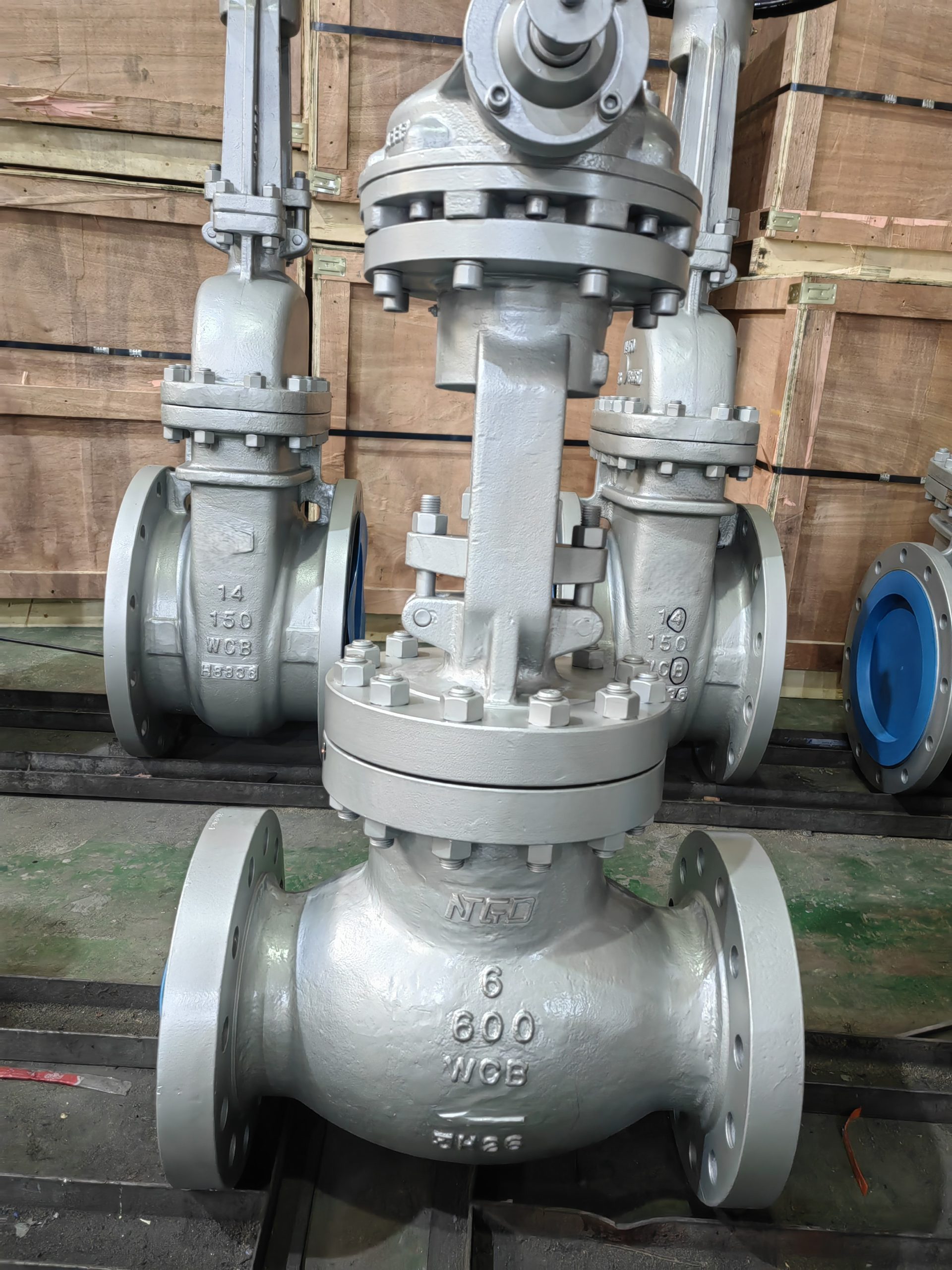
Definition and Characteristics
Cast Steel Globe Valves are made by pouring melted steel into molds. This process helps create detailed shapes and larger valve sizes. These valves are strong and work well in medium to high-pressure systems. They are great for controlling flow, which is useful for throttling tasks.
The steel used depends on where the valve is needed. Carbon steel is tough and works for general tasks. Alloy steel is stronger and resists rust, so it’s good for high heat and pressure. Stainless steel doesn’t rust easily and is used in food and medicine industries.
| Material Type | Properties | Applications |
|---|---|---|
| Carbon Steel | Strong and reliable | General-purpose uses |
| Alloy Steel | Stronger and rust-resistant | High heat and pressure environments |
| Stainless Steel | Rust-proof and clean | Food and medicine industries |
Manufacturing Process
To make Cast Steel Globe Valves, steel is melted and poured into molds. After cooling, the solid steel is taken out and shaped with machines. This method creates detailed designs and larger valve bodies. After shaping, the valves are put together, tested, and checked to meet rules like ASME B16.34 and API 600.
Advantages
Cast Steel Globe Valves have many benefits for engineers:
- Versatility: They come in many sizes and shapes for different needs.
- Cost-Effectiveness: Making bigger valves with casting costs less than forging.
- Material Options: Choose carbon, alloy, or stainless steel for your system.
- Compliance with Standards: They follow rules like ISO 5208 for safety and reliability.
- Throttling Capability: They control flow well, perfect for throttling tasks.
Tip: Think about pressure, temperature, and fluid type when picking these valves.
Disadvantages
Even though Cast Steel Globe Valves are useful and affordable, they have some downsides:
- Pressure Drop: The valve’s design changes the flow path. This adds resistance and lowers pressure, which can reduce system performance.
- Higher Operating Torque: These valves need a tight seal, especially under high pressure. This means they need more force to operate, making manual or automated control harder.
- Not Ideal for Slurry Applications: Their complex flow path can trap solids. This makes them less effective for fluids with particles or slurries.
Note: Knowing these issues helps you decide if these valves suit your system.
Common Applications
Cast Steel Globe Valves are popular in many industries because they control flow well. Here are some common uses:
| Industry Application | Description |
|---|---|
| Food and Beverage | Used to handle clean fluids in factories and packaging plants. |
| Pulp and Paper | Controls flow of chemicals, steam, and pulp during production. |
| HVAC Systems | Manages flow of hot water, cold water, and refrigerants in buildings. |
| Pharmaceutical and Biotechnology | Regulates flow of clean water and sterile liquids in production. |
| Oil and Gas | Controls flow of oil, gas, and refined products in operations. |
| Power Plants | Manages flow of steam and water in boilers and cooling systems. |
| Chemical Processing | Handles harmful or corrosive liquids in tanks and reactors. |
| Water Treatment | Controls flow of water and chemicals in treatment plants. |
These examples show how flexible Cast Steel Globe Valves are. Whether in energy, factories, or water systems, these valves work well for flow control.
Forged Steel Globe Valves

Definition and Characteristics
Forged steel globe valves are made by pressing solid steel under high pressure. This process makes the steel very strong and long-lasting. These valves work best in systems with high pressure and heat where safety is important.
The materials used in forged steel globe valves help them perform well in tough conditions. Here’s a simple breakdown of their parts and materials:
| Part | Material Used |
|---|---|
| Body and Bonnet | A 105 / A 182 F 304/316 / A 182 F 304L / 3016L / A 182 F 11/22 |
| Trims | CS + Cr 13% [SS 410]/ A 105 / A 182 F 304/316 / A 182 F 304L/3016L / A 182 F 11/22 |
| Gasket | P.T.F.E. / Graphite Asbestos / SPW SS With Graphite Filled |
| Gland Packing | Grafoil / braided Asbestos / P.T.F.E. |
| Hand Wheel | S.G. Iron / Ductile Iron |
| Fasteners | CS / B7 / 2H / SS 304 / SS 316 |
| Valve Design | BS 5352 |
| Pressure Testing | API 598 / BS 6755 Part I |
| Face to Face | ANSI B 16.10 |
| Butt Weld End | ANSI B 16.25 |
| Socket Weld End | ANSI B 16.11 |
| Screwed End | ANSI B 1.20.1 (BSP / NPT) |
| Inspection | 3rd Party / Client / Manufacturer |
These valves are smaller and lighter than cast steel ones. This makes them easier to fit in tight spaces.
Manufacturing Process
Forged steel globe valves are made by heating steel until it’s very hot. Then, the steel is pressed into shape using strong force. This process removes any weak spots inside the steel, making it stronger. After shaping, the parts are carefully measured and cut to the right size. The finished valves are tested to meet rules like API 598 and BS 5352.
This way of making valves ensures they can handle tough conditions without breaking. Their strong build makes them perfect for important jobs in industries like oil, power, and chemicals.
Advantages
Forged steel globe valves have many benefits that engineers like:
- Superior Strength: Forging makes the valve strong and resistant to damage.
- High Pressure and Temperature Tolerance: They work well in extreme heat and pressure, keeping systems safe.
- Compact Design: They are smaller and lighter, so they’re easier to install.
- Leakage Prevention: Their precise design helps stop leaks, even under pressure.
- Longevity: Strong materials and good manufacturing make them last longer, needing less fixing.
Tip: Choose forged steel globe valves for systems that need extra strength and safety.
Disadvantages
Forged steel globe valves are strong and last long. But, they have some downsides to think about:
- Higher Initial Cost: Forged steel valves cost more to make. This makes them pricier at the start, especially for big projects.
- Size Limitations: These valves usually come in smaller sizes. If you need bigger valves, forged steel might not work.
- Complex Manufacturing Process: Making forged valves needs special tools and skilled workers. This takes more time and costs more than casting.
- Limited Design Flexibility: Forging can’t make very detailed shapes. This limits custom designs for special uses.
Note: Knowing these issues helps you balance cost and performance when picking a valve.
Common Applications
Forged steel globe valves are great for jobs needing safety and strength. Their tough build and ability to handle hard conditions make them useful in these areas:
| Industry Application | Description |
|---|---|
| Oil and Gas | Controls flow in pipelines carrying oil, gas, and products under high pressure. |
| Power Generation | Manages steam and water in hot places like turbines and boilers. |
| Chemical Processing | Works with harmful and corrosive liquids in tanks and reactors. |
| Petrochemical | Provides accurate flow control for high-pressure hydrocarbon processes. |
| Marine | Handles fuel, water, and other fluids in ships under high pressure. |
Tip: Pick forged steel globe valves for systems needing high safety and strength. They work well in tough and demanding jobs.
Comparing Cast Steel and Forged Steel Globe Valves
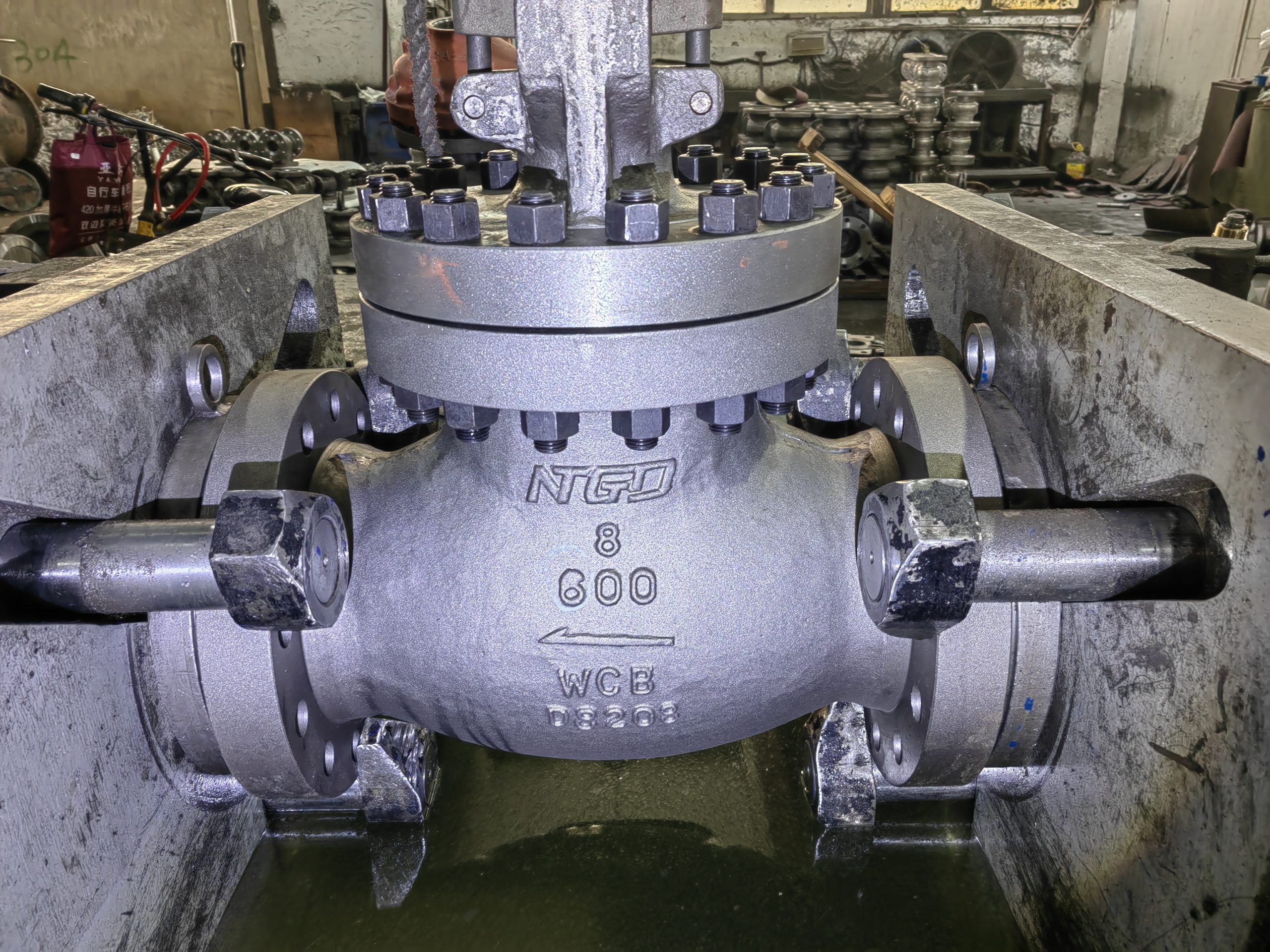
Strength and Durability
Forged steel globe valves are stronger and last longer than cast steel ones. Forging squeezes the steel tightly, removing weak spots inside. This makes the steel tougher and more solid. For instance, F92 Class 2500 forged valves can handle 223.4 bar at 1112°F (600°C). In the same conditions, F91 cast valves manage only 203.1 bar. At higher temperatures, the gap grows bigger. F92 valves handle 190.6 bar at 1157°F (625°C), while F91 valves handle just 152.1 bar. This makes forged steel valves better for tough jobs where strength matters most.
Cast Steel Globe Valves are strong but not as tough in extreme conditions. Their making process can leave tiny flaws that weaken them over time. These flaws make them less able to handle high pressure and heat. Still, they work well in medium-pressure systems and for larger valve sizes.
Pressure Ratings and Leakage Prevention
Both valve types keep systems safe, but forged steel valves handle pressure better. Their tight and compact design makes them great for high-pressure systems. Cast steel valves work fine but handle less pressure overall.
| Valve Type | Pressure Handling Capability |
|---|---|
| Forged Steel | Excellent |
| Cast Steel | Good |
Forged steel valves also stop leaks better because of their precise design. They are very reliable, even in tough conditions. Cast steel valves can stop leaks too but may need more upkeep to stay sealed.
Tip: Use forged steel valves for systems where leaks must not happen.
Cost and Budget Considerations
Cost is important when picking between these valves. Forged steel globe valves cost more because they are harder to make and use stronger materials. Their higher price is worth it for systems needing top strength and performance.
Cast Steel Globe Valves are cheaper, especially for bigger sizes. Casting costs less, making these valves a good choice for less demanding jobs. If you need to save money but still want good performance, cast steel valves are a smart option.
Note: Think about repair costs over time. Forged steel valves cost more upfront but need fewer repairs later.
Lead Times and Availability
How fast valves are ready matters a lot, especially for industries with tight schedules or emergencies. Cast steel globe valves often take longer to make because they need precise parts and specific suppliers. For instance:
- Car and chemical industries wait over 26 weeks for API 600-certified cast steel valves.
- Special cast steel valves need unique shipping, which slows delivery.
Forged steel globe valves are made faster. Their smaller size and simpler process help suppliers deliver quicker. Local stock of ASTM A216 Gr. WCB valves can cut emergency costs by up to 40%.
In big projects, like oil fields in the Middle East, forged steel valves are chosen for their quick delivery and dependability. Suppliers with 95% on-time delivery often charge 15-20% more, showing their ability to meet tight deadlines.
Tip: If your project needs fast delivery or emergency replacements, forged steel valves are a better pick. For less urgent jobs, cast steel valves save money.
Performance in Specific Operating Conditions
How valves work depends on pressure, temperature, and fluid type. Forged steel globe valves are great for tough conditions because they are very strong. Tests like HALT and HASS prove they work well in high heat, humidity, and vibrations. These tests make sure forged valves are reliable for safety-focused industries like oil and gas.
Cast steel globe valves work fine in medium-pressure systems but may not handle harsh conditions as well. Tests show differences in how they perform:
| Test Type | What It Does |
|---|---|
| Varying mA Signal Application | Checks if the valve opens and closes properly with mA signals. |
| Pressure Monitoring | Finds sticky valves by watching pressure changes with mA signals. |
| Baseline Performance Signature | Creates a performance record to track how the valve works over time. |
Forged steel valves respond better in pressure and mA signal tests. They work smoothly because pressure and signals match well. Cast steel valves might need more fixes to keep working their best.
Note: For systems in tough conditions or needing precise control, forged steel valves are the most reliable. Cast steel valves are still good for easier jobs.
Selecting the Right Valve for Engineering Applications

Key Factors to Consider
Picking the right valve needs careful thought to work well. Here are the main things to think about:
- Industry Application: Know the industry, like energy or farming, to match valve needs.
- Material Compatibility: Check the fluid type. Corrosive fluids need stainless steel valves.
- Operating Pressure and Temperature: Make sure the valve handles the system’s pressure and heat safely.
- Valve Size and Port Sizes: Choose a size based on flow needs. Valves should be at least half the pipe size.
- Valve Function: Decide the valve’s job, like controlling flow or acting as an inlet.
- Weight Considerations: Lighter valves suit moving equipment, but stronger ones may weigh more.
Tip: Use the flow coefficient (Cv) to pick the right size. Aim for it to work between 10% and 80% of its max flow.
Long-Term Maintenance and Reliability
When picking a valve, think about how often it needs fixing and how reliable it is. These things affect how well your system works and how much it costs over time. Cast steel and forged steel globe valves are different in these areas.
Forged steel globe valves are very reliable. The way they are made removes weak spots, so they are less likely to break. This makes them great for systems that can’t afford to stop working. They last longer and need fewer fixes. Their small size also makes repairs easier and faster. Even though they cost more at first, their strength saves money later by needing fewer repairs or replacements.
Cast steel globe valves are flexible but might need more upkeep. The casting process can leave tiny flaws, which can wear out faster in tough conditions. These valves work best in medium-pressure systems where fixing them often isn’t a big deal. They cost less upfront, but you might spend more later on repairs.
Studies show that 70% of a valve’s costs happen after it’s installed, mostly during big repairs. Companies now wait longer, like 5 to 8 years, between fixes. This can lead to surprise problems. Surprisingly, only about half of the valves scheduled for fixing actually need it. Picking a reliable valve can help avoid wasting money on unnecessary repairs.
| Maintenance Factor | Cast Steel Globe Valves | Forged Steel Globe Valves |
|---|---|---|
| Maintenance Frequency | More often | Less often |
| Long-Term Reliability | Okay | Very good |
| Life Cycle Cost Impact | Higher because of more repairs | Lower because they last longer |
Tip: If your system needs long gaps between fixes, forged steel globe valves are a better choice. Cast steel valves are still good for easier jobs.
Picking between cast steel and forged steel globe valves depends on what your system needs. Cast steel valves are good for medium pressure and come in many sizes and shapes. Forged steel valves are stronger and last longer, working best in high pressure and heat.
Tip: Match the valve’s material and design to your system’s needs. If saving money is important, cast steel valves are a smart choice. For systems needing strength and safety, forged steel valves are better. Choosing the right valve keeps your system safe, efficient, and working well for a long time.
