
Globe valves are important in steam control systems. They help control steam flow accurately. These valves are very useful in power plants and chemical factories. They are needed to keep things safe and efficient. Globe valves are great at controlling steam flow with precision. For example, a 12-inch, Class 900 globe valve fully open has a Cv of 1820. When it is one-quarter open, the Cv drops to 946. This shows how precise they are. Also, they are strong and last a long time. This lowers the chance of system problems and safety risks.
Key Takeaways
- Globe valves help control steam flow accurately. They are important for power plants and factories to work well.
- Knowing the types of globe valves—T-pattern, Y-pattern, and angle-pattern—helps pick the right one for the job.
- Taking care of globe valves, like checking for damage, keeps them working safely and properly for a long time.
- Globe valves save energy and make systems work better by keeping flow and pressure steady.
- Using strong materials like stainless steel makes globe valves last longer and work well in high heat.
Understanding Steam Control Systems

Steam control systems are important for industries. They manage steam flow and pressure to keep things safe and efficient. To learn about these systems, you need to know their parts and why flow control matters.
Parts of Steam Control Systems
Steam control systems have several main parts. Each part helps the system work well. These include:
- Bellow Seal Valve: This valve stops leaks in high-pressure areas. It keeps the system efficient and lowers repair costs.
- Control Valve: This valve controls steam flow and pressure. It makes processes stable and saves energy.
- Float Trap Module: It removes water while keeping steam. This improves steam quality and stops water hammer.
- Air Vent Module: This part gets rid of air and gases. It helps heat transfer and prevents rust.
The table below shows what these parts do and their benefits:
| Component | Function | Benefit |
|---|---|---|
| Bellow Seal Valve | Stops leaks in high-pressure areas. | Keeps the system safe and lowers repair costs. |
| Control Valve | Controls steam flow and pressure. | Makes processes stable and saves energy. |
| Float Trap Module | Removes water while keeping steam. | Improves steam quality and stops water hammer. |
| Air Vent Module | Removes air and gases from the system. | Helps heat transfer and prevents rust. |
These parts work together to keep the system running smoothly.
Why Flow Control Matters in Steam Systems
Flow control is key to making steam systems work better. By managing steam flow, you save energy and improve efficiency. For example, tools like orifice plates and TRVs can save 15% energy on average, with up to 20% savings possible.
The table below shows how flow control tools save energy:
| Tool Used | Average Energy Savings | Maximum Energy Savings |
|---|---|---|
| Orifice Plates and TRVs | 15% | Up to 20% |
Good flow control matches steam flow to system needs. This reduces waste and boosts performance. Knowing this helps you see how globe valves and other parts keep steam systems efficient.
The Functionality of Globe Valves
Anatomy of Globe Valves
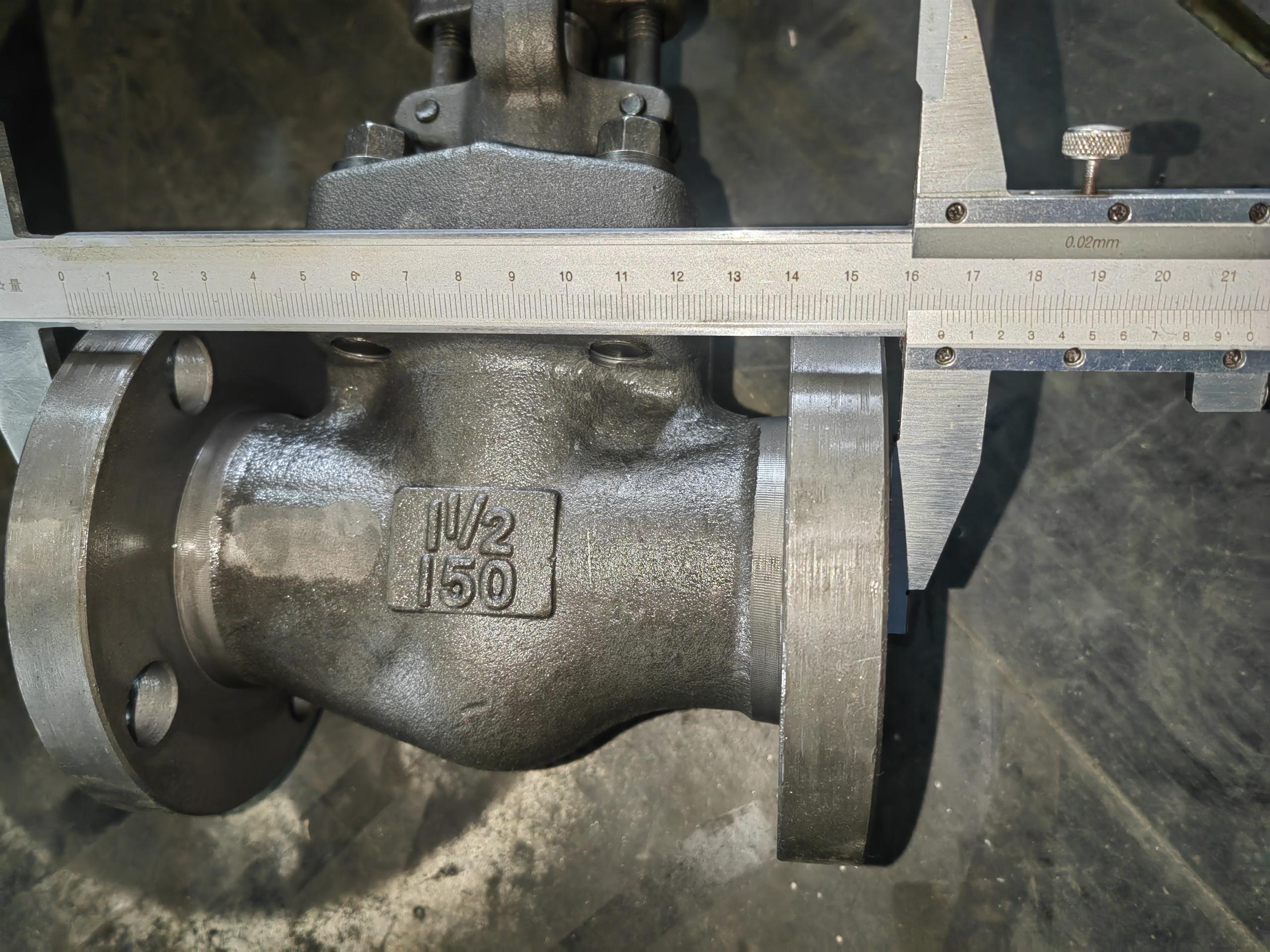
Globe valves help control steam flow with great accuracy. They are important in steam systems. These valves have a disc that moves straight up and down. This movement helps control the flow easily and precisely. Because of this, globe valves work well in many situations, even under high pressure.
The main parts of a globe valve work together to make it function properly. These parts include:
- Body: The round shape gives the valve its name and holds the inside parts.
- Bonnet: This part covers the body and adds strength.
- Stem: It links the disc to the actuator for movement.
- Disc: This part moves to control how much steam flows.
- Seat: Its slanted shape stops leaks and seals tightly.
| Component | What It Does |
|---|---|
| Body | Round shape, holds internal parts |
| Bonnet | Covers and supports the body |
| Stem | Connects disc to actuator |
| Disc | Moves to control steam flow |
| Seat | Slanted to stop leaks |
Globe valves are made from strong materials like stainless steel, brass, or bronze. These materials help them handle high heat and pressure. This makes them last a long time in steam systems.
How Globe Valves Regulate Steam Flow
Globe valves are great at controlling steam flow because of their design. The disc moves in a straight line, letting you adjust the flow exactly as needed. This makes them perfect for jobs that need precise control.
Tests show how well globe valves manage steam flow. For example:
- A three-inch globe valve was tested for pressure and flow. It worked well under different conditions.
- Pressure tests showed flow stays steady at higher speeds.
- Flow tests proved globe valves meet important standards and work reliably.
These tests show that picking the right valve improves system performance. Using globe valves helps control steam flow better, saves energy, and makes systems more efficient.
Design Variations of Globe Valves
T-Pattern, Y-Pattern, and Angle-Pattern Globe Valves
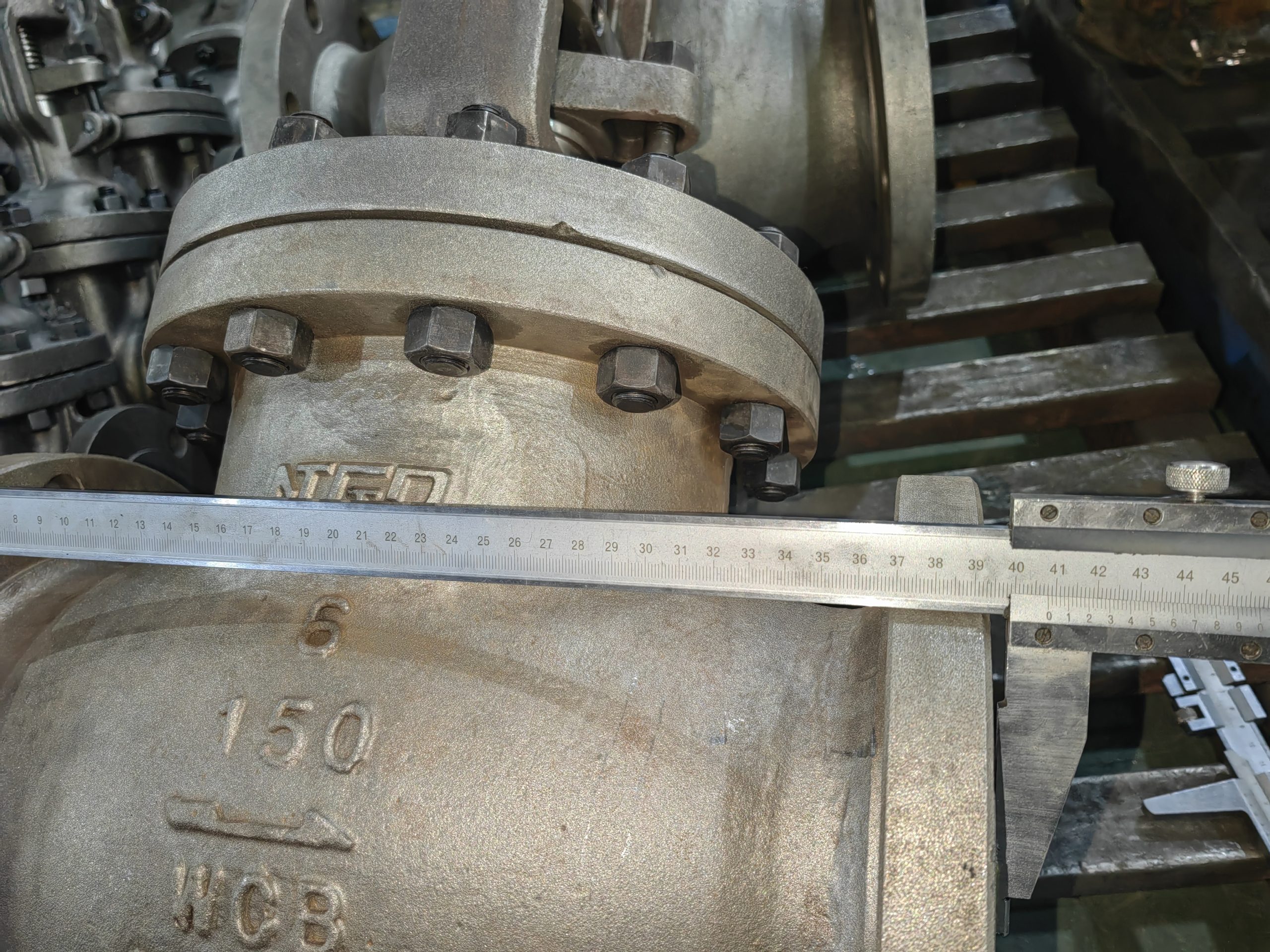
Globe valves have three main designs: T-pattern, Y-pattern, and angle-pattern. Each type has special features for different steam systems. Knowing these helps you pick the best valve.
- T-Pattern Globe Valves: These valves have a straight body and flat seat. They are great for controlling flow precisely. But, their design causes the most pressure drop. This makes them less useful in systems needing steady pressure.
- Y-Pattern Globe Valves: These valves have a slanted seat at 45 degrees. This design reduces flow blockage and pressure loss. They work well in high-pressure systems needing smooth flow.
- Angle-Pattern Globe Valves: These valves turn the flow by 90 degrees. They are good for tight spaces or specific flow directions. They cause moderate pressure drops but allow better flow than T-pattern valves.
The table below shows how these designs compare:
| Valve Type | Flow Blockage | Pressure Drop | Flow Efficiency |
|---|---|---|---|
| T-pattern | Most | High | Low |
| Angle-pattern | Less | Moderate | Better |
| Y-pattern | Least | Low | Best |
Uses of Globe Valve Designs in Steam Systems
Each globe valve design has a specific use in steam systems. T-pattern valves are best for precise flow control, like in power plants. They are reliable for tasks needing accuracy.
Y-pattern valves are great for high-pressure systems. Their design keeps pressure loss low, making them efficient. These valves are used in industries like oil refining and chemical plants.
Angle-pattern valves are used in small spaces or where flow direction changes. For example, they are common in steam networks with limited room. They handle moderate pressure drops and still control flow well.
By learning about these designs, you can choose the right valve to improve your steam system.
Advantages of Globe Valves in Steam Control Systems
Precision in Flow Control
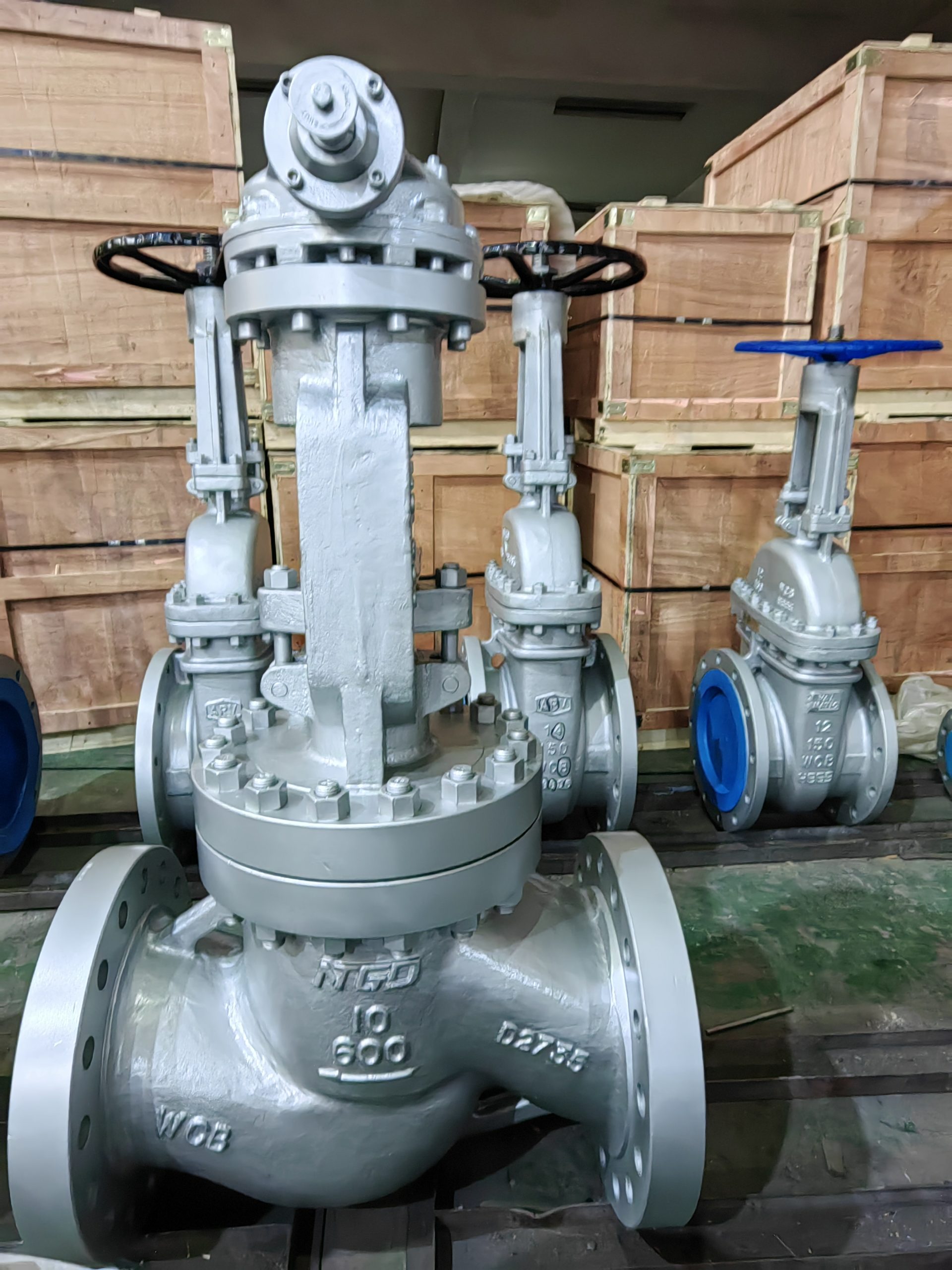
Globe valves are great for controlling steam flow accurately. Their special design, with a disc moving straight up and down, helps adjust flow easily. This makes them perfect for tasks needing exact control. For example, tests on a three-inch globe valve showed steady flow rates. These rates stayed stable when pump speeds changed, proving their reliability.
Globe valves keep flow steady even with pressure changes. This accuracy improves system performance and saves energy. By reducing waste, they play an important role in steam systems.
Durability in High-Temperature Environments
Globe valves are strong and can handle tough conditions. They work well in high heat and pressure. Made from materials like stainless steel or bronze, they last a long time. These valves seal tightly, stopping leaks and keeping systems safe.
Here are some key features of their durability:
| Feature | Description |
|---|---|
| Tight Shut-off Performance | Seals well to prevent leaks. |
| Long Service Life | Built to last in tough environments. |
Industries like power plants and chemical factories use globe valves. They handle hot steam and harmful substances without breaking. This strength lowers repair needs and keeps systems running smoothly.
Versatility Across Steam Applications
Globe valves are very flexible and work in many steam systems. They can handle steam and other harsh materials, making them useful in industries like oil refining and power plants. For example, they control steam flow in important systems, ensuring safety and smooth operations.
Different designs, such as T-pattern, Y-pattern, and angle-pattern, make them even more useful. Whether you need precise control, less pressure loss, or better flow in small spaces, there’s a globe valve for the job. This flexibility makes them a top choice for improving steam systems.
Challenges and Solutions in Using Globe Valves

Managing Pressure Drops
Pressure drops happen often with globe valves in steam systems. T-pattern valves can block flow, causing big pressure loss. This lowers system efficiency and uses more energy.
Engineers fix this by improving valve designs. They use tools like CFD and FEA to make valves better. Changing the valve seat and disc shape reduces turbulence. This helps steam flow smoothly and makes valves easier to control.
Choosing Y-pattern or angle-pattern valves can also help. These designs improve flow and work well in high-pressure systems.
Maintenance Best Practices
Taking care of globe valves keeps them working well. Regular checks and repairs stop leaks and other problems.
Here are tips for maintaining globe valves:
- Valve Seat Care: Look for damage like pits or erosion. Fix or replace the seat if needed. For example, replacing a worn seat stopped leaks in one system.
- Actuator Checks: Test the actuator and its parts. Replacing a broken solenoid fixed issues in another system.
These steps make globe valves last longer and keep steam flowing smoothly.
Addressing Wear and Tear in Steam Systems
Wear and tear can harm globe valves and cause expensive fixes. High heat and pressure wear down valve materials over time.
Studies show that iron in hardfacing layers causes wear. Many repaired valves lose stellite, which is bad for high-pressure systems. Cracks and material damage are also common problems.
To solve this, use valves made from strong materials like stainless steel. Regular checks with tools like EDS find wear early. These solutions help globe valves stay strong and control steam flow well.
Globe valves are important in steam systems. They control flow accurately, last long, and adapt well. These valves handle high heat and pressure, making them useful in power plants and chemical factories. For instance, a rotary globe valve has a 100:1 turndown ratio. This allows precise control in tasks like pasteurization and cleaning processes.
Main Features and Advantages:
| Feature | What It Does |
|---|---|
| Flow Range | Changes a lot, e.g., pasteurization ranges from 10,000 to 2,000 pounds/hour. |
| Shutoff Ability | Rotary valves stop flow tightly, ensuring no leaks. |
| Turndown Ratio | A 100:1 turndown gives very accurate flow control. |
| Application Use | Important for cleaning and pasteurization to keep products safe. |
To keep valves working well, maintain them regularly and pick the right type. Check them often and use strong materials to make them last longer.
Globe valves are key in steam systems. They provide great accuracy and work well in many jobs.
