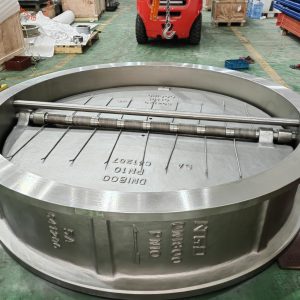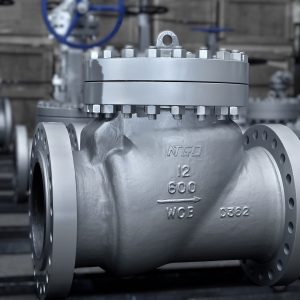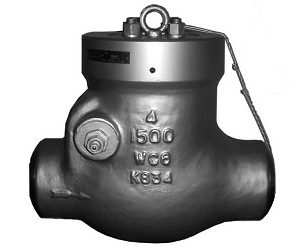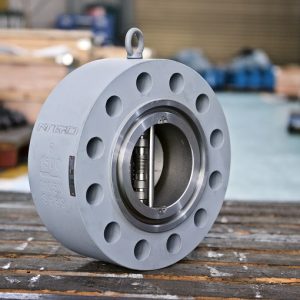

A wafer check valve, produced by a reliable wafer check valve manufacturer, is a small tool that stops backflow in pipes. It has a light, disc-shaped part that opens for fluid to flow one way and shuts to prevent it from going backward. These valves are common in water treatment, factories, and wastewater systems because they work well and have a long lifespan.
The demand for wafer check valves has grown alongside the expansion of cities and industries. For example:
- The global market for wafer check valves was valued at $1.3 billion in 2023.
- It is projected to grow to $2.1 billion by 2032, with a 5.5% annual growth rate.
They are affordable and easy to maintain, making them essential for modern building projects.
Key Takeaways
- Wafer check valves stop water from flowing backward in pipes.
- They are small and fit easily between pipe connectors, saving space.
- Pick the right valve based on how fast and strong the flow is.
- Check the valve every three months to find problems early.
- Clean the valve twice a year to stop dirt from blocking it.
- These valves are cheap and need less care than other types.
- Swing and dual plate valves work for different flow and pressure needs.
- Ask a trusted company to help you choose the best valve.
Overview of wafer check valves
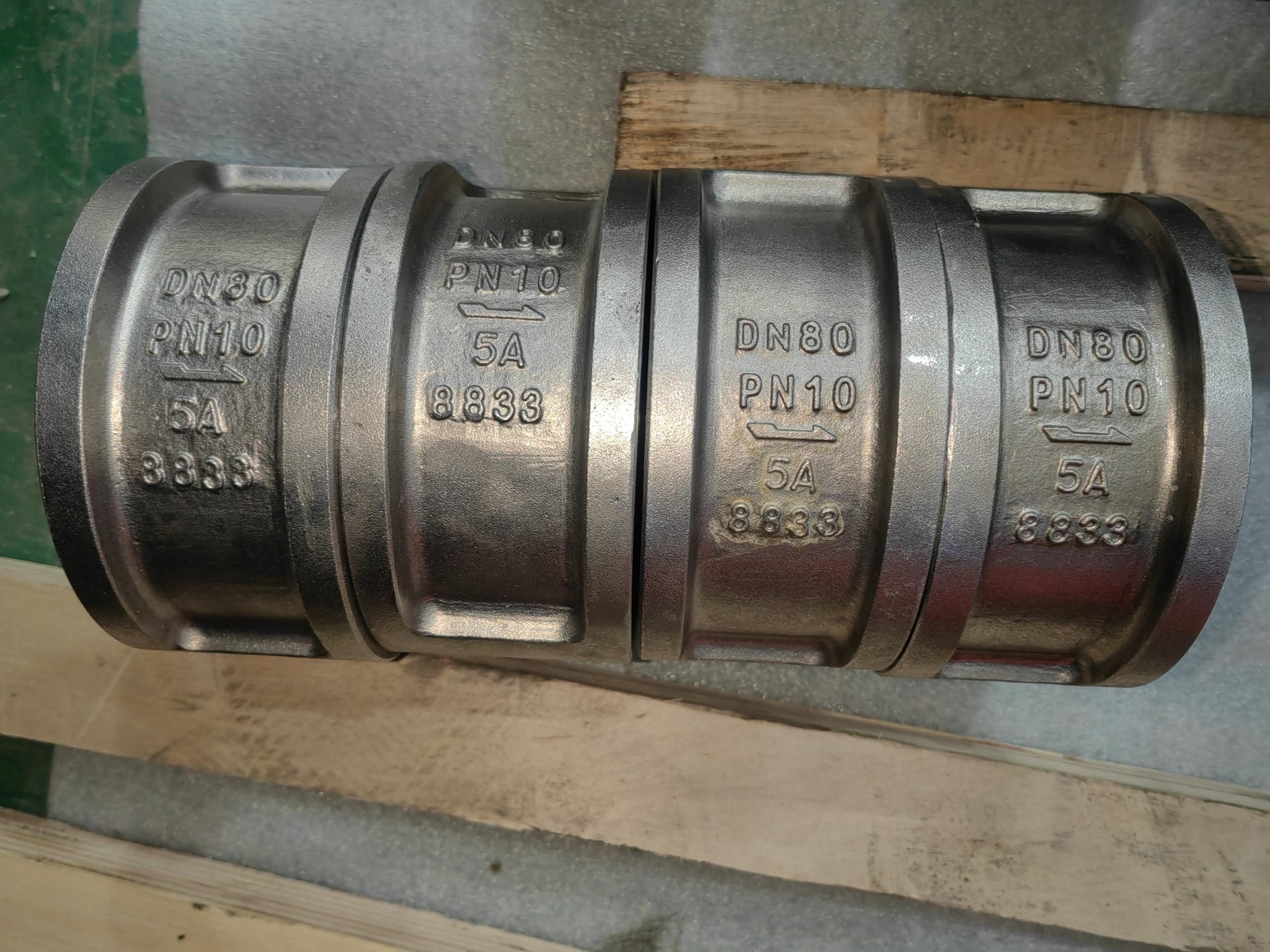
Design and structure
Compact wafer-style design
Wafer check valves are small and slim. They fit easily between two pipe flanges, saving space. Unlike older valves, they don’t need extra room for installation. Their lightweight build reduces stress on pipes. This is helpful in tall buildings and factories. The design makes them easy to install and maintain. Engineers often pick them for these reasons.
Key components and materials used
The strength of wafer check valves comes from their parts and materials. Important parts include the body, disc, spring, and seat. Makers like NTGD use strong materials like iron, bronze, and stainless steel. These materials resist rust and work well under high pressure. They also stop backflow and water hammer, protecting equipment. This keeps systems safe and working properly.
How wafer check valves work
Mechanism of preventing backflow
Wafer check valves work in a simple way. When fluid flows forward, the disc opens to let it pass. If the flow reverses, the disc shuts quickly to stop backflow. This protects the system from damage. Some valves have springs to close faster and seal better. They can handle up to 2500 psi, making them good for tough jobs.
- In Asia-Pacific, chemical factories use these valves to stop backflow.
- In 2023, the U.S. EPA spent $700 million to improve water systems with rust-proof valves.
Applications in water, wastewater, and industrial systems
Wafer check valves are used in many places. In water plants, they stop dirty water from mixing with clean water. Wastewater systems use them to handle changing flows and prevent damage. Factories like oil refineries use them because they handle high pressure and harsh conditions. Their small size and reliability make them useful in many industries.
Types of wafer check valves
Swing check valves
Swing check valves are a type of wafer check valve. They have a disc that swings open for forward flow and closes when flow reverses. They work well in systems with low flow. They are simple to fix but may not seal tightly in high-pressure systems. They are common in water and wastewater systems because they are reliable.
Dual plate check valves
Dual plate check valves have two spring-loaded plates. These plates open for forward flow and close fast when flow stops. This design reduces pressure loss and seals tightly. They are great for high-pressure systems. Factories often use them for their efficiency and strong performance.
Silent check valves
Silent check valves close quietly without causing noise. They use a spring to shut the disc smoothly. This makes them perfect for homes and offices where noise matters. They also seal well, stopping leaks even under changing pressures.
| Criteria | Wafer Check Valves |
|---|---|
| Installation Space | Slimmest option available |
| Pressure Drop | Dual plate and swing designs minimize losses |
| Closure Speed | Spring-assisted valves outperform swing models |
| Sealing Tightness | Best-in-class leakage prevention with spring-loaded designs |
| Maintenance Access | Easy to remove and inspect |
Each type of wafer check valve has special features. Knowing these helps you pick the right one for your needs.
Installation and maintenance of wafer check valves
Taking care of wafer check valves helps them last longer. Following the right steps stops backflow, reduces wear, and keeps systems working well.

Pre-installation preparation
Picking the right valve size and type
Choosing the correct valve is very important. First, check your system’s flow rate and pressure needs. Pick a valve size that matches the pipe size to avoid problems. Swing check valves are good for low-flow systems. Dual plate check valves work better for high-pressure systems. Always ask a trusted valve maker to help you choose the best one.
Checking the valve and pipeline for fit
Before installing, make sure the valve and pipeline match. Check the valve material to see if it can handle your fluid and temperature. Stainless steel valves resist rust and work in tough conditions. Look at the pipeline for dirt or damage that might cause issues. A clean pipeline helps the valve work smoothly.
Step-by-step installation process
Aligning the valve with the pipe and flanges
Place the valve between the flanges carefully. Make sure the arrow on the valve points in the flow direction. Don’t install the valve facing downward, as it won’t work well. Keep five pipe diameters of straight space before and after the valve for smooth flow.
Securing the valve properly
Use the right tools to secure the valve tightly. Follow these steps:
- Pick flange and gasket materials that match the fluid.
- Lubricate bolts to make tightening easier.
- Tighten bolts in a crisscross pattern for even pressure.
- After running the system briefly, retighten bolts to stop leaks.
These steps keep the valve and pipe connection strong.
Post-installation checks
Testing for leaks and correct placement
After installing, check for leaks and make sure the valve is placed correctly. Test the system under pressure to find leaks. Ensure the valve opens and closes smoothly with flow changes. Proper placement stops backflow and protects the system.
Checking smooth operation and flow
Watch how the valve works to ensure good flow. Listen for strange sounds or vibrations that might mean something is wrong. Test for gas or vapor leaks if safety is a concern. Regular checks keep the valve working well and meeting standards.
| Testing Method | Standards/Guidelines | Purpose/Notes |
|---|---|---|
| Hydrostatic Testing | API 607, API 6FA, ISO 10497, BS 5146, BS 6755 | Checks for leaks under pressure, especially for fire safety. |
| Fugitive Emissions Test | API 622, API 624, API 644, ISO 15848-1, ISO 15848-2 | Tests for gas or vapor leaks to ensure safety and protect the environment. |
| Cryogenic Testing | ISO 28921-1, ISO 28921-2, EN 12567, BS 6364 | Tests valve performance in very cold conditions to prevent leaks. |
By following these steps and doing careful checks, you can install and maintain wafer check valves successfully.
Maintenance tips and best practices
Taking care of wafer check valves helps them last longer and work well. Follow these tips to stop backflow problems and reduce wear on parts.
Routine inspections for wear and tear
Check the valve often to find problems early. Look at the disc, spring, and seat for damage or rust. Cracks or worn parts can stop the valve from sealing right. Also, check the pipeline for dirt or debris that might block the valve.
Tip: Inspect the valve every three months. This helps catch problems early and keeps your system working smoothly.
Cleaning and servicing to remove debris
Dirt can block the valve and stop it from closing. Cleaning keeps the valve working and stops backflow. Take the valve out and clean it with a soft brush or cloth. Don’t use strong chemicals that could harm the materials. If the valve has a spring, clean around it carefully.
- Steps for cleaning wafer check valves:
- Turn off the system and release pressure before removing the valve.
- Take apart the valve and check each part for dirt.
- Clean the disc, seat, and spring with water or mild cleaners.
- Put the valve back together and test it to make sure it works.
Note: Clean the valve every six months to stop dirt buildup and keep it working in different systems.
Replacement guidelines for damaged valves
Sometimes cleaning isn’t enough to fix a valve. If the valve is badly damaged, replace it right away. Look for cracks, broken springs, or heavy rust. These problems can stop the valve from preventing backflow.
When replacing, pick a valve that fits your system. Swing check valves are good for low-pressure systems. Dual plate check valves work better for high-pressure systems. Ask a wafer check valve manufacturer to help you choose the right one for your pipes and fluid.
Tip: Replace damaged valves quickly to avoid big repairs and keep your system flowing well.
By following these steps, you can make wafer check valves last longer and work reliably. Regular checks, cleaning, and replacing damaged valves keep your system safe and efficient.
Advantages and disadvantages of wafer check valves
Advantages
Small and light design for tight areas
Wafer check valves are slim and lightweight. They fit easily between pipe flanges without needing extra room. Their small size reduces stress on pipes, making them great for tight spaces like tall buildings and factories. Engineers like them because they save space and are easy to install.
Affordable compared to other check valves
Wafer check valves are a cheaper way to stop backflow. Their simple design has fewer moving parts, lowering production costs. You also save money on setup and repairs since they need less work and tools. Compared to swing check valves, wafer check valves work well at a lower cost.
Less pressure loss and better flow
Wafer check valves are designed to reduce pressure loss. When fluid moves through, the disc opens smoothly for easy flow. This keeps your system running efficiently. Dual plate check valves are especially good at lowering pressure drop, making them perfect for systems needing steady flow.
Disadvantages
Not ideal for high-pressure systems
Wafer check valves don’t work well in high-pressure setups. Their design can cause a small pressure drop, which matters in systems needing constant high pressure. Moving parts like the disc may respond slower, affecting performance in fast systems.
Wear and tear in tough conditions
In harsh environments, wafer check valves can face problems like dirt buildup and material damage. Poor closing parts can make water hammer worse, harming pipes. Dirt can block the valve, stopping it from sealing properly. Valves made from weaker materials wear out faster in rough conditions.
Tip: Check and clean the valve often to avoid these problems. Replace damaged parts to keep the valve working well in tough conditions.
| Common Problems in Tough Conditions | How They Affect Performance |
|---|---|
| Pressure Drop | Lowers efficiency in high-pressure systems. |
| Flow Direction Dependence | Raises backflow risks if installed wrong. |
| Water Hammer | Damages pipes and valve parts. |
| Dirt and Debris | Blocks movement and weakens sealing. |
Knowing these downsides helps you pick the right valve for your system. Talk to a wafer check valve manufacturer to find the best valve for your needs.
Comparison with other types of check valves
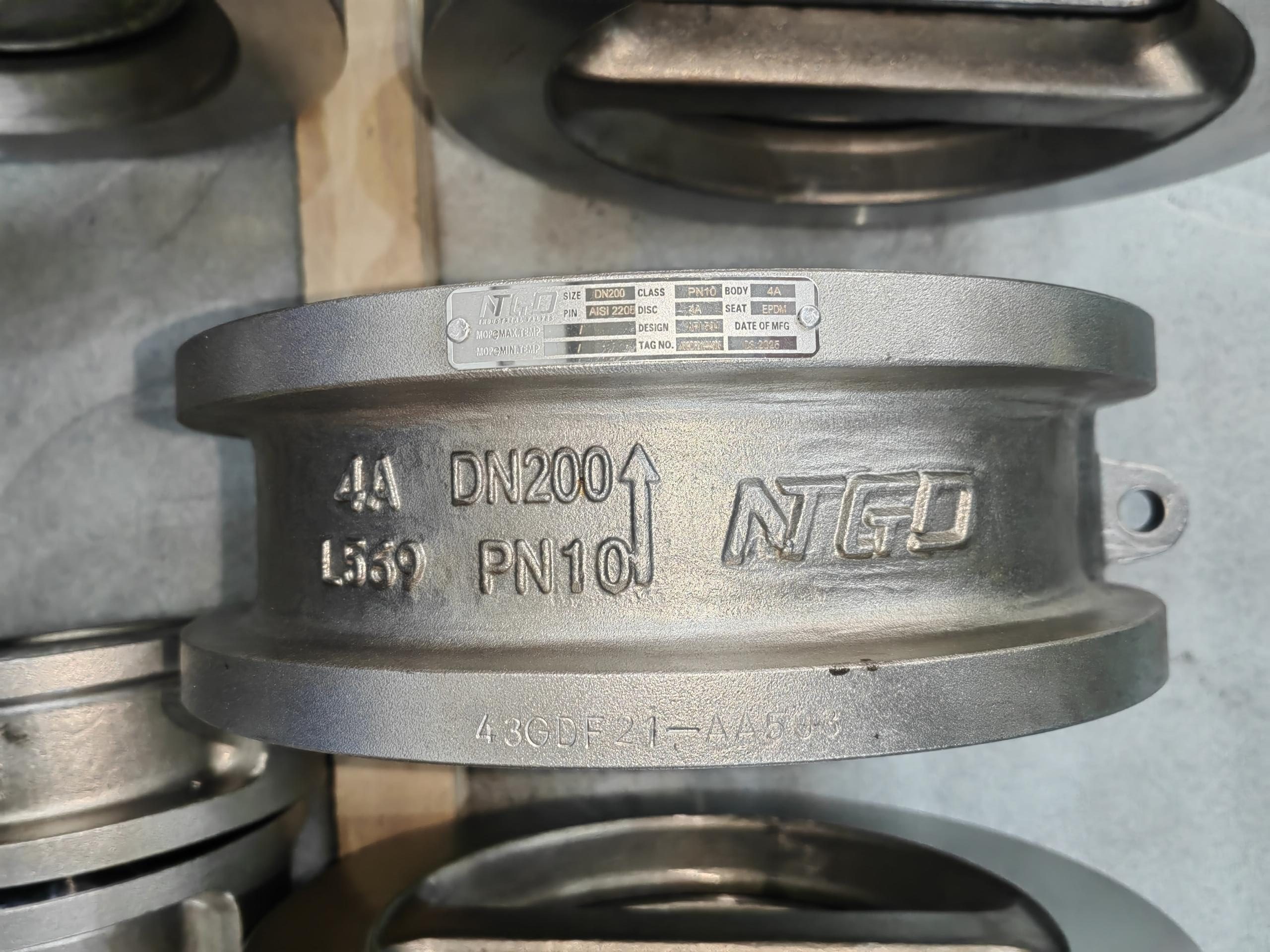
Wafer check valves vs. swing check valves
Design differences and space-saving benefits
Wafer check valves are small and light. They fit easily between pipe flanges, saving space. Swing check valves are bigger and have a pivoting disc. They need more room to install, especially horizontally. Wafer check valves work well in tight spaces like tall buildings or factories.
| Features | Wafer Check Valves | Swing Check Valves |
|---|---|---|
| Design | Small and lightweight structure. | Bigger design with pivoting disc. |
| Installation | Fits in any direction. | Needs horizontal space to install. |
Performance in water and wastewater systems
Both valves work well in water systems but in different ways. Wafer check valves close fast with a spring, stopping backflow quickly. This prevents water hammer and keeps the system smooth. Swing check valves handle high pressure better but close slower. This can cause backflow in fast-moving systems. Wafer check valves are often chosen for their reliability and space-saving design.
Wafer check valves vs. ball check valves
Functional distinctions and cracking pressure
Wafer check valves use a spring-loaded disc to control flow. This makes them close quickly and seal tightly. Ball check valves use a ball to block or allow flow. They are simpler but slower to respond to flow changes. Wafer check valves need less pressure to open, making them better for low-pressure systems.
Pros and cons of each type for specific applications
Choose based on your system’s needs. Wafer check valves are great for quick response and low pressure loss. They are used in factories where efficiency matters. Ball check valves are better for thick fluids like sewage or slurry. But they respond slower and need more pressure to open, limiting their use in high-performance systems.
Wafer check valves vs. lift check valves
Structural differences and installation requirements
Lift check valves have a disc that moves up and down to block flow. They must be installed horizontally with upward flow. Wafer check valves can be installed in any direction, making them more flexible. Their small size fits tight spaces better than lift check valves, which need more room.
Suitability for industrial and residential systems
Wafer check valves are best for factories because they handle fast flow changes and have low pressure drop. Lift check valves work better in homes or places with steady flow. Their vertical disc seals well but needs careful installation. Wafer check valves are more versatile for complex setups.
Wafer check valves are small, seal well, and stop backflow. They improve system performance and work in many setups. Installing and maintaining them properly helps them last longer. Check valves often and clean them to stop dirt buildup.
When picking a check valve, think about how it works and the differences between types. Ask a trusted maker to find the best one for your system. This ensures it works well and lasts a long time.
FAQ
What does a wafer check valve do?
A wafer check valve stops fluid from flowing backward in pipes. It keeps the flow moving one way, protecting systems and equipment.
How do you pick the right wafer check valve?
Know your system’s flow, pressure, and fluid type. Choose a valve size and material that fits your pipeline. Ask a trusted maker for advice.
Can you install wafer check valves vertically?
Yes, you can install them vertically or horizontally. Make sure the arrow on the valve matches the flow direction for it to work correctly.
How often should you check a wafer check valve?
Check the valve every three months. Look for rust, dirt, or damage that could cause problems. Regular checks help it last longer.
What materials are used to make wafer check valves?
Common materials include stainless steel, bronze, and cast iron. These materials resist rust and handle different pressures and temperatures well.
Are wafer check valves good for high-pressure systems?
They work best in low to medium-pressure systems. For high-pressure needs, use dual plate or other special check valves.
How do you clean a wafer check valve?
Turn off the system and release pressure first. Take out the valve, clean its parts with water or mild soap, and put it back together. Don’t use strong chemicals.
Where are wafer check valves used?
They are used in water plants, wastewater systems, oil refineries, and chemical factories. Their small size and dependability make them popular.
Tip: Follow the manufacturer’s instructions for setup and care to keep the valve working well.