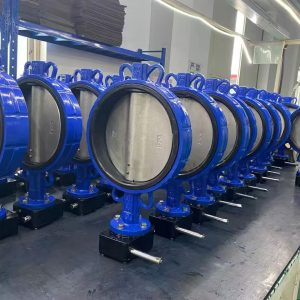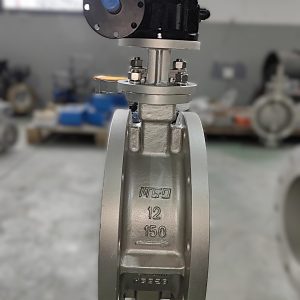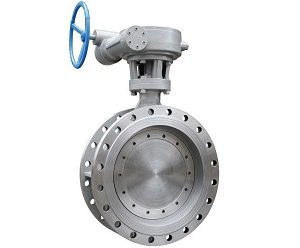

A lug butterfly valve has a disc inside a pipe. This disc helps control how much liquid or gas moves through. The valve’s body has threaded inserts. These inserts help you attach the valve tightly. They also help the valve close very well, so nothing leaks. Picking the right valve is important for your system. If you choose a lug butterfly valve made with strong materials, it will last longer. Good sealing also means you will not need to fix it often. This saves you time and money in the future.
| Aspect | Details |
|---|---|
| Initial Investment | Better valves might cost more at first, but they last longer. |
| Operational Costs | The energy for actuators, how often you fix it, and new parts all change the total cost. |
| Maintenance and Replacement | Strong materials and good sealing mean you fix it less and waste less. |
Key Takeaways
- Lug butterfly valves make maintenance easy. You can take off one side of the pipe. The other side stays in place. This saves time and keeps things working well.
- Picking strong materials for your lug butterfly valve is smart. It makes the valve last longer. You will not need to fix it often. This helps you save money over time.
- Doing regular checks is important. Look at the valve and add oil if needed. This helps the valve work longer. It also stops big problems from happening.
- Lug butterfly valves seal well and can handle high pressure. They work in many places, like food and chemical factories.
- When you pick a lug butterfly valve, think about size, material, and price. This helps you get the right valve for your system. It will help your system work well.
Lug Butterfly Valve Overview

What Is a Lug Butterfly Valve
A lug butterfly valve is special because of how it is made. It has threaded inserts called lugs around its body. These lugs let you bolt the valve between two pipe flanges. You can take off one side of the pipe and leave the other side alone. This makes fixing or checking the valve much easier and safer.
A lug butterfly valve lets liquid or gas flow both ways. You can use it for dead-end service. This means you can close one side of the pipe and keep the other side sealed. This helps you when you need to fix or upgrade your system. Most lug butterfly valves follow API609 standards. This means they are made to meet strict safety and performance rules.
Tip: If you want to shut off part of your pipeline for repairs, a lug butterfly valve works well.
Here is a table that shows the main features of a lug butterfly valve based on industry standards:
| Characteristic | Description |
|---|---|
| Structural Design | Connects between two pipe flanges with bolts, simple build, small and light. |
| Operational Features | Opens and closes fast with a 90° turn, controls flow well. |
| Sealing Types | Has two types of seals: elastic and metal. |
| Body Construction | Usually made from ductile iron or steel, fits ASME Class 125/150 flanges or higher. |
| End-of-Line Service Capability | Lets you remove one side without touching the other. |
| Robustness | Strong and good for systems that need easy repairs or isolation. |
You might ask how this is different from a wafer-style butterfly valve. The biggest difference is how you install and fix them. A lug butterfly valve lets you take off one side of the pipe without stopping the whole system. A wafer-style butterfly valve sits between flanges and needs bolt pressure to stay in place. You cannot remove one side without affecting the other.
Key Components
A lug butterfly valve has many important parts. Each part helps the valve work well and last longer. Here is a table that lists the main parts and what they are made of:
| Component | Description | Common Materials |
|---|---|---|
| Body | Goes between two pipe flanges, usually in lug or wafer style. | Cast iron, stainless steel, PVC |
| Disc | Stops the flow, can be shaped for better use. | Stainless steel, aluminum, plastic |
| Stem | Connects the disc to the actuator, can be one or two pieces. | Stainless steel, carbon steel |
| Seat | Makes a tight seal with the disc. | Elastomers, polymers (e.g., EPDM, NBR) |
The body is often made from strong metals like cast iron or stainless steel. This makes the valve tough and long-lasting. The disc controls the flow and is usually made from stainless steel or aluminum to stop rust. The stem links the disc to the handle or actuator. The seat makes a tight seal and is made from soft materials like EPDM or NBR to stop leaks.
If you take care of your lug butterfly valve, it can last 10 to 20 years. In clean water, it may last up to 20 years. In rougher places, it may last closer to 10 years. Checking the valve often and picking the right materials helps your valve last longer.
Note: Picking the best materials for each part helps your valve last longer and saves money on repairs.
How a Butterfly Valve Works
Operating Principle
You control the flow in a butterfly valve by turning a disc inside the valve body. The disc sits in the middle of the pipe and connects to a stem. When you turn the handle or actuator, the disc rotates between 0° and 90°. At 0°, the disc stands upright and blocks the flow. At 90°, the disc lines up with the pipe and lets fluid move freely.
- When the disc is parallel to the flow, you get maximum flow.
- As you turn the disc toward the closed position, the opening gets smaller and slows the flow.
- When the disc presses against the seat ring, it seals the pipe and stops all flow.
This simple design lets you open or close the valve quickly. You can also adjust the disc to control how much fluid passes through.
Flow Control
A butterfly valve gives you precise control over flow. You can use it to start, stop, or throttle the movement of liquids and gases. The valve works well in both directions, so you can install it in many types of systems.
Lug butterfly valves handle different pressure ratings based on their size. For sizes from 2 inches to 12 inches, the valve can handle up to 250 psi. For sizes 14 inches and larger, the rating is 200 psi. These valves fit ASME Class 125 and Class 150 flanges. You can use them for dead-end service, which means you can close off one side of the pipe without leaks.
Tip: Lug butterfly valves use a special seat design that gives you bubble-tight shutoff in both directions. This means you get zero leakage, even under high pressure.
Here is a table that shows how the design helps prevent leaks:
| Feature | Description |
|---|---|
| Double Offset | Seals tightly in both directions (zero leakage) |
| Seat Type | Dynamic PTFE/RTFE seat for bubble-tight shutoff |
| Applications | Used in food, chemical, power, and heating industries |
| Testing | Meets strict industry standards for performance |
You get reliable shutoff, long seat life, and easy operation. This makes the butterfly valve a top choice for many industries.
Features of Lug Butterfly Valves
Design Advantages
A lug butterfly valve gives you many good benefits. The lugs let you take off one side of the pipe. You do not have to touch the other side. This makes fixing and checking the valve safer and easier. You can put the valve right on the pipe. You do not always need extra flanges. The valve is small, so it fits in tight places. Other valves might be too big for these spots.
- You can take off one side of the pipe without stopping everything.
- The valve is light, so you can move and install it easily.
- You save money because it helps you close off parts of your system.
- The small size works well in places with little room.
- You can put the valve right on the pipe, so setup is quick.
NTGD lug butterfly valves are special because they use strong materials. They are made with careful engineering. NTGD makes sure its valves meet strict rules. This means you get a valve that works well and lasts a long time. NTGD has many sizes and seat materials. You can find a valve for almost any job.
Tip: NTGD valves sometimes have extra things like stronger lugs and better sealing. These help stop leaks and make repairs easier.
Seat Materials
The seat material inside a butterfly valve matters a lot. It helps the valve handle different chemicals and heat. You need to pick the right seat for your system. Here is a table that shows the most common seat materials and what they do:
| Material | Temperature Range (°F) | Chemical Resistance | Abrasion Tolerance |
|---|---|---|---|
| EPDM | –20 to 250 | Excellent with acids, caustics, steam, water | Moderate |
| BUNA-N | 0 to 200 | Good with oils, hydrocarbons, light solvents | Moderate |
| Viton® (FKM) | –10 to 400 | Excellent with oils, fuels, most solvents | Moderate |
| PTFE | –100 to 450 | Outstanding across nearly all chemicals | High |
EPDM and BUNA-N work well for water, steam, and oil. Viton® can handle higher heat and strong solvents. PTFE is best for tough chemicals and rough use. You can use it for hard jobs or slurries.
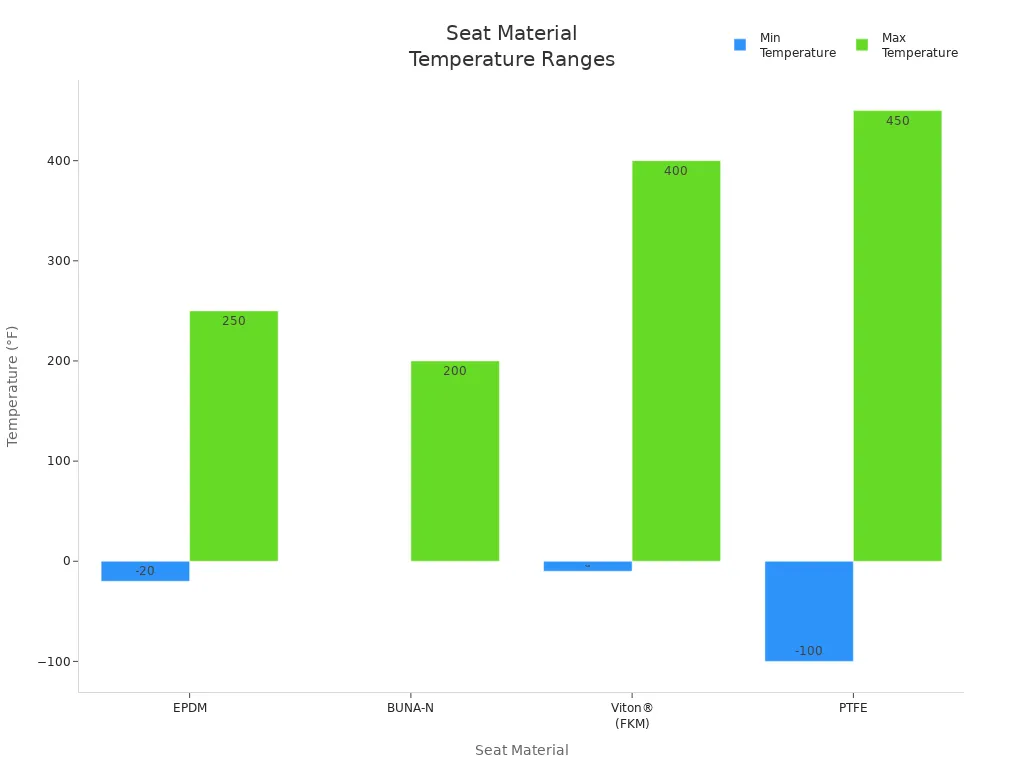
You should also think about pressure. PTFE seats can handle up to 450°F and 300 psi. EPDM and BUNA-N work up to 250°F and 150 psi. If your system gets very hot, you may need PTFE or Viton®. For super high heat, only metal seats will work.
Note: NTGD has many seat materials. You can pick the best one for your job and get great results.
Limitations
A lug butterfly valve has some limits you should know. It can cost more at first and weigh more than other valves. You might see a small drop in pressure when fluid goes through.
| Disadvantages of Lug Butterfly Valves |
|---|
| Higher initial cost and weight |
| Slightly increased pressure drop |
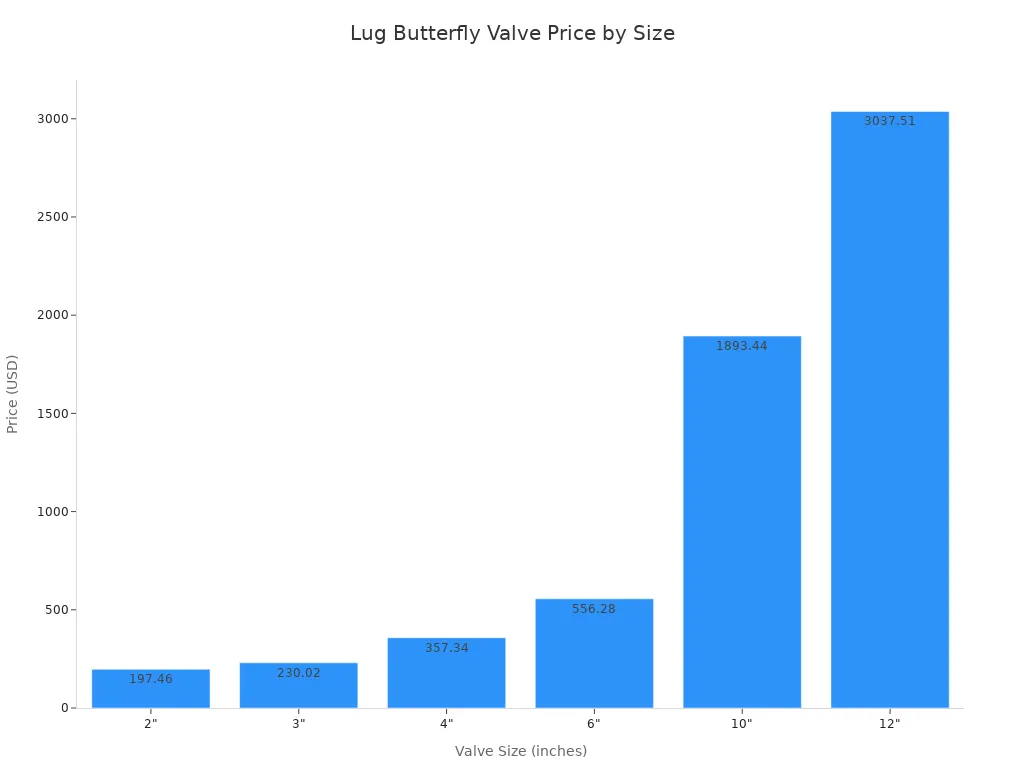
Here is a table showing prices for different sizes:
| Size | Price |
|---|---|
| 2″ | $197.46 |
| 3″ | $230.02 |
| 4″ | $357.34 |
| 6″ | $556.28 |
| 10″ | $1,893.44 |
| 12″ | $3,037.51 |
You should make sure your valve follows the right rules. NTGD valves meet rules from groups like ASME, API, ISO, and EN. These rules help you trust your valve to work well and stay safe.
- ASME (B16.34, B16.10, B16.24)
- API (6D, 609)
- ISO (10631)
- EN (593)
Tip: Always check if your butterfly valve meets the rules for your job. This helps you avoid trouble and keeps your system safe.
Lug vs. Wafer Butterfly Valve
Structural Differences
There are big differences between a lug butterfly valve and a wafer-style butterfly valve. The lug butterfly valve has lugs with threads around its body. These lugs let you bolt the valve to each pipe flange. You can take off one side of the pipe without touching the other side. The wafer-style butterfly valve does not have lugs. You put it between two flanges, and bolts go through the flanges and the valve. This means you cannot take off one side without moving the other.
| Feature | Lug Butterfly Valve | Wafer-Style Butterfly Valve |
|---|---|---|
| Body Design | Threaded lugs for bolting | Smooth body, no threaded lugs |
| Pipe Removal | Remove one side independently | Both sides must stay connected |
| Weight | Heavier | Lighter |
Installation
It is usually faster to install a wafer-style butterfly valve. You just put it between two flanges and clamp it. You do not need extra parts. A lug butterfly valve takes more time to install. You must line up the holes and use bolts and nuts. You also need tools to make it tight. This makes the job take longer.
| Valve Type | Installation Method | Additional Requirements |
|---|---|---|
| Wafer Butterfly Valve | Clamped between two flanges | None |
| Lug Butterfly Valve | Aligned with bolt holes, secured with bolts and nuts | Bolts, nuts, and tools |
Tip: Pick a wafer-style butterfly valve if you want a fast and easy setup. Pick a lug butterfly valve if you need to close off one side for repairs.
Application Suitability
A lug butterfly valve is good when you need to shut off or fix one side of your system. You do not have to stop everything. This is helpful in food, drink, and medicine factories. You can keep most of your system working while you fix one part. The lug butterfly valve also works better with high pressure and heat. It seals well and lets flow go both ways. A wafer-style butterfly valve is best when you do not need to take off one side often. It is good for simple flow jobs and when you want something light or small.
- Use a lug butterfly valve for:
- Systems that need fixing often
- High-pressure or hot jobs
- When you must close off one side of the pipe
- Use a wafer-style butterfly valve for:
- Simple flow jobs
- Light or small systems
- When you do not need to remove one side
Remember, picking the right valve saves you time and stops costly shutdowns.
Applications of Lug-Style Butterfly Valve
Industrial Uses
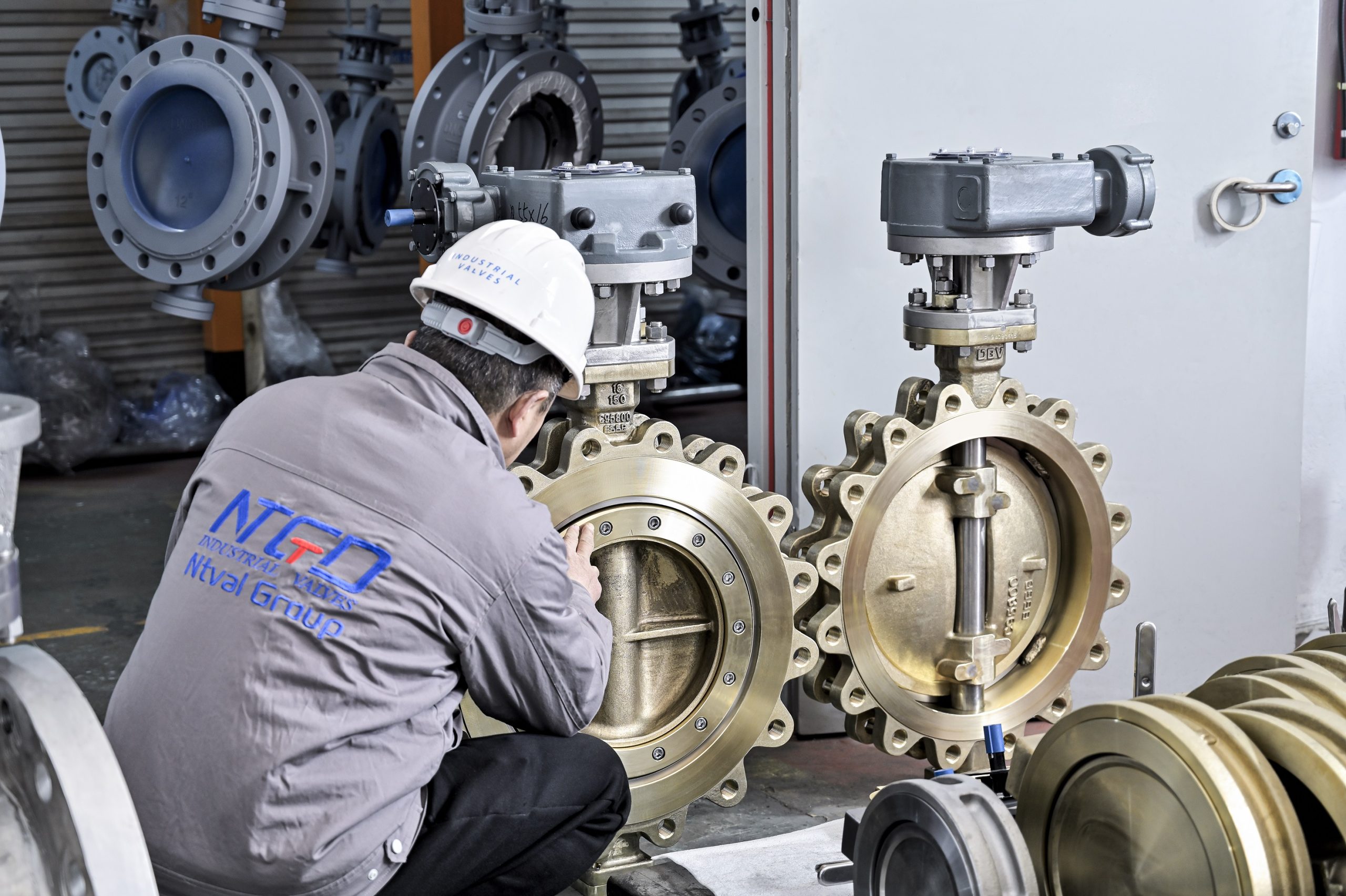
Lug-style butterfly valves are used in many industries. They are easy to put in and shut off well. These valves have threaded inserts on both sides. You can bolt them right to pipe flanges. This design lets you take off one side for repairs. You do not have to stop the whole system. You can use these valves for dead-end service. That means you close one end and keep the other sealed.
Here are some ways industries use lug-style butterfly valves:
- Water treatment plants use them to close off sections for fixing.
- Chemical plants put them in pipes with safe fluids.
- Food and drink factories use them for quick shutoff and cleaning.
- HVAC systems use them to control water or steam.
- Fire protection systems use them to shut off emergency lines.
These valves help you fix things fast and keep parts safe. Their design saves time and helps you avoid long stops.
Airflow and Other Systems
You can use a butterfly valve to control air in big ducts. Lug-style butterfly valves work best in low-pressure jobs and big pipes. You do not need exact flow control for these uses. They cost less and are easier to put in than some other valves, like V-port ball valves. If your system does not need tight control, a butterfly valve is a good choice.
- Use them in air units for simple open-close jobs.
- Put them in dust systems for quick shutoff.
- Pick them for exhaust or intake lines in factories.
Remember, these valves may not give you fine control for tough jobs. For most air and liquid jobs, they give you good value and work well.
Installation Guide
Preparation
Getting ready before you install the valve is important. It helps you stop problems and keeps your lug butterfly valve working well. Here are some steps to follow before you start:
- Site Assessment and Planning: Look at where you will put the valve. Check the temperature and pressure there. Think about what will move through the pipe. Pick the right size and material for your valve. Make sure there is enough space and that it is safe to work.
- Gathering Necessary Tools and Equipment: Get all the tools you need, like wrenches and torque wrenches. Make sure your tools are in good shape. Keep extra parts close by in case you need them.
- Valve Inspection and Preparation: Check the valve for any damage. Make sure it is right for your system. Clean the valve and put on lubricant if the maker says to.
Tip: If you get ready the right way, your valve will last longer and work better.
Mounting Steps
You can put in a lug butterfly valve by following these easy steps:
- Put the valve between the pipe flanges. Keep the disc a little open so it does not get hurt.
- Line up the bolt holes on the valve lugs with the holes on the flanges.
- Put in the bolts and tighten them with your hand in a crisscross way. This keeps the valve in the middle.
- Use a torque wrench to make the bolts tight, just like the maker says.
- Open and close the valve to make sure the disc moves easily.
- Do a pressure test to check for leaks.
Always do what the maker says for the best results.
Common Mistakes
People sometimes make mistakes when they put in a valve. You can stop these problems if you know what to look for:
| Mistake | Solution |
|---|---|
| Flanges not lined up right | Make sure flanges are straight and match before you tighten bolts. Use spacers if you need them. |
| Not enough space for the disc to move | Leave space on both sides so the disc can turn. |
| Wrong gasket or bolts used | Use the gasket and bolts the maker says to use. Do not use old gaskets again. |
| Valve put in the wrong way | Put the valve in the right direction so it does not wear out fast. |
| Forcing the valve open or closed | Never push the valve hard. If it will not move, check if it is lined up right. |
| Not testing the valve under pressure | Always test the valve with pressure before you use it. |
| Actuator does not match the valve’s needs | Make sure the actuator can give the right amount of force. |
| Pipes are dirty or not cleaned | Clean the pipes before you put in the valve. |
| Pipes not supported well | Hold up the pipes near the valve so they do not bend. |
| Not checking or fixing the valve often | Make a plan to check and take care of the valve. |
If you install the valve the right way, it will protect your system and help everything work well.
Maintenance and Troubleshooting
Routine Checks
You can keep your lug butterfly valve working well with regular care. Doing checks often helps you find problems early. This also helps your valve last longer. Here is a simple table to help you with your maintenance:
| Maintenance Check Type | Frequency | Description |
|---|---|---|
| Visual Checks | Weekly | Look for leaks, watch the actuator move, and check the position indicator. |
| Borescopic Examination | Quarterly | Check PTFE seats, see how the stem moves, and measure torque. |
| Full Disassembly | Annual | Use laser tools to check alignment, measure coating thickness, and test hardness. |
| Lubrication | Every 6-24 months | Put the right lubricant on the stem, gearbox, and actuator bearings. |
| Operational Checks | Quarterly | Open and close the valve all the way. Make sure it moves smoothly and quickly. |
| Seal Integrity Checks | As needed | Use ultrasonic tools to look for leaks in the seals. |
Tip: Doing regular checks helps you stop big repairs. It also keeps your system safe.
Problem Solving
Even the best lug butterfly valves can have problems sometimes. You can fix most issues fast if you know what to look for. Here are some common problems and ways to solve them:
- If the valve is not installed right, it may not line up. This can cause leaks or gaps. Always check the alignment when you put it in.
- High pressure or heat can hurt the seat or seals. If you see leaks, look at the sealing parts and change them if needed.
- Dirt or junk in the fluid can block the disc. This can stop the valve from opening or closing. Clean the valve and take out any debris.
- If the valve is hard to move, check for worn parts or not enough lubricant. Add lubricant or change broken parts.
- Cleaning and checking the valve often stops most problems. Make it a habit to look for damage or wear.
- When you find a problem, look for where it started. This helps you fix it faster and keeps it from happening again.
Remember, lug butterfly valves are made to be strong. If you take care of them, they will keep your system working well. 🛠️
Selecting a Lug Butterfly Valve
Sizing
Picking the right size for your lug butterfly valve matters a lot. The valve should fit your pipe and match how much fluid you need to move. Here are some things to think about:
- Check how fast the fluid moves. Use charts to pick the best size. If the flow is high, you need a bigger valve.
- Look at how much pressure the valve can take. Make sure it works for both still and moving fluid.
- Match the valve size with your pipe size. This helps the fluid move easily.
- Think about how hot or cold the fluid is. Some fluids need special materials.
- Consider what actuator you need. Bigger valves might need a stronger actuator.
- Decide how much control you want. Small valves help control low flows better.
- Balance the price. Big valves cost more but may save money later.
Tip: Always look at what your system needs before you choose a size. This helps stop leaks and keeps everything safe.
Material Choices
The kind of fluid in your system changes what materials you should use. Some chemicals can hurt normal valve materials. For example, strong acids or bases can cause leaks and make it hard to control flow. Pick materials that work with the fluid’s chemical and heat levels. PTFE-lined bodies and stainless steel discs are good for pipes with harsh chemicals.
- Think about what will go through the valve.
- Check the pressure and temperature where the valve will be used.
- Look at what materials you can get and how much they cost.
Note: Using the right materials helps your valve last longer and keeps your system working well.
Cost Considerations
You should look at prices when picking a lug butterfly valve. Wafer butterfly valves usually cost less because they are simpler. Lug butterfly valves cost more but are stronger and easier to fix. Flanged butterfly valves cost the most because they use more parts and are harder to make.
- The material you pick changes the price. Special materials cost more.
- Bigger valves and ones that handle more pressure cost extra.
- Fancy designs make the price go up.
- Lug and flanged valves are easier to fix, which saves money later.
| Valve Type | Cost Level | Maintenance Flexibility |
|---|---|---|
| Wafer Butterfly | Low | Basic |
| Lug Butterfly | Medium | High |
| Flanged Butterfly | High | Very High |
Remember: Spending more at first for a good valve can help you save money and time on repairs later.
You get lots of good things when you pick a lug butterfly valve for your system. This valve helps you keep equipment safe. You can fix things without stopping everything. Here is how it compares:
| Aspect of Serviceability | Wafer Butterfly Valve | Lug Butterfly Valve |
|---|---|---|
| Dead-End Service | Not rated | Made for this job |
| Maintenance | Needs full shutdown | No shutdown needed |
- This valve works for end-of-line service and tough jobs.
- It helps you follow safety rules in important industries.
- You have less downtime and your work keeps going.
If your system is complicated, check the rules and ask experts before you decide.